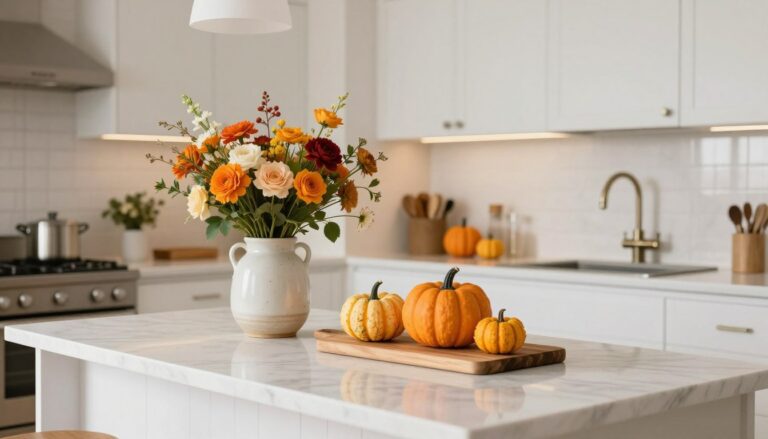

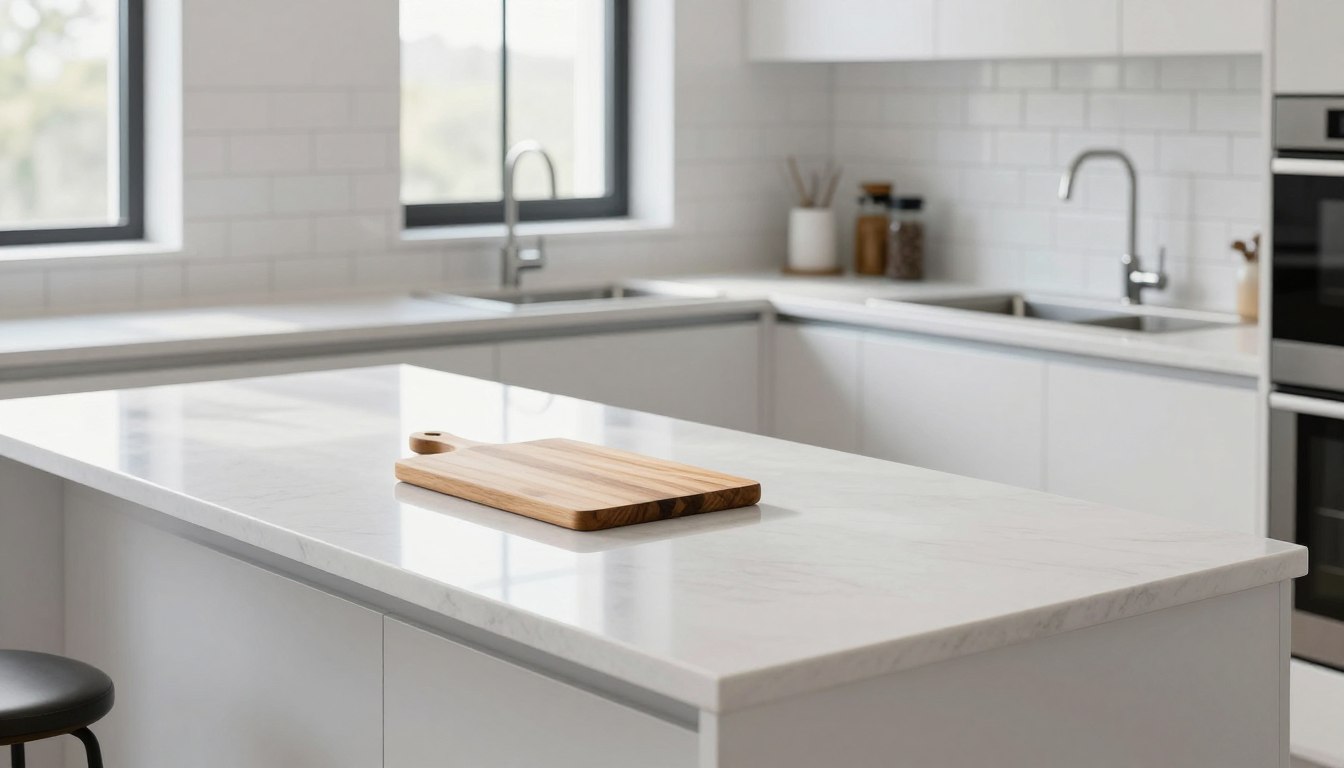
Your kitchen countertops shouldn’t feel like a storage unit. When every surface is crowded with appliances, papers, and random items, cooking becomes stressful. The minimalist approach transforms your kitchen into a calm, functional space where everything has its place.
This guide shows you exactly how to style kitchen countertops the minimalist way. You’ll learn which items to keep, what to remove, and how to create a kitchen that feels spacious and organized.
Minimalist design isn’t about emptiness. It’s about intentional choices that make your kitchen work better for your daily life.
Understanding the Core Principles of Minimalist Kitchen Design

Minimalist kitchen design follows specific principles that guide every decision. These aren’t rigid rules but helpful frameworks for creating spaces that feel open and function smoothly.
Function Over Form
Every element in a minimalist kitchen serves a purpose. Decorative items appear rarely and only when they enhance the space’s usability. This principle means keeping only appliances you use daily on your countertops.
Your coffee maker might stay out if you brew every morning. That bread maker you use twice yearly belongs in storage. The function first approach eliminates clutter naturally because unused items have no place in the design.

Quality Over Quantity
Minimalism prioritizes excellent materials and craftsmanship. One high-quality knife block with sharp, durable knives beats a drawer full of cheap cutlery. This philosophy extends to every kitchen element from countertops to cabinet hardware.
Investing in quality pieces reduces replacement cycles and visual clutter. Fewer, better items create a refined aesthetic while serving your needs more effectively.
Clean Lines and Simple Geometry
Minimalist kitchens feature straightforward shapes without ornate details. Cabinet doors are flat or have minimal profiles. Countertop edges remain square or slightly rounded rather than decorative. This simplicity creates visual calm.

Hardware choices matter too. Many minimalist kitchens use handleless cabinet doors with push to open mechanisms. This eliminates visual interruptions and maintains smooth surfaces throughout the space.
Neutral Color Palettes
Minimalist kitchen color schemes typically revolve around whites, grays, blacks, and natural wood tones. These neutral colors create a timeless backdrop that won’t feel dated. They also make spaces feel larger and more open.
A pop color appears occasionally through a single element like bar stools or a small appliance. But the dominant color scheme stays neutral to maintain the minimalist aesthetic.

The Complete Decluttering Strategy for Kitchen Countertops

Decluttering creates the foundation for minimalist kitchen countertops. This process requires honest assessment of what you truly need versus what accumulates through habit.
The Complete Counter Clear Out
Start by removing everything from your countertops. Yes, everything. Place all items on your dining table or in boxes. This blank slate helps you see your kitchen’s actual space and potential.
With cleared counters, clean the surfaces thoroughly. Notice how much larger and more inviting your kitchen feels with nothing on the countertops. This visual serves as your goal throughout the organization process.

Creating Storage Solutions
Removed items need organized homes inside your cabinets. Appliances you use weekly go in easily accessible lower cabinets. Seasonal or special-occasion items move to higher shelves or the pantry.

Choosing the Right Items to Display on Minimalist Countertops

Selecting what stays on your countertops requires balancing function with aesthetics. The right choices make your kitchen both practical and visually appealing.
Functional Essentials That Earn Their Space

Coffee makers, electric kettles, and toasters qualify for countertop space when used every morning. Choose models with clean designs and neutral colors that match your kitchen aesthetic.
Knife Block or Magnetic Strip

Quality knives need accessible storage. A simple wooden knife block or wall-mounted magnetic strip keeps your best tools within reach while protecting the blades.
Cutting Board

One high-quality cutting board displayed vertically adds warmth to the kitchen while staying ready for food prep. Choose wood or bamboo for a natural element.
Utensil Container

A single container near your stove holds frequently used spatulas, spoons, and tongs. Limit contents to 4-6 essential utensils to maintain the minimalist look.
Decorative Accents for Warmth
Even minimalist kitchens benefit from carefully chosen decorative elements. These items add personality without creating clutter when selected thoughtfully.

Living Plants
One small plant brings life to minimalist kitchen countertops. Choose low-maintenance options like succulents, pothos, or herbs in simple pots. A single plant provides a pop color without overwhelming the neutral color scheme.
Place plants near natural light sources and ensure pots complement your kitchen design. Ceramic, concrete, or terracotta containers work well in most minimalist kitchens.

Fruit Bowl or Single Vessel
A wooden or ceramic bowl holding fresh fruit serves dual purposes. It provides healthy snacks while adding organic shapes and colors to your countertop. Keep the display simple with 3-5 pieces of fruit maximum.
Alternatively, a single beautiful vessel like a ceramic vase or sculptural bowl can stand alone as an art piece. This approach works when you want decoration without the maintenance of plants or fruit.
Selecting the Perfect Color Palette for Minimalist Kitchen Countertops

Color choices dramatically impact how minimalist and spacious your kitchen feels. The right palette creates calm, cohesive spaces that stand the test of time.
Foundation: Neutral Base Colors
Minimalist kitchens build on neutral foundations that provide versatility and longevity. These base colors form the majority of your kitchen’s visual landscape.

Pure White
White creates the most spacious feeling. It reflects light beautifully and pairs with any accent color. White countertops and cabinets form the foundation of many minimalist kitchens.

Shades of Gray
Gray offers sophistication without stark contrast. Light grays feel soft and warm while dark grays add drama. This neutral color works especially well in modern minimalist designs.

Strategic Use of Black
Black elements ground minimalist kitchen design and create striking contrast. Use black sparingly as an accent rather than the dominant color to maintain airiness.

Black works particularly well for hardware, faucets, light fixtures, and appliances. These functional elements gain visual weight in black, becoming intentional design features rather than afterthoughts.
Black countertops make bold statements but require careful balance. Pair black surfaces with white or light cabinets to prevent the space from feeling heavy or small.
Adding a Pop Color
A single pop color adds personality to neutral minimalist kitchens without disrupting the calm aesthetic. This accent should appear in small, easily changeable elements.
Your pop color should appear in 10-15% of the space maximum. Too much accent color overwhelms the minimalist foundation.

Creating Visual Flow
Your color scheme should flow naturally from countertops to cabinets to backsplash to walls. This cohesion makes spaces feel larger and more intentional.

Consider using varying shades of the same neutral color rather than completely different colors. A light gray countertop pairs beautifully with medium gray cabinets and a darker gray backsplash, creating depth while maintaining unity.
Best Countertop Materials for Achieving Minimalist Aesthetics

Material selection impacts both the visual appeal and functionality of minimalist kitchen countertops. The right choice balances aesthetics with practical daily use.
Quartz: The Minimalist Standard
Quartz countertops dominate minimalist kitchen design for excellent reasons. This engineered material combines beauty with exceptional durability and minimal maintenance requirements.

Quartz offers completely uniform color and pattern, creating the consistent look minimalism demands. Unlike natural stone, you won’t find unexpected veining or color variations that might disrupt your design scheme.
White and light gray quartz create the brightest, most spacious minimalist kitchens. Darker quartz works well for contrast elements like kitchen islands paired with lighter perimeter countertops.
Marble: Elegant Minimalism
Marble countertops bring timeless elegance to minimalist kitchen spaces. The natural veining adds subtle interest without overwhelming the clean aesthetic.

Carrara and Calacatta marble remain popular choices for minimalist designs. Their white backgrounds with gray or gold veining provide visual texture while maintaining light, airy feelings.
Concrete: Industrial Minimalism
Concrete countertops suit urban, industrial-style minimalist kitchens. The raw, honest material creates striking modern spaces with unique character.

Custom concrete allows complete color control. Tint the mix to achieve any shade from light gray to deep charcoal. You can even embed materials like glass or stones for subtle texture.
Solid Surface: Seamless Simplicity
Solid surface materials like Corian create completely seamless countertops ideal for minimalist design. The material allows invisible seams and integrated sinks that enhance the unbroken visual flow.

Available in hundreds of colors, solid surfaces work for any color scheme. The material is repairable, so scratches and minor damage can be sanded out, maintaining that perfect minimalist appearance long-term.
Wood: Warm Minimalism
Wood countertops bring organic warmth to otherwise cool minimalist spaces. The natural material adds texture and character while maintaining clean lines.

Choose wide-plank wood for simpler, more minimalist looks. The fewer seams and joints, the cleaner the appearance. Light woods like maple or white oak brighten spaces while darker options like walnut add drama.
Stainless Steel: Professional Minimalism
Stainless steel creates the ultimate modern minimalist kitchen. The material brings professional-kitchen aesthetics to residential spaces with its reflective, industrial appeal.

Stainless steel is hygienic, heat-resistant, and incredibly durable. The material doesn’t stain or harbor bacteria, making it ideal for serious cooks who prioritize function. However, it shows fingerprints and water spots easily, requiring frequent wiping.
Space Saving Organization Tips for Minimalist Kitchen Countertops

Effective organization systems keep countertops clear by giving every item a designated home. These strategies maximize cabinet and drawer space while maintaining easy access to essentials.
Vertical Storage Solutions
Using vertical space in cabinets multiplies storage capacity without requiring additional floor space. These solutions work especially well in smaller kitchens where every inch matters.

Plate and Tray Dividers
Install vertical dividers in cabinets to store plates, cutting boards, and baking sheets on edge. This method uses less space than stacking and prevents scratching.

Drawer Organization Systems
Well organized drawers eliminate the need for countertop utensil holders and tool collections. Custom dividers keep everything orderly and findable.

Appliance Garages and Hidden Storage
Appliance garages are cabinet spaces designed to hide small appliances while keeping them accessible. These clever features maintain clear countertops without sacrificing convenience.

Install electrical outlets inside appliance garages so devices can stay plugged in. Simply close the door when not in use to hide the appliances completely. This solution works especially well for corner cabinets or unused wall space.
Under Sink Organization
The space under your sink often becomes a disorganized mess. Proper organization here keeps cleaning supplies contained and counters free from spray bottles and sponges.

Install pull-out organizers that work around plumbing. Use small bins or baskets to group similar items. Mount a tension rod across the cabinet to hang spray bottles by their triggers. Add a small trash bin if your main bin doesn’t fit underneath.
Clear Container Systems
Transfer dry goods into matching clear containers with labels. This system looks clean, shows what needs replenishing, and keeps food fresh longer. Stack containers to use vertical pantry space efficiently.

Floating Shelves
One or two floating shelves can display frequently used items attractively. Keep displays minimal, with items grouped intentionally. Glass shelves maintain visual lightness better than wood in small spaces.

Common Mistakes to Avoid When Styling Minimalist Kitchen Countertops

Even with good intentions, homeowners make predictable mistakes when creating minimalist kitchen countertops. Avoiding these pitfalls helps achieve authentic minimalism rather than sterile or cluttered spaces.
Mistake 1: Going Too Stark
The most common minimalist mistake is removing every trace of personality and warmth. Completely empty counters with all-white everything creates cold, uninviting kitchens that feel more like laboratories than homes.

Mistake 2: Inconsistent Style Mixing
Mixing too many design styles disrupts minimalist cohesion. A modern stainless appliance next to rustic farmhouse decor next to industrial elements creates visual confusion rather than intentional design.

Mistake 3: Ignoring Storage Needs
Clearing countertops without creating organized storage just moves clutter to cabinets. Unorganized cabinets eventually overflow back onto counters, undoing minimalist efforts.

Mistake 4: Following Trends Over Personal Needs
Minimalist design trends sometimes conflict with individual lifestyle needs. A family of five who bakes frequently has different requirements than a single person who rarely cooks.

Mistake 5: Forgetting About Lighting
Even perfectly styled minimalist countertops look uninviting with poor lighting. Dark corners and harsh overhead lights diminish the peaceful atmosphere minimalism should create.

Natural light enhances minimalist spaces beautifully. Keep window treatments simple to maximize daylight. Sheer curtains or simple roller shades suit minimalist aesthetics while providing privacy when needed.
Maintenance Tips for Keeping Minimalist Countertops Clean

Minimalist kitchen countertops require consistent maintenance to preserve their clean, organized appearance. Daily habits and proper cleaning techniques keep surfaces looking pristine.
Material-Specific Cleaning Methods
Different countertop materials need specific cleaning approaches to maintain their appearance and integrity.
Quartz Countertops

Clean quartz with mild dish soap and water. Avoid abrasive cleaners or scouring pads that might dull the surface. For tough spots, use a non abrasive cleaner specifically designed for quartz.
Marble Countertops

Use only pH-neutral cleaners on marble. Acidic cleaners will etch the surface. Reseal marble every 6-12 months depending on use. Blot spills immediately, especially acidic liquids like wine or citrus juice.
Wood Countertops

Clean wood with mild soap and water, drying immediately. Oil monthly with food-safe mineral oil or beeswax to maintain the protective finish. Sand out scratches and stains, then re-oil the affected area.
Concrete Countertops

Clean concrete with pH-neutral cleaner and soft cloth. Reseal annually with food-safe sealer to maintain stain resistance. Avoid acidic cleaners that can damage the sealer or etch the concrete.
Preventing Water Spots and Streaks
Water spots disrupt the pristine appearance of minimalist countertops, especially on dark materials and stainless steel.

Always Use Cutting Boards
Never cut directly on countertops, even durable materials like quartz. Knives can scratch surfaces and dull quickly. Keep cutting boards near primary prep areas for convenient use.

Gentle Bleach for Light Materials
For stubborn stains on white quartz or solid surface, use a diluted bleach solution. Mix one part bleach with ten parts water. Apply for a few minutes, then rinse thoroughly. Never use bleach on stone countertops as it can damage sealers.

Minimalist Countertop Styling for Small Kitchens

Small kitchens benefit enormously from minimalist principles. Limited space demands intentional choices that maximize functionality while maintaining visual openness.
Maximizing Limited Counter Space
When counter space is scarce, every square inch must work efficiently. Strategic choices create surprisingly functional small kitchens.

Visual Tricks for Spaciousness
Design choices can make small kitchens feel significantly larger than their actual dimensions.

Light Color Dominance
Use light colors throughout small kitchens to enhance the sense of space. White or light gray countertops reflect light and create openness. Save darker colors for small accent pieces only.

Reflective Surfaces
Glossy cabinet finishes and glass backsplash tiles reflect light, making spaces feel larger. Polished countertops work better than matte finishes in tight quarters for this visual expansion effect.

Compact Versions
Many appliances come in apartment or compact sizes perfect for small kitchens. A two-cup coffee maker serves one or two people while using half the counter space of standard models. Compact dish racks, smaller toasters, and mini food processors all save valuable real estate.

Combination Appliances
Consider combination units that serve multiple functions. A toaster oven can replace both a toaster and small oven. A pressure cooker replaces slow cooker, rice cooker, and steamer. These consolidated tools reduce appliance count dramatically.
Vertical Space Utilization
When floor space is limited, build upward. Vertical solutions add storage and function without consuming precious counter area.

Creating Kitchen Zones
Even tiny kitchens benefit from zone organization. Designate specific areas for different tasks to maximize efficiency.

Keep items near where you use them. Coffee and mugs live near the coffee maker. Knives and cutting boards stay near the primary prep area. This zone approach reduces movement and makes small kitchens feel more spacious to work in.
Incorporating Open Shelving in Minimalist Kitchen Design

Open shelving divides opinion in minimalist kitchen design. When executed properly, it creates stunning visual impact and functional storage. Done poorly, it becomes cluttered display space that contradicts minimalist principles.
Benefits of Open Shelving
Removing upper cabinets creates dramatic openness. Kitchens feel larger and airier without solid cabinet fronts blocking sightlines. This effect particularly benefits small or dark kitchens.

Dust Accumulation
Items on open shelves collect dust requiring frequent cleaning. Dishes used daily stay clean, but display pieces need regular wiping. This maintenance burden exceeds closed cabinet storage.
Visual Commitment
Open shelves demand visual discipline. Every item must contribute to the aesthetic. Mismatched dishes or cluttered arrangements ruin the minimalist effect. This pressure isn’t for everyone.

Designing Effective Open Shelving
Use open shelving selectively rather than replacing all upper cabinets. Two or three floating shelves create impact without overwhelming the space or eliminating needed storage.

Consider placing open shelves in one area while maintaining closed cabinets elsewhere. This hybrid approach provides display opportunities while preserving practical storage for less attractive necessities.
What to Display on Open Shelves
Curating shelf contents makes or breaks the minimalist open shelving look.

Matching Dishware
Invest in matching dishes and glasses for open display. Uniform sets create visual harmony. White or neutral tones maintain the minimalist aesthetic most effectively.

Daily Use Items Only
Display only items used regularly. Special occasion dishes belong in closed cabinets. This ensures shelves stay neat through natural use rather than becoming static displays requiring constant adjustment.

Styling Techniques
Proper styling techniques elevate open shelving from storage to design feature.
Arrange items to create triangular sight lines. Place taller items at the ends or back of shelves with shorter items toward the center or front. This creates balanced, pleasing compositions.

Alternatives to Full Open Shelving
If open shelving feels too committed, consider these compromise options.

Glass-front upper cabinets provide display opportunities while protecting contents from dust. This option requires less maintenance than fully open shelves while still creating visual interest.
Single Display Shelf

Install one floating shelf for display rather than replacing multiple cabinets. This gives you the aesthetic benefit of open shelving without the commitment or maintenance of a full system.
Minimalist Backsplash Options That Complement Clean Countertops

The backsplash significantly impacts your kitchen’s minimalist aesthetic. The right choice complements countertops while maintaining visual simplicity.
Slab Backsplash Continuation
Extending countertop material up the wall creates the most seamless minimalist look. This approach eliminates visual breaks between horizontal and vertical surfaces.

Classic White Subway Tile
White subway tiles remain popular in minimalist kitchens for good reason. The simple rectangular shape and bright white color create clean backgrounds that never compete with other design elements.

Large Format Tiles
Larger tiles mean fewer grout lines, creating cleaner appearances. Tiles measuring 12×24 inches or larger provide substantial coverage with minimal interruption.

Light gray, white, or concrete look large format tiles work beautifully in minimalist spaces. The substantial tile size creates calm, uncluttered surfaces that don’t distract from countertops or cabinets.
Glass Backsplash
Glass panels create completely seamless backsplashes without any grout lines. This ultra-modern option suits contemporary minimalist kitchens.

Minimal Grout Tile Techniques
Rectified tiles feature precisely cut edges allowing tighter spacing. These tiles can be installed with 1/16 inch grout lines instead of standard 1/8 inch lines, reducing visual grid impact.

Alternative Backsplash Materials
Several less common materials create distinctive minimalist backsplashes.

Stainless Steel
Steel sheets create industrial minimalist looks. The material is durable and heat-resistant but shows fingerprints and water spots easily. Best suited for modern minimalist designs.

Concrete
Poured concrete backsplashes match concrete countertops seamlessly. The material requires sealing but creates distinctive industrial-minimalist spaces with raw, honest appeal.

Wood Panels
Sealed wood creates warm minimalist backsplashes. Light woods like oak or maple brighten spaces while adding organic texture. Requires proper sealing near sinks and stoves for moisture protection.
Lighting Strategies That Enhance Minimalist Countertops

Proper lighting transforms minimalist kitchens from stark to stunning. Strategic light placement enhances clean countertops while providing necessary task illumination.
Layered Lighting Approach
Successful kitchen lighting combines three types: ambient, task, and accent. This layering creates functional spaces with beautiful atmosphere.
General overhead light provides base illumination. Recessed ceiling lights work well in minimalist kitchens as they disappear into the ceiling rather than hanging visibly. Space fixtures evenly for uniform light distribution.

For lower ceilings, flush-mount fixtures provide necessary light without hanging down. Choose simple designs in black, white, or brushed metal that complement minimalist aesthetics.
Task Lighting
Focused light for food preparation and cooking prevents shadows and eyestrain. Under-cabinet lighting provides excellent task illumination for countertop work surfaces.

LED strips installed under upper cabinets create even, shadow-free illumination. Choose warm white (2700-3000K) rather than cool white for more inviting light. Hardwired systems with wall switches work better than plug-in strips for cleaner installations.
Pendant Lights Over Islands
Simple geometric shapes work best. Sphere, cylinder, or cone pendants in glass, metal, or concrete suit minimalist designs. Avoid ornate fixtures with multiple parts or decorative elements.
Single large pendants make stronger statements than multiple small ones. One substantial fixture over an island creates impact while maintaining simplicity. If using multiple pendants, limit to 2-3 identical fixtures.

Natural Light Maximization
Natural light enhances minimalist spaces better than any artificial source. Maximize daylight to reduce dependence on electric lighting during daytime hours.

Lighting Control Options
Smart controls enhance minimalist kitchens by reducing visible switches and allowing precise light adjustment.
Dimmer Switches
Install dimmers on all kitchen lights for adjustable ambiance. Bright task lighting during cooking transitions to softer ambient light during dining or entertaining. Dimmers extend bulb life and reduce energy consumption too.
Smart Controls
Smart switches and bulbs allow control via phone or voice commands. Program lighting scenes for different activities. Motion sensors can turn on under-cabinet lights automatically when you approach countertops.

Color Temperature Considerations
Light color significantly impacts how minimalist kitchens feel. Wrong color temperatures can make spaces feel cold and unwelcoming.
Warm white creates inviting, comfortable atmospheres. This temperature range suits minimalist kitchens best, preventing the sterile feeling cool white can create. Use warm white for ambient and under-cabinet task lighting.

Styling a Minimalist Kitchen Island as Functional Centerpiece

The kitchen island often dominates the space visually. Styling it minimally while maintaining function requires thoughtful decisions about layout, materials, and what belongs on its surface.
Determining Island Purpose
Define your island’s primary function before styling. Different purposes demand different approaches to minimalist design.
If the island primarily serves as prep space, keep the entire surface clear except during active cooking. Store prep tools in island drawers for quick access without visible clutter.

Choose durable countertop materials that withstand heavy use. Quartz resists staining from food prep better than marble. Wood provides warmth but requires more maintenance in high-use prep areas.
Dining Bar Function
Islands with seating areas need different considerations. The dining side stays clear while the kitchen side can house prep items. This dual-purpose approach maximizes function while maintaining clean sightlines from living areas.

Keep bar areas completely clear except during meals. No permanent decorations or condiment collections. Clean surfaces make eating spaces more appealing and maintain the minimalist aesthetic.
Island Styling Guidelines
Never place more than three items on an island countertop simultaneously. This might include a fruit bowl, small plant, and cutting board standing vertically. Fewer items create more impact than crowded surfaces.

Integrated Island Features
Built-in features reduce countertop clutter by incorporating functions into the island structure itself.

Integrated Sinks
Undermount sinks create seamless transitions between surface and basin. This integration looks cleaner than drop-in sinks with visible rims. Place sinks on the kitchen side of islands with bar seating.

Pop-Up Outlets
Electrical outlets that pop up from countertops when needed and disappear when not in use maintain clean surfaces. These solutions cost more than wall outlets but preserve minimalist aesthetics.

Flush Cooktops
Induction cooktops sit flush with countertops, especially attractive in islands. The smooth surface doubles as prep space when not cooking. Controls disappear until activated, maintaining clean lines.

Seating Selection
Bar stools at minimalist islands should complement the overall design aesthetic without adding visual weight.

Material Considerations
Islands in different materials add visual interest without clutter. A wood island in an otherwise white kitchen provides warmth. Dark quartz islands contrast beautifully with white perimeter counters.

When contrasting, ensure materials share color tones or undertones. Cool-toned gray concrete pairs well with white quartz but clashes with warm honey-toned wood. Maintain color harmony even when varying materials.
Seasonal Adjustments for Minimalist Kitchen Countertops

Minimalist kitchens can acknowledge changing seasons without abandoning clean aesthetics. Subtle adjustments bring seasonal warmth while maintaining the core minimalist principles.
Spring Styling
Small potted herbs like basil, cilantro, or parsley add spring green to countertops. These functional plants serve cooking needs while bringing life to the space. Keep to one or two small pots maximum.

Summer Adaptations
Summer suits all white styling particularly well. White counters, white dish towels, white containers create cool, crisp atmospheres perfect for hot months.

Fall Transitions
Introduce or emphasize wood elements. A wooden cutting board, wooden utensil holder, or wooden bowl adds warmth appropriate for fall. Choose medium to dark wood tones that suggest autumn colors.

Winter Warmth
Winter styling adds coziness to minimalist spaces without clutter.

Holiday Minimalism
Holidays tempt us toward clutter, but minimalist principles can guide restrained seasonal decorating.
Select one beautiful seasonal item rather than multiple decorations. This might be a sculptural centerpiece, a single decorated branch, or one meaningful object. Let it shine alone without competing elements.

Budget Friendly Ways to Achieve Minimalist Countertop Styling

Creating minimalist kitchen countertops doesn’t require expensive renovations. Strategic decluttering and smart styling choices transform existing spaces on modest budgets.
Start With What You Have
The most budget friendly approach uses existing countertops and cabinets. Minimalism enhances any material when styled properly.
Thoroughly clean existing countertops to restore their best appearance. Remove buildup, stains, and grime that accumulated over time. You might be surprised how good existing materials look when truly clean.

For tile countertops, clean grout thoroughly with baking soda paste and a stiff brush. Sealed, clean grout looks dramatically better than dirty grout. This free improvement makes major visual impact.
Paint Solutions
Paint offers affordable ways to refresh minimalist kitchens when you can’t replace major elements.
Painting existing cabinets white or light gray creates fresh minimalist backdrops for countertops. This project costs hundreds rather than thousands compared to cabinet replacement.

Proper preparation ensures lasting results. Clean, sand, prime, and apply quality cabinet paint in thin coats. The process takes time but saves significant money compared to new cabinets.
Affordable Upgrades
Small changes create noticeable minimalist impact without major investment.

New Hardware
Replace dated cabinet hardware with simple modern handles or knobs. Black, brushed nickel, or brass finishes in minimal designs cost little but significantly update kitchen aesthetics.

LED Strip Lighting
Plug-in LED strips under cabinets cost $20-50 and install without electrical work. The improved task lighting makes kitchens more functional while highlighting clean countertops.

DIY Organization Projects
Creating organized storage allows you to clear countertops without buying expensive systems.
Make custom drawer dividers from cardboard or wood scraps. While not as beautiful as purchased organizers, DIY dividers function identically at near-zero cost. They keep drawers organized so items don’t need countertop storage.

Shopping Strategies
Shop thrift stores, estate sales, and online marketplaces for high quality items at low prices. One excellent secondhand cutting board beats five cheap new ones. Look for solid wood, real ceramic, and quality construction in secondhand items.
Simple Over Ornate
Plain items cost less than decorated versions. Simple white dishes, basic containers, and unembellished tools suit minimalist aesthetics while being budget friendly. Avoid paying premiums for decorative elements you don’t want anyway.

Temporary Solutions
Marble-look or solid color contact paper can temporarily update countertops. While not permanent, quality contact paper lasts 1-2 years with proper application. This costs under $100 for most kitchens and creates dramatic visual change.

Removable Wallpaper Backsplash
Peel-and-stick wallpaper in tile patterns or solid colors updates backsplashes temporarily. This renter-friendly option costs $30-100 and removes without damage when you’re ready for permanent changes.
Long Term Strategies for Maintaining Minimalist Kitchen Countertops

Creating minimalist countertops takes effort. Maintaining them requires building sustainable habits that prevent gradual decluttering over time.
Building Automatic Habits
Sustainable minimalism comes from habits that require no conscious effort. These automatic behaviors maintain your minimalist kitchen without constant vigilance.

This habit feels difficult initially but becomes automatic within weeks. Your hand learns to reach for the drawer instead of the counter. The momentary extra effort prevents cumulative clutter that requires major cleanup sessions.
Dealing with Mail and Papers
Create a mail processing station outside the kitchen, ideally near your home’s entrance. Sort mail immediately upon bringing it inside: recycle junk mail, file important documents, handle bills promptly. Processed mail never reaches kitchen counters.

Quarterly Cabinet Cleanouts
Every three months, empty one cabinet completely. Evaluate each item: Is it still used? Still needed? Still functional? Discard, donate, or relocate items that no longer serve you. This prevents cabinet overflow that pushes items onto counters.

Motivation Maintenance
Staying motivated for minimalist maintenance requires connecting to your deeper reasons.
Visual Reminders
Keep a photo of your kitchen at its minimalist best. When motivation wanes, review the photo to remember why you committed to this approach. Visual evidence of the peaceful space you created reinforces continued effort.

Embracing Your Minimalist Kitchen Journey

Styling kitchen countertops the minimalist way creates more than clean surfaces. It builds a foundation for calmer, more intentional living centered around one of your home’s most-used spaces.
The journey starts with understanding core minimalist principles: function over form, quality over quantity, clean lines, and strategic negative space. These concepts guide every decision from major material choices to daily countertop styling.