
Plants bring more than just a touch of nature into your space. They transform rooms into living art galleries that breathe life and energy into every corner. When you walk into a home with thoughtfully arranged greenery, you immediately sense the difference.
The way plants interact with light, furniture, and architectural elements creates a dynamic visual experience. Interior design professionals understand this relationship. They use specific techniques to make sure plants enhance rather than clutter a space.
This guide reveals seven designer-approved strategies that will help you style plants like a professional. These practical tips work for any room size or design aesthetic. You’ll learn how to choose the right varieties, position them for maximum impact, and maintain their beauty over time.
Choose the Right Plant Varieties for Different Spaces
Every room in your home offers unique growing conditions. Light levels, humidity, and available space all determine which plants will thrive. Understanding these factors helps you make smart choices that look beautiful and stay healthy.
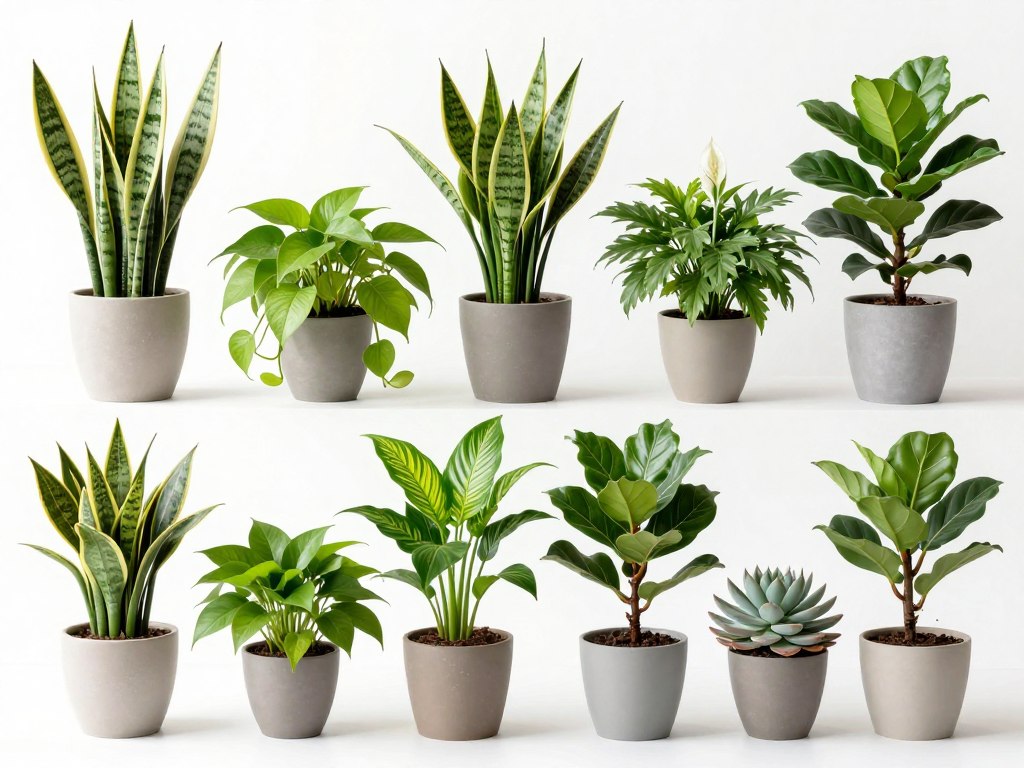
Low light areas like hallways and bathrooms need resilient varieties. Snake plants tolerate minimal sun and require little watering. Peace lilies adapt well to dim corners while adding elegant white blooms. These plants survive where others would struggle.
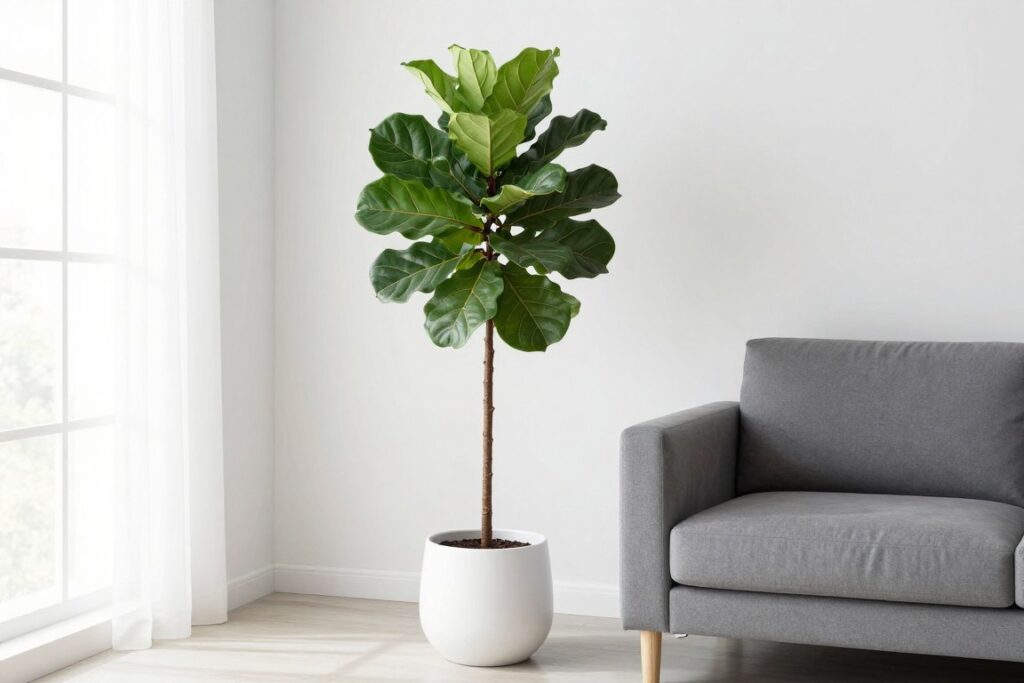
Bright rooms with south facing windows support a wider range of options. Fiddle leaf figs make dramatic statements in well lit living rooms. Rubber plants develop rich, glossy leaves when they receive adequate sunlight. These varieties reward your attention with impressive growth.
Matching Plants to Room Functions
Kitchens benefit from herbs like basil and rosemary that serve dual purposes. They look attractive and provide fresh ingredients. The natural humidity from cooking creates ideal conditions for these plants.
Bedrooms need air-purifying varieties that promote better sleep quality. Spider plants and Boston ferns filter toxins while releasing oxygen at night. Their gentle presence creates a calming atmosphere.
High Light Spaces
Rooms with southern exposure and abundant natural sunlight throughout the day require sun loving plants that can handle intense light.
- Fiddle Leaf Fig – dramatic vertical accent
- Bird of Paradise – tropical statement piece
- Rubber Plant – bold architectural form
- Jade Plant – low-maintenance succulent
Low Light Spaces
Areas with limited natural light or north-facing windows need shade-tolerant varieties that thrive in indirect or filtered sunlight.
- Snake Plant – nearly indestructible option
- Pothos – trailing vine for shelves
- ZZ Plant – glossy, drought-tolerant
- Cast Iron Plant – lives up to its name
Humid Spaces
Bathrooms and laundry rooms with elevated moisture levels support tropical plants that appreciate the extra humidity in the air.
- Peace Lily – elegant white flowers
- Boston Fern – lush, cascading fronds
- Orchid – exotic bathroom luxury
- Air Plants – no soil required
Dry Spaces
Rooms with heating or air conditioning that reduce humidity levels need drought-tolerant plants that store water in their leaves.
- Aloe Vera – practical and attractive
- Cacti – sculptural desert specimens
- Succulents – compact, colorful options
- Ponytail Palm – unique texture
Size Considerations for Plant Selection
Room dimensions guide appropriate plant scale. Small apartments need compact varieties that don’t overwhelm limited floor space. Trailing pothos or compact snake plants work perfectly on shelves and side tables.
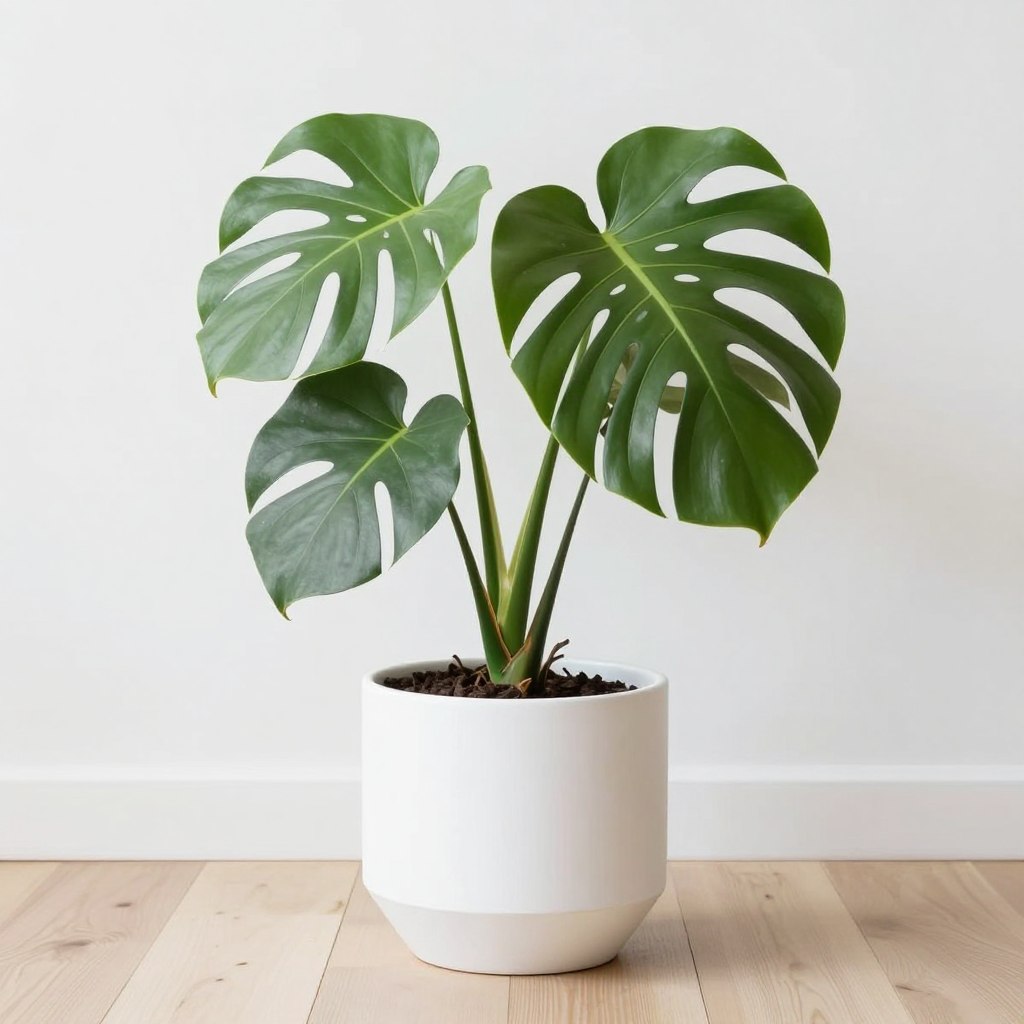
Large, open plan spaces can accommodate floor plants that make bold statements. A seven-foot fiddle leaf fig or monstera deliciosa fills vertical space dramatically. These impressive specimens anchor a room’s design.
Select Stylish Planters and Pots That Complement Your Decor
The container you choose affects your plant’s visual impact as much as the plant itself. A beautiful specimen in a mismatched pot loses its appeal. The right planter elevates both the plant and your interior design.
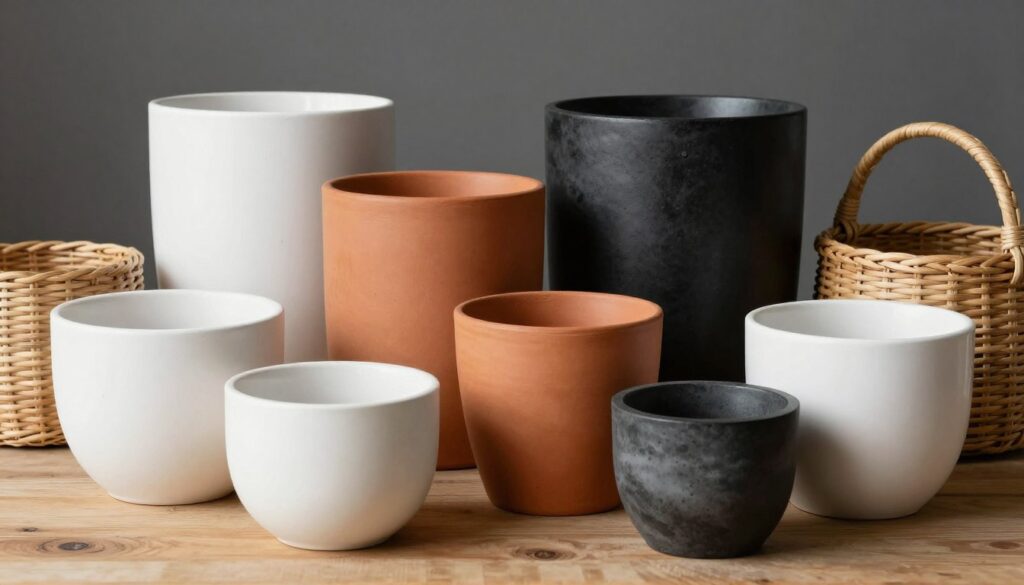
Material selection creates different moods. Ceramic planters in glossy white or soft pastels suit modern, minimalist spaces. Terracotta brings warmth and texture to bohemian or rustic interiors. Metal containers add industrial edge to contemporary rooms.
The finish matters just as much as the material. Matte surfaces create subtle, sophisticated looks. Glossy finishes reflect light and draw more attention. Textured planters add tactile interest that plain containers cannot provide.
Color Coordination Strategies
Neutral planters in white, black, gray, or natural tones work with any color scheme. They let the plant’s foliage become the focal point. This approach creates a cohesive look when you have multiple plants in one space.
Colored planters make bolder statements but require careful consideration. They should echo existing accent colors in your artwork, pillows, or rugs. A terracotta pot picks up warm tones in a sunset photograph. A navy planter complements blue throw pillows.
Match Planter Style to Interior Design
Your planter choices should reflect your overall design aesthetic. Consistency in style creates a harmonious, intentional look throughout your space.
- Modern minimalist: Clean lined ceramic in white or black
- Scandinavian: Natural wood stands with simple ceramic pots
- Bohemian: Woven baskets and textured clay
- Industrial: Concrete, metal, or galvanized finishes
- Traditional: Classic urns and decorative ceramic
- Coastal: Light blue or white with natural fiber accents
Practical Drainage Considerations
Beautiful planters need functional drainage to keep plants healthy. Pots with drainage holes prevent water from accumulating at the root level. This simple feature makes a significant difference in plant survival.
If you fall in love with a planter without drainage, use it as a decorative outer container. Place your plant in a basic nursery pot with drainage inside the attractive cover. This two-pot system protects both your plant and your furniture.
Master Placement Strategies for Maximum Visual Impact
Where you position plants determines their effectiveness in your space. Strategic placement transforms ordinary greenery into design elements that command attention. Interior designers follow specific principles when deciding where plants should live.
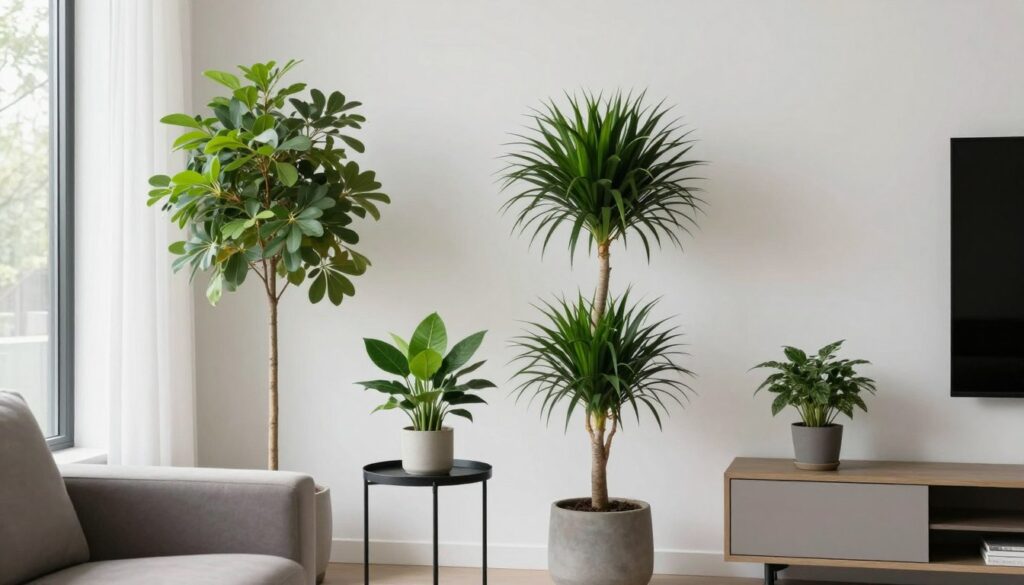
The rule of thirds applies to plant placement just as it does in photography. Avoid centering plants directly in the middle of walls or furniture. Offset positions create more dynamic, interesting compositions that feel natural rather than forced.
Corners often become dead space in room design. A tall floor plant brings these forgotten areas to life. The vertical element draws the eye upward and makes the room feel larger. Peace lilies or dracaenas excel in corner positions.
Creating Depth with Layered Placement
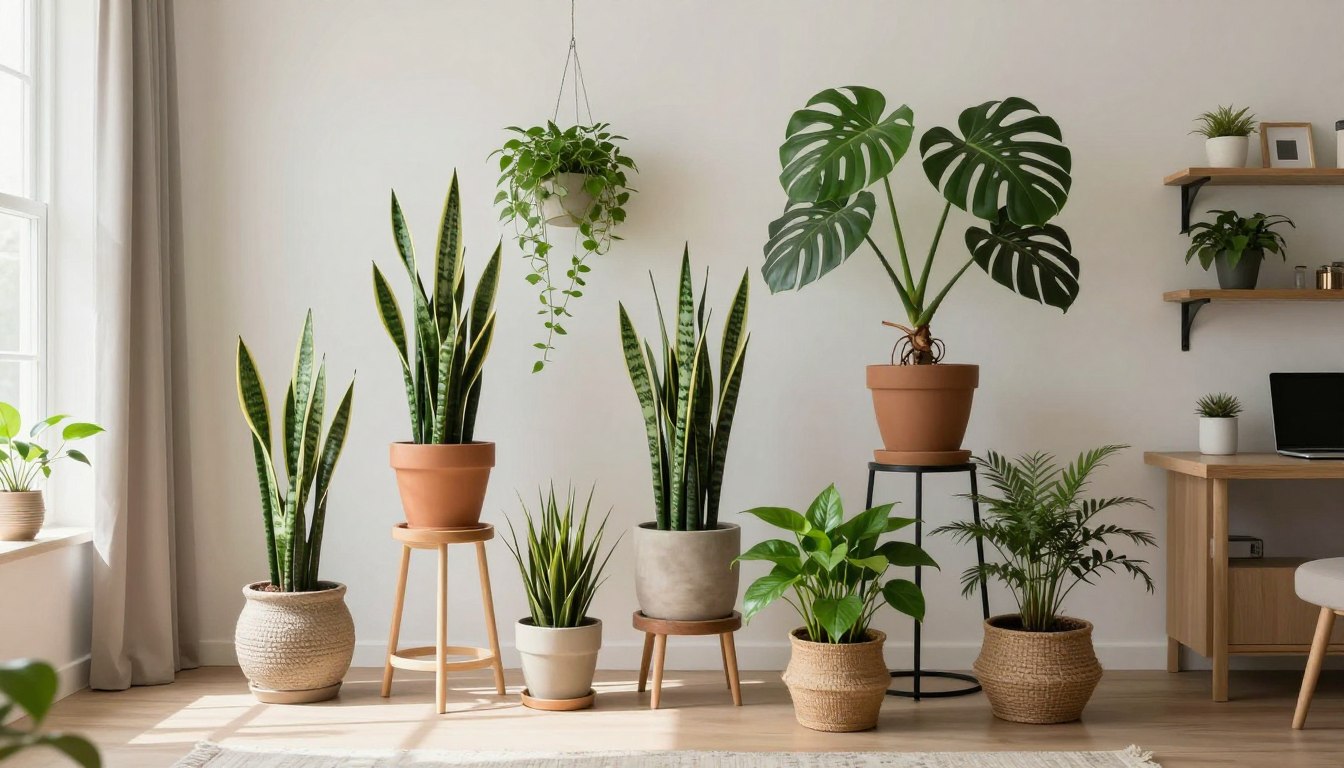
Professional stylists arrange plants at varying heights to add dimension. Place one large floor plant in the back, a medium plant on a stand in the middle, and a small plant on a low table in front. This layering creates depth that flat, single-level arrangements lack.
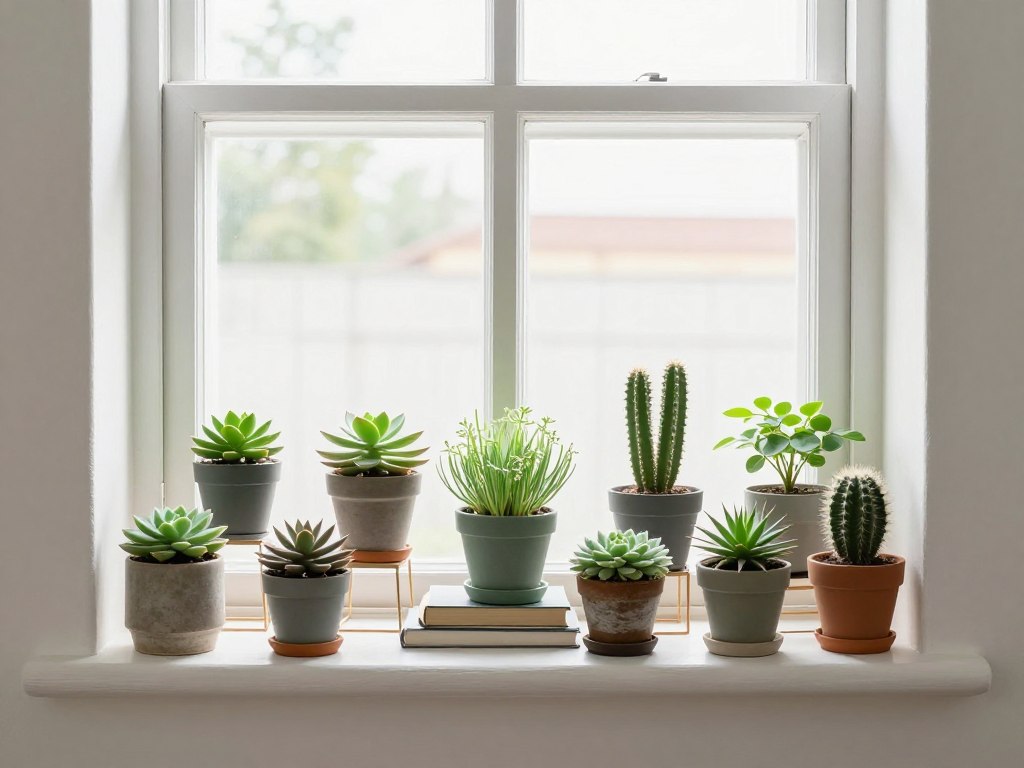
Window sills offer prime real estate for plant displays. The natural light benefits plants while the greenery frames your view. Mix trailing plants like pothos with upright specimens like succulents. This variety keeps the window interesting from both inside and outside.
Using Negative Space Effectively
More plants don’t always mean better design. Empty space around plants gives them room to breathe visually. A single statement plant on a clean surface creates more impact than three crowded together.
The furniture around your plants affects how you perceive them. A plant placed next to a busy, patterned chair competes for attention. Position it near solid-colored furniture instead. This simple change lets both elements shine.
High Impact Placement Zones
- Empty floor corners that feel dark or unused
- Beside sofas to soften hard furniture lines
- On side tables at eye level when seated
- Flanking entryways to create welcoming frames
- In front of windows to maximize natural light
- On floating shelves at staggered heights
Placement Mistakes to Avoid
- Blocking natural foot traffic pathways
- Positioning too close to heating or cooling vents
- Placing sun-loving plants in dark corners
- Centering plants symmetrically on every surface
- Overcrowding surfaces with too many small plants
- Ignoring sight lines from doorways and seating
Balancing Symmetry and Asymmetry
Symmetrical plant arrangements create formal, traditional looks. Two identical plants flanking a fireplace or doorway establish a sense of order. This approach works well in classic interior design schemes.
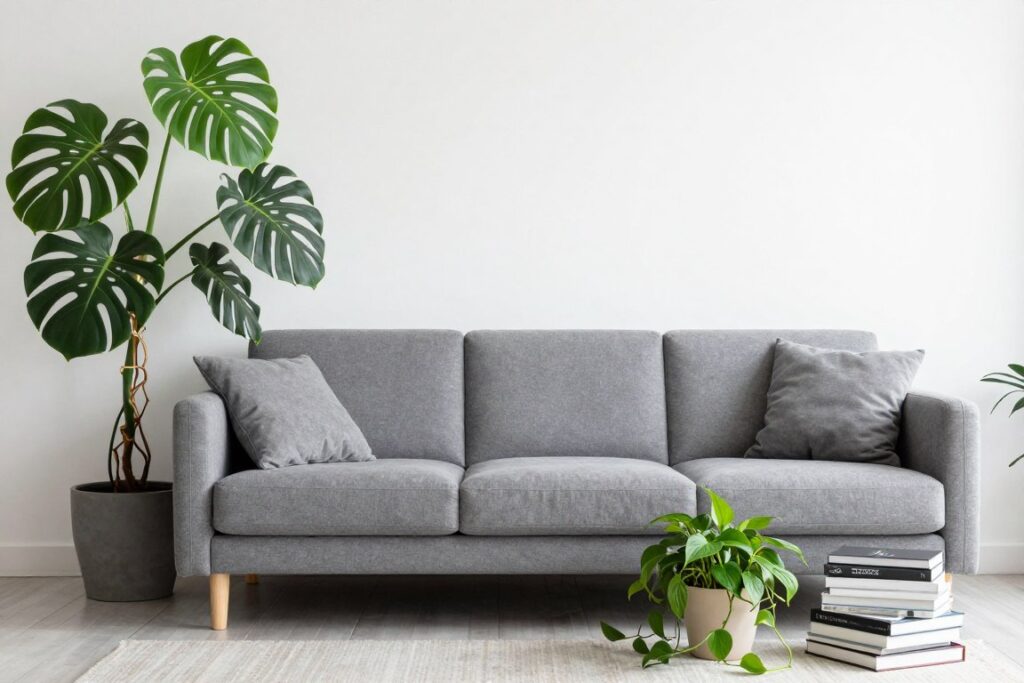
Asymmetrical arrangements feel more relaxed and modern. A large plant on one side of a sofa balanced by a smaller plant and stack of books on the other creates visual equilibrium without matching. This technique adds personality and prevents rooms from feeling stiff.
Combine Plants with Other Decor Elements Seamlessly
Plants shouldn’t exist in isolation from your other design choices. They work best when integrated thoughtfully with artwork, textiles, and furniture. This coordination creates a unified look that feels intentional rather than accidental.
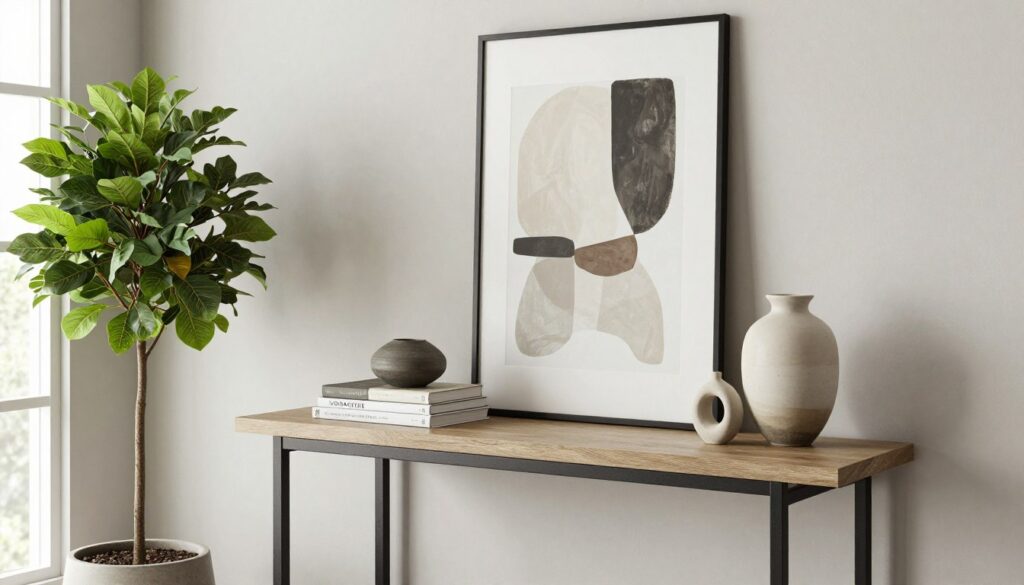
Artwork and plants share a natural relationship. Position a plant near a botanical print to reinforce the nature theme. The living plant adds dimension that flat art cannot provide. Together, they create a stronger visual statement than either element alone.
Books and plants pair beautifully on shelves and tables. The organic curves of leaves contrast with the rigid geometry of book spines. This juxtaposition adds texture and visual interest. A trailing pothos cascading over design books creates an effortlessly stylish vignette.
Textile and Plant Pairings
The colors and patterns in your textiles should inform your plant and planter choices. A room with geometric patterns benefits from the organic, irregular shapes of plant foliage. This contrast prevents the space from feeling too rigid or formulaic.
Natural fiber textiles like linen and jute complement plants beautifully. A jute rug grounds a collection of potted plants. Linen curtains provide a soft backdrop that makes green foliage pop. These materials share an earthy quality that feels cohesive.
Creating Styled Vignettes
A well-styled vignette combines several elements in a small area. Follow these principles to create attractive plant-centered displays that feel curated and intentional.
- Use odd numbers of objects (three or five items work best)
- Vary heights by using books or small stands as risers
- Mix organic shapes (plants) with geometric forms (books, boxes)
- Include one textural element (woven basket, ceramic dish)
- Keep the color palette limited to three main colors
- Leave some empty space so items don’t feel crowded
Furniture as Plant Platforms
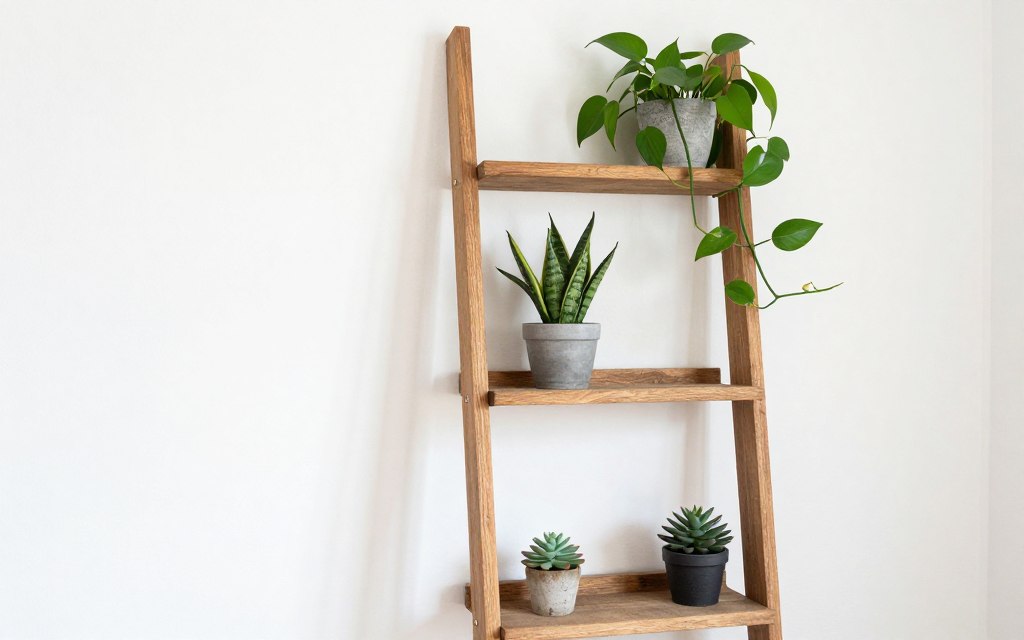
The furniture you already own becomes a display system for plants. A ladder shelf provides multiple levels for plant arrangement. Each rung holds different specimens at varying heights. This vertical approach saves floor space while maximizing visual impact.
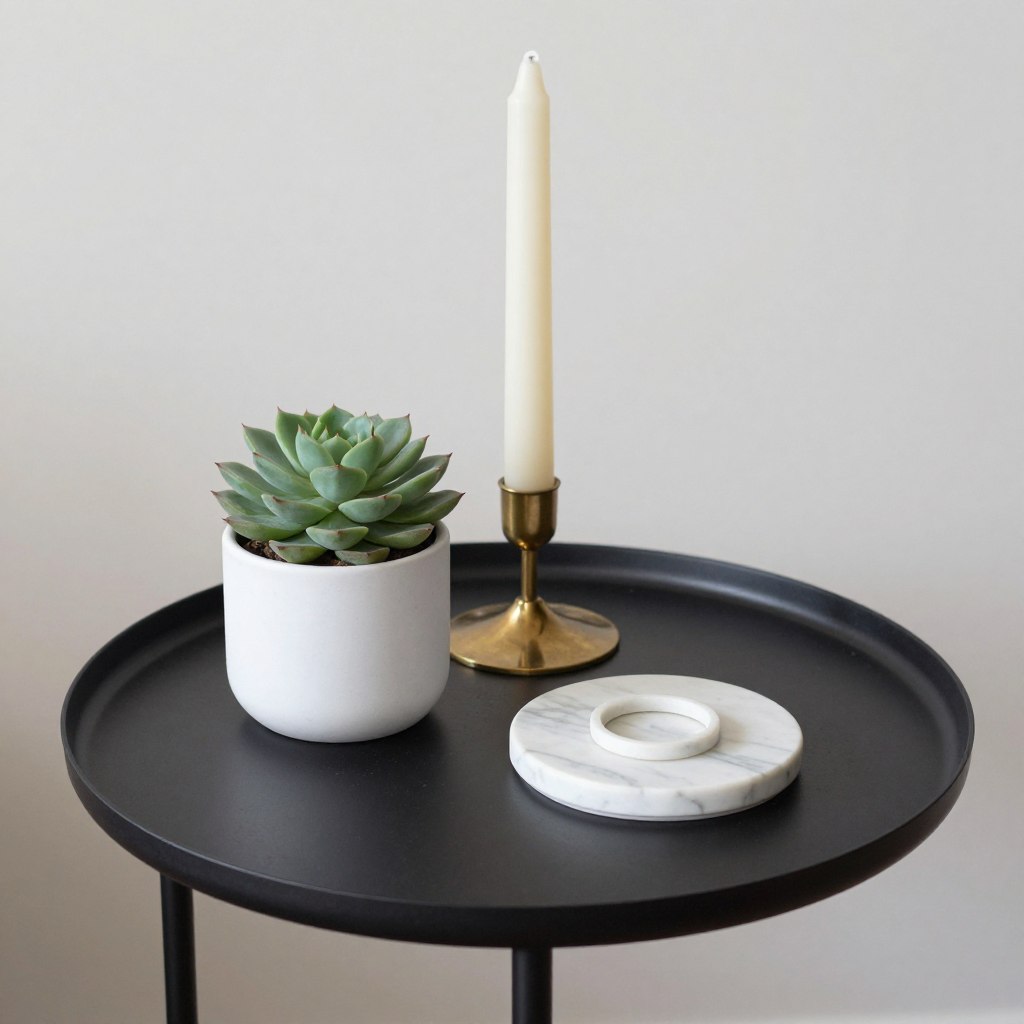
Credenzas and console tables work perfectly as plant stages. Their horizontal surfaces allow you to create longer, more elaborate arrangements. Mix plants with decorative objects to build interesting tablescapes that tell a visual story.
Mirrors and Reflective Surfaces
Mirrors amplify the presence of plants by reflecting their foliage. Position a plant near a mirror to double its visual impact. This trick works especially well in small spaces where you want more greenery without actual crowding.
Reflective surfaces like glass tables and metallic accents catch and bounce light around plants. This interplay creates depth and movement. A plant on a glass coffee table appears to float, adding an airy quality to your design.
Create Stunning Focal Points with Greenery
Every well-designed room needs a focal point that draws the eye immediately upon entering. Plants can serve this purpose beautifully when styled with intention. A dramatic plant arrangement becomes a conversation piece that defines your space.
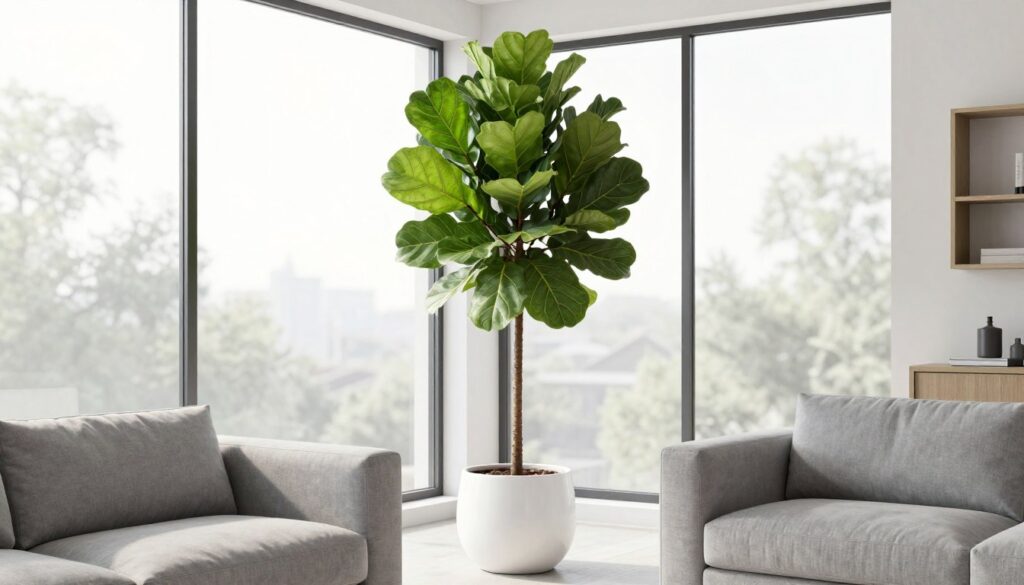
Size creates instant impact. A large floor plant like a fiddle leaf fig or bird of paradise commands attention simply through its scale. These specimens work best in rooms with high ceilings where they have space to grow vertically without overwhelming the area.
Unusual plant varieties attract interest through their distinctive appearance. A monstera deliciosa with its dramatic split leaves or a curly spider plant with cascading offspring creates visual intrigue. These conversation starters give guests something to admire and discuss.
Grouping Plants for Impact
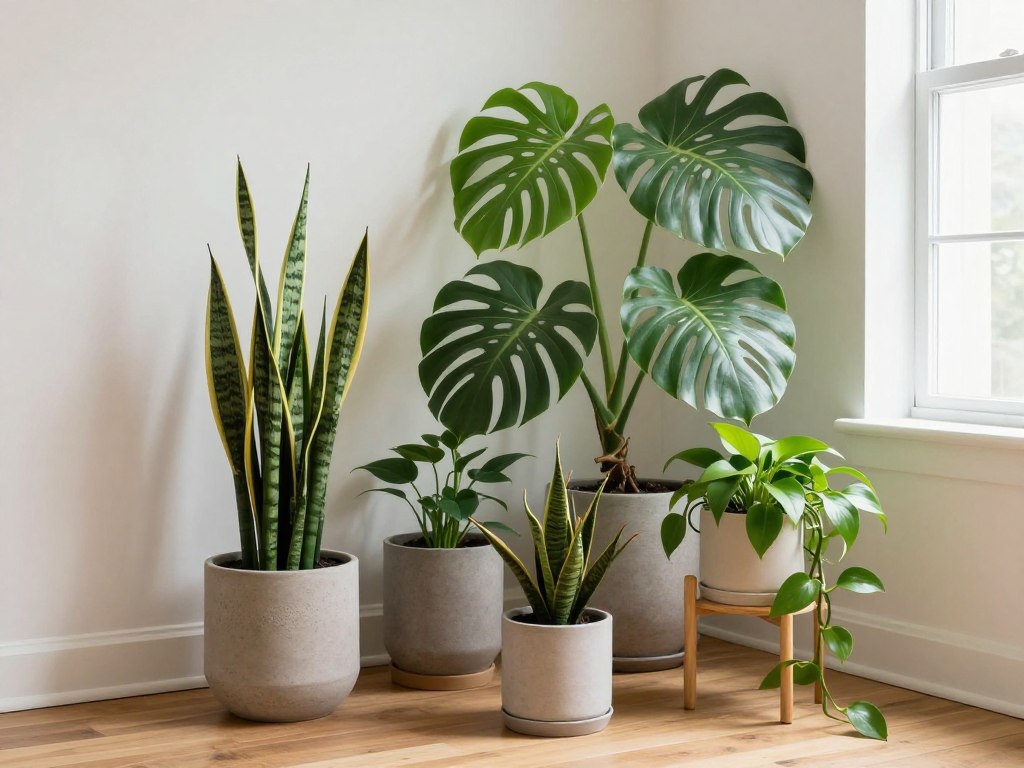
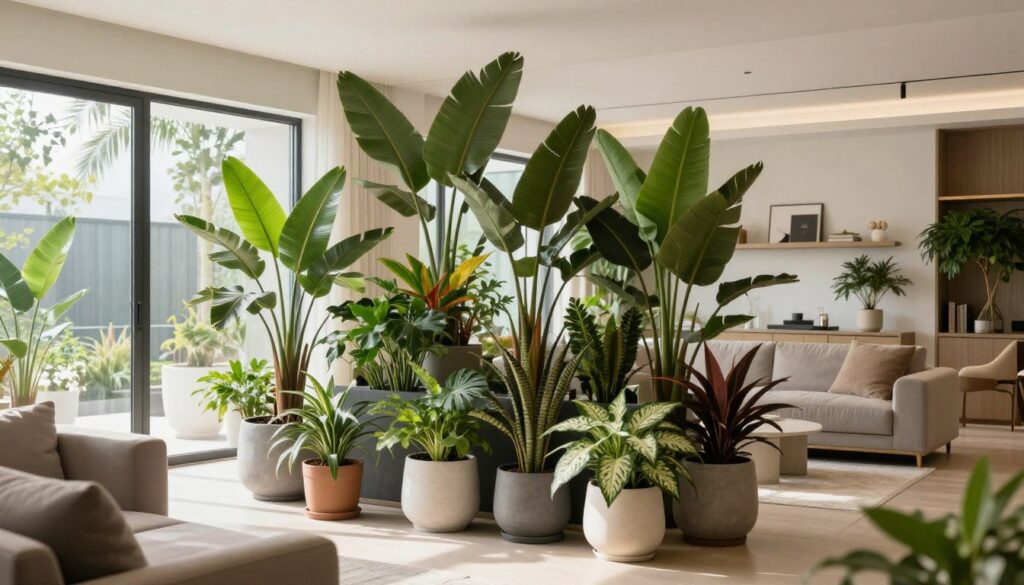
Multiple plants grouped together create more drama than the same plants scattered throughout a room. A collection of three to five plants in varying heights forms a lush corner that feels like an indoor garden. This clustering technique maximizes impact while containing plants to one area.
The composition should include different leaf shapes and textures. Combine broad-leafed plants with fine, delicate foliage. Mix upright growers with trailing varieties. This diversity keeps the grouping interesting from every angle.
Using Architectural Features
Work with your home’s existing architecture to enhance plant displays. A plant positioned on a fireplace mantel becomes a natural focal point because the architectural feature already draws attention. The greenery enhances rather than competes with the built-in element.
Built-in shelving offers perfect opportunities for showcasing plants. Integrate greenery among books and objects to soften the hard edges of shelving units. The organic forms break up the linear geometry and add life to what might otherwise feel static.
Seasonal Focal Point Rotation
Changing your focal point plant seasonally keeps your space feeling fresh. Move a flowering peace lily to the spotlight when it blooms. Rotate a variegated plant to the focal position during darker winter months when its bright leaves lift the mood.
This rotation also benefits plant health. Moving plants to different light conditions throughout the year prevents uneven growth. What serves as a focal point in summer may need a rest period in a lower-light area during winter.
Use Plants to Complement Your Color Schemes and Furniture
Plants offer an incredible range of colors beyond basic green. Understanding this palette helps you make choices that enhance your existing decor. The right plant becomes an integral part of your color story.
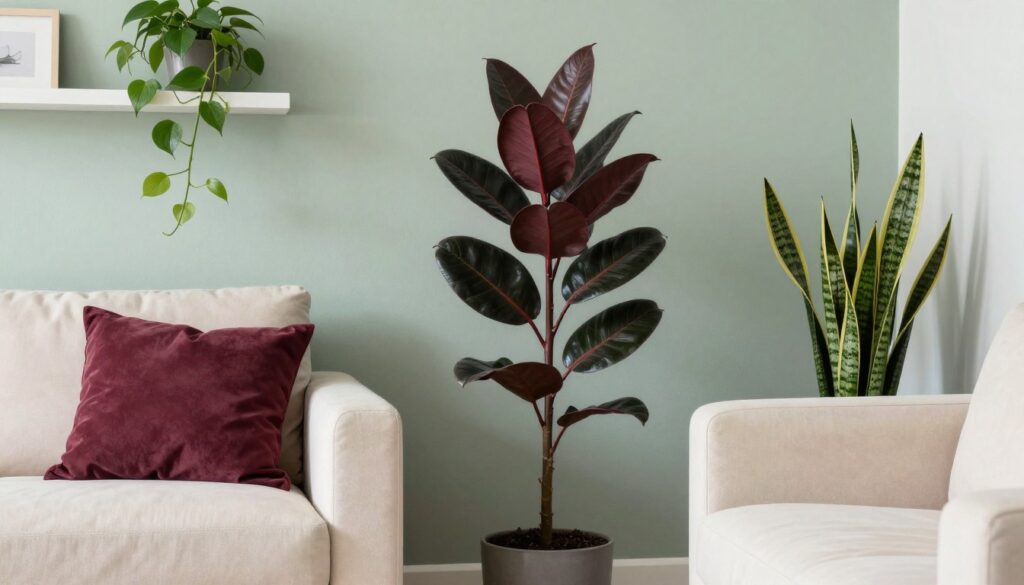
Dark green foliage creates sophisticated, moody atmospheres. Rubber plants with their deep burgundy-tinged leaves complement jewel-tone color schemes. These rich plants anchor rooms designed with emerald, sapphire, or ruby accents.
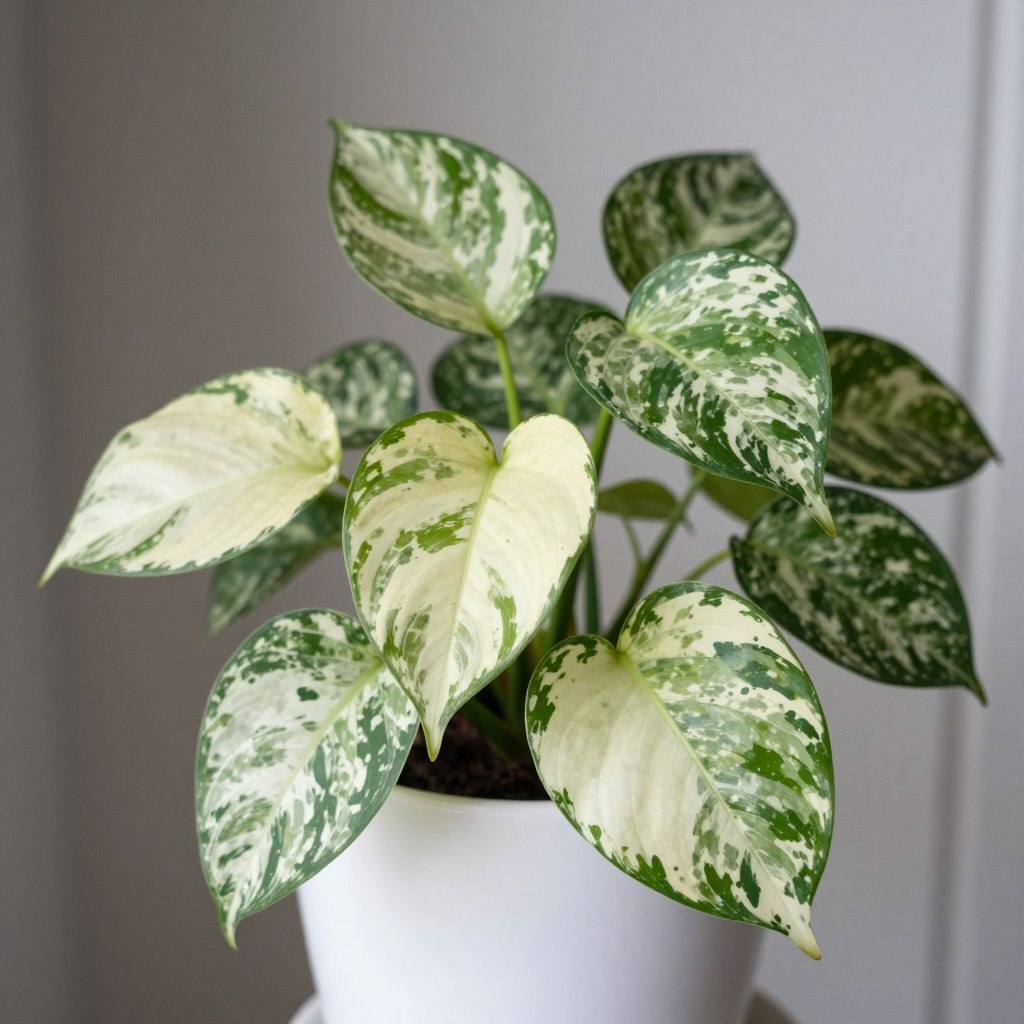
Light, variegated plants brighten spaces and work beautifully in rooms with soft, neutral palettes. A variegated pothos or prayer plant introduces subtle pattern without overwhelming minimalist design. The cream and green leaves echo neutral furniture and light wood tones.
Matching Plant Tones to Furniture
Your furniture’s undertones should guide plant selection. Warm wood furniture pairs naturally with plants that have yellow-green or bronze-tinged foliage. A croton or philodendron brasil complements honey oak or walnut pieces.
Cool-toned furniture in gray or white looks stunning with blue-green plants. Snake plants with their silver-gray-green leaves or blue star ferns create harmonious combinations. These cooler plant tones prevent visual conflict with modern, neutral furniture.
Color Coordination Strategies
Think of plants as living accessories that can tie your color scheme together or provide intentional contrast. Consider these approaches when selecting plants for specific color palettes.
- Monochromatic rooms benefit from varied green tones to add depth
- Neutral spaces come alive with burgundy or purple-tinged foliage
- Bold, colorful rooms need simple green plants to provide visual rest
- Warm color schemes pair with golden-green or bronze-leafed varieties
- Cool color schemes complement silver-green or blue-toned plants
- Earth-tone interiors work with nearly any plant variety
Creating Visual Balance
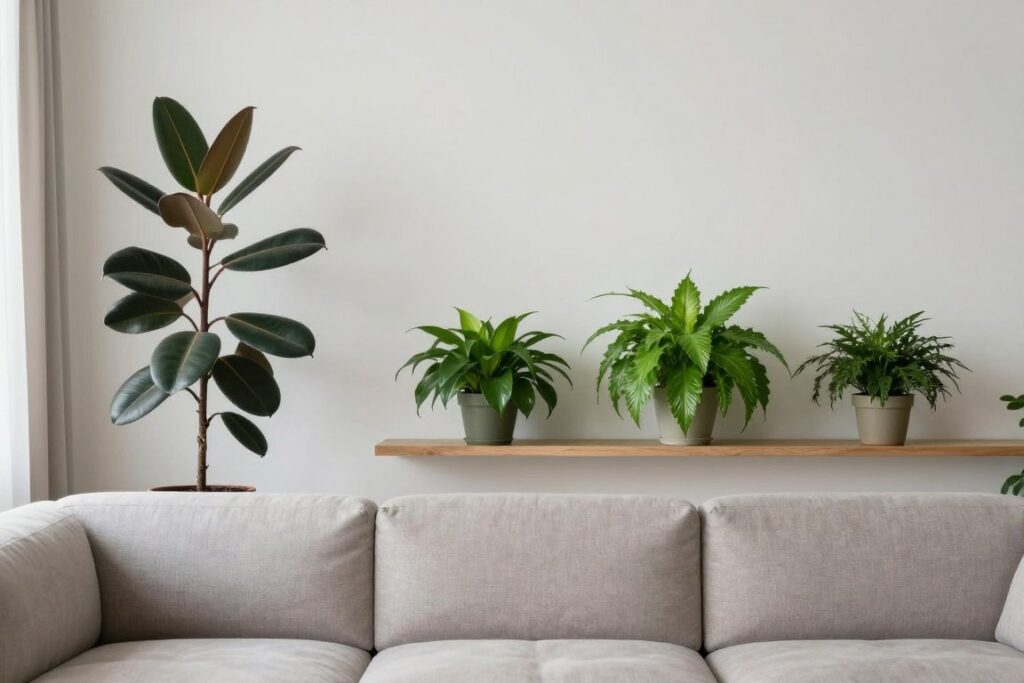
The visual weight of plants affects how balanced a room feels. Dark, dense foliage appears heavier than light, airy leaves. A large, dark rubber plant on one side of a room needs a visual counterweight on the opposite side to maintain equilibrium.
This balance doesn’t require identical plants. A dark plant on the left can be balanced by a grouping of lighter plants on the right. The combined visual weight of several smaller plants equals one large, dark specimen.
Accent Plants as Color Pops
Use flowering plants or colored foliage as accent pieces that introduce seasonal color. A pink anthurium echoes blush pillows on your sofa. An oxalis with purple leaves picks up the aubergine tones in your artwork.
These accent plants can rotate based on blooming periods or your mood. Unlike paint or furniture, plants offer flexibility to change your color accent without major investment. A new flowering plant refreshes your entire color scheme.
Essential Maintenance Tips to Keep Plants Looking Their Best
Beautifully styled plants lose their appeal when they’re unhealthy. Maintenance determines whether your green design elements enhance or detract from your space. Proper care keeps plants looking as good as the day you brought them home.
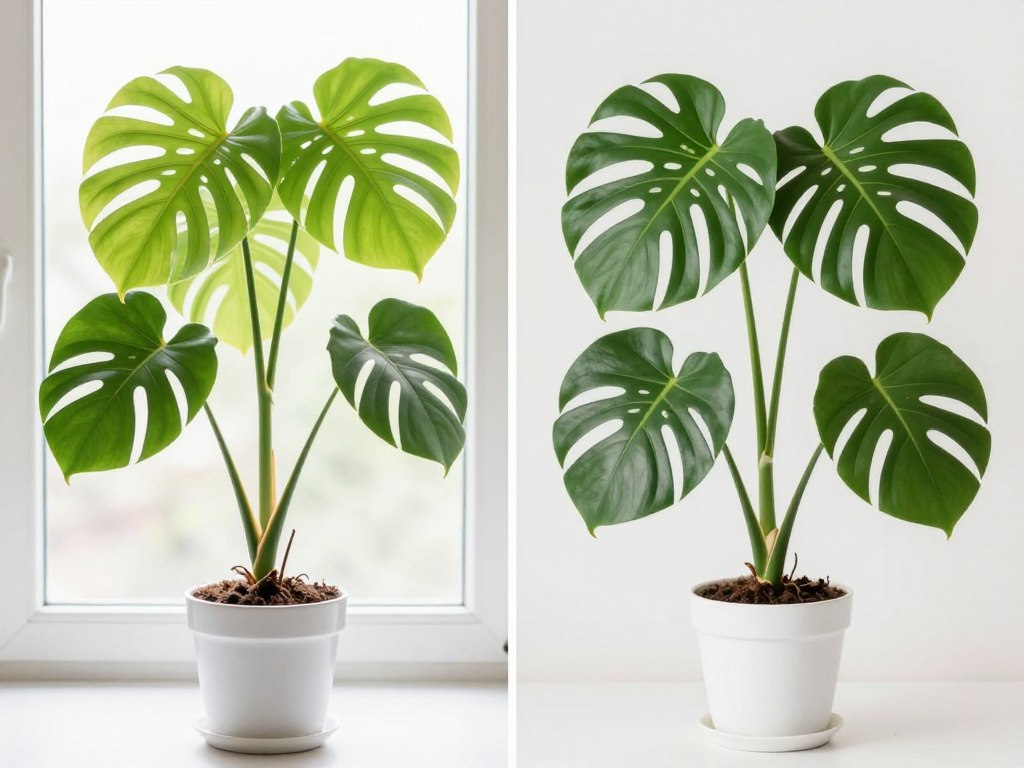
Watering schedules depend on multiple factors. Light levels, pot size, and plant variety all affect how much water your plants need. Most indoor plant deaths result from overwatering rather than neglect. When in doubt, wait an extra day before watering.
The finger test provides reliable guidance. Insert your finger two inches into the soil. If it feels dry at that depth, water thoroughly. If moisture remains, wait another few days. This simple check prevents the most common watering mistakes.
Light Management for Healthy Growth
Plants positioned away from windows may need supplemental lighting. Low light doesn’t mean no light. Even shade-tolerant snake plants need some ambient brightness to thrive. If your room feels dark to you, it’s probably too dark for most plants.
Rotate plants regularly to ensure even growth. Plants naturally lean toward their light source. Turning them a quarter turn each week promotes symmetrical development. This small effort keeps plants looking balanced and full from all angles.
Cleaning and Grooming
Dust accumulates on leaves and blocks light absorption. Wipe large-leafed plants like rubber trees with a damp cloth monthly. This simple task improves photosynthesis and makes leaves shine. Clean plants look healthier and more attractive.
Remove dead or yellowing leaves promptly. These damaged parts drain energy from the plant and make your display look unkempt. Use clean, sharp scissors to make neat cuts. This grooming maintains the plant’s appearance and encourages new growth.
Daily & Weekly Care Tasks
- Check soil moisture levels in all plants
- Water plants that need it based on finger test
- Rotate each plant a quarter turn
- Remove any dead leaves or spent flowers
- Check for pest signs on leaf undersides
- Ensure proper drainage after watering
- Adjust plant positions for optimal light
Monthly Care Tasks
- Wipe dust from large leaves with damp cloth
- Feed plants with diluted liquid fertilizer
- Inspect roots through drainage holes for pot-bound conditions
- Prune leggy growth to maintain shape
- Check and clean plant saucers and cache pots
- Assess overall plant health and adjust care as needed
- Shower plants to remove accumulated dust
Fertilizing for Optimal Growth
Plants in containers deplete soil nutrients over time. Monthly feeding during the growing season keeps plants healthy and vibrant. Use a balanced liquid fertilizer diluted to half the recommended strength. Less is more when it comes to fertilizer.
Skip fertilizing during winter months when most plants enter dormancy. Their growth slows dramatically, and they need fewer nutrients. Resume feeding in early spring when you notice new growth appearing.
Recognizing Common Problems Early
Yellow leaves indicate overwatering or nutrient deficiency. Brown, crispy leaf tips suggest low humidity or underwatering. Learning these signals helps you adjust care before problems become severe. Pay attention to what your plants tell you.
Pest prevention beats treatment. Inspect plants regularly for signs of spider mites, mealybugs, or scale. Catching infestations early makes them easier to manage. Isolate affected plants immediately to prevent spreading to your other specimens.
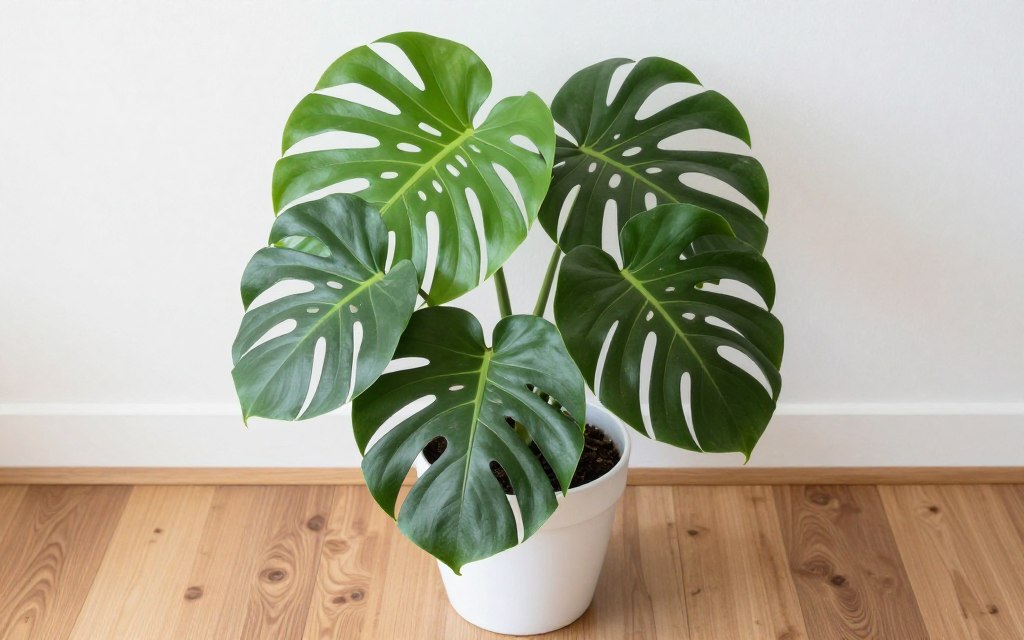
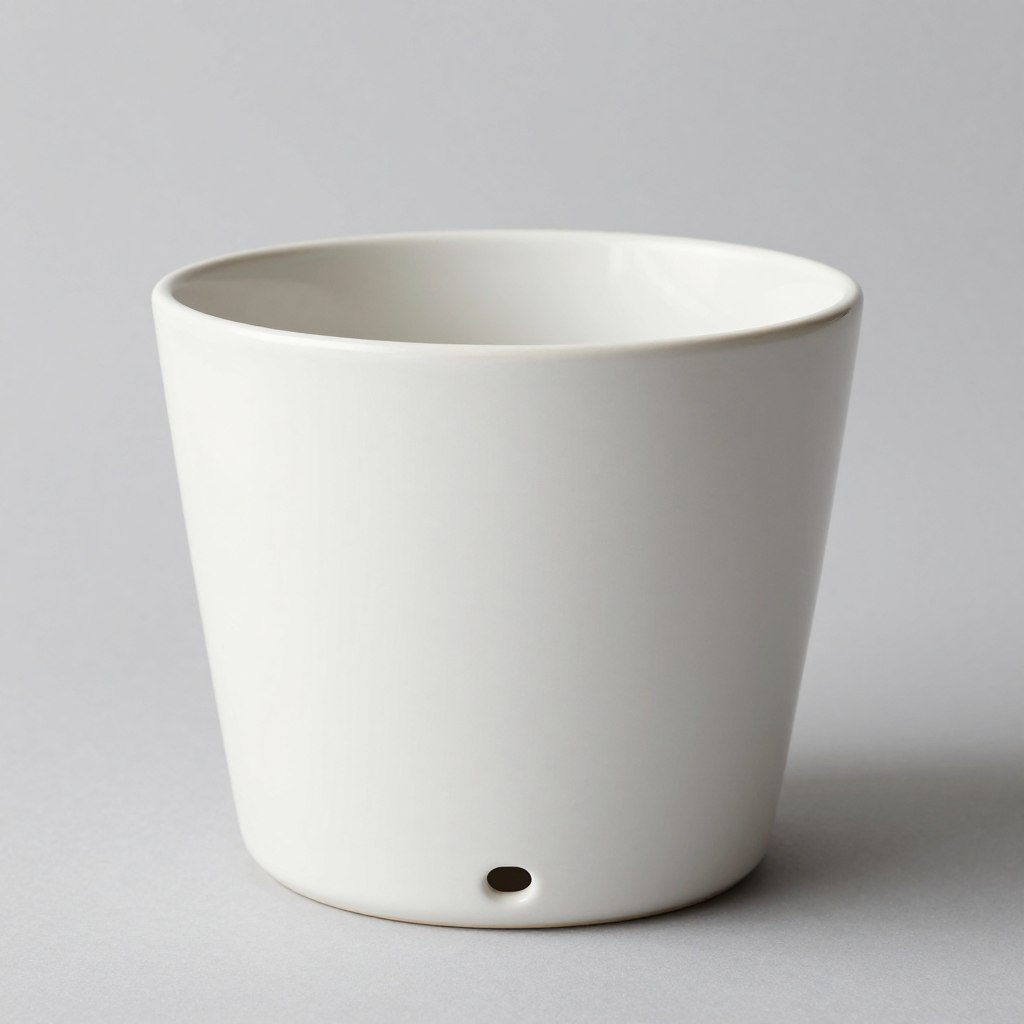
Premium Ceramic Planters
Upgrade your plant display with designer-quality planters that combine function and beauty. Proper drainage holes ensure healthy roots.
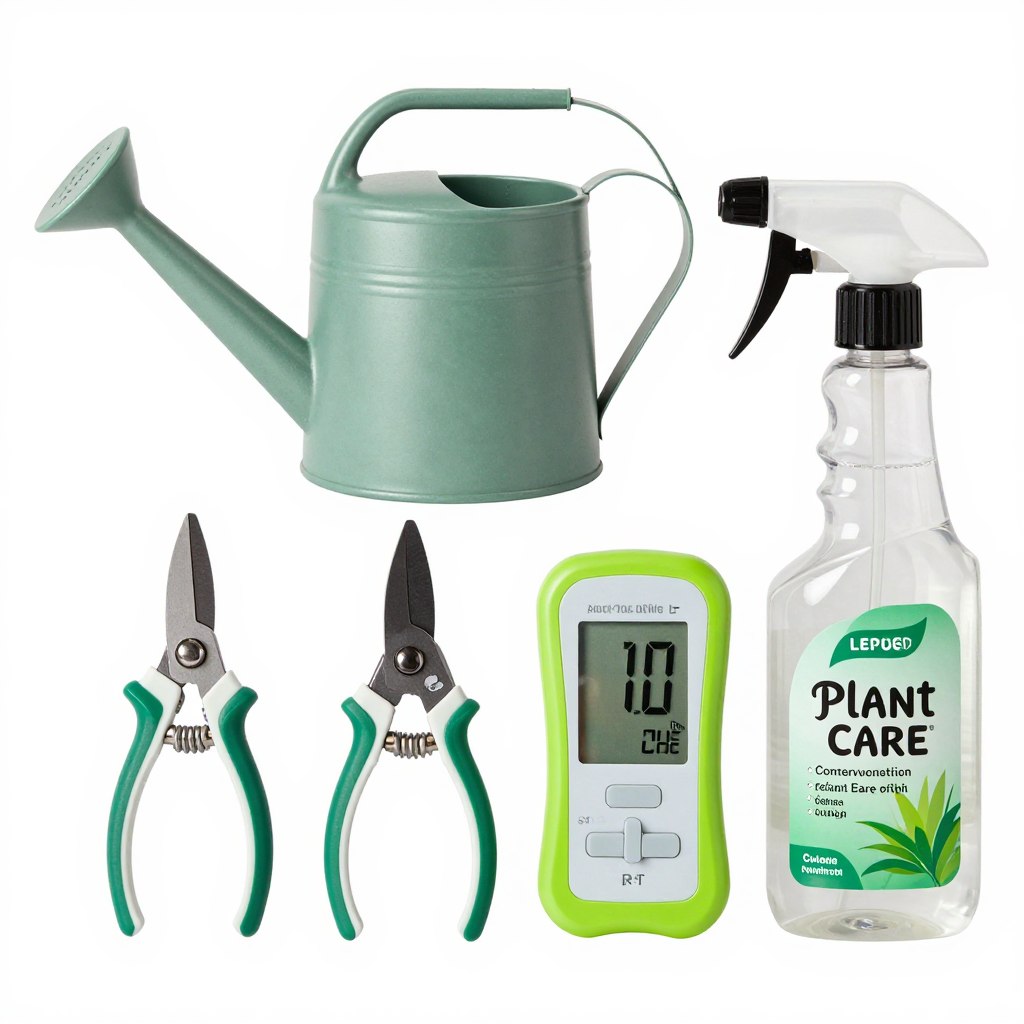
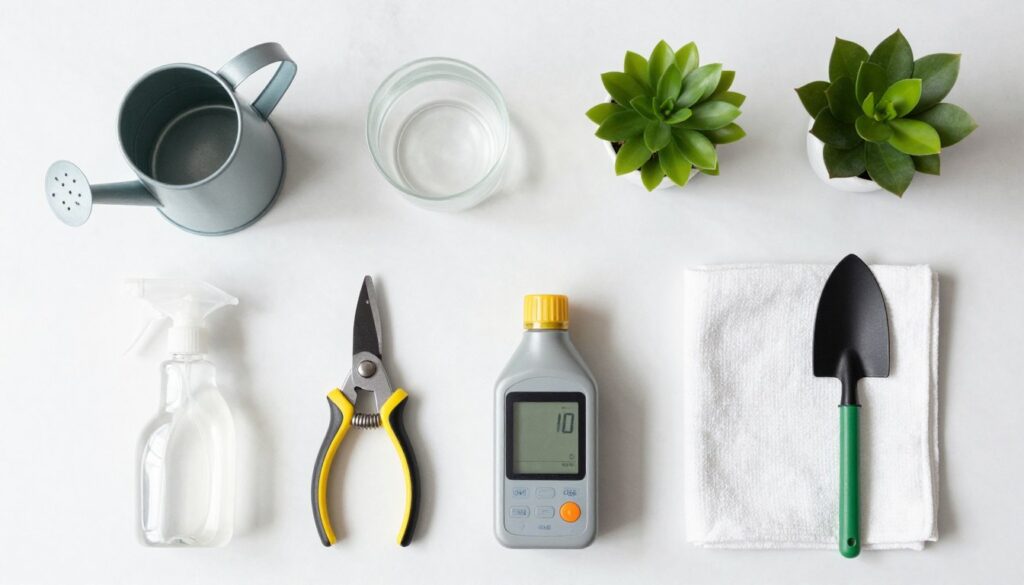
Essential Care Tools
Professional grade tools make plant maintenance easier and more effective. Quality equipment protects your investment in beautiful plants.
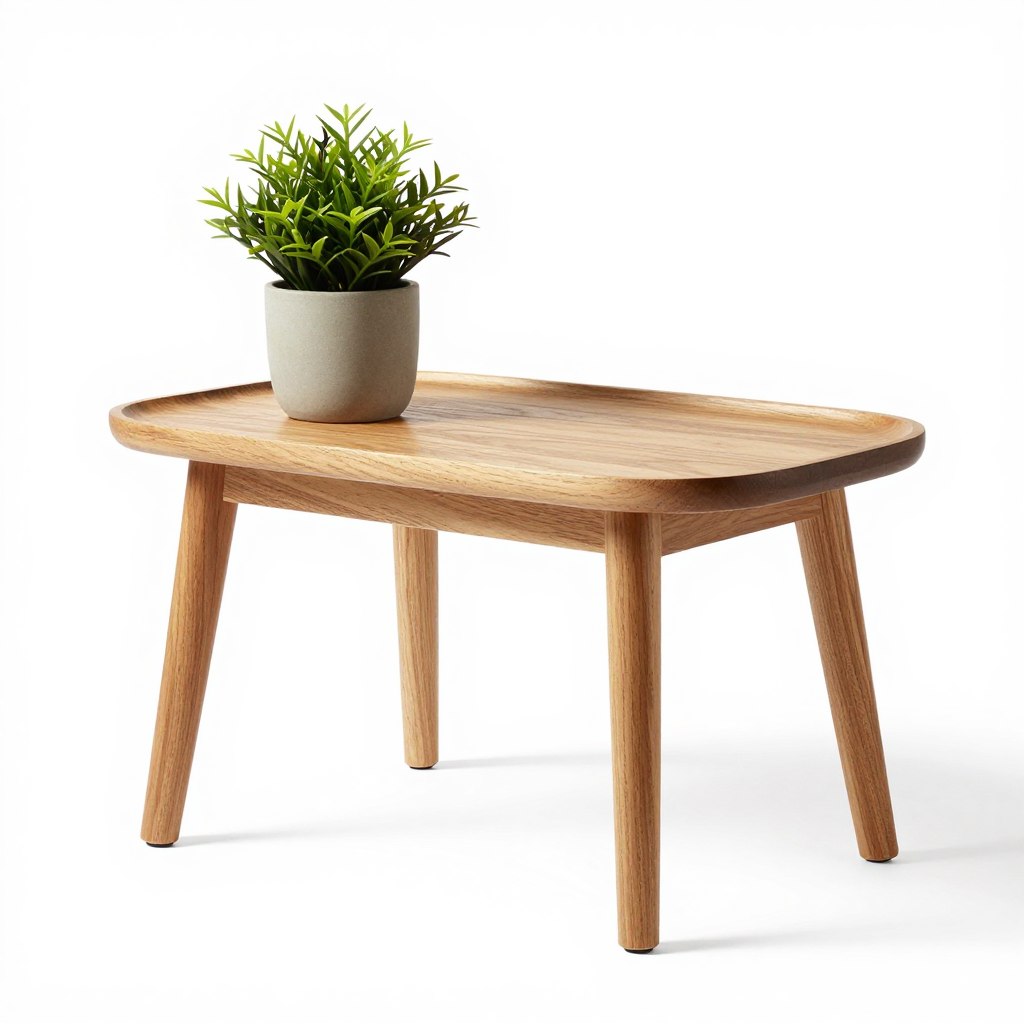
Stylish Plant Stands
Elevate plants to eye level and create layered displays. Stands add architectural interest while solving practical spacing needs.
Transform Your Home with Confident Plant Styling
These seven designer strategies give you the framework to style plants with professional confidence. You now understand how to choose appropriate varieties for specific spaces. The principles of placement, scale, and color coordination will guide your decisions.
Remember that plant styling evolves over time. As your plants grow and your design preferences change, adjust placements and groupings. This flexibility keeps your space feeling fresh and reflects your developing style.
Start with one or two areas in your home. Apply these principles to a living room corner or bedroom windowsill. Success in a small area builds confidence for larger projects. Before long, your entire home will reflect the same polished, intentional look that defines professionally designed spaces.
The investment in quality plants and planters pays dividends in daily enjoyment. Each time you enter a room enhanced by thoughtful plant styling, you’ll experience the difference. Your home becomes a more peaceful, beautiful environment that nurtures both you and your green companions.