
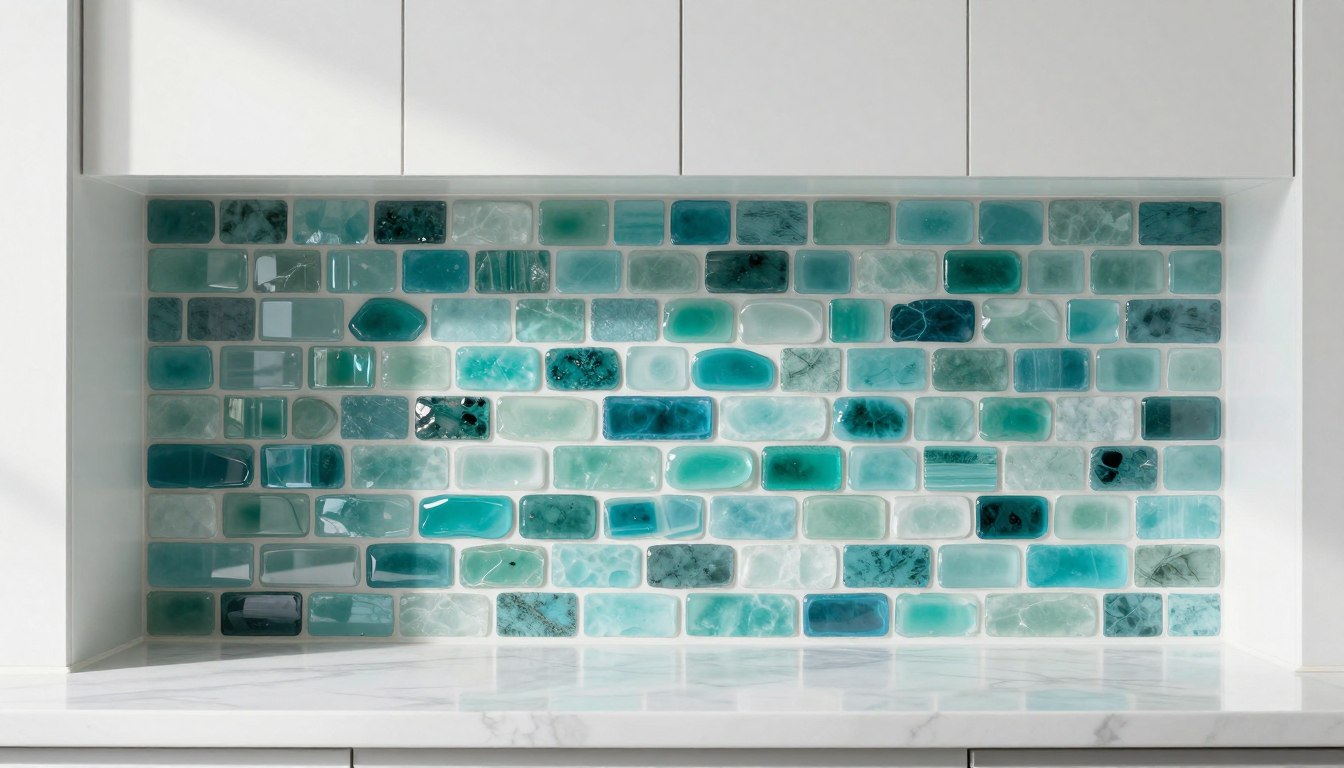
The ocean’s timeless beauty can transform your kitchen into a coastal sanctuary. Sea glass tile offers a unique way to bring that tranquil, beachy aesthetic into your home. These glossy glass tiles capture light and reflect it in mesmerizing ways, creating depth and visual interest that traditional backsplash materials simply cannot match.
Whether you live steps from the shore or miles inland, a sea glass kitchen backsplash brings the calming essence of coastal living to your daily routine. The frosted, tumbled appearance mimics genuine beach glass, while the durability of modern glass tile ensures your investment lasts for decades.
This comprehensive guide explores everything you need to know about sea glass backsplashes. From color selection and design patterns to installation techniques and maintenance requirements, you’ll discover how to create a kitchen that feels like a permanent vacation retreat.
What Is Sea Glass Tile and Why Choose It for Your Kitchen Backsplash
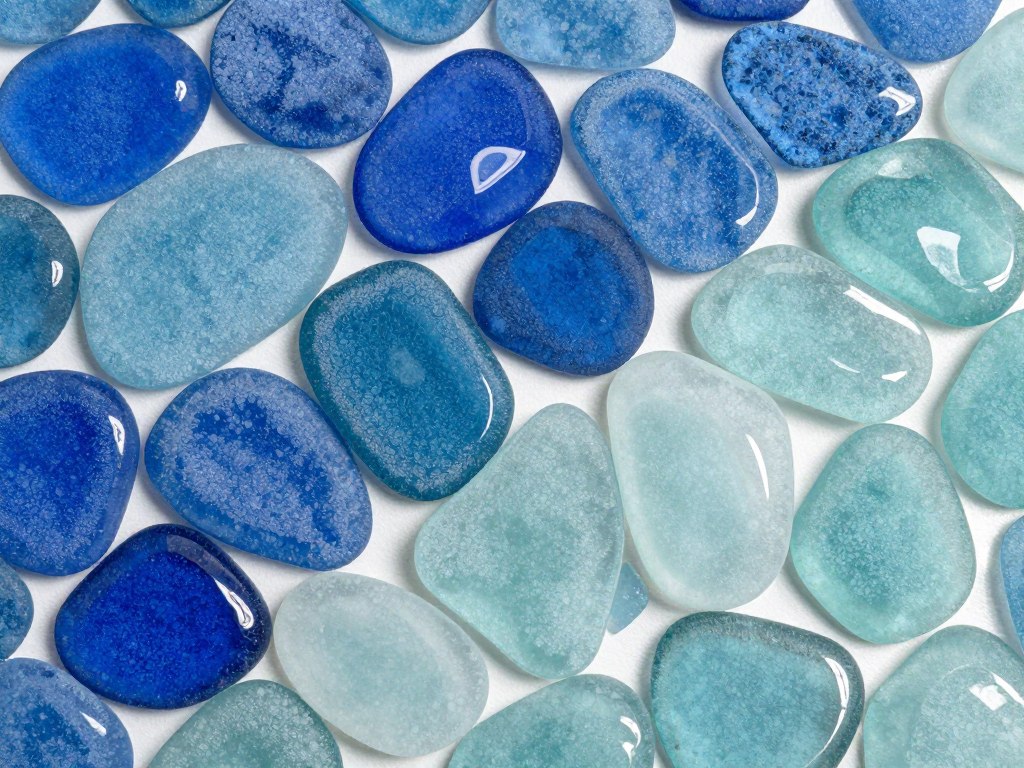
Sea glass tile takes inspiration from the weathered glass fragments that wash ashore on beaches worldwide. Manufacturers create these tiles by tumbling glass to achieve a frosted, smooth finish that mimics years of ocean tumbling. The result is a material that combines the durability of modern glass with the organic beauty of natural beach finds.
Unlike traditional ceramic or porcelain tiles, glass tiles offer translucency that creates unique lighting effects. When light passes through the glass, it produces a luminous quality that changes throughout the day. This dynamic characteristic makes sea glass backsplashes particularly appealing in kitchens with natural light sources.
Benefits of Glass Tile Backsplashes
- Non-porous surface resists moisture and prevents mold growth
- Easy to clean and maintain compared to porous materials
- Reflects light to brighten smaller kitchen spaces
- Available in extensive color ranges and patterns
- Eco-friendly options made from recycled glass materials
- Chemical resistant and food-safe for kitchen environments
- Won’t fade or discolor over time like painted surfaces
Considerations Before Installing
- Higher initial cost compared to standard ceramic tile
- Requires precise installation for optimal appearance
- Glass can chip if heavy objects strike the surface
- Shows water spots and requires regular wiping
- Professional installation recommended for best results
- May require special cutting tools during installation
- Grout color selection significantly impacts final look
The distinctive appearance of sea glass tile immediately elevates kitchen aesthetics. Whether you prefer a subtle, monochromatic look or a vibrant coastal palette, these tiles adapt to numerous design styles. The texture adds tactile interest while maintaining the smooth, easy-to-clean surface that busy kitchens demand.
Sea Glass Kitchen Backsplash Color Options and Design Variations
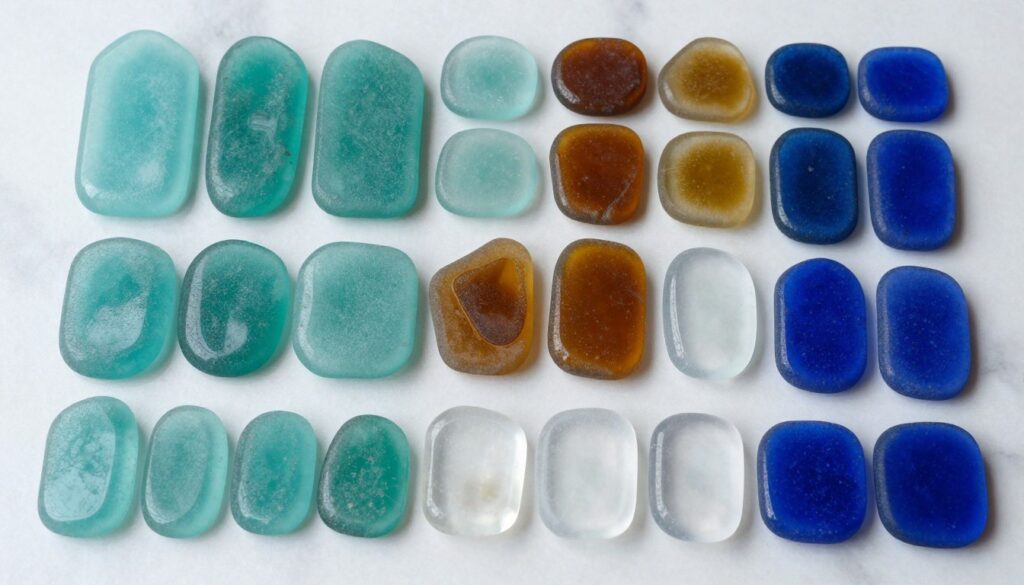
Color selection defines the mood and style of your sea glass backsplash. The palette mirrors the hues found in genuine beach glass, shaped by years of ocean exposure. Each color creates a different atmosphere and pairs with specific kitchen design elements.
Classic Coastal Blues and Greens
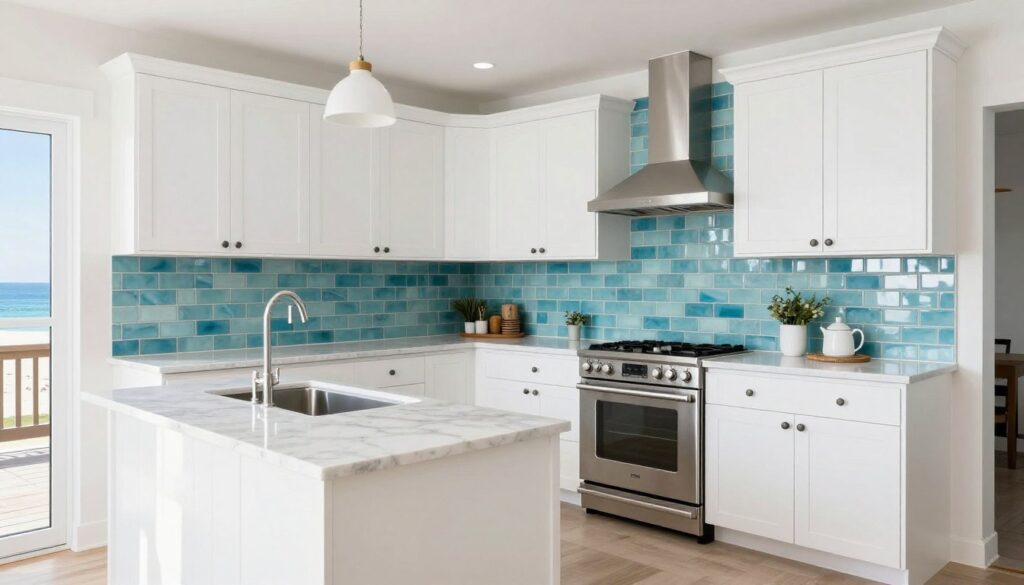
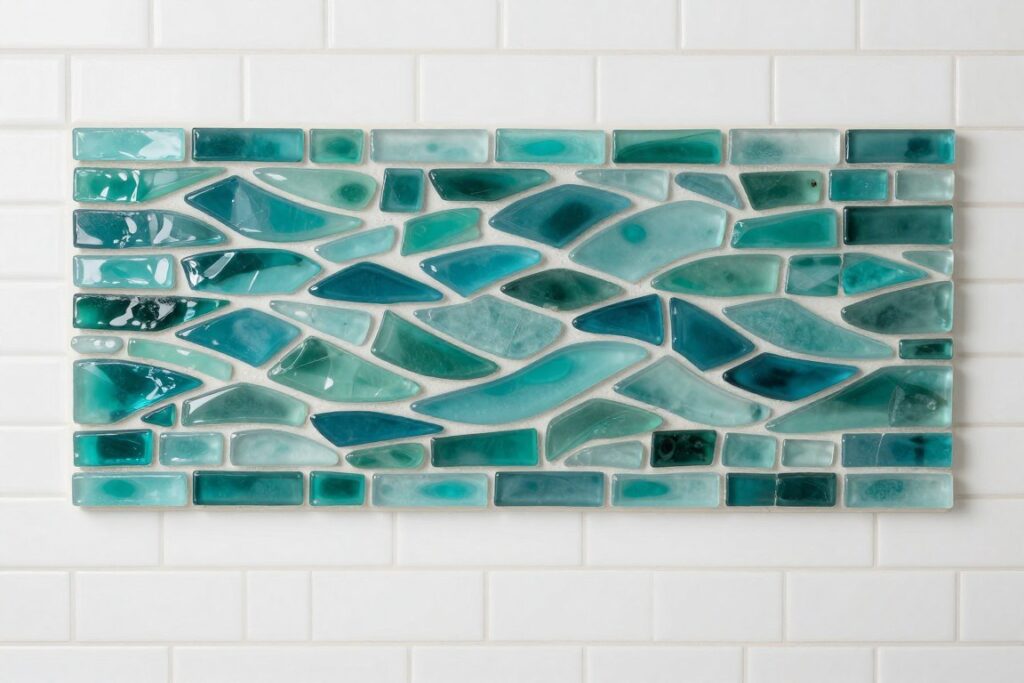
Aqua and teal dominate sea glass backsplash designs, evoking immediate coastal associations. These colors range from pale seafoam to deep ocean blue, offering versatility for various kitchen styles. Light aqua tones create airy, spacious feelings in smaller kitchens, while deeper teals add drama and sophistication.
Turquoise glass tiles work beautifully in white kitchens, providing striking contrast without overwhelming the space. The color complements both warm and cool metal finishes, making it adaptable to changing hardware and fixture trends. Mixed blue-green palettes create dynamic visual interest through subtle color variation.
Warm Amber and Honey Tones
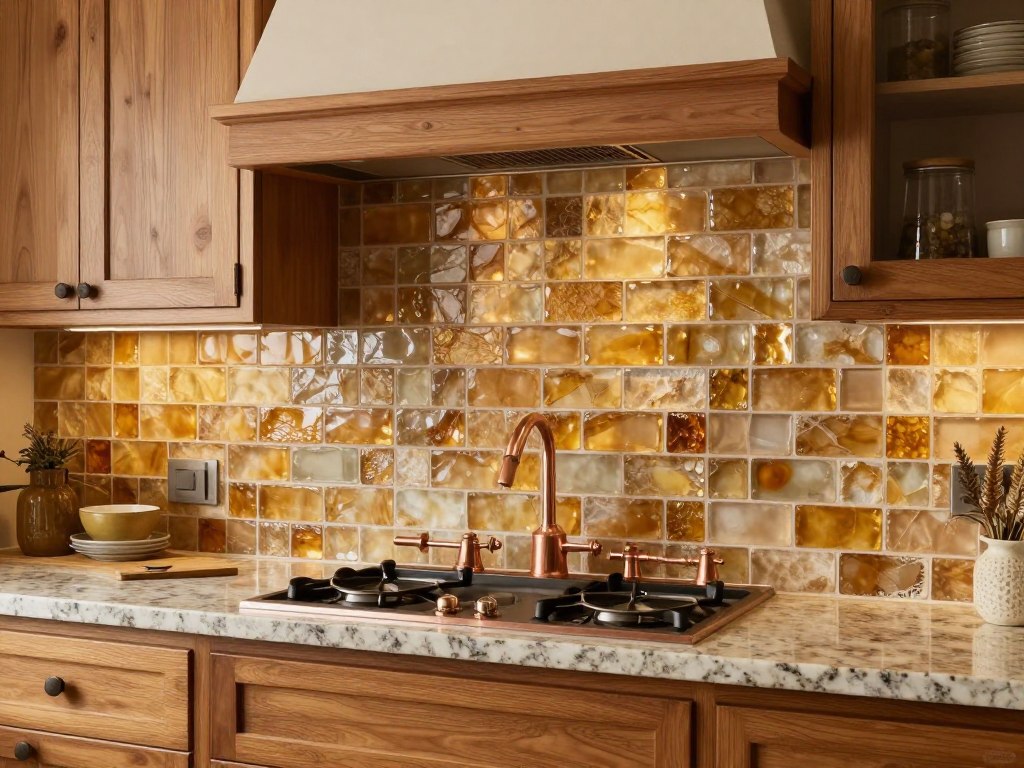
Amber sea glass tiles bring warmth to kitchen spaces while maintaining coastal authenticity. These golden-brown hues pair exceptionally well with wood cabinetry and create inviting, cozy atmospheres. The color works particularly effectively in kitchens with limited natural light, as it reflects warm artificial lighting beautifully.
Honey-colored glass tile complements earth-tone granite or quartz countertops. The combination creates a sophisticated, organic aesthetic that feels both beachy and refined. Mixed amber collections incorporate variations from pale champagne to rich cognac tones.
Clear and White Sea Glass Options
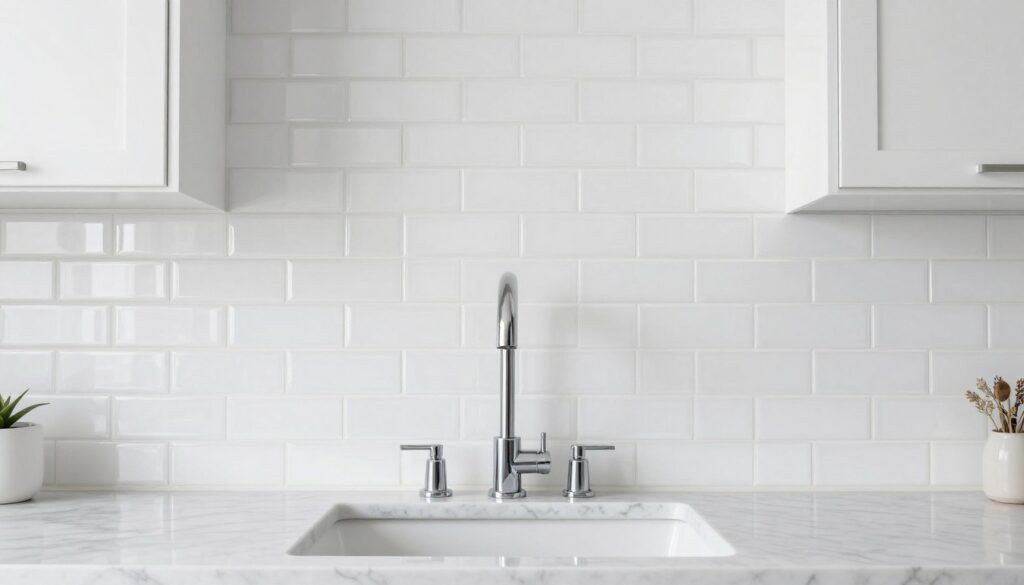
Clear and frosted white glass tiles offer understated elegance for minimalist kitchen designs. These neutral options provide the benefits of glass tile without introducing strong color. The translucent quality still creates dimensional interest through light play and subtle texture.
White sea glass pairs with virtually any color scheme and cabinet finish. It brightens spaces while adding sophistication through material choice rather than color impact. Mixed clear and white collections create gentle tonal variation that adds depth without pattern complexity.
Bold Cobalt and Navy Selections
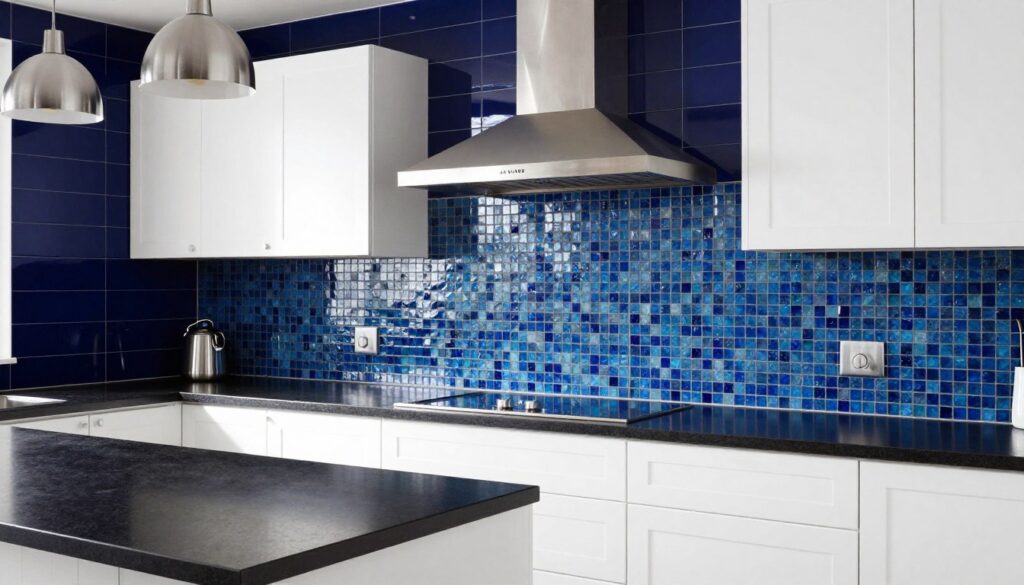
Deep blue sea glass tiles make powerful design statements in contemporary kitchens. Cobalt and navy options create focal points that anchor the entire kitchen aesthetic. These saturated colors work best as accent areas or in kitchens with ample square footage.
Dark blue glass tile pairs dramatically with white or light gray cabinetry, creating nautical-inspired schemes. The intensity adds personality while maintaining the coastal theme through color association with deep ocean water. Mixed dark blue collections prevent monotony while preserving color impact.
Multi Color Blends and Patterns
Blended collections combine multiple sea glass colors to create organic, beachy aesthetics. These mixes typically include blues, greens, and whites in varying proportions. The color variation mimics the random assortment found when beach combing, creating authentic coastal character.
Multi color glass tile works particularly well in eclectic or cottage style kitchens. The varied palette coordinates with numerous accent colors, making decorating flexible and forgiving. Installation randomness ensures each backsplash becomes a unique creation.
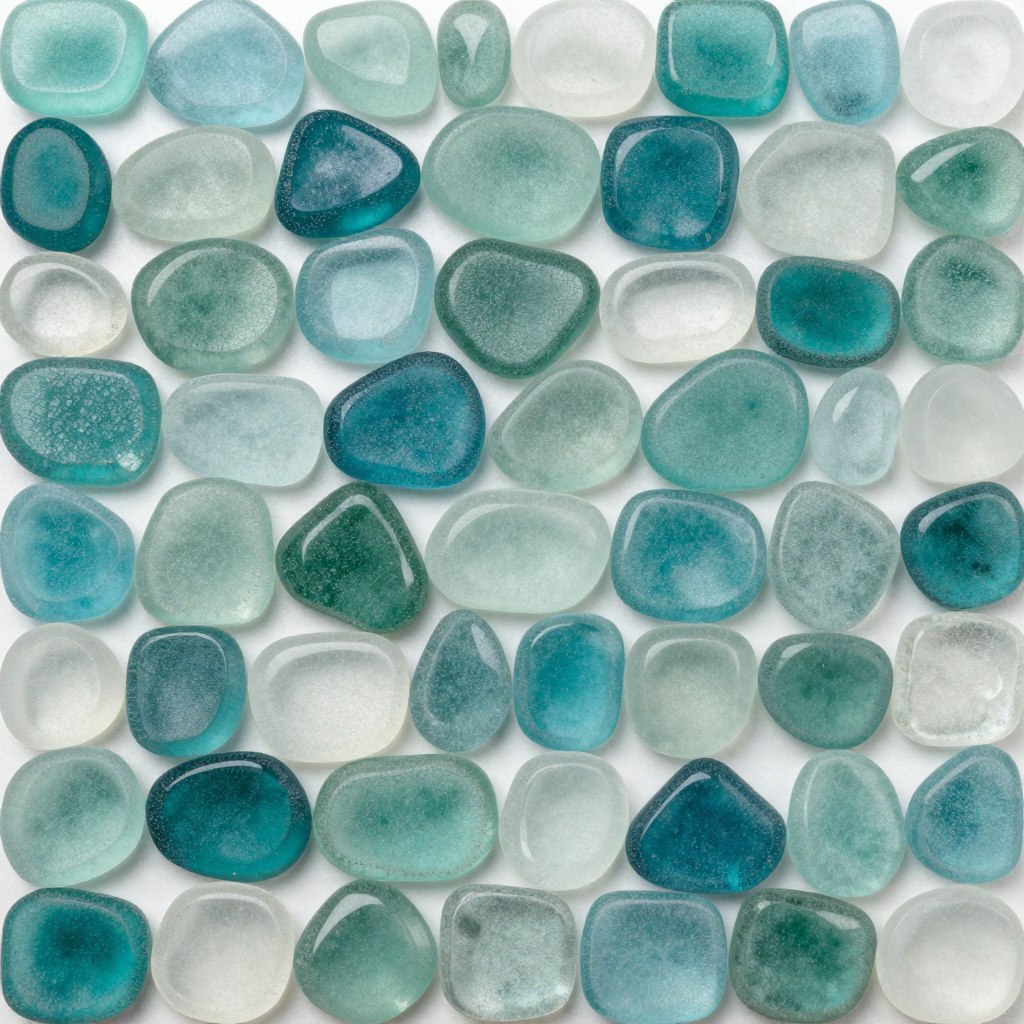
Ocean Mix Collection
Combines aqua, teal, seafoam, and white for authentic beach glass appearance. Ratio typically features 40% blues, 40% greens, 20% neutrals.
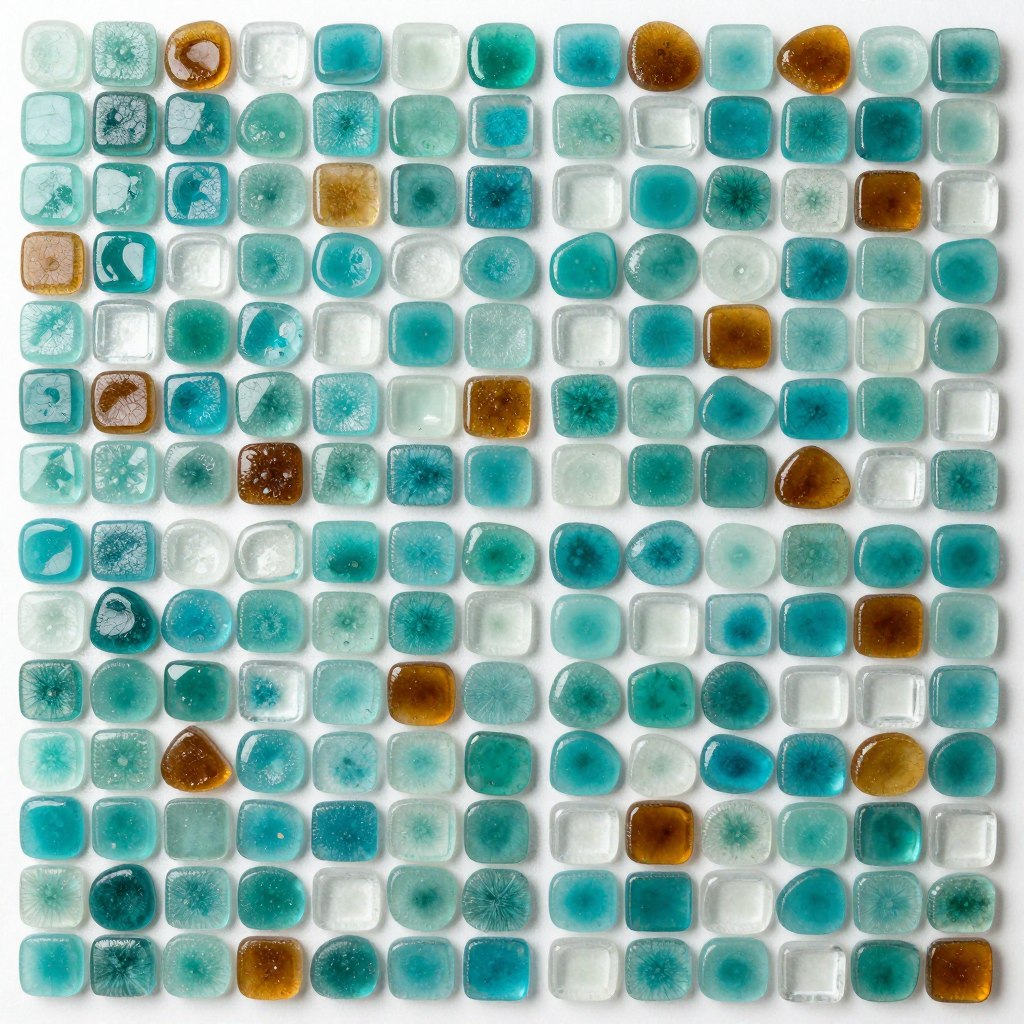
Tropical Blend
Incorporates warmer aquas with amber accents for Caribbean-inspired aesthetics. Creates vibrant, energetic backsplash suitable for colorful kitchens.
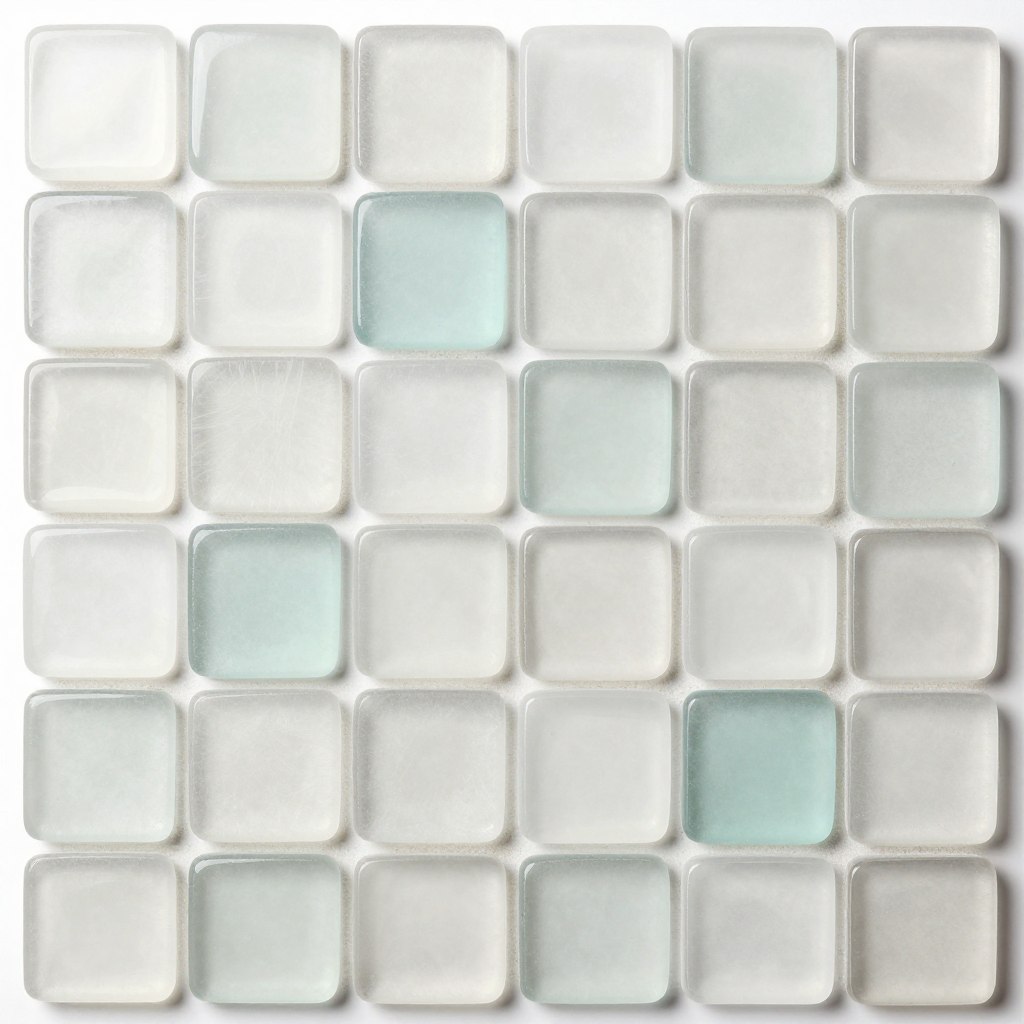
Coastal Neutral Palette
Features predominantly white and clear glass with occasional pale blue accents. Provides sea glass aesthetic with maximum design flexibility.
Popular Tile Shapes and Layout Patterns for Sea Glass Backsplashes
The shape and arrangement of sea glass tiles dramatically impacts the final aesthetic. Different patterns create varying visual effects, from classic elegance to contemporary boldness. Choosing the right layout enhances your kitchen’s architectural features and personal style.
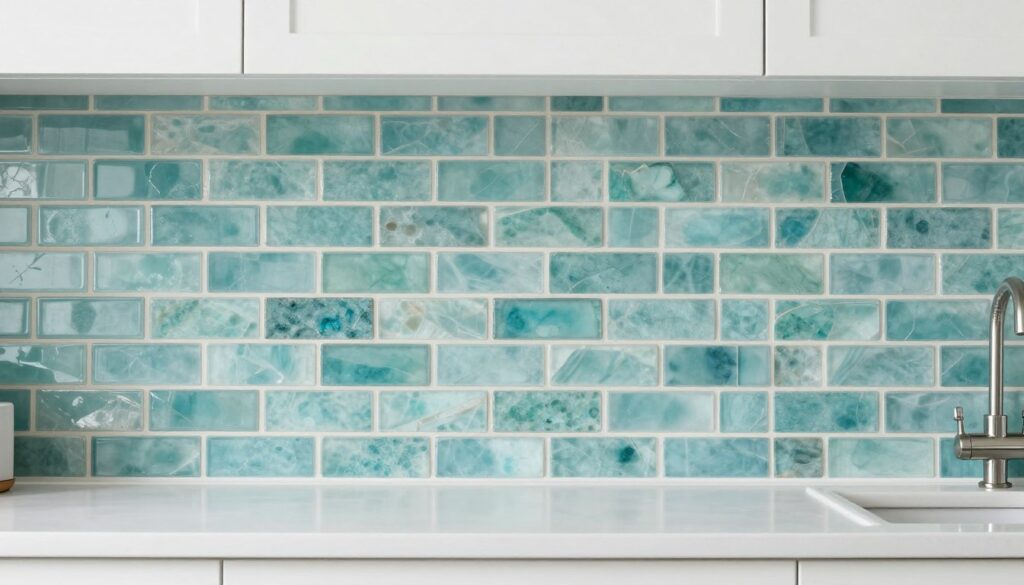
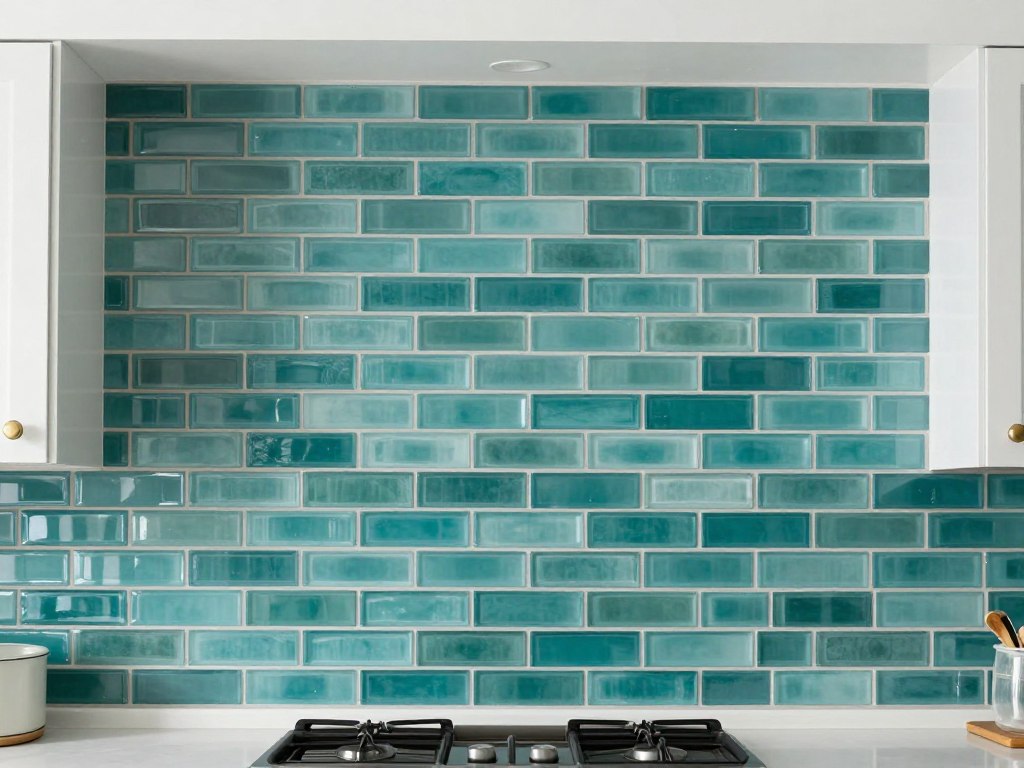
Subway Tile Configuration
Subway tiles remain the most popular choice for sea glass backsplashes. The rectangular format, typically measuring 3×6 inches, creates clean lines and timeless appeal. Standard brick-lay patterns offset each tile by half its length, producing horizontal movement that elongates walls visually.
Vertical subway tile installation offers a contemporary twist on the classic format. This orientation emphasizes ceiling height and creates modern sophistication. Stack bond patterns align tiles vertically and horizontally for geometric precision, though this layout shows installation imperfections more readily.
Hexagon and Geometric Designs
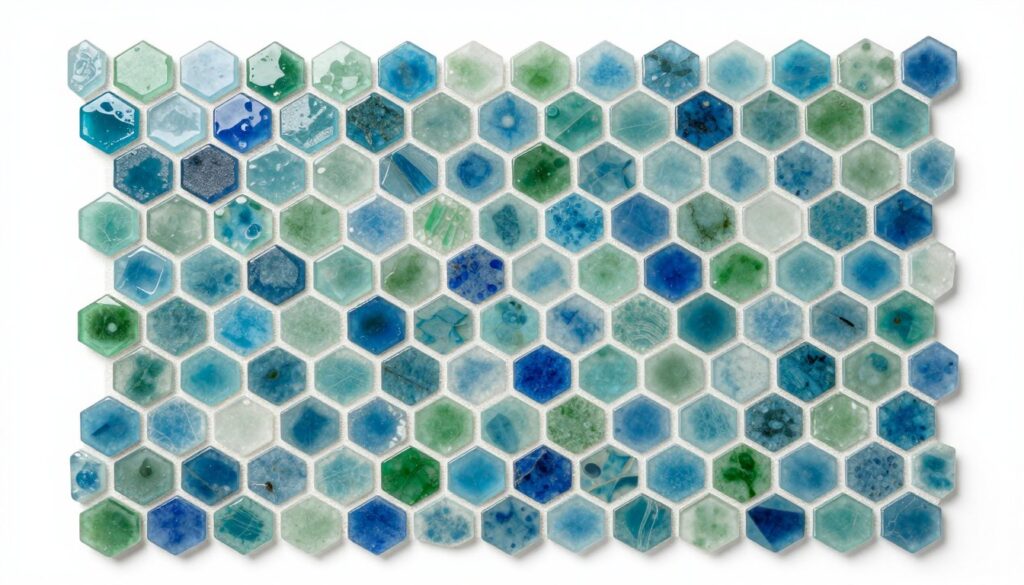
Hexagon sea glass tiles introduce organic pattern complexity to kitchen backsplashes. The six-sided shape creates honeycomb patterns that add visual texture without busy complexity. Small hexagons produce intricate detail, while larger formats make bold contemporary statements.
The geometric precision of hexagon tiles contrasts beautifully with the organic colors of sea glass. Installation requires careful planning to maintain pattern consistency, especially around outlets and edges. The result delivers unique character that distinguishes your kitchen from standard backsplash installations.
Mosaic Glass Tile Patterns
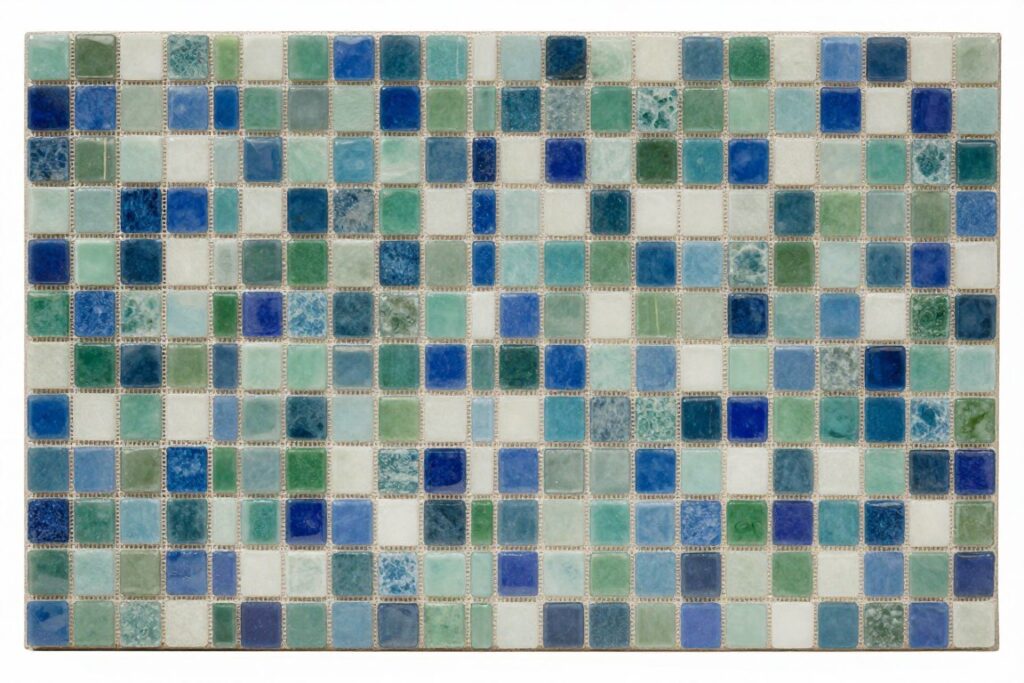
Glass mosaic tiles offer maximum design flexibility through size variation and color blending. Small format tiles, typically 1×1 or 2×2 inches, come mounted on mesh sheets for easier installation. Random mixes create the most authentic beach glass aesthetic through intentional color irregularity.
Mosaic patterns work exceptionally well for accent areas or focal points behind ranges. The small scale allows intricate designs and color gradients impossible with larger tiles. Mixed sizes within single installations add dimensional interest and artistic flair.
Arabesque and Specialty Shapes
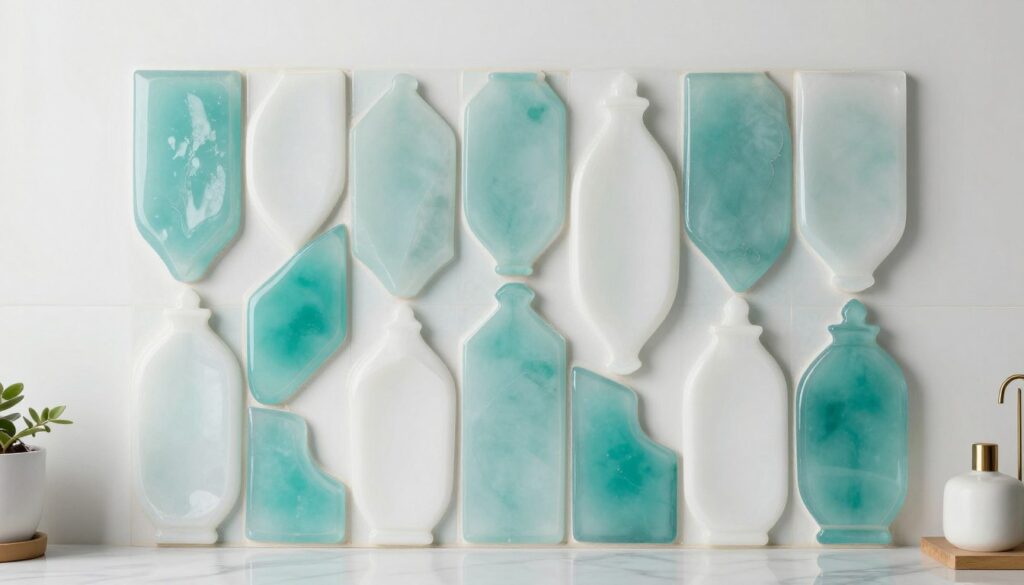
Specialty shapes like arabesque lanterns add Moroccan-inspired elegance to sea glass backsplashes. These curved, ornate tiles create sophisticated patterns that elevate kitchen design to art. The shapes work particularly well in Mediterranean or globally-inspired kitchen aesthetics.
Installation complexity increases with specialty shapes, typically requiring professional expertise. The dramatic results justify the additional effort and cost for homeowners seeking distinctive, memorable backsplash designs. Light plays across curved surfaces in constantly changing ways throughout the day.
Herringbone and Chevron Layouts
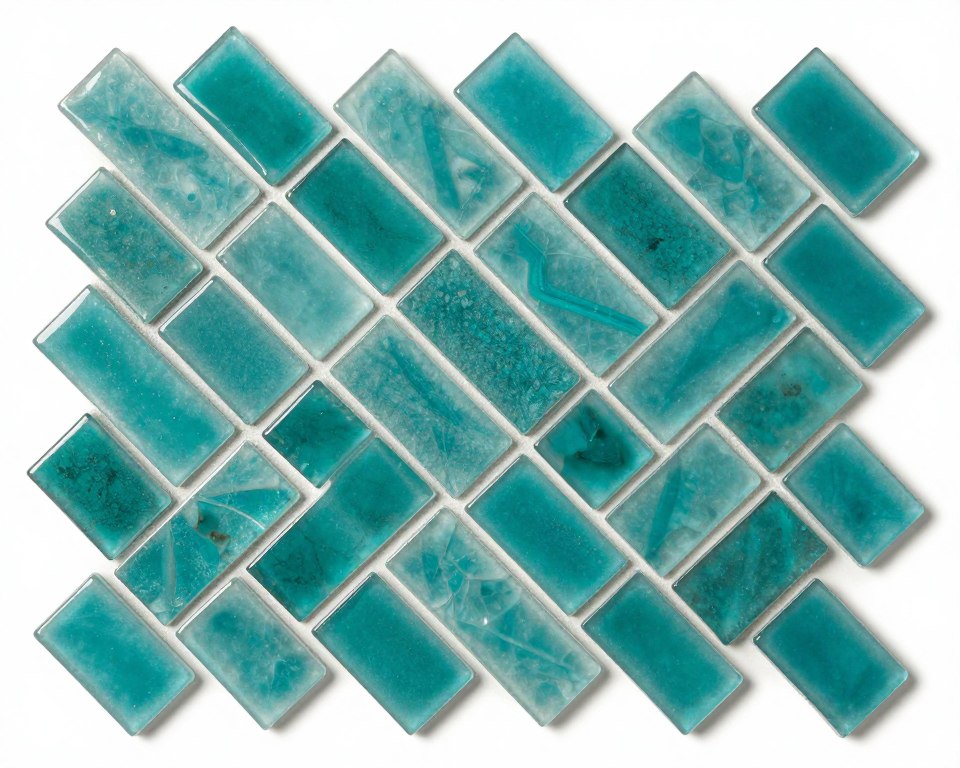
Herringbone patterns arrange rectangular tiles at 45-degree angles to create zigzag visual movement. This classic layout adds energy and sophistication to sea glass backsplashes. The diagonal orientation draws the eye upward and creates dynamic interest.
Chevron patterns create V-shaped designs with tiles cut to precise angles. The continuous pattern flows seamlessly across the wall, creating bold geometric impact. Both layouts require more material due to cutting waste and increased installation complexity.
Installation Methods and Professional Considerations
Proper installation ensures your sea glass backsplash maintains its beauty for decades. Glass tile requires specialized techniques different from standard ceramic installation. Understanding these methods helps you prepare for professional installation or successful DIY projects.
Surface Preparation Requirements
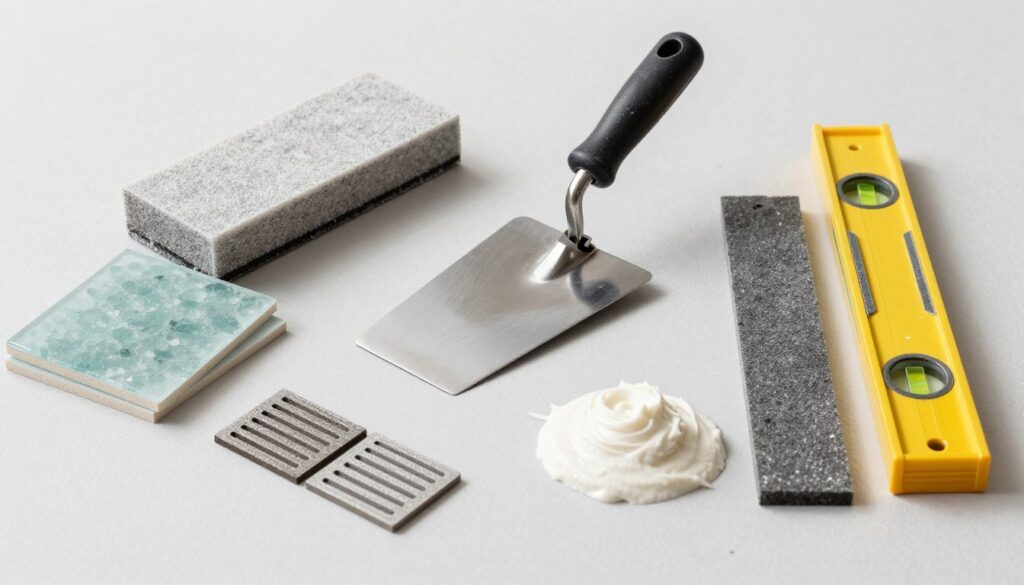
Glass tile demands perfectly smooth, flat wall surfaces for optimal results. Any imperfections telegraph through translucent glass, creating visible shadows and irregularities. Wall preparation typically involves installing cement board or applying skim coats to existing drywall.
The surface must be clean, dry, and free from oils or residues that prevent adhesive bonding. Primers designed for glass tile installation improve adhesion and prevent moisture issues. Professional installers often spend more time on preparation than actual tile installation.
Adhesive Selection and Application
White thinset mortar specifically formulated for glass tile prevents color telegraphing through translucent materials. Gray mortar shows through lighter tiles, creating muddy, unattractive appearances. The adhesive should have polymer modifications for improved flexibility and bond strength.
Application technique matters significantly with glass tile. Trowel notches should match tile size, and installers must back-butter individual tiles for complete coverage. Air pockets beneath tiles create weak spots prone to cracking and bonding failures.
Critical Installation Tip
Glass tiles require 95% adhesive coverage on the back surface to prevent cracking and ensure long-term durability. Spot bonding or insufficient coverage leads to premature failure and costly repairs.
Grout Selection and Color Impact
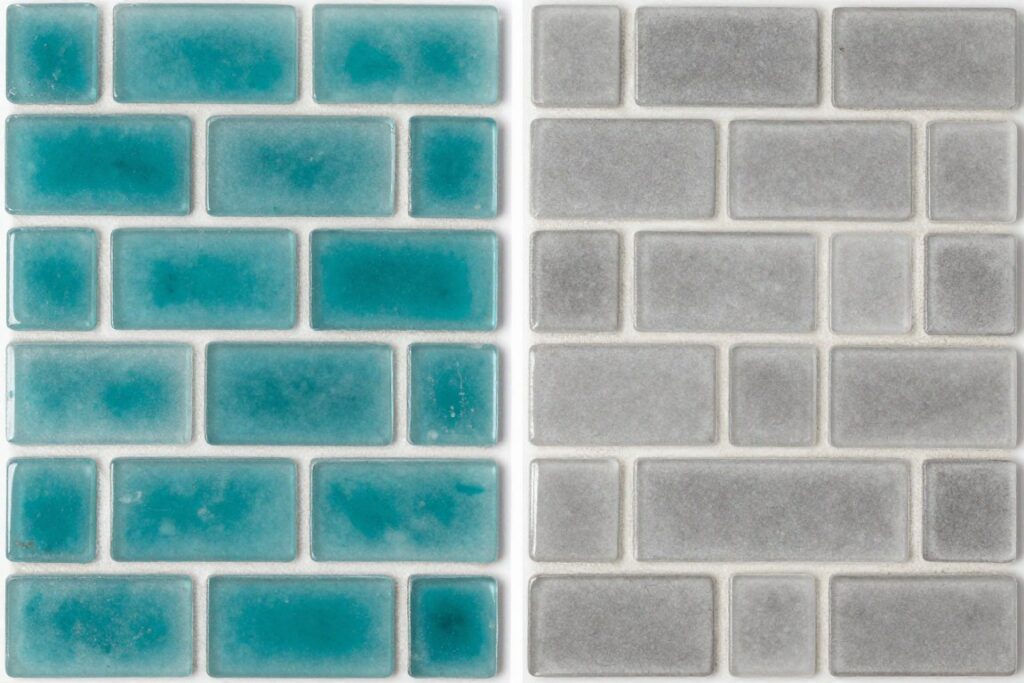
Grout color dramatically influences the final appearance of sea glass backsplashes. White grout creates crisp, clean lines that highlight individual tiles. Light gray offers softer contrast while hiding minor staining better than bright white.
Matching grout to tile color creates seamless, monochromatic looks that emphasize material over pattern. Contrasting grout makes geometric patterns more prominent. Epoxy grout offers superior stain resistance and easier maintenance compared to cement-based products.
White Grout Benefits
- Creates bright, fresh appearance
- Highlights individual tile beauty
- Makes spaces feel larger and brighter
- Traditional coastal aesthetic
- Shows grout lines clearly for pattern emphasis
Gray Grout Advantages
- Hides minor staining and discoloration
- Creates sophisticated, modern look
- Reduces visual tile fragmentation
- Requires less maintenance long-term
- Complements both warm and cool tile colors
Cutting and Shaping Glass Tiles
Glass tile requires specialized cutting tools including wet saws with diamond blades designed for glass. Standard tile blades chip and crack glass surfaces. Clean cuts prevent jagged edges that create dangerous sharp points and unprofessional appearances.
Professional installers use glass-specific scoring tools for small cuts and edge work. The material’s brittleness demands patience and precise technique. DIY installers should practice on spare tiles before attempting final installation cuts.
Sealing and Finishing Touches
Glass tiles themselves don’t require sealing due to their non-porous nature. However, grout needs protection against moisture and staining. Penetrating sealers protect grout without leaving surface residue that dulls glass shine.
Final cleaning removes grout haze and adhesive residue using appropriate cleaners for glass surfaces. Avoid abrasive cleaners that scratch glass finishes. The final reveal should show gleaming, perfectly clean tiles with crisp grout lines.
Maintenance and Care Tips for Sea Glass Backsplashes
Glass tile backsplashes offer easy maintenance compared to porous materials. The non-absorbent surface resists staining and prevents bacterial growth. Establishing simple cleaning routines keeps your backsplash looking pristine for years.
Daily and Weekly Cleaning Routines
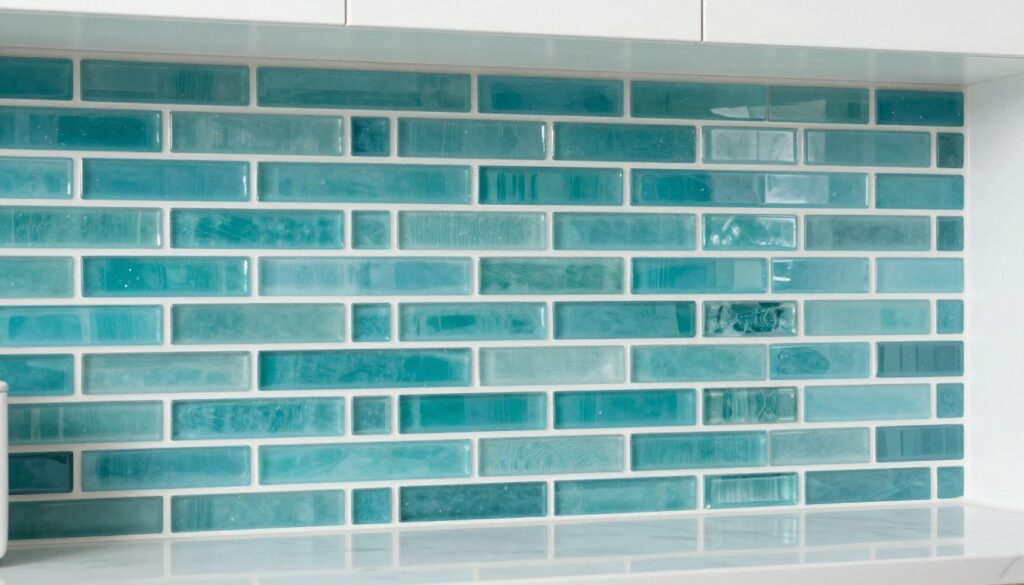
Daily maintenance involves wiping down the backsplash with a damp microfiber cloth after cooking. This removes grease splatters before they harden and become difficult to clean. A simple mixture of warm water and dish soap handles most daily cleaning needs.
Weekly deep cleaning ensures lasting beauty and prevents buildup. Glass cleaners formulated for streak-free results work excellently on sea glass tiles. Spray the surface, let the cleaner work for a minute, then wipe clean with a lint-free cloth.
Quick Daily Maintenance
Keep a spray bottle with diluted dish soap near your sink. After cooking, quickly spray and wipe your backsplash. This 30-second routine prevents most maintenance issues and keeps glass tiles sparkling.
Addressing Water Spots and Streaks
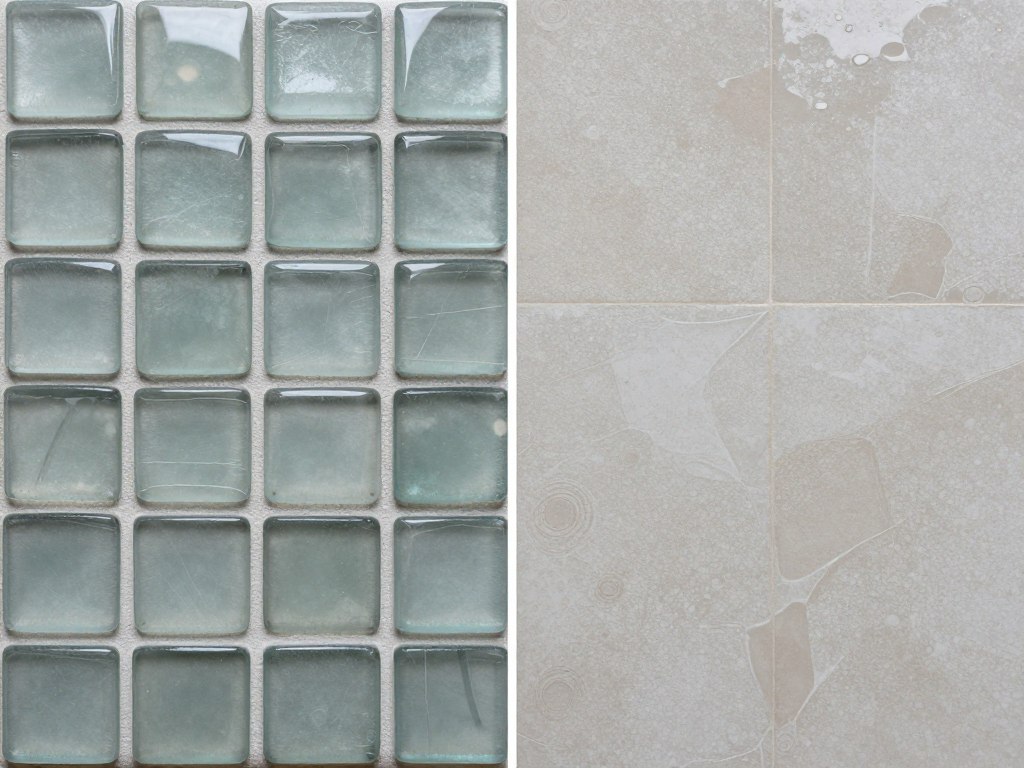
Water spots appear prominently on glossy glass surfaces, especially in areas near sinks. Hard water minerals create white deposits that dull the glass shine. Regular wiping after water exposure prevents spot formation.
For existing water spots, white vinegar diluted with equal parts water dissolves mineral deposits effectively. Apply the solution, let it sit briefly, then wipe clean and buff dry. Preventive drying proves easier than removing established mineral buildup.
Grout Maintenance and Protection
Grout requires more attention than glass tiles themselves. Clean grout lines prevent discoloration and maintain the backsplash’s fresh appearance. Soft-bristled brushes with gentle cleaners effectively clean grout without damaging surrounding tiles.
Annual grout sealing protects against stains and moisture penetration. Penetrating sealers soak into grout without leaving surface residue on glass tiles. This preventive maintenance extends grout life and reduces deep cleaning frequency.
Preventing and Repairing Minor Damage
Glass tiles can chip if struck by heavy objects. Prevention involves careful handling of pots and pans near the backsplash. Magnetic knife strips and hanging utensils reduce impact risks.
Individual damaged tiles can be replaced without redoing the entire backsplash. Professional installers remove grout around the affected tile, carefully extract the broken piece, and install a replacement. Keeping spare tiles from your original installation ensures perfect color matching.
Products to Avoid
- Abrasive scrubbers that scratch glass surfaces
- Acidic cleaners on cement-based grout
- Ammonia-based products that damage grout
- Steel wool or metal scraping tools
- Bleach solutions that discolor grout
- Oil-based cleaners that leave residue
Recommended Cleaning Tools
- Microfiber cloths for streak free cleaning
- Soft-bristled grout brushes
- pH-neutral tile and glass cleaners
- White vinegar for mineral deposits
- Squeegees for water removal
- Lint free buffing cloths
Cost Considerations and Budget Planning
Understanding the complete cost of a sea glass backsplash helps you budget appropriately and make informed decisions. Prices vary based on tile quality, installation complexity, and project scope. Proper planning prevents budget surprises and ensures project success.
Material Cost Ranges
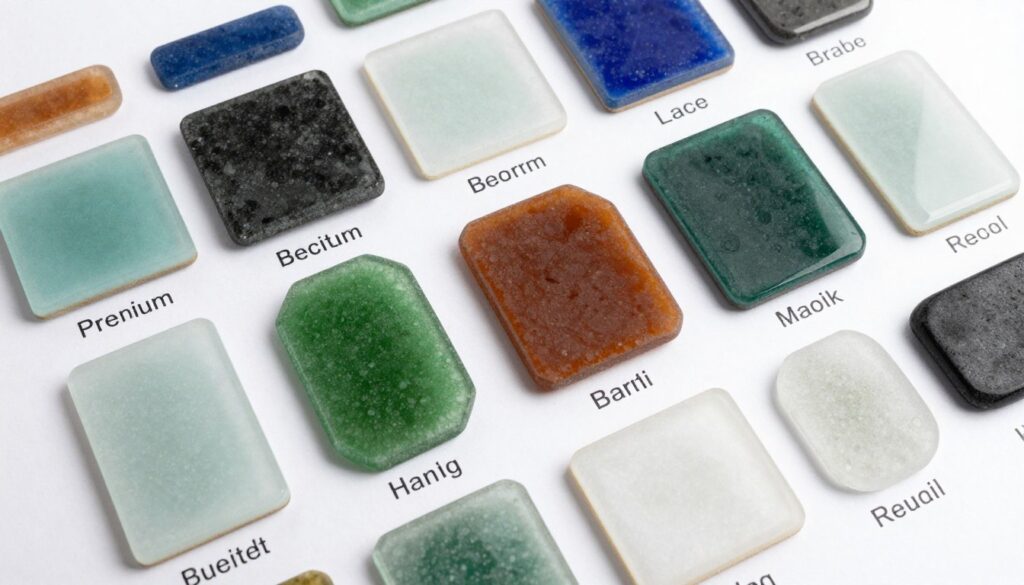
Sea glass tile prices range from budget-friendly to premium luxury options. Standard glass tiles start around eight to twelve dollars per square foot for basic colors and simple shapes. Mid-range options with better color selection and quality cost fifteen to twenty-five dollars per square foot.
Premium artisan glass tiles featuring unique colors, specialty shapes, or recycled materials command thirty-five to sixty dollars per square foot or more. Custom blends and rare colors increase costs further. Most kitchen backsplash projects require thirty to sixty square feet of material.
| Tile Category | Price per Sq Ft | Characteristics | Best For |
| Budget Glass Tile | $8-$12 | Basic colors, standard shapes, imported materials | Cost-conscious renovations, rental properties |
| Mid-Range Glass | $15-$25 | Wide color selection, quality manufacturing, some specialty shapes | Primary residences, balanced quality and value |
| Premium Artisan | $35-$60+ | Unique colors, recycled glass, handcrafted elements, specialty designs | Luxury homes, showcase kitchens, distinctive aesthetics |
| Custom Blends | $45-$75+ | Personalized color mixes, rare materials, artist collaborations | One-of-a-kind designs, high-end renovations |
Installation Cost Factors
Professional installation typically costs six to twelve dollars per square foot for standard patterns. Complex designs like herringbone or mosaic patterns increase labor costs to fifteen to twenty-five dollars per square foot. Installation represents a significant portion of total project cost.
Geographic location impacts installation pricing substantially. Urban markets with higher living costs command premium installation rates. The installer’s experience level also influences pricing, with specialists in glass tile installation charging more than general tile contractors.
Additional Project Expenses
Beyond tiles and installation, budget for supplementary materials and services. Cement board or surface preparation adds two to four dollars per square foot. Specialized adhesives and grout designed for glass tile cost more than standard products.
Removing existing backsplash materials incurs additional costs ranging from one hundred to three hundred dollars depending on complexity. Edge trim, outlet covers, and finishing pieces add fifty to two hundred dollars to most projects.
Budget Planning Formula
Calculate total project cost as: (Square footage × Tile cost) + (Square footage × Installation cost) + Additional materials ($200-$400) + Contingency (10-15%). For a 50 sq ft backsplash with mid-range tile at $20/sq ft and $10/sq ft installation: $1,500 + 300 = $1,800 + 15% contingency = approximately $2,070 total.
Cost Saving Strategies
Several approaches reduce project costs without sacrificing quality. Choosing simpler tile patterns decreases installation labor. Buying tiles during seasonal sales or from overstock suppliers offers significant savings on premium materials.
Limiting the backsplash area to focal points rather than full wall coverage reduces material quantities. DIY installation saves labor costs for confident homeowners with tile experience. However, glass tile’s specialized requirements make professional installation worthwhile for most projects.
Return on Investment Considerations
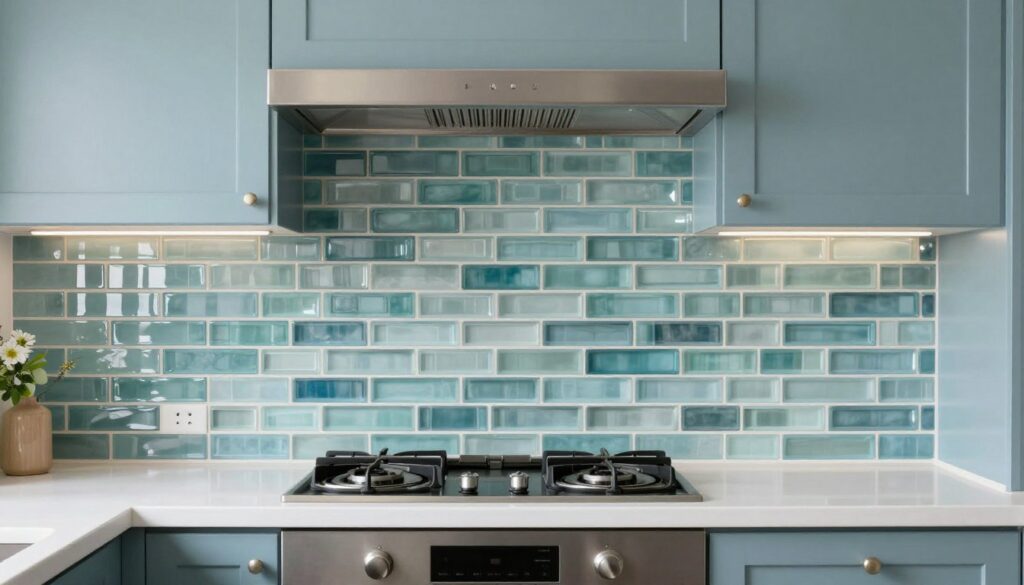
Quality backsplashes add value to homes and appeal to potential buyers. Kitchen updates typically recoup sixty to eighty percent of costs during home sales. Distinctive, well-executed backsplashes create memorable impressions during showings.
Beyond resale value, backsplashes provide daily enjoyment and functional benefits. The durability of glass tile means properly installed backsplashes last decades without replacement. This longevity makes the investment worthwhile compared to cheaper materials requiring frequent updates.
Creating Coastal Elegance: Design Integration and Atmosphere
Sea glass backsplashes serve as focal points that establish coastal aesthetics throughout kitchens. The material’s inherent beach association creates immediate atmospheric impact. Thoughtful design integration amplifies this effect through complementary colors, materials, and accessories.
Complementary Cabinet and Countertop Selections
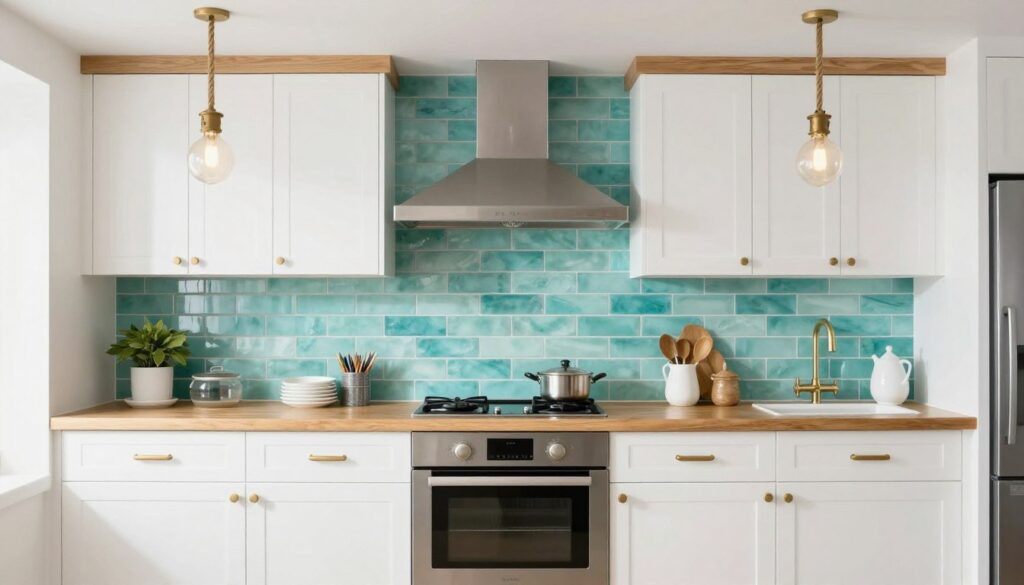
White cabinetry creates classic coastal pairings with sea glass backsplashes. The crisp contrast allows tile colors to dominate the visual hierarchy. Soft grays and pale blues extend the beach palette while maintaining light, airy feelings.
Natural wood cabinets in weathered or driftwood finishes enhance coastal authenticity. The organic texture contrasts beautifully with smooth glass surfaces. Honey-toned woods pair exceptionally well with amber and warm aqua glass tiles.
Countertop material selection influences the overall coastal aesthetic. White marble or quartz with subtle gray veining evokes beach sand and sea foam. Light concrete counters contribute industrial-coastal fusion styles increasingly popular in modern beach homes.
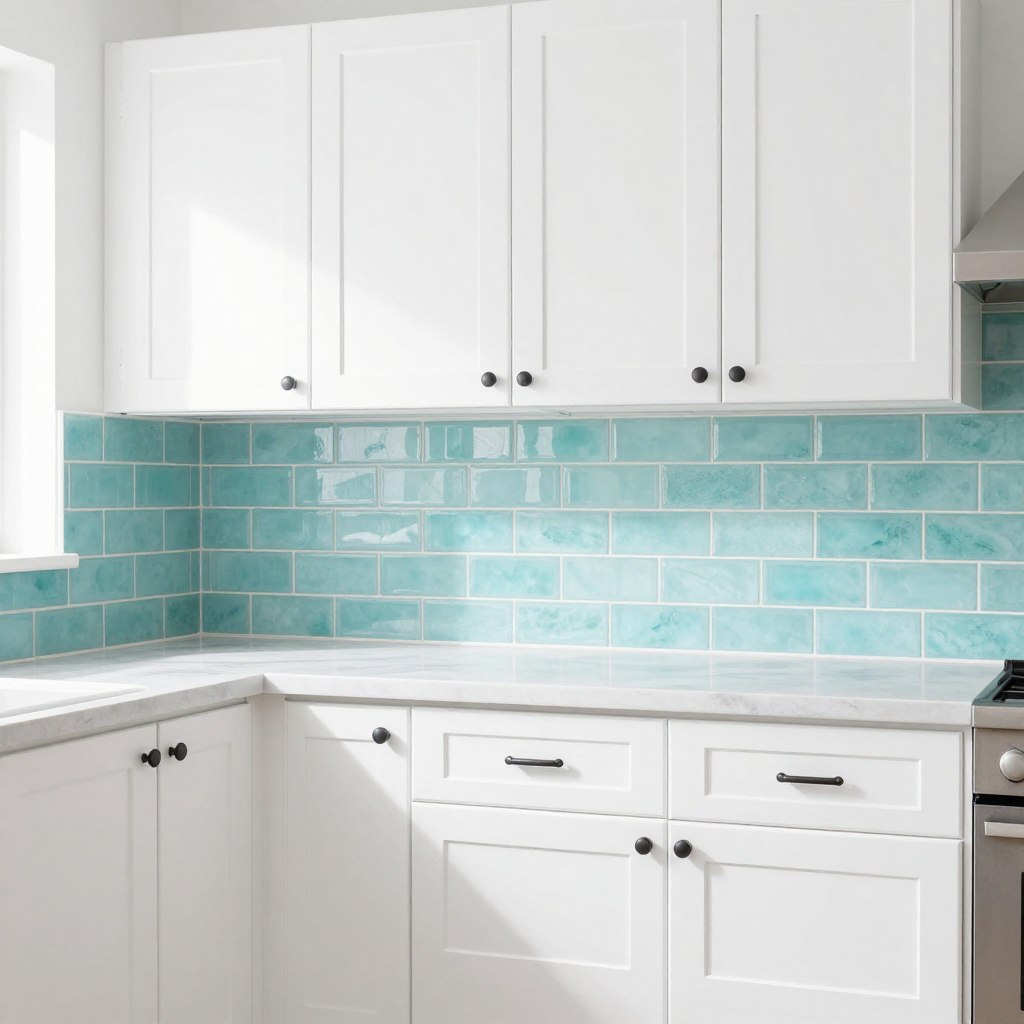
White Cabinet Pairing
Creates maximum brightness and allows tile color to dominate. Most versatile option for various sea glass colors and patterns.
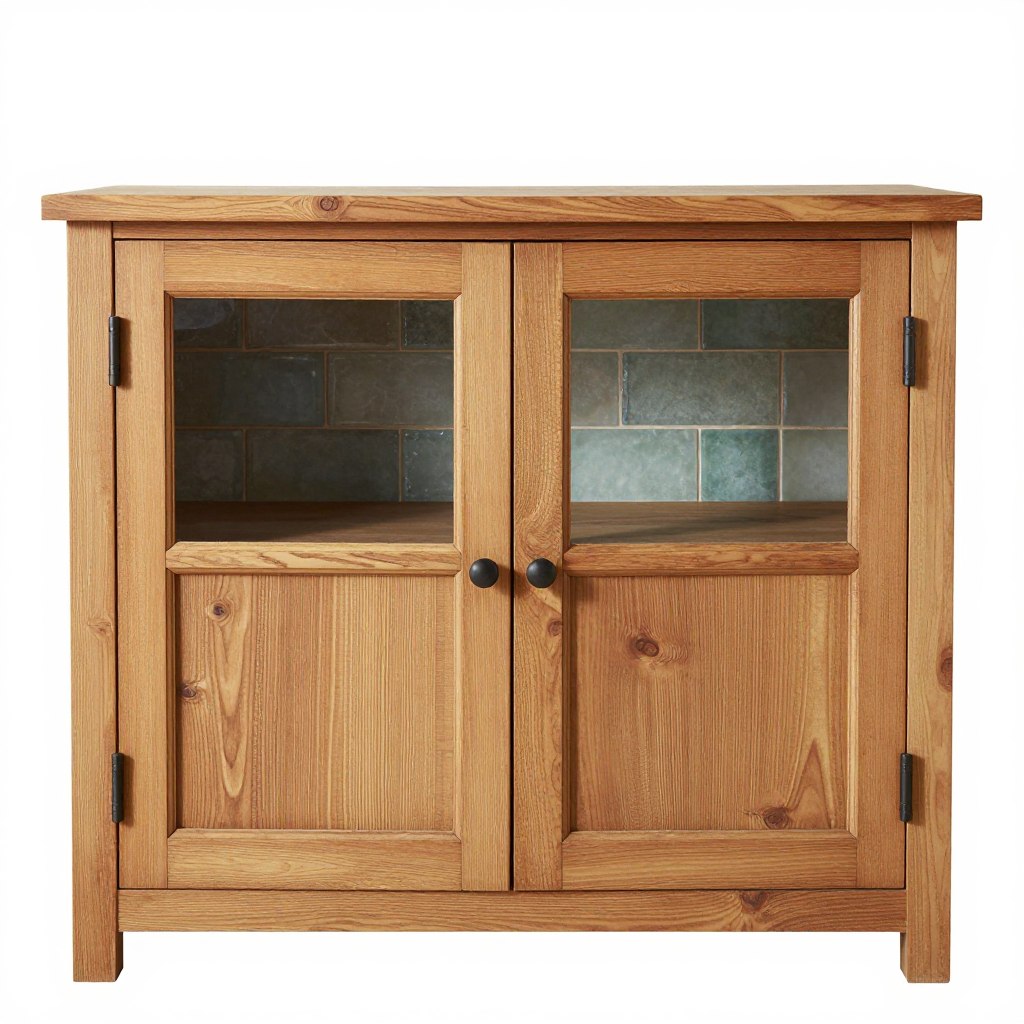
Natural Wood Match
Adds warmth and organic texture that enhances coastal authenticity. Best with amber or warm-toned sea glass selections.
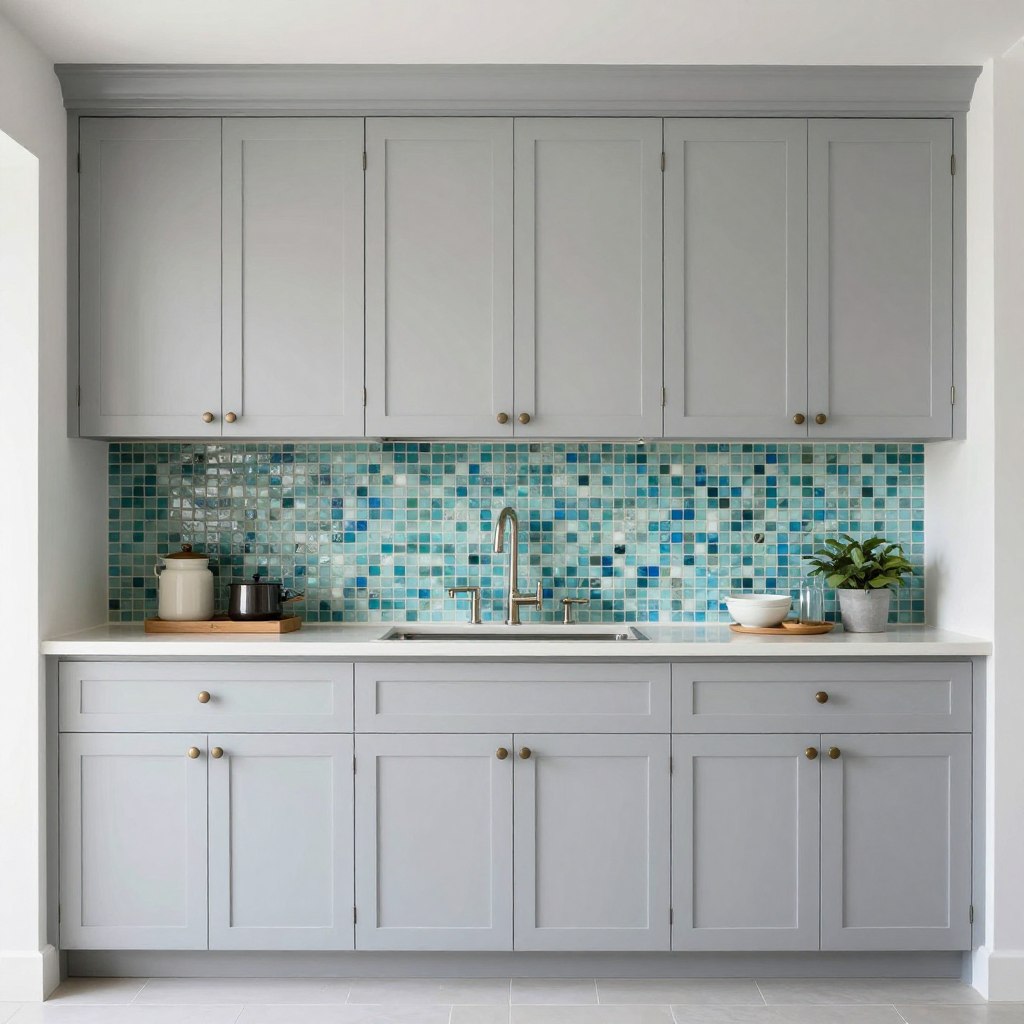
Gray Cabinet Sophistication
Offers contemporary coastal style with refined elegance. Pairs well with all sea glass colors for versatile design flexibility.
Lighting Design to Enhance Glass Tile
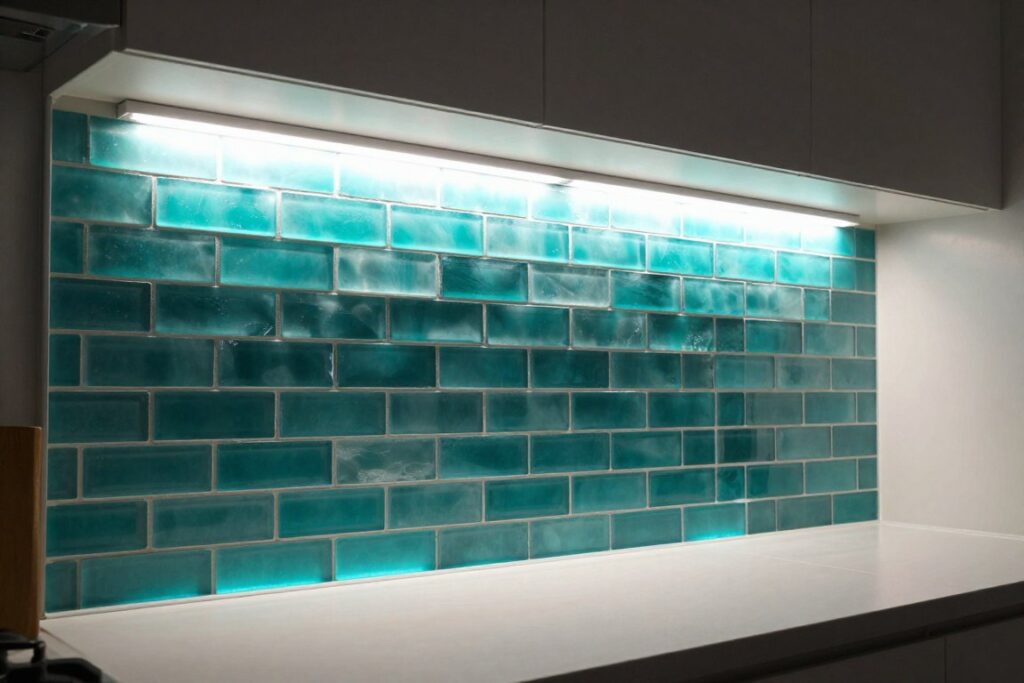
Proper lighting transforms sea glass backsplashes from attractive to spectacular. Under-cabinet LED strips illuminate tiles from below, creating glowing effects as light passes through translucent glass. This lighting also provides functional task illumination for food preparation.
Natural light sources maximize the dynamic qualities of glass tile. Positioning backsplashes to receive window light showcases the material’s color depth and translucency. The appearance shifts throughout the day as sun angles change, creating living artwork.
Pendant lights and decorative fixtures contribute to coastal atmospheres while serving practical purposes. Glass or rope-wrapped pendants reinforce beach themes. Placement above islands or dining areas ensures even kitchen illumination that flatters glass tile backsplashes.
Hardware and Fixture Coordination
Metal finishes dramatically impact coastal aesthetics when coordinated with sea glass tiles. Brushed nickel and chrome create clean, contemporary beach house styles. These cool metals complement blue and green glass tile colors naturally.
Oil rubbed bronze and aged brass fittings contribute rustic, vintage coastal character. These warmer metals pair beautifully with amber sea glass and create lived in beach cottage aesthetics. Consistency across cabinet hardware, faucets, and light fixtures ensures cohesive design.
Matte black fixtures offer modern coastal sophistication increasingly popular in contemporary beach homes. The bold contrast makes sea glass colors pop while adding urban edge to beach aesthetics. This combination works particularly well with white or light gray cabinetry.
Accessorizing for Complete Coastal Integration
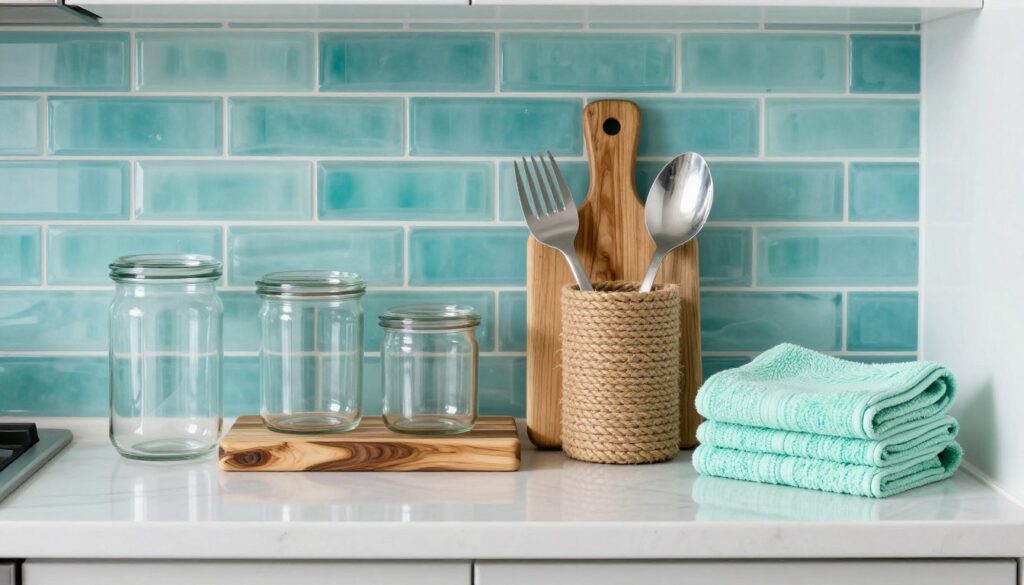
Thoughtful accessories extend coastal themes beyond the backsplash. Natural materials like rope, driftwood, and seagrass introduce organic textures. Glass canisters and clear storage containers echo the transparency of sea glass tiles.
Color coordination amplifies the aesthetic impact. Towels, rugs, and small appliances in colors pulled from the backsplash tile create cohesive design stories. Coral, navy, and sandy neutral accents complement most sea glass color palettes.
Beachy artwork and decorative elements personalize coastal kitchens without overwhelming the space. Subtle nods to ocean themes through shells, coastal photography, or nautical accents maintain sophistication. The backsplash remains the star while accessories support the overall aesthetic.
Design Inspiration: Sea Glass Backsplash Style Examples
Real-world examples demonstrate how sea glass backsplashes adapt to various kitchen styles and personal preferences. These curated designs showcase different approaches to incorporating coastal elegance into kitchen spaces.
Classic Coastal Cottage Style
This timeless approach embraces traditional beach house aesthetics with white cabinets, aqua sea glass subway tiles, and natural wood accents. The design creates relaxed, inviting atmospheres perfect for family gathering spaces. Simple patterns and light colors maximize the coastal cottage charm.
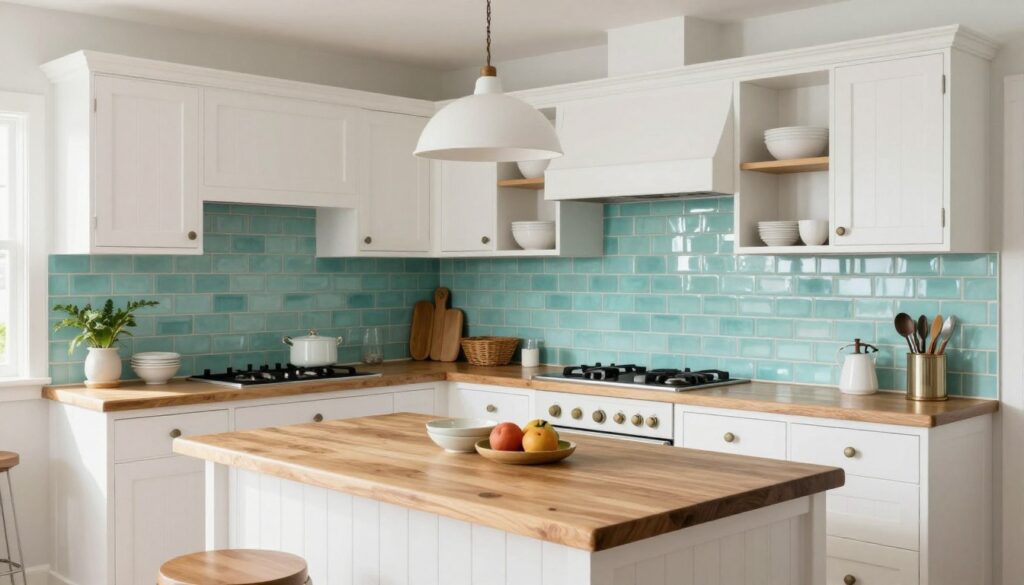
Key elements include open shelving displaying white dishware, farmhouse sinks, and vintage-inspired light fixtures. The aqua backsplash provides color against predominantly white surfaces. Natural wood flooring or butcher block countertops add warmth to the crisp palette.
Modern Coastal Minimalism
Contemporary interpretations strip coastal design to essential elements for sophisticated results. Clear or white sea glass tiles in geometric patterns create clean lines. Handleless cabinets, integrated appliances, and minimal accessories maintain uncluttered aesthetics.
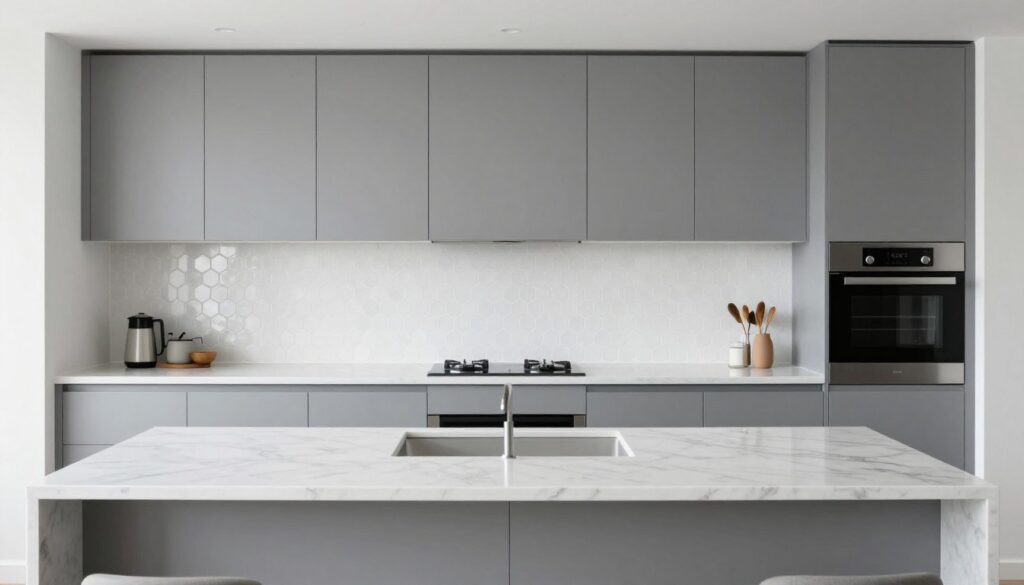
This style emphasizes quality over quantity. Premium materials in neutral colors create understated luxury. The sea glass backsplash provides subtle texture and light play without competing for attention. Monochromatic color schemes maintain serene, spa-like environments.
Vibrant Tropical Kitchen
Bold approaches embrace saturated colors and energetic patterns. Multi-colored sea glass blends mixing turquoise, cobalt, and amber create lively focal points. This style suits open-concept spaces where kitchens flow into living areas.
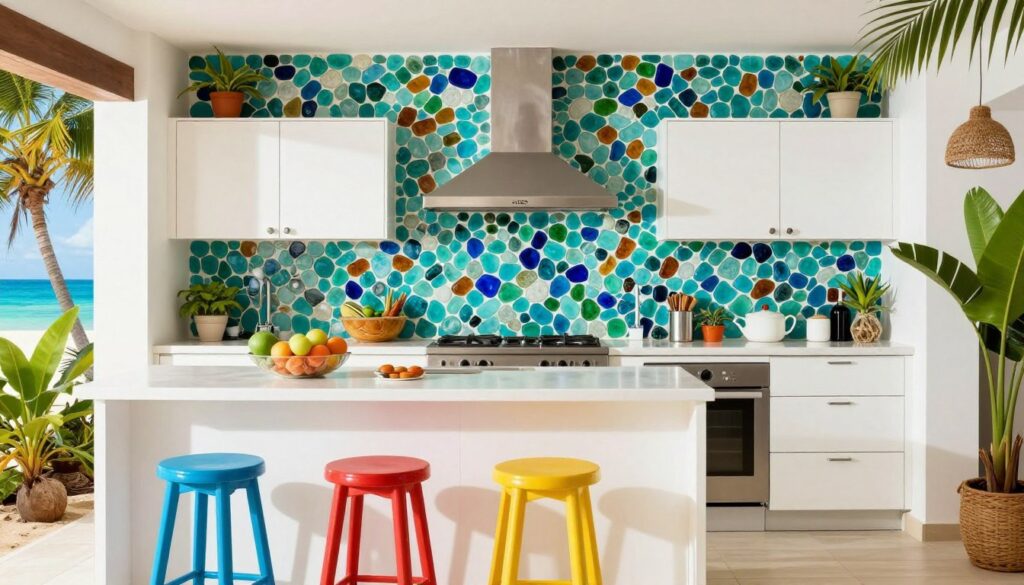
Complementary colorful accessories and tropical plants enhance the vibrant aesthetic. White or light-colored cabinetry prevents overwhelming the space while allowing the backsplash to dominate visually. This approach works well in warm climates and vacation properties.
Rustic Beach House Design
Weathered materials and vintage elements create authentic coastal character. Reclaimed wood cabinets pair with amber or mixed neutral sea glass tiles. Industrial-style lighting and exposed shelving contribute to the rustic aesthetic.
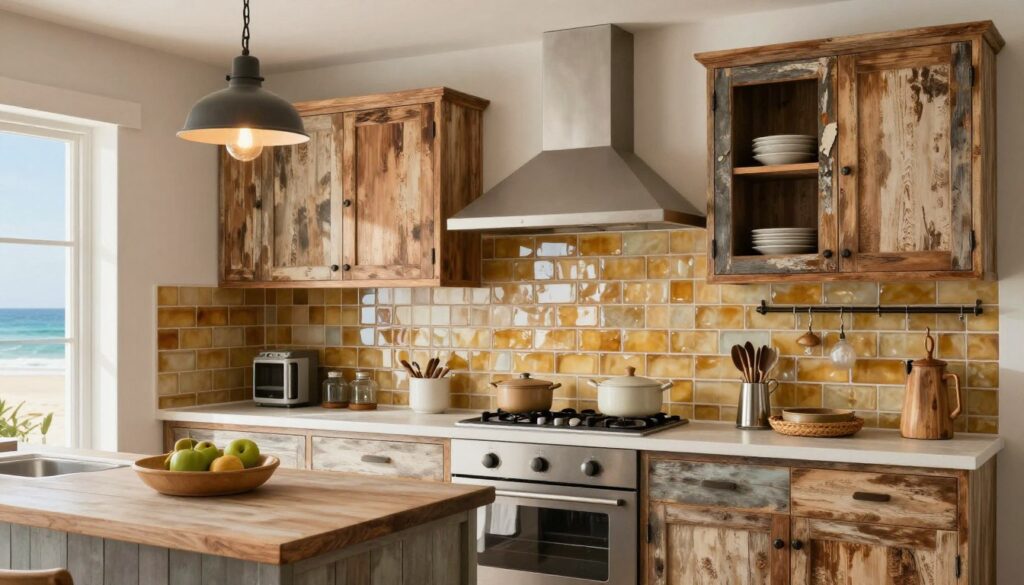
This style embraces imperfection and collected-over-time aesthetics. Mixed metal finishes, vintage finds, and natural textures create layered, interesting spaces. The sea glass backsplash grounds the design while contributing organic beauty.
Nautical Navy and White Scheme
Classic navy and white combinations create crisp, preppy coastal kitchens. Cobalt blue sea glass tiles anchor the color scheme. White cabinets, marble countertops, and brass fixtures complete the sophisticated nautical aesthetic.
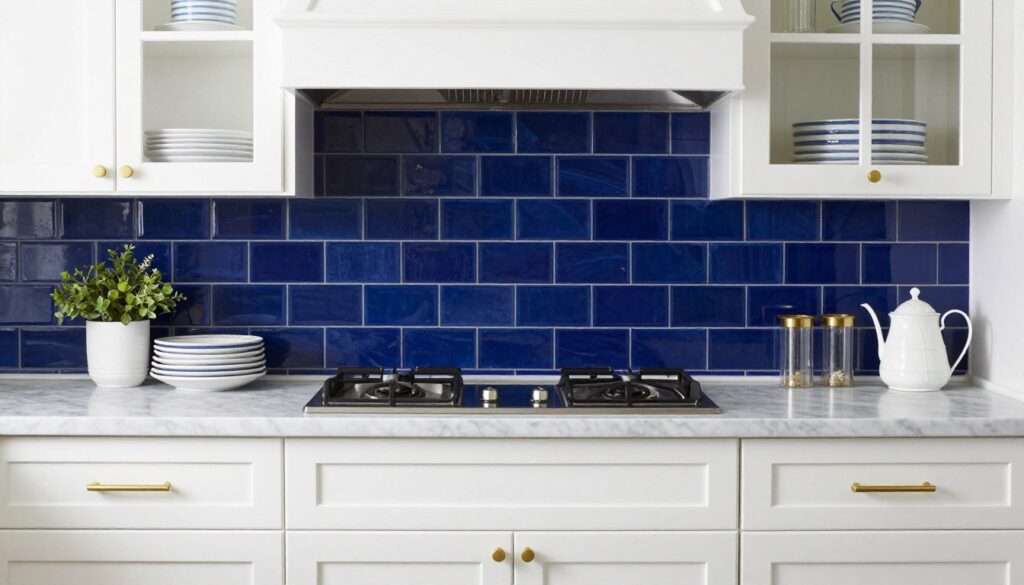
Striped textiles, rope details, and maritime-inspired accessories reinforce the nautical theme. The deep blue backsplash creates dramatic contrast against white surfaces. This timeless combination never goes out of style.
Soft Seafoam Serenity
Gentle, pale green sea glass creates calming, spa-like kitchen environments. This approach suits homeowners seeking relaxation and tranquility. Soft seafoam tiles pair beautifully with white, cream, or pale gray cabinetry.
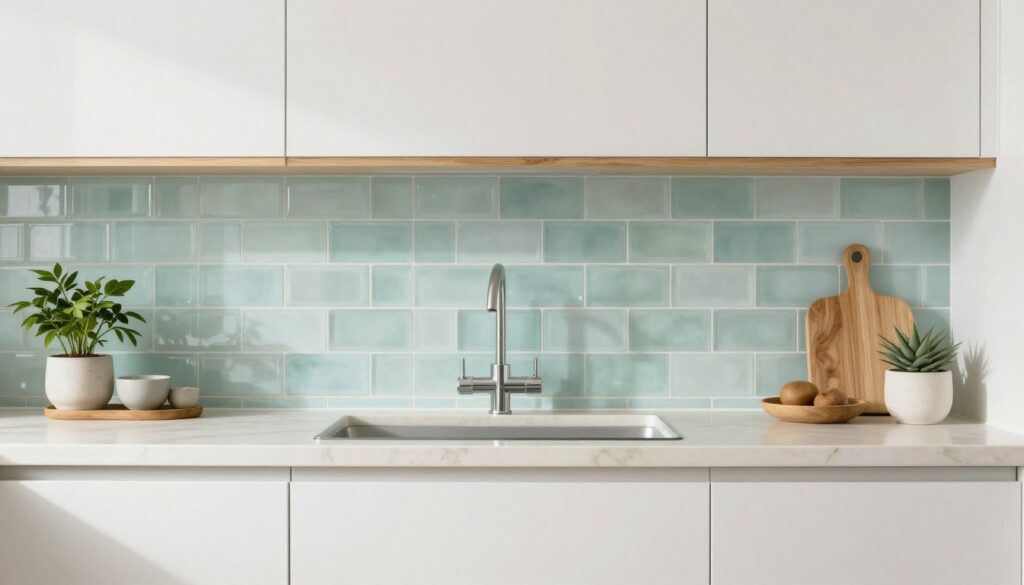
Natural materials including wood, stone, and plants enhance the organic, peaceful aesthetic. Minimalist accessories and uncluttered surfaces maintain the serene environment. This style promotes wellness through thoughtful, calming design.
Recommended Sea Glass Tile Products and Collections
Selecting quality tiles from reputable manufacturers ensures successful backsplash projects. These curated recommendations represent various price points, styles, and color options to suit different design visions and budgets.
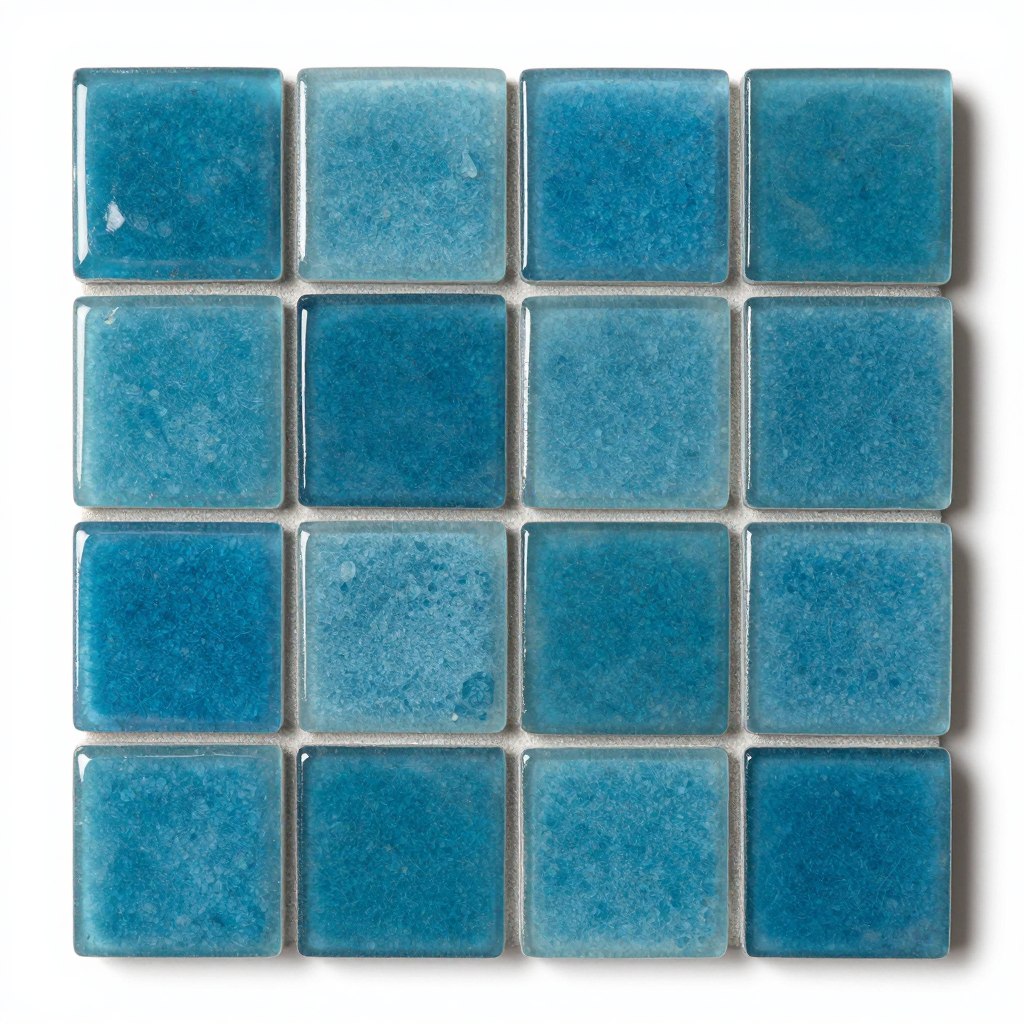
Ocean Blue Subway Collection
Classic 3×6 inch subway tiles in rich aqua tones perfect for traditional coastal kitchens. Glossy finish reflects maximum light for bright, open feelings.
- Material: Recycled glass with tumbled edges
- Color: Deep ocean aqua
- Finish: High-gloss polished
- Price: $18-22 per square foot
- Coverage: Approximately 48 tiles per box
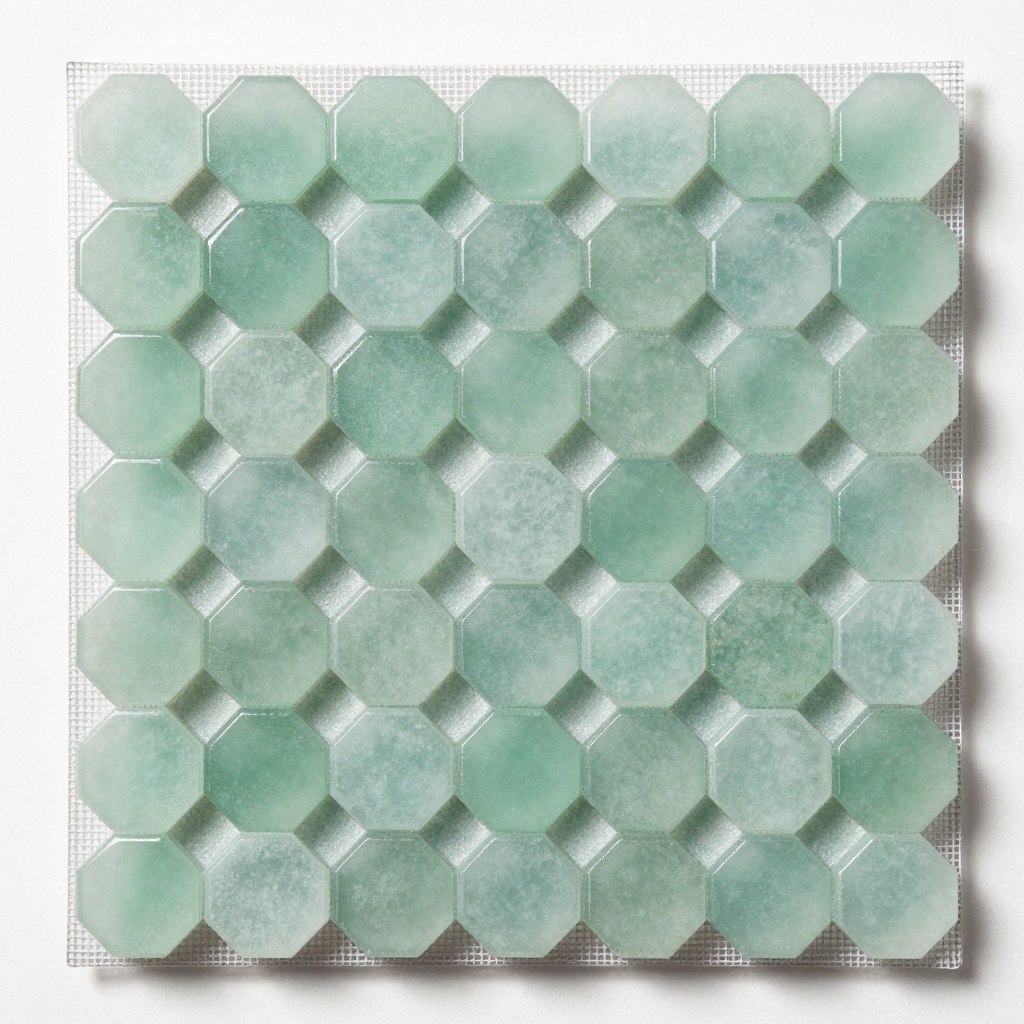
Seafoam Hexagon Mosaic
Small format hexagon tiles creating honeycomb patterns in soothing pale green. Matte finish offers subtle sophistication for modern coastal designs.
- Material: Premium glass with matte coating
- Color: Soft seafoam green
- Finish: Matte non reflective
- Price: $24-28 per square foot
- Format: 1-inch hexagons on 12×12 sheets
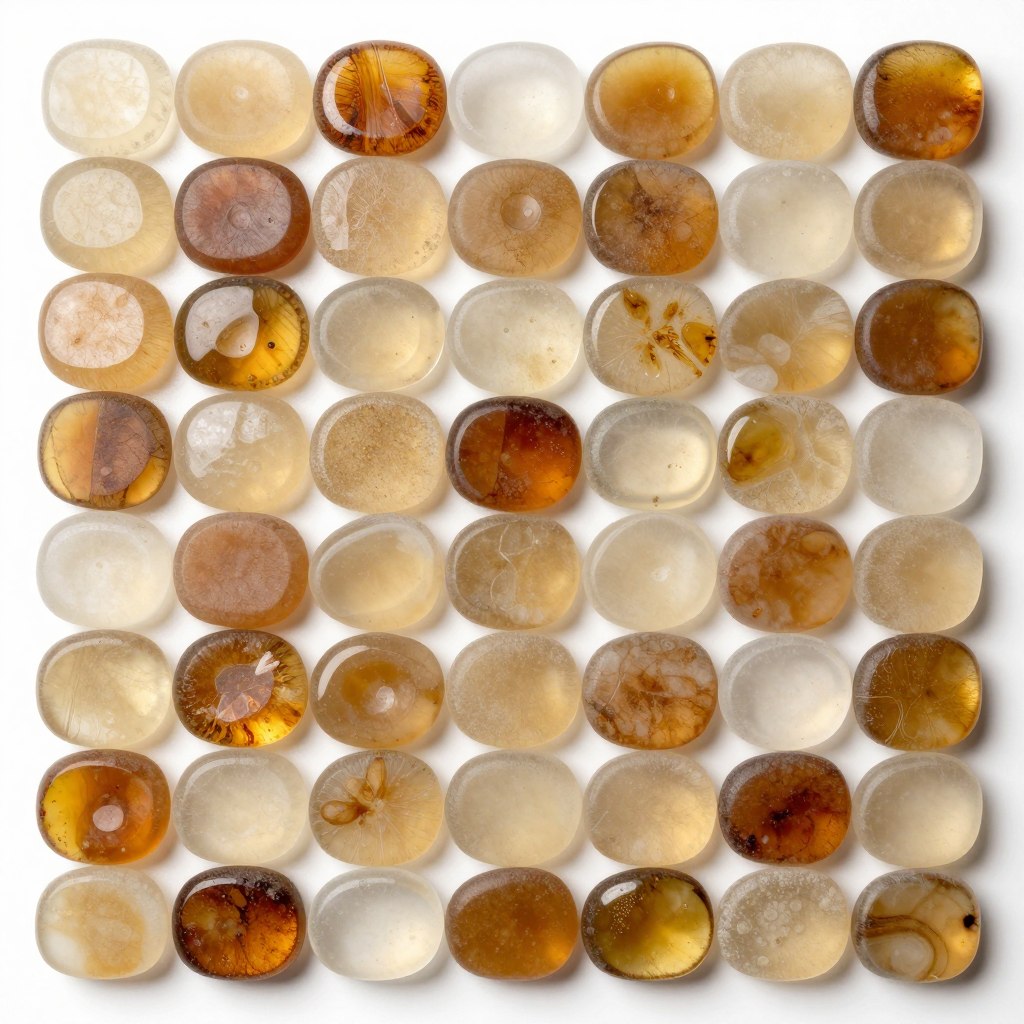
Amber Coastal Blend
Warm honey and amber tones mixed for organic beach glass appearance. Variable sizing creates natural, collected over-time aesthetics.
- Material: Mixed glass tile blend
- Color: Amber, honey, champagne mix
- Finish: Glossy tumbled
- Price: $16-20 per square foot
- Format: Random mixed sizes 1×1 to 2×2 inches
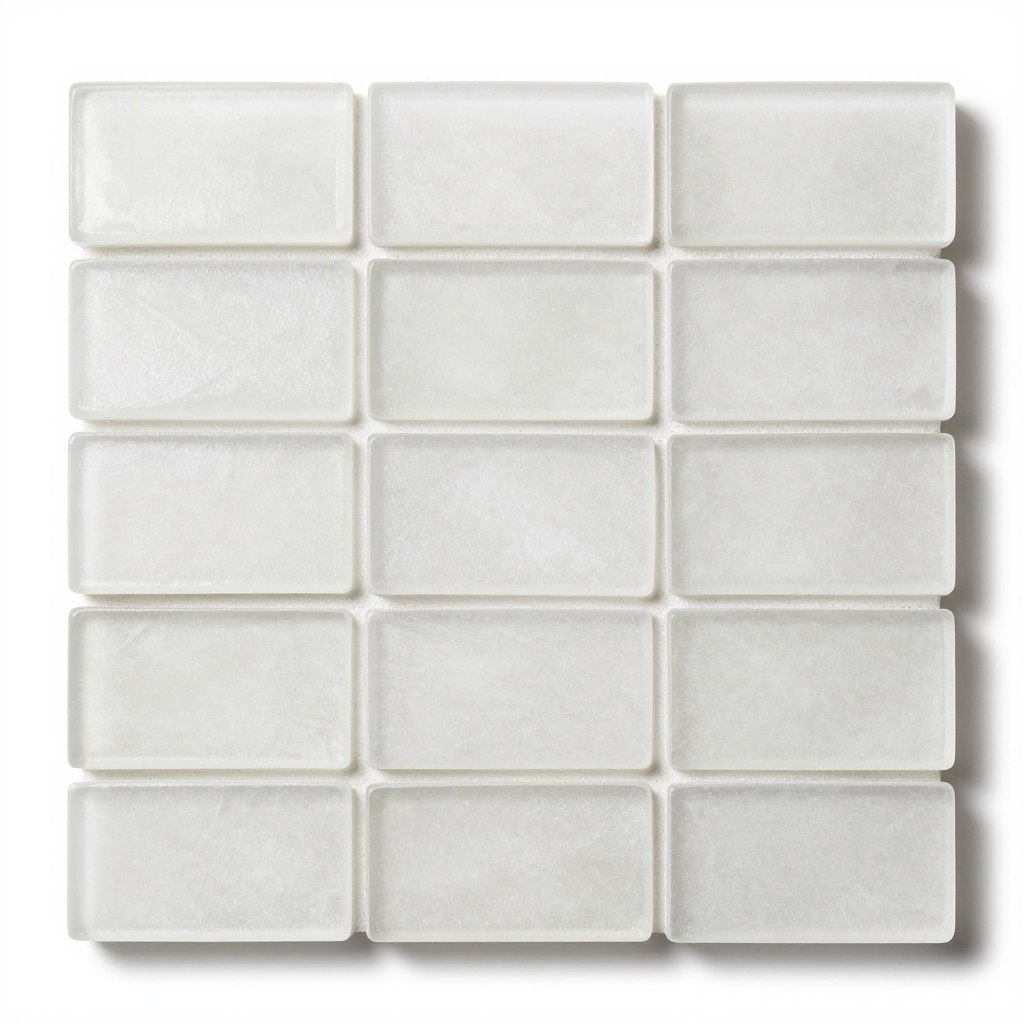
White Frost Subway Tile
Crisp white frosted glass in classic subway format. Translucent quality adds dimension while maintaining neutral versatility.
- Material: Frosted glass tile
- Color: Pure white
- Finish: Frosted translucent
- Price: $14-18 per square foot
- Format: 3×6 inch subway tiles

Cobalt Arabesque Collection
Dramatic deep blue tiles in elegant arabesque shapes. Premium option for sophisticated, statement-making backsplashes.
- Material: Premium artisan glass
- Color: Rich cobalt blue
- Finish: High-gloss mirror
- Price: $42-48 per square foot
- Format: Arabesque lantern shape
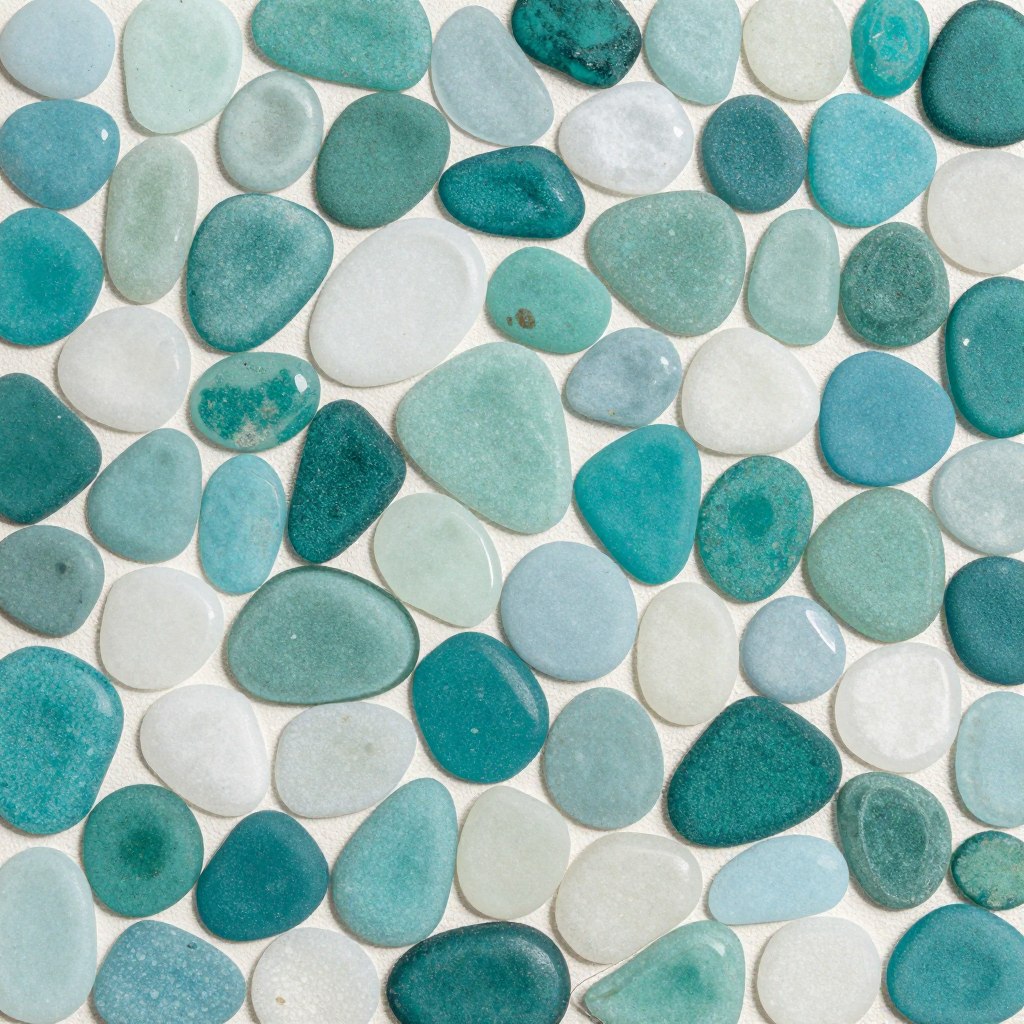
Ocean Mix Multi Color Mosaic
Authentic beach glass blend mixing blues, greens, and whites. Random color placement ensures unique, one-of-a-kind installations.
- Material: Recycled glass blend
- Color: Multi-color ocean palette
- Finish: Mixed glossy and matte
- Price: $26-32 per square foot
- Format: 1×2 inch rectangles on mesh
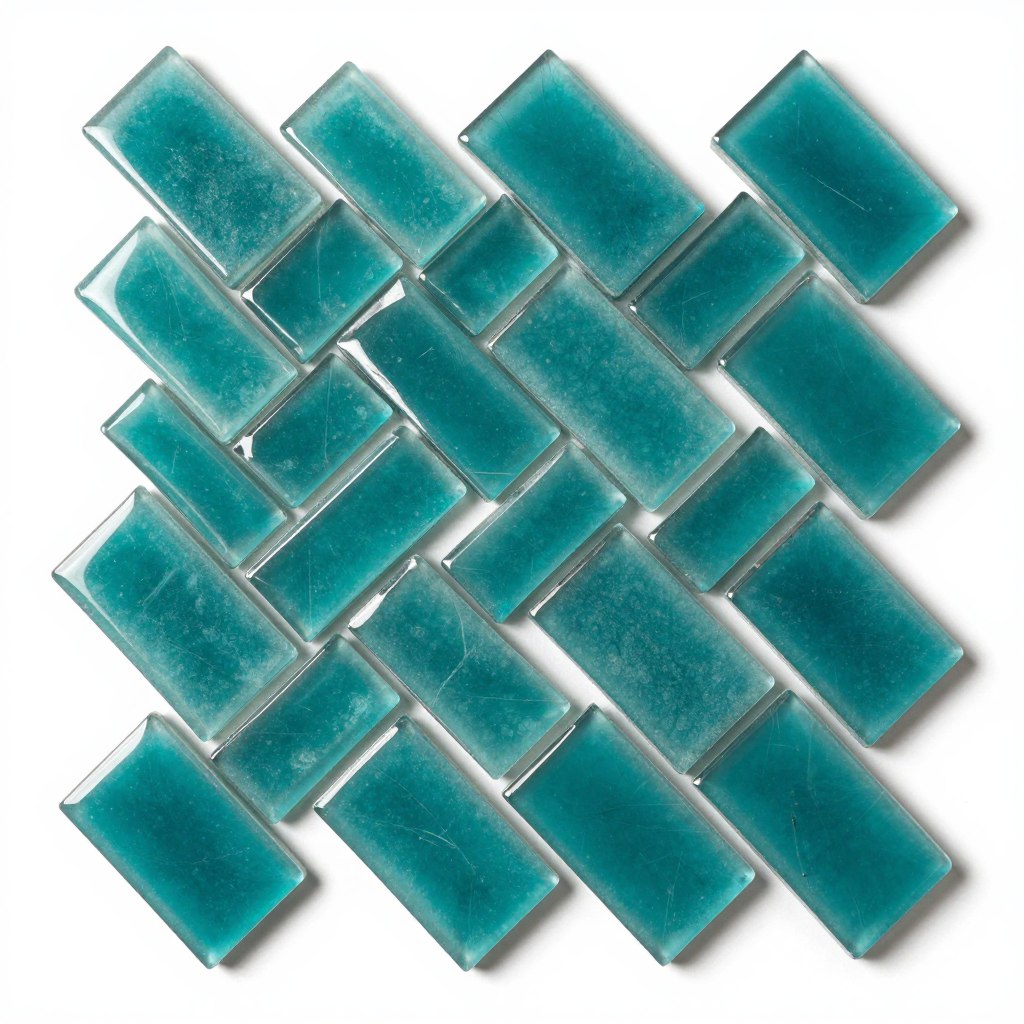
Teal Herringbone Series
Rich teal tiles pre-cut for herringbone installation. Simplifies complex pattern creation while delivering maximum visual impact.
- Material: Pre-cut glass tile
- Color: Deep teal
- Finish: Glossy polished
- Price: $28-34 per square foot
- Format: Herringbone cut rectangles
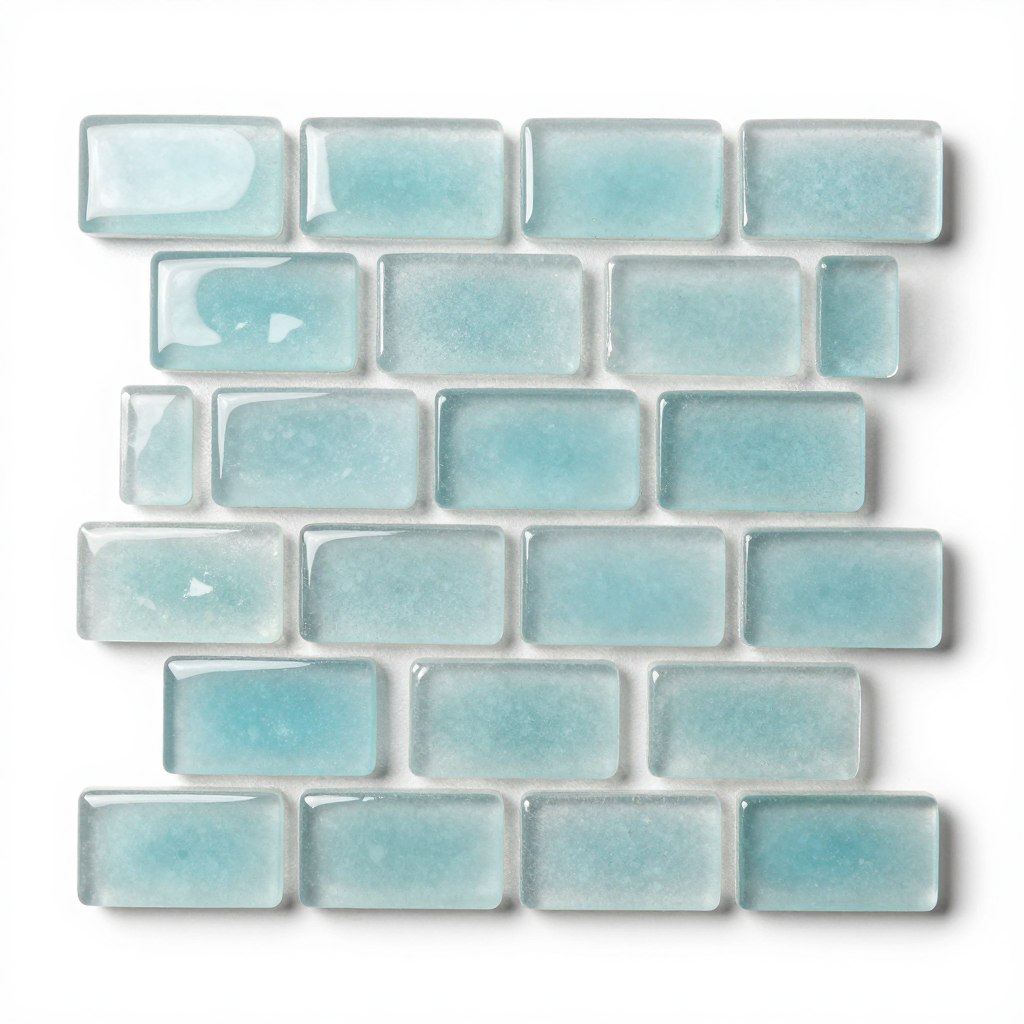
Pale Aqua Mini Subway
Delicate small-format subway tiles in light aqua. Creates refined, detailed backsplashes perfect for compact kitchen spaces.
- Material: Glass tile miniature format
- Color: Pale aqua blue
- Finish: Glossy smooth
- Price: $20-24 per square foot
- Format: 1×3 inch mini subway
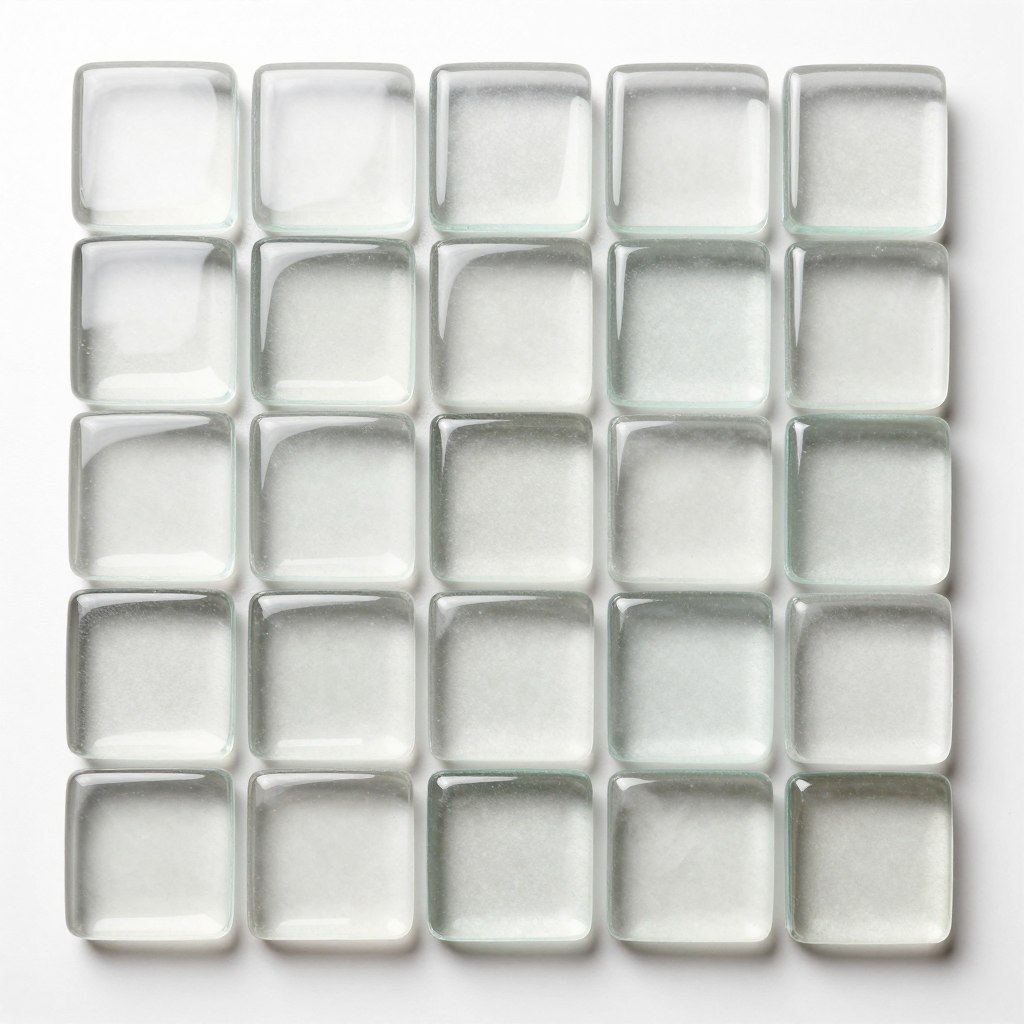
Clear Glass Pool Series
Crystal-clear glass tiles originally designed for pool applications. Exceptional clarity and durability perfect for high-use kitchen backsplashes.
- Material: Premium pool-grade glass
- Color: Clear transparent
- Finish: Ultra-glossy
- Price: $12-16 per square foot
- Format: 1×1 inch squares on sheets
DIY Installation Versus Professional Services
Deciding between DIY installation and hiring professionals depends on skill level, project complexity, and budget considerations. Both approaches offer advantages and challenges worth evaluating before starting your backsplash project.
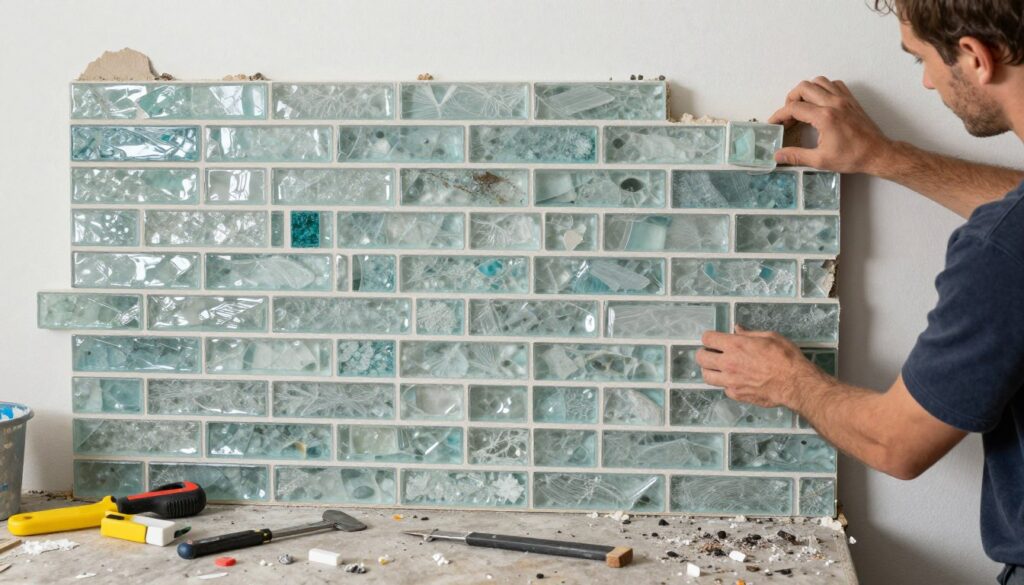
When to Choose DIY Installation
Homeowners with previous tile experience can successfully install sea glass backsplashes. Simple patterns like standard subway layouts prove more forgiving for DIY attempts. Small backsplash areas reduce project scope and complexity.
Cost savings represent the primary DIY advantage. Eliminating labor costs reduces total project expenses by forty to sixty percent. The hands-on experience provides satisfaction and personalization impossible with professional installation.
DIY Installation Benefits
- Significant cost savings on labor
- Complete control over timeline and process
- Personal satisfaction and skill development
- Flexibility to adjust as project progresses
- No scheduling constraints or contractor coordination
DIY Installation Challenges
- Risk of costly mistakes with expensive materials
- Time-consuming learning curve
- Need to purchase or rent specialized tools
- No warranty on installation workmanship
- Potential for inferior results compared to professionals
Benefits of Professional Installation
Experienced installers deliver superior results through practiced technique and specialized knowledge. They handle complex patterns, precise cuts, and perfect grout lines efficiently. Professional installation typically includes workmanship warranties providing peace of mind.
Professionals complete projects faster than DIY attempts. What might take homeowners several weekends finishes in one to three days. This efficiency minimizes kitchen disruption and allows quicker enjoyment of your new backsplash.
Professional Installation Advantages
Expert installers achieve 95% or higher adhesive coverage essential for glass tile longevity. They possess specialized tools, understand troubleshooting techniques, and deliver consistent quality. The investment often proves worthwhile through superior results and stress-free installation.
Hybrid Approach: Preparation and Finishing
Some homeowners choose middle-ground approaches combining DIY and professional work. Handling demolition and surface preparation yourself reduces costs while leaving technical installation to experts. This strategy maintains quality results while achieving modest savings.
Alternatively, professionals can install tiles while homeowners complete grouting and sealing. This division requires clear communication and understanding of responsibilities. The approach works best for those with some tile experience.
Environmental Considerations and Sustainable Options
Eco-conscious homeowners appreciate sea glass tiles for their sustainability potential. Many manufacturers produce tiles from recycled materials, reducing environmental impact while creating beautiful backsplashes. Understanding green options helps make environmentally responsible design choices.
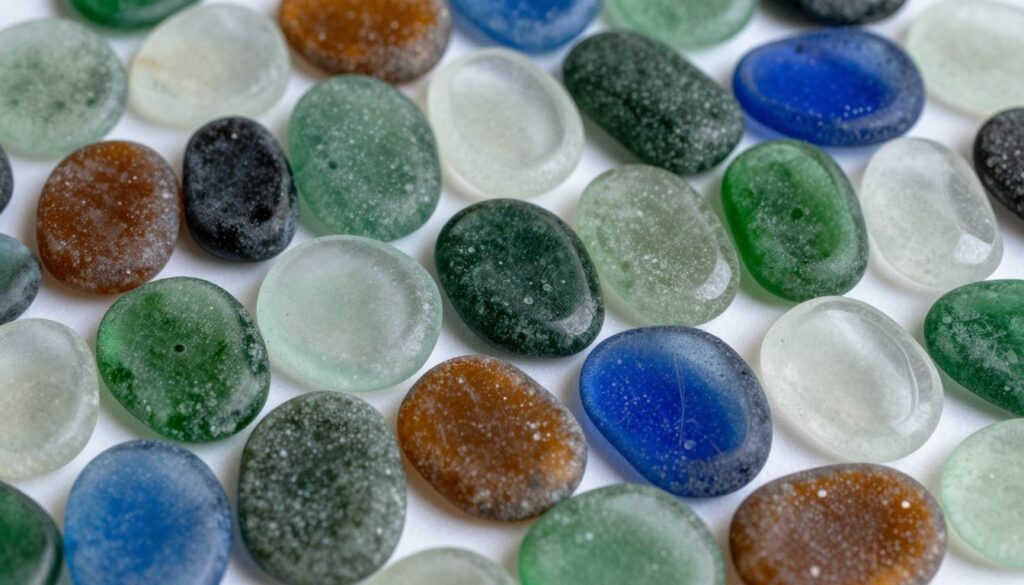
Recycled Glass Tile Benefits
Tiles manufactured from recycled glass bottles and containers divert waste from landfills. The recycling process consumes less energy than creating new glass from raw materials. These sustainable options perform identically to virgin glass tiles while reducing environmental footprints.
Many recycled glass tiles qualify for LEED credits in green building projects. This certification matters for environmentally conscious renovations and new construction. The aesthetic quality matches or exceeds standard glass tiles, making sustainability choices easy.
Locally Manufactured Tile Advantages
Choosing domestically produced tiles reduces transportation emissions associated with overseas shipping. Local manufacturing supports regional economies and often maintains higher environmental standards. The reduced shipping distance lowers overall project carbon footprints.
Domestic producers typically provide better transparency about manufacturing processes and material sourcing. This visibility helps environmentally conscious consumers make informed decisions aligned with their values.
Durability as Sustainability
The exceptional longevity of glass tile backsplashes represents significant environmental benefits. Installations lasting thirty years or more avoid replacement cycles required by less durable materials. This durability reduces long-term resource consumption and waste generation.
Glass tiles resist fading, staining, and deterioration better than many alternatives. The timeless aesthetic minimizes design-driven replacement decisions. Quality installations provide decades of service while maintaining beauty and functionality.
Common Installation Mistakes and How to Avoid Them
Understanding frequent errors helps ensure successful sea glass backsplash installations. Both DIY enthusiasts and those hiring contractors benefit from knowing what to watch for during projects.
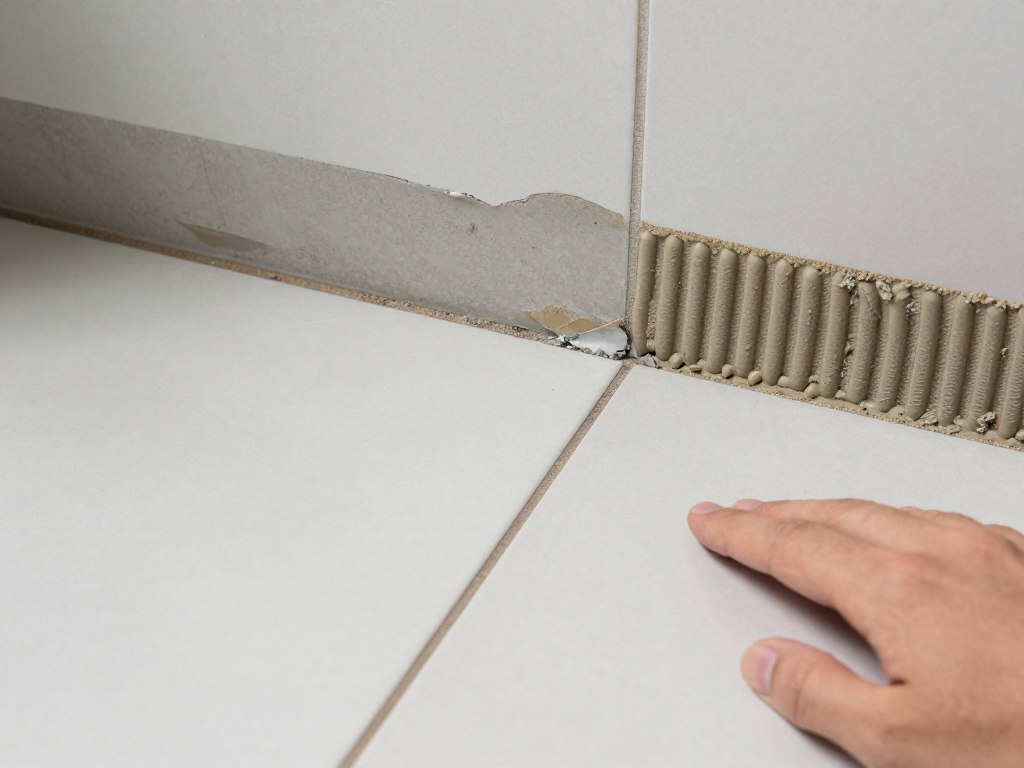
Using Wrong Adhesive or Grout Color
Gray thinset mortar shows through translucent glass tiles, creating muddy appearances. Always specify white adhesives formulated for glass tile. Similarly, grout color dramatically impacts final aesthetics and requires careful consideration before installation.
Testing small areas with actual tiles and intended grout helps visualize final results. This simple step prevents costly disappointment after completing entire installations. Sample boards allow comparison of multiple grout colors before committing.
Inadequate Surface Preparation
Rushing preparation leads to numerous problems including poor adhesion and visible imperfections. Surfaces must be perfectly flat, clean, and properly primed. Any shortcuts in preparation compromise final results regardless of installation quality.
Professional installers often spend more time preparing surfaces than installing tiles. This emphasis ensures problems don’t emerge months or years after completion. Proper preparation represents the foundation of successful backsplash projects.
Insufficient Adhesive Coverage
Spot bonding or inadequate adhesive application creates hollow spaces beneath tiles. These voids allow tiles to flex and eventually crack. Glass tile requires ninety-five percent adhesive coverage achieved through proper trowel technique and back-buttering.
Pressing tiles firmly into place and checking coverage periodically ensures proper adhesion. Removing and inspecting occasional tiles during installation verifies technique effectiveness. This quality control prevents hidden problems.
Improper Cutting Techniques
Using wrong blades or excessive pressure chips and cracks glass tiles. Specialized glass-cutting blades and patient, gentle technique produce clean cuts. Rushing this process wastes expensive materials and creates safety hazards from sharp edges.
Professional-quality wet saws with glass blades deliver best results. For DIY projects, renting appropriate equipment proves worthwhile. Practice cuts on spare tiles build confidence before attempting final installation cuts.
Creating Your Coastal Kitchen Dream
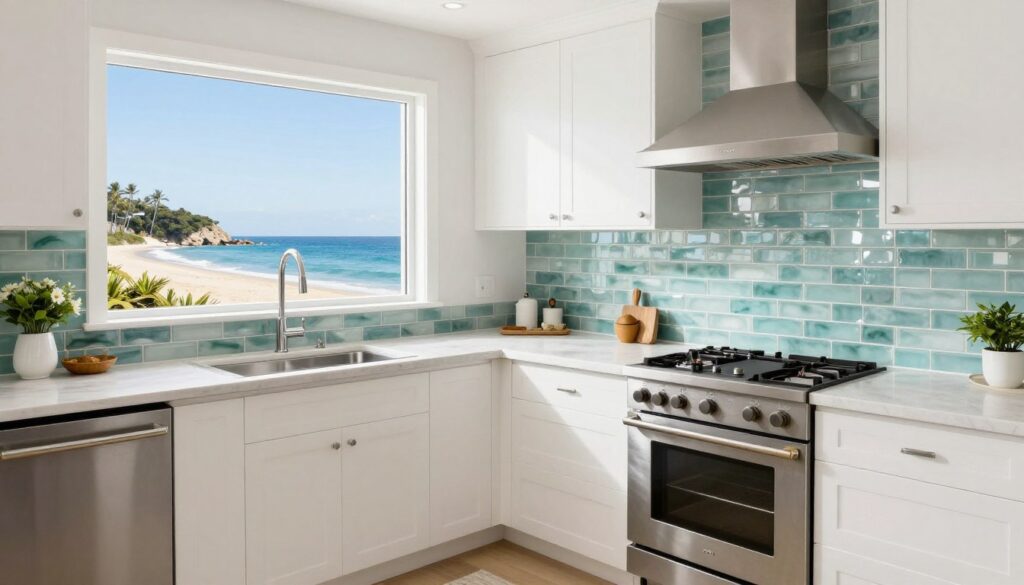
Sea glass kitchen backsplashes transform ordinary cooking spaces into coastal sanctuaries. The unique material brings ocean beauty indoors through translucent colors, light-reflecting properties, and timeless aesthetics. Whether you choose subtle seafoam or bold cobalt, these tiles create focal points that define kitchen character.
Success depends on thoughtful planning, quality material selection, and proper installation. Understanding color options, pattern possibilities, and maintenance requirements ensures your investment delivers lasting beauty and functionality. The versatility of sea glass tiles adapts to numerous design styles from classic cottage to modern minimalism.
Your coastal kitchen journey begins with inspiration and education. Armed with comprehensive knowledge about materials, costs, and installation considerations, you’re prepared to create the backsplash of your dreams. Whether tackling DIY installation or partnering with professionals, the result will bring daily joy and coastal elegance to your home.
The timeless appeal of sea glass ensures your kitchen remains beautiful and relevant for decades. The durable, easy-to-maintain material provides practical benefits while satisfying aesthetic desires. Transform your kitchen into a coastal retreat that feels like vacation every day.