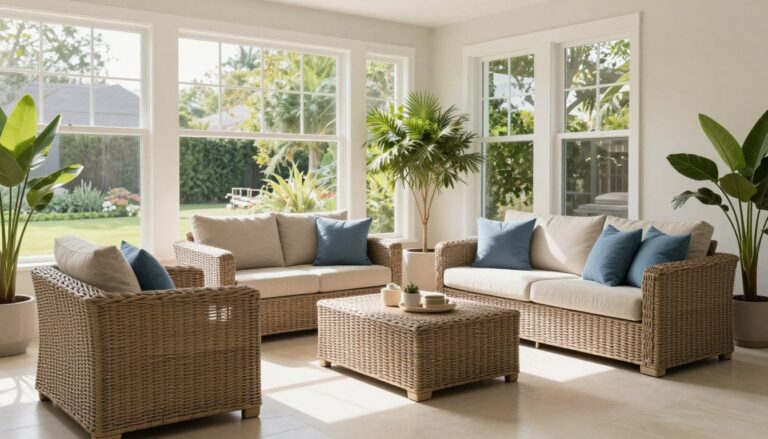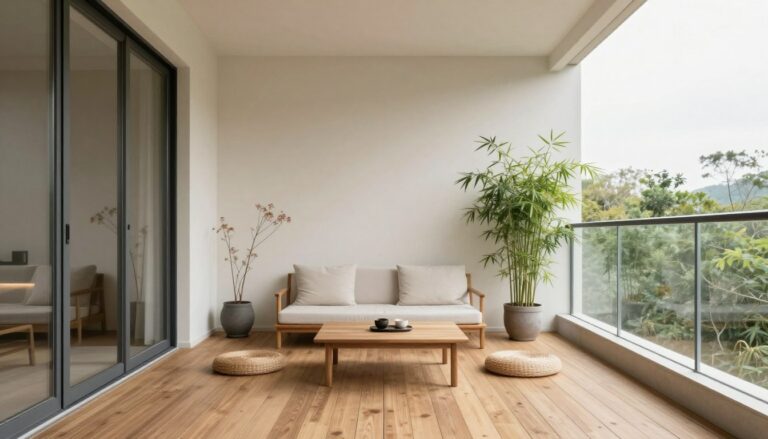

Choosing between modern and traditional sunroom designs affects everything from furniture selection to architectural integration. Each style offers unique benefits for different homeowner preferences and existing home aesthetics.
This comprehensive guide explores nine distinct sunroom styles. You’ll discover how each design approach works in contemporary versus classic implementations, helping you make informed decisions for your space.
Victorian Conservatory Style Sunroom
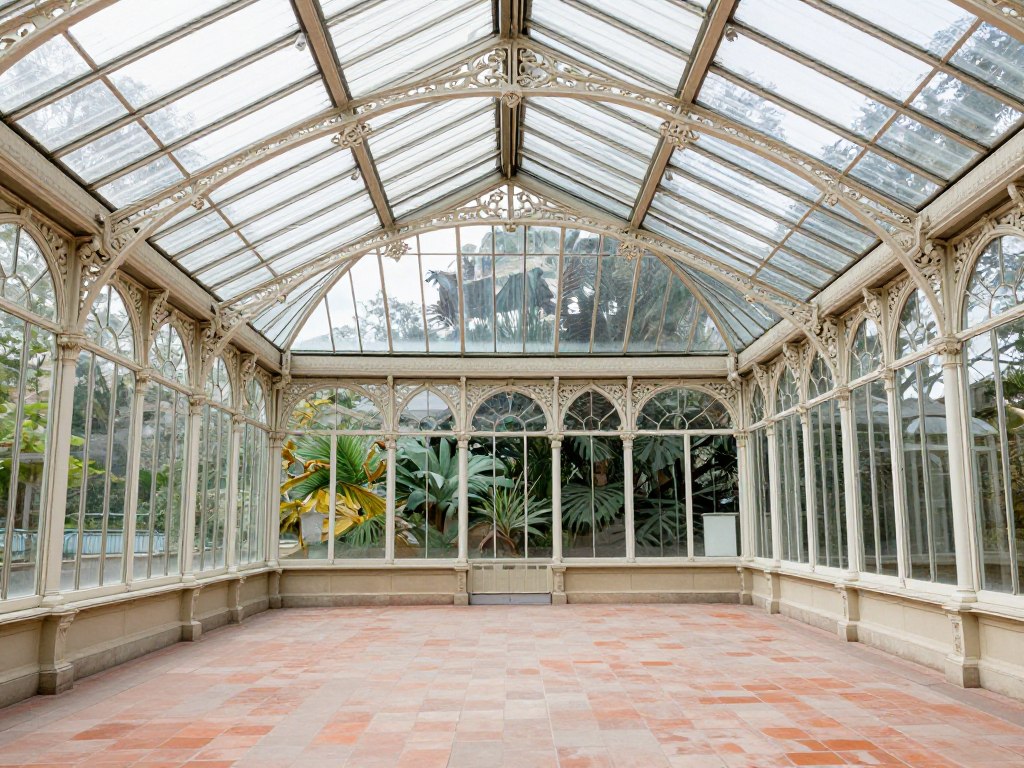
Victorian conservatories represent ornate elegance with decorative elements defining this classic approach. These structures feature intricate metalwork, peaked glass roofs, and elaborate architectural details that echo 19th-century garden room design principles.
Traditional Victorian Implementation
The traditional Victorian sunroom showcases white-painted or verdigris copper framework. Curved glass panels create a greenhouse feel. Crown molding and decorative corbels add period-authentic charm.
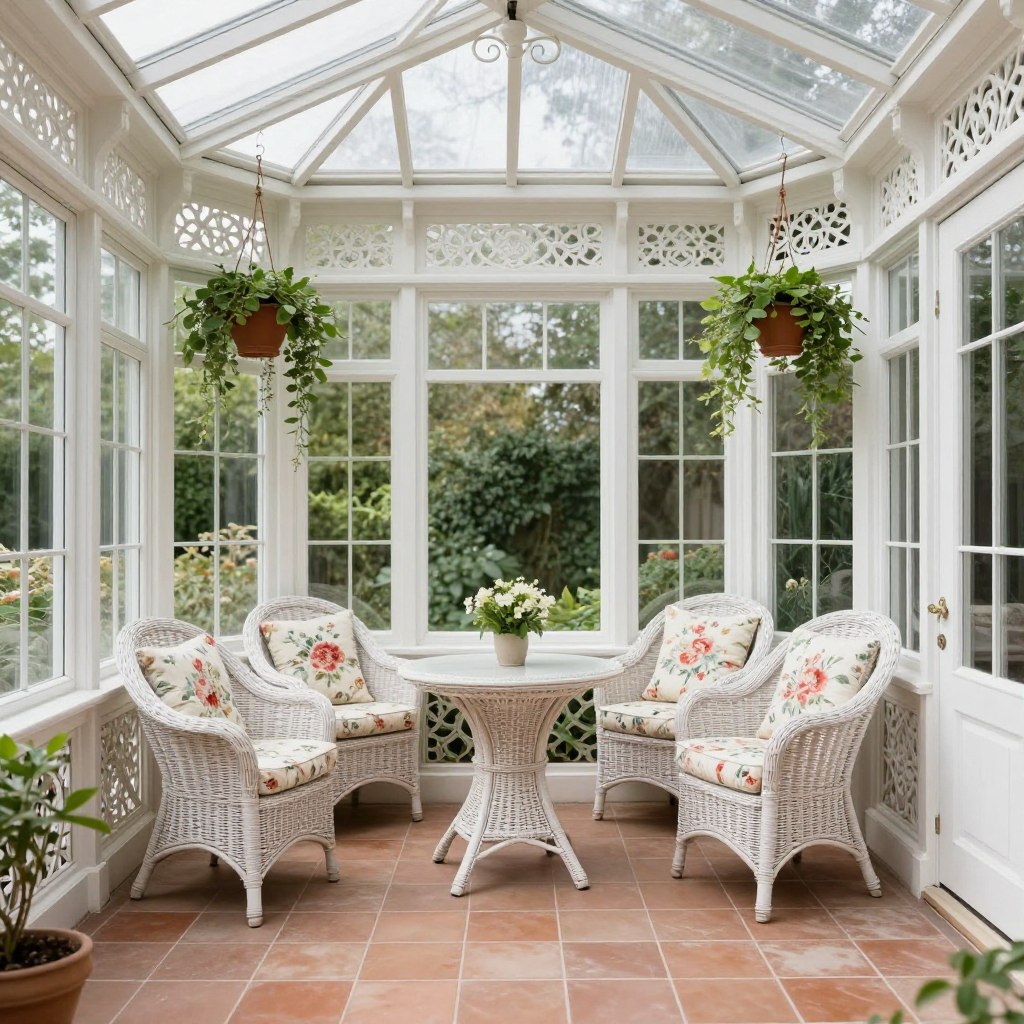
Floors typically feature terracotta tiles or vintage-inspired patterns. Ceiling fans with elaborate blade designs provide air circulation while maintaining aesthetic consistency. Wicker furniture with floral cushions completes the garden room atmosphere.
Traditional Victorian Features
Period-authentic elements define this approach. Ornamental details create visual interest throughout the space.
- Curved glass panels following architectural curves
- Decorative metal framework with scrollwork patterns
- Crown molding and ceiling rosettes
- Vintage tile flooring in geometric patterns
- Wicker furniture with high backs and rolled arms
Modern Victorian Interpretation
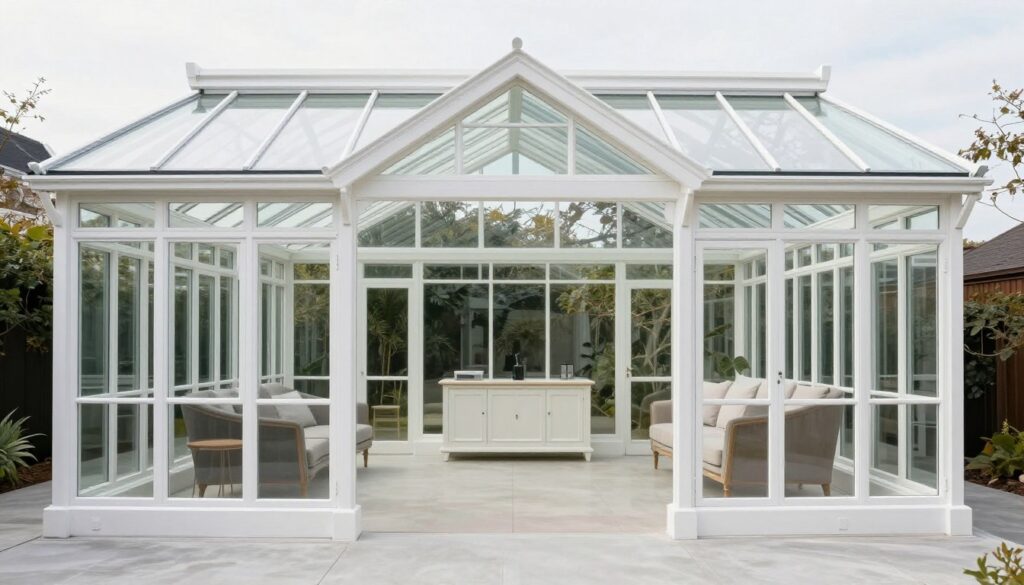
Contemporary Victorian sunrooms maintain structural elegance while embracing minimalist sensibilities. Clean white or black powder-coated aluminum frames replace ornate metalwork. Glass panels maximize views without excessive decoration.
Modern interpretations use neutral color palettes. Sleek furniture with Victorian-inspired silhouettes provides comfort without visual clutter. Updated materials like composite decking replace traditional flooring while echoing classic patterns.
Victorian Style Advantages
- Dramatic architectural statement piece
- Excellent natural light from curved glass design
- Timeless aesthetic appeal
- Increases home value significantly
- Creates distinct garden room atmosphere
Victorian Style Considerations
- Higher construction costs due to custom elements
- More complex cleaning requirements
- May clash with modern home architecture
- Heat retention challenges with extensive glass
- Maintenance intensive for decorative elements
Mediterranean Sunroom Design
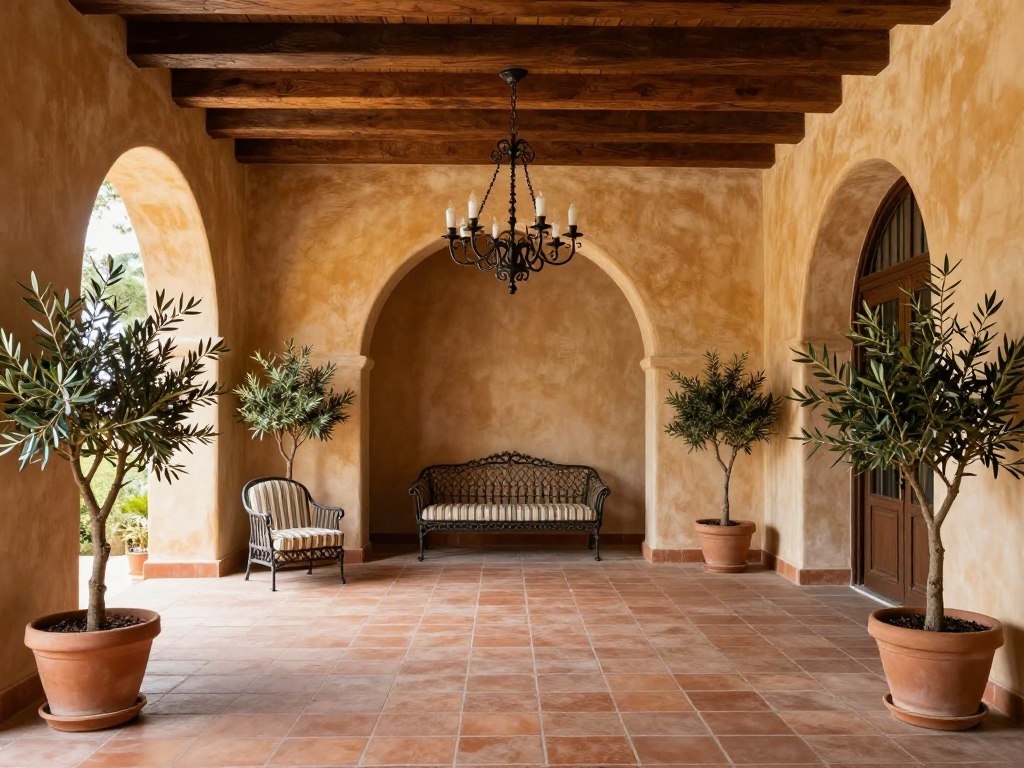
Mediterranean sunrooms capture coastal warmth through earthy materials and sun-drenched color palettes. These spaces evoke Italian villas and Spanish courtyards with terracotta, wrought iron, and abundant natural textures creating vacation-like atmospheres.
Traditional Mediterranean Approach
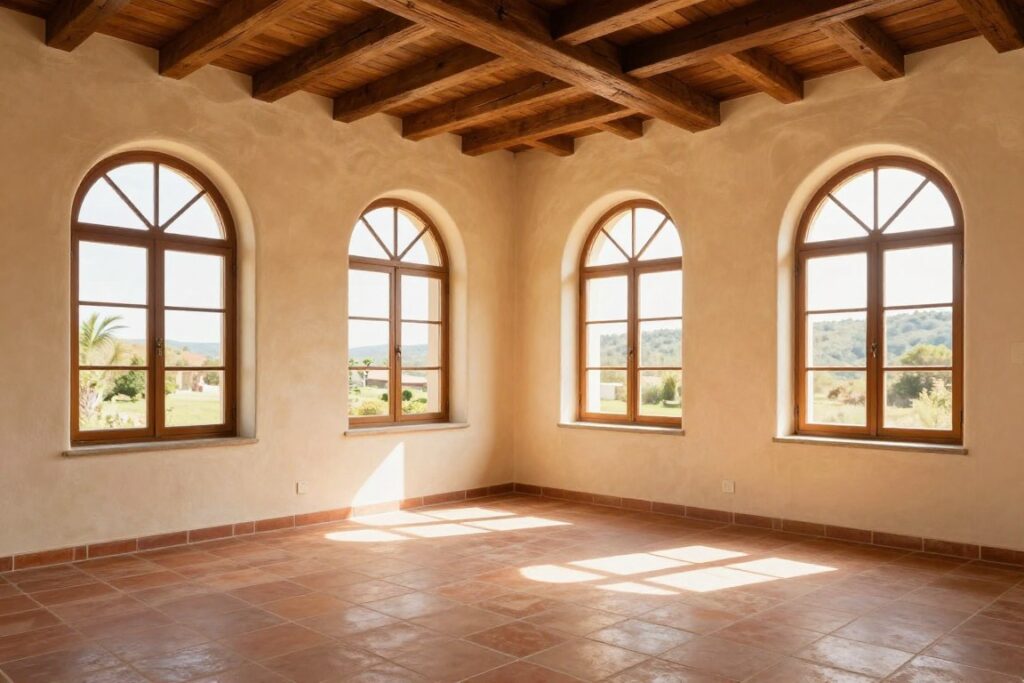
Classic Mediterranean sunrooms feature thick stucco walls with deep window reveals. Arched openings frame views of garden or patio areas. Heavy wooden beams span ceilings, often left in natural wood tones or painted in aged finishes.
Color schemes embrace warm terracotta, golden yellows, and rustic oranges. Wrought iron light fixtures and furniture create authentic period details. Stone or tile floors withstand temperature fluctuations while maintaining Mediterranean character.
Modern Mediterranean Interpretation
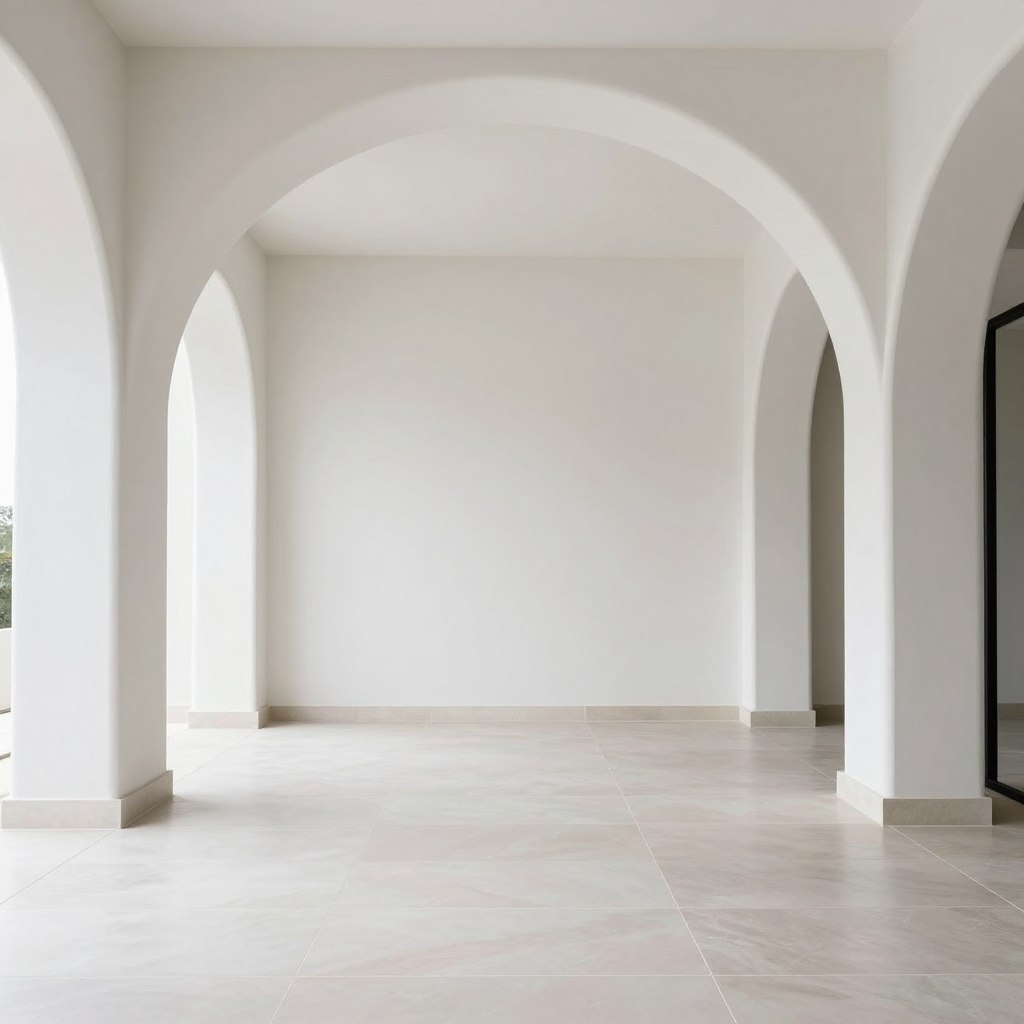
Contemporary Mediterranean designs simplify architectural elements while maintaining warmth. Clean-lined arches replace ornate versions. Smooth plaster walls in lighter neutral tones create airiness.
Modern interpretations incorporate sleek furniture with Mediterranean proportions. Updated materials like porcelain tile mimicking terracotta provide easier maintenance. Minimalist wrought iron or matte black metal accents reference traditional elements without overwhelming spaces.
Material Selection Guidelines
Choosing appropriate materials affects both aesthetic and functionality. Mediterranean sunrooms benefit from weather-resistant options.
- Porcelain tile replicating natural stone appearance
- Powder-coated aluminum with wood-grain finish
- Textured plaster for authentic wall surfaces
- Composite beams mimicking aged wood
- UV-resistant fabrics in earth-tone colors
Japanese-Inspired Zen Sunroom
Japanese sunroom design emphasizes tranquility through minimalist principles and natural material integration. These spaces create meditation-friendly environments with clean lines, neutral palettes, and intentional void spaces promoting calm contemplation.
Traditional Japanese Elements
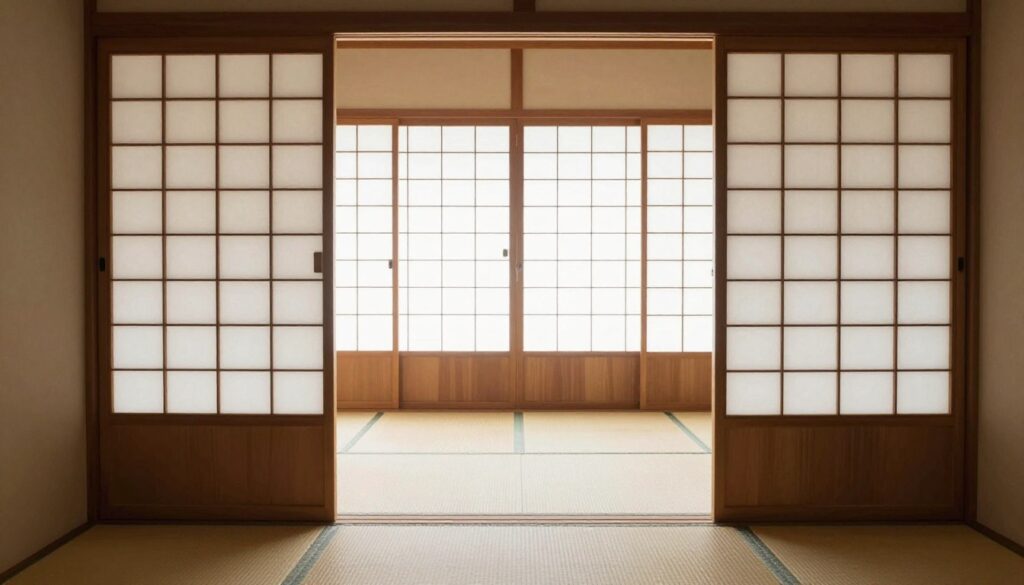
Authentic Japanese sunrooms incorporate shoji screens with translucent rice paper panels. Natural wood in honey tones provides structural framework. Low furniture pieces encourage floor-level living and connection with nature.
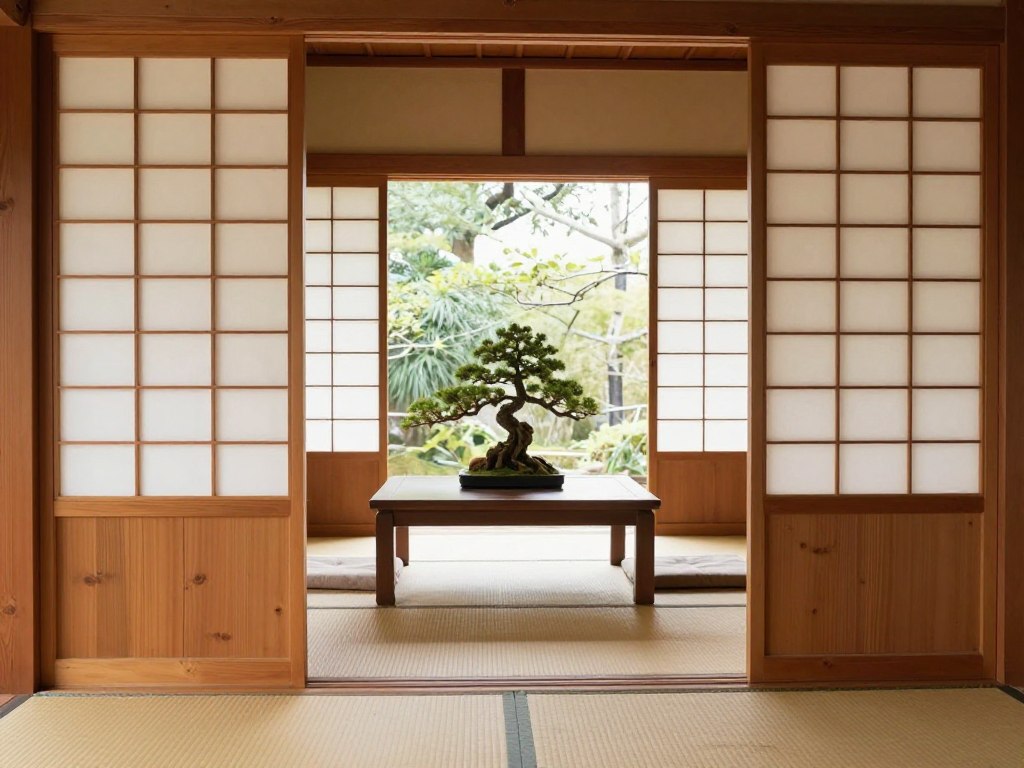
Tatami mats or wood plank floors define seating areas. Simple cotton cushions for floor seating replace western chairs. A single statement piece like a bonsai tree or ikebana arrangement provides focal interest without clutter.
Modern Japanese Fusion
Contemporary Japanese sunrooms blend eastern minimalism with western comfort. Sliding glass panels replace traditional shoji while maintaining clean division of space. Integrated blinds provide privacy and light control.
Modern versions incorporate low-profile contemporary furniture with Japanese-inspired lines. Neutral upholstery in organic fabrics maintains zen atmosphere. Strategic placement of natural elements like river stones or bamboo creates focal points.
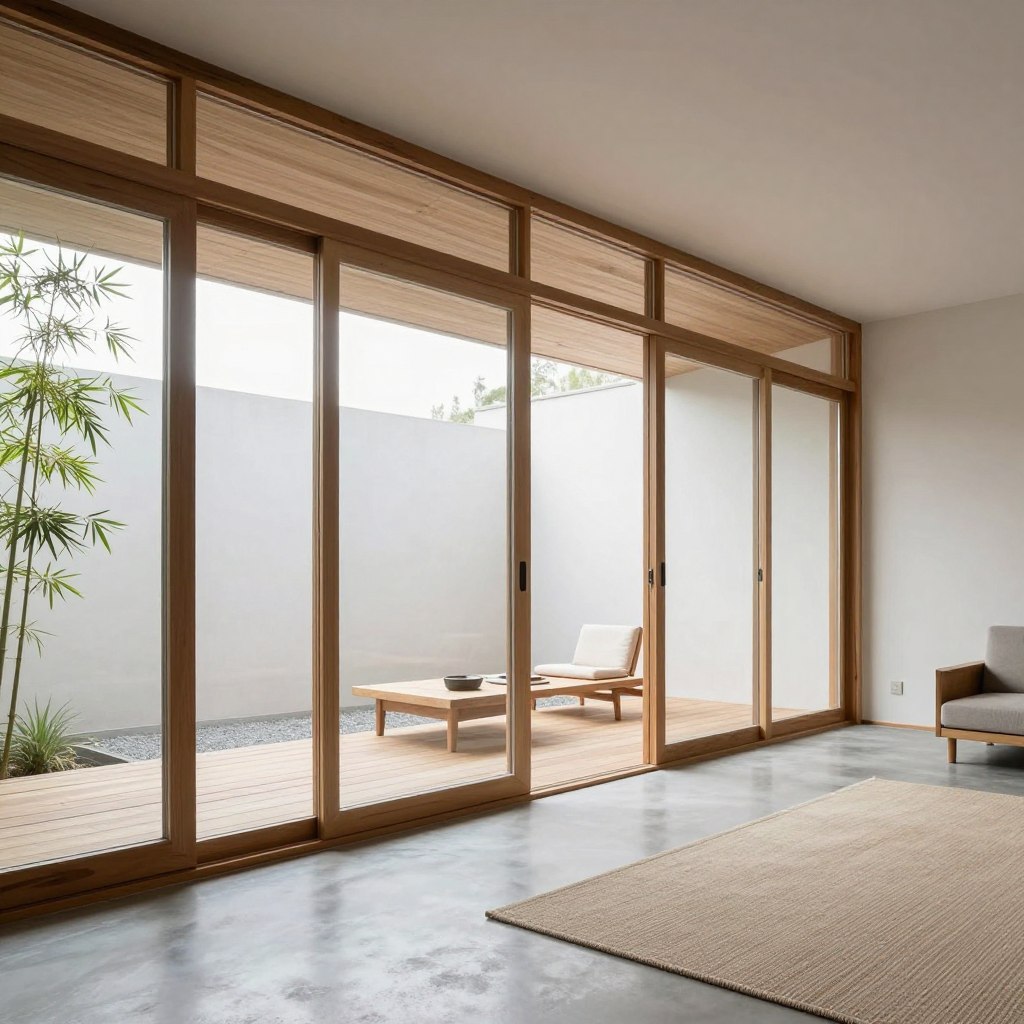
Creating Zen Atmosphere
Achieving authentic Japanese tranquility requires thoughtful element selection. Balance guides every design decision.
- Neutral color palette with natural wood tones
- Minimal furniture pieces with intentional placement
- Natural materials throughout all surfaces
- Strategic void spaces for visual rest
- Single focal point per viewing angle
- Indirect lighting for soft ambiance
Cottage Garden Sunroom
Cottage style sunrooms embrace informal charm through floral patterns, vintage furniture, and abundant plant life. These cozy spaces blur boundaries between indoor comfort and outdoor garden beauty, creating intimate retreats perfect for reading or afternoon tea.
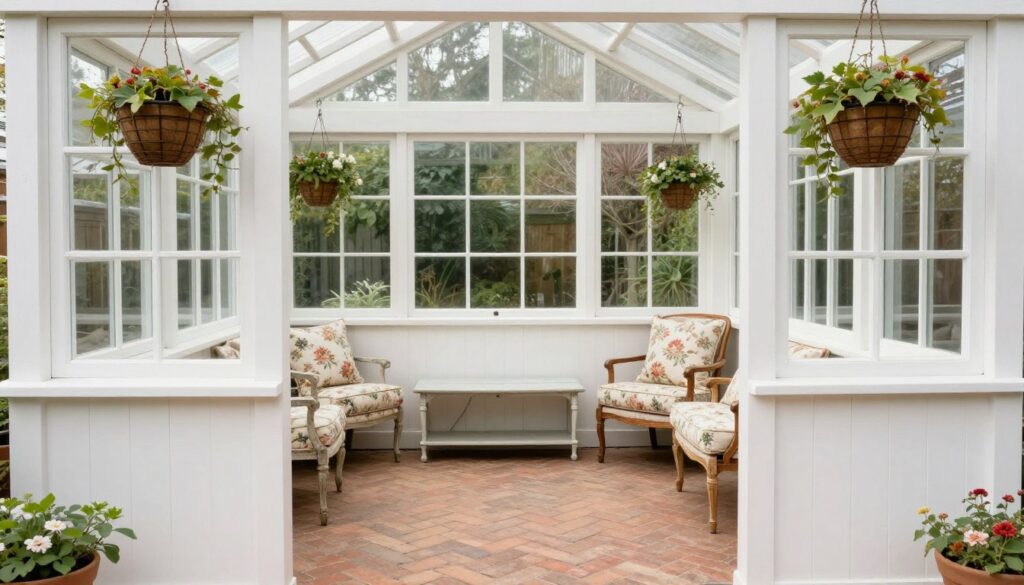
Traditional Cottage Interpretation
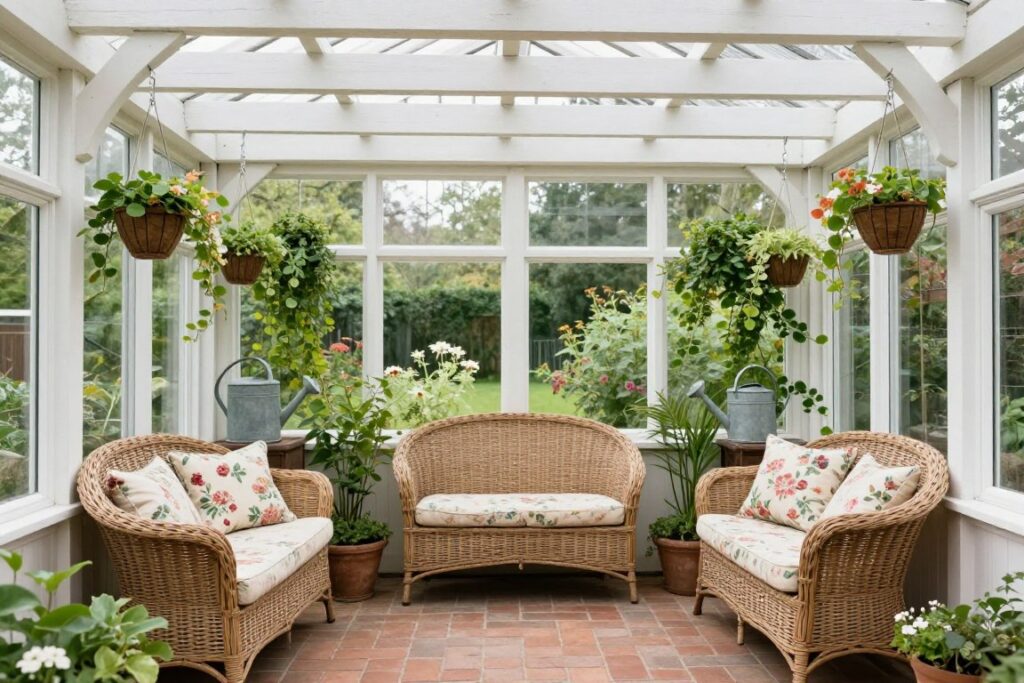
Classic cottage sunrooms feature white-painted wood framework with generous window mullions. Floral fabrics in soft pastels cover cushions and curtains. Vintage wicker or painted wood furniture creates lived-in comfort.
Brick or stone floors provide rustic foundation. Exposed beams painted white or left natural add structural interest. Plants overflow from hanging baskets, window boxes, and corner arrangements, bringing garden atmosphere indoors.
Modern Cottage Style
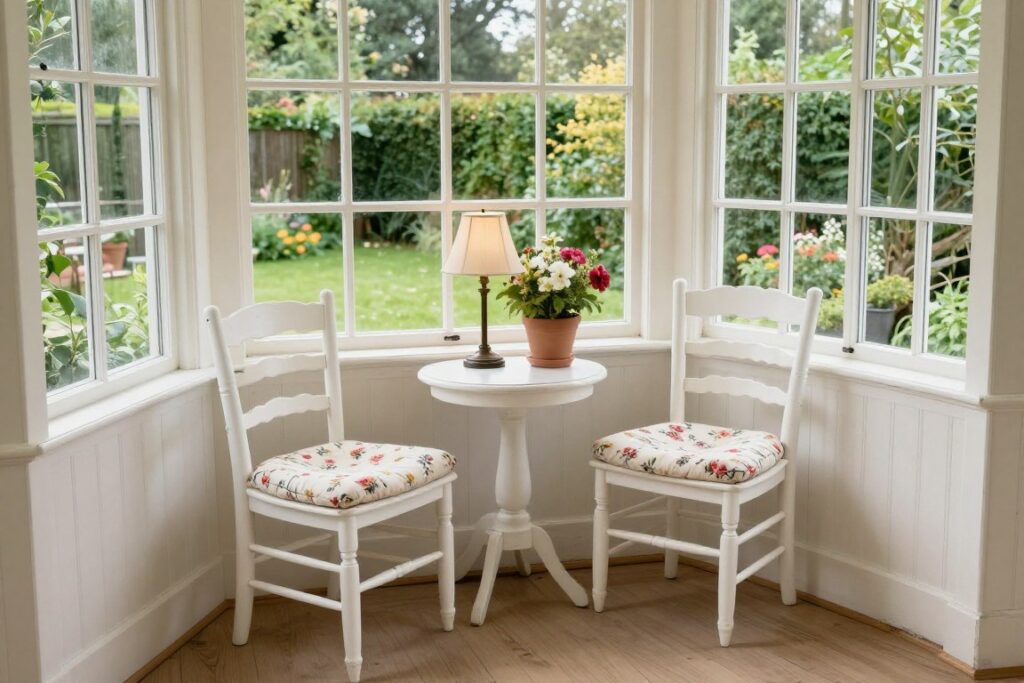
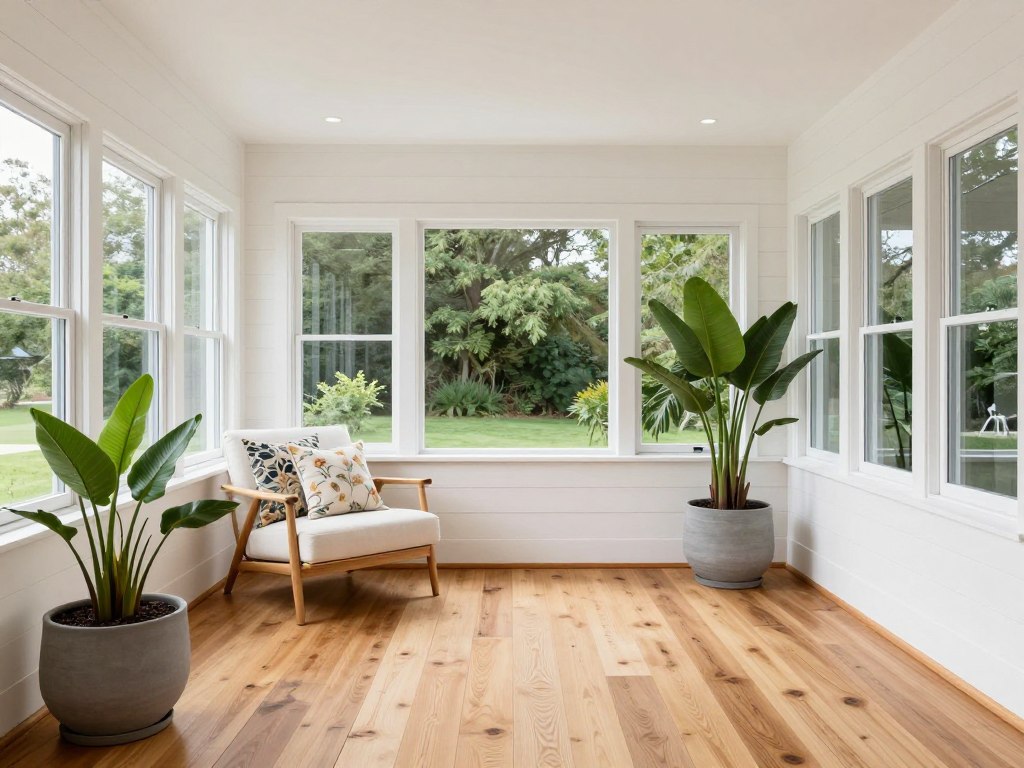
Contemporary cottage sunrooms maintain charm while embracing cleaner lines. White or light gray painted wood provides backdrop for selective vintage pieces. Floral patterns appear more sparingly in accent pillows rather than covering entire furniture pieces.
Modern cottage spaces use fewer but larger plants in contemporary containers. Updated lighting fixtures with cottage proportions replace ornate vintage options. Neutral backgrounds allow curated vintage accessories to shine without visual overwhelm.
- Select a cohesive color palette with three main colors
- Choose one pattern type (floral, stripe, or check) as dominant
- Mix furniture styles within same color family
- Layer textures through natural materials
- Create focal point with statement vintage piece
- Balance busy patterns with solid neutral areas
Mid-Century Modern Sunroom
Mid-century modern sunrooms celebrate 1950s and 1960s design principles with clean lines, organic forms, and seamless indoor-outdoor connections. These spaces emphasize functionality and beauty through carefully selected iconic furniture pieces and architectural elements.
Traditional Mid-Century Design
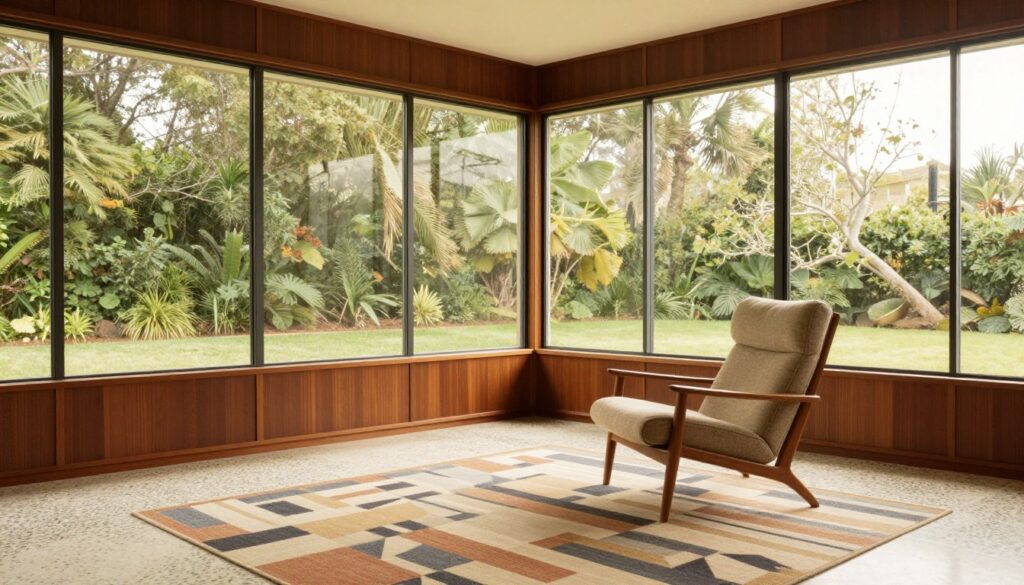
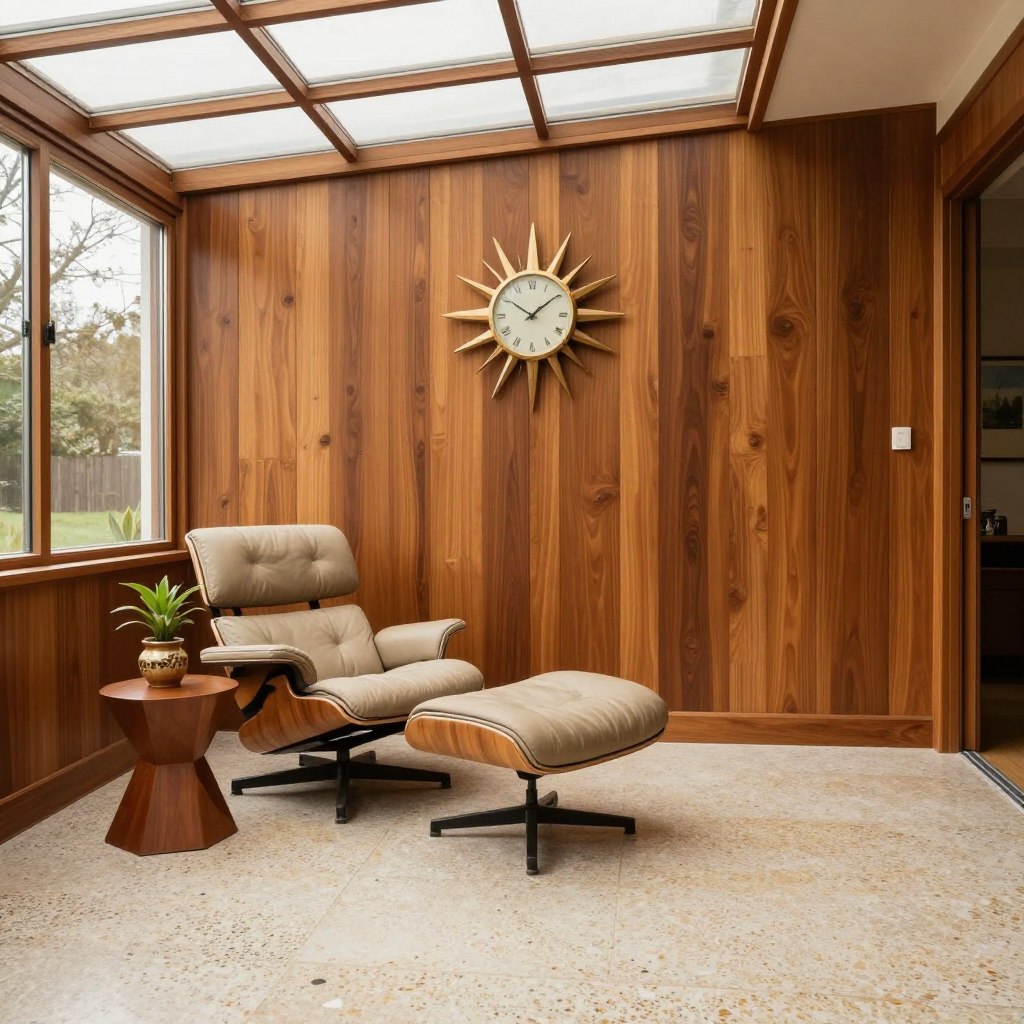
Authentic mid-century sunrooms feature wall-to-wall windows with minimal framing. Natural wood paneling in walnut or teak creates warm contrast against white walls. Furniture includes iconic pieces like Eames loungers or Noguchi coffee tables.
Color palettes incorporate avocado green, burnt orange, and mustard yellow as accent colors. Terrazzo or cork floors provide period-appropriate foundation. Starburst clocks and atomic-era accessories complete the vintage atmosphere.
Authentic Mid-Century Elements
True mid-century style requires specific design elements. These components define the aesthetic period.
- Floor-to-ceiling glass with minimal frames
- Natural wood furniture in walnut or teak
- Low-profile furniture with tapered legs
- Geometric patterns in textiles and accessories
- Statement lighting fixtures with sculptural quality
- Indoor plants in ceramic planters
Contemporary Mid Century Revival
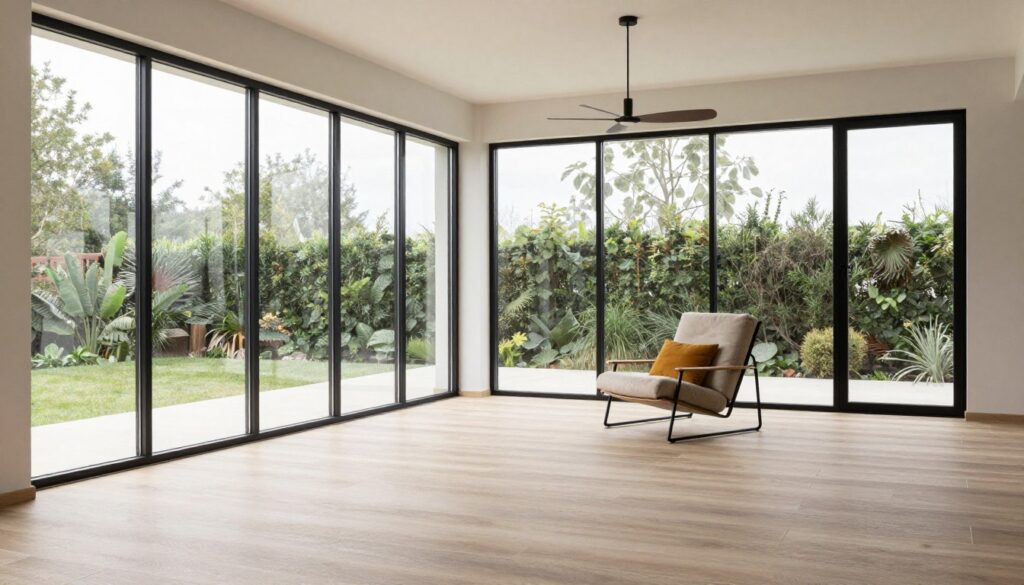
Modern interpretations maintain mid-century principles while updating materials and scale. Black-framed windows replace thin aluminum originals, providing better energy efficiency. Contemporary reproductions of classic furniture offer comfort improvements.
Updated color schemes favor neutral bases with selective bold accents. New materials like engineered hardwood flooring mimic teak appearance with improved durability. Vintage-inspired accessories mix with truly modern pieces for curated eclecticism.
Farmhouse Rustic Sunroom
Farmhouse sunrooms combine rustic charm with practical functionality. These spaces feature reclaimed wood, vintage farmhouse elements, and comfortable seating that invites family gathering and casual entertaining in light-filled surroundings.
Traditional Farmhouse Style
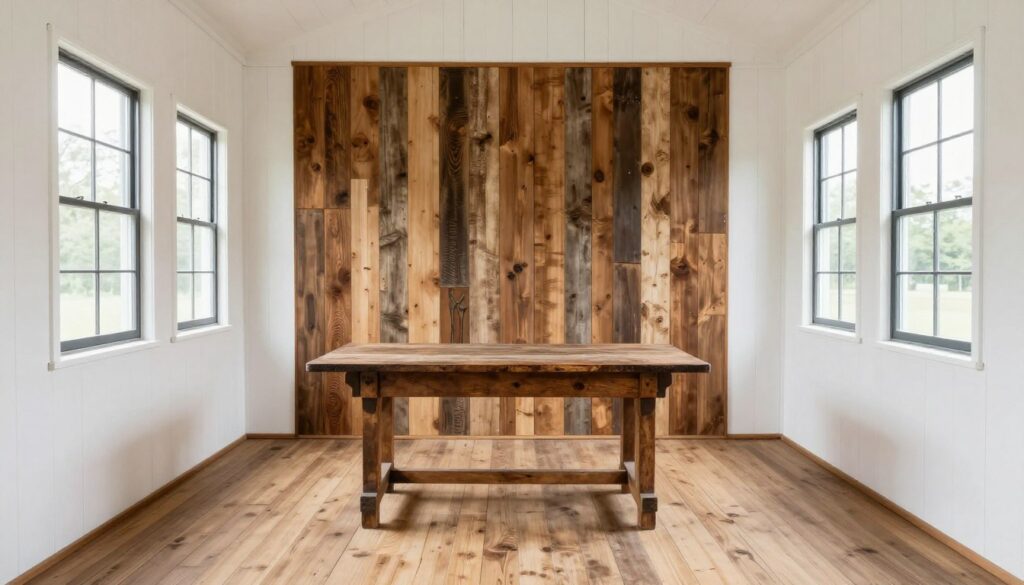
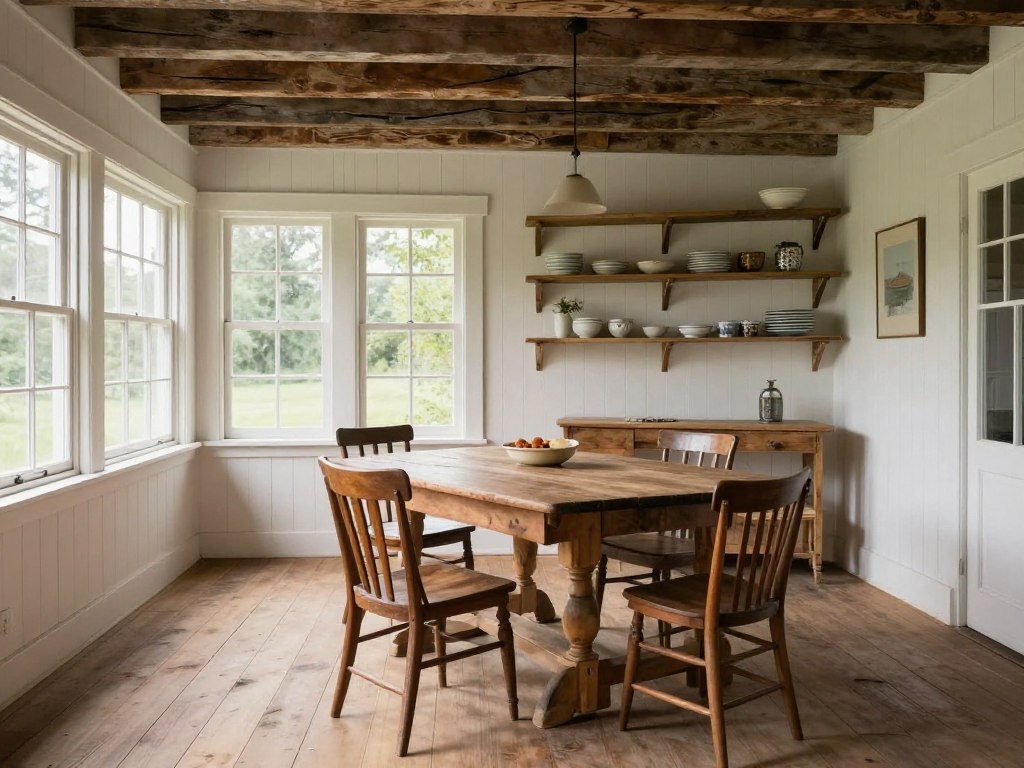
Classic farmhouse sunrooms showcase authentic architectural salvage pieces. Reclaimed barn wood appears on accent walls or ceiling beams. Large farmhouse dining tables serve as central gathering spots for family meals and activities.
Color palettes center on white, cream, and natural wood tones. Vintage metal chairs or benches provide seating. Open shelving displays everyday dishes and vintage collections, adding personality without pretension.
Modern Farmhouse Approach
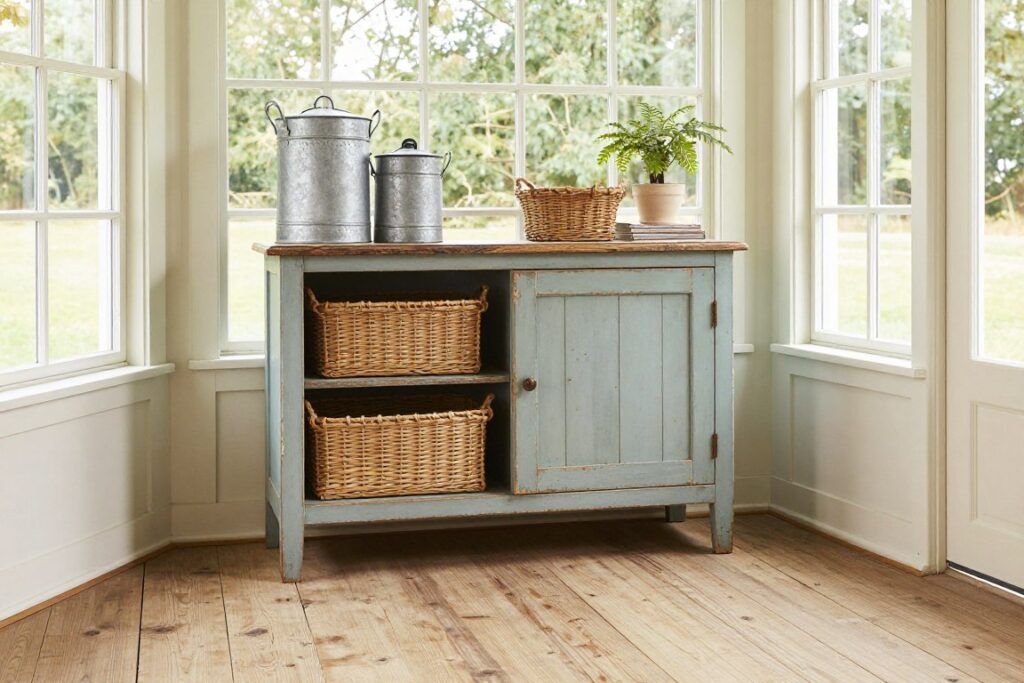
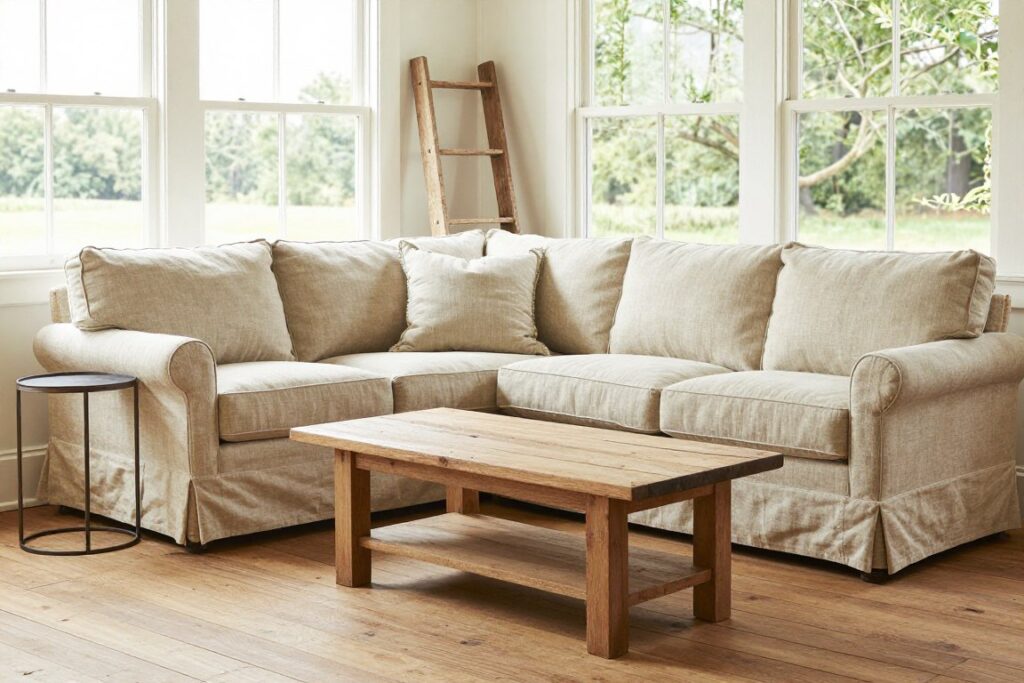
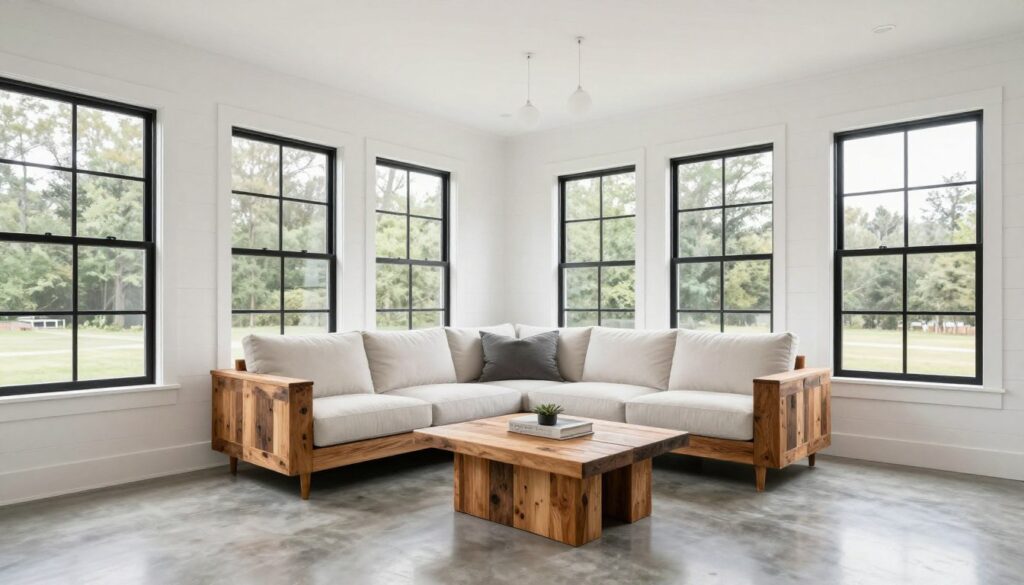
Contemporary farmhouse sunrooms brighten traditional elements with modern simplicity. Clean white shiplap walls provide backdrop for selective rustic pieces. New furniture with farmhouse proportions offers comfort and durability improvements.
Modern farmhouse spaces use black metal accents for contrast. Updated lighting fixtures combine industrial and farmhouse aesthetics. Curated vintage pieces mix with new items, avoiding cluttered appearance while maintaining character.
Contemporary Minimalist Sunroom
Contemporary minimalist sunrooms prioritize clean aesthetics and functional simplicity. These spaces eliminate visual clutter through careful material selection, monochromatic color schemes, and furniture pieces that serve clear purposes without decorative excess.
Traditional Minimalist Principles
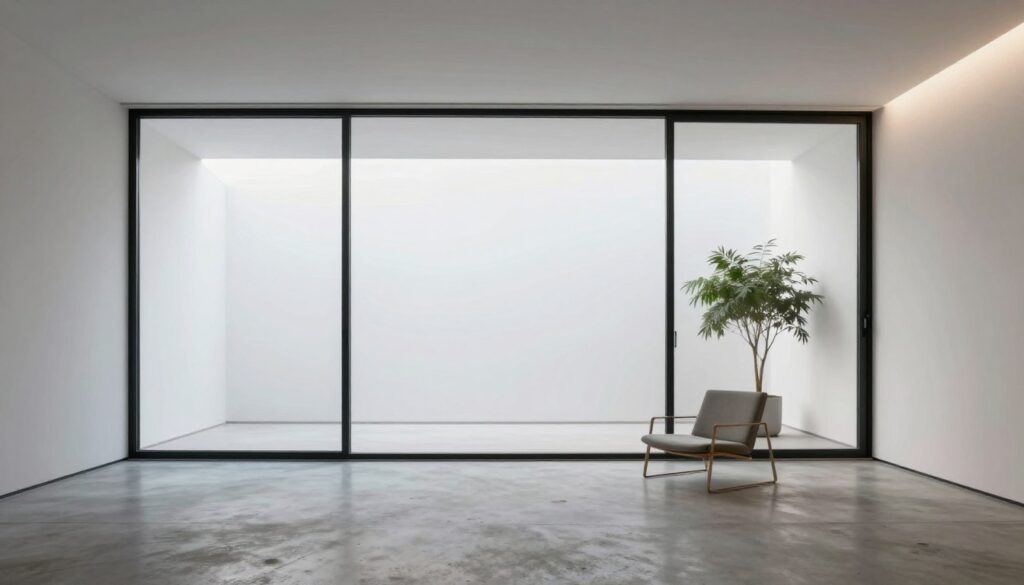
Classic minimalist sunrooms embrace “less is more” philosophy through elimination of non-essential elements. White or light gray walls provide neutral backdrop. Single statement furniture pieces occupy carefully considered positions.
Materials emphasize natural textures in their simplest forms. Concrete, glass, and raw wood appear without embellishment. Windows lack treatments, allowing maximum natural light penetration and unobstructed views.
Minimalist Design Principles
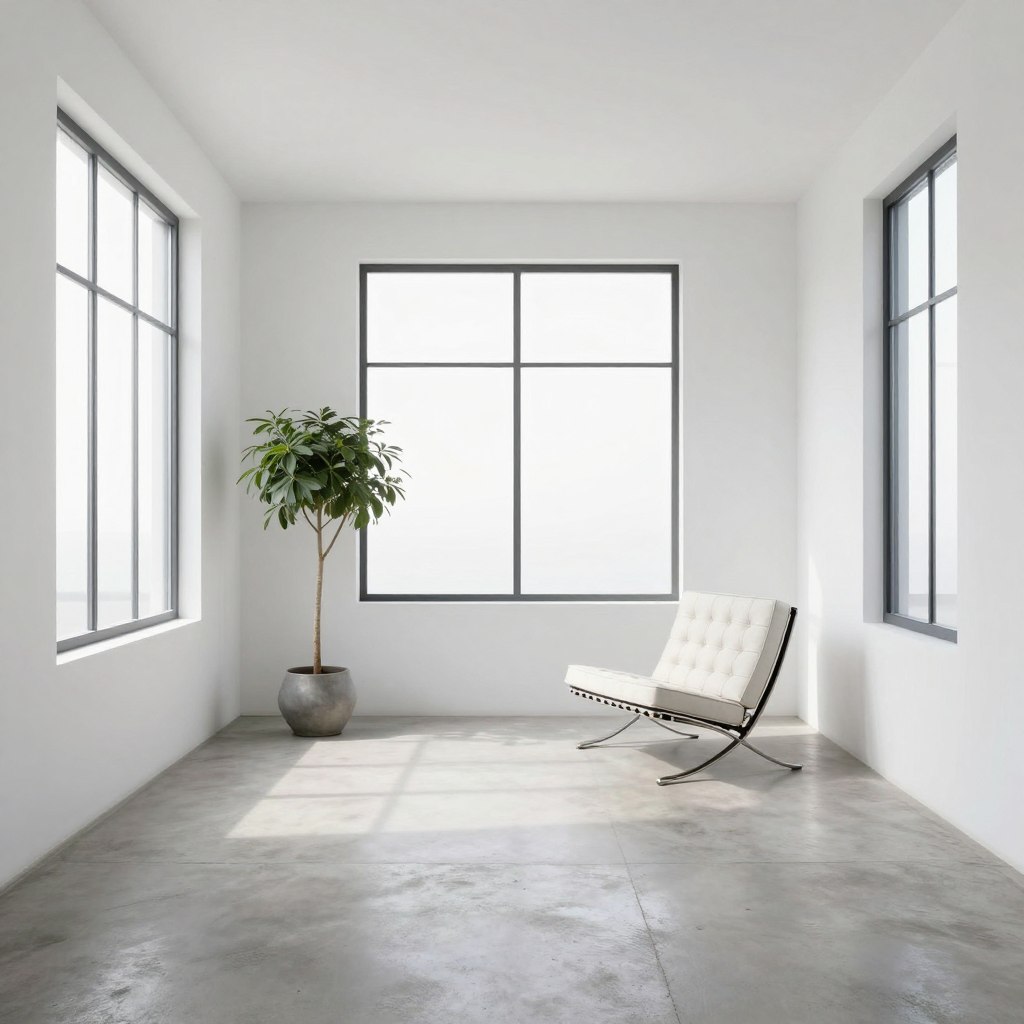
Creating true minimalist spaces requires discipline. Every element must justify its presence.
- Monochromatic or extremely limited color palette
- Furniture serving specific functional purposes
- Hidden storage maintaining clean lines
- Natural materials in unfinished states
- Maximum negative space around objects
- Elimination of decorative accessories
Modern Minimalist Evolution
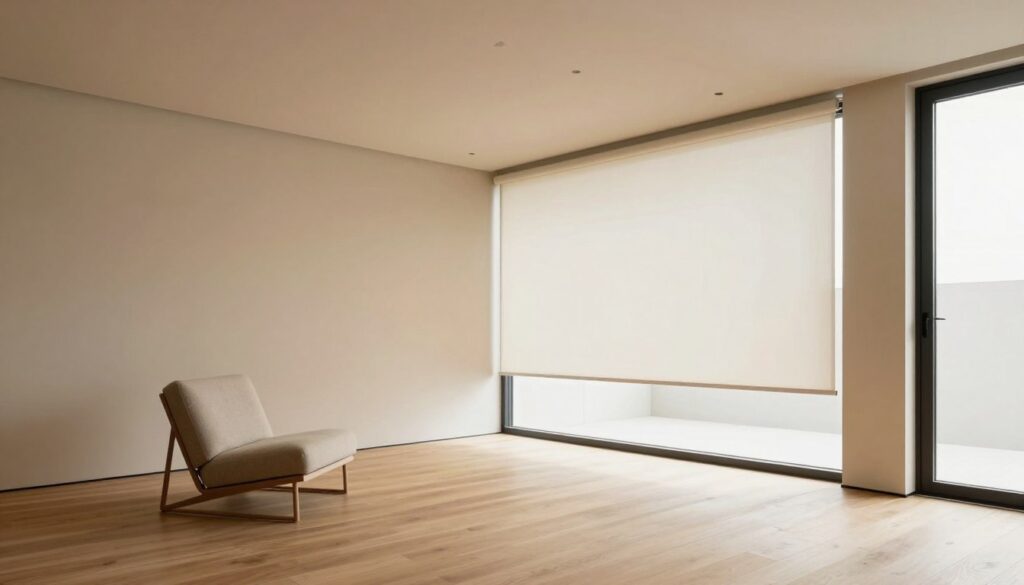
Contemporary minimalism incorporates subtle warmth while maintaining clean aesthetic. Warmer neutrals like beige and taupe replace stark white. Natural wood elements in lighter tones add organic texture without visual weight.
Modern minimal sunrooms integrate technology seamlessly. Automated shades hide within ceiling recesses. Heating and cooling systems remain invisible. Lighting integrates into architectural elements rather than hanging as separate fixtures.
Tropical Paradise Sunroom
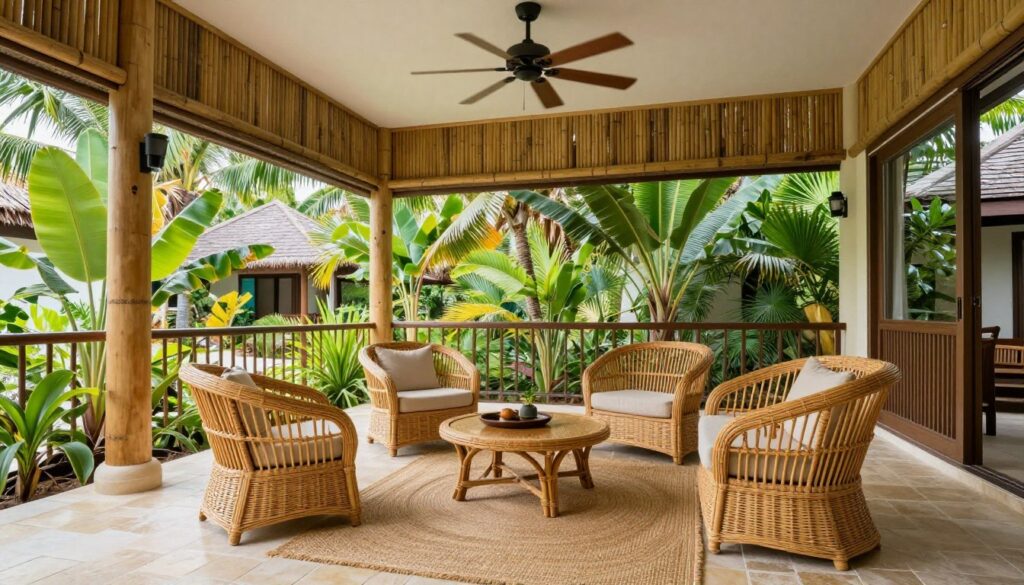
Tropical sunrooms transport occupants to resort-like environments through lush plant life, natural materials, and vacation-inspired design elements. These spaces create year-round escape destinations within your home, regardless of actual climate conditions outside.
Traditional Tropical Design
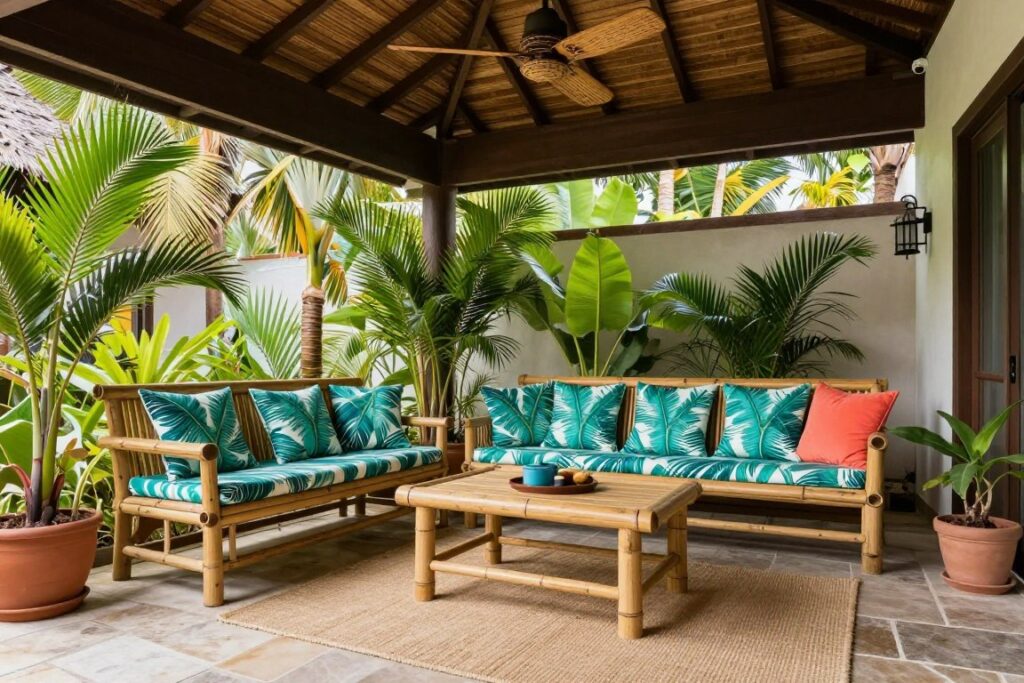
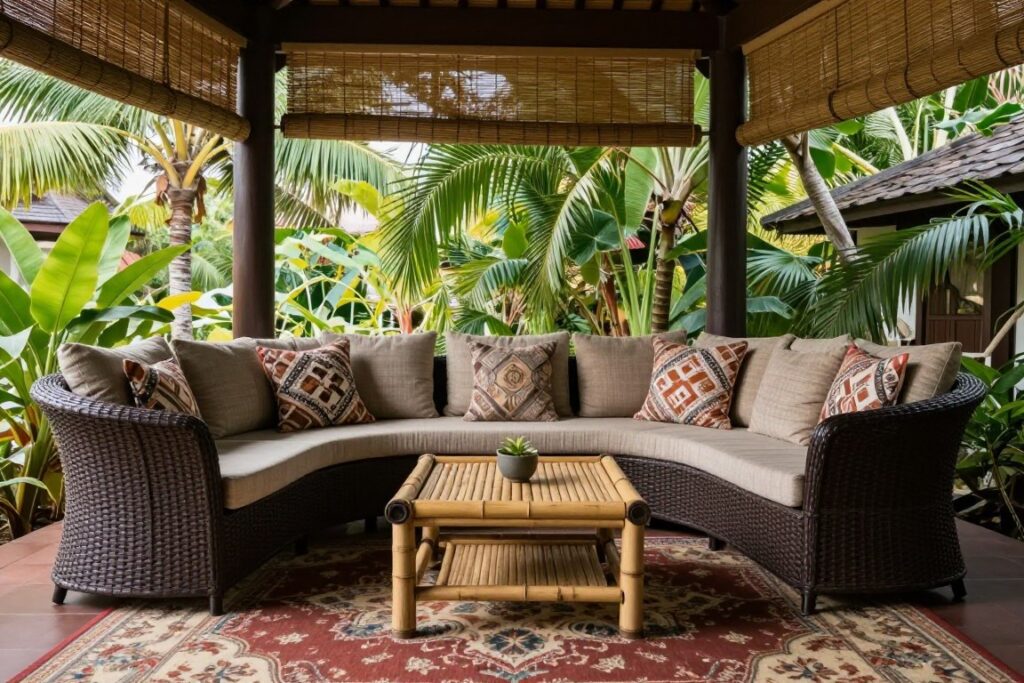
Classic tropical sunrooms embrace bold patterns and vibrant colors. Banana leaf prints appear on cushions and curtains. Bamboo furniture or dark wicker creates authentic island atmosphere. Multiple potted palms and tropical plants fill corners and shelf spaces.
Color palettes feature turquoise, coral, and sunny yellow accents against neutral backgrounds. Natural materials dominate surface selections. Rattan shades filter intense light while maintaining tropical aesthetic. Ceiling fans provide air circulation and visual interest.
Modern Tropical Interpretation
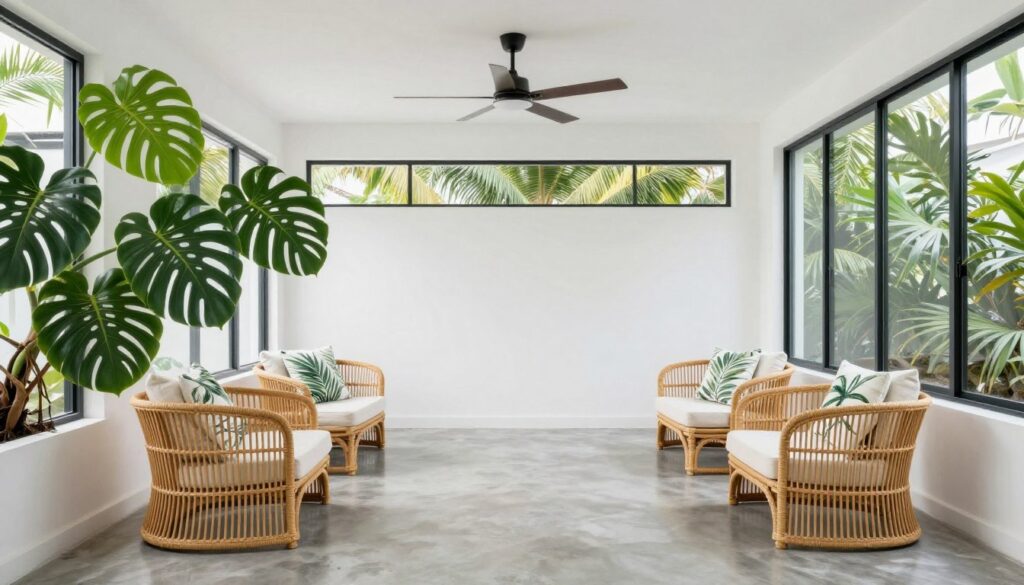
Contemporary tropical sunrooms maintain paradise atmosphere with restrained palettes. White or cream backgrounds allow green plants to provide color impact. Modern rattan furniture in natural finishes replaces dark wicker. Patterns appear more sparingly through accent pillows rather than entire furniture coverings.
Modern tropical designs focus on fewer but larger statement plants. Clean-lined planters in neutral colors replace ornate containers. Updated ceiling fans with minimalist blade designs provide function without competing for visual attention.
Traditional Tropical Elements
- Bold banana leaf and palm print fabrics
- Dark bamboo or wicker furniture
- Vibrant color accents throughout
- Multiple small potted plants
- Ornate rattan light fixtures
- Patterned area rugs in bright colors
Modern Tropical Approach
- Subtle botanical prints on select pieces
- Natural rattan in lighter finishes
- Green plants provide main color
- Fewer statement-size plants
- Minimalist lighting with tropical materials
- Neutral rugs with organic textures
Industrial Loft Sunroom
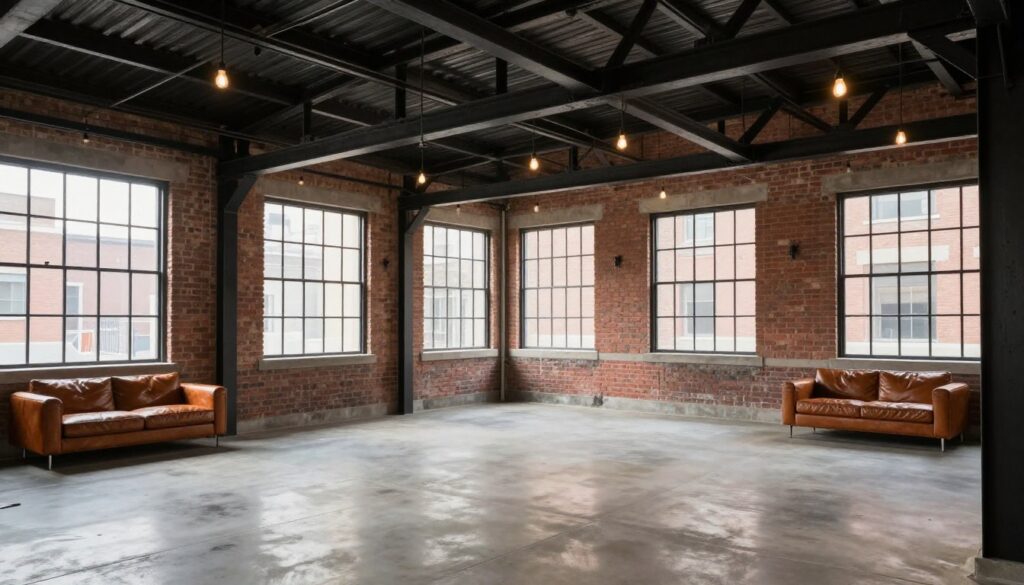
Industrial sunrooms combine raw architectural elements with functional design. Exposed beams, metal frameworks, and urban aesthetics create spaces that feel both edgy and inviting, perfect for modern homes embracing warehouse-inspired interiors.
Traditional Industrial Style
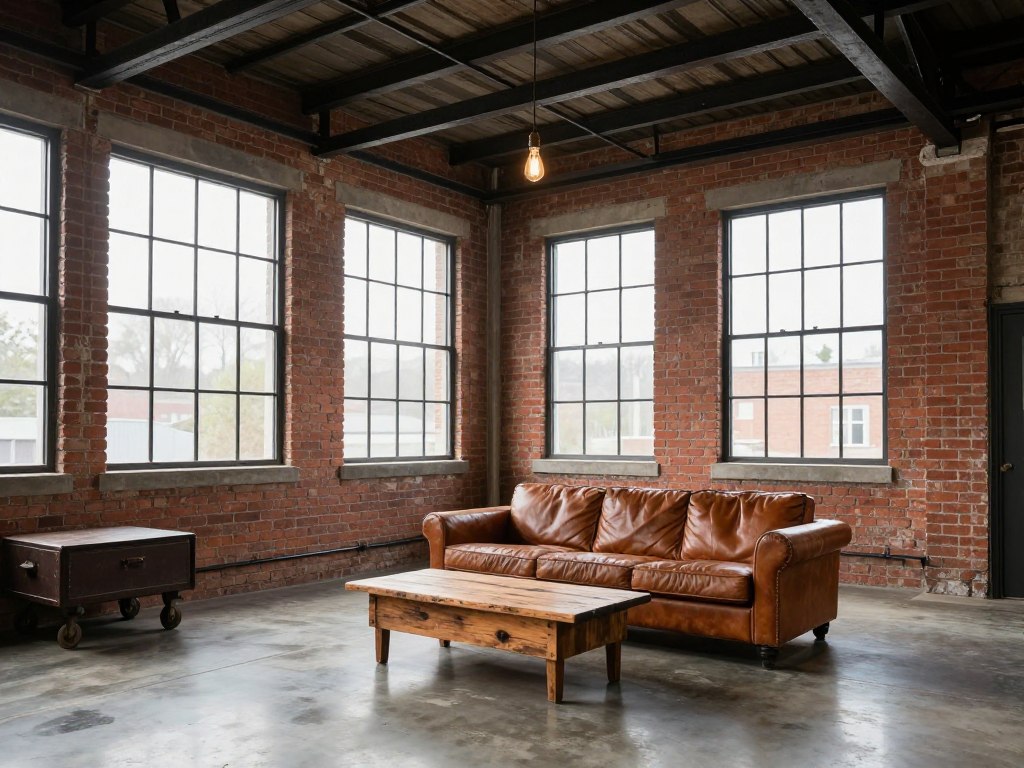
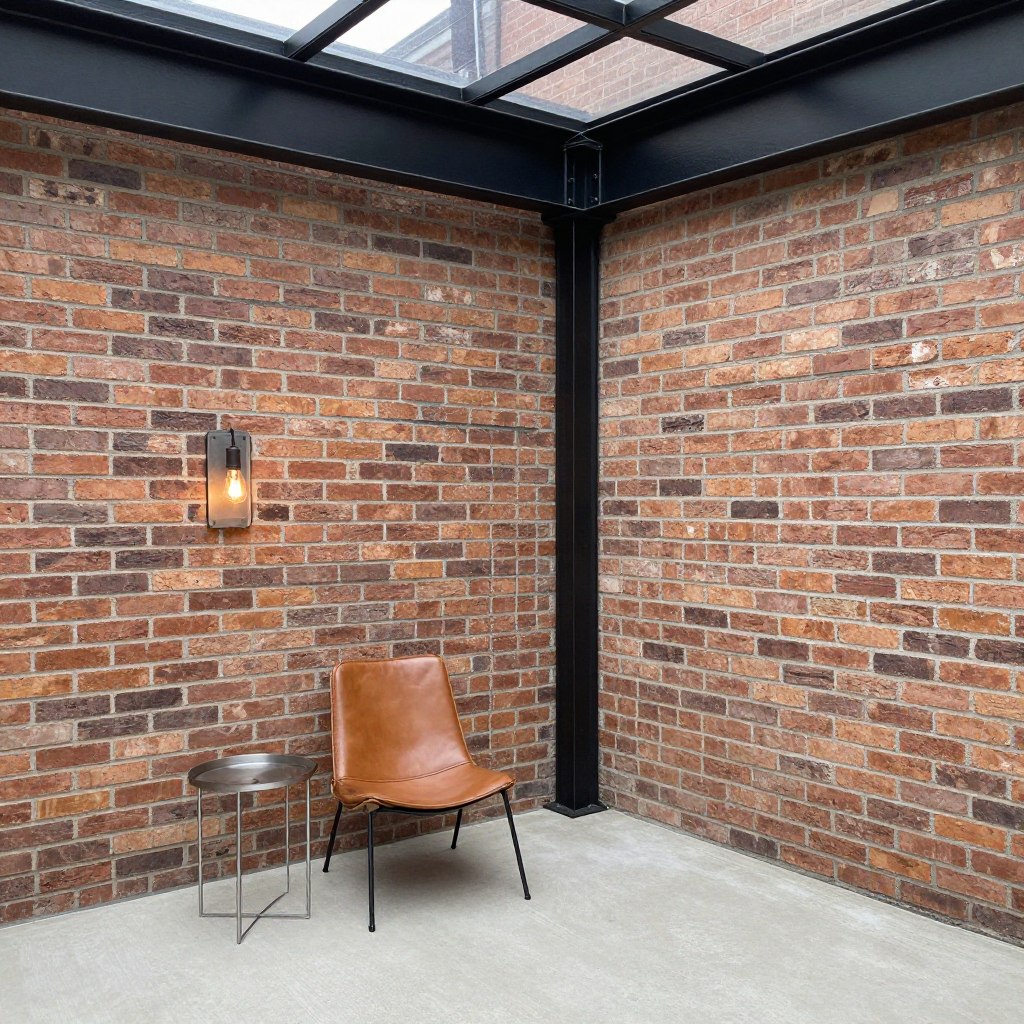
Classic industrial sunrooms showcase authentic architectural elements. Exposed brick walls provide texture and urban character. Black steel beams and window frames create bold geometric patterns. Concrete floors receive polished or acid-stained finishes.
Furniture selections favor leather seating and reclaimed wood tables. Metal factory stools serve as side tables or additional seating. Edison bulb fixtures on exposed cord pendants provide ambient lighting. Vintage industrial accessories like gears or factory carts add authenticity.
Industrial Material Palette
Authentic industrial design requires specific material combinations. Raw finishes define the aesthetic.
- Exposed brick in red or painted white
- Black or gunmetal steel framework
- Polished concrete or stained concrete floors
- Reclaimed wood from industrial sources
- Leather upholstery in brown or black
- Metal mesh or corrugated metal accents
Modern Industrial Refinement
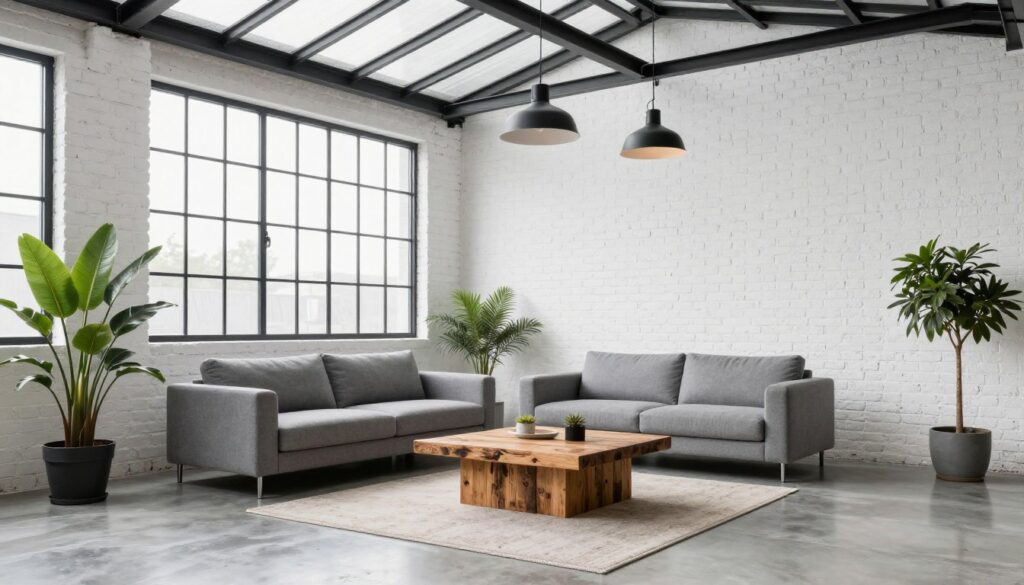
Contemporary industrial sunrooms soften raw elements with comfortable additions. Painted brick in white or gray lightens the overall feel. Black metal frames remain but appear in cleaner, more refined profiles. Softer seating options in neutral fabrics balance hard surface materials.
Modern industrial spaces incorporate plants to add life and soften edges. Area rugs define seating zones and provide acoustic benefits. Lighting fixtures maintain industrial character but with improved functionality and energy efficiency.
Transitional Blend Sunroom
Transitional sunrooms bridge traditional and contemporary design philosophies. These versatile spaces combine classic architectural elements with modern furnishings, creating timeless environments that appeal to broad aesthetic preferences while avoiding extreme style commitments.
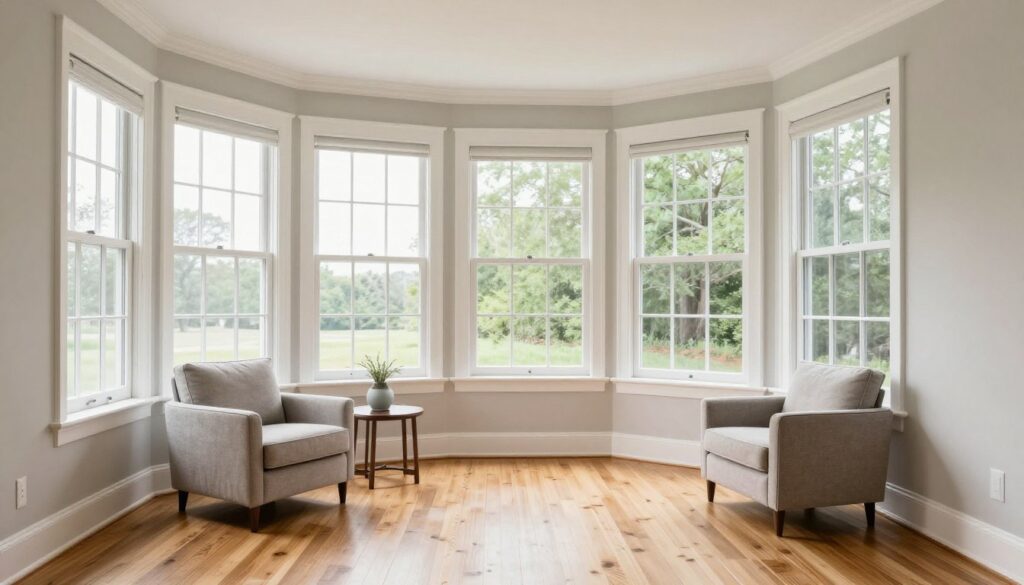
Traditional Foundation with Modern Updates
Transitional sunrooms start with traditional architectural bones. Crown molding and classic window trim provide structure. These traditional elements receive paint in contemporary neutrals rather than historical colors.
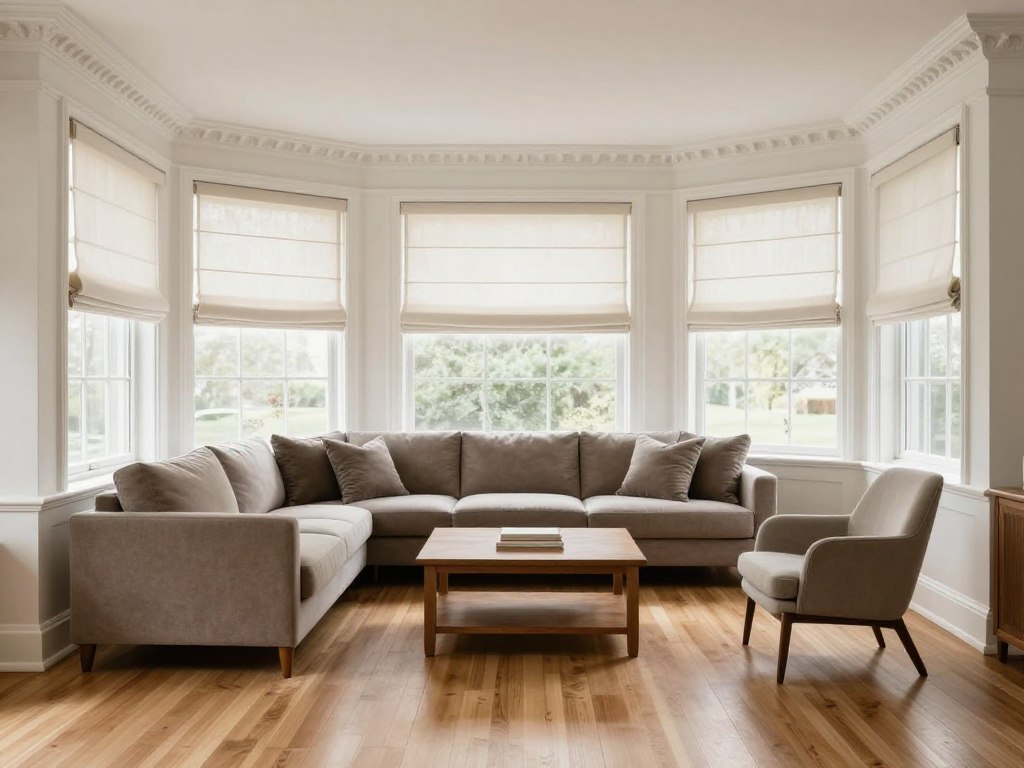
Furniture mixes eras thoughtfully. A traditional coffee table might pair with a modern sofa. Classic table lamps sit beside contemporary accent chairs. Color schemes favor sophisticated neutrals allowing accessories to shift with trends.
Modern Foundation with Classic Touches
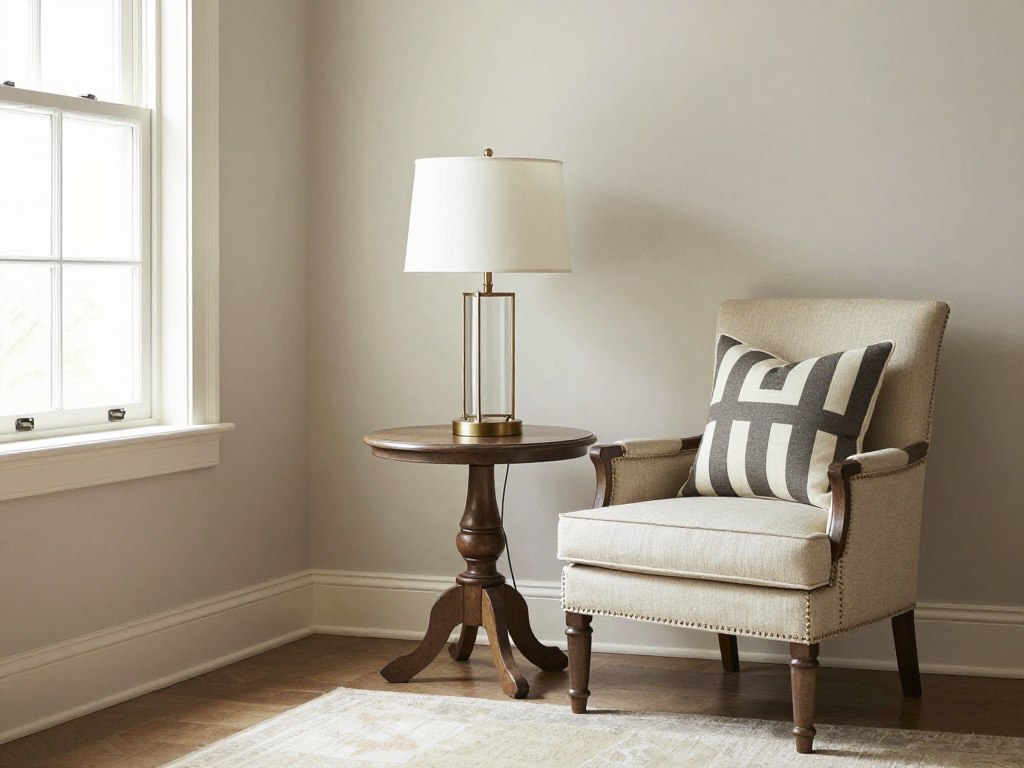
Alternative transitional approach begins with modern architecture. Clean-lined windows and minimal trim create contemporary canvas. Strategic traditional elements add warmth and familiarity preventing cold, sterile feel.
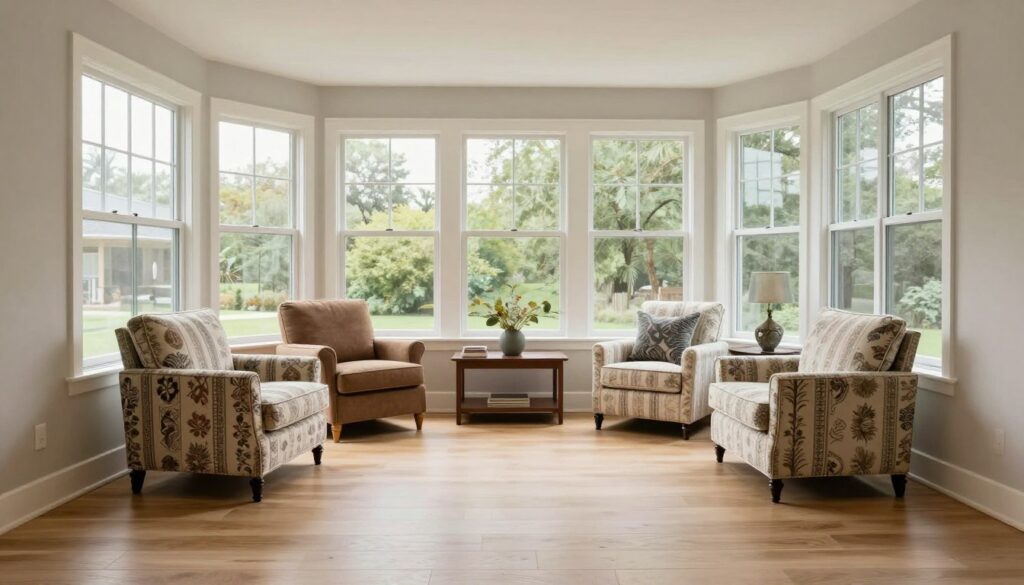
Classic furniture shapes appear in updated fabrics and finishes. Traditional patterns like toile or damask show up in unexpected color combinations. Accessories mix antiques with modern art, creating collected-over-time appearance.
Transitional Style Benefits
- Appeals to broad range of preferences
- Easier to update with trend changes
- Allows personal style evolution
- Works with existing home furnishings
- Timeless appeal avoids dated appearance
- Balances comfort and sophistication
Transitional Challenges
- Requires careful balance to avoid confusion
- Can appear indecisive without clear direction
- Needs editing to prevent cluttered look
- May lack strong design statement
- Difficult to achieve without design experience
- Risk of appearing generic without personality
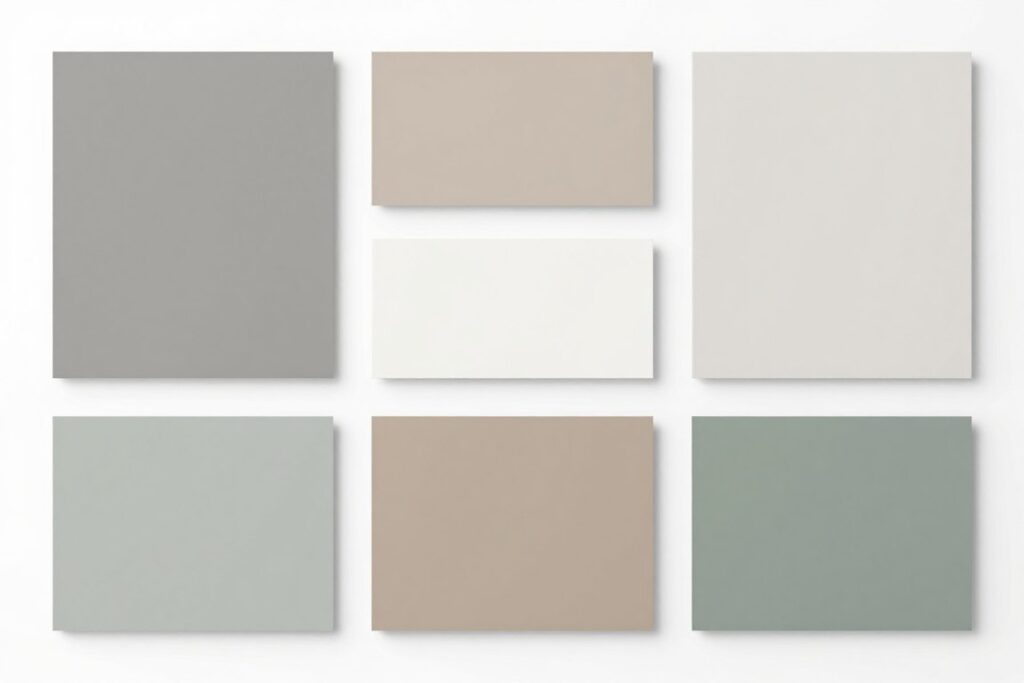
Color Foundation
Neutral base colors allow flexibility. Warm grays, greiges, and soft whites work with any accent color.
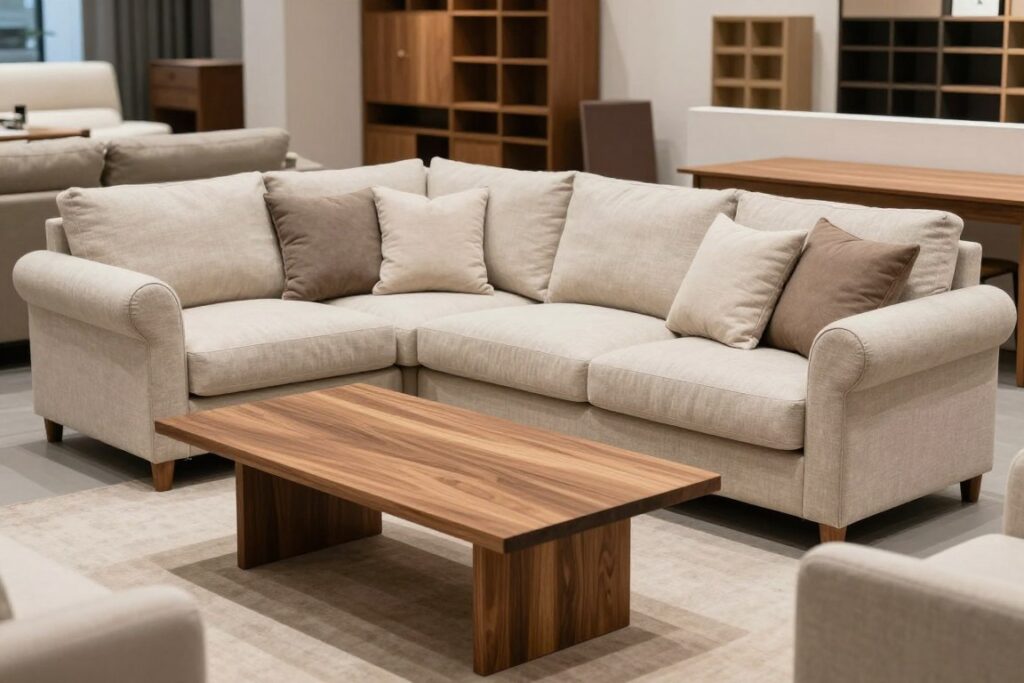
Furniture Selection
Mix contemporary and classic shapes. Choose neutral upholstery allowing accessory changes.
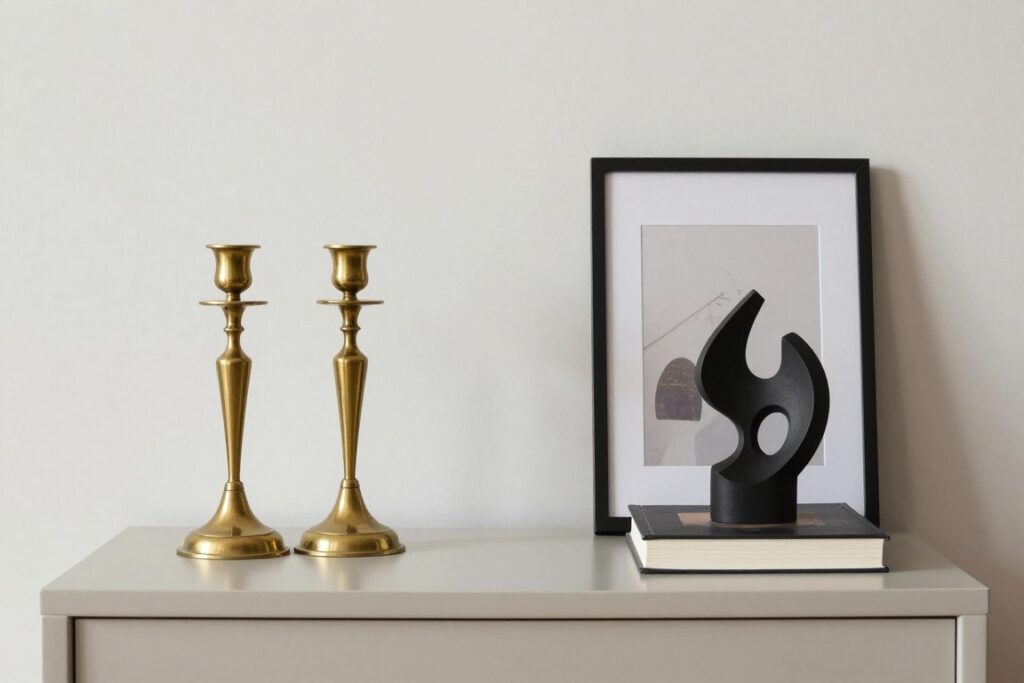
Layered Accessories
Blend traditional and modern pieces. Create collected appearance through varied eras and styles.
Choosing the Right Sunroom Style for Your Home
Selecting appropriate sunroom style requires analyzing multiple factors beyond personal aesthetic preference. Your home’s existing architecture, regional climate, intended use, and budget all influence which approach works best for your specific situation.
Architectural Compatibility Assessment
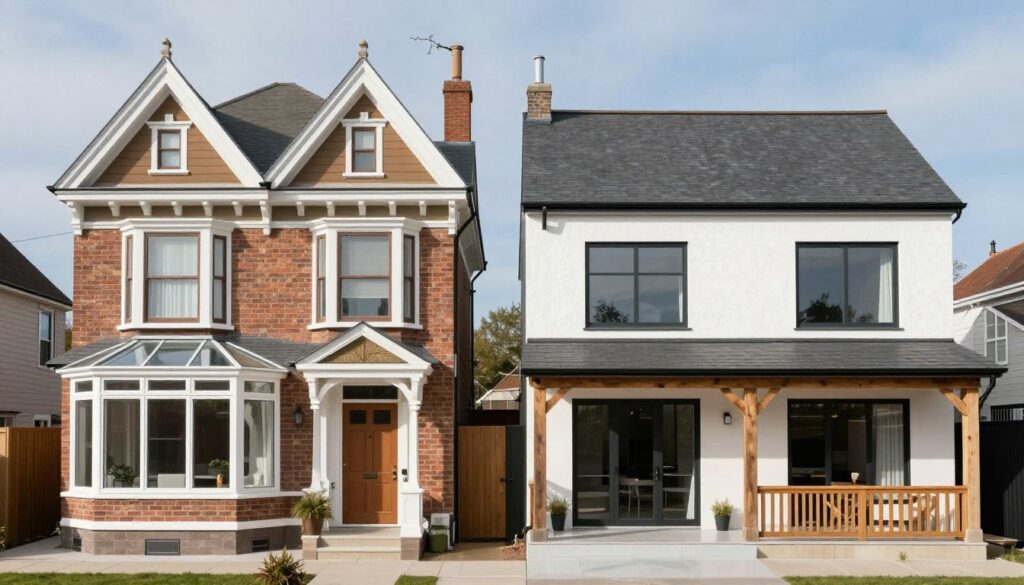
Your home’s existing style guides sunroom selection. Victorian homes naturally accommodate traditional Victorian conservatories or cottage styles. Mid-century modern houses pair well with minimalist or mid-century sunroom designs. Farmhouses support rustic approaches.
Transitional styles offer flexibility when home architecture doesn’t clearly favor traditional or modern approaches. These versatile designs adapt to various building styles without creating jarring visual conflicts.
Climate and Functional Considerations
Regional climate affects material selection and design approach. Hot climates benefit from tropical or Mediterranean styles incorporating natural cooling elements. Cold regions need effective insulation and heating integration regardless of aesthetic style.
Intended function shapes design decisions. Reading rooms require comfortable seating and good light control. Dining spaces need larger furniture and direct kitchen access. Home office sunrooms prioritize minimal glare and adequate electrical service.
Hot Climate Considerations
- Ceiling fans for air circulation
- Light-colored surfaces reflecting heat
- Solar shades or automated blinds
- Tile or stone flooring staying cool
- High-efficiency glazing reducing heat gain
Cold Climate Requirements
- Insulated glass with low-e coatings
- Radiant floor heating systems
- Thermal window treatments
- Proper weatherstripping and sealing
- Materials handling temperature fluctuations
Budget and Timeline Factors
Construction costs vary significantly between styles. Victorian conservatories with custom metalwork exceed budgets compared to simple four-season room additions. Modern minimalist designs often cost less due to simpler construction requirements.
Timeline expectations affect feasibility. Custom elements in traditional styles extend project duration. Modern designs with readily available materials typically complete faster. Pre-fabricated sunroom kits offer quickest installation but limit customization options.
| Sunroom Style | Relative Cost | Construction Time | Maintenance Level | Climate Flexibility |
| Victorian Conservatory | High | 12-16 weeks | High | Moderate |
| Mediterranean | Moderate-High | 10-14 weeks | Moderate | Good |
| Japanese Zen | Moderate-High | 10-12 weeks | Low | Good |
| Cottage Garden | Moderate | 8-12 weeks | Moderate | Excellent |
| Mid-Century Modern | Moderate | 8-10 weeks | Low | Good |
| Farmhouse Rustic | Moderate | 8-12 weeks | Moderate | Excellent |
| Contemporary Minimalist | Moderate-Low | 6-10 weeks | Very Low | Excellent |
| Tropical Paradise | Moderate | 8-12 weeks | Moderate-High | Moderate |
| Industrial Loft | Moderate-High | 10-14 weeks | Low | Good |
| Transitional Blend | Moderate | 8-12 weeks | Low-Moderate | Excellent |
Resale Value Implications
Sunroom additions typically increase home value but certain styles appeal more broadly. Transitional and contemporary designs attract wider buyer pools than highly specialized styles like Japanese zen or industrial loft approaches.
Quality construction matters more than specific style for resale purposes. Well-built sunrooms in any style add value. Poorly executed additions detract from home worth regardless of aesthetic appeal. Professional installation ensures structural integrity and proper integration with existing home systems.
Frequently Asked Questions About Sunrooms
Making Your Sunroom Vision Reality
Sunrooms transform houses into homes filled with natural light and expanded living space. The nine styles explored offer approaches ranging from ornate Victorian elegance to sleek contemporary minimalism. Each style serves different architectural contexts, personal preferences, and functional requirements.
Modern interpretations of traditional styles allow homeowners to embrace classic aesthetics while incorporating contemporary comfort and efficiency. Traditional approaches maintain timeless appeal for those valuing historical accuracy and period authenticity. Transitional designs bridge these worlds creating versatile spaces adapting to evolving tastes.
Your ideal sunroom balances aesthetic preferences with practical considerations. Climate conditions, existing home architecture, intended usage, budget constraints, and maintenance willingness all factor into successful outcomes. Professional consultation helps navigate complex decisions ensuring choices align with long-term satisfaction goals.
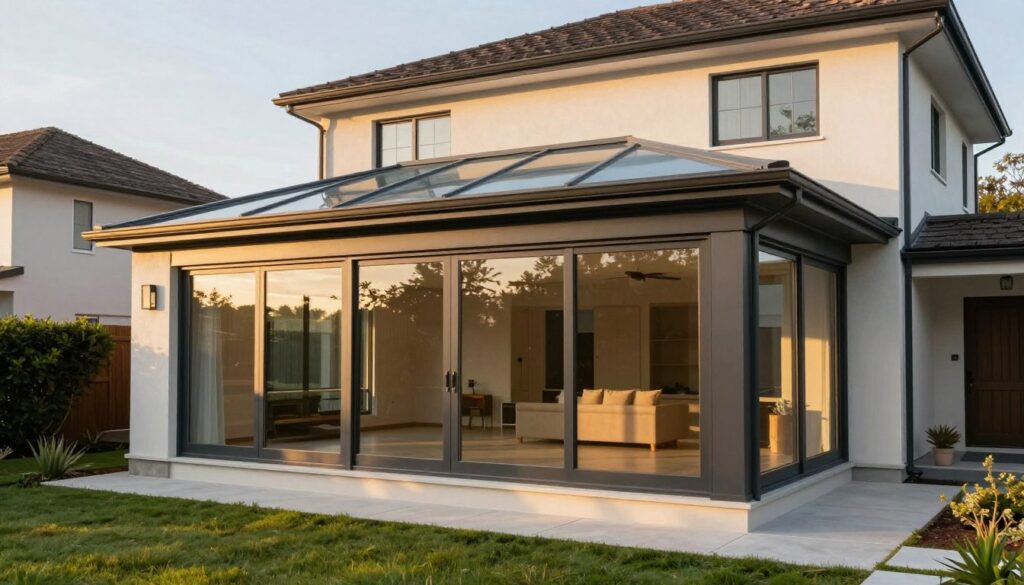
Quality construction matters more than specific style selection. Well-executed sunrooms in any design approach add substantial value to homes and daily living experiences. Professional installation ensures structural integrity, proper weatherproofing, and building code compliance protecting your investment.
The right sunroom becomes a favorite family gathering spot. Natural light enhances mood and wellbeing. Connection with outdoor views brings nature’s changing seasons into daily awareness. Whether you embrace modern simplicity or traditional ornamentation, a thoughtfully designed sunroom enriches your home for years to come.
Start Your Sunroom Project Today
Ready to transform your home with a beautiful sunroom addition? Our network of experienced contractors specializes in all nine styles with expertise in both modern and traditional implementations. Get personalized recommendations, accurate cost estimates, and professional guidance throughout your project.
Prefer to speak with someone immediately?
Available Monday-Saturday, 8 AM – 7 PM EST