
Your kitchen deserves to feel like more than just a cooking space. It should inspire you, calm you, and connect you to the natural world around you. That’s where biophilic kitchen design comes in.
Biophilic design brings nature indoors. It creates environments that support your wellbeing through natural light, organic materials, and living elements. When applied to kitchens, this approach transforms your daily cooking experience into something truly special.
This guide explores seven practical biophilic kitchen design ideas. Each concept helps you build a healthier, more beautiful space that connects you with nature every single day.
Maximize Natural Light Throughout Your Kitchen
Natural light forms the foundation of any successful biophilic kitchen design. Light connects us to the rhythms of day and night, supporting our natural biological patterns while making spaces feel more open and inviting.
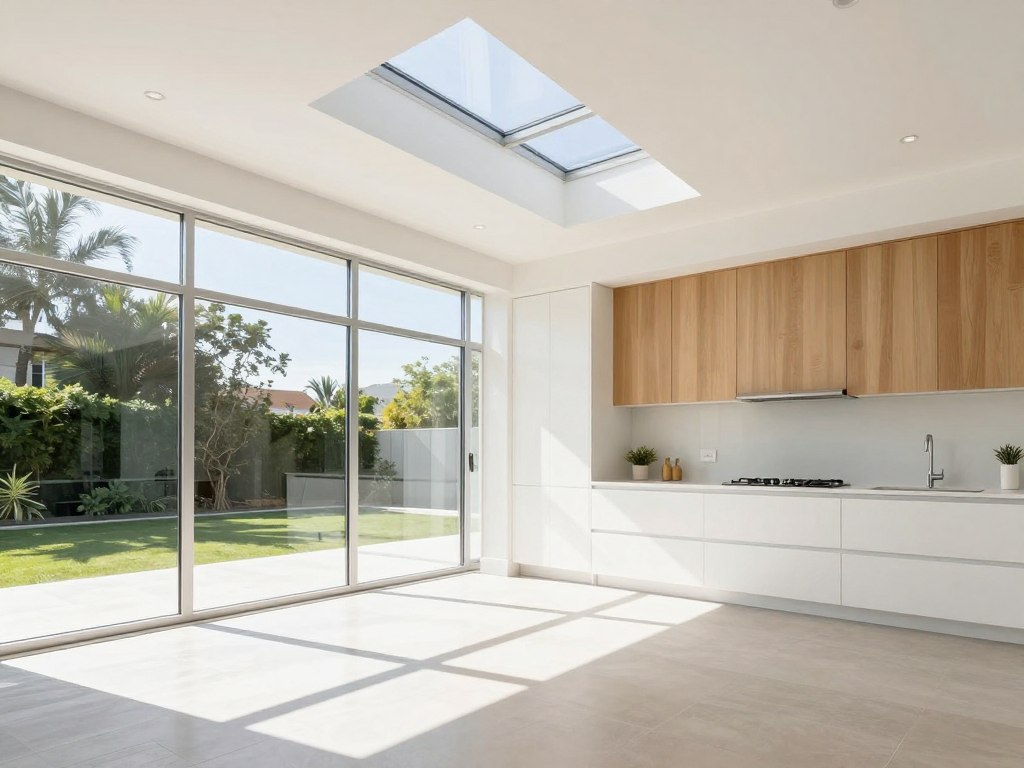
Strategic Window Placement and Size
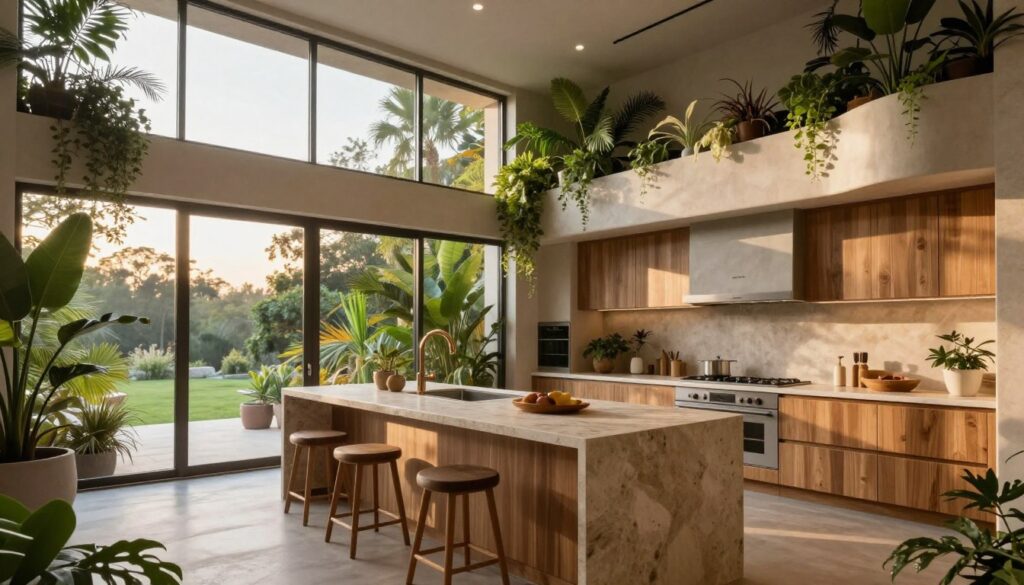
Large windows transform your kitchen into a light filled sanctuary. Consider floor to ceiling glass panels on exterior walls. These maximize daylight exposure throughout the day.
Multiple windows on different walls prevent harsh shadows. They create balanced illumination that changes naturally with the sun’s movement. This connection to outdoor light cycles helps regulate your body’s natural rhythms.
Corner windows offer particularly dramatic effects. They flood adjacent walls with light while providing expanded views of nature outside your home.
Incorporate Organic Materials and Natural Textures
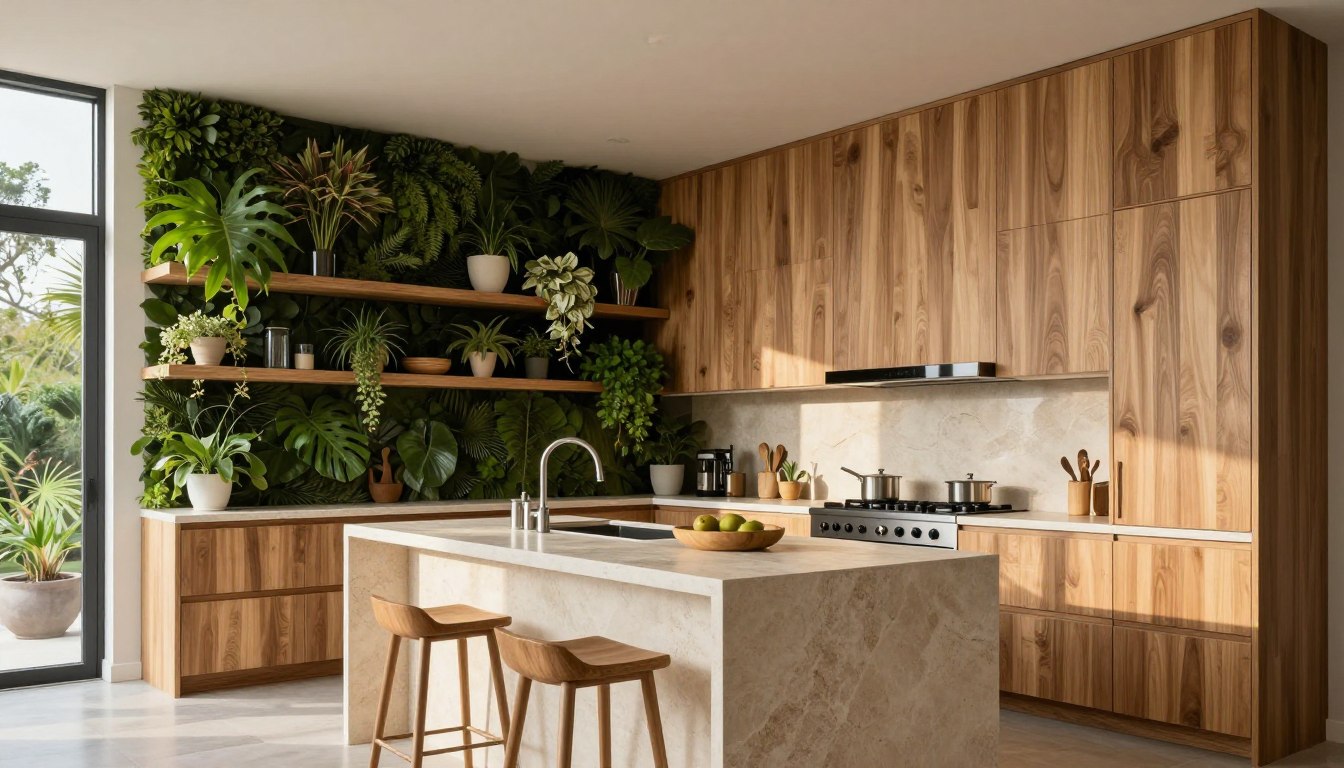
Natural materials bring authenticity to biophilic kitchen design. Wood, stone, and earth-based elements create tactile experiences that connect you to the natural world every time you touch a surface or open a cabinet.
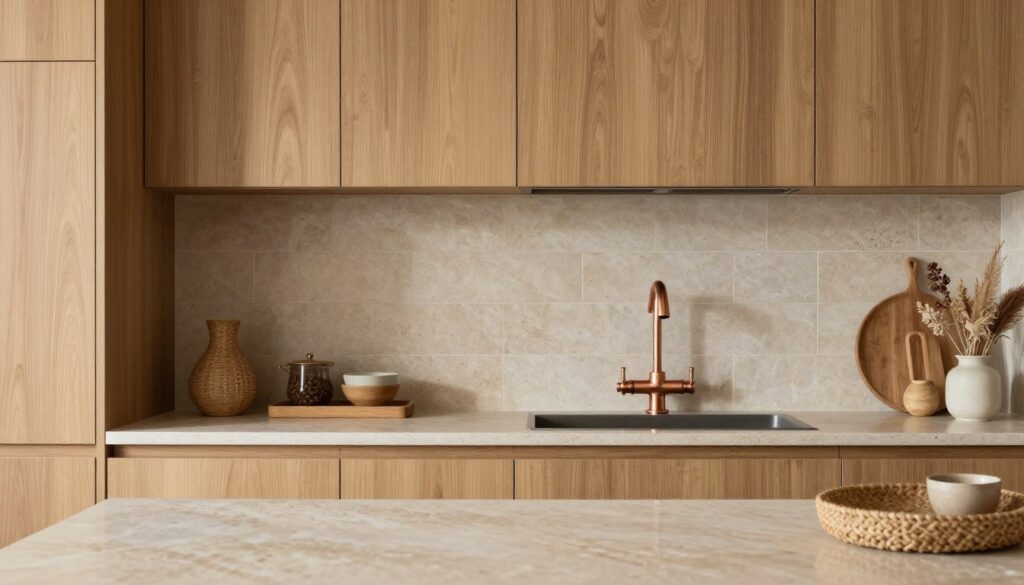
Wood Elements Throughout the Space
Wood introduces warmth and organic beauty into kitchen environments. Natural wood cabinets create a foundation that feels alive and grounding.
Choose woods with visible grain patterns. Oak, walnut, and maple each offer distinctive textures that celebrate the material’s natural origins. Avoid overly processed or plastic looking finishes that hide wood’s inherent character.
Reclaimed wood adds history and sustainability to your design. Salvaged barn wood or repurposed timber beams tell stories while reducing environmental impact.
Wooden open shelving displays your dishes while adding architectural interest. These functional elements double as design features that showcase natural material beauty.
Stone Countertops and Surfaces
Stone countertops ground your kitchen in earth’s ancient geology. Granite, marble, soapstone, and quartzite each offer unique patterns formed over millions of years.
No two stone slabs look identical. This natural variation creates one-of-a-kind surfaces that bring authentic connection to geological processes and natural beauty.
Stone’s cool touch and substantial weight provide sensory experiences distinctly different from synthetic materials. This tactile quality enhances your daily interaction with your kitchen environment.
Consider stone for backsplashes and accent walls too. Stacked stone or natural tile extends material consistency throughout your space while adding dimensional texture.
Clay, Terracotta, and Earth Based Materials
Clay tiles introduce earthy tones and handcrafted character. Terracotta backsplashes or flooring connect your kitchen to traditional building methods used for centuries.
These porous materials age beautifully. They develop patina over time, creating living surfaces that evolve with your home’s story.
Cork flooring offers another earth based option. This renewable material provides warmth underfoot while delivering excellent acoustic properties that reduce kitchen noise.
Integrate Living Plants and Greenery
Plants represent the most direct connection to nature in biophilic design. Living greenery purifies air, reduces stress, and brings dynamic beauty that changes with seasons and growth cycles.
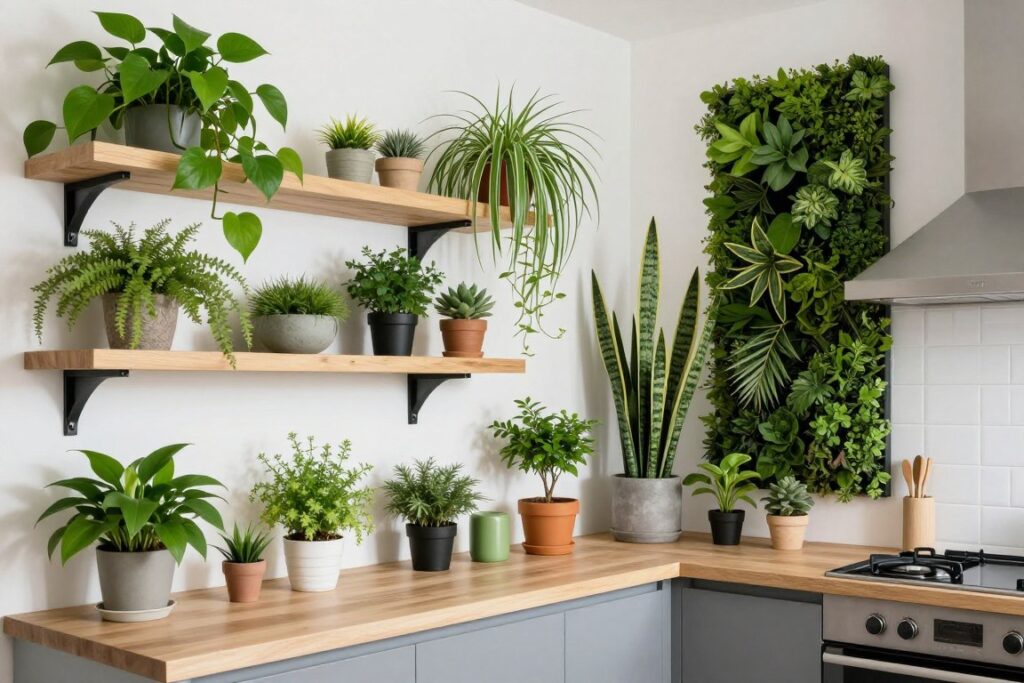
Herb Gardens and Edible Plants
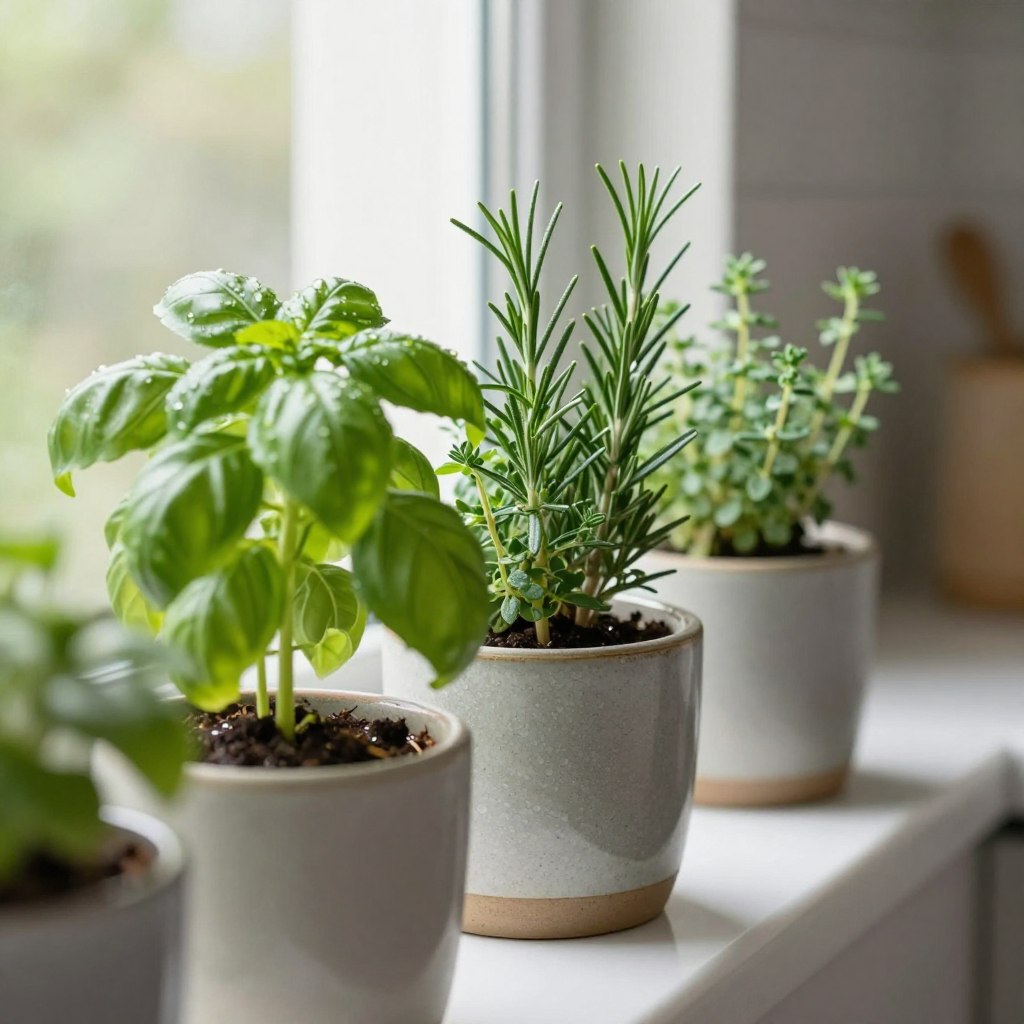
Kitchen herb gardens offer both beauty and function. Fresh basil, rosemary, thyme, and mint provide cooking ingredients while filling your space with natural fragrance.
Windowsill planters create compact growing areas perfect for small kitchens. Choose sunny exposures where herbs receive adequate light for healthy growth.
Vertical herb walls maximize limited space. These living installations transform blank walls into productive gardens that supply your cooking needs while serving as living art.
The act of harvesting herbs connects you to growing cycles. This simple interaction deepens your relationship with food sources and natural processes.
Air Purifying Houseplants
Certain plants actively improve indoor air quality. Pothos, snake plants, and spider plants filter toxins while adding lush greenery to your kitchen environment.
These hardy varieties tolerate varying light conditions. They thrive even in kitchens without optimal sun exposure, making them accessible choices for most spaces.
Clustering plants creates mini indoor ecosystems. Groups of different species at varying heights add visual interest while increasing air purification benefits.
Consider plants that tolerate humidity from cooking activities. Ferns and peace lilies actually prefer moisture-rich environments common in active kitchens.
Strategic Plant Placement
Open shelving provides perfect platforms for trailing plants. Pothos or philodendron vines cascade gracefully while softening hard architectural lines.
Countertop corners accommodate medium-sized plants without interfering with work areas. These positions keep greenery visible and accessible for watering and care.
Hanging planters utilize vertical space effectively. Suspended plants draw eyes upward, making rooms feel taller while keeping counter surfaces clear for food preparation.
Avoid placing plants directly over stoves or high heat areas. Excessive heat and cooking fumes stress most houseplants and reduce their longevity.
Low Maintenance Plant Picks: Start with resilient varieties like pothos, snake plants, or ZZ plants if you’re new to indoor gardening. These species forgive occasional neglect while still delivering significant biophilic benefits.
Embrace Natural Patterns and Biomorphic Forms
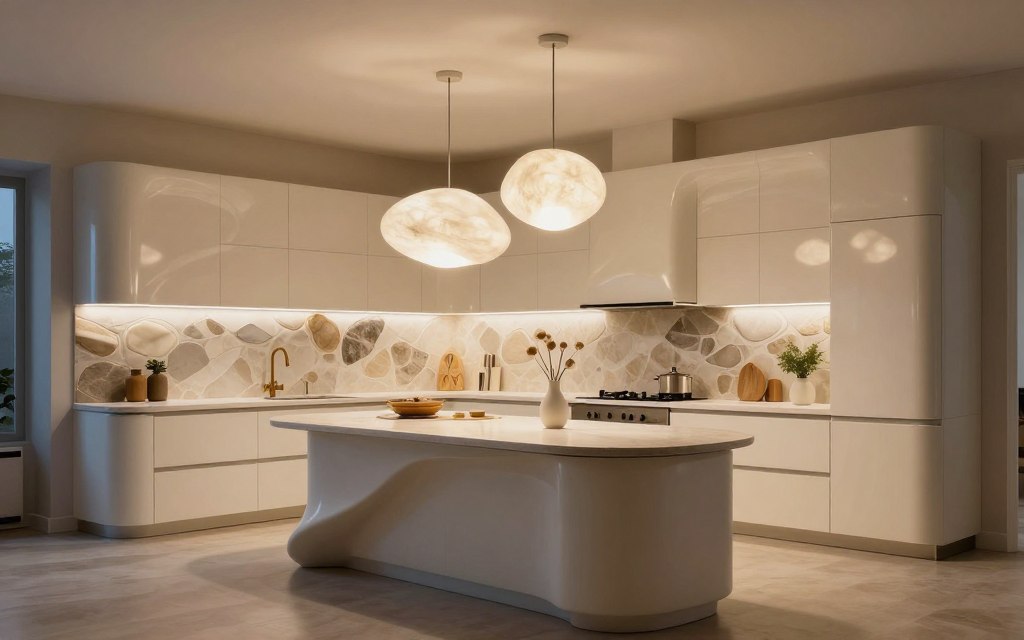
Nature rarely creates straight lines or perfect symmetry. Incorporating organic patterns and curved forms into your biophilic kitchen design creates subconscious connections to the natural world that feel instinctively comfortable.
Curved and Flowing Elements
Rounded island edges replace harsh corners with gentle curves. These softer forms reduce visual tension while improving traffic flow through your kitchen space.
Arched doorways and window frames echo natural cave formations. These architectural elements add character while creating subtle connections to organic shapes found in nature.
Curved cabinet faces introduce movement and fluidity. Even small radius corners on upper cabinets shift the overall feel from rigid to relaxed.
Wave-pattern countertops or backsplashes reference water movement. These designs bring dynamic energy that contrasts pleasantly with static architectural elements.
Natural Pattern Integration
Wood grain patterns provide ever present organic design. Let beautiful grain run continuously across cabinet faces rather than interrupting it with excessive panel divisions.
Stone veining creates visual rivers through countertop surfaces. Bookmatch slabs to create mirror-image patterns that emphasize natural material beauty.
Tile arrangements can mimic natural formations. Hexagonal patterns reference honeycomb structures, while irregular stone mosaics echo riverbeds or forest floors.
Botanical prints and nature photography add explicit connections. Frame pressed leaves, fern prints, or landscape images to reinforce your biophilic theme.
Fractal Complexity
Nature creates patterns that repeat at different scales. This fractal quality appears in tree branching, leaf veining, and countless other natural systems.
Open shelving arrangements can reference these patterns. Vary shelf heights and depths in ways that feel organic rather than rigidly uniform.
Cabinet hardware in branch or twig forms brings fractal patterns to functional elements. These small touches accumulate into powerful overall effects.
Light fixtures with organic branching structures create beautiful shadows. These fixtures serve as functional sculpture that celebrates natural form.
Establish Strong Visual Connections to Outdoor Spaces
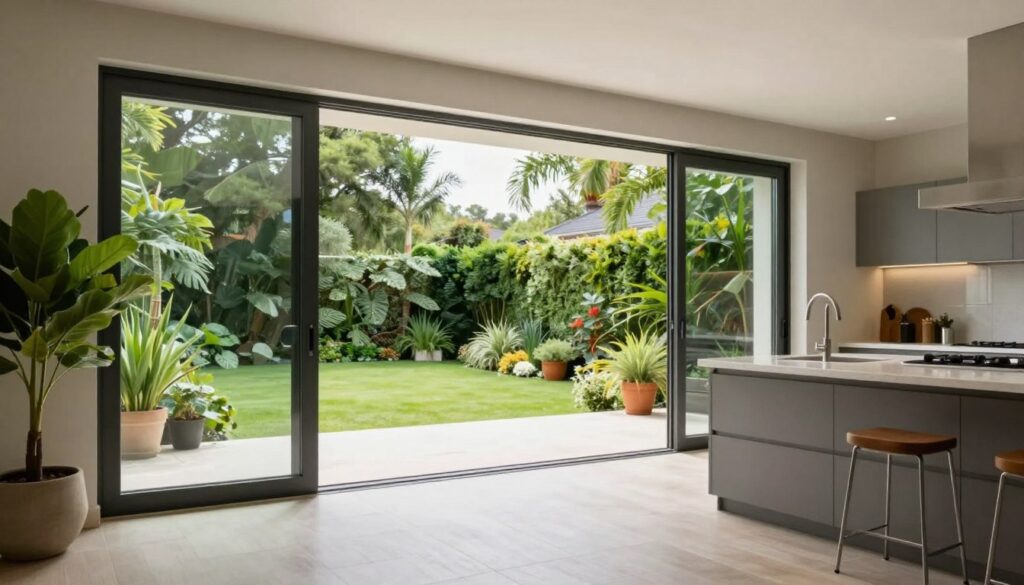
The most effective biophilic kitchens blur boundaries between interior and exterior environments. Creating strong visual links to outdoor nature amplifies all other biophilic design principles at work in your space.
Maximize Views Through Strategic Window Design
Picture windows frame outdoor scenes like living artwork. Position these large panes to showcase your best landscape views, whether gardens, trees, or distant natural features.
Corner window systems eliminate visual barriers. Where two glass walls meet, the absence of traditional corner posts creates panoramic views that expand perceived room boundaries.
Window seats create comfortable vantage points. These built-in features invite you to pause and connect with outdoor beauty during kitchen tasks or coffee breaks.
Clerestory windows high on walls bring in light and sky views without sacrificing privacy. These elevated windows work particularly well in urban settings where ground-level views may be limited.
Seamless Indoor Outdoor Transitions
Folding or sliding glass door systems erase walls entirely. These opening walls transform your kitchen into a semi-outdoor space during pleasant weather.
Matching interior and exterior flooring materials creates visual continuity. When tile or stone flows from inside to outside, the boundary between spaces disappears.
Outdoor kitchen elements extend your cooking area into nature. Even simple additions like an exterior prep counter strengthen the indoor outdoor relationship.
Roof overhangs shelter transition zones. These covered areas provide comfortable spaces that belong equally to interior and exterior worlds.
Framed Nature Views as Design Focal Points
Position sinks facing windows whenever possible. This placement ensures you enjoy nature views during the time spent washing dishes and food preparation.
Design kitchen layouts that orient toward your property’s best natural features. A beautiful tree, water feature, or garden bed deserves prominent visibility from primary kitchen positions.
Avoid blocking windows with tall appliances or cabinetry. Refrigerators and pantry units work better on interior walls, preserving window walls for visual connection and natural light.
Landscape outdoor areas visible from your kitchen specifically for year-round interest. Evergreen plants, bird feeders, and seasonal flowers ensure attractive views regardless of season.
Window Placement Best Practices
- Orient primary windows toward morning eastern light
- Frame specific landscape features intentionally
- Consider seasonal sun angles when sizing windows
- Layer views with foreground and background interest
- Use landscape lighting to extend views into evening hours
Indoor-Outdoor Transition Ideas
- Install pocket doors that disappear completely when open
- Use consistent color palettes inside and outside
- Extend kitchen backsplash materials to exterior walls
- Create covered outdoor dining adjacent to kitchen
- Plant herbs and vegetables visible from kitchen windows
Incorporate Water Elements and Features
Water connects us to essential life processes. The sound, movement, and presence of water in kitchen spaces creates calming effects while adding another dimension to biophilic design principles.
Visible Water Features
Small fountains introduce gentle water sounds to your kitchen environment. Tabletop or countertop fountains provide movement and auditory ambiance without requiring major installation.
Wall-mounted water features serve as functional art. These flowing elements add humidity to kitchen air while creating peaceful soundscapes that mask household noise.
Aquarium installations bring living ecosystems into your kitchen. A well-maintained tank combines water movement with aquatic life, adding another layer of natural connection.
Window-mounted water walls create dramatic visual effects. Thin sheets of water flowing down glass surfaces catch and refract light beautifully while separating spaces without solid barriers.
Water Inspired Design Elements
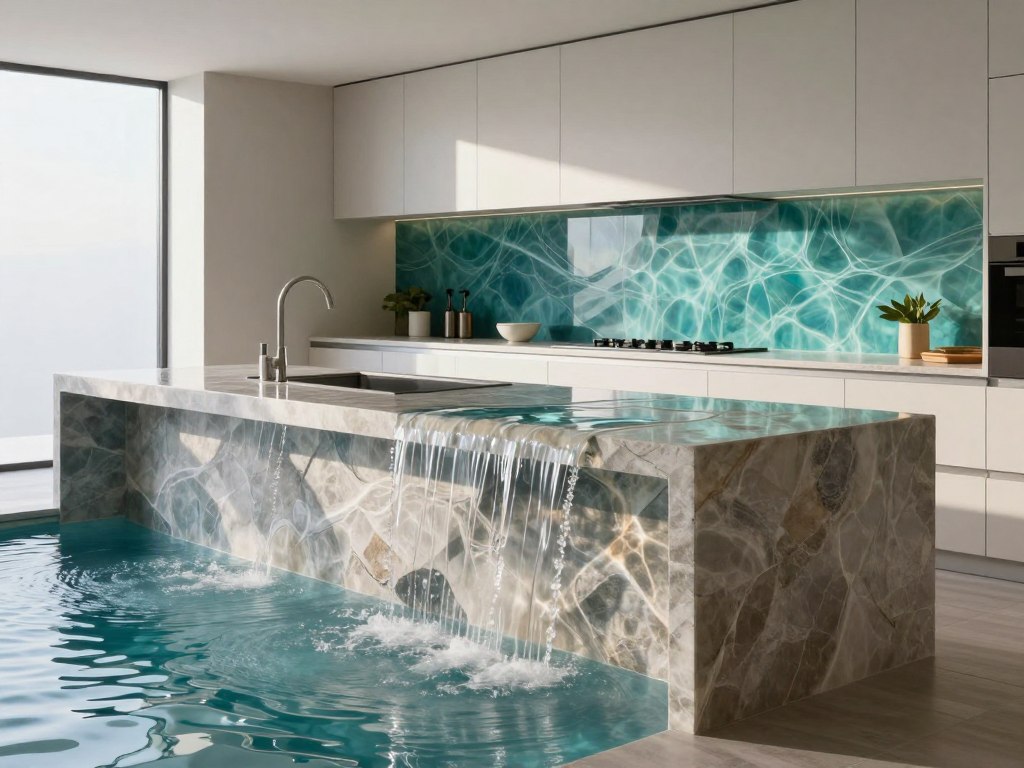
Waterfall countertop edges reference cascading water. Stone or solid surface materials that flow vertically from counter surface to floor create striking visual continuity.
Blue and aqua color accents evoke water connections. These shades work particularly well in backsplashes, accent walls, or cabinet interiors.
Ripple-pattern backsplashes capture water’s dynamic surface. Glass tiles with wave formations or three-dimensional textured tiles bring water movement into static surfaces.
Reflective surfaces mimic water’s light-bouncing properties. Polished stone, glossy tile, and glass surfaces create similar visual effects to still water reflecting surroundings.
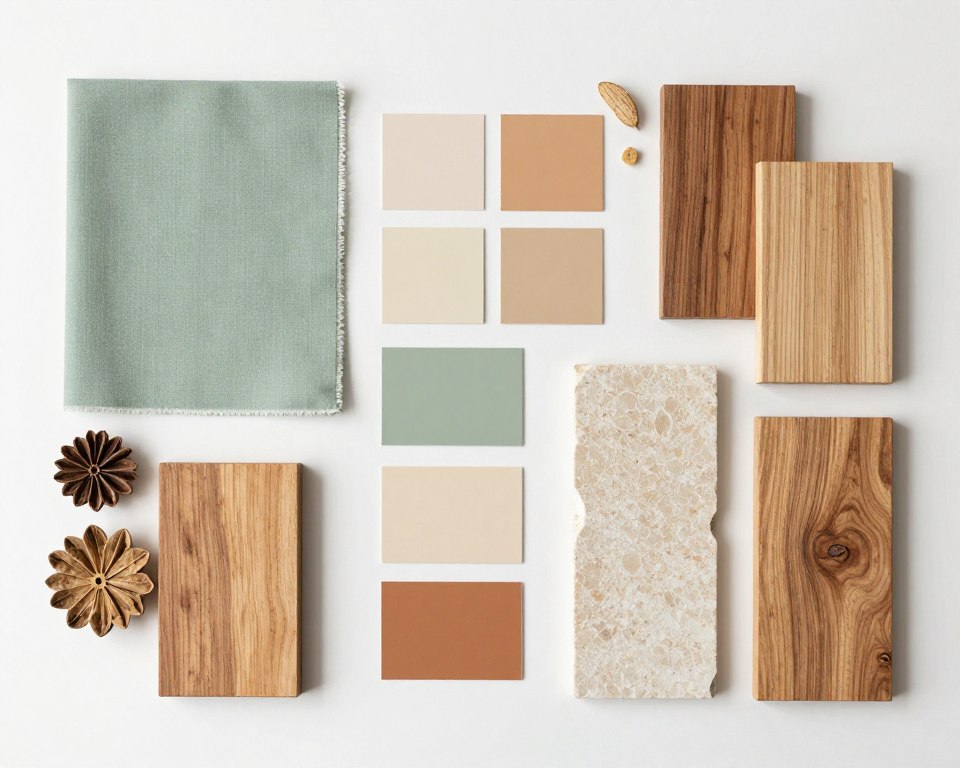
Choose Earthy, Natural Color Palettes
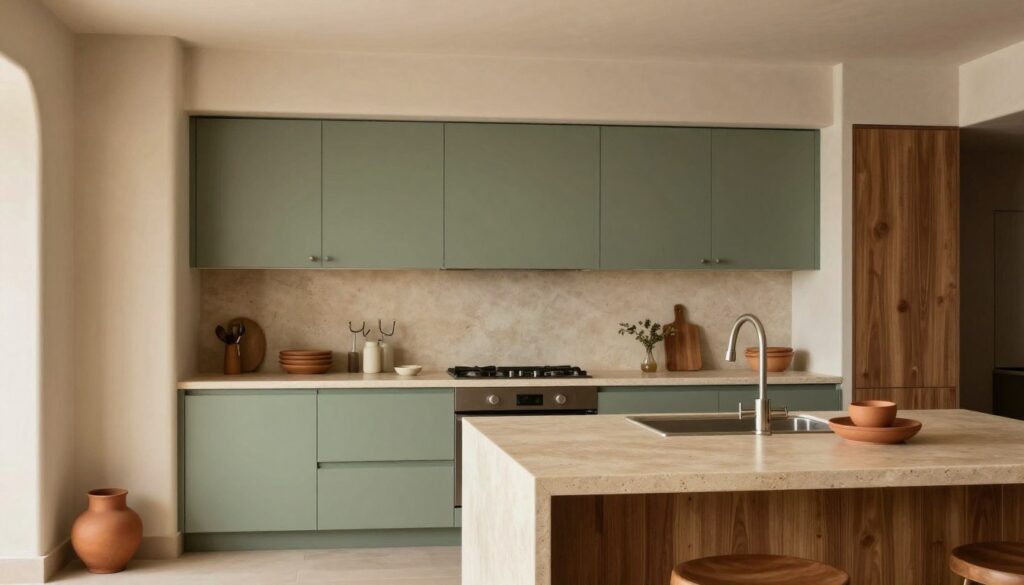
Color profoundly affects mood and perception. Biophilic kitchen design draws from nature’s palette to create environments that feel inherently comfortable and grounding through thoughtful color selection.
Foundation Earth Tones
Warm browns anchor kitchen spaces in earth connection. Coffee, chocolate, and tan shades reference soil, tree bark, and sand, creating grounded foundations for other design elements.
Cream and beige neutrals provide versatile backgrounds. These soft tones allow natural materials and greenery to stand out while maintaining overall warmth.
Terracotta and clay reds bring energy without harshness. These warm earth tones add vitality and comfort reminiscent of desert landscapes and pottery traditions.
Gray tones pulled from stone and pebbles offer cool balance. Natural grays prevent earth tone palettes from feeling heavy while maintaining organic authenticity.
Creating Your Personal Nature-Inspired Kitchen Sanctuary
Biophilic kitchen design transforms ordinary cooking spaces into environments that nurture your wellbeing every single day. By incorporating natural light, organic materials, living plants, and nature-inspired patterns, you create more than just a beautiful room. You build a sanctuary that connects you to the natural world.
Start small if the complete transformation feels overwhelming. Even a single element like adding plants or maximizing natural light begins your biophilic journey. Each nature-connected choice builds upon previous ones, gradually shifting your kitchen’s entire character.
The beauty of biophilic design lies in its flexibility. Your personal interpretation of these principles creates a unique space reflecting your relationship with nature. Some kitchens emphasize abundant greenery while others focus on natural materials and light. Both approaches deliver genuine biophilic benefits.
Remember that biophilic design principles extend beyond aesthetics. These evidence-based strategies reduce stress, improve air quality, support mental clarity, and enhance overall life satisfaction. Your kitchen becomes a space that actively contributes to your health and happiness.
The investment in biophilic kitchen design pays dividends through improved daily experiences. Cooking in a nature connected environment transforms routine tasks into opportunities for restoration and joy. Your kitchen becomes a place you want to spend time rather than simply pass through.
Consider working with professionals experienced in biophilic design principles. Expert guidance ensures your vision translates effectively into built reality while avoiding common implementation mistakes. Designers familiar with these concepts help maximize benefits within your specific space and budget constraints.
Your journey toward a nature-inspired kitchen starts today. Whether planning a complete renovation or making incremental improvements, each step brings you closer to a space that honors your innate connection to the natural world. The result transforms not just your kitchen but your entire relationship with your home environment.