
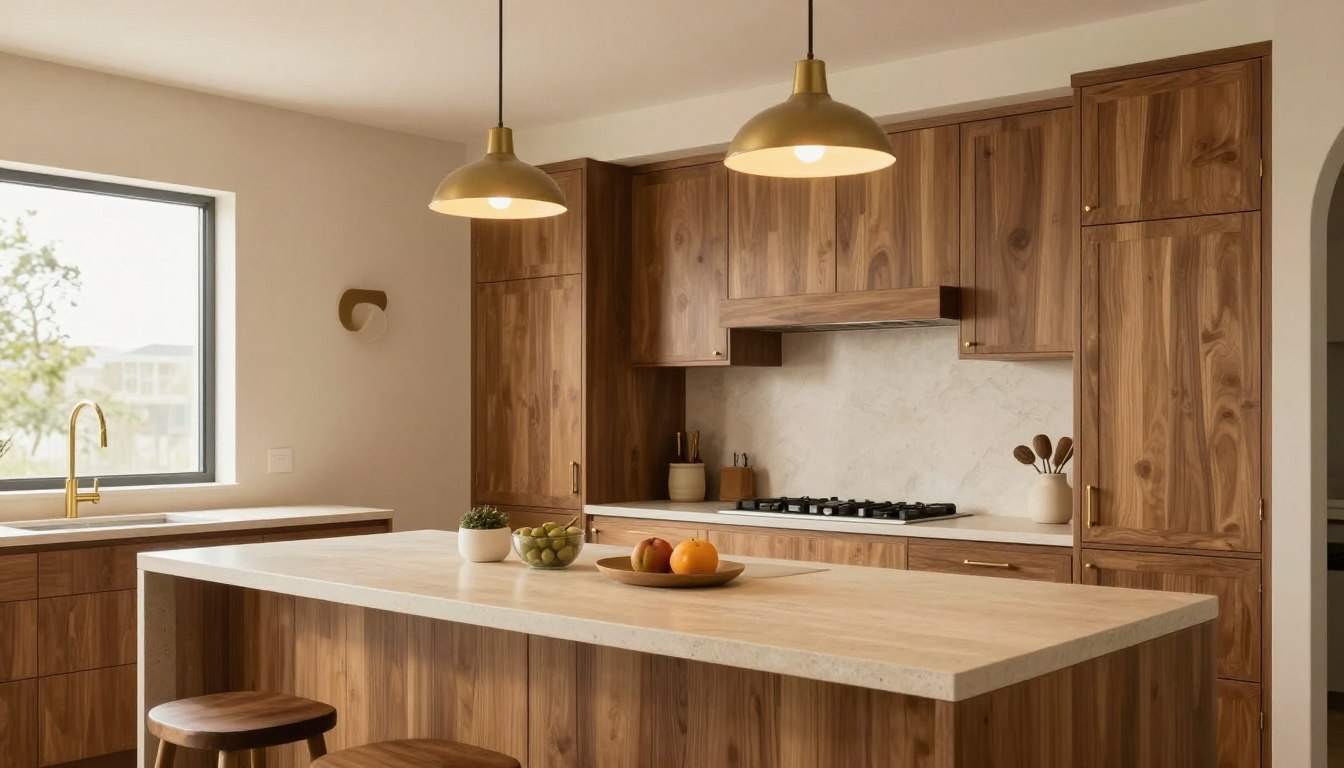
Creating a warm kitchen aesthetic isn’t about expensive renovations. It’s about understanding which design elements generate feelings of comfort and connection. The right combination of colors, materials, lighting, and thoughtful details transforms any kitchen into a cozy sanctuary.
This guide reveals six proven decor secrets that interior designers use to create warmth in kitchen spaces. Each secret includes specific techniques you can implement immediately, regardless of your kitchen size or current style.
Secret One: Embrace Natural Wood Elements Throughout Your Space
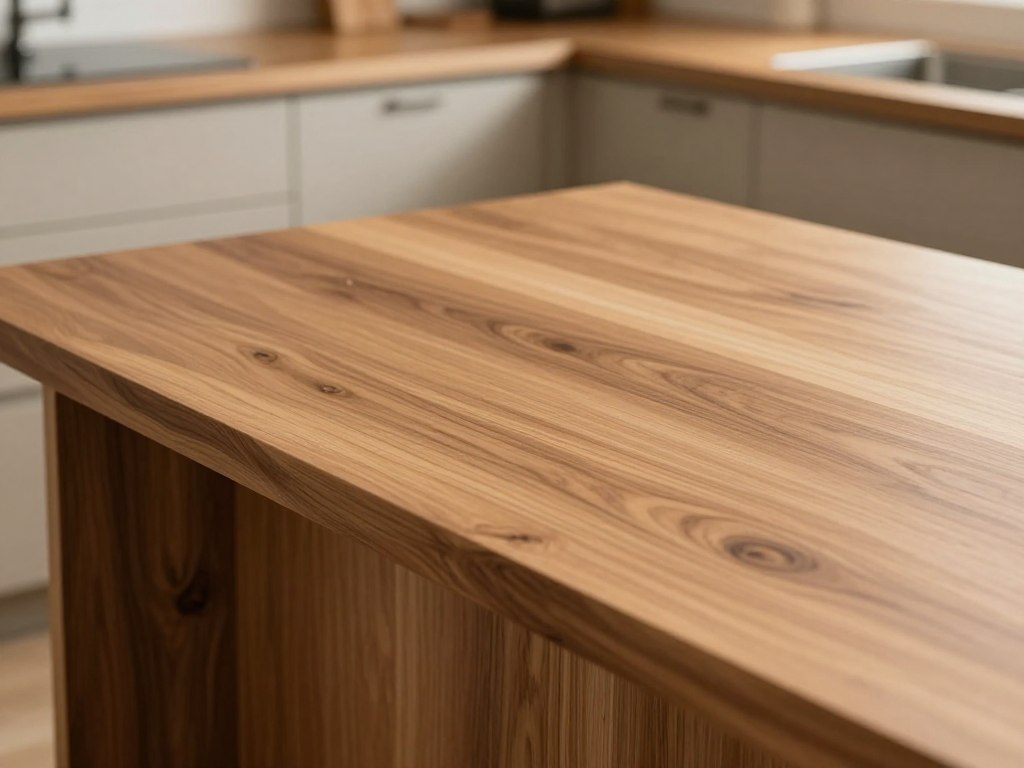
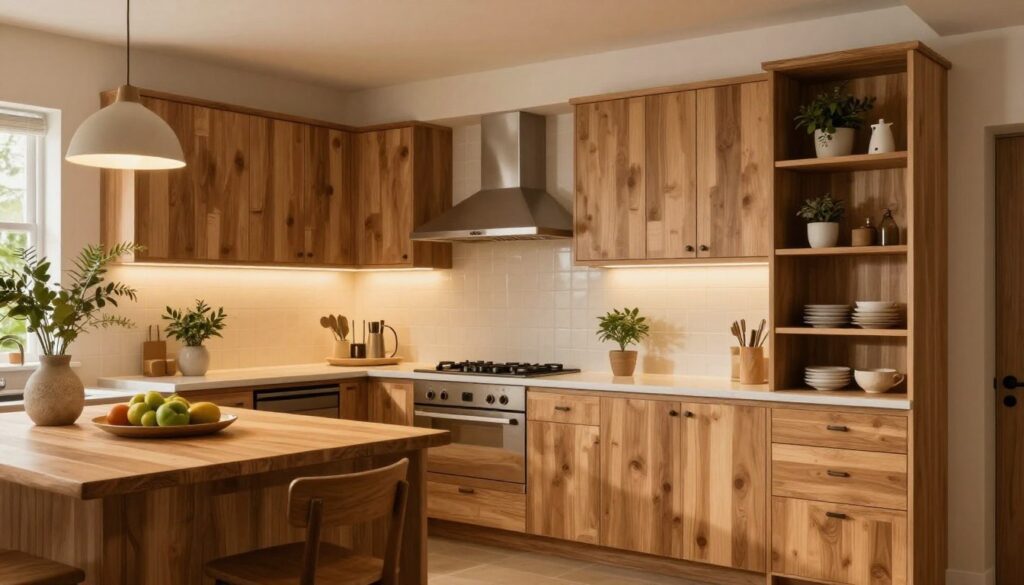
Wood brings instant warmth to any kitchen. The natural grain patterns, organic textures, and rich tones create visual interest while making the space feel more inviting. This material connects your kitchen to nature, adding an earthy quality that synthetic materials simply cannot replicate.
The key is incorporating wood strategically throughout your kitchen design. You don’t need to install expensive custom cabinetry to achieve this effect. Even small wood elements make a significant impact on the overall feel of the room.
Choosing the Right Wood Tones for Your Kitchen
Wood selection matters tremendously when creating warmth. Different wood species and finishes produce varying effects on your kitchen’s atmosphere.
Warm Wood Options
- Walnut cabinetry creates rich, chocolate-brown tones
- Cherry wood develops warmer reddish hues over time
- Oak provides classic warmth with prominent grain
- Maple accepts stains well for customized warmth
Medium to dark wood tones generally create the warmest feeling. These finishes absorb light slightly, creating depth and coziness. Lighter woods like pine or birch can also work beautifully when paired with warm undertones rather than cool grays.
Consider mixing wood tones for added dimension. A darker island paired with lighter cabinetry creates visual contrast while maintaining overall warmth. This approach prevents the space from feeling too heavy or monotonous.
Strategic Wood Placement Ideas
You can introduce wood elements in multiple ways throughout your kitchen space. Each location offers unique opportunities to enhance the room’s warmth and character.
- Install open shelving with thick wood planks to display dishes and create visual warmth
- Add a wood beam across the ceiling to draw the eye upward and add architectural interest
- Choose wood bar stools for your island seating area
- Replace standard cabinet hardware with wood pulls or knobs
- Install a wood cutting board wall mount as functional decor
- Use reclaimed wood for a range hood cover or accent wall
- Select wood framed windows or trim to connect indoor and outdoor spaces
Maintaining Wood’s Natural Beauty
Proper care keeps wood elements looking warm and inviting for years. Regular maintenance preserves the material’s natural luster and prevents damage that can diminish its aesthetic appeal.
Clean wood surfaces with gentle, pH-neutral cleaners designed specifically for wood. Avoid excessive water exposure, which can cause warping or discoloration. Apply wood conditioner or oil periodically to maintain the material’s rich color and protect against drying.
Natural light exposure will gradually change wood’s appearance over time. Some species darken while others lighten. This patina development adds character and depth, contributing to your kitchen’s warm aesthetic evolution.
Secret Two: Layer Your Lighting with Warm Temperature Bulbs
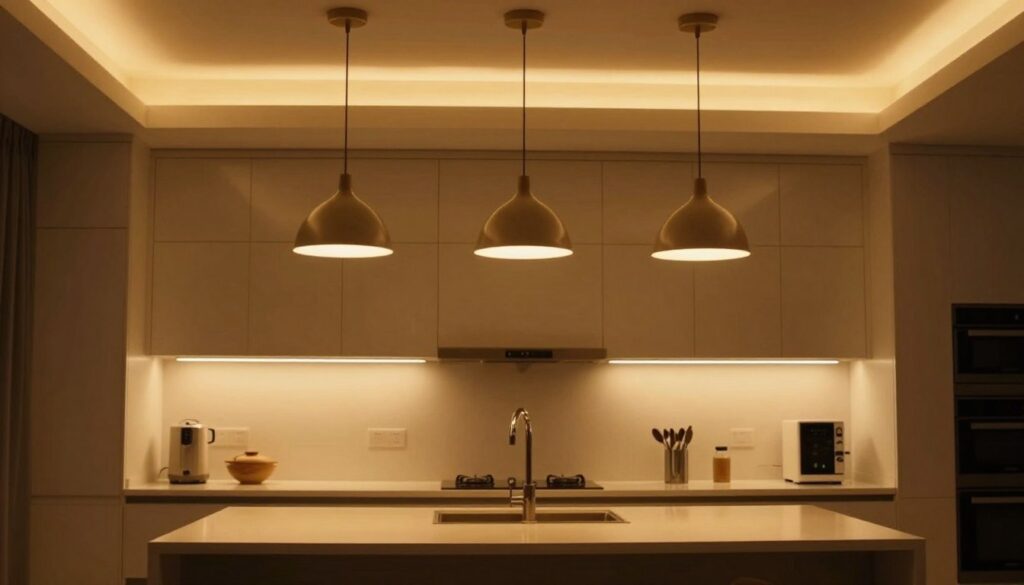
Lighting dramatically affects how warm your kitchen feels. The wrong lighting makes even beautifully designed spaces feel cold and unwelcoming. Strategic lighting design creates ambiance, highlights architectural features, and makes the room feel more inviting during all hours.
The secret lies in layering different light sources at various heights and intensities. This approach mimics natural light patterns while providing flexibility for different activities and moods.
Understanding Color Temperature for Warmth
Light bulb color temperature, measured in Kelvins, determines whether your lighting feels warm or cool. This single specification makes an enormous difference in your kitchen’s overall atmosphere.
Recommended Color Temperatures
- 2700K – 3000K: Warm white, ideal for ambient kitchen lighting
- 3000K – 3500K: Soft white, works well for task lighting
- 2200K – 2700K: Extra warm, perfect for dining areas and accent lights
Temperatures to Avoid
- 4000K and above creates cool, clinical feeling
- 5000K – 6500K (daylight) feels too harsh for living spaces
- Mixed temperatures create visual confusion and discomfort
Creating Your Lighting Layers
Professional designers use three distinct lighting layers to create depth and flexibility. Each layer serves specific functions while contributing to the overall warm atmosphere.
Ambient lighting provides overall illumination for the entire kitchen space. This base layer comes from ceiling fixtures, recessed lights, or flush-mount fixtures. Choose fixtures with warm bulbs to establish the room’s fundamental tone.
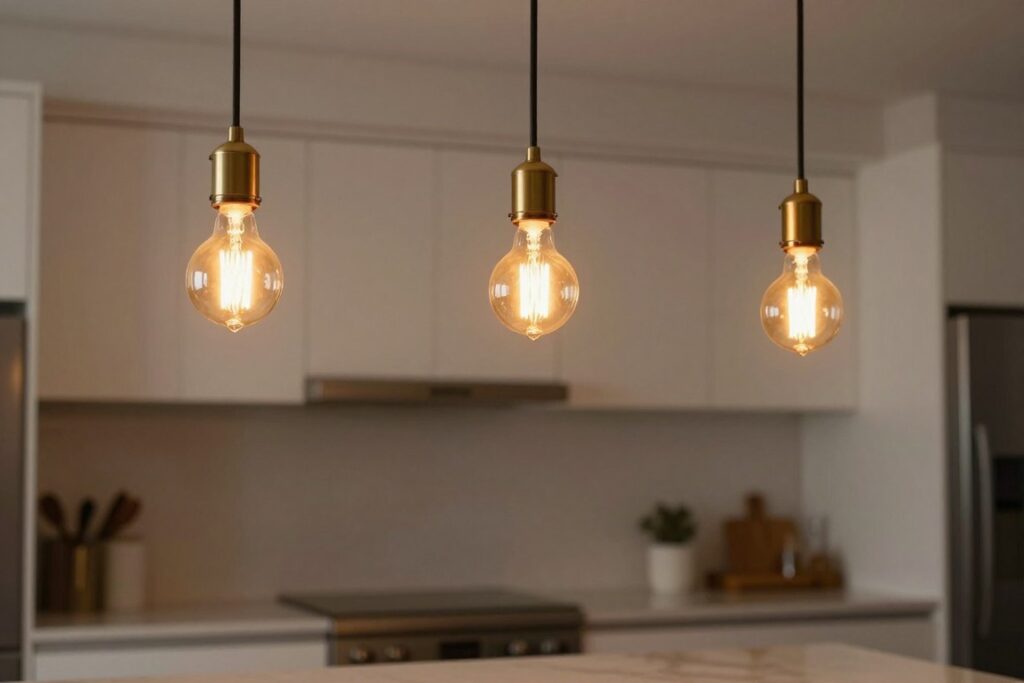
Task lighting focuses on work areas where you need bright, clear light for food preparation. Under-cabinet LED strips, pendant lights over the island, and range hood lights fall into this category. Even task lighting should use warm temperatures rather than harsh daylight bulbs.
Accent lighting highlights architectural features and creates visual interest. Use this layer to showcase open shelving, glass-front cabinets, or decorative elements. Accent lights draw the eye around the room and add dimension to the space.
Fixture Styles That Enhance Warmth
The fixtures themselves contribute significantly to your kitchen’s warm aesthetic. Material choices, finishes, and designs all impact the overall atmosphere.
- Brass or copper pendant lights add metallic warmth and visual weight
- Glass fixtures with amber or seeded glass diffuse light softly
- Exposed Edison bulbs create vintage warmth and visual interest
- Woven or rattan pendant shades add organic texture
- Lantern-style fixtures bring traditional warmth to the space
- Dimmer switches allow you to adjust intensity for different times and moods
Maximizing Natural Light
Natural light remains the most effective way to make any room feel warm and welcoming. During daylight hours, maximize the natural light entering your kitchen space.
Remove heavy window treatments that block light. Replace them with light-filtering options like linen curtains or woven shades. These materials provide privacy while allowing warm sunlight to fill the room.
Keep windows clean to maximize light transmission. Position reflective surfaces like mirrors or polished metals opposite windows to bounce natural light deeper into the space. This technique makes the kitchen feel brighter and more open without adding artificial lighting.
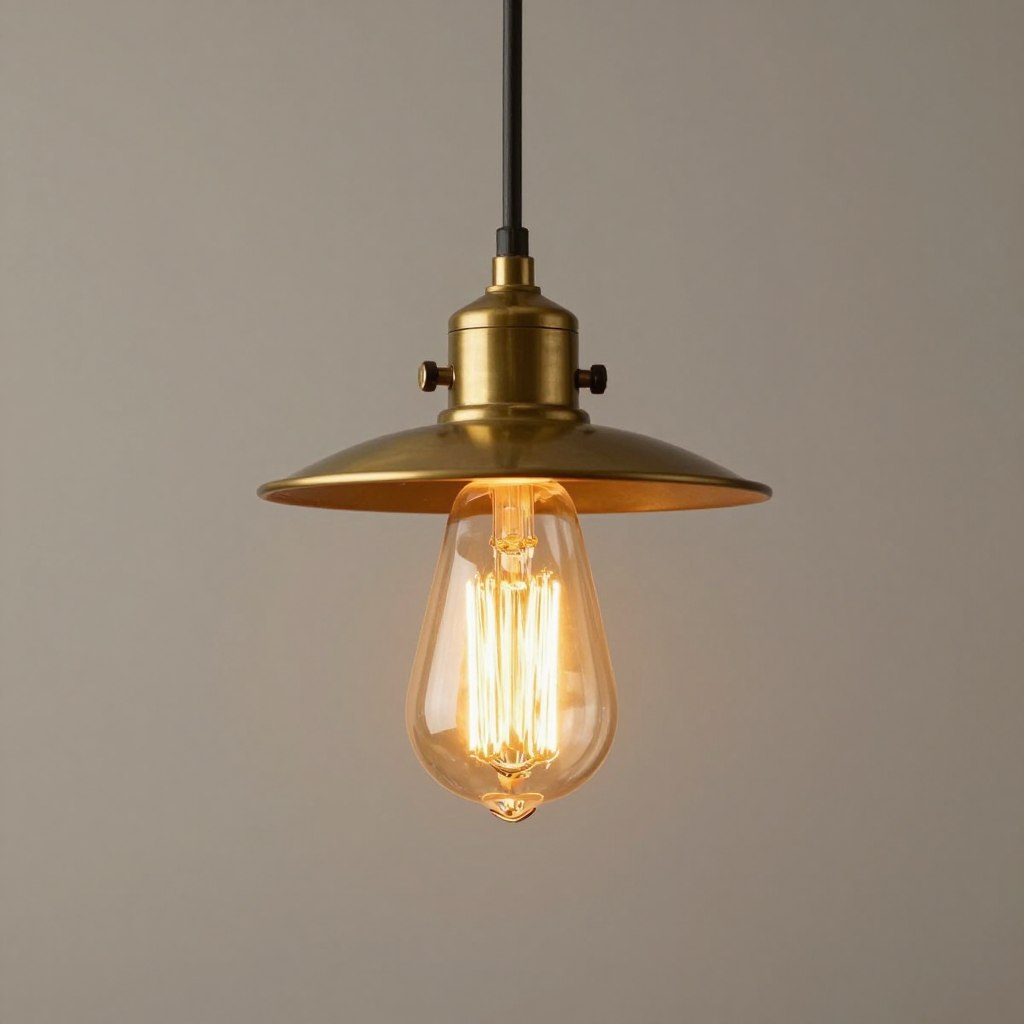
Vintage Edison Pendant Lights
These classic fixtures combine nostalgic design with warm lighting. The exposed filaments create a cozy glow perfect for kitchen islands and dining areas. Available in various finishes to match your hardware.
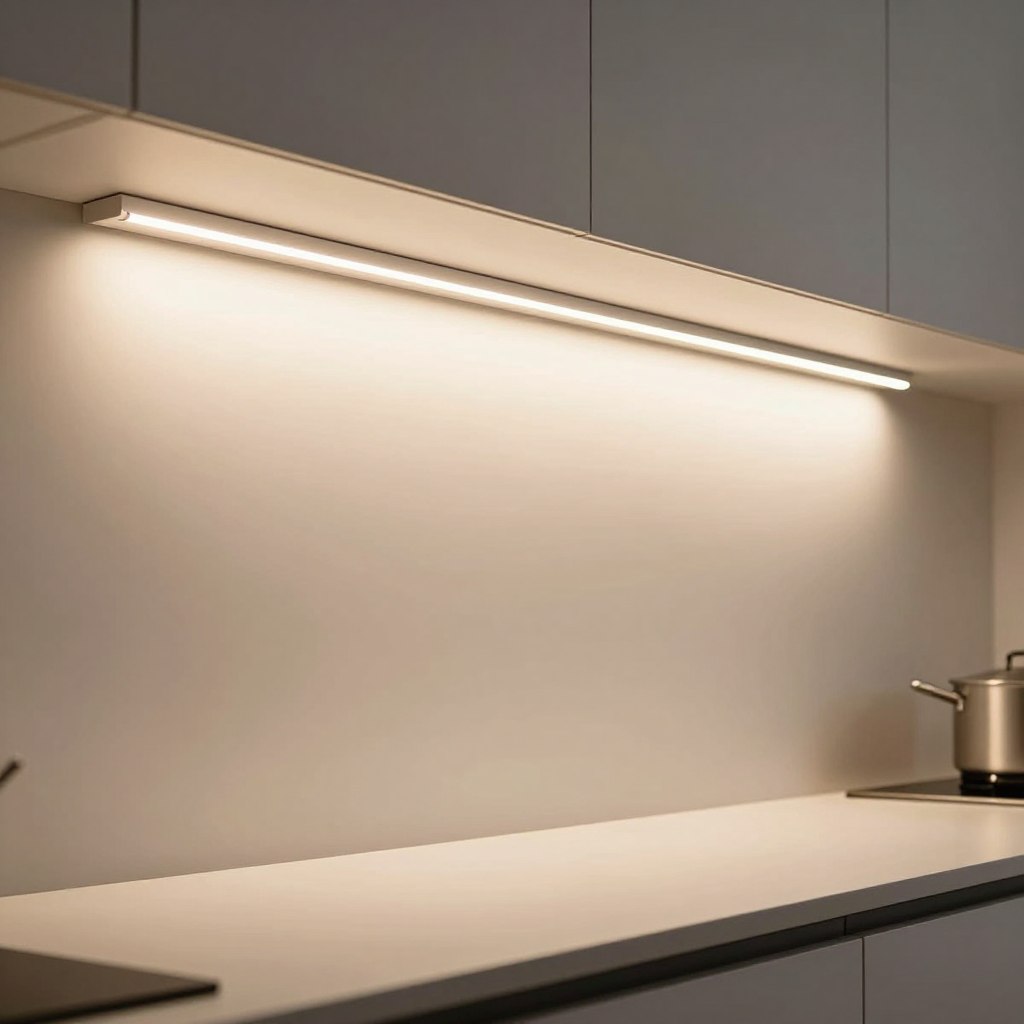
Warm LED Strip Lighting
Energy efficient task lighting that provides excellent illumination for food prep while maintaining warmth. Look for 2700K-3000K options with dimming capabilities for maximum flexibility.
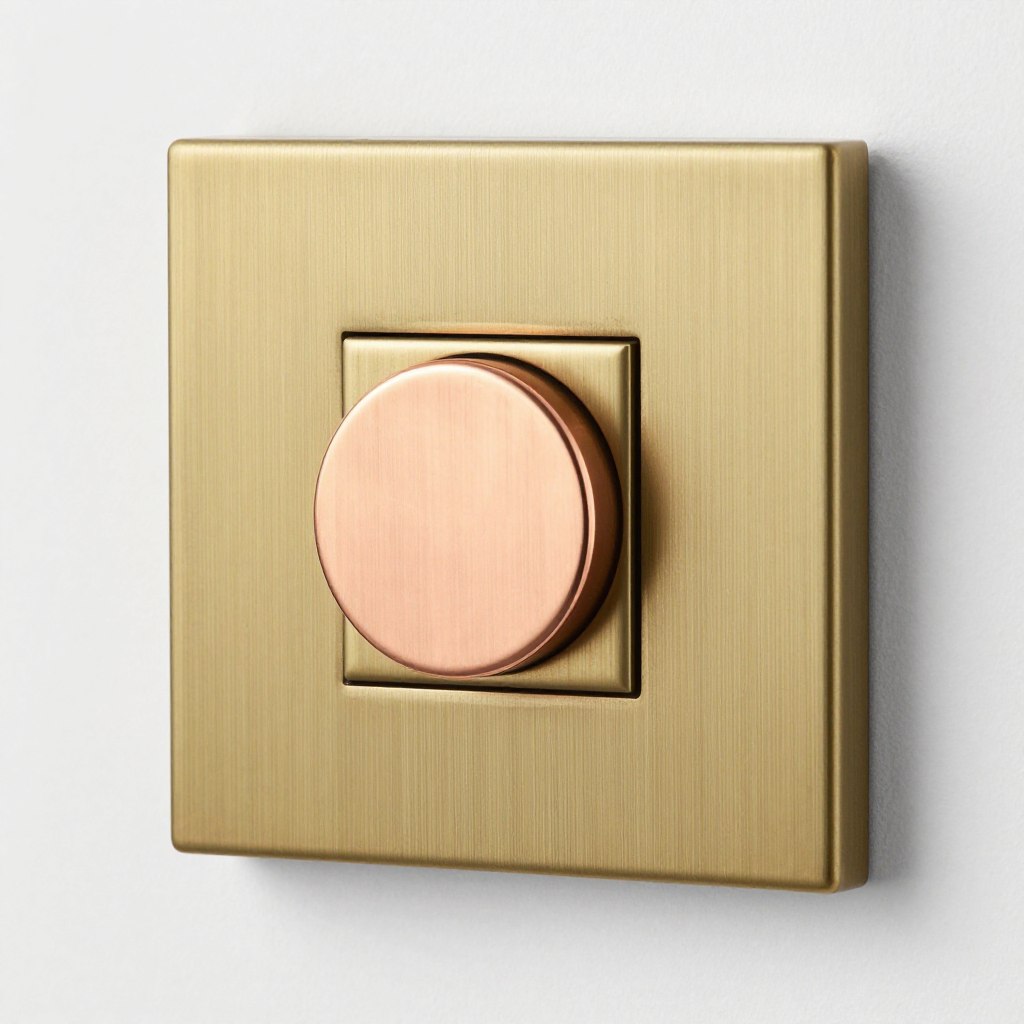
Dimmer Switch Controls
Essential for creating adjustable ambiance. Modern dimmers work with LED bulbs and allow precise control over lighting intensity, helping you create the perfect warm atmosphere any time of day.
Secret Three: Choose a Warm, Earthy Color Palette
Color profoundly influences how warm a space feels. The hues you select for walls, cabinets, and accents set the emotional tone for your entire kitchen. Cool colors like stark whites and grays create modern aesthetics but often feel cold and uninviting.
Warm color palettes draw from nature’s earth tones. These shades create psychological warmth that makes people feel comfortable and relaxed in the space. The kitchen becomes a place where family and friends naturally gather.
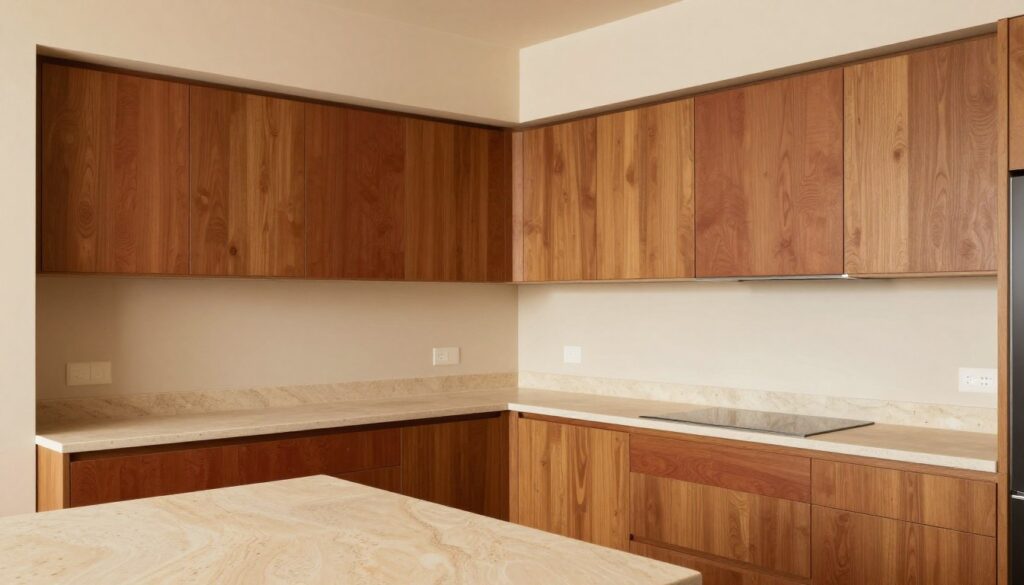
Selecting Your Base Colors
Start with warm neutral tones for large surfaces like walls and cabinetry. These foundational colors establish the overall warmth level while providing a backdrop for accent colors and decorative elements.
Ideal Warm Neutrals
- Warm whites with cream or ivory undertones
- Soft beiges and tans
- Greige (gray-beige blends with warm undertones)
- Warm grays with brown or taupe bases
- Off-whites with yellow or peach hints
Test paint colors in your actual kitchen before committing. Light changes throughout the day, affecting how colors appear. Paint large sample boards and observe them in morning, afternoon, and evening light.
Consider your existing finishes when selecting wall colors. The color should complement your countertop materials, flooring, and cabinetry rather than competing with these elements.
Adding Depth with Accent Colors
Accent colors introduce personality and visual interest while reinforcing the warm aesthetic. These pops of color appear in smaller doses through textiles, artwork, and decorative accessories.
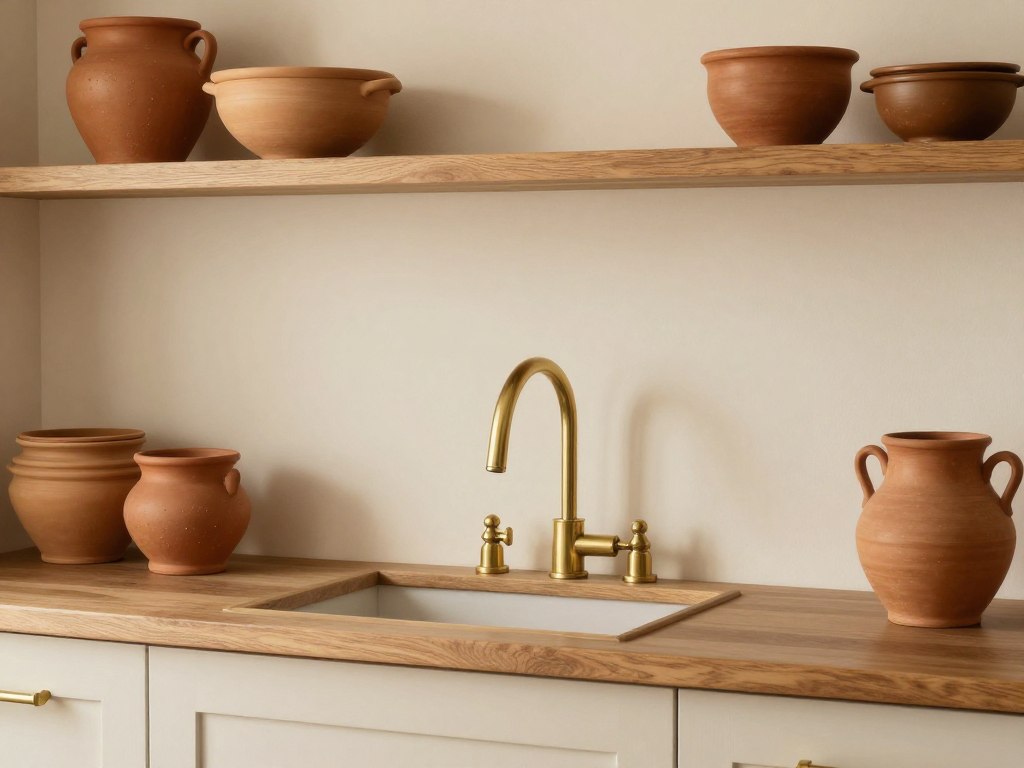
Terracotta and rust tones bring earthy warmth reminiscent of Mediterranean kitchens. These colors work beautifully in kitchen textiles like dish towels, potholders, and seat cushions. Deep burgundy and warm brick red add richness without overwhelming the space.
Warm gold and amber tones reflect light beautifully while adding luxurious warmth. Incorporate these colors through metallic finishes, glassware, or accent tiles. Mustard yellow adds cheerful warmth in moderation.
Natural green tones connect your kitchen to the outdoors. Sage, olive, and moss greens have warm undertones that complement wood elements. Use these colors in plants, which double as living decor that improves air quality.
Cabinet and Cabinetry Color Strategies
Cabinet color significantly impacts your kitchen’s warmth. This large surface area dominates the visual field, making cabinet selection critical to achieving your desired aesthetic.
Natural wood cabinets provide inherent warmth through their organic tones and grain patterns. If you prefer painted cabinetry, choose warm off-whites, creamy beiges, or soft sage greens rather than stark white or cool gray.
Two-tone cabinetry creates visual interest while maintaining warmth. Consider darker warm-toned lowers with lighter warm-toned uppers. This combination adds dimension and prevents the space from feeling too heavy or too light.
Avoiding Common Color Mistakes
Certain color choices undermine attempts to create warmth. Understanding these pitfalls helps you make better selections for your kitchen design.
- Avoid pure white walls, which read as cold and clinical in kitchen spaces
- Skip cool grays with blue undertones that create a cold atmosphere
- Don’t use too many competing warm colors, which creates visual chaos
- Avoid trendy colors you might tire of quickly
- Don’t ignore how natural and artificial light affects color appearance
- Skip high-contrast color schemes that create visual tension
Secret Four: Incorporate Texture and Layered Materials
Texture transforms flat, one-dimensional spaces into rich, engaging environments. In kitchens, texture adds visual warmth while creating tactile interest that draws people in. Multiple textures working together produce depth and sophistication that single materials cannot achieve.
The warm kitchen aesthetic relies heavily on varied textures that engage multiple senses. Smooth surfaces balanced with rough ones create contrast that keeps the eye moving around the room. This visual journey makes the space feel dynamic and interesting.
Stone and Natural Material Textures
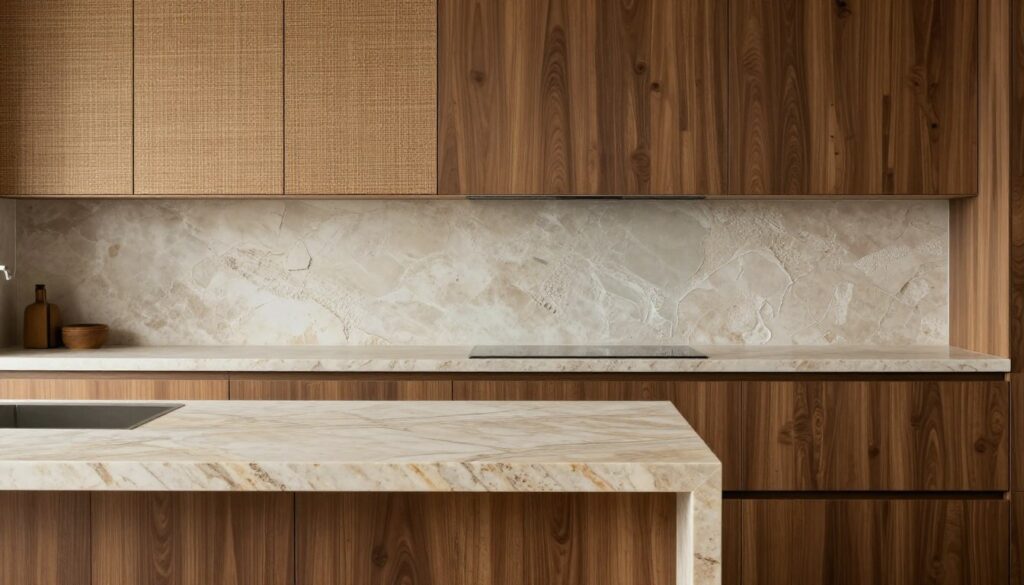
Stone brings geological warmth and permanence to kitchen design. Natural stone materials carry billions of years of history in their patterns and imperfections. This organic quality creates immediate visual warmth and connection to nature.
Granite countertops with warm undertones add substantial texture through their crystalline structure. The depth in stone surfaces catches light differently throughout the day, creating ever-changing visual interest. Patterns in natural stone provide organic movement that synthetic materials lack.
Soapstone develops a rich patina over time, darkening and smoothing with use. This living material tells the story of your kitchen’s life. The matte finish absorbs rather than reflects light, creating a softer, warmer appearance than polished surfaces.
Warm Stone Choices
- Travertine with its pitted texture and warm beige tones
- Limestone offering soft, matte surfaces in warm creams
- Slate providing rustic texture in warm gray-browns
- Quartzite combining durability with warm veining
Stone Applications
- Countertop surfaces for primary work areas
- Backsplash tiles creating textured focal points
- Island waterfall edges for dramatic effect
- Range surround for heat-resistant beauty
Textile and Soft Material Integration
Textiles soften hard kitchen surfaces while introducing warmth through both visual texture and literal softness. These materials make the kitchen feel less utilitarian and more like a comfortable living space.
Linen curtains filter natural light beautifully while adding organic texture. The natural wrinkles in linen contribute to a relaxed, lived-in aesthetic. Choose warm neutral colors or soft earth tones that complement your overall color palette.
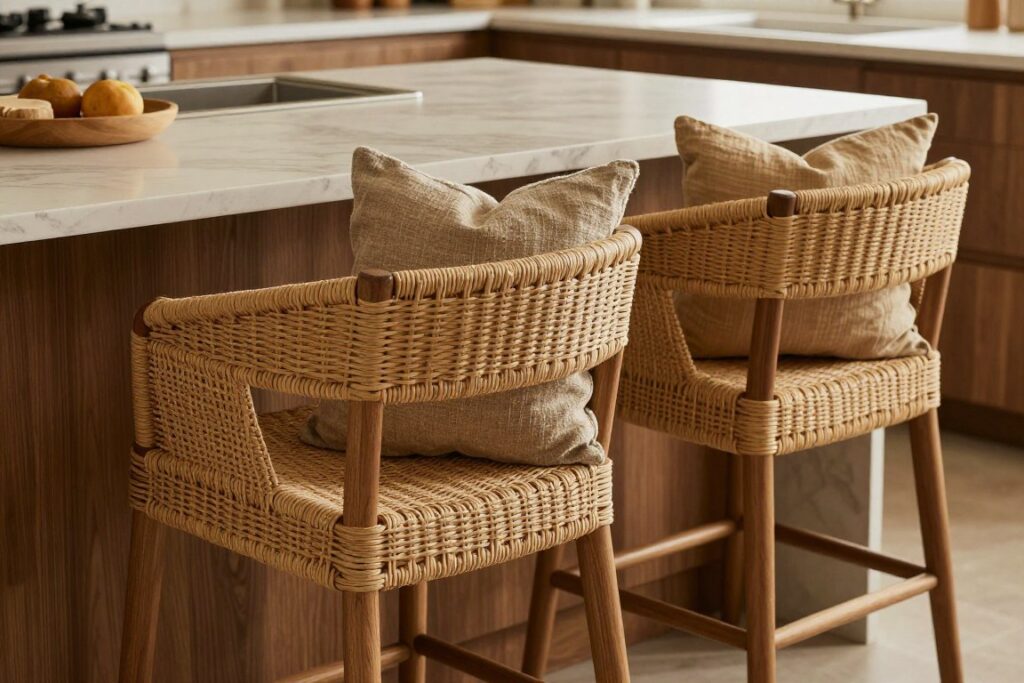
Woven seat cushions transform hard dining chairs or bar stools into comfortable seating. Natural fiber cushions in jute, cotton, or wool add texture while improving comfort. These elements encourage people to sit longer and enjoy the space.
Kitchen rugs or runners introduce softness underfoot while defining spaces within the room. A runner in front of the sink adds both comfort and visual warmth. Choose natural fibers like wool or cotton in warm patterns that hide inevitable spills.
Metal Finishes and Hardware Texture
Metal elements provide contrast against organic materials while contributing their own warmth through finish selection. The right metal tones enhance rather than cool down your kitchen aesthetic.
Brushed brass hardware develops a warm patina that deepens over time. This living finish adds character and prevents the sterile appearance of perfectly polished metals. Brass knobs and pulls feel substantial and quality-made in the hand.
Copper accents bring reddish warmth that coordinates beautifully with wood tones. Copper range hoods, pot racks, or pendant lights become warm focal points. The metal naturally darkens and develops verdigris, adding evolving texture.
Bronze finishes offer deep, rich tones that ground a space. Oil-rubbed bronze provides texture through its varied patina. These darker metals add visual weight that balances lighter elements in the room.
Creating Texture Through Architectural Details
Built-in architectural elements add permanent texture that enhances warmth. These features become integral parts of your kitchen’s character rather than added decorations.
- Exposed ceiling beams add overhead texture and architectural interest
- Shiplap or board-and-batten wall treatments create linear texture
- Brick or stone accent walls provide substantial organic texture
- Coffered ceilings add dimensional depth and shadow play
- Open shelving with visible brackets creates functional texture
- Range hood surrounds in textured materials become focal points
Secret Five: Display Organic and Natural Decorative Elements
Living and organic elements bring literal life into your kitchen space. These natural touches create immediate warmth through their imperfect, authentic presence. Unlike manufactured decor, organic elements evolve and change, making your kitchen feel dynamic and alive.
Natural decor connects your indoor space to the outdoor world. This biophilic design approach reduces stress and creates environments where people feel fundamentally more comfortable. Your kitchen transforms from a purely functional room into a nurturing space.
Living Plants for Year Round Warmth
Plants improve air quality while adding vibrant life to your kitchen. The presence of greenery makes spaces feel more welcoming and comfortable. Kitchen plants serve double duty as both decoration and functional elements you can use in cooking.
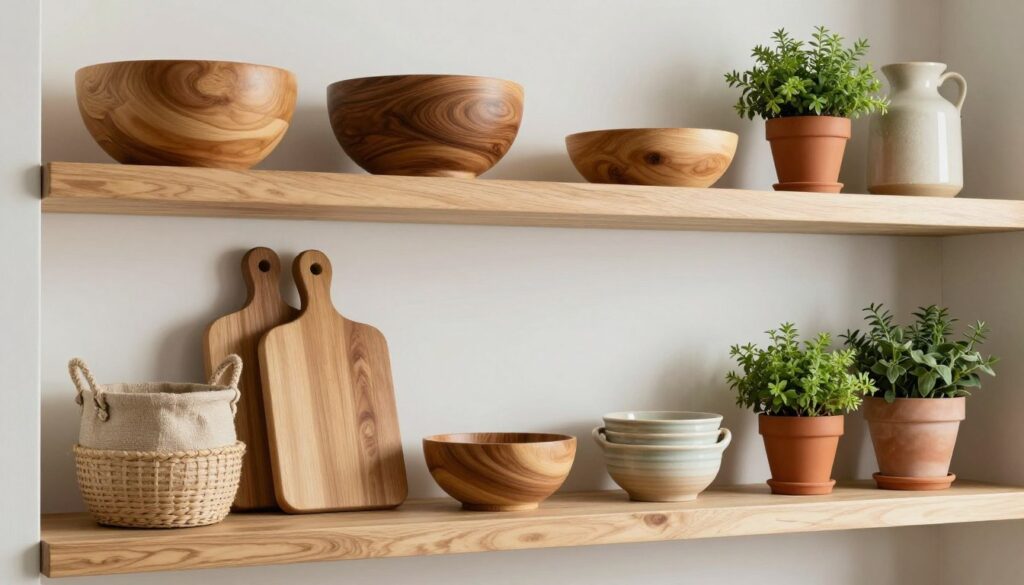
Herb gardens bring fresh flavors within arm’s reach while providing aromatic greenery. Plant basil, rosemary, thyme, and oregano in attractive terracotta pots on your windowsill or counter. The plants release pleasant scents when brushed against or harvested.
Pothos or philodendron plants thrive in various light conditions and tolerate the humidity kitchens generate. These trailing plants soften hard cabinet lines when displayed on top of upper cabinets. Their cascading vines add organic movement to static architectural elements.
Succulents require minimal care while adding sculptural interest. Group small succulents in a wooden tray or vintage container for a living centerpiece. These plants tolerate the occasional neglect that busy kitchen life sometimes demands.
Position plants where they receive adequate light without interfering with food preparation. Window areas, open shelving, and countertop corners work well. Rotate plants periodically to ensure even growth and prevent them from leaning toward light sources.
Best Kitchen Plants
- Herbs for cooking and aroma
- Pothos for easy care
- Snake plants for low light
- Succulents for small spaces
Natural Wood and Woven Accessories
Wooden accessories add organic texture while remaining functional. These items blend decoration with utility, eliminating the need for purely ornamental objects that collect dust.
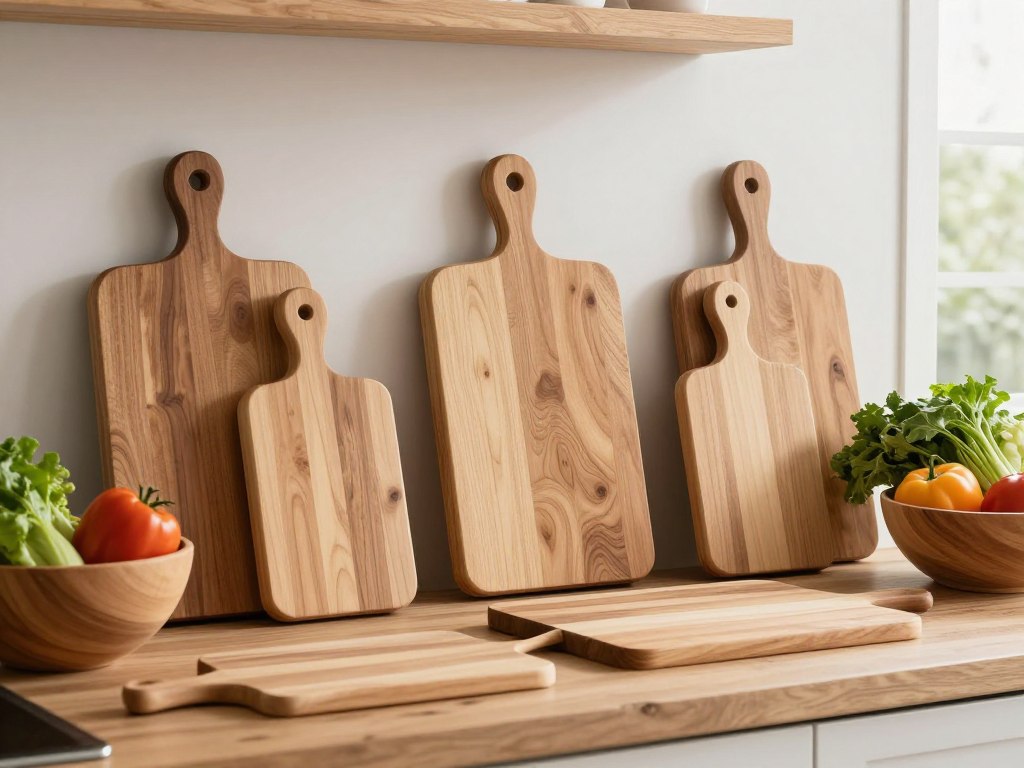
Wooden cutting boards displayed on counters or hanging on walls create instant warmth. Choose boards in various sizes and wood species for visual variety. The natural grain patterns provide interesting focal points that catch the eye.
Woven baskets organize while adding texture. Use larger baskets to store produce on counters, creating an accessible fruit bowl with organic style. Smaller baskets can hold napkins, mail, or kitchen tools, keeping clutter contained attractively.
Wooden spoons and utensils in a ceramic crock provide convenient access while serving as warm decor. The varied shapes and tones of different wooden tools create visual interest. Display frequently used items this way to combine form and function.
Pottery and Handmade Ceramics
Handmade pottery brings artisan warmth and human connection to your kitchen. The slight imperfections in handcrafted pieces add character that machine-made items lack. Each piece tells a story of the artist who created it.
Display ceramic bowls, vases, or pitchers on open shelving. Choose pieces in warm earth tones that coordinate with your overall palette. The varied glazes and textures add visual interest while maintaining the warm aesthetic.
Use pottery functionally rather than just decoratively. Serve food in beautiful ceramic bowls, store utensils in handmade crocks, and display fruit in artisan pottery. This approach ensures your decor remains practical and avoids feeling like a museum.
Mix pottery styles and origins for an collected-over-time appearance. Combine modern pieces with vintage finds and items from different artists. This eclectic approach feels more personal and less staged than matched sets.
Fresh and Dried Natural Elements
Seasonal natural elements keep your kitchen feeling current and connected to nature’s cycles. These changeable decorations allow you to refresh your space without permanent commitments.
- Fresh flower arrangements in simple vases add color and life
- Dried wheat or pampas grass provides textural interest year-round
- Seasonal branches in tall vases bring outdoor elements inside
- Citrus fruits displayed in wooden bowls add color and aroma
- Pinecones or acorns in glass containers create fall warmth
- Cotton stems in pitchers add soft, neutral texture
Secret Six: Balance Open and Closed Storage Thoughtfully
Storage approach significantly impacts your kitchen’s warmth. Walls of closed cabinetry can feel heavy and confining, while too much open shelving creates visual chaos. The right balance creates breathing room while maintaining organized functionality.
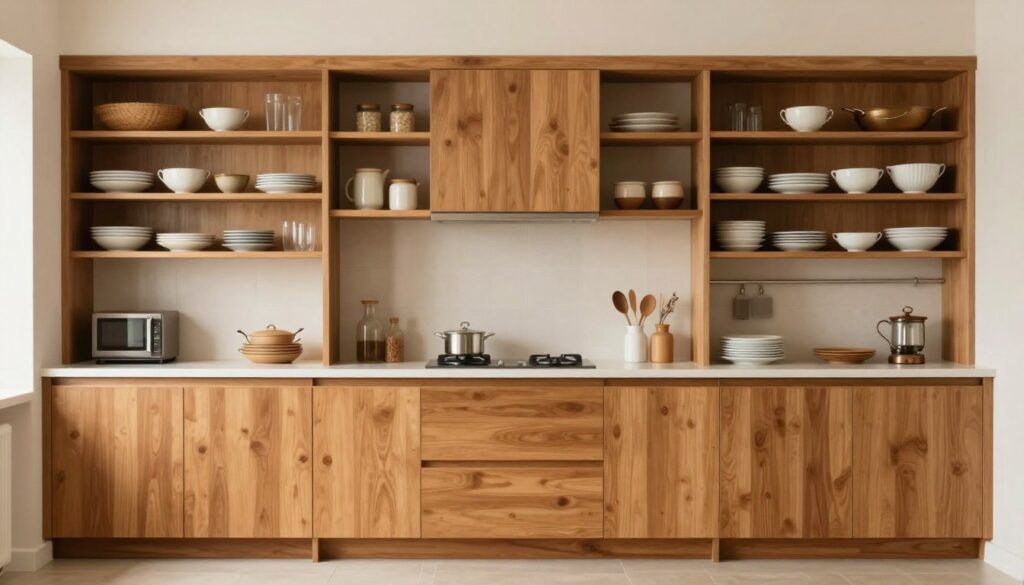
Open shelving displays beautiful items while making the kitchen feel more spacious and inviting. This approach showcases your personality through displayed objects. However, open storage requires more maintenance and thoughtful curation than hidden storage.
Strategic Open Shelving Placement
Open shelves work best in specific kitchen locations. Understanding where to implement open storage versus closed cabinets creates both function and aesthetic appeal.
Shelving flanking the range creates a focal point while keeping cooking essentials accessible. Display attractive oils, spices in matching containers, and cookbooks for functional decoration. This framing draws attention to the range as the kitchen’s heart.
Corner shelving replaces awkward corner cabinets that waste space. Open corner shelves display items from multiple angles while making the room feel larger. Use these areas for items you access frequently or want to showcase.
Upper wall shelving above counters provides storage without the visual weight of hanging cabinets. This approach opens sight lines across the kitchen while maintaining storage capacity. The open feeling contributes significantly to creating warmth and welcome.
Best Items for Open Display
- Everyday dishes in coordinating colors
- Attractive glassware and stemware
- Cookbooks with appealing spines
- Ceramic bowls and serving pieces
- Small plants and organic elements
- Attractive storage containers
Items to Keep Behind Doors
- Mismatched plastic containers
- Small appliances used infrequently
- Cleaning supplies and chemicals
- Bulk food storage
- Everyday use paper products
- Anything visually cluttered
Styling Open Shelves for Warmth
Open shelving requires intentional styling to maintain the warm aesthetic. Random placement creates clutter, while overly perfect arrangements feel staged and cold. The goal is curated casualness that appears effortless.
Group similar items together for visual cohesion. Stack plates by size, group mugs together, and organize bowls by color or material. This organization creates calm while making items easy to locate and access.
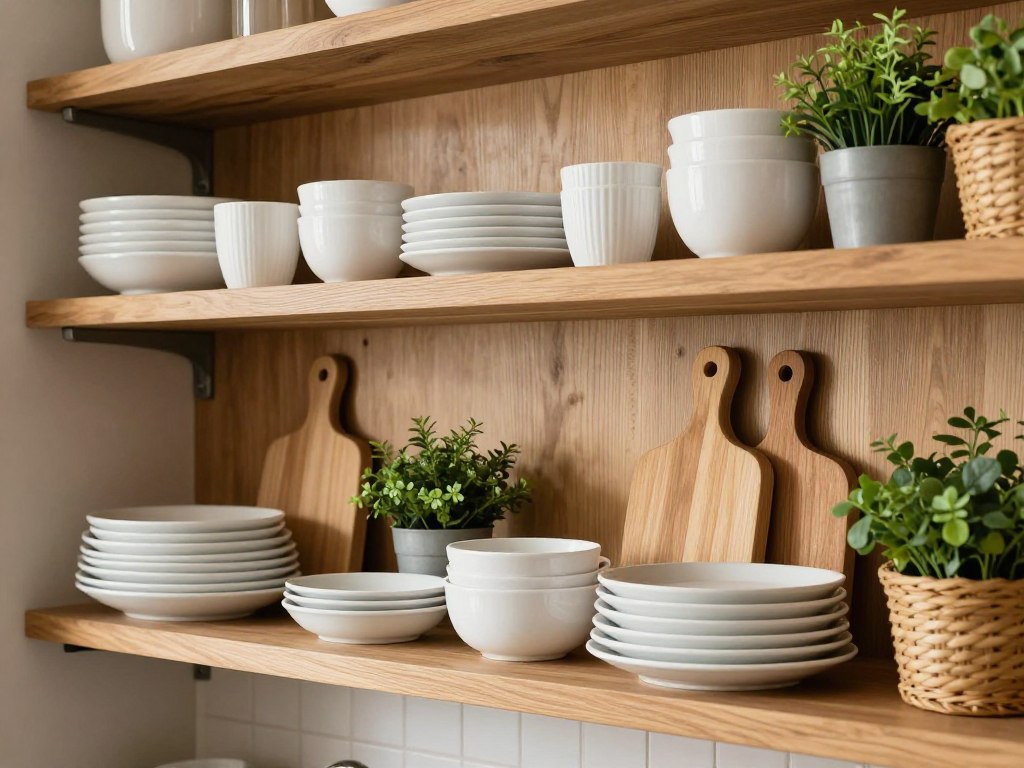
Vary heights within each shelf for visual interest. Place taller items like pitchers or vases next to shorter stacks of plates. This variation creates rhythm that guides the eye along the shelf without monotony.
Leave some negative space on each shelf. Overcrowded shelves feel chaotic and stressful. Empty space allows displayed items to breathe and stand out. This restraint makes the overall display feel more intentional and sophisticated.
Incorporate some non-functional decorative pieces among practical items. A small plant, a beautiful bowl, or a framed photo personalizes the space. These touches transform utilitarian storage into meaningful display that reflects your personality.
Glass Front Cabinet Alternatives
Glass-front cabinets offer a middle ground between fully open and closed storage. These cabinets protect items from dust while displaying contents. The glass adds visual lightness compared to solid doors.
Use glass fronts for upper cabinets containing attractive dishware. The display adds color and pattern while the glass maintains a sense of order. Install interior cabinet lighting to highlight displayed items and create warm evening ambiance.
Consider seeded or textured glass for a warmer appearance than clear glass. These treatments provide visual interest while slightly obscuring contents. This approach works well if your stored items aren’t perfectly organized or matched.
Island and Peninsula Storage Design
Kitchen islands and peninsulas offer opportunities to integrate open and closed storage. These central elements impact your kitchen’s overall warmth and functionality significantly.
Include open shelving on the dining side of islands for displaying cookbooks or decorative items. This approach creates visual interest for seated guests while maintaining closed storage on the working side. The asymmetry adds character and function.
Lower open cubbies work well for storing attractive baskets or bins. These containers hide clutter while their woven textures add warmth. Slide baskets out to access contents, combining open shelving’s aesthetic with closed storage’s tidiness.
- Wine racks integrated into island ends add function and focal points
- Plate racks display dishes vertically while saving space
- Towel bars on island ends keep linens accessible and decorative
- Cookbook stands create functional display areas
- Open lower shelves showcase large serving bowls or pots
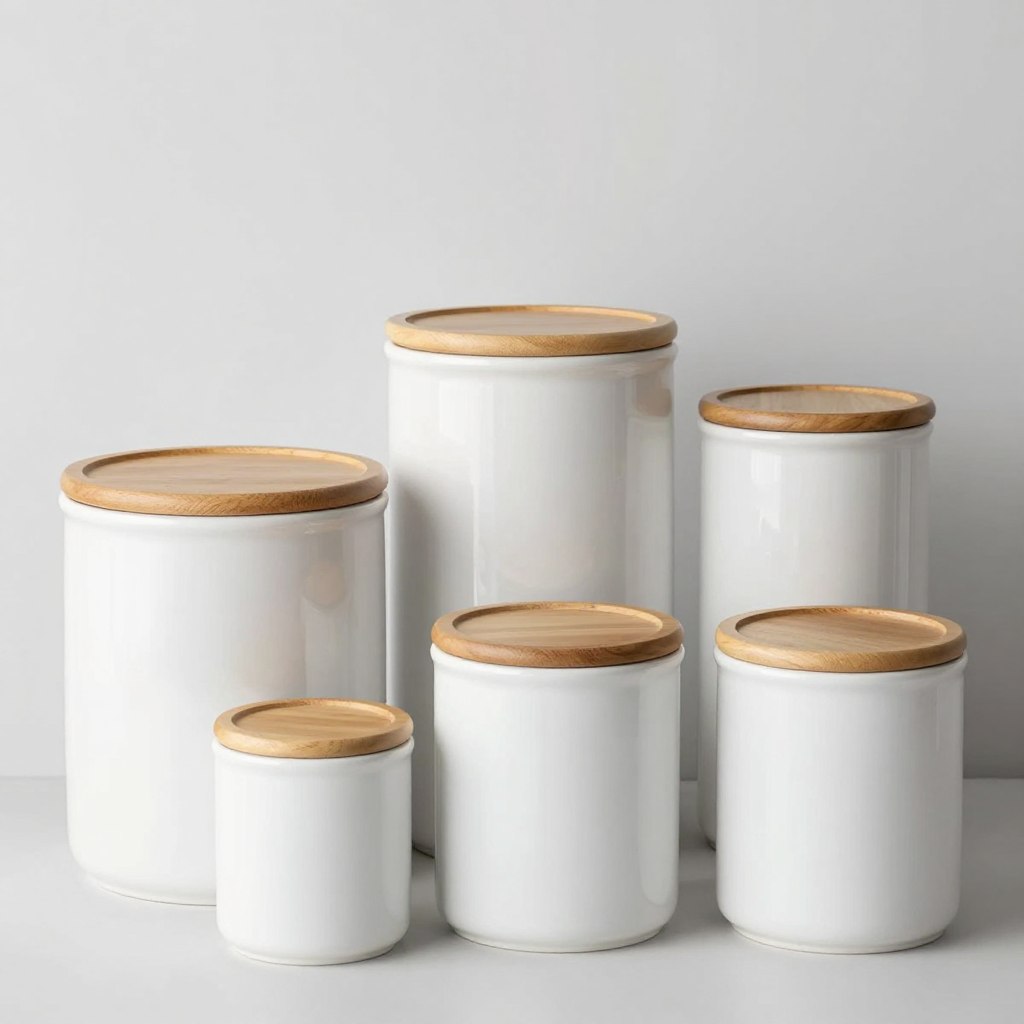
Matching Storage Containers
Create visual harmony on open shelving with coordinating storage containers. These ceramic canisters in warm white tones organize dry goods while contributing to your warm aesthetic.
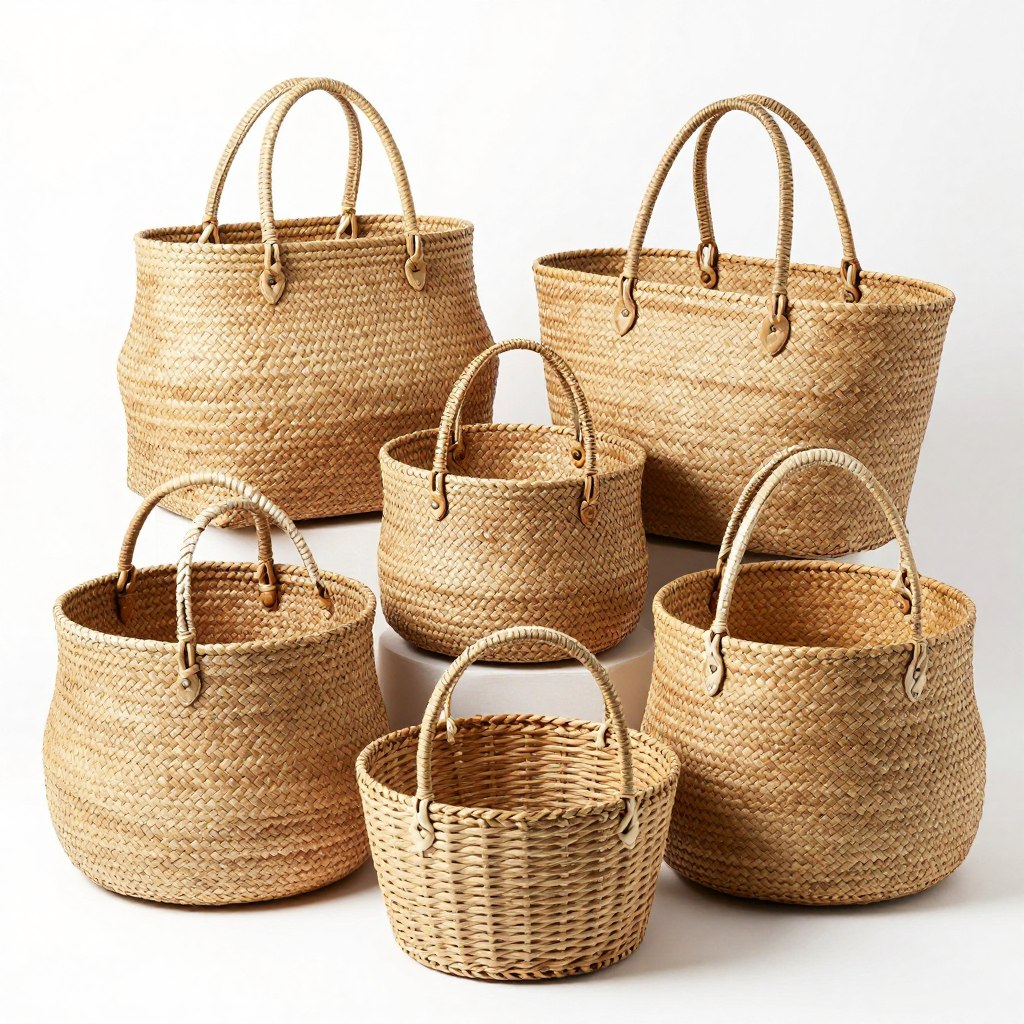
Woven Storage Baskets
Natural fiber baskets hide less attractive items while adding organic texture. Perfect for lower shelving or island storage, these baskets combine function with warm aesthetic appeal.
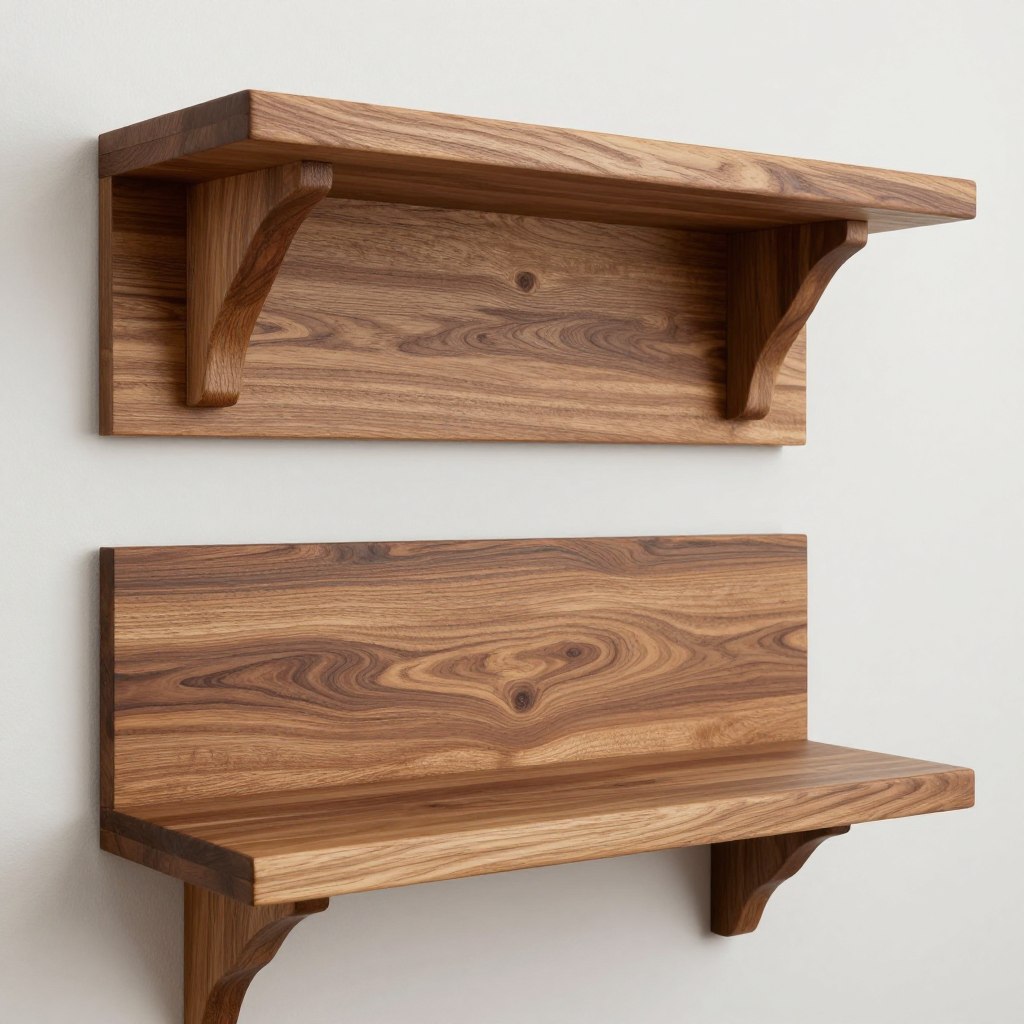
Floating Wood Shelves
Replace upper cabinets with these substantial wood floating shelves. The thick planks provide ample storage while the natural wood adds instant warmth to your kitchen walls.
Bringing All Six Secrets Together
Creating a warm kitchen aesthetic requires thoughtful integration of all six design secrets. Each element works synergistically with the others, building upon complementary effects. The sum becomes greater than its individual parts.
Start by assessing your current kitchen honestly. Identify which secrets you’re already implementing successfully and which areas need attention. This evaluation helps you prioritize changes for maximum impact on your budget and time.
Prioritizing Your Implementation Strategy
Not all changes require equal investment or effort. Strategic prioritization allows you to achieve significant warmth improvements without overwhelming renovation.
Quick wins that deliver immediate warmth include changing light bulbs to warm temperatures, adding plants and organic decor, and incorporating warm textiles. These updates cost little but dramatically shift your kitchen’s feel within days.
Medium-term projects involve painting walls in warm tones, replacing cabinet hardware with warm metals, and adding open shelving. These changes require more planning and investment but remain achievable without major construction.
Long-term renovations include installing wood cabinetry, replacing countertops with natural stone, and reconfiguring storage. Plan these major changes carefully, potentially working with designers to ensure choices align with your vision and budget.
Maintaining Your Warm Kitchen Aesthetic
Sustaining warmth requires ongoing attention. Daily habits and seasonal updates keep your kitchen feeling fresh and inviting year-round.
Establish cleaning routines that maintain material beauty. Wood surfaces need periodic conditioning, stone counters require appropriate sealers, and textiles benefit from regular laundering. These maintenance tasks preserve your investment while keeping elements looking their warm best.
Rotate seasonal decorative elements to maintain visual interest. Swap out plants, change textile colors, and adjust displayed items quarterly. These small refreshes prevent your kitchen from feeling stale while allowing you to experiment with new ideas.
Spring Updates
Refresh your warm kitchen for spring with lighter touches while maintaining core warmth principles.
- Add fresh flowers in warm yellows and oranges
- Switch to lighter linen textiles
- Display spring herbs in terracotta pots
- Open windows for natural light and fresh air
Summer Adaptations
Keep warmth present even during hot months with strategic adjustments.
- Use warm whites and creams for lighter feel
- Display fresh produce for colorful warmth
- Maintain wood tones but add glass accents
- Keep lighting warm but adjust intensity
Fall Enhancements
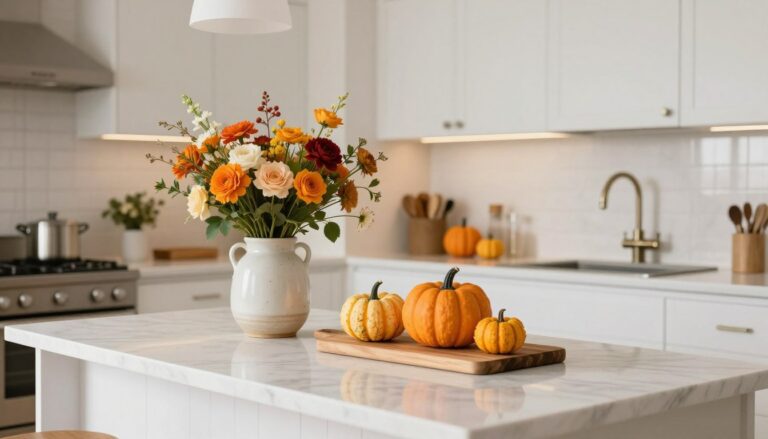
Embrace autumn’s natural warmth with seasonal elements that deepen your kitchen’s cozy character.
- Add deeper rust and burgundy accents
- Display gourds and seasonal branches
- Layer additional textiles and rugs
- Increase warm lighting for shorter days
Winter Maximization
Double down on warmth during cold months when kitchen becomes a refuge.
- Add heavier textiles and layered lighting
- Display warm beverages in attractive containers
- Increase candles for ambient warmth
- Keep spaces fully lit during dark mornings
Common Mistakes to Avoid
Understanding pitfalls helps you maintain your warm aesthetic effectively. These common errors undermine otherwise successful warm kitchen designs.
- Don’t introduce cool toned elements that fight your warm palette
- Avoid over styling that makes the space feel like a showroom rather than home
- Don’t neglect maintenance that allows materials to deteriorate
- Avoid cluttering surfaces with too many decorative items
- Don’t mix too many different wood tones that create visual confusion
- Avoid harsh overhead lighting that washes out warm tones
- Don’t forget about how your kitchen connects to adjacent spaces
Creating Your Warm Kitchen Sanctuary
A warm kitchen aesthetic transforms a functional room into the true heart of your home. The six secrets outlined in this guide provide a comprehensive framework for achieving this transformation. Natural wood elements, layered warm lighting, earth-tone colors, varied textures, organic decor, and balanced storage work together to create spaces that naturally draw people in.
Implementation doesn’t require perfection or complete renovation. Start with changes that resonate most strongly with your vision and budget. Each improvement builds momentum and brings you closer to the warm, inviting kitchen you envision.
Remember that the warmest kitchens evolve over time. They accumulate meaningful objects, develop character through use, and adapt to changing seasons and needs. Your kitchen’s warmth ultimately comes from the life you live within it—the meals prepared, conversations shared, and memories created around this gathering space.
The effort invested in creating warmth pays dividends daily. You’ll notice family members lingering longer over morning coffee. Friends will gravitate naturally to your kitchen during gatherings. The space becomes more than a place to prepare food; it becomes a sanctuary where people connect, relax, and feel genuinely at home.
Transform Your Kitchen with Professional Design Guidance
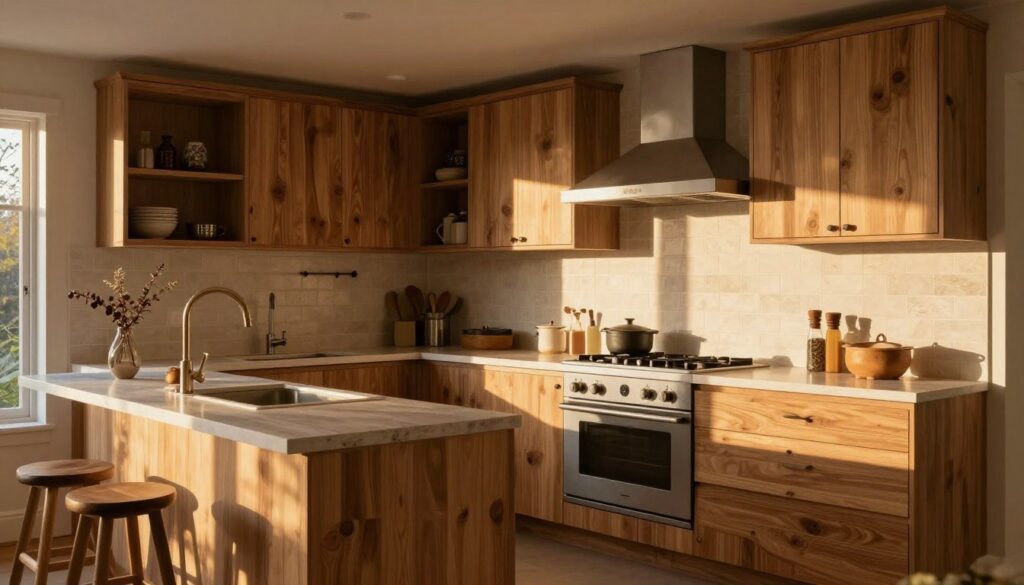
Ready to create the warm, inviting kitchen you’ve been dreaming about? Our interior design experts specialize in crafting kitchens that balance beauty with functionality. We’ll help you implement these six secrets in ways that perfectly suit your space, style, and budget.
- Personalized design consultation tailored to your specific kitchen
- Material selection guidance ensuring warmth and durability
- Lighting design creating the perfect ambiance
- Shopping assistance finding the right pieces within your budget
- Implementation support from concept through completion