
This design approach celebrates organic forms and natural materials. It honors the past without sacrificing present-day conveniences. Your kitchen can showcase retro charm alongside cutting-edge appliances and finishes.
These seven ideas demonstrate how vintage modern kitchen design balances nostalgia with sophistication. Each concept offers practical inspiration for creating a space that reflects your personal style while maximizing everyday usability.
Design Tip: Start your vintage modern kitchen transformation by identifying one signature mid-century element as your focal point, then build complementary contemporary features around it.
1. Warm Walnut Cabinetry with Geometric Backsplash Tiles
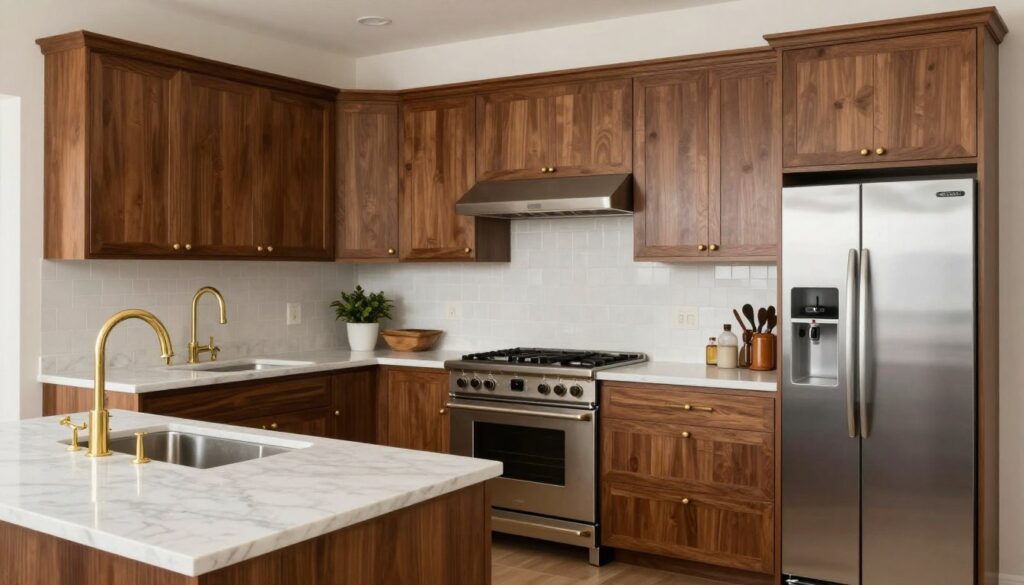
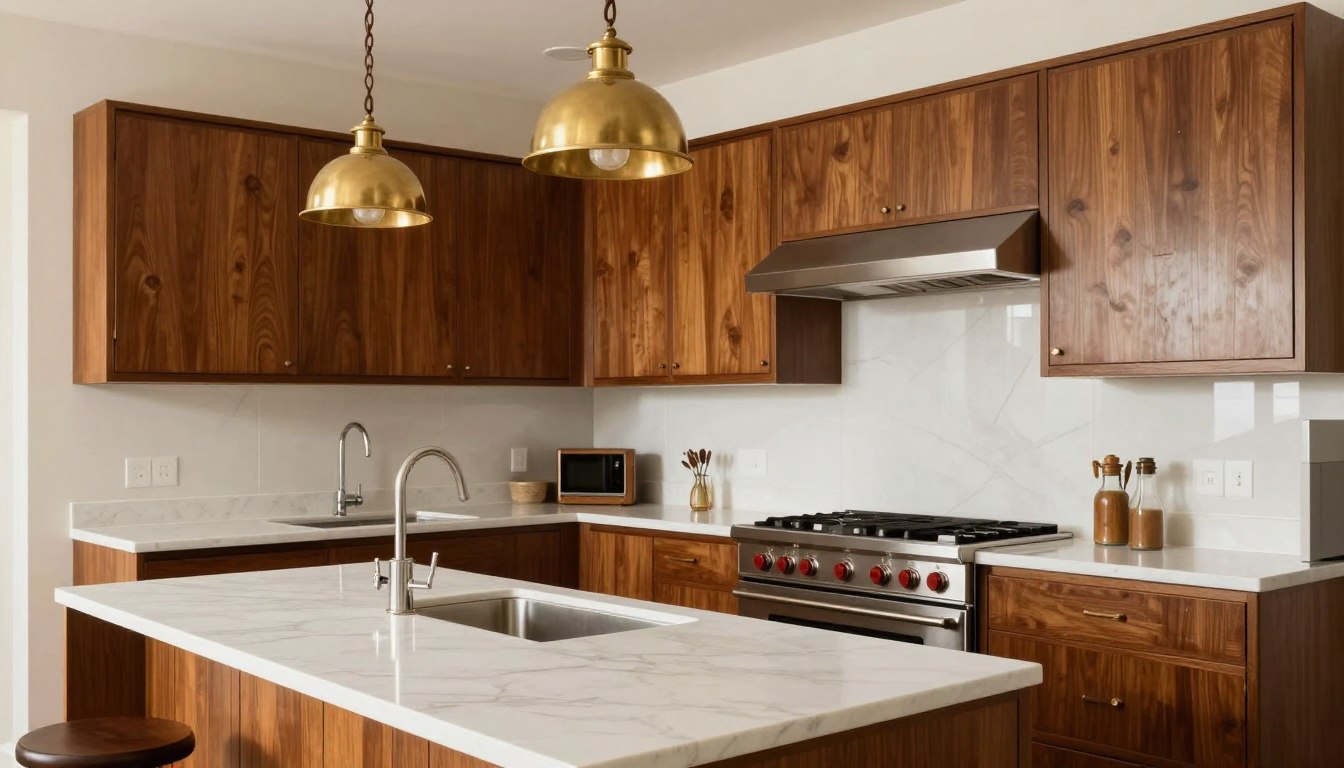
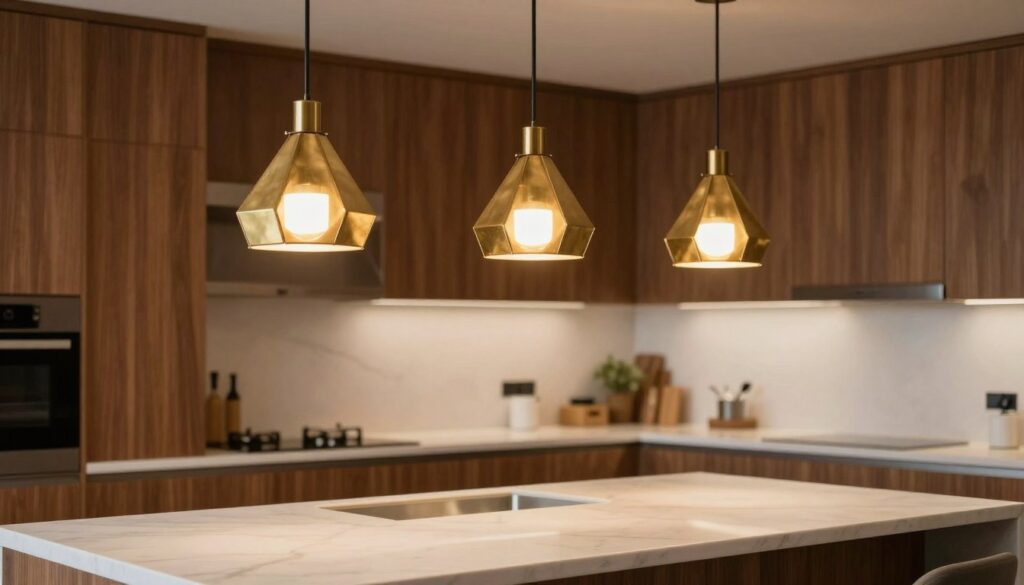
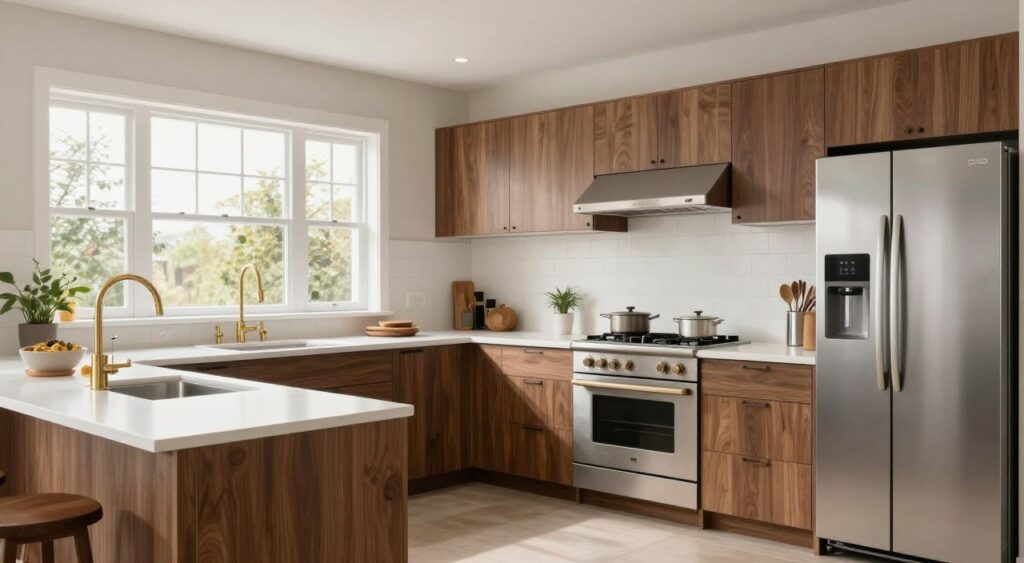
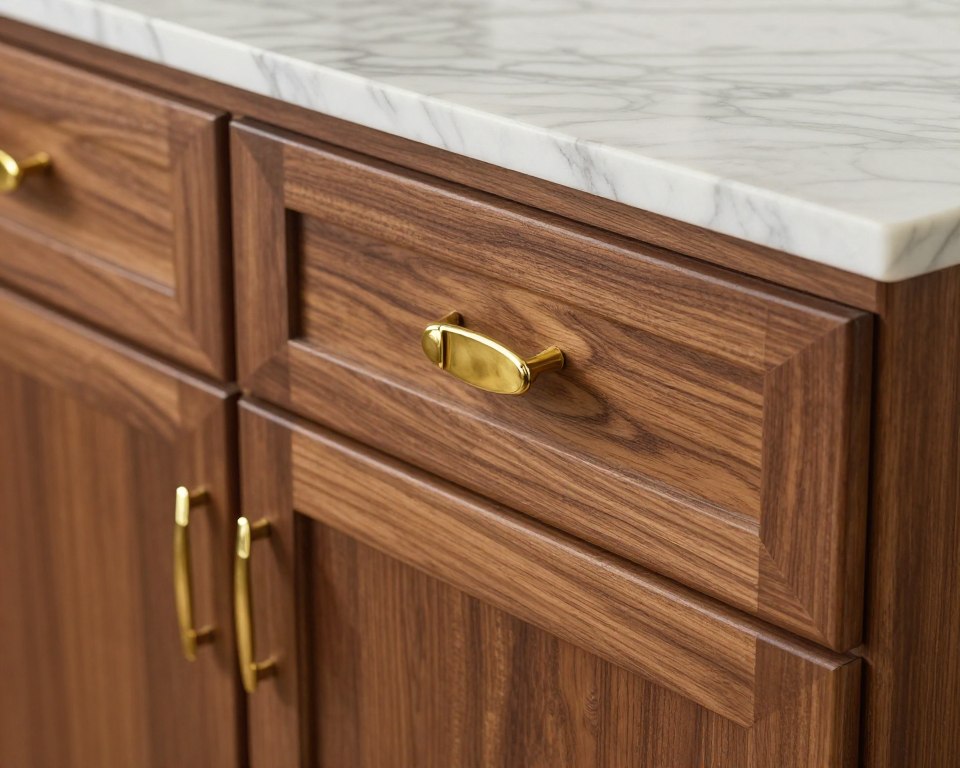
Walnut wood cabinets anchor this vintage modern kitchen design with their rich, organic tones. The natural grain patterns create visual interest without overwhelming the space. Cabinet doors feature clean lines and minimal hardware that honor mid-century simplicity.
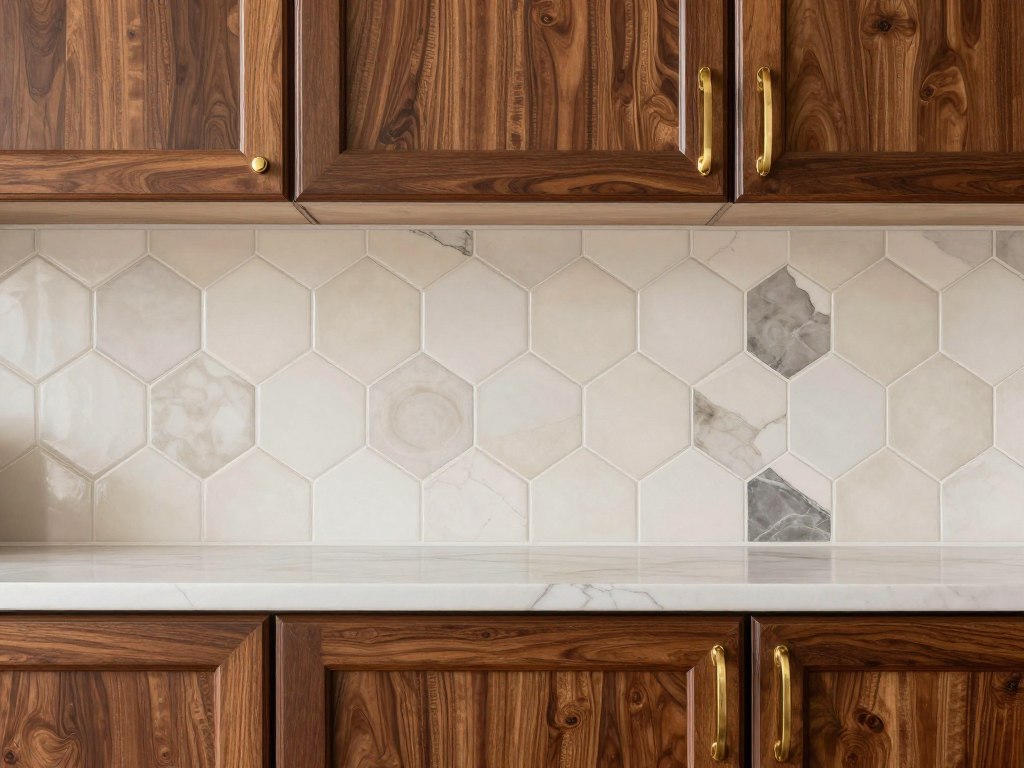
Geometric backsplash tiles provide a striking contrast against the warmth of wood. Hexagonal or diamond-shaped tiles in cream and charcoal tones add modern sophistication. This combination creates depth while maintaining visual balance throughout the room.
Color Palette and Material Selection
The color scheme centers on warm neutrals. Walnut cabinets range from honey to chocolate tones depending on the wood finish. White or light gray walls brighten the space while allowing the cabinetry to take center stage.
Countertops in white quartz or marble provide luminous surfaces for food preparation. Brass or brushed gold fixtures add vintage glamour. Stainless steel appliances integrate seamlessly without disrupting the retro aesthetic.
Key Design Elements
- Flat-panel walnut cabinet doors with horizontal grain
- Geometric tile backsplash in complementary tones
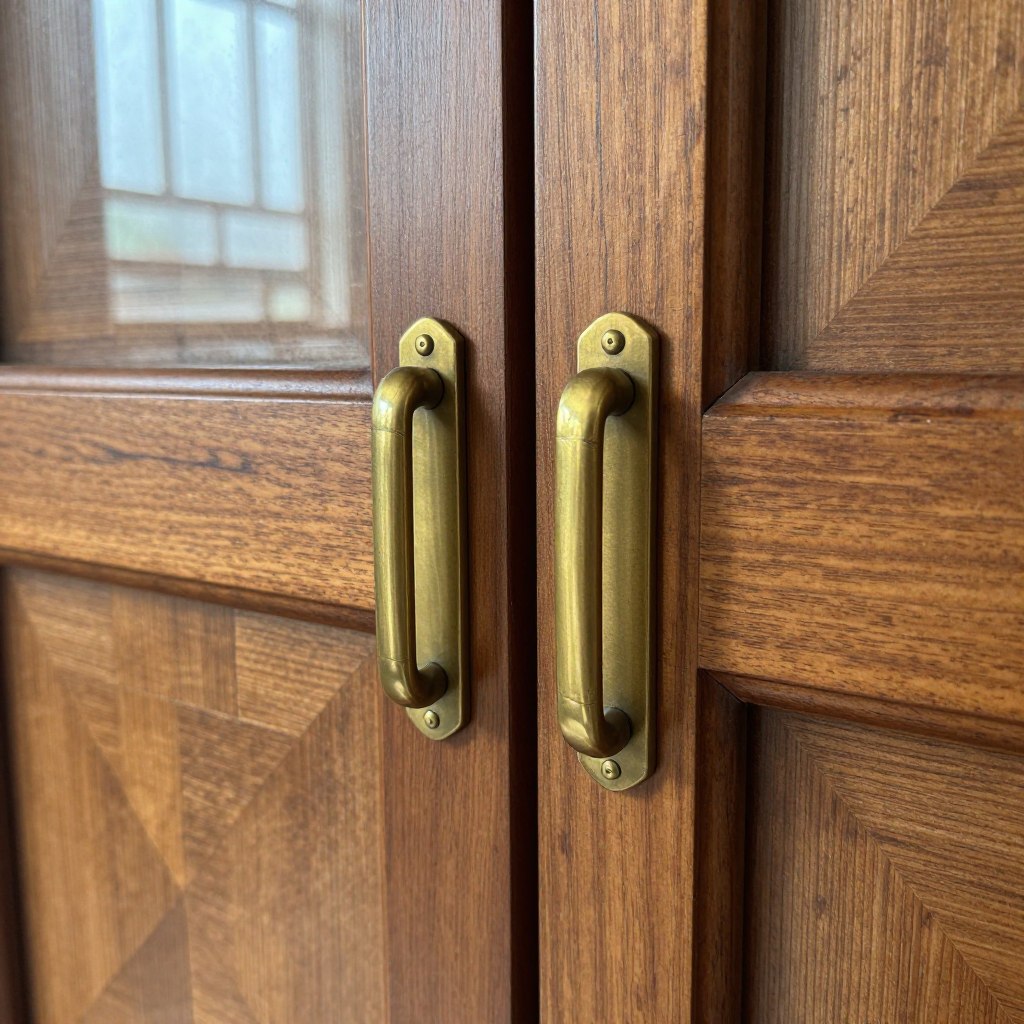
- Brass cup pulls and knobs for authentic vintage touch
- Open shelving sections to break up solid cabinetry
- Integrated appliances that preserve clean lines
Lighting and Fixture Recommendations
Pendant lights with brass or copper finishes hang above the kitchen island. Globe or cone-shaped shades reference mid-century design while providing task lighting. Under-cabinet LED strips illuminate countertops without visible fixtures.
A statement chandelier or multi-light pendant serves as a focal point above dining areas. Natural light enhances the warmth of wood tones throughout the day. Dimmer switches allow you to adjust ambiance for different activities and times.
2. Two Tone Cabinetry with Terrazzo Countertops
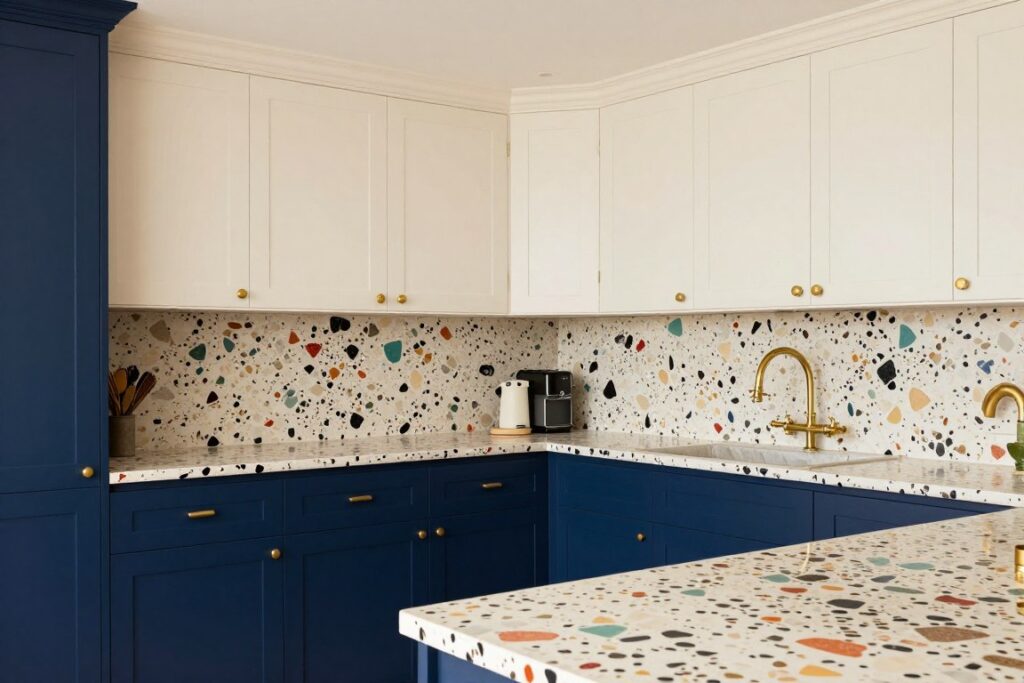
Two-tone cabinetry brings visual excitement to vintage modern kitchen spaces. Lower cabinets in deep navy or forest green ground the design while upper cabinets in cream or white create an airy feel. This approach recalls mid-century color experimentation with contemporary restraint.
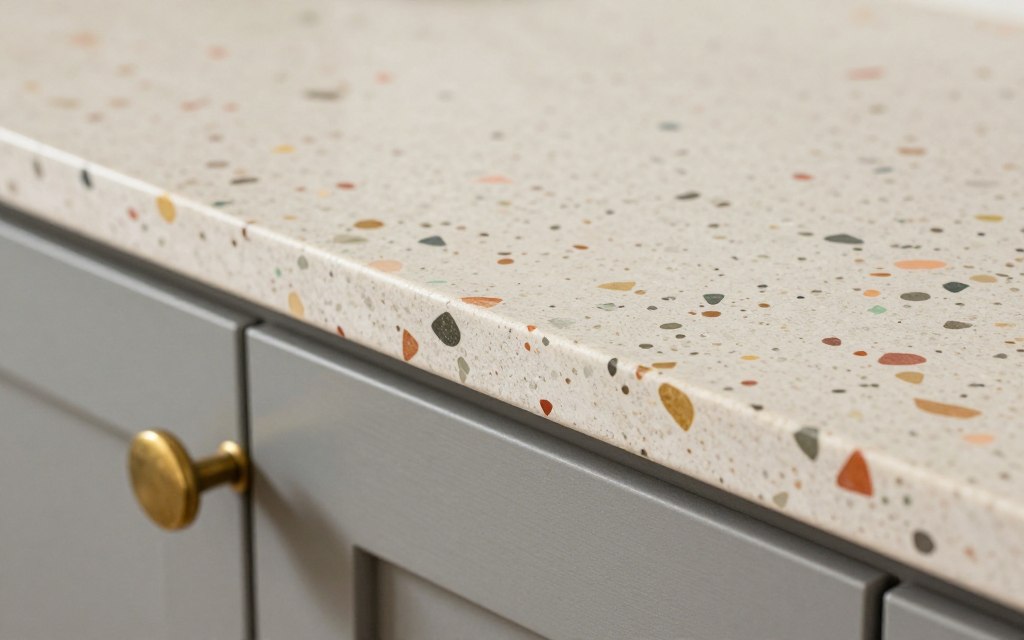
Terrazzo countertops deliver both nostalgia and durability. The speckled surface combines chips of marble, granite, or glass in a cement base. Modern terrazzo features larger aggregate pieces and bold color combinations that make stunning focal points.
Creating Balance with Color
The darker lower cabinets provide weight and grounding. They hide scuffs and wear better than lighter options in high-traffic areas. Upper cabinets in lighter tones prevent the space from feeling heavy or closed-in.
Terrazzo countertops bridge both cabinet colors through their multi-hued composition. Choose terrazzo that incorporates shades from both cabinet tones plus one accent color. This creates cohesion throughout the kitchen design.
Material and Finish Combinations
- Lower cabinets: Matte navy paint with soft close mechanisms
- Upper cabinets: Cream lacquer finish for reflective quality
- Countertops: Custom terrazzo with brass, gray, and white chips
- Hardware: Mixed metals combining brass and chrome
- Flooring: Light oak or white oak in wide planks
Hardware and Accent Details
Cabinet hardware plays a crucial role in two-tone designs. Brass T-bar pulls on lower cabinets create vintage elegance. Simple knobs on upper cabinets maintain visual lightness without competing for attention.
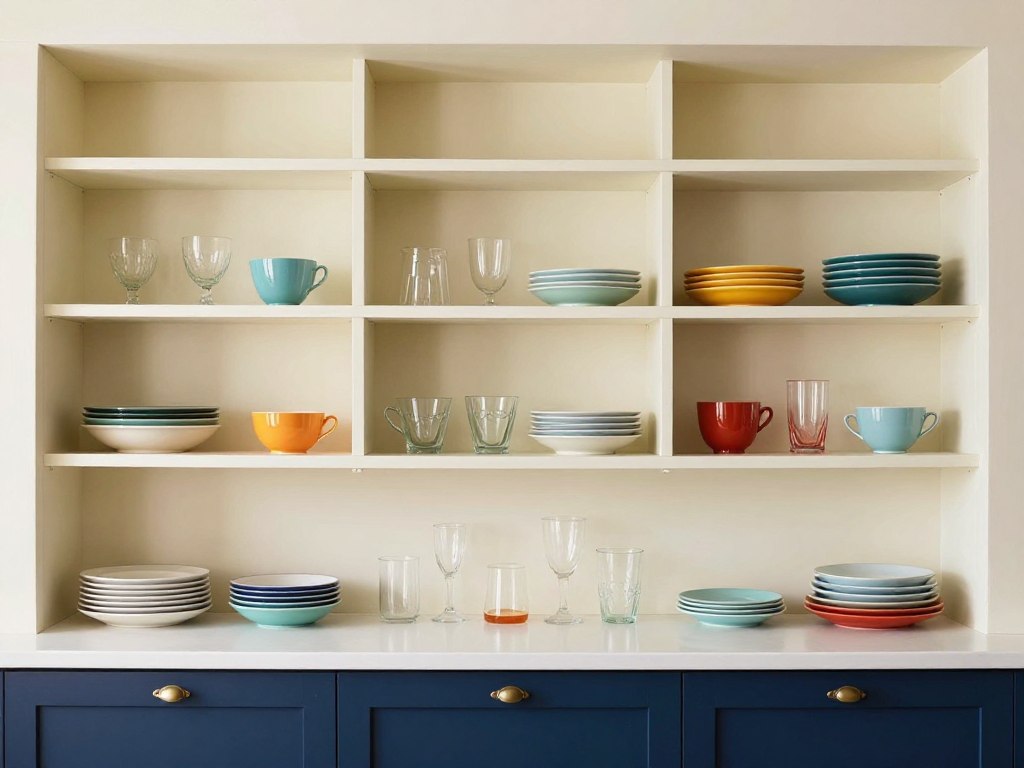
Open shelving sections in the upper cabinet area display colorful dishware. The terrazzo countertops extend up the wall as backsplash material for a seamless look. Glass-front cabinet doors on select uppers add dimension and break up solid surfaces.
3. Streamlined White Kitchen with Natural Wood Accents
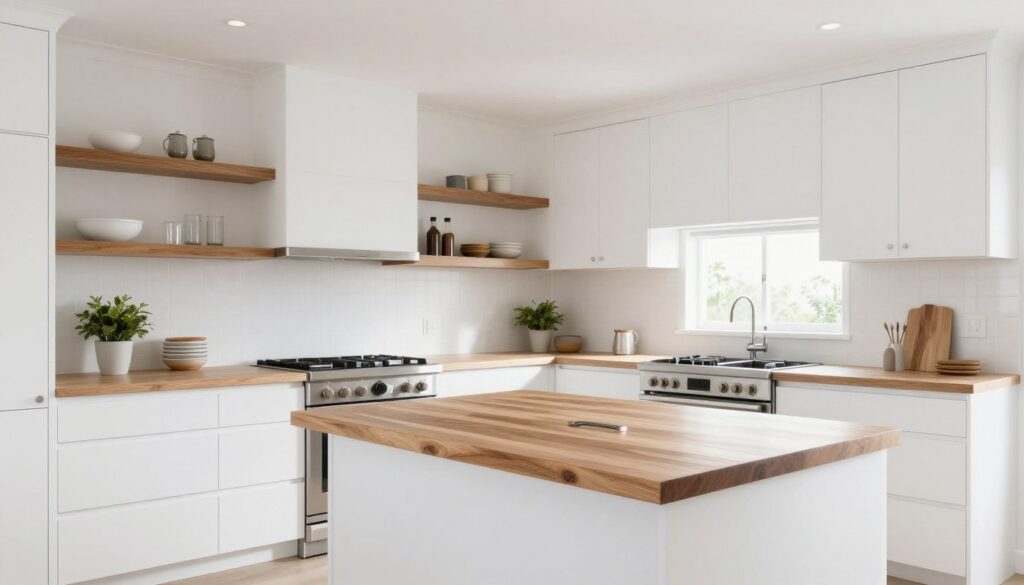
All-white cabinetry provides a clean canvas for vintage modern kitchen design. Flat-panel doors without visible hinges create sleek surfaces that reference mid-century minimalism. The brightness opens up smaller spaces and reflects natural light beautifully.
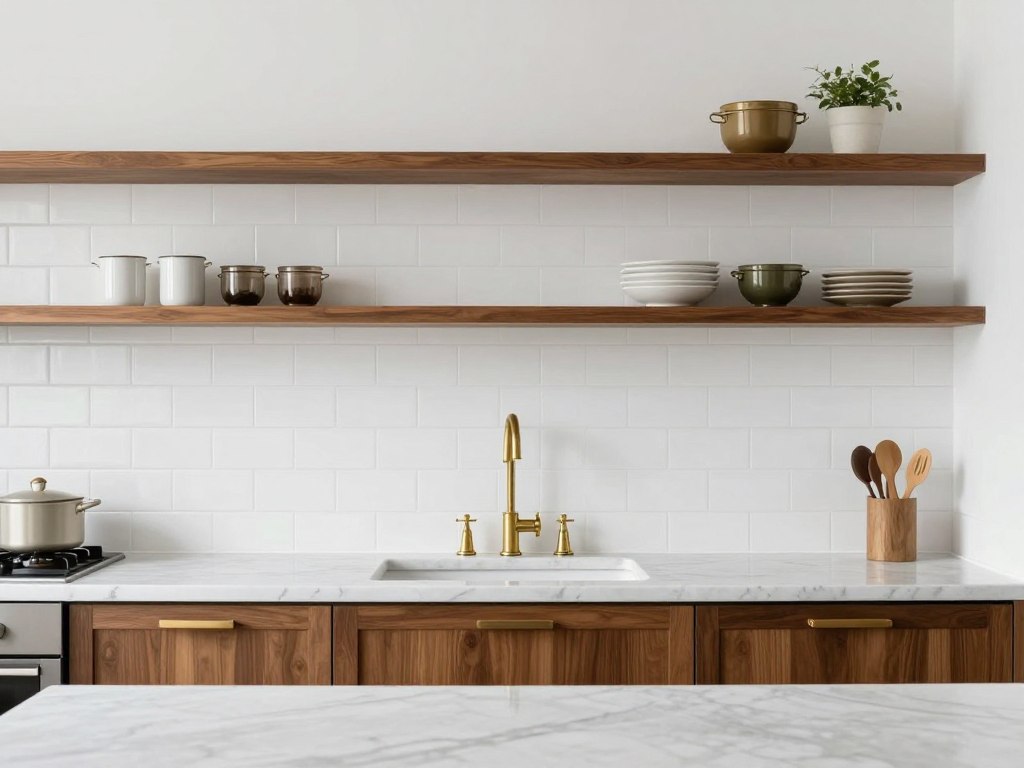
Natural wood elements prevent the white kitchen from feeling sterile. A wood island countertop adds warmth and texture. Floating shelves in walnut or oak display everyday items while introducing organic tones that soften the crisp white palette.
Balancing White and Wood Elements
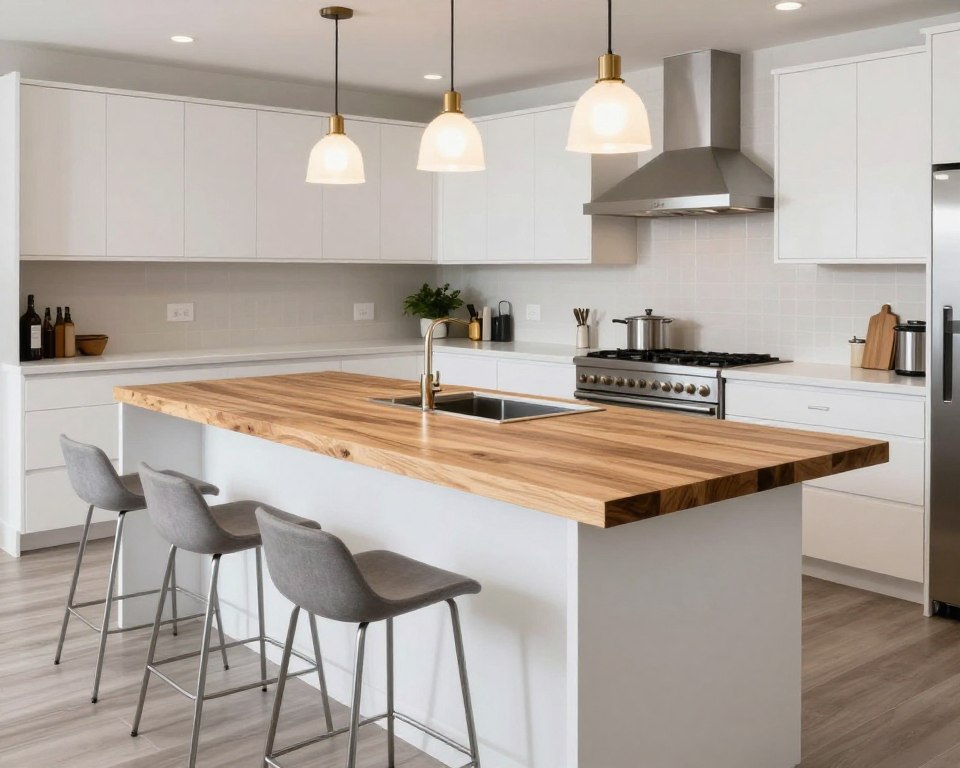
The kitchen island becomes a focal point with its contrasting wood surface. Butcher block or live-edge wood countertops showcase natural grain patterns. This surface provides a functional workspace while serving as the room’s warm centerpiece.
Wood floors in light to medium tones ground the space without overwhelming the design. Wide-plank flooring in white oak or ash adds subtle texture underfoot. The floor color should be lighter than the island wood to maintain visual hierarchy.
Essential White Kitchen Features
- High gloss white cabinets for reflective quality
- Integrated appliances that disappear into cabinetry
- Butcher block or live-edge island countertop
- Walnut floating shelves for warm contrast
- Minimal hardware in brushed nickel or chrome
- White subway tile or slab backsplash
Texture and Pattern Integration
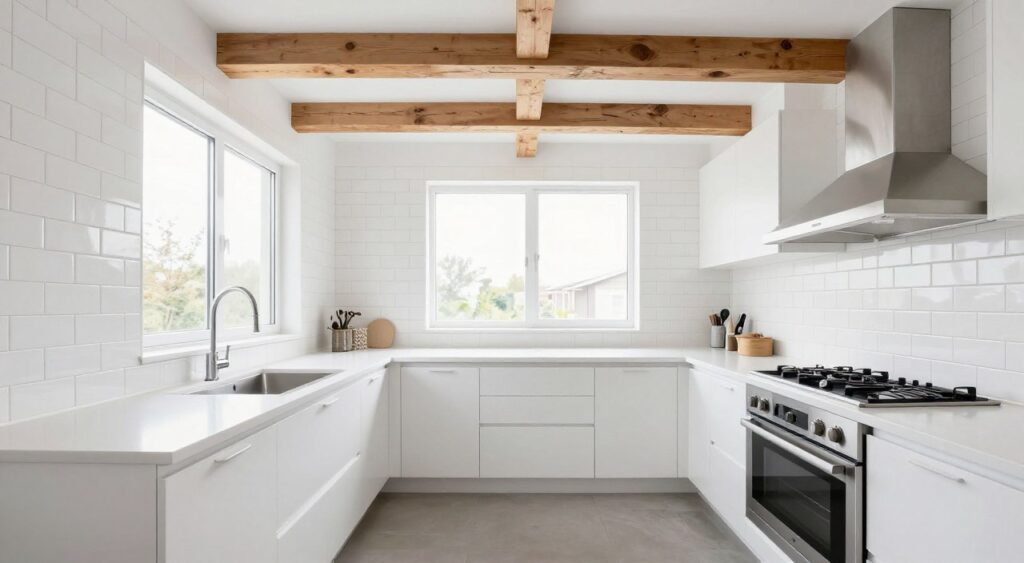
Texture becomes especially important in monochromatic white kitchens. Subway tile backsplash in a vertical stack pattern adds dimension. Matte white tiles contrast beautifully with glossy cabinet surfaces.
Wood ceiling beams painted white or left natural draw the eye upward. They reference mid-century architectural details while adding visual interest to the fifth wall. This element works particularly well in kitchens with higher ceilings.
4. Olive Green Cabinets with Statement Brass Fixtures
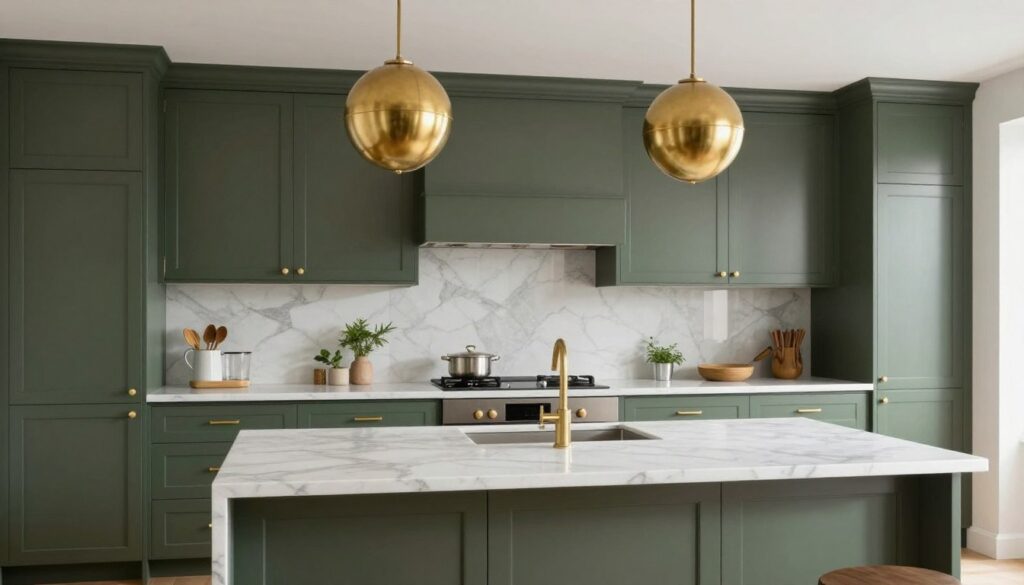
Olive green cabinetry brings vintage sophistication to modern kitchen spaces. This muted earth tone recalls mid-century color palettes while feeling fresh and current. The shade works beautifully in both small galley kitchens and expansive open layouts.
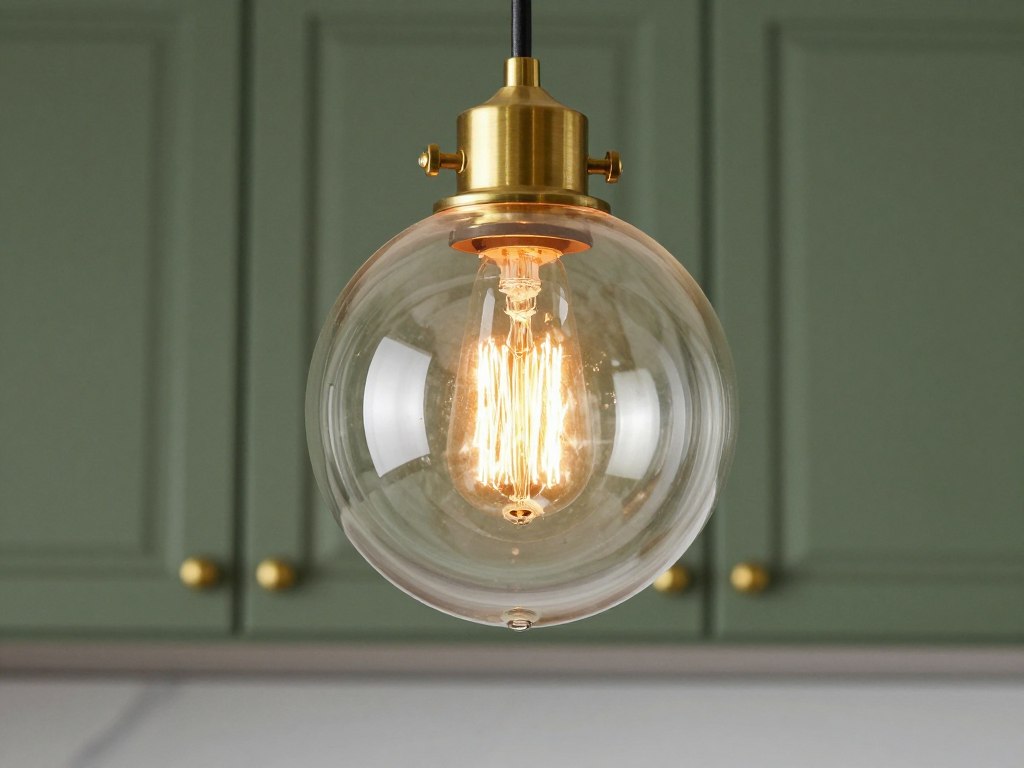
Brass fixtures and hardware amplify the vintage aesthetic. Oversized brass pendant lights create dramatic focal points above islands or dining tables. The warm metallic finish complements green tones while adding luxurious shine throughout the space.
Color Coordination and Material Pairings
White or cream marble countertops provide elegant contrast against olive cabinets. The veining in marble adds movement and visual interest. Alternatively, light colored quartz offers similar aesthetics with easier maintenance requirements.
Backsplash tiles in white, cream, or soft gray keep the focus on cabinetry color. A simple subway tile or slab backsplash prevents visual competition. Natural wood floors in lighter tones balance the richness of green cabinets.
Olive Green Kitchen Specifications
- Cabinet color: Sage or olive green in matte finish
- Hardware: Aged brass or brushed gold pulls and knobs
- Countertops: White Carrara or Calacatta marble
- Backsplash: White ceramic tile or matching marble slab
- Flooring: Light oak or maple in natural finish
- Lighting: Brass pendant lights with clear glass shades
Lighting as Statement Elements
Oversized brass pendant lights serve dual purposes as illumination and art. Globe fixtures with clear glass allow visibility of vintage-style filament bulbs. Multiple pendants in graduated sizes create a sculptural installation above kitchen islands.
Under-cabinet lighting ensures adequate task illumination for food preparation. Warm LED strips enhance the golden undertones in brass fixtures. Wall sconces flanking windows or open shelving add layered light throughout the room.
Bringing in Natural Elements
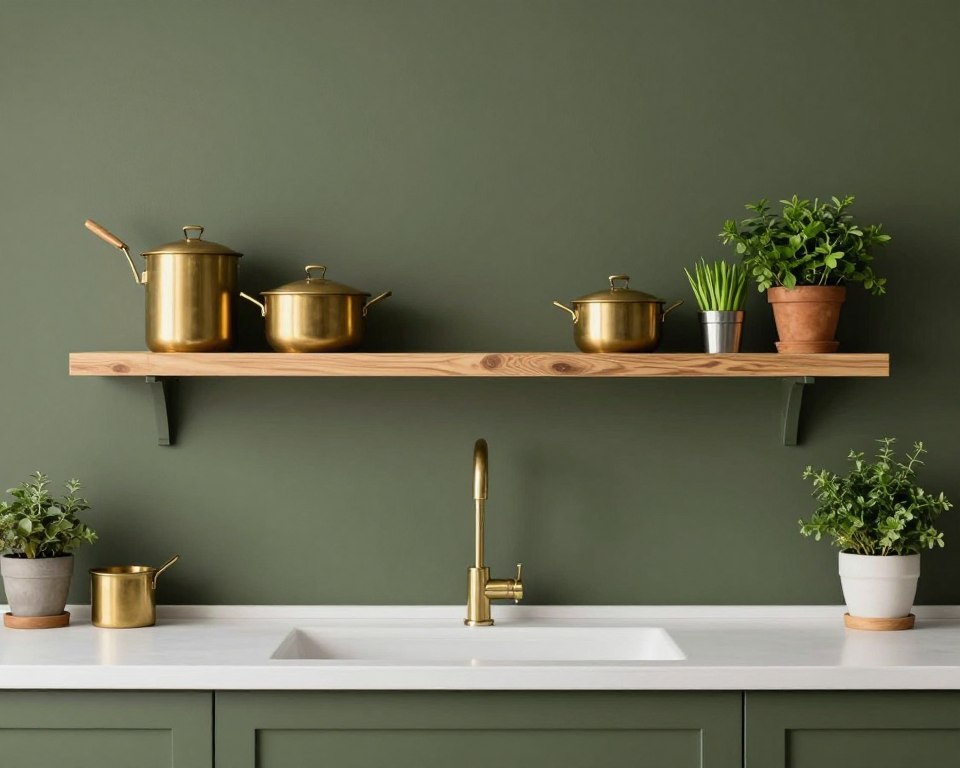
Open shelving in natural wood breaks up solid runs of green cabinetry. Display brass cookware, copper pots, or cream-colored ceramics on these shelves. The mix of materials creates depth and prevents the green from feeling monotonous.
Plants and greenery enhance the organic feel of olive-toned kitchens. Potted herbs on countertops or hanging plants near windows bring life to the space. Their varied green shades complement cabinet colors while adding natural texture.
5. Retro Style Appliances with Contemporary Cabinetry
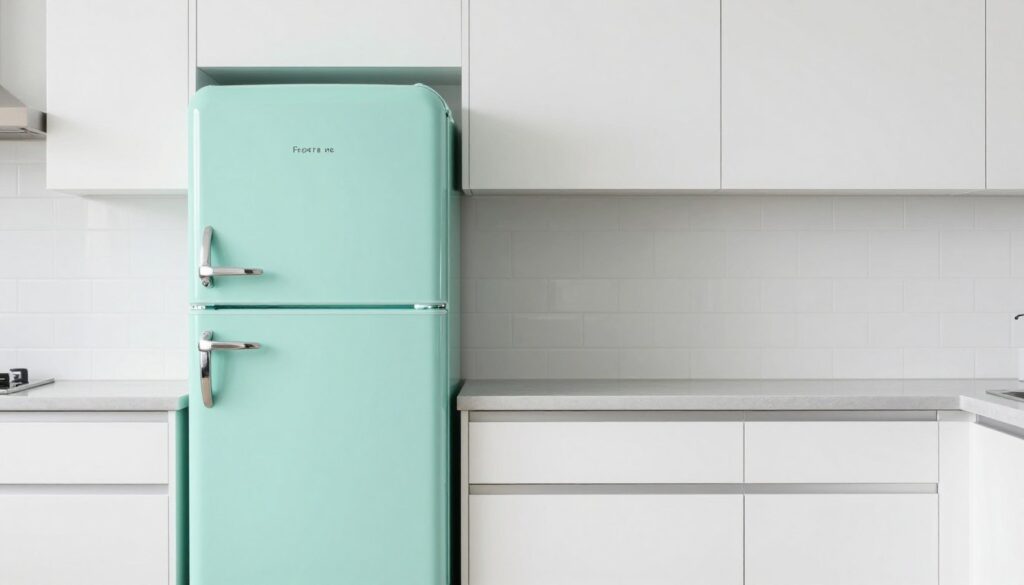
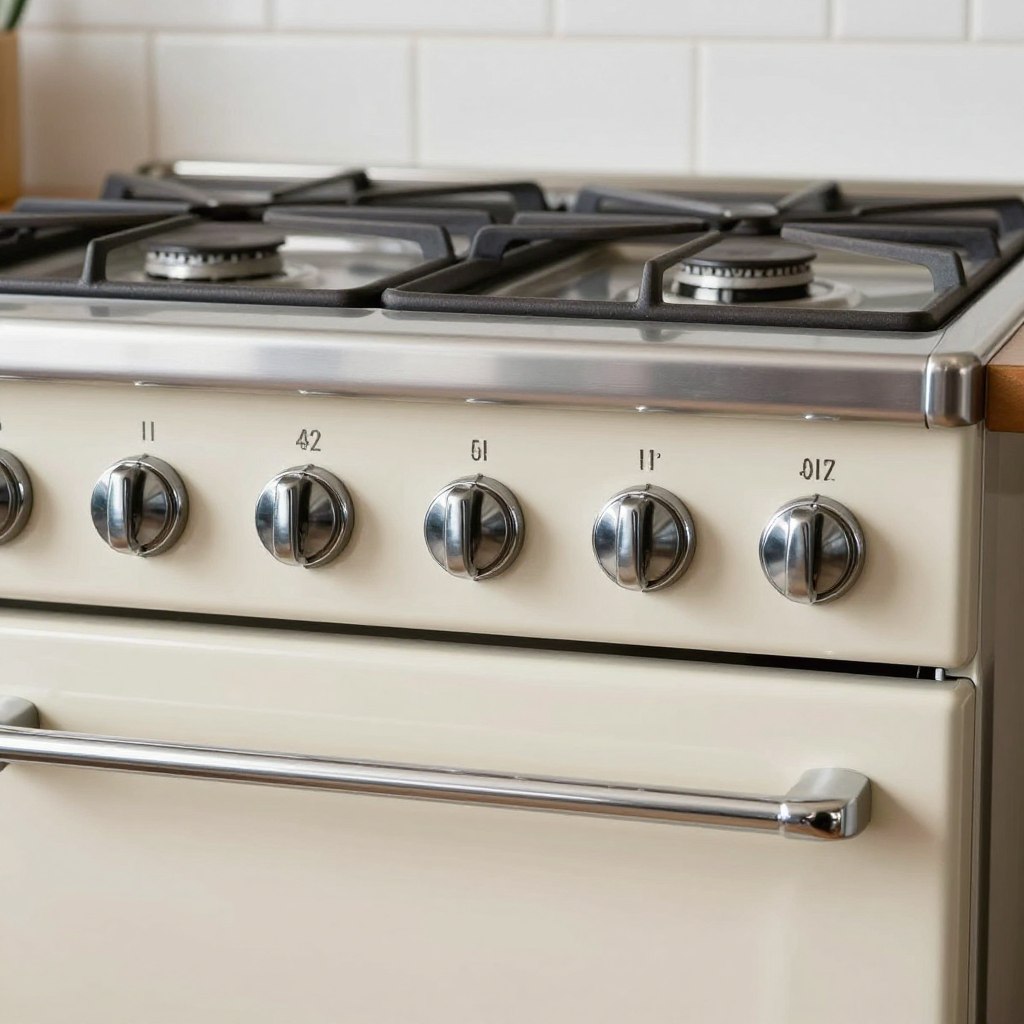
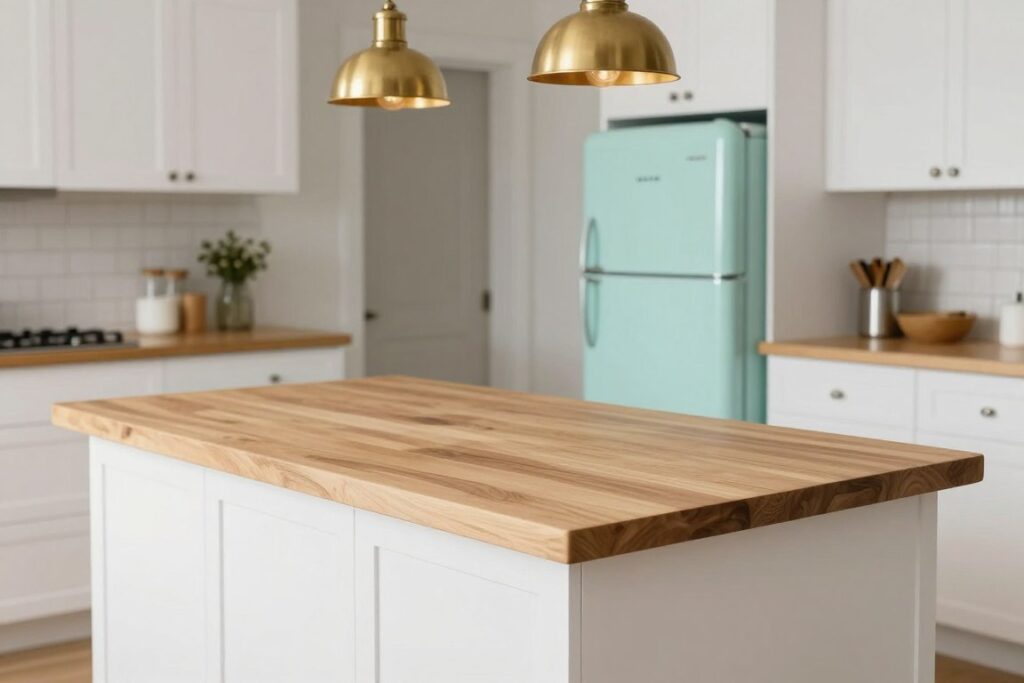
Retro appliances serve as instant focal points in vintage modern kitchen designs. Brands offer refrigerators, ranges, and dishwashers with rounded corners and chrome details that recall mid-century aesthetics. These appliances combine nostalgic styling with current energy efficiency and features.
Contemporary flat-panel cabinetry provides a neutral backdrop for statement appliances. Simple cabinet doors in white, gray, or natural wood allow colorful retro appliances to shine. This approach balances vintage charm with modern sophistication.
Appliance Selection and Color Choices
Retro appliances come in various colors that reference different mid-century eras. Mint green and robin’s egg blue recall 1950s optimism. Burnt orange and avocado green represent 1970s earthiness. Black or cream options provide more subdued vintage appeal.
Coordinate appliance color with other kitchen elements for cohesion. A mint refrigerator pairs beautifully with brass fixtures and warm wood tones. Black retro appliances create drama against white cabinets and marble countertops.
Retro Appliance Integration Tips
- Choose one major retro appliance as the focal point
- Match smaller appliances to the same color family
- Balance curved appliance lines with angular cabinetry
- Select appliances with modern features inside vintage exteriors
- Coordinate appliance hardware with cabinet fixtures
- Consider scale retro appliances often appear larger
Cabinetry and Countertop Coordination
Keep cabinetry simple to avoid competing with retro appliances. Flat-panel or shaker-style doors work best. Hardware should be minimal – consider integrated pulls or simple knobs that do not draw excessive attention.
Countertops in neutral materials allow appliances to remain the stars. White quartz or light gray concrete provides clean work surfaces. Wood countertops on islands add warmth without overwhelming the vintage appliance aesthetic.
Coordinating Smaller Appliances and Accessories
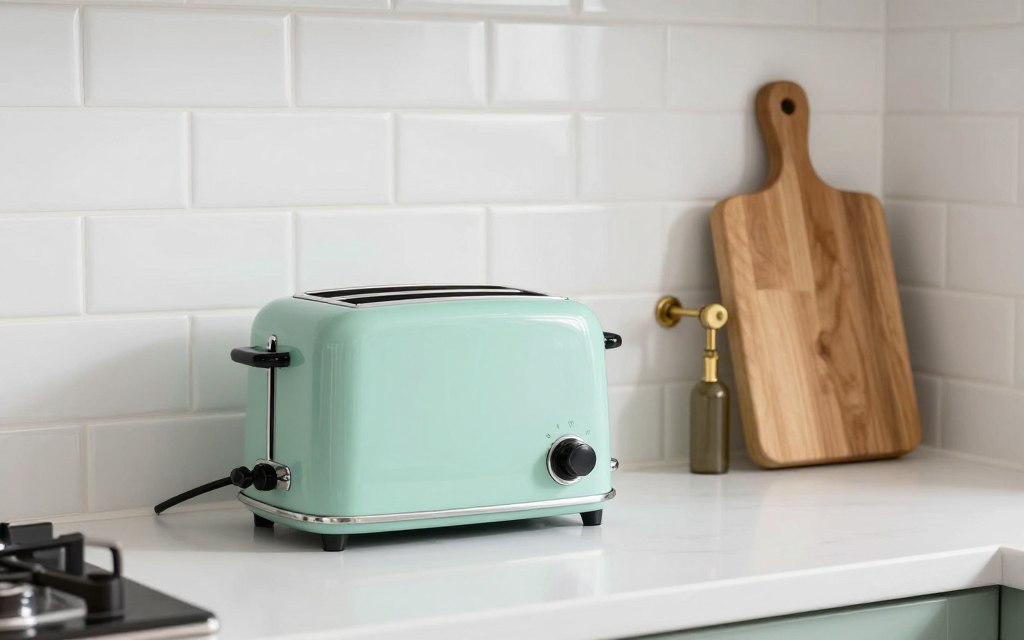
Small appliances in matching retro styles complete the vintage modern look. Toasters, mixers, and kettles are available in complementary colors and designs. Display these on open shelves or countertops as functional decor.
Balance is key when incorporating multiple retro elements. If your major appliances make bold color statements, choose neutral tones for walls and cabinets. This prevents the kitchen from feeling theme-park-like rather than genuinely stylish.
6. Open Shelving with Minimalist Design Principles
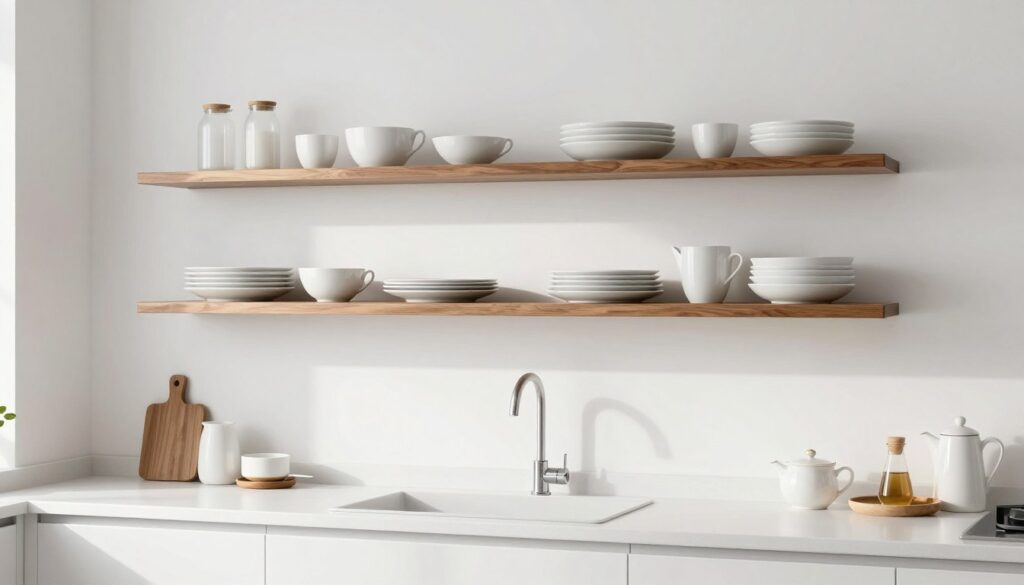
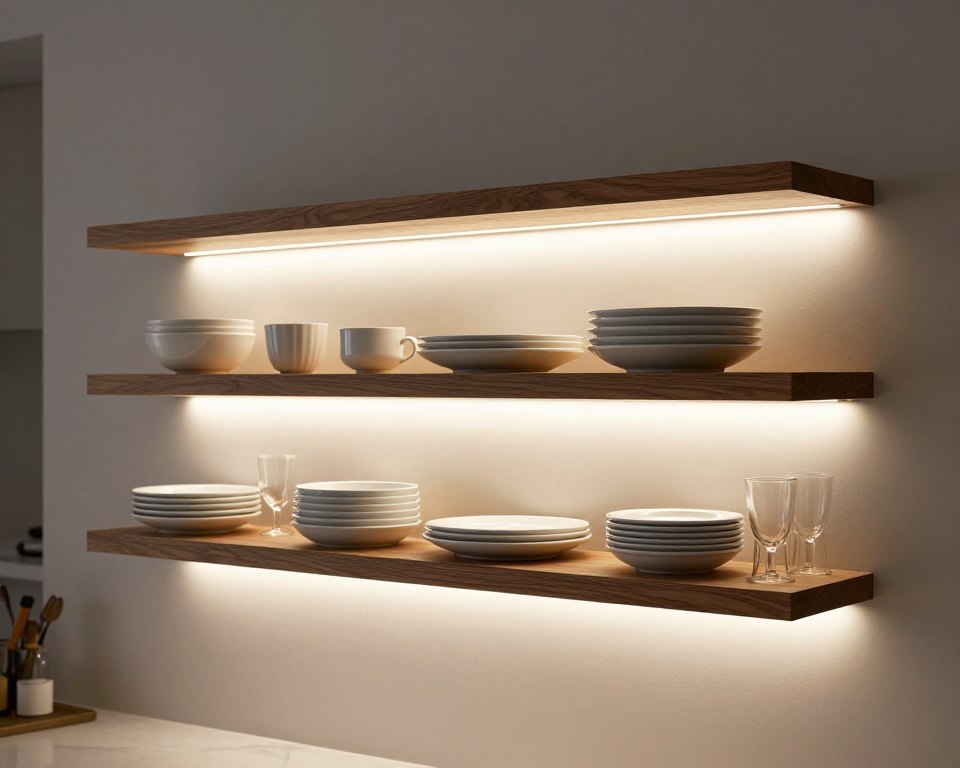
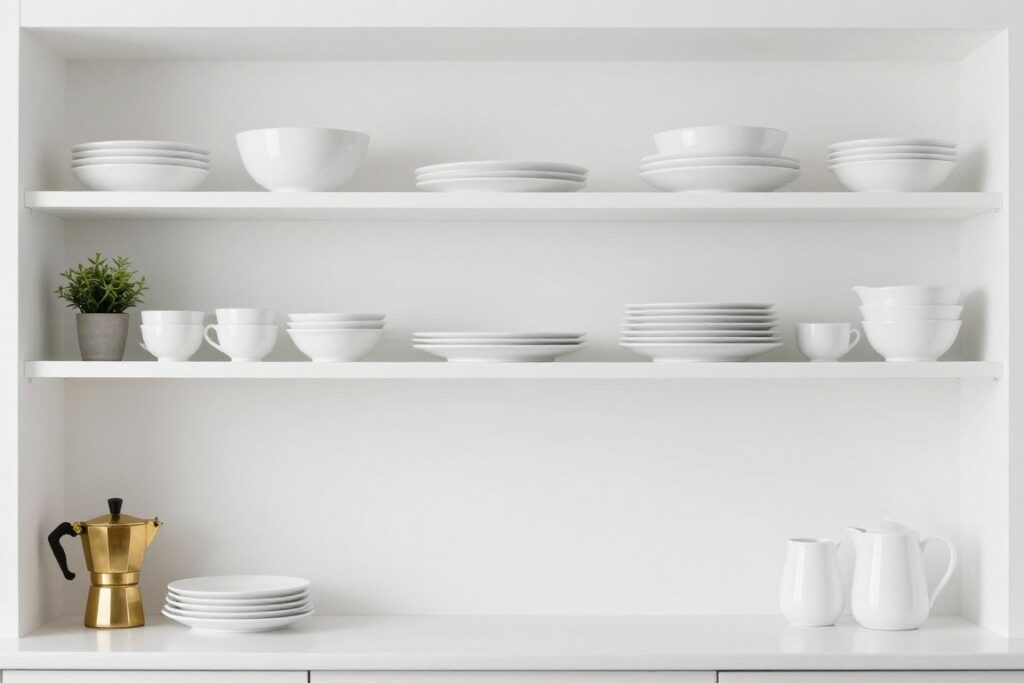
Open shelving embodies mid-century modern philosophy of functional simplicity. Floating shelves in natural wood or painted finishes replace some upper cabinets. This approach creates visual lightness while displaying beautiful dishware, glassware, and kitchen essentials.
Minimalist design principles keep the look clean and intentional. Each item on display serves a purpose or brings aesthetic value. The combination of openness and restraint characterizes the best vintage modern kitchen spaces.
Strategic Shelf Placement and Styling
Replace upper cabinets with open shelves on one wall to maintain storage elsewhere. This provides the aesthetic benefits of openness without sacrificing too much concealed storage space. Position shelves above primary work areas for easy access to frequently used items.
Style shelves with a curated selection of everyday items. White or cream dishes create a cohesive look. Add visual interest with occasional colored ceramics in vintage-inspired hues like mustard yellow or rust orange.
Styling Guidelines
- Group similar items together
- Vary heights for visual interest
- Leave negative space between groupings
- Display items you actually use
Material Choices
- Solid wood for warmth
- Metal brackets for industrial edge
- Painted shelves to match walls
- Live edge wood for organic feel
Maintenance Tips
- Dust shelves weekly
- Rotate displayed items seasonally
- Clean dishes before returning to shelves
- Protect wood with food-safe sealant
Balancing Open and Closed Storage
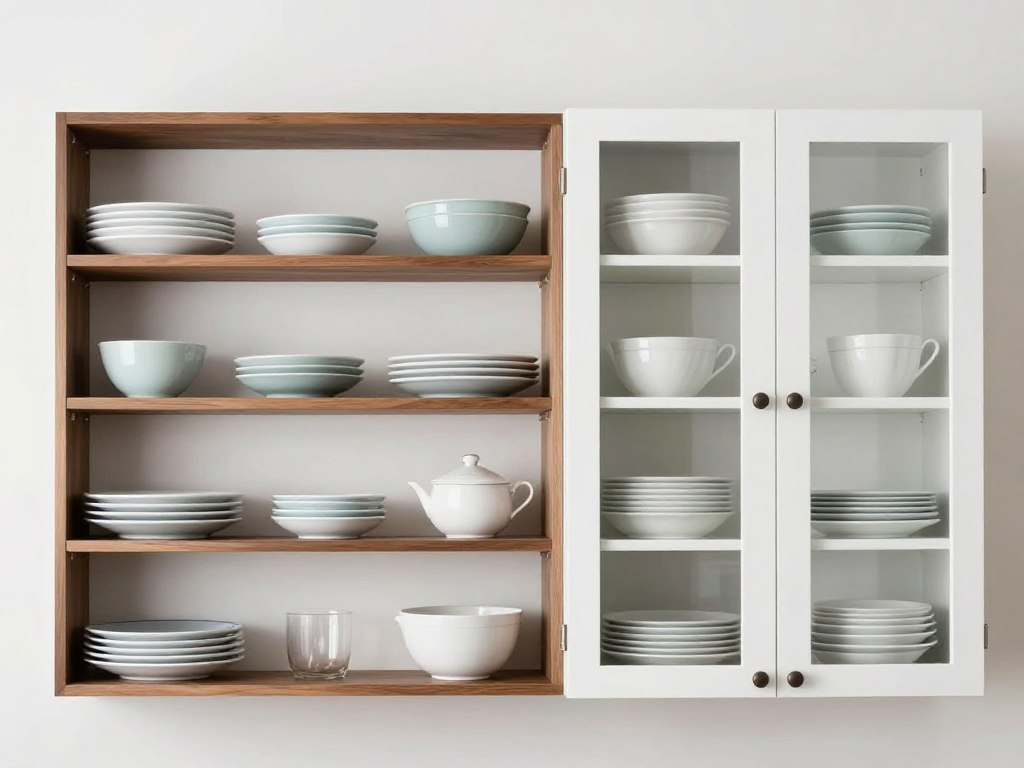
Combine open shelving with closed lower cabinets for practical storage solutions. Lower cabinets hide less attractive items like cleaning supplies and small appliances. This division maintains the clean aesthetic while providing necessary functionality.
Consider glass-front upper cabinets in areas where open shelving feels too exposed. Glass doors protect items from dust while still allowing visual display. This compromise works well for homeowners who love the look but worry about maintenance.
Lighting Considerations for Open Shelving
Illuminate open shelves to showcase displayed items and add ambiance. LED strip lights mounted under each shelf provide even illumination. This lighting also serves as task light for countertops below.
Alternatively, wall mounted sconces flanking open shelving create a gallery like effect. Choose fixtures with brass or black finishes that complement your overall kitchen design. Dimmer switches allow you to adjust the lighting for different times of day.
7. Patterned Floor Tiles with Neutral Upper Elements
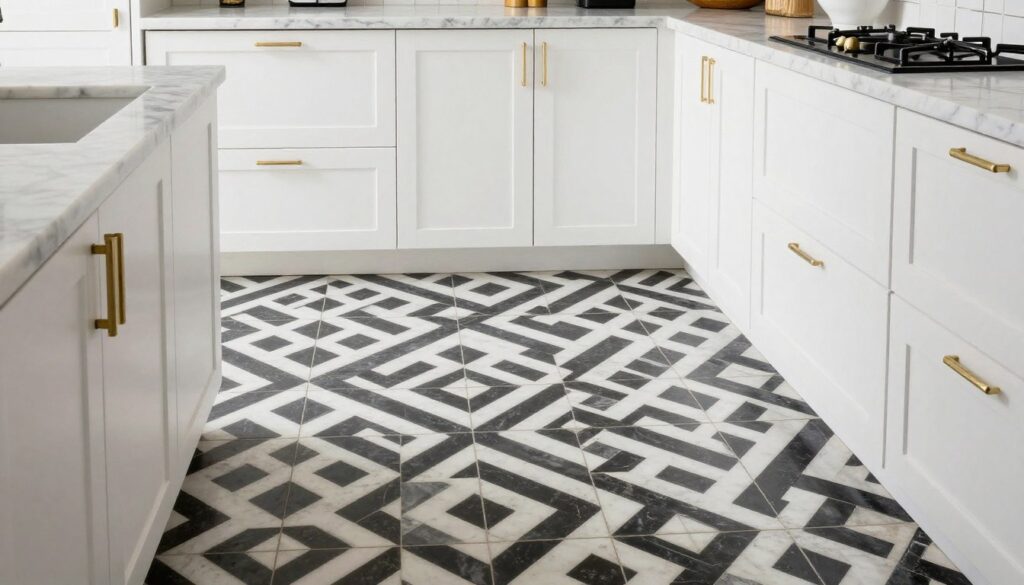
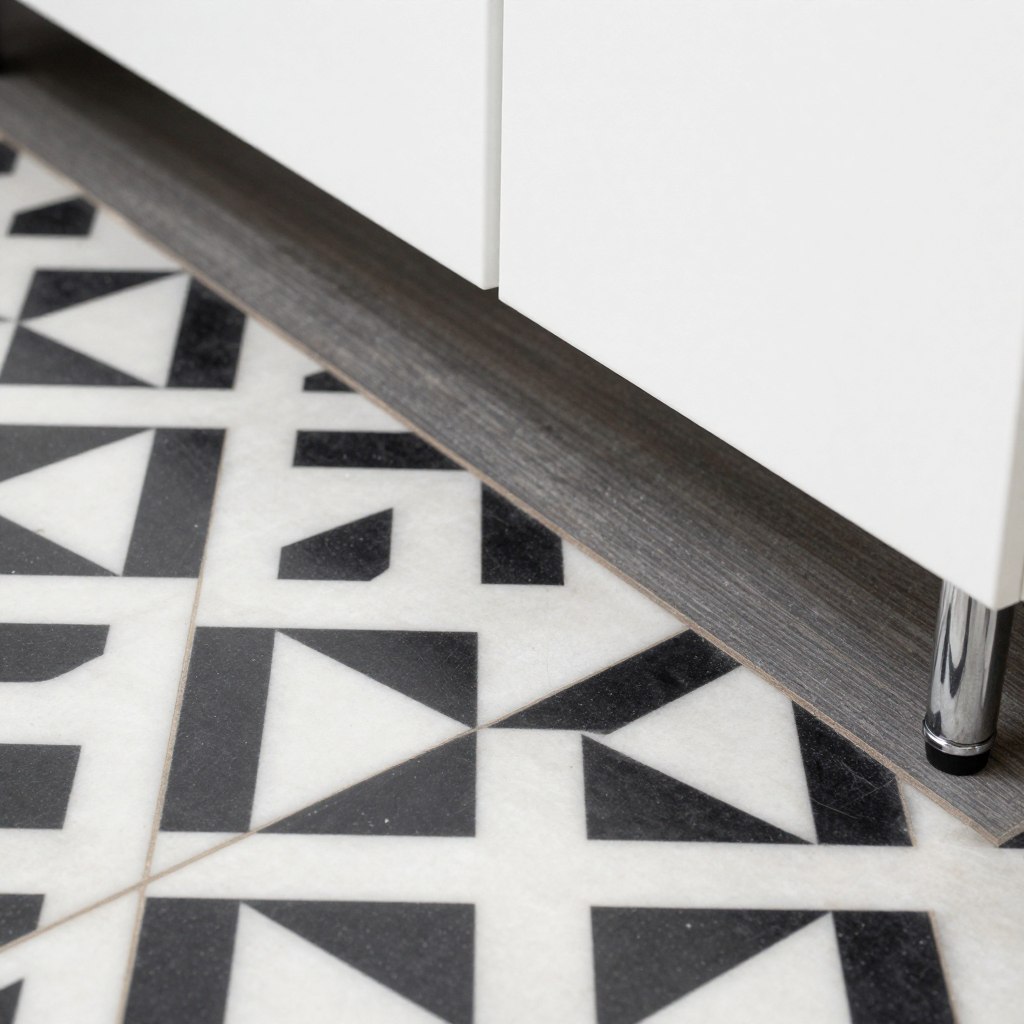
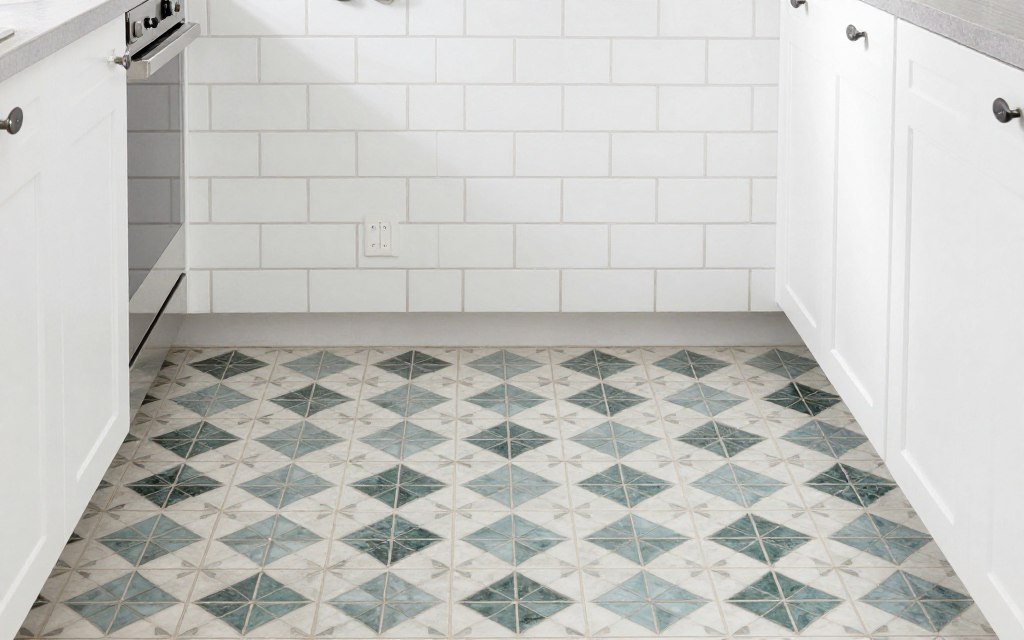
Patterned floor tiles bring vintage personality to modern kitchen spaces. Geometric designs, encaustic patterns, or checkerboard layouts reference mid-century aesthetics while anchoring the room visually. Bold floors allow you to keep other elements more restrained.
Neutral upper elements prevent visual overwhelm when working with patterned floors. White or light gray cabinets create calm above the busy floor. Simple countertops and backsplash materials maintain balance throughout the vertical space.
Floor Tile Pattern Selection
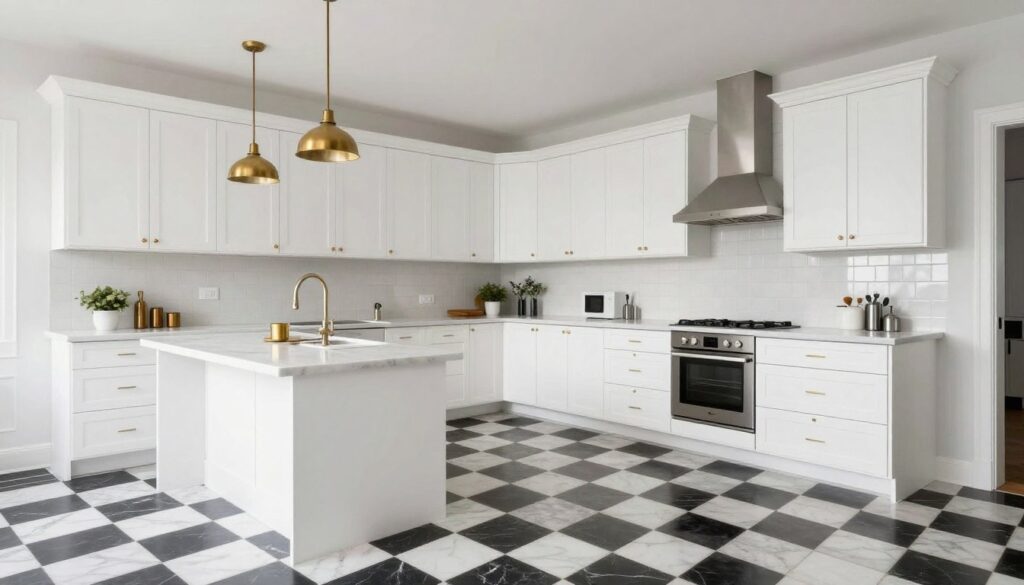
Geometric patterns in black and white create classic vintage modern appeal. Hexagonal tiles, Moroccan-inspired designs, or Art Deco patterns work beautifully. These timeless options reference different eras while remaining current and stylish.
Colored patterns offer another approach for the adventurous designer. Terra cotta and blue combinations recall Mediterranean vintage style. Mint and gray patterns feel fresh and contemporary while nodding to retro aesthetics.
Popular Vintage Floor Patterns
- Black and white checkerboard in standard or diamond layout
- Hexagonal tiles with geometric inserts
- Encaustic cement tiles with Moorish patterns
- Art Deco-inspired geometric designs
- Terrazzo tiles with large aggregate chips
- Penny round tiles in contrasting colors
Coordinating Upper Kitchen Elements
Keep cabinetry simple when floors make bold statements. White shaker style or flat panel cabinets provide clean backdrops. Avoid ornate details or additional patterns that compete with floor designs.
Countertops should be solid colors or subtle patterns. White marble with delicate veining works well, as does solid quartz in white, gray, or cream. Avoid granite with busy patterns or multiple colors that clash with floor tiles.
Design Balance Guidelines
Patterned floors work best when you follow these principles:
- Choose floors with no more than three colors
- Pull one floor color into small accent details elsewhere
- Keep walls, cabinets, and ceiling in neutral tones
- Limit additional patterns to small textile accents
- Use solid-colored window treatments
Backsplash and Wall Treatment
Simple backsplash materials work best with patterned floors. White subway tile in traditional or herringbone layout provides texture without pattern competition. Alternatively, a matching countertop slab extends up the wall as a seamless backsplash.
Paint walls in soft neutral tones that complement floor colors. Warm white or light gray creates cohesion. If your floor tiles include an accent color like blue or terra cotta, consider that shade in a very pale tint for walls.
Furniture and Accessory Coordination
Kitchen island bases can echo floor tile colors for cohesion. A navy island pairs beautifully with blue-accented floor patterns. Alternatively, keep the island neutral to maintain calm in a busy floor design.
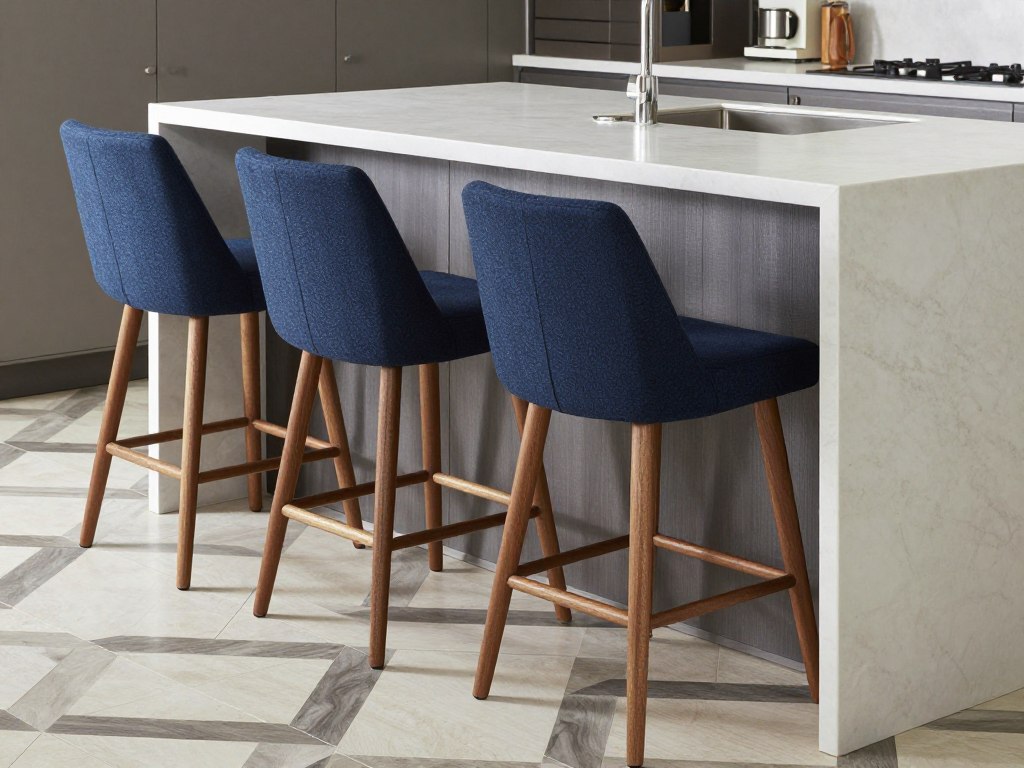
Bar stools and dining chairs should be simple shapes in solid colors. Mid-century modern chair designs with tapered legs work perfectly. Choose upholstery or finishes that pull colors from your floor pattern without exactly matching them.
Key Elements for Achieving Vintage Modern Balance
Successfully blending vintage and modern aesthetics requires thoughtful attention to proportion and scale. Each element should serve the overall design vision while maintaining its individual character. The goal is harmony rather than matching.
Material quality matters significantly in vintage modern kitchen design. Authentic mid-century pieces or high-quality reproductions convey the right aesthetic. Contemporary luxury comes through premium finishes like marble, brass, and hardwood rather than synthetic alternatives.
Color Theory in Vintage Modern Design
Mid-century color palettes favored warm earth tones, muted pastels, and bold accent colors. Modern luxury tends toward neutrals with metallic accents. Combining these approaches means choosing a neutral base with vintage-inspired accent colors in materials and accessories.
Limit your color palette to three or four main hues plus one accent color. This restraint prevents spaces from feeling chaotic or dated. Let natural material colors like wood grain and stone veining provide additional subtle color variation.
Warm Vintage Palette
These colors create inviting, retro-inspired kitchen spaces with modern sophistication.
- Walnut brown and honey wood tones
- Cream and warm white for brightness
- Burnt orange or mustard yellow accents
- Brass and copper metallic finishes
Cool Vintage Palette
These shades deliver mid-century charm with contemporary crispness and clarity.
- Sage or olive green cabinetry
- Cool white and soft gray backgrounds
- Mint or robin’s egg blue accents
- Chrome and brushed nickel fixtures
Material and Texture Layering
Successful vintage modern kitchens incorporate multiple textures to add depth and interest. Smooth cabinet surfaces contrast with grainy wood countertops. Glossy tile backsplash plays against matte painted walls. These variations create richness without clutter.
Natural materials form the foundation of authentic mid-century design. Wood, stone, leather, and metal all appeared prominently in vintage kitchens. Modern luxury elevates these classics through superior quality and expert craftsmanship.
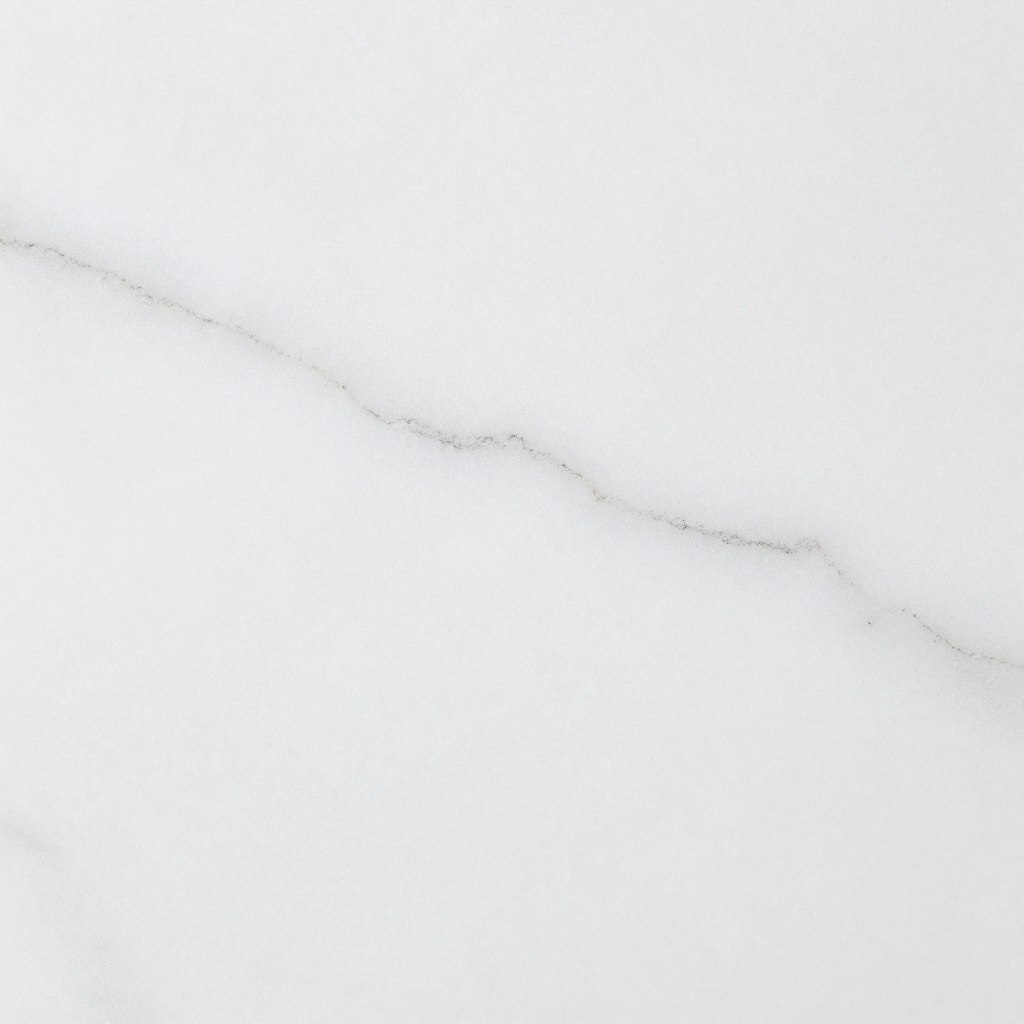
Stone Surfaces: Marble and granite provide luxury and natural beauty
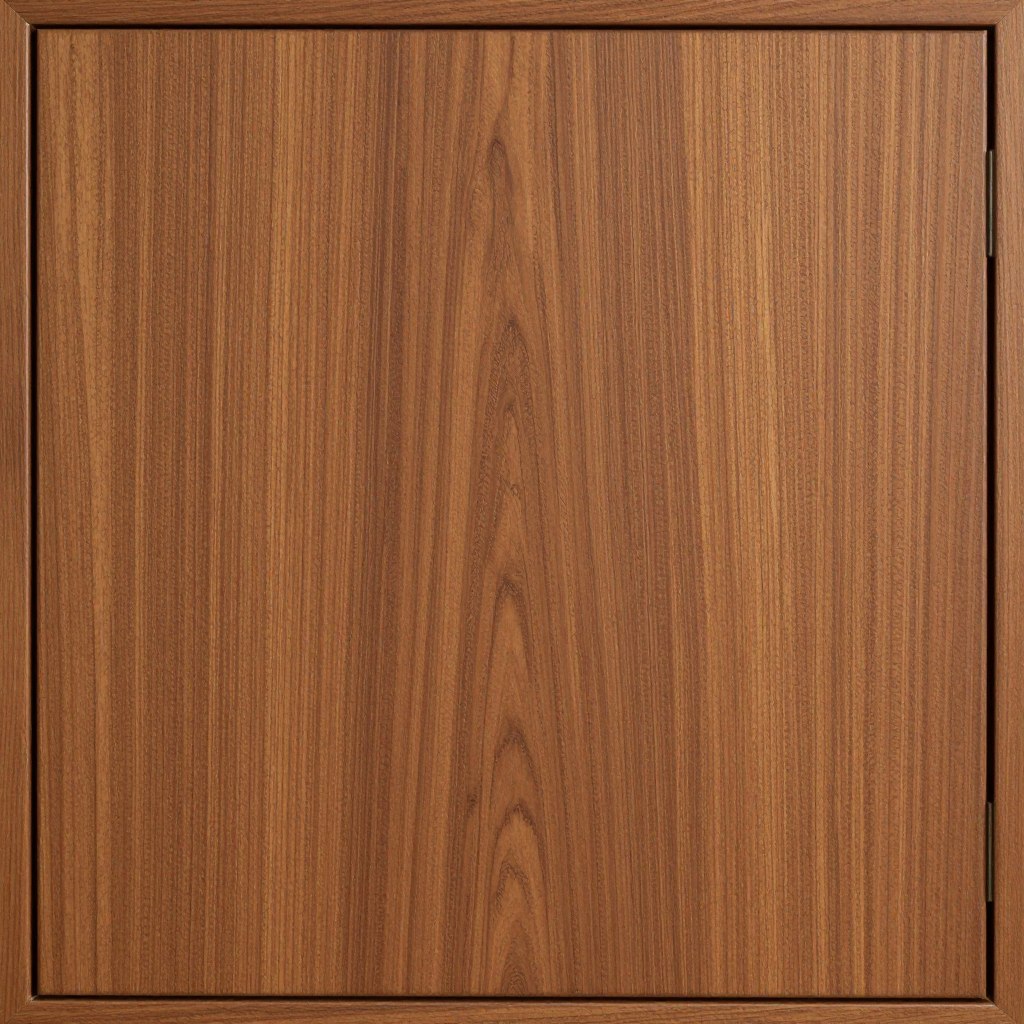
Natural Wood: Grain patterns and organic warmth anchor vintage elements
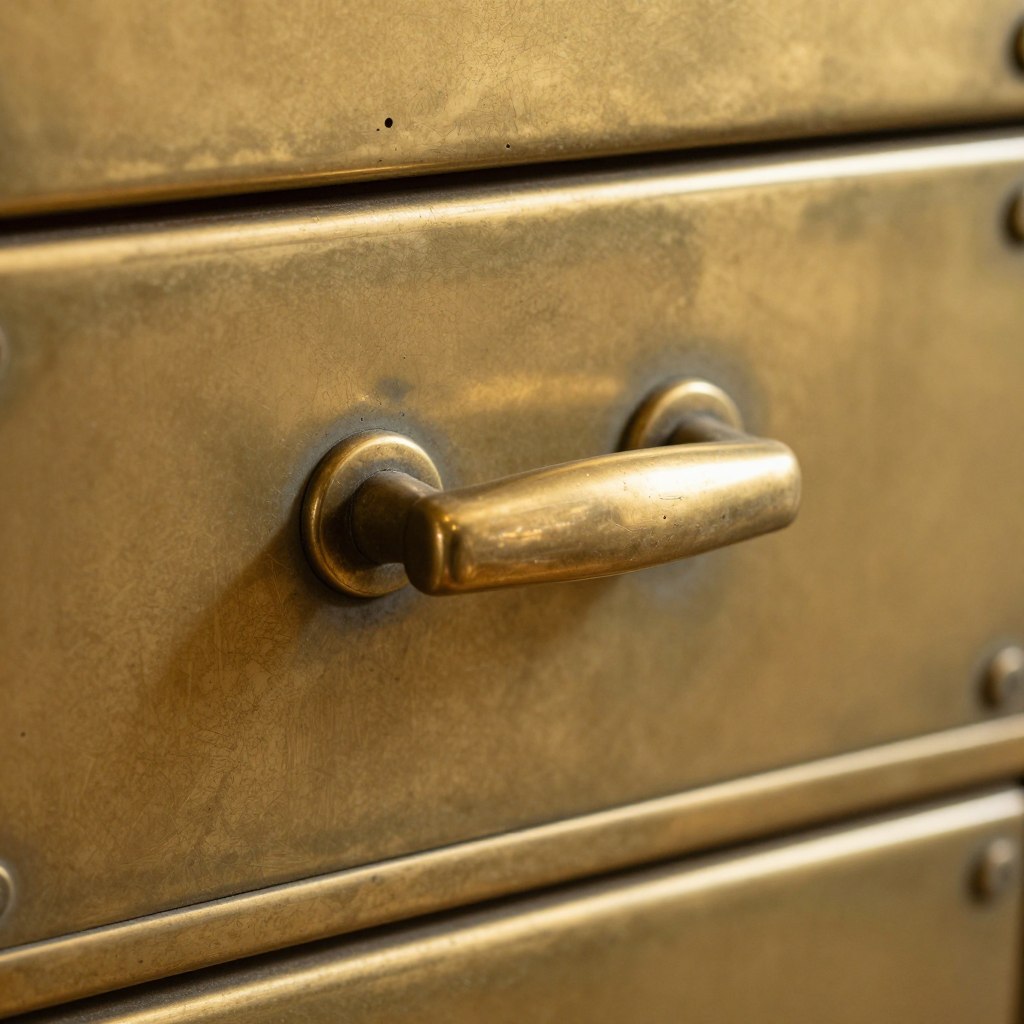
Metal Accents: Brass and copper add vintage glamour and shine
Lighting Design Principles
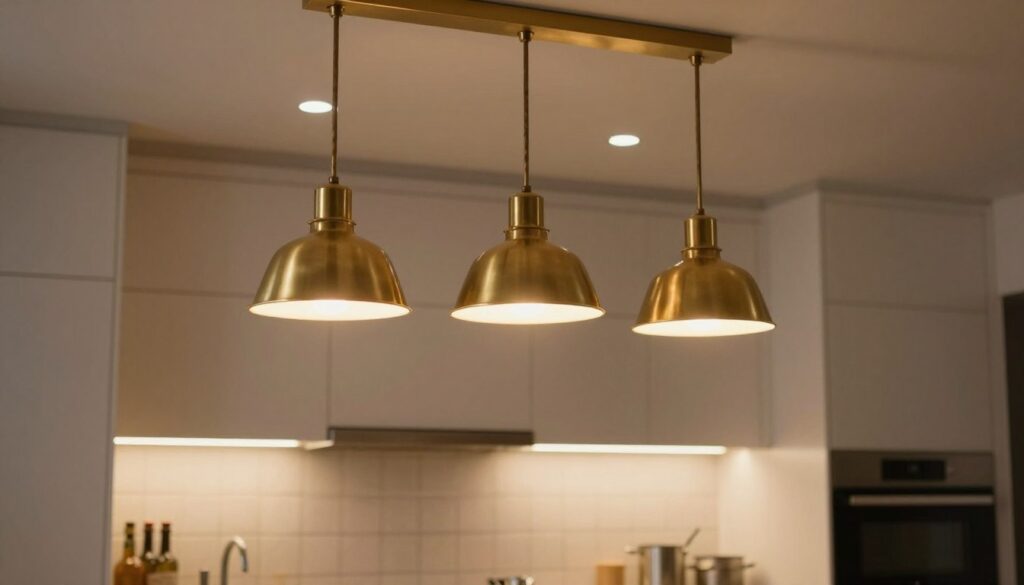
Layered lighting serves both function and ambiance in vintage modern kitchens. Pendant lights provide task illumination and vintage style simultaneously. Under cabinet lights ensure safe food preparation. Ambient lighting creates mood and showcases design details.
Statement light fixtures act as sculptural elements. Oversized pendants, Sputnik chandeliers, or globe clusters reference mid-century design while providing adequate illumination. Choose fixtures that balance form and function rather than purely decorative pieces.
Practical Considerations for Implementation
Budget allocation requires careful planning in vintage modern kitchen projects. Invest in quality materials for high-impact areas like cabinetry and countertops. Save on elements easily changed later such as wall color, accessories, and some light fixtures.
Timeline expectations should account for custom elements common in these designs. Custom cabinetry takes longer than stock options but delivers superior fit and finish. Vintage appliances may require longer lead times than standard modern models.
Working with Design Professionals
Kitchen designers experienced in vintage modern aesthetics understand the nuances of balancing eras. They source appropriate materials and manage the many decisions involved in kitchen renovations. Professional guidance prevents costly mistakes and helps achieve cohesive results.
Contractors familiar with older home renovations often work better with vintage modern projects. They understand how to integrate modern conveniences into spaces that may have architectural quirks or limitations. Their experience proves invaluable during installation phases.
Questions to Ask Design Professionals
- Can you show examples of vintage modern kitchens you’ve designed?
- How do you approach blending different era aesthetics?
- What material suppliers do you work with regularly?
- How do you handle unexpected issues during renovation?
- What is your typical project timeline and budget range?
- Do you provide 3D renderings before construction begins?
Maintenance and Longevity
Natural materials require appropriate care to maintain their beauty over time. Wood surfaces benefit from regular oiling or sealing. Marble needs sealing and careful cleaning to prevent staining. Brass develops patina naturally but can be polished if preferred.
Quality fixtures and appliances justify their higher initial cost through durability and performance. Well-made cabinets withstand decades of daily use. Premium appliances offer better warranties and repair service. These investments protect your renovation budget long-term.
Material Care Guidelines
- Seal marble countertops twice yearly
- Oil butcher block surfaces monthly
- Clean brass fixtures with appropriate metal polish
- Dust open shelving weekly to prevent buildup
- Wipe tile grout regularly to prevent discoloration
- Touch up cabinet paint as needed to maintain finish
Future Proofing Your Design
Choose classic elements over trendy details for longevity. Flat panel cabinets remain stylish across decades. Quality natural materials age gracefully rather than looking dated. Neutral backgrounds allow you to update accent colors without major renovations.
Build flexibility into your design where possible. Removable wallpaper in a powder room adds vintage pattern without permanent commitment. Interchangeable pendant light shades allow style updates. Open shelving displays can be refreshed seasonally.
Start Your Kitchen Transformation Today
Creating a vintage modern kitchen that balances mid-century charm with contemporary luxury requires vision and expertise. The seven design ideas explored here provide starting points for your unique interpretation. Remember that the most successful kitchens reflect the personality and lifestyle of those who use them daily.
Whether you choose warm walnut cabinetry, bold patterned floors, or retro appliances as your signature element, commit to quality materials and thoughtful design. These investments pay dividends in both immediate satisfaction and long-term enjoyment of your space.
The journey to your perfect vintage modern kitchen begins with a single step. Armed with inspiration from these seven design concepts and an understanding of how to balance vintage charm with modern luxury, you are ready to create a kitchen that will bring joy for years to come.