
Your kitchen should work as hard as you do. For decades, designers swore by one principle above all others. The kitchen work triangle promised efficiency, reduced steps, and a smoother cooking experience.
But today’s kitchens look nothing like those from the 1940s. Open layouts dominate. Islands serve multiple functions. Multiple cooks share the space. Smart appliances change how we store and prepare food.
Does the classic kitchen work triangle still deserve a place in modern kitchen design? This article examines the concept, its evolution, and whether it remains relevant for your 2026 renovation.
What Is the Kitchen Work Triangle?
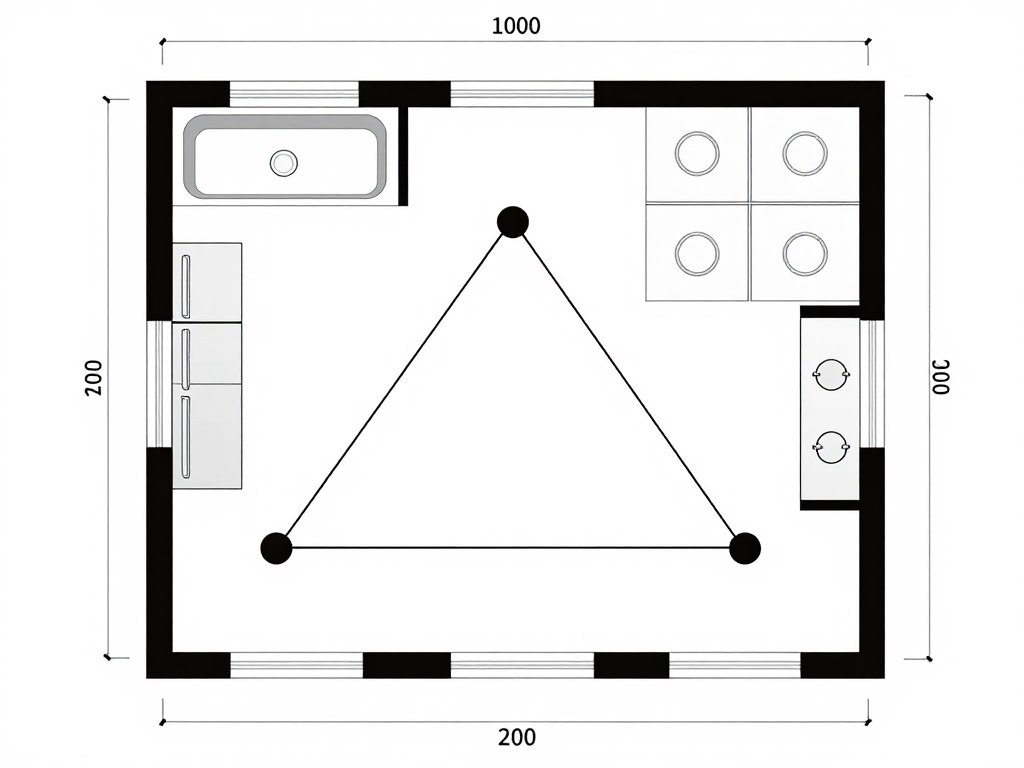
The kitchen work triangle connects three essential work stations. These points form a triangle that defines your primary cooking workflow.
The Three Key Points
Each corner of the triangle represents a critical kitchen function. The sink handles washing and prep tasks. The stove manages all cooking activities. The refrigerator stores fresh ingredients and prepared food.
Sink Station
The sink serves as your primary prep and cleanup area. Most kitchen tasks begin or end here.
- Washing vegetables and ingredients
- Filling pots with water
- Cleaning dishes and utensils
- Food waste disposal
Cooking Station
Your stove or cooktop handles all heat-based food preparation throughout meal creation.
- Stovetop cooking and sautéing
- Oven baking and roasting
- Boiling and simmering
- Temperature-controlled cooking
Refrigeration Station
The fridge stores ingredients and completed dishes, serving as your cold storage hub.
- Fresh ingredient storage
- Prepared meal keeping
- Beverage cooling
- Frozen food access
Triangle Measurements
Traditional guidelines specify exact distances between each work station for optimal efficiency.
- Total perimeter: 13 to 26 feet
- No single leg exceeds 9 feet
- No leg shorter than 4 feet
- Clear pathways between points
Distance Requirements
The original concept specified precise measurements. The total distance around all three points should measure between 13 and 26 feet. Each individual leg of the triangle should range from 4 to 9 feet.
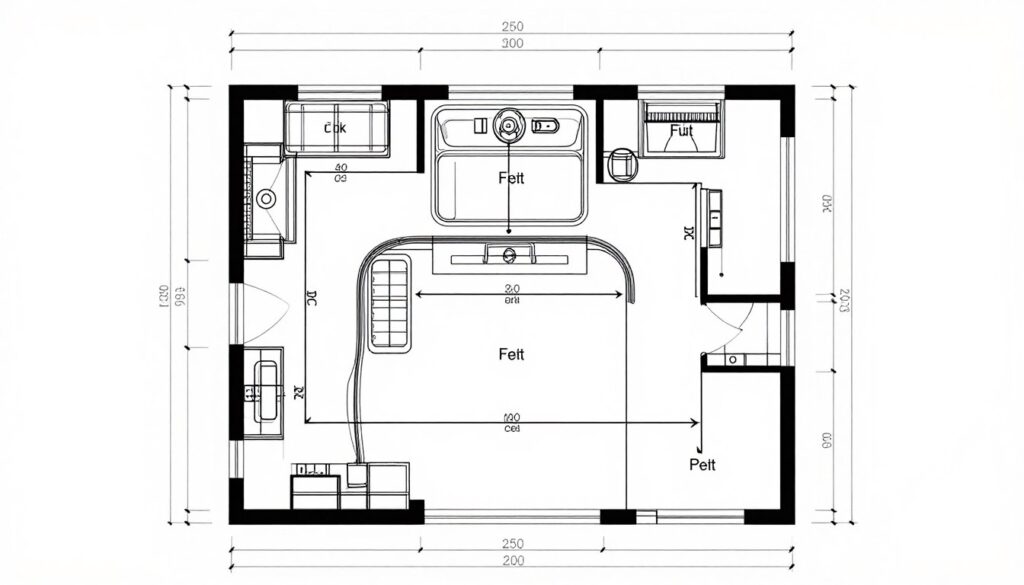
These measurements aimed to minimize unnecessary steps. They kept everything close enough for efficiency but far enough apart to prevent crowding. The concept assumed a single cook working alone in a dedicated kitchen space.
The Origins of the Kitchen Work Triangle Concept
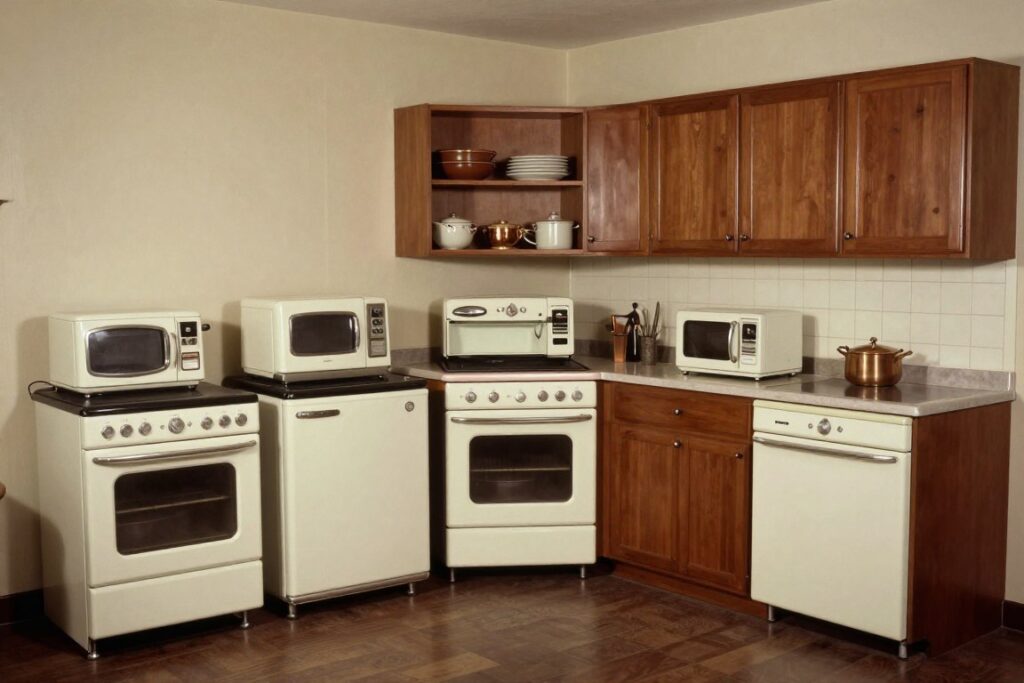
The kitchen work triangle emerged from industrial efficiency studies. Researchers at the University of Illinois School of Architecture developed the concept in the 1940s. Their goal was simple: reduce wasted motion during meal preparation.
Post War Kitchen Efficiency
After World War II, home design shifted dramatically. Smaller homes became the norm. Kitchens shrank from spacious work areas to compact, efficient spaces. Designers needed a framework to maximize limited square footage.
The work triangle concept drew inspiration from industrial time-motion studies. These studies measured factory workers’ movements to eliminate waste. Applying this thinking to home kitchens promised to save time and reduce effort during daily meal prep.
Historical Note: The National Kitchen and Bath Association formally adopted the kitchen work triangle as a design standard in the 1940s. It remained the dominant kitchen layout principle for over 50 years.
The Era of Single Cook Kitchens
Mid-century kitchens served one primary cook. Usually, one family member prepared meals while others stayed out of the workspace. This reality shaped every design decision during that time.
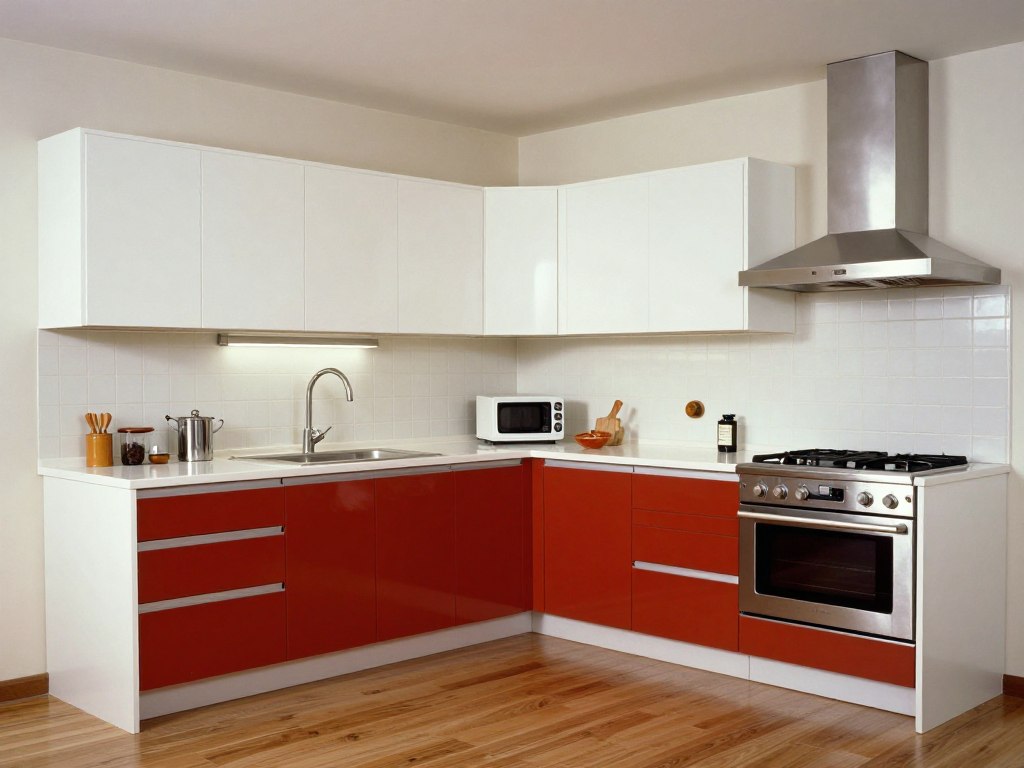
Kitchen layouts reflected this single-cook assumption. Galley kitchens became popular. L-shaped designs dominated. Each configuration optimized movement for one person working through meal preparation steps in sequence.
The concept spread quickly through the housing industry. Builders adopted it as standard practice. Real estate agents promoted it as a selling feature. Home magazines praised its efficiency. For decades, the kitchen work triangle ruled kitchen design without serious challenge.
How Modern Kitchen Design Has Changed
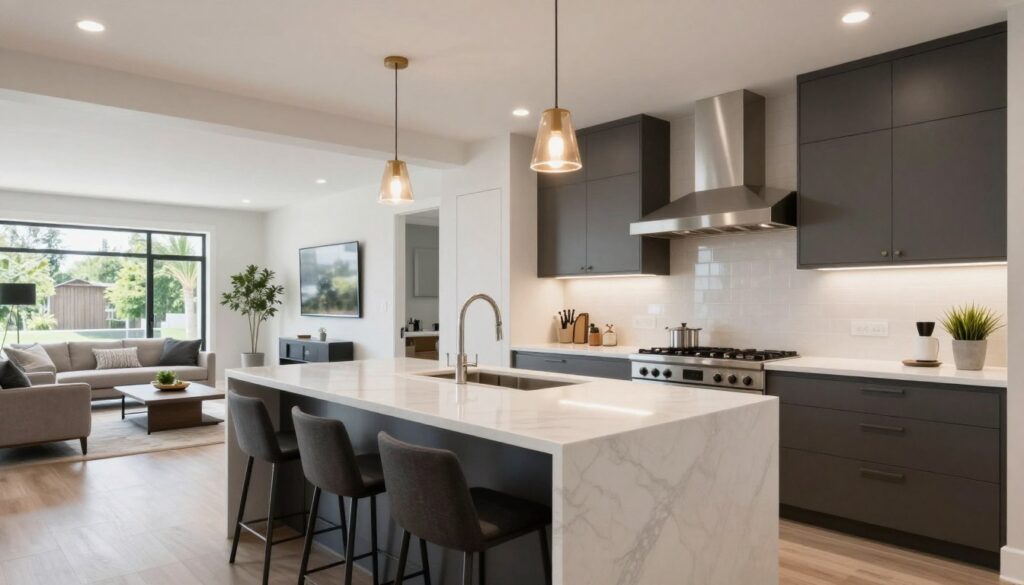
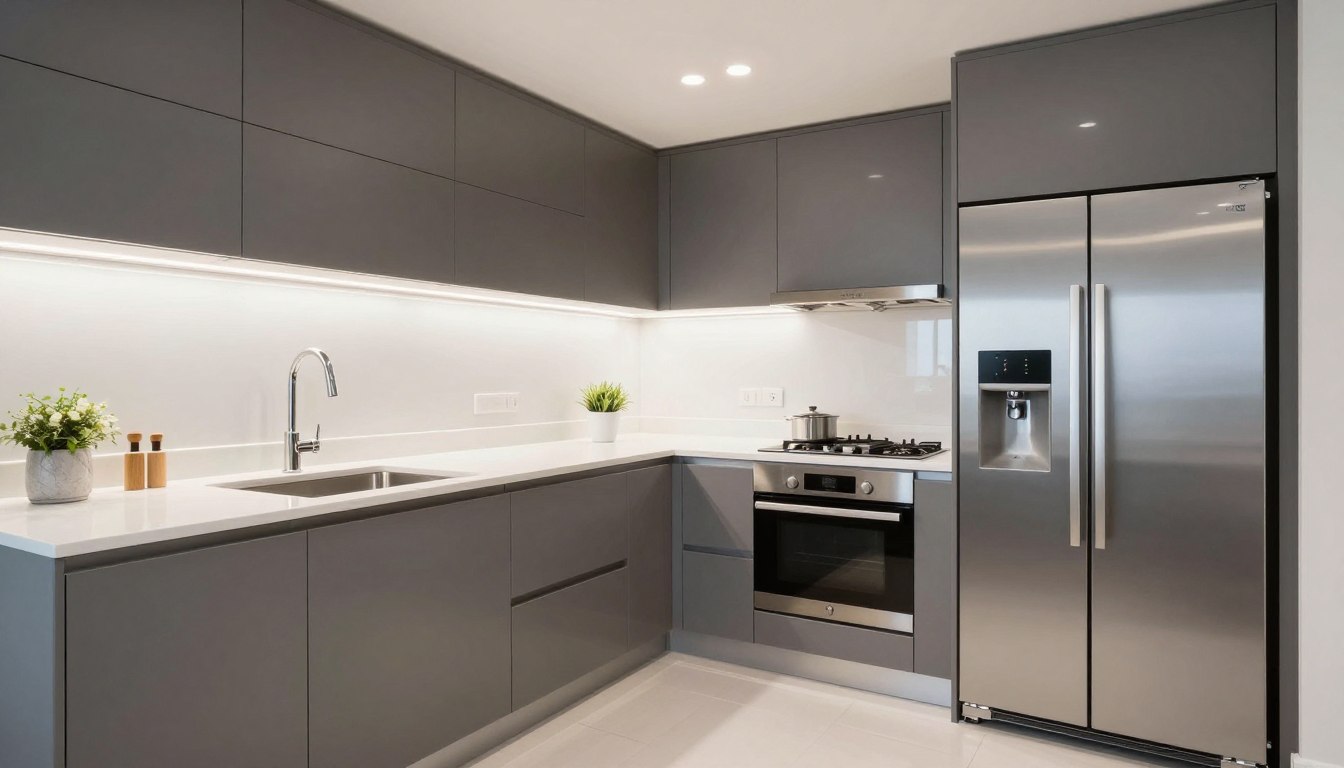
Today’s kitchens bear little resemblance to their 1940s counterparts. Open floor plans erased walls between kitchen and living spaces. Islands transformed from luxury additions to standard features. Multiple family members now share cooking duties simultaneously.
Open Concept Living Spaces
The wall between kitchen and living room has disappeared in most new homes. This shift fundamentally altered kitchen design priorities. Kitchens became entertainment spaces, homework stations, and social hubs.
Open layouts expand available space but complicate traditional triangle logic. With no walls defining boundaries, kitchens sprawl across larger areas. The distances between sink, stove, and fridge often exceed traditional triangle measurements.
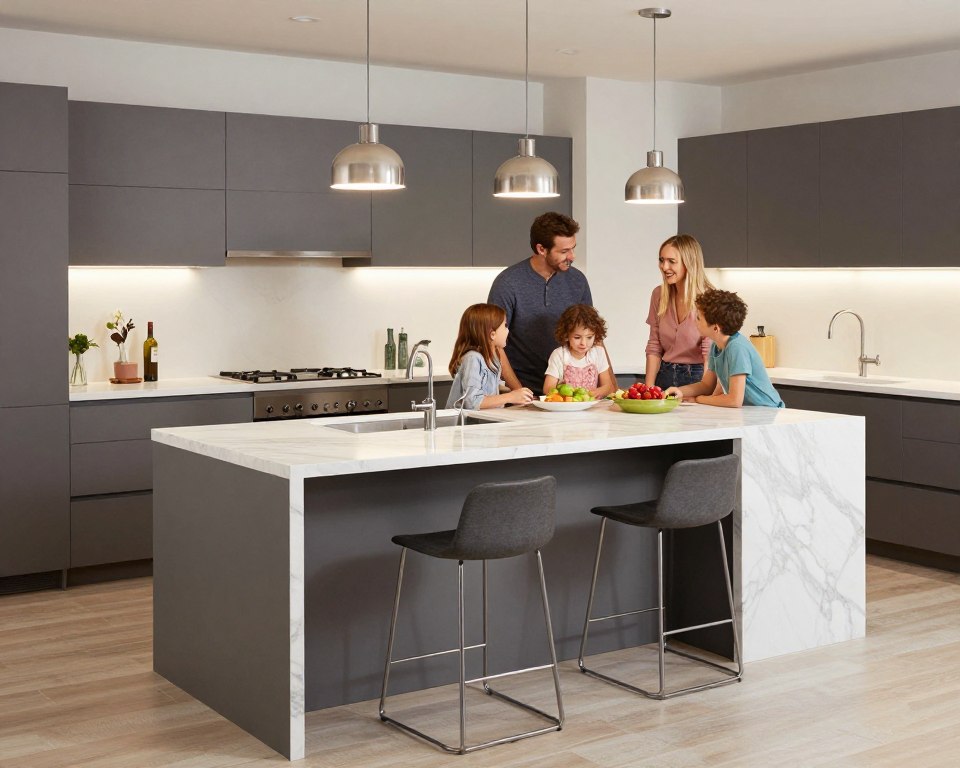
The Multi Functional Kitchen Island
Kitchen islands revolutionized how families use kitchen space. A well-designed island serves countless functions throughout each day.
- Additional prep area for multiple cooks
- Secondary sink for washing vegetables
- Cooktop integration for interactive cooking
- Casual dining and breakfast seating
- Homework and laptop workspace
- Storage for frequently used items
- Wine refrigeration and bar functions
Islands create a fourth point that disrupts the traditional triangle. Should the island sink count as a triangle point instead of the wall sink? Does an island cooktop replace the main stove in triangle calculations? These questions expose the limitations of rigid triangle thinking.
Multiple Cooks and Collaborative Cooking
Modern families cook together more than previous generations. Parents involve children in meal prep. Couples share cooking responsibilities. Weekend entertaining means several people working in the kitchen simultaneously.
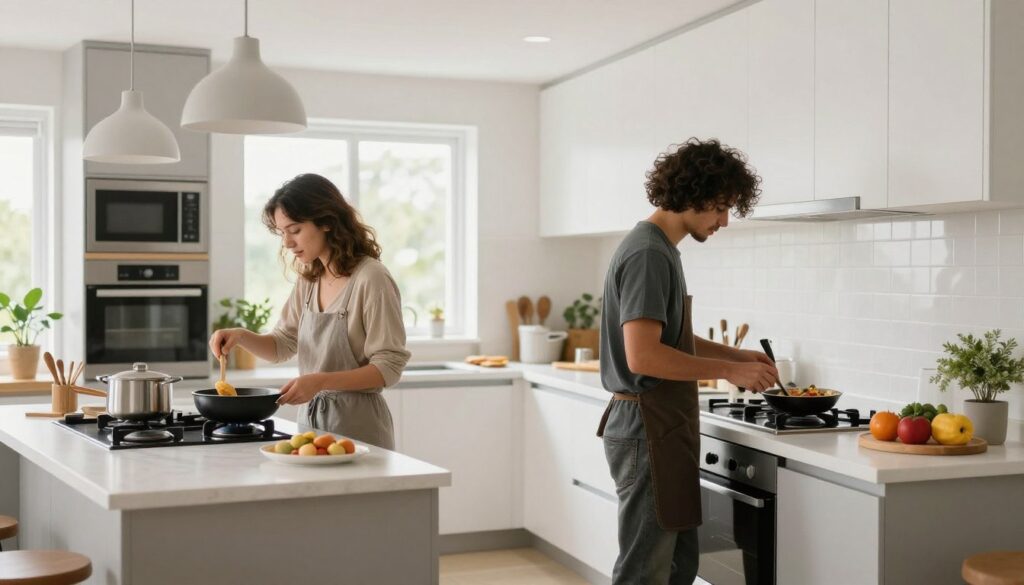
A single triangle cannot accommodate multiple cooks efficiently. When two people follow the same workflow path, they collide. Modern kitchen layouts need multiple work zones rather than one optimized triangle.
Smart Appliances and Specialized Stations
Today’s kitchens incorporate appliances unknown to 1940s designers. Each addition complicates the simple three-point triangle model.
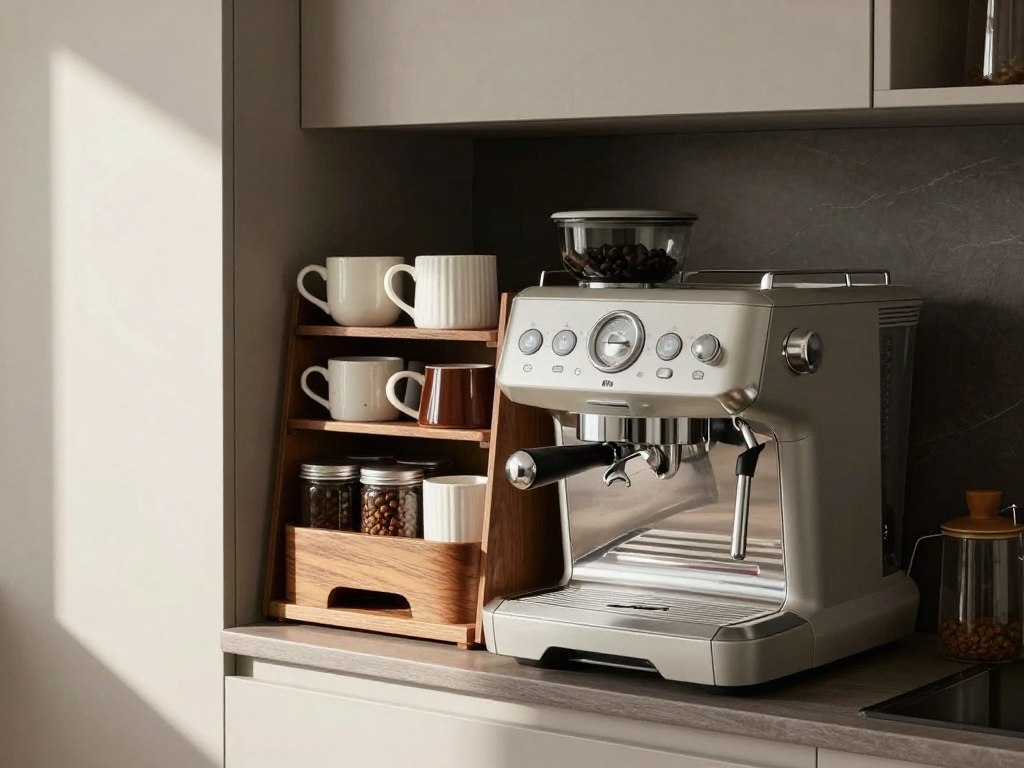
- Coffee and beverage stations with dedicated plumbing
- Wine refrigerators separate from main fridge
- Steam ovens and speed cook ovens
- Warming drawers for serving meals
- Smart refrigerators with inventory tracking
- Induction cooktops requiring different cookware storage
- Built in espresso machines needing water lines
These specialized areas function as mini-stations within the larger kitchen. Morning coffee routines happen independently from dinner prep. Wine service occurs separate from main refrigerator access. The triangle concept cannot account for this complexity.
Why the Kitchen Work Triangle Falls Short Today

The kitchen work triangle made sense in its time. But applying 1940s logic to 2026 kitchens creates real problems. Contemporary cooking habits, family dynamics, and kitchen functions expose significant limitations in the traditional concept.
Single Cook Assumption
The triangle optimizes movement for exactly one person. This assumption fails in modern households where cooking is often collaborative. Partners cooking together constantly cross paths within a traditional triangle layout.
Children helping with meal prep need their own workspace. Guests assisting with party food need access to appliances without disrupting the primary cook. A single triangle cannot accommodate these simultaneous workflows.
Ignoring Contemporary Kitchen Functions
Modern kitchens serve purposes beyond cooking. They function as homework stations during afternoon hours. They become entertainment centers during parties. They serve as home office overflow when needed.
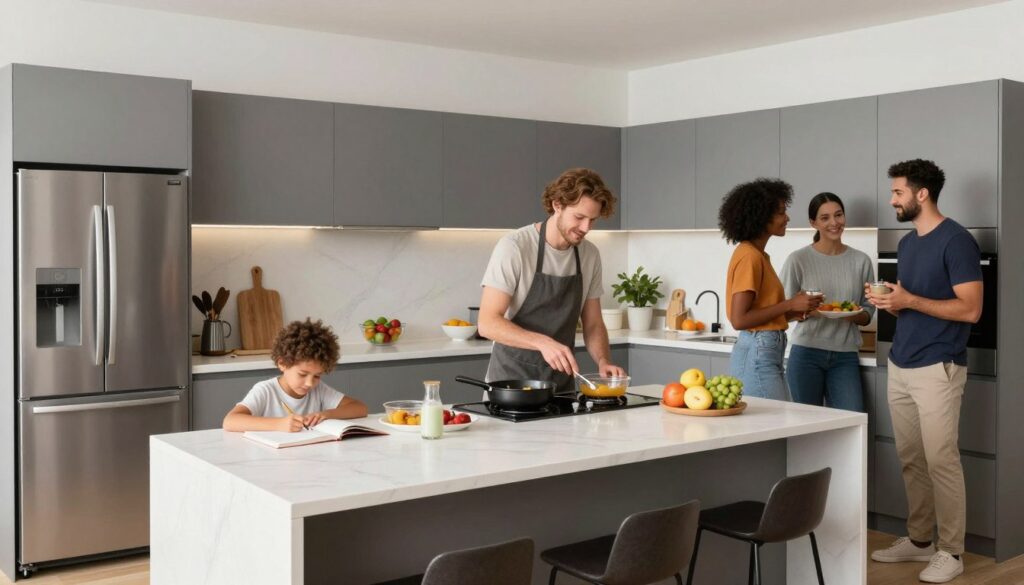
The work triangle only addresses cooking efficiency. It offers no guidance for accommodating these additional functions. A triangle optimized for meal prep might create poor circulation for family socializing or homework supervision.
Limited Flexibility for Different Kitchen Sizes
The prescribed measurements assume medium-sized kitchens. But real kitchens vary dramatically in size and shape.
Small kitchens often cannot achieve proper triangle distances. The measurements suggest minimum spacing that tiny city kitchens simply cannot provide. Forcing triangle compliance in cramped spaces can actually reduce efficiency.
Large kitchens present the opposite problem. Sprawling layouts exceed maximum triangle distances by necessity. Following triangle rules in spacious kitchens might cluster appliances unnecessarily in one zone while leaving other areas underutilized.
Accessibility and Universal Design
The kitchen work triangle concept predates universal design principles. It assumes all users have similar physical capabilities and movement patterns.
Accessibility Concern: Triangle layouts often create narrow walkways between appliances. These tight spaces challenge wheelchair users, people using walkers, and those with limited mobility.
Modern kitchen design prioritizes accessibility. Wider pathways accommodate various mobility needs. Varied counter heights serve users of different statures. Storage solutions work for diverse physical capabilities. The rigid triangle model often conflicts with these accessibility requirements.
Workflow Variations
Not everyone cooks the same way. Bakers need extensive counter space near wall ovens. Serious home cooks want pot fillers above their stove. People who rely on prepared foods need microwave and refrigerator proximity more than stove access.

The triangle assumes everyone follows the same prep-cook-serve sequence. Real cooking involves diverse workflows that the simple three-point model cannot address. Your personal cooking style matters more than adherence to a universal triangle.
Modern Kitchen Design Alternatives to the Work Triangle
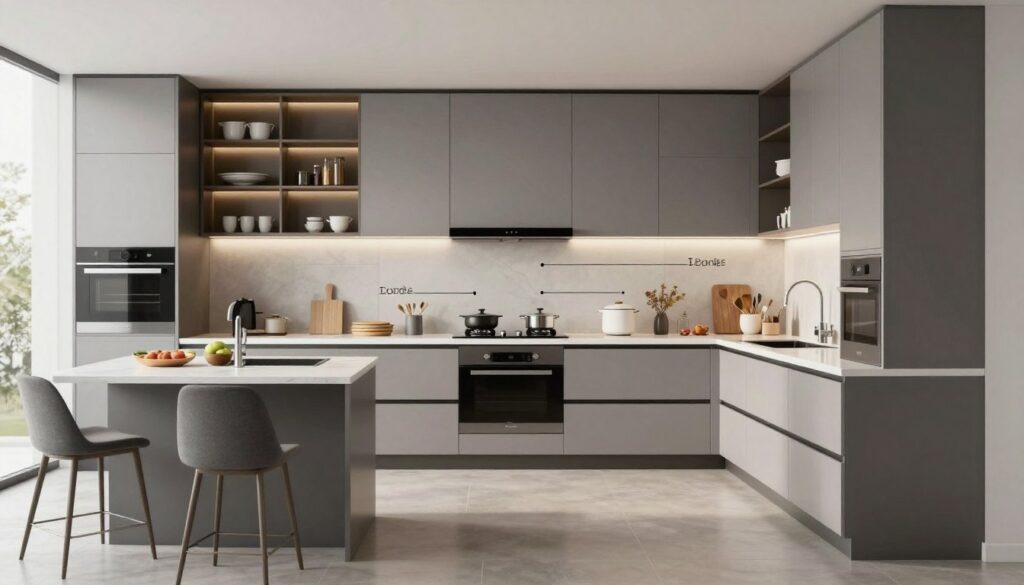
Kitchen designers have developed new frameworks that better suit contemporary needs. These approaches acknowledge how families actually use their kitchens today. They accommodate multiple users, diverse functions, and varied cooking styles.
Work Zones Design Philosophy
The work zones concept replaces the triangle with distinct functional areas. Instead of optimizing movement between three points, this approach creates dedicated zones for specific tasks.
A comprehensive kitchen divides into five primary zones. Each zone contains everything needed for its specific function. This organization reduces searching for tools and ingredients while supporting multiple simultaneous users.
The Five Kitchen Work Zones
Consumables Zone
This area stores all food items and ingredients. It includes your refrigerator, freezer, and pantry storage.
- Refrigerator and freezer access
- Pantry organization systems
- Dry goods storage
- Snack and grab-and-go items
Preparation Zone
Your main food prep area needs ample counter space and easy access to knives, cutting boards, and mixing bowls.
- Extended counter workspace
- Knife storage and cutting boards
- Mixing bowls and prep tools
- Trash and compost access
Cooking Zone
This area surrounds your stove, oven, and microwave with convenient storage for pots, pans, and cooking utensils.
- Cooktop and oven placement
- Pot and pan storage nearby
- Cooking utensil organization
- Spices and oils within reach
Cleaning Zone
The sink area handles dishwashing, hand washing, and cleanup tasks with appropriate storage for cleaning supplies.
- Sink and dishwasher placement
- Dish storage and drying space
- Cleaning supply storage
- Trash and recycling bins
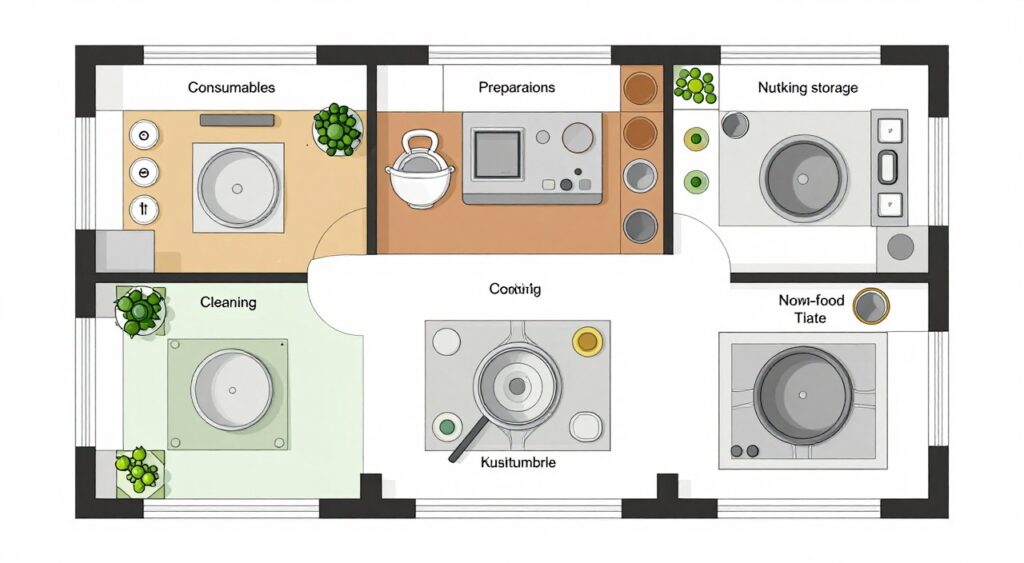
Non Food Storage Zone
This zone organizes dishes, glassware, serving pieces, and small appliances you use regularly.
- Everyday dish storage
- Glassware and drinkware
- Small appliance garage
- Serving platters and bowls
Task Based Work Stations
Some designers recommend creating stations for specific activities rather than general zones. This approach works especially well for households with specialized cooking interests.
- Coffee and tea station with machine, mugs, and supplies
- Baking station with mixer, measuring tools, and baking sheets
- Salad and cold prep station with cutting board and refrigerated storage
- Beverage station with wine fridge and glassware
- Breakfast station with toaster, cereals, and morning essentials
The Kitchen Ergonomics Approach
Ergonomic kitchen design focuses on user comfort and injury prevention. This framework prioritizes proper heights, reach distances, and movement patterns over geometric efficiency.
Ergonomic principles suggest varying counter heights for different tasks. Standard 36-inch counters work well for some activities but strain users during others. Lower surfaces benefit bread kneading and rolling. Higher surfaces reduce back strain during chopping.
This approach also emphasizes the importance of the “golden zone” for storage. Items you use daily should sit between hip and shoulder height. This placement minimizes bending and reaching while reducing injury risk.
Integrating Old and New Concepts
The work triangle and modern approaches are not mutually exclusive. Smart designers blend proven principles with contemporary needs.
Best Practice: Use triangle principles to position your three primary appliances, then layer work zones and specialized stations around this foundation. This hybrid approach provides both efficiency and flexibility.
You can respect general triangle distances while also creating supplementary prep areas. Position your main sink, stove, and fridge thoughtfully, then add an island prep sink for multiple cooks. The triangle guides primary appliance placement without limiting your entire design.
What Kitchen Designers Say About the Work Triangle in 2026

We surveyed kitchen designers, architects, and industry professionals to understand current thinking on the work triangle concept. Their insights reveal a nuanced view that acknowledges both the value and limitations of this traditional principle.
Designers Who Still Value Triangle Principles
Many experienced designers continue using triangle concepts as a starting framework. They appreciate its simplicity for communicating basic layout efficiency to clients.
These professionals view the triangle as one consideration among many. They ensure the primary sink, stove, and refrigerator relate logically to each other while prioritizing other factors like family workflow, space constraints, and budget limitations.
The “Triangle Is Dead” Camp
Other designers argue the concept has become obsolete. They believe modern kitchens demand entirely different planning approaches.
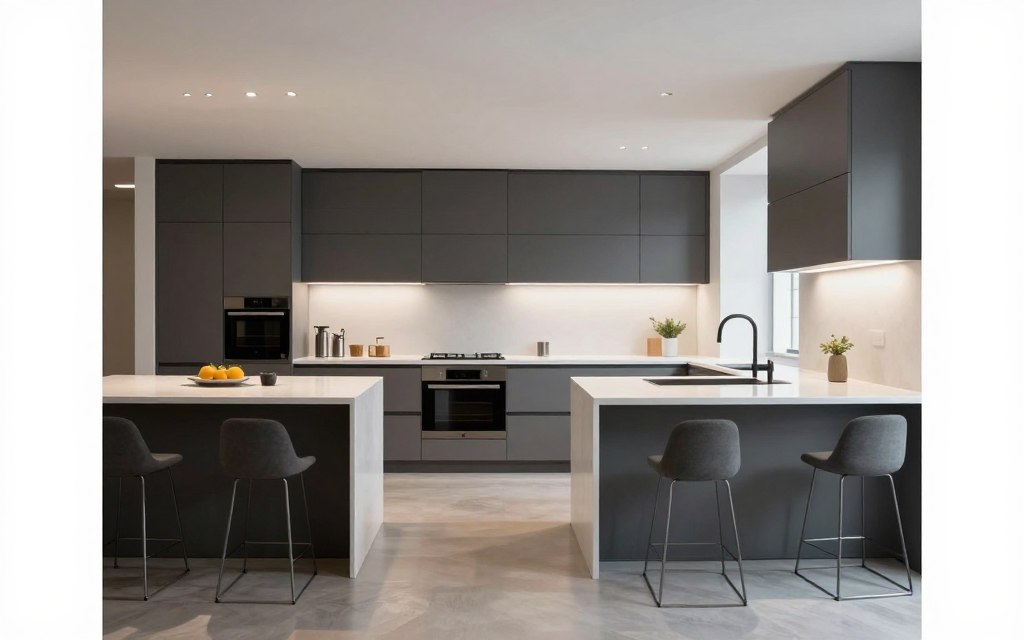
These professionals emphasize observation and customization over universal rules. They spend time understanding each family’s unique cooking habits before proposing any layout.
Industry Organization Perspectives
The National Kitchen and Bath Association, which originally championed the work triangle, now teaches broader planning principles. Their current guidelines acknowledge that effective kitchens can take many forms.
NKBA standards now focus on clearances, landing spaces, and work aisle widths rather than triangle measurements. These guidelines ensure functionality without mandating specific geometric arrangements.
Trends in Professional Kitchen Design
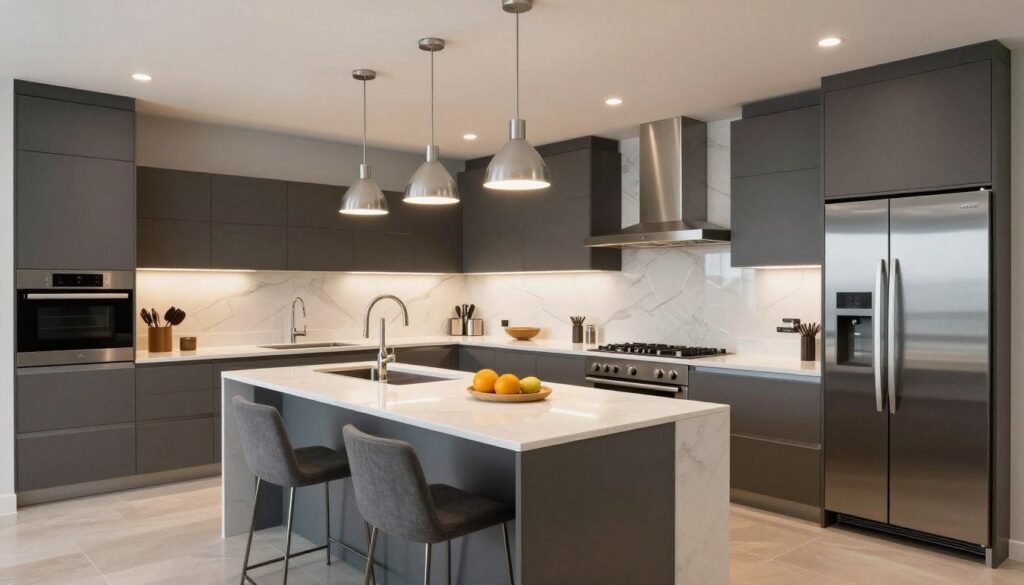
Current design trends show movement away from rigid adherence to any single principle. Successful contemporary kitchens demonstrate several common characteristics regardless of triangle compliance.
- Multiple work zones supporting simultaneous users
- Generous counter space near each major appliance
- Clear traffic paths that don’t cross work areas
- Specialized stations for household priorities
- Flexible spaces adapting to various activities
- Universal design principles for all ages and abilities
Regional and Cultural Considerations
Designers working with diverse communities note that cooking patterns vary significantly across cultures. The triangle model emerged from mid-century American cooking habits that don’t reflect global diversity.
Asian cooking often requires multiple burners at once and uses a wok requiring different ventilation. Mediterranean cooking emphasizes olive oil and fresh ingredients needing specialized storage. Indian cooking involves numerous spices needing organized access. These varied approaches demand customized layouts rather than universal formulas.
Should You Use the Kitchen Work Triangle for Your Renovation?

The decision to follow traditional triangle principles depends entirely on your specific situation. Consider these factors when planning your kitchen layout.
When the Triangle Still Makes Sense
Certain kitchen scenarios naturally align with triangle logic. If your situation matches these characteristics, triangle principles can guide your design effectively.
Good Triangle Fit
- Small to medium kitchen size (80-150 sq ft)
- One primary cook most of the time
- Traditional cooking methods and habits
- Simple, closed kitchen layout
- Budget-conscious renovation
- Standard appliance requirements
- No accessibility concerns
Poor Triangle Fit
- Large, open-concept space (200+ sq ft)
- Multiple regular cooks
- Diverse cooking styles and preferences
- Kitchen doubles as entertainment area
- Many specialized appliances
- Accessibility needs present
- Desire for multiple work zones
Questions to Ask Before Designing
Answer these questions honestly to determine the right approach for your kitchen layout.
How many people typically cook in your kitchen simultaneously?
If the answer is usually just one person, triangle principles work well. If you regularly have two or more cooks working together, you need multiple zones or work stations rather than optimizing for a single workflow.
What cooking style dominates in your household?
Quick weeknight meals using a few appliances suit triangle layouts. Elaborate cooking with many steps and tools benefits from a more complex zone-based approach with specialized stations.
Does your kitchen serve functions beyond cooking?
A kitchen that only handles meal prep can optimize purely for cooking efficiency. If your space hosts homework, socializing, or home office tasks, you need flexible zones that accommodate these varied activities.
What specialized equipment do you use regularly?
Basic appliances (one oven, one cooktop, one fridge) work within triangle parameters. If you need a wine fridge, coffee station, second sink, or steam oven, you require additional dedicated zones.

Hybrid Approaches for Modern Kitchens
Most successful contemporary kitchens blend multiple design philosophies. You can use triangle thinking for primary appliance placement while incorporating modern zone concepts.
- Position your main sink, stove, and refrigerator within reasonable triangle distances
- Add an island prep sink to create a secondary triangle for multiple cooks
- Create specialized stations (coffee, baking) outside the main triangle
- Organize storage into logical zones supporting each work area
- Ensure clear traffic paths that don’t disrupt work zones
- Design flexible counter space that serves multiple functions
This layered approach respects efficiency principles while acknowledging real-world complexity. You create a strong primary workflow while supporting diverse activities.
Testing Your Layout Before Building
Before committing to your design, simulate actual cooking workflows. Mark your floor with tape showing appliance locations. Walk through typical meal prep sequences. Have family members pretend to cook together simultaneously.
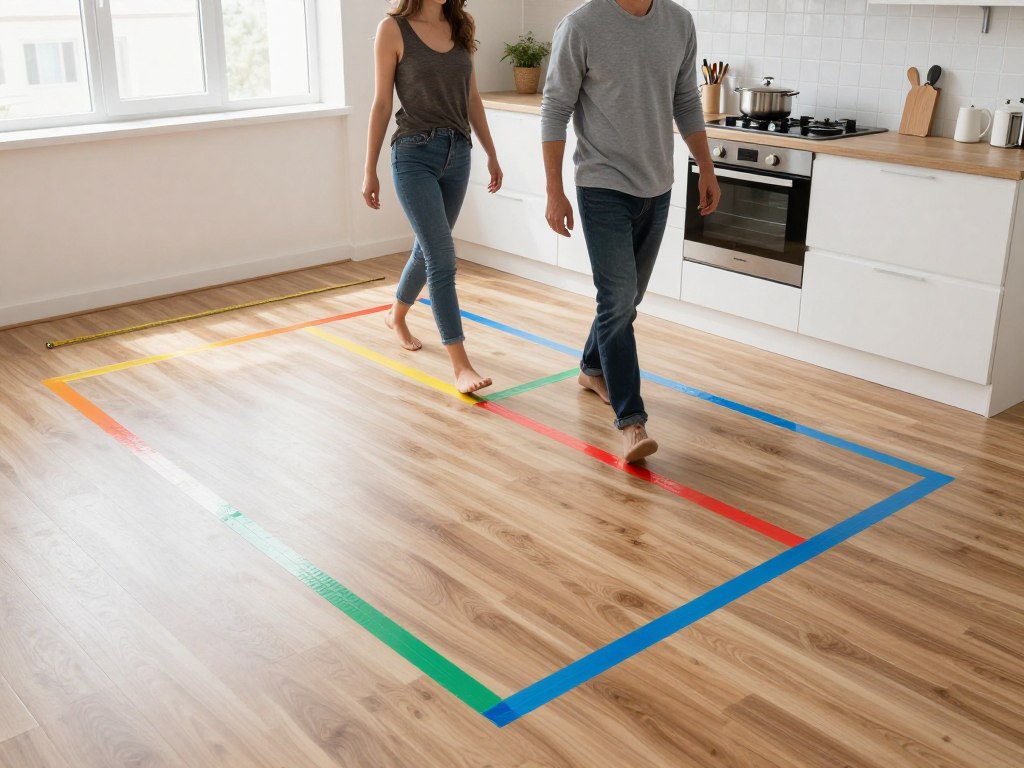
This physical testing reveals problems no floor plan can show. You will discover whether your planned layout truly supports how your family works. Make adjustments based on these real-world tests rather than theoretical measurements.
Measuring Kitchen Layout Effectiveness

Kitchen layout success extends beyond triangle measurements. Evaluate your design against these practical criteria that matter in daily use.
Efficiency Metrics That Actually Matter
Step counting between appliances is just one efficiency measure. Consider these additional factors when evaluating layout effectiveness.
Your kitchen succeeds when daily use feels effortless. Watch for these positive signs after your renovation.
- Meal prep takes less time than in your old kitchen
- You rarely search for needed tools or ingredients
- Multiple people work comfortably without collision
- Cleanup happens efficiently without backtracking
- Children can help safely without getting underfoot
- Entertaining guests feels natural and comfortable
- Everything you use daily sits within easy reach
Common Layout Mistakes to Avoid
Certain design errors plague kitchens regardless of whether they follow triangle principles. Avoid these common pitfalls.
Critical Mistakes: Insufficient counter space beside the stove creates safety hazards. No landing space next to the refrigerator forces you to walk with heavy items. Narrow aisles between islands and counters create bottlenecks. Plan minimum clearances before finalizing your design.
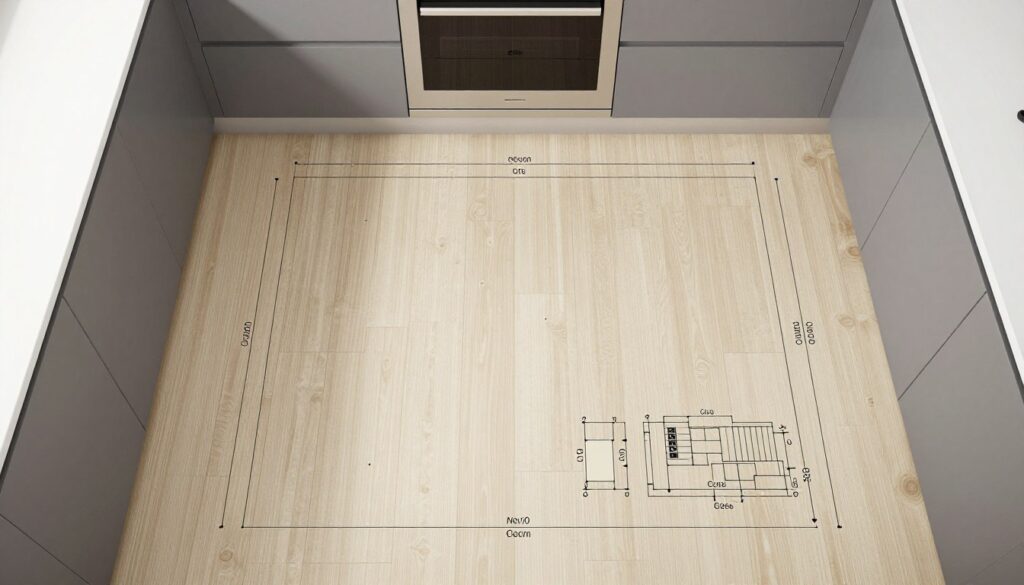
| Location | Minimum Clearance | Recommended Clearance | Purpose |
| Work Aisle (Single Cook) | 42 inches | 48 inches | Allow comfortable movement and cabinet access |
| Work Aisle (Multiple Cooks) | 48 inches | 54-60 inches | Enable two people to pass and work simultaneously |
| Landing Space Beside Sink | 18 inches one side | 24 inches one side, 18 inches other | Accommodate dish drying and food prep |
| Landing Space Beside Cooktop | 12 inches one side | 15 inches both sides | Safety space for hot pans and ingredients |
| Landing Space at Refrigerator | 15 inches | 18-24 inches | Set down groceries and loaded dishes safely |
| Dishwasher to Sink Distance | Within 36 inches | Within 21 inches | Minimize water drips during loading |
The Future of Kitchen Design Beyond 2026
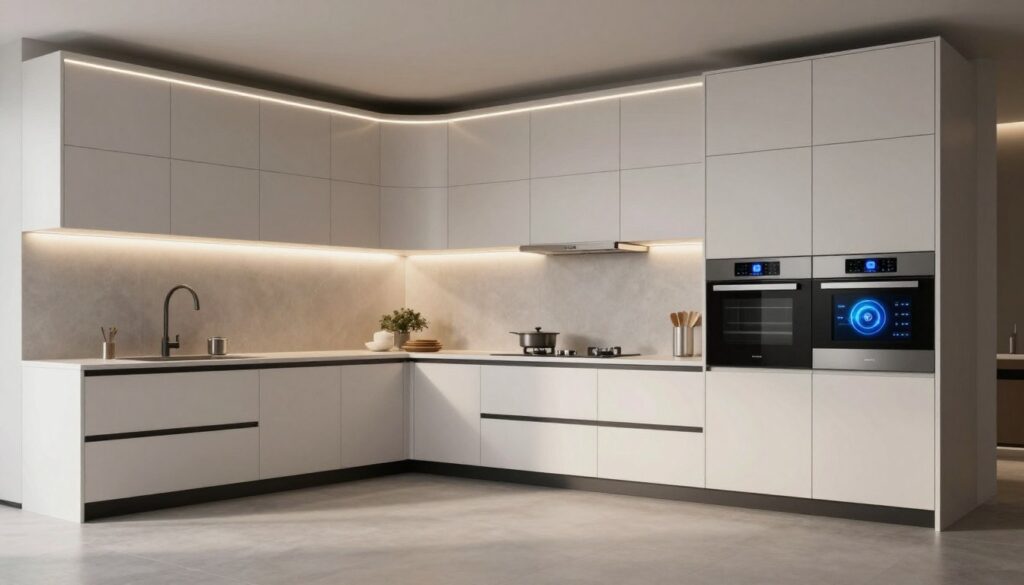
Kitchen design continues evolving rapidly. Emerging technologies and changing lifestyles will further transform how we think about kitchen layouts.
Technology Integration
Smart appliances increasingly communicate with each other. Your refrigerator knows what ingredients you have. Your oven preheats based on recipe selections. Voice assistants guide cooking procedures hands-free.
These technological advances reduce the importance of physical proximity. When appliances work together digitally, the distances between them matter less. The traditional triangle concept based on minimizing steps becomes less relevant.
Flexible and Modular Kitchens
Future kitchens may feature movable components that reconfigure based on current needs. Wheeled islands could shift position for different activities. Modular storage might reorganize seasonally. Appliances could relocate to support varied workflows.
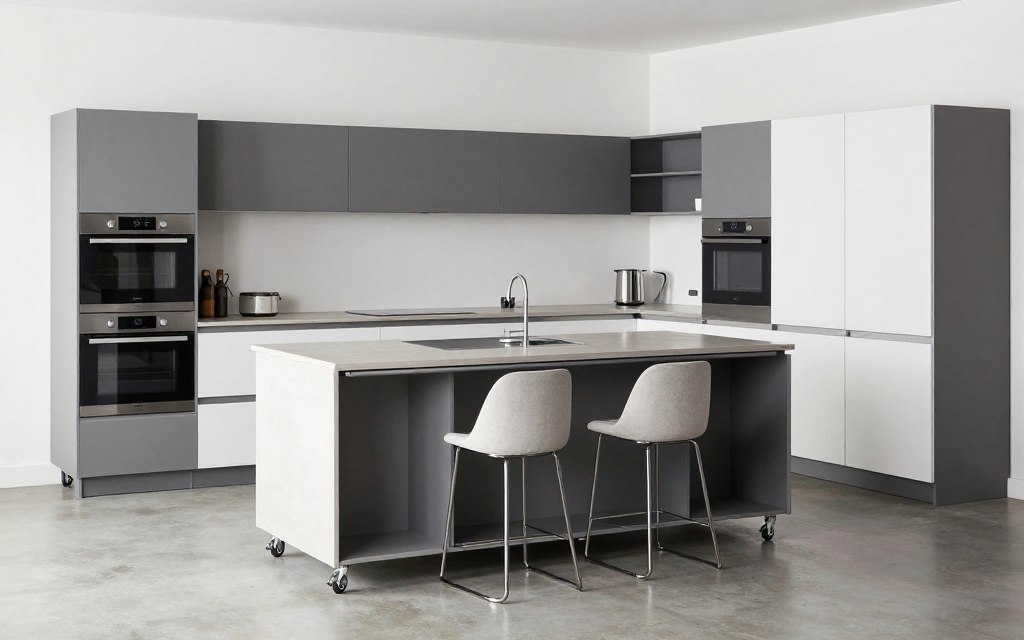
This flexibility completely undermines fixed geometric principles like the work triangle. Layout optimization becomes a dynamic daily choice rather than a permanent design decision.
Sustainability and Resource Efficiency
Environmental concerns increasingly influence kitchen design. Water conservation affects sink placement and usage patterns. Energy efficiency shapes appliance selection and positioning. Waste reduction drives composting and recycling station design.
These sustainability priorities may matter more than step counting in future kitchens. Designers might optimize for resource conservation rather than movement efficiency.
Wellness and Health Focus
Health-conscious design emphasizes air quality, natural light, and ergonomic comfort. Future kitchens may prioritize these wellness factors over traditional efficiency metrics.
- Air purification systems integrated into ventilation
- Circadian lighting that adjusts throughout the day
- Ergonomic surfaces at multiple working heights
- Materials selected for health impact rather than just aesthetics
- Hydration stations promoting water consumption
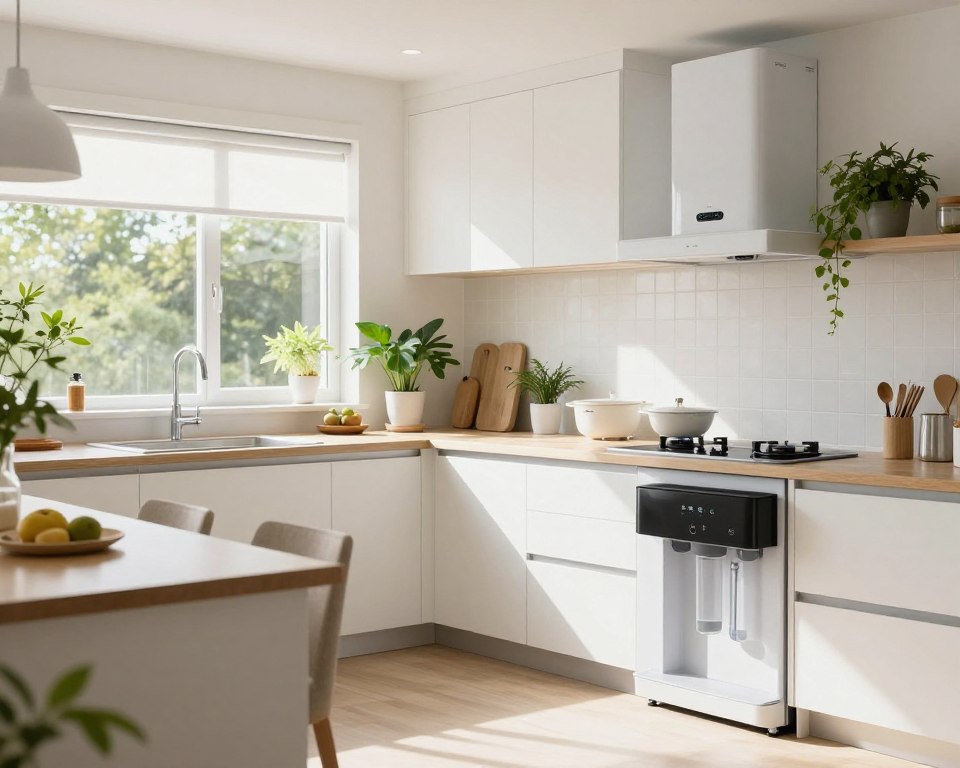
Final Verdict: Does the Kitchen Work Triangle Still Matter?
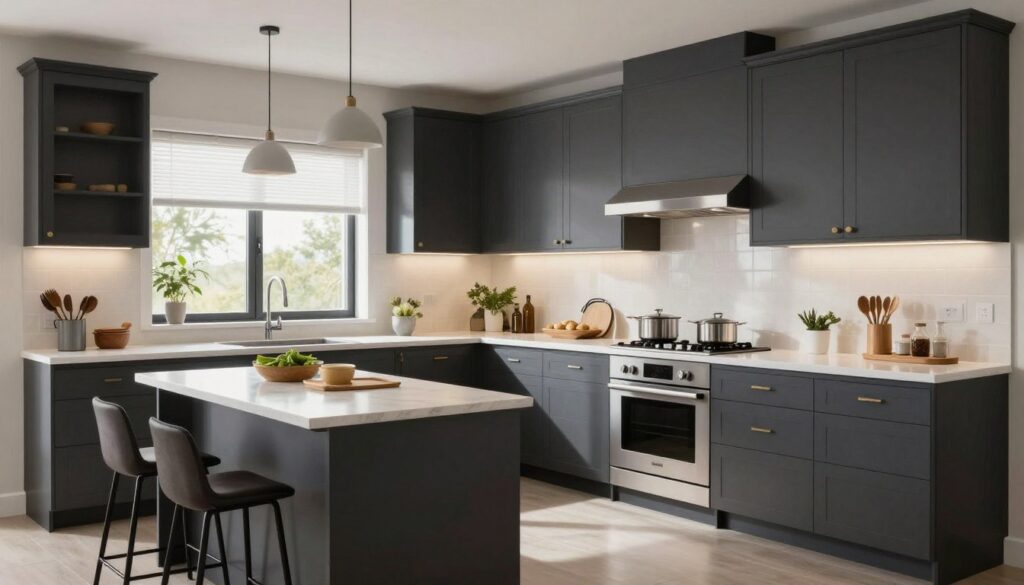
The kitchen work triangle matters, but not in the way it once did. It offers useful guidance without deserving absolute authority over your design decisions.
The Balanced Perspective
Think of the work triangle as one valuable principle among many. Its core insight remains valid: positioning your sink, stove, and refrigerator thoughtfully improves kitchen efficiency. The specific measurements and rigid geometric requirements matter less.
Modern kitchens benefit from triangle thinking applied flexibly. Use it to ensure your primary appliances relate logically. Then layer additional considerations that address your family’s actual needs.
When to Follow Triangle Principles
The traditional work triangle deserves consideration in these situations:
- Small kitchens where every inch matters
- Simple layouts with standard appliances
- Single-cook households with traditional habits
- Budget renovations requiring proven solutions
- Situations where other design constraints limit options
When to Ignore Triangle Rules
Abandon strict triangle adherence when your situation demands it:
- Large, open-concept spaces exceeding triangle distances naturally
- Multiple cooks requiring separate work zones
- Specialized cooking styles needing unique layouts
- Accessibility requirements conflicting with triangle geometry
- Architectural constraints making triangle compliance impossible
- Modern lifestyle priorities that override efficiency
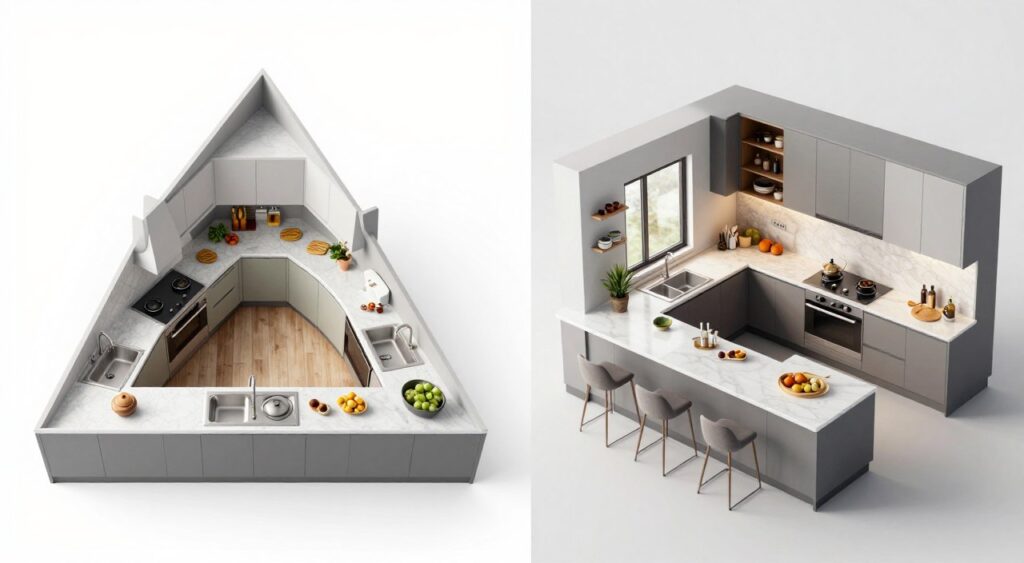
The Real Success Factors
Kitchen success depends more on understanding your specific needs than following any universal rule. Ask yourself what matters most. How does your family cook? What functions does your kitchen serve? Who uses the space and when?
Honest answers to these questions guide better design decisions than rigid adherence to geometric formulas. Your perfect kitchen supports how you actually live rather than conforming to how designers thought families cooked in 1940.
Moving Forward with Your Renovation
As you plan your kitchen renovation, consider the work triangle as helpful guidance rather than mandatory law. Use its wisdom about appliance relationships while remaining open to modern alternatives that better suit your situation.
The best kitchen design prioritizes your family’s real workflow over theoretical principles. Whether that design follows traditional triangle logic or completely ignores it matters less than whether it works perfectly for you.

Kitchen design in 2026 offers more flexibility than ever before. The work triangle remains a useful tool in your planning toolkit. Just remember it is one tool among many, not the only one that matters.
Ready to Design Your Perfect Kitchen?
Our kitchen design experts will help you create a layout that works perfectly for your family’s unique needs. Whether you follow triangle principles or pursue a completely modern approach, we’ll ensure your kitchen functions beautifully.