
Your bedroom lighting choice greatly affects how your space feels and works. The right bedside light makes reading easy, creates a warm atmosphere, and adds style. Two popular options for bedroom designs are pendant lights and wall sconces.
When choosing between pendant lights and sconces, consider your room layout, ceiling height, and daily habits. Both fixtures offer unique benefits for your bedroom. Knowing what makes each special helps you choose the best fit for your home.
This guide simplifies the comparison between wall sconces and pendant lighting. You’ll learn how each works, where to install them, and which fits your lifestyle. Whether your bedroom is small or spacious, this comparison provides the necessary information.
Your choice depends on real factors. Room size and ceiling height are important. Your current electrical setup also matters. Personal taste is key. This article will guide you through each factor step by step.
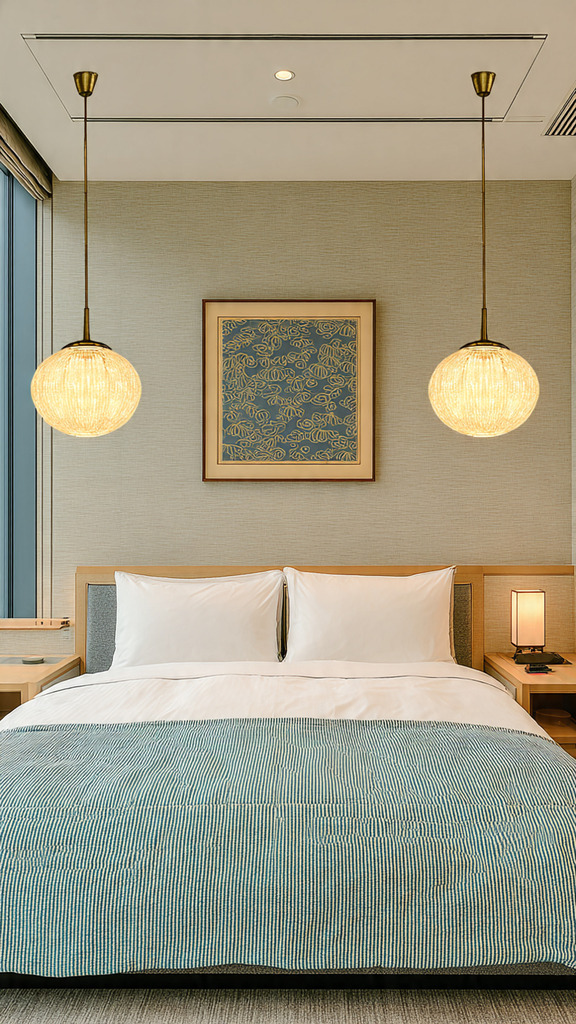
You’ll learn why pendant lights create luxury and save space. You’ll also see how bedroom lighting ideas can highlight luxury. By the end, you’ll be confident in your choice of bedside lighting.
Understanding Bedside Lighting: The Foundation of Bedroom Design
Bedside lighting is key to a cozy and useful bedroom. Choosing between pendant and sconce lights changes more than looks. It affects how you read, unwind, and get ready for bed.
Good bedside lighting does many things. It helps with reading, adds a soothing glow, and brings out your room’s design.
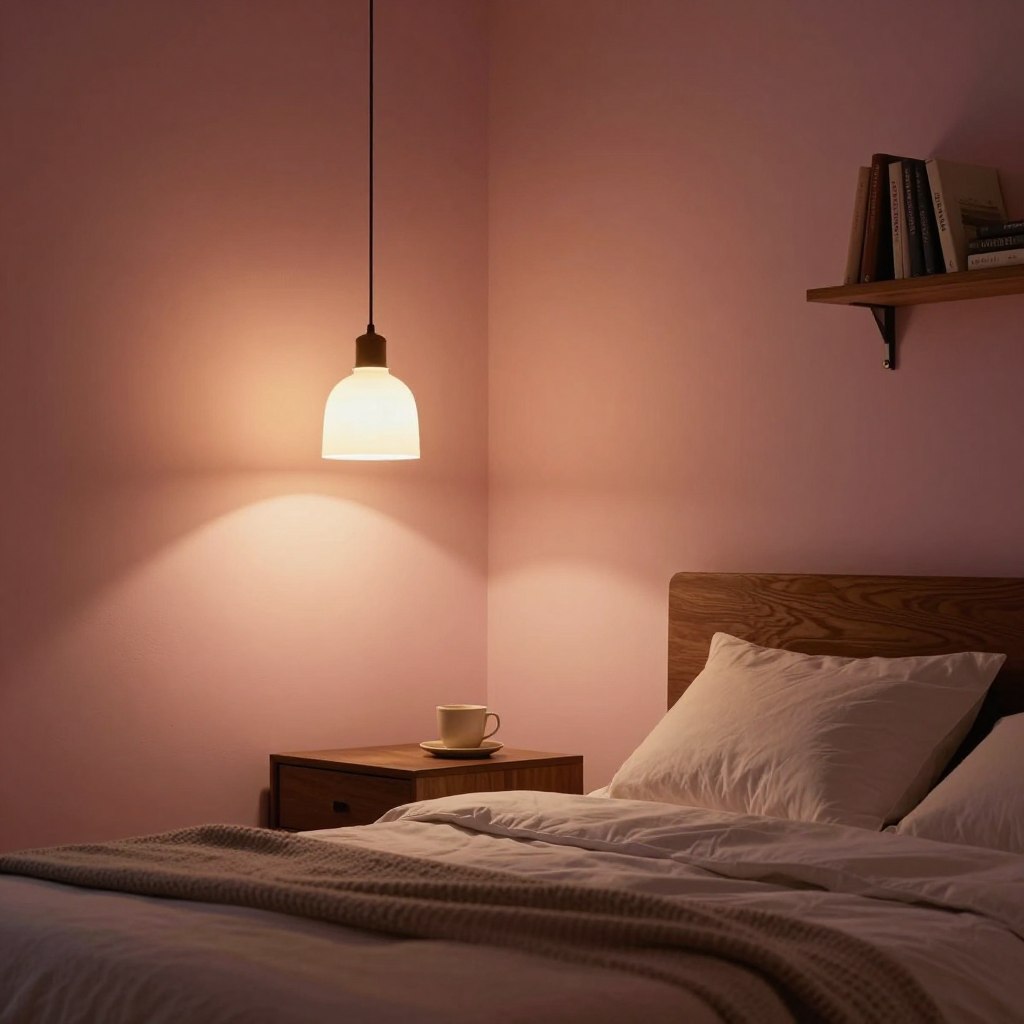
Where you place your lights is very important. Lights that are too high or low can hurt your eyes when reading. Being able to change the light’s brightness helps you switch from bright reading light to soft evening light.
This change helps you sleep better by avoiding harsh light before bed.
Many people are ditching old nightstands with lamps. Instead, they choose built-in lights that save space. When picking between pendant and sconce lights, think about your room’s size, ceiling height, and how your furniture is arranged. These things help decide which light is best for your space.
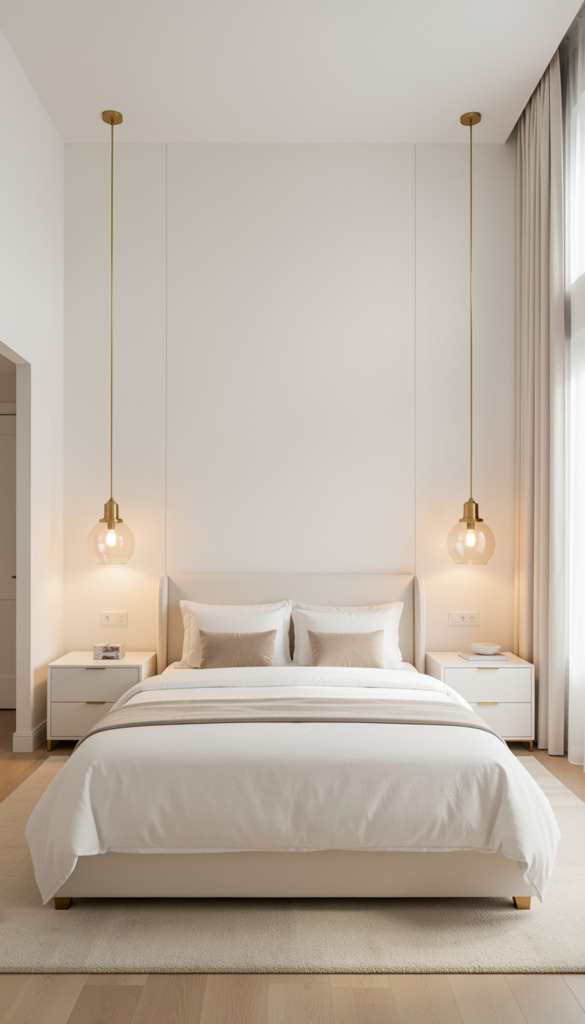
Learning about 10 small living room lighting ideas can also help with bedroom design. The right lighting not only makes your room look good but also makes it feel welcoming. It supports relaxation and comfort in the evening.
Pendant Lights vs Sconces: Key Differences and Characteristics
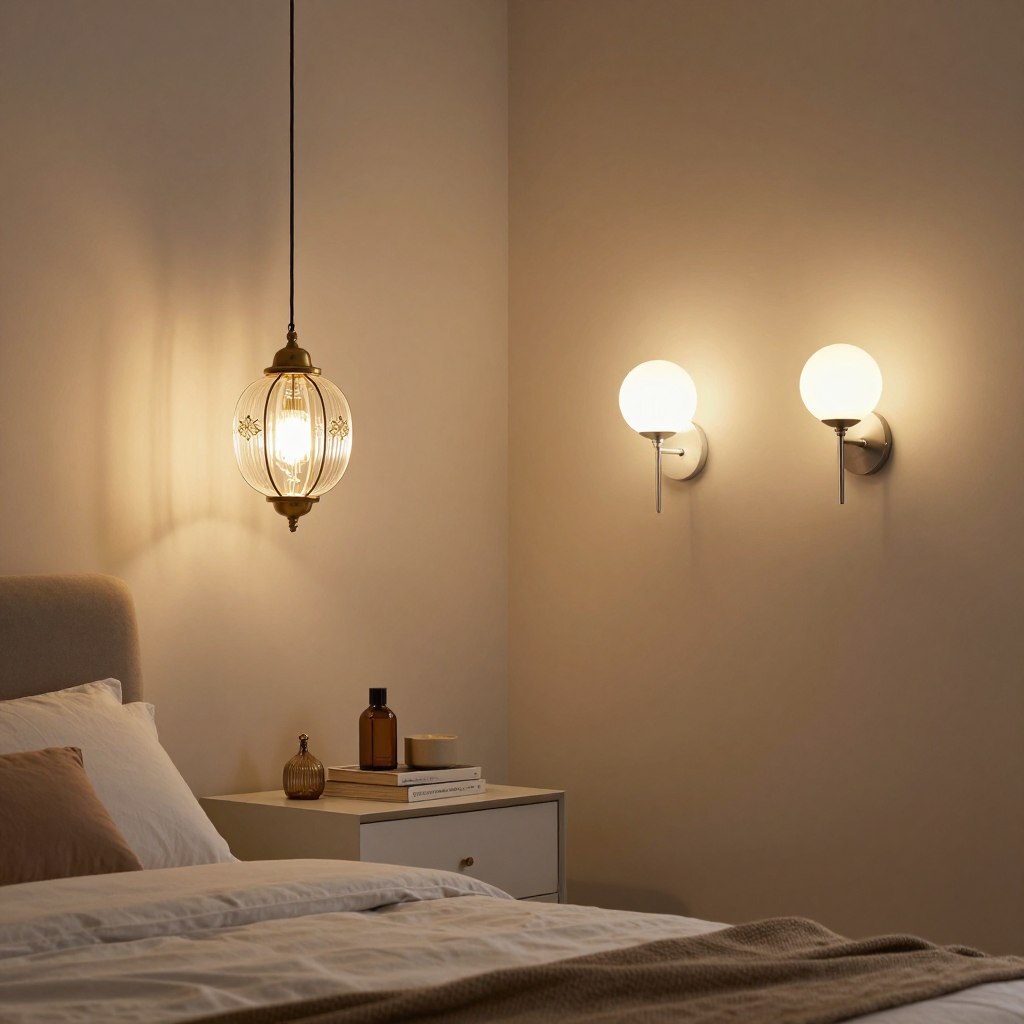
When picking between pendant lights and sconces, knowing their main differences is key. Pendant lights hang from the ceiling, using a cord or chain. They create a focal point that draws your eye up. On the other hand, wall sconces are mounted on your bedroom walls, usually near eye level or a bit above your bed.
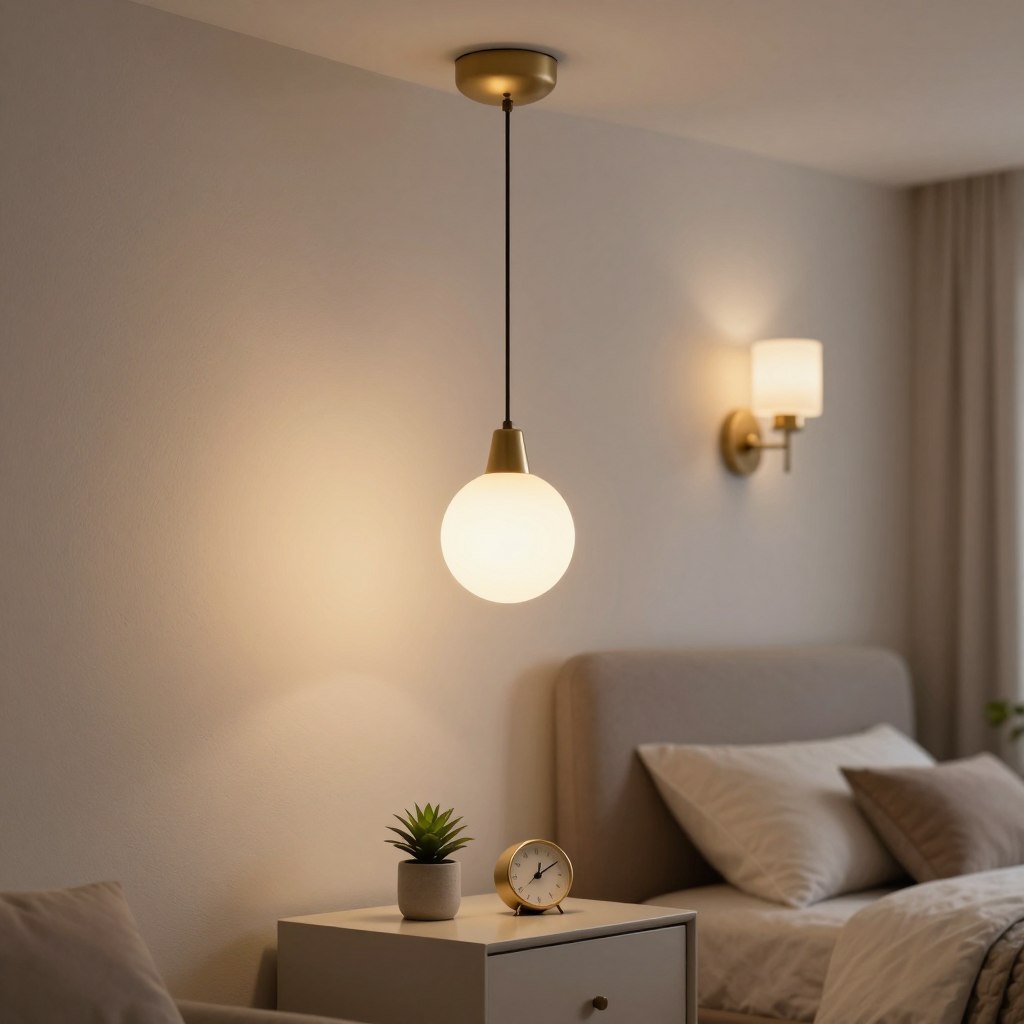
Pendant lights need space from the ceiling to hang. They’re great for rooms with high ceilings, making your bedroom feel taller. Sconces, however, don’t need any space above them. They’re perfect for rooms with lower ceilings or less headroom.
The way light is distributed is different between these two. Pendant lights focus light downward, ideal for bedside task lighting. Sconces, on the other hand, can offer both ambient and task lighting, depending on their design. Pendant lights make a bold statement, while sconces blend into the wall.
Both types come in a wide range of styles. You can find modern, traditional, industrial, and minimalist designs for both pendant lights and sconces. Pendant lights range from simple shapes to elaborate glass or metal designs. Sconces also offer variety, with adjustable arms, fixed frames, or decorative designs.
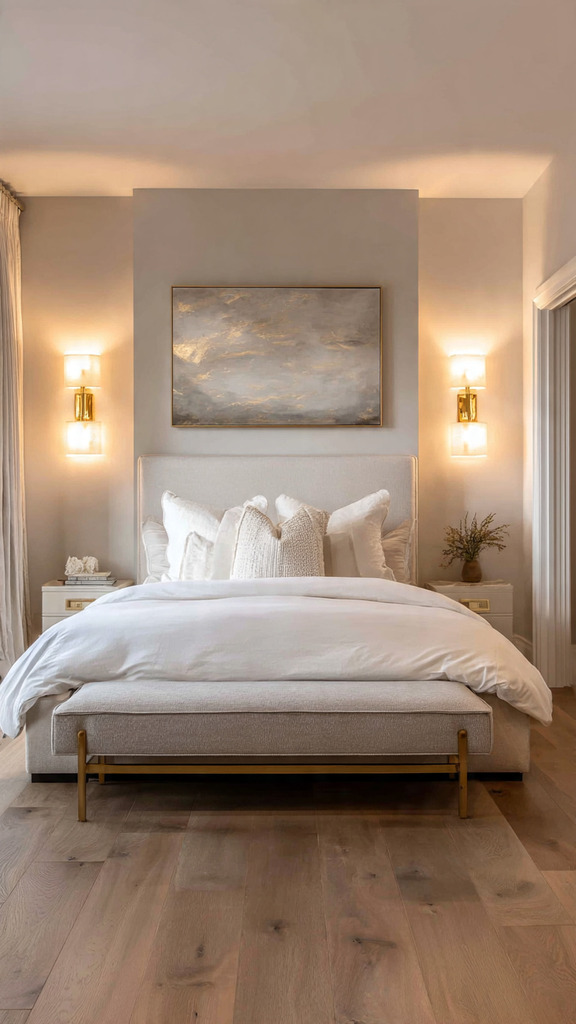
Deciding between pendant lights and sconces depends on how they fit into your bedroom. Pendants highlight vertical space and add drama. Sconces, however, use wall space efficiently without taking up overhead space. Your choice should be based on your personal taste and the size of your bedroom.
Design Flexibility: How Each Fixture Complements Your Space
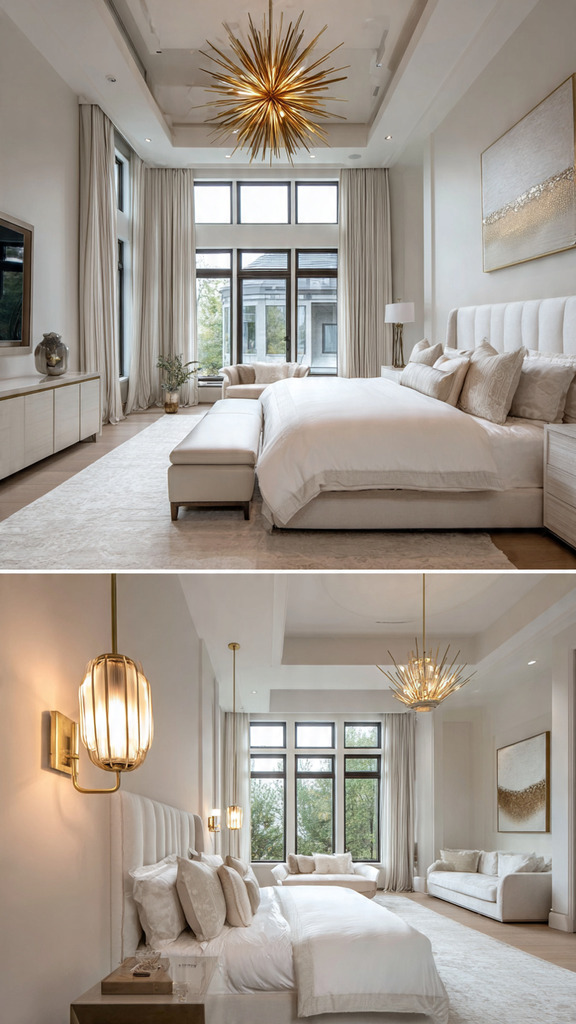
Choosing between a wall sconce or hanging pendant changes your bedroom’s look. Pendant lights make bold statements, drawing your eye up. They’re perfect for rooms with high ceilings, adding depth without feeling cramped.
Sconces blend into your bedroom’s design more smoothly. They fit well in many styles, from traditional to modern. Wall sconces give a clean look, fitting snugly against the wall.
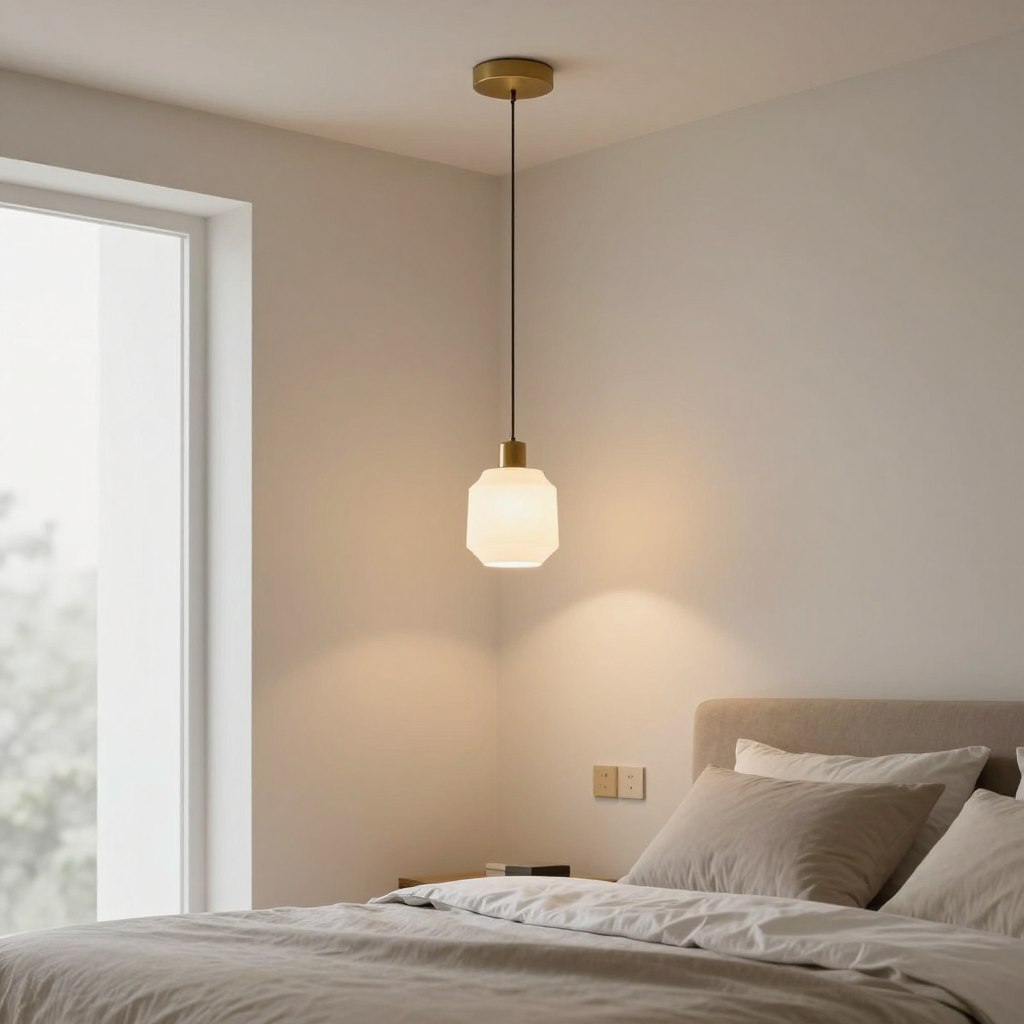
Lighting symmetry is key. Matching lights on both sides of your bed brings balance. For a unique touch, try asymmetrical designs. Metal finishes like brass and rose gold match your room’s decor.
Using both pendant lights and sconces adds depth to your lighting. You can have pendant lights over nightstands and sconces for wall lighting. This mix, as shown in modern crystal chandelier design principles, enhances your room’s look.
Your headboard style affects your choice. Low profile headboards work well with both options. But tall headboards might clash with sconces, making pendants a better fit. The type of shade you choose affects the light’s warmth and brightness.
Installation Considerations: Wiring, Placement, and Professional Requirements
Both pendant lights and sconces need a licensed electrician for hardwiring. This makes your fixture placement permanent. The installation process for each style is different, so it’s important to understand these differences when choosing for your bedroom.
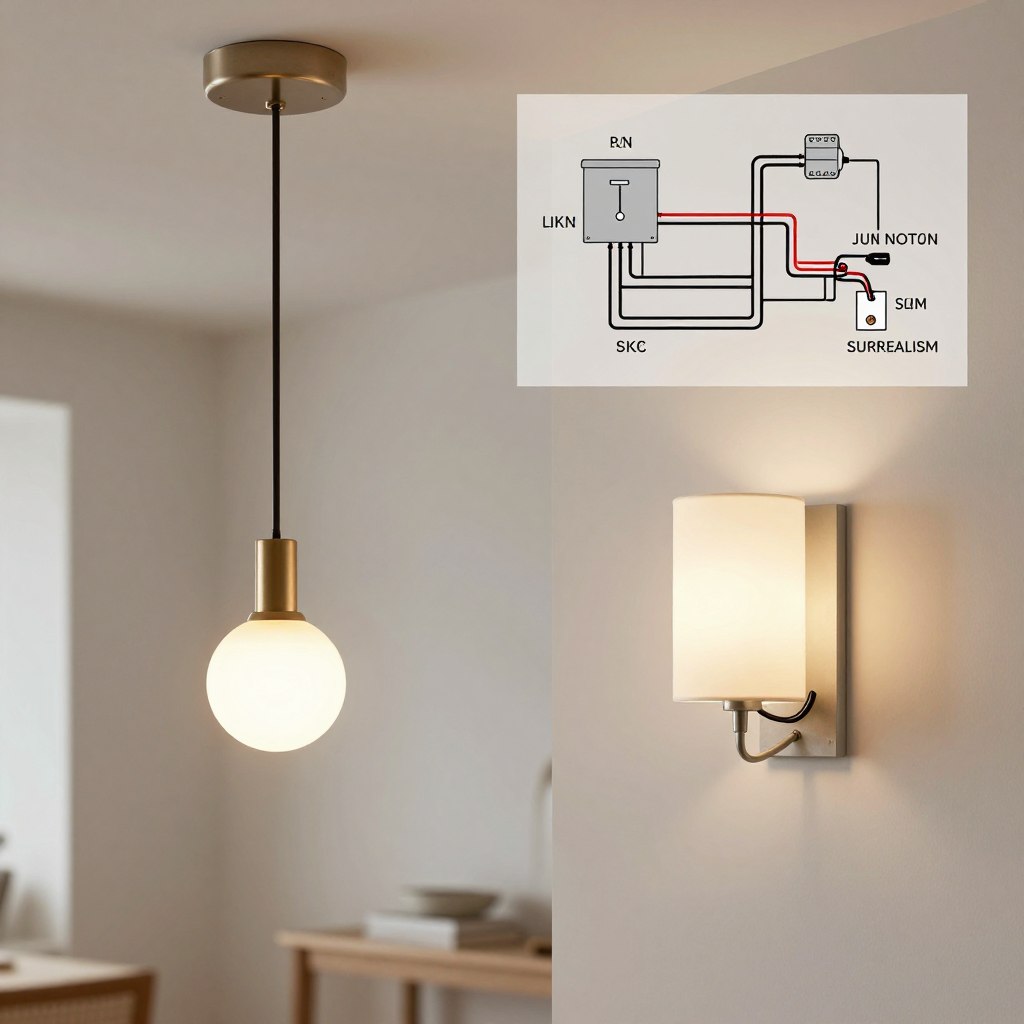
Pendant lights require ceiling junction boxes right above your nightstand. You’ll need to measure and plan carefully before starting. The wiring goes through your ceiling and walls to reach switches. You might need to reinforce your ceiling for heavier fixtures.
Sconces, on the other hand, are mounted on your bedroom walls. They’re usually placed between 60 and 70 inches from the floor. This height can change based on your mattress and headboard.
The type of wall you have can make installation easier or harder. Drywall is easier than plaster, brick, or concrete. If your bedroom isn’t prewired, you’ll need to run new electrical lines. This means opening walls or ceilings, patching, and repainting.
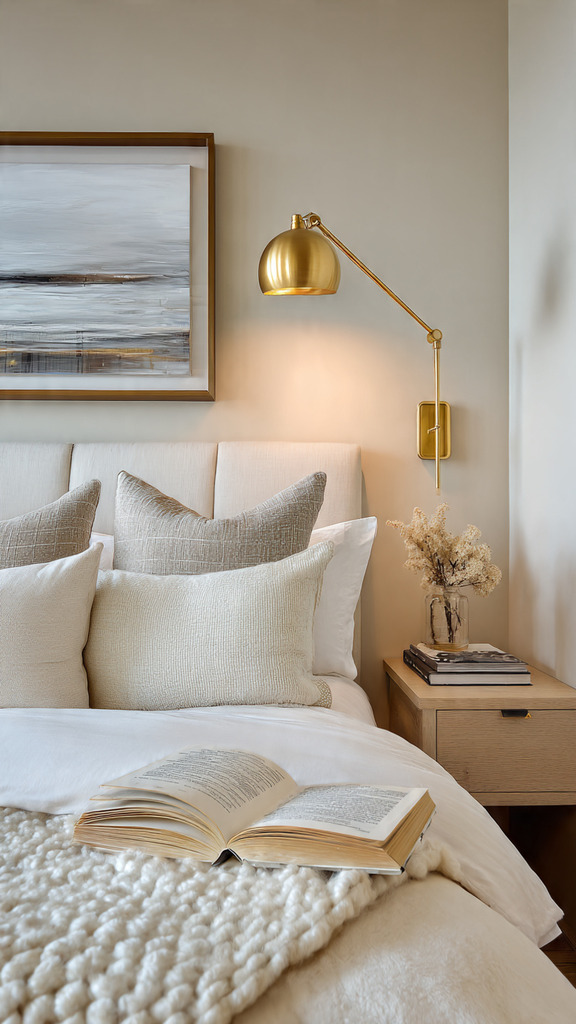
Switch placement options include traditional wall switches, bedside switches, and dimmers. You can also integrate smart home technology with both fixtures.
Installation complexity and the cost of an electrician’s labor are big parts of your total cost. Sconces might be better if you can’t easily access your ceiling. Pendant lights are easier if you have an accessible attic. Make sure to arrange your furniture before the electrical work starts to avoid mistakes.
Common remodeling mistakes show that bad electrical planning can lead to delays and extra costs. Working with licensed professionals ensures your installation is safe and meets all codes.
Functionality and Practicality: Which Option Suits Your Lifestyle?
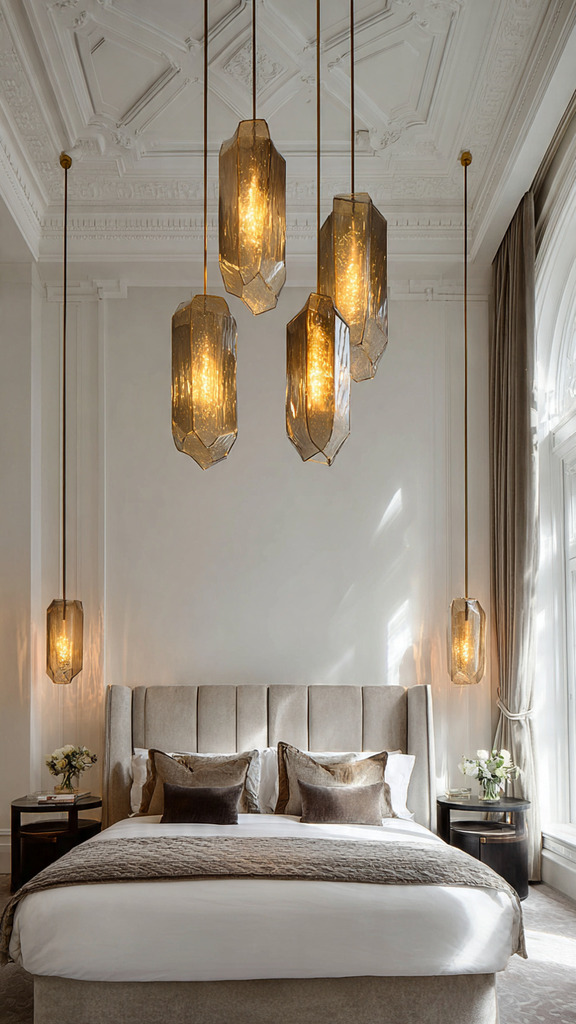
Your daily activities in bed help decide the best lighting for you. Reading needs focused light right on your book or screen. Adjustable arm sconces are great for this, directing light without waking others.
Pendant lights give a soft glow for general tasks but don’t offer the precision of sconces. Whether you’re getting dressed, navigating at night, or checking your phone, the right lighting makes a difference.
Space on your nightstand is important. Sconces keep your surface clear, allowing you to store more. Pendants save space by hanging overhead, not taking up table room. Think about what you need to keep within reach.
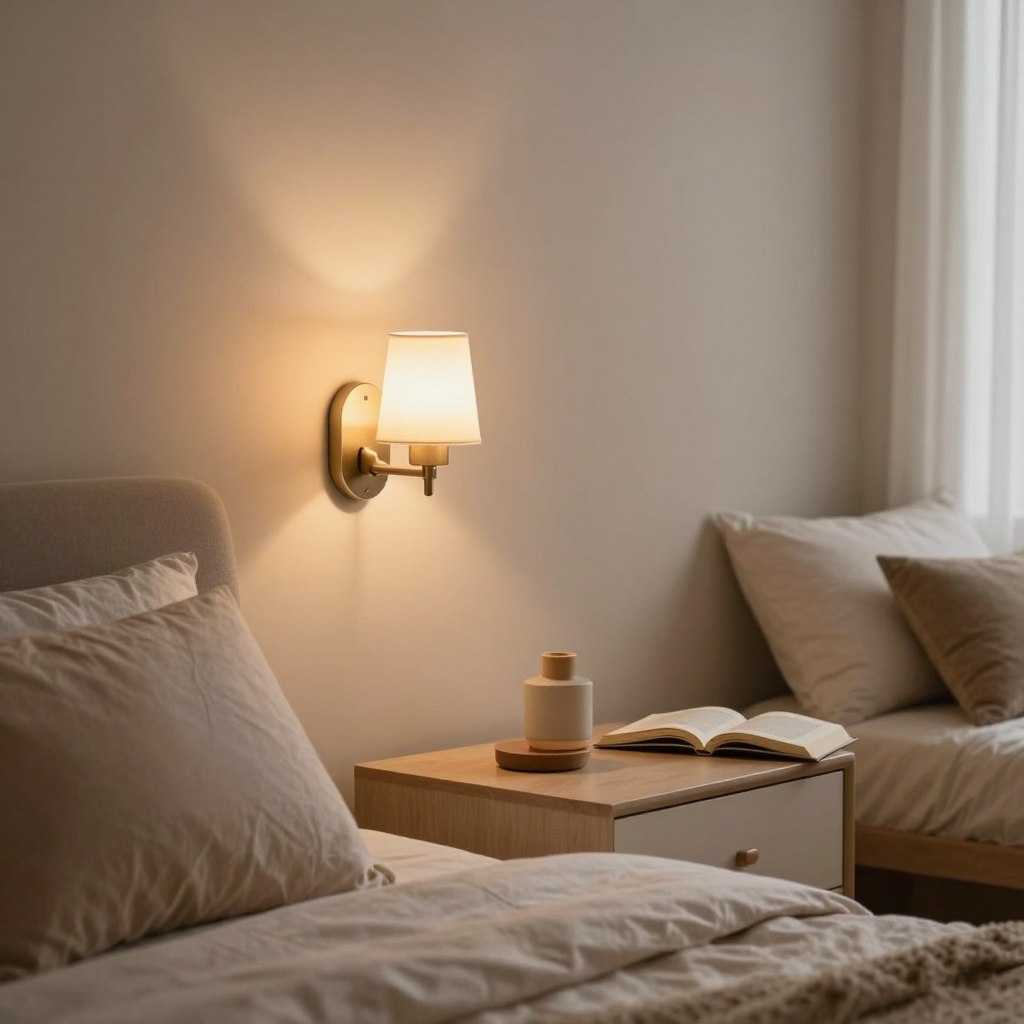
Safety and space are key. Pendants should hang 24 to 30 inches above your nightstand to avoid head bumps. Sconces should be placed where they won’t get in the way. Also, pendants might need a step stool for bulb changes, while sconces are easier to reach.
Think beyond bedrooms. In kitchens, pendants or sconces on islands and peninsulas need to light up food prep well. In bathrooms, sconces are better for vanities because they provide even lighting for grooming.
Consider your household’s needs. Families with kids might prefer sconces to avoid hanging hazards. Book lovers might like adjustable sconces for better reading light. Design enthusiasts might choose pendants for their look. Using dimmable fixtures can create a cozy yet bright space for all your day’s activities. Remember, choosing a hardwired fixture is a permanent decision.
Conclusion
Choosing between pendant lights and sconces for your bedside lighting depends on your needs. There’s no one-size-fits-all solution for every bedroom. Your choice should match your design style, room size, and what you need functionally.
Pendant lights are great for certain rooms. They’re perfect for bedrooms with high ceilings. They also add a modern touch and work well on nightstands.
Sconces are better for other rooms. They’re ideal for bedrooms with standard or low ceilings. Sconces fit well with traditional or transitional designs and offer adjustable lighting.
Consider mixing both pendant lights and sconces for a layered lighting effect. This approach adapts to different activities and moods. Before deciding, talk to an interior designer and a licensed electrician. Install dimmer switches and think about furniture placement.
Now you’re ready to choose with confidence. You know the differences between pendant lights and sconces. You understand how they fit with various designs and room sizes. Your bedroom lighting project can succeed by meeting your specific needs.