


Getting a good night’s sleep is key for our health. But, with more city noise and pollution, it’s hard to sleep well. Creating a quiet space is vital. Soundproofing is a big step towards that. It helps block out the noise that disturbs your sleep.
This article will share 5 easy soundproofing tips. They’ll help you make your bedroom a peaceful place. You’ll sleep better and wake up feeling refreshed.
Understanding Noise Reduction Techniques for Better Sleep
Getting a good night’s sleep is more than just a comfy mattress. It also means knowing about noise reduction techniques. These techniques are key to making your bedroom a quiet place for sleep.
There are many ways to soundproof your bedroom. You can either absorb or block sound. Using sound-absorbing materials, sealing gaps, and installing insulation are some methods.
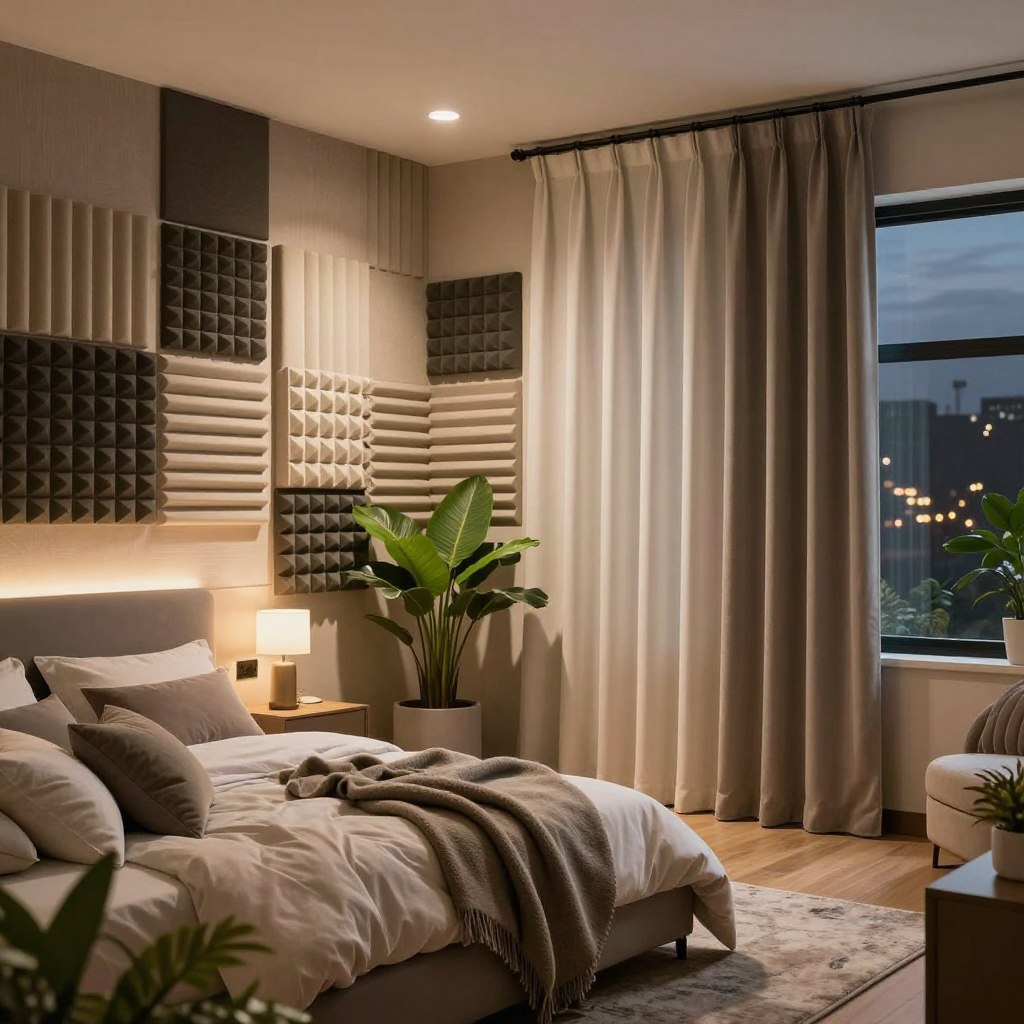
Learning about these methods helps you pick the best for your bedroom. For example, acoustic panels or blankets can soak up sound. Sealing gaps around doors and windows stops sound from getting in.
Sound absorbing materials like acoustic panels can be put on walls or ceilings. They help reduce echo and absorb sound. Soundproofing blankets can also be used to cover walls or hang on doors to block sound.
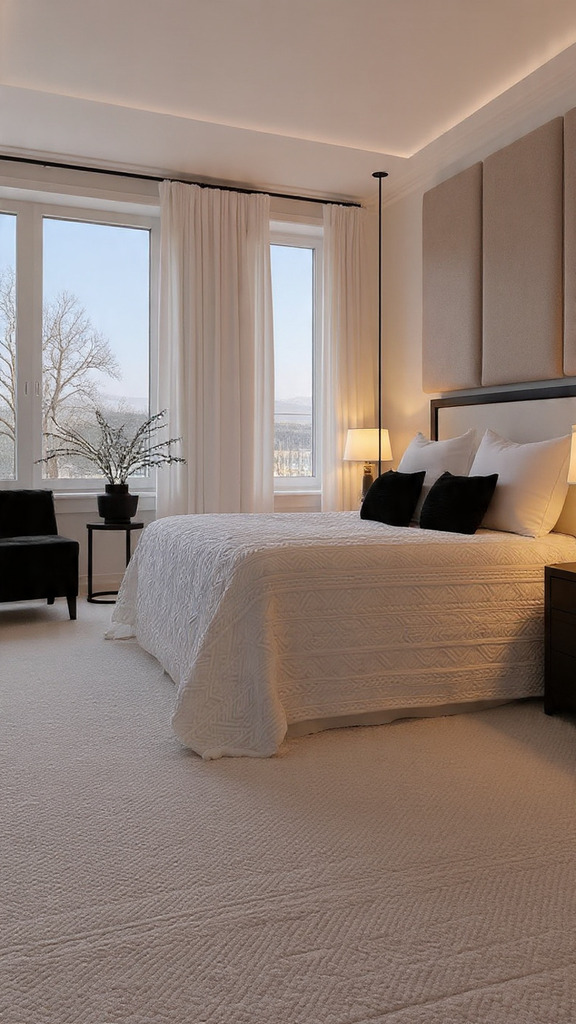
It’s also important to seal gaps and cracks around windows, doors, and electrical outlets. Use caulk or spray foam for big gaps. Weatherstripping around doors helps keep them sealed tight.
Soundproofing Tips for Peaceful Bedroom: Install Heavy Curtains and Window Treatments
Heavy curtains and window treatments are a simple yet effective way to soundproof your bedroom. Thick, heavy curtains can block a lot of noise from entering your room. By picking the right material and how to install them, you can make your curtains even better at soundproofing.
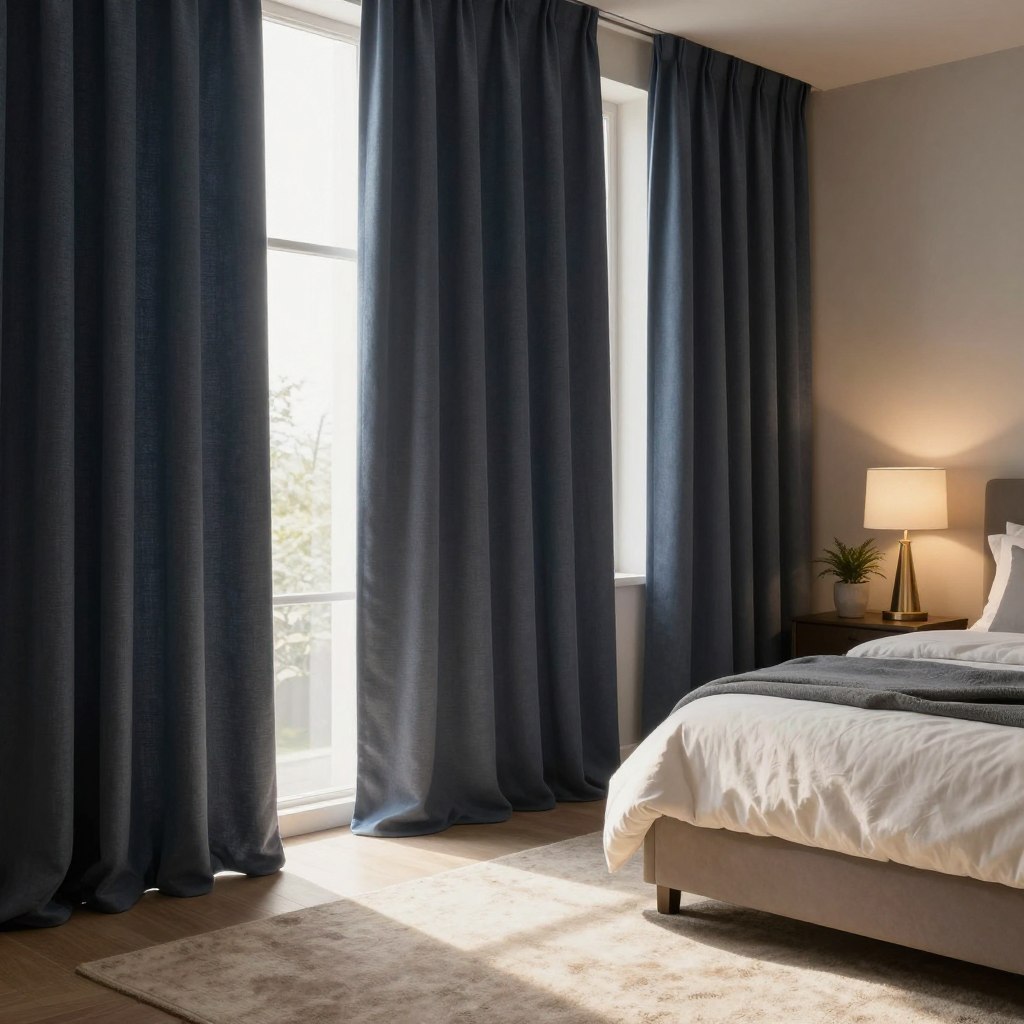
One easy DIY soundproofing trick is to use soundproof curtains. These curtains are made with materials that soak up sound and can be hung like regular ones. You can buy them or make your own with thick fabric and a few basic items. For a unique touch, try layering different fabrics or adding a thermal or acoustic lining to your curtains.
Maximizing Soundproofing with Curtains and Window Treatments
Other window treatments can also help soundproof your bedroom. Plantation shutters, for instance, are not only stylish but also block noise well. Acoustic window inserts are another choice, sealing the window to stop sound from getting in. For more ideas, check out creative glass bedroom apartment designs that might spark your soundproofing project.

When picking curtains and window treatments for soundproofing, think about the material, thickness, and how well they fit against the window frame. Thicker, heavier materials usually work better at absorbing sound. Also, making sure they seal well around the edges can really boost their soundproofing power.
By using these soundproofing tips, you can make your bedroom quieter and more peaceful. Whether you do it yourself or get a professional to do it, the goal is to pick materials and designs that block noise well. With the right heavy curtains and window treatments, you can have a quieter, more serene bedroom.
Soundproof Bedroom Walls Using Insulation and Acoustic Materials
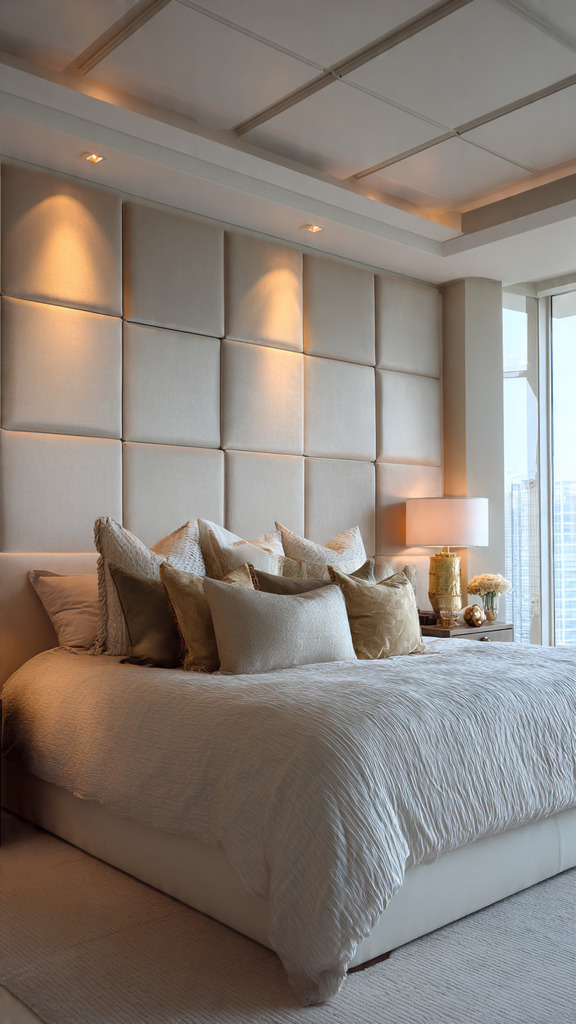
Creating a soundproof bedroom starts with soundproofing the walls. Using insulation and acoustic materials is very effective. Insulation materials like fiberglass or cellulose can be installed within the walls to absorb sound, reducing the noise that enters or leaves the room.
Acoustic materials, such as acoustic panels or soundproofing blankets, can be used to cover the walls. They help reduce echo and sound transmission. These materials are made to absorb sound waves, minimizing external noise disturbance.
Installing Insulation and Acoustic Materials
To install insulation, it’s usually done during construction or renovation. The insulation material is placed between the wall studs. For existing walls, acoustic materials can be added to the surface. It’s essential to choose the right type of insulation and acoustic materials for your specific needs.
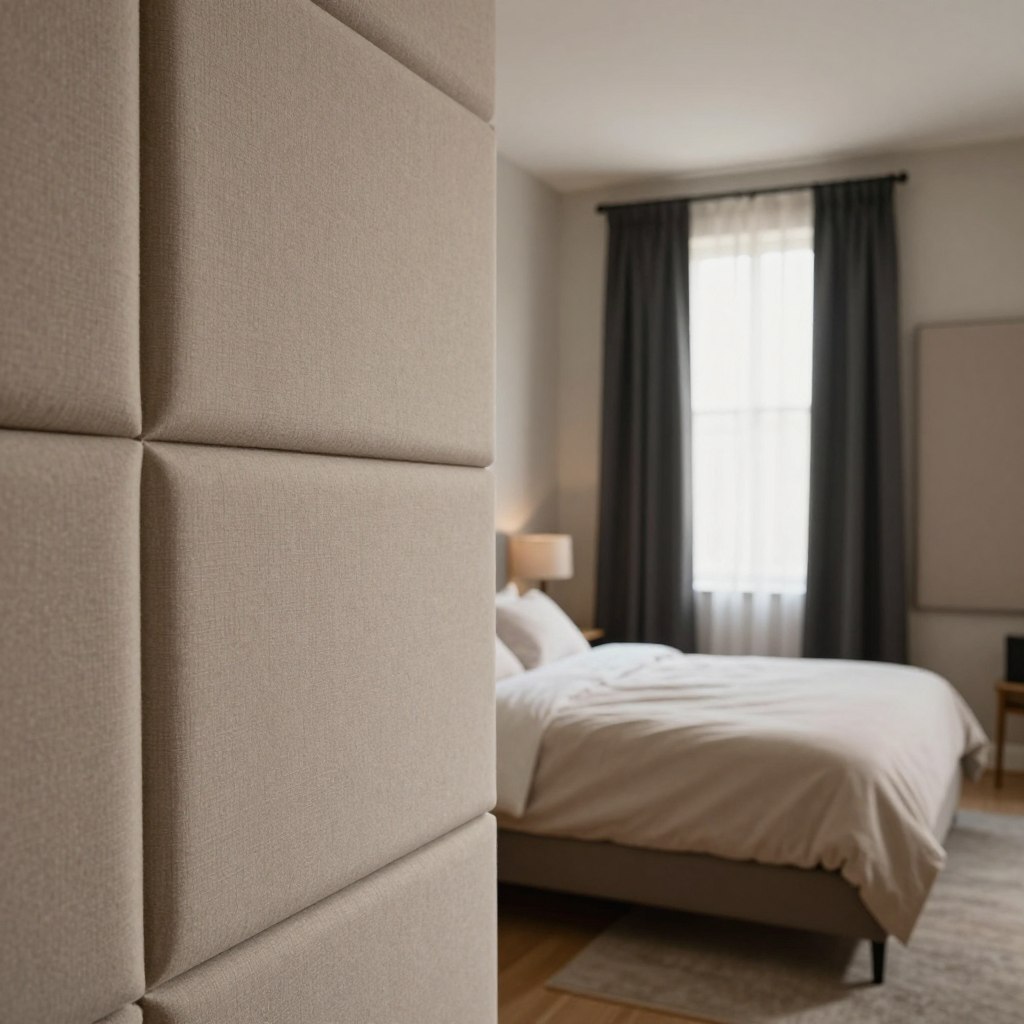
By combining insulation and acoustic materials, you can significantly improve your bedroom walls’ soundproofing. This not only enhances your sleep quality but also makes your environment more peaceful.
Upgrade Your Bedroom Door with Soundproofing Solutions
To make your bedroom quieter, think about soundproofing your door. Doors can let in a lot of noise. But, there are ways to stop this.
Using materials like acoustic seals or door sweeps can help. These can be put on easily and block a lot of sound.
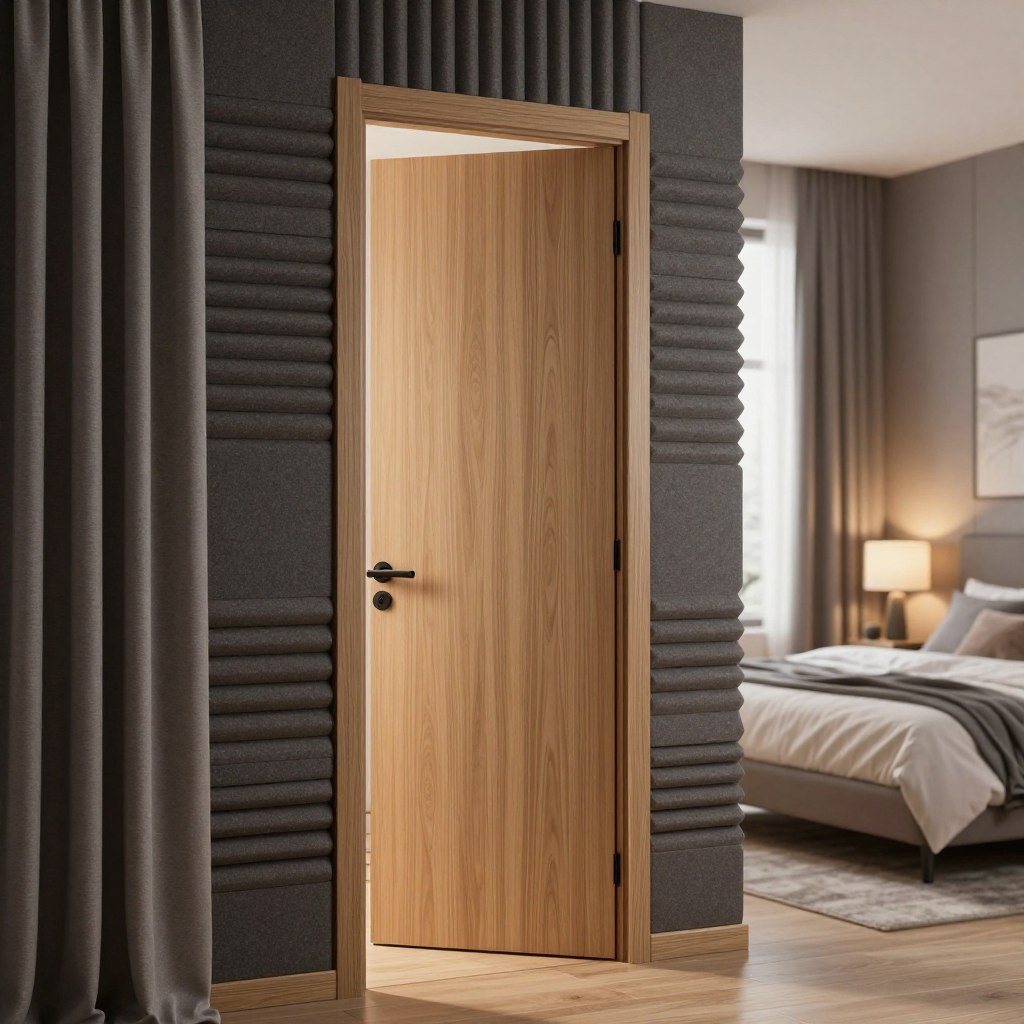
For even better results, consider a soundproof door or a soundproofing panel. These can block more noise. They’re great for rooms in noisy places.
Soundproofing your door can make your bedroom quieter. This means better sleep. You can try DIY methods or get a soundproof door. Either way, your bedroom will be more peaceful.
Implement Soundproof Flooring Options to Block Impact Noise
Soundproof flooring is a great way to keep your bedroom quiet. Footsteps or movement can disturb your sleep. It’s important to have a peaceful space for good rest.
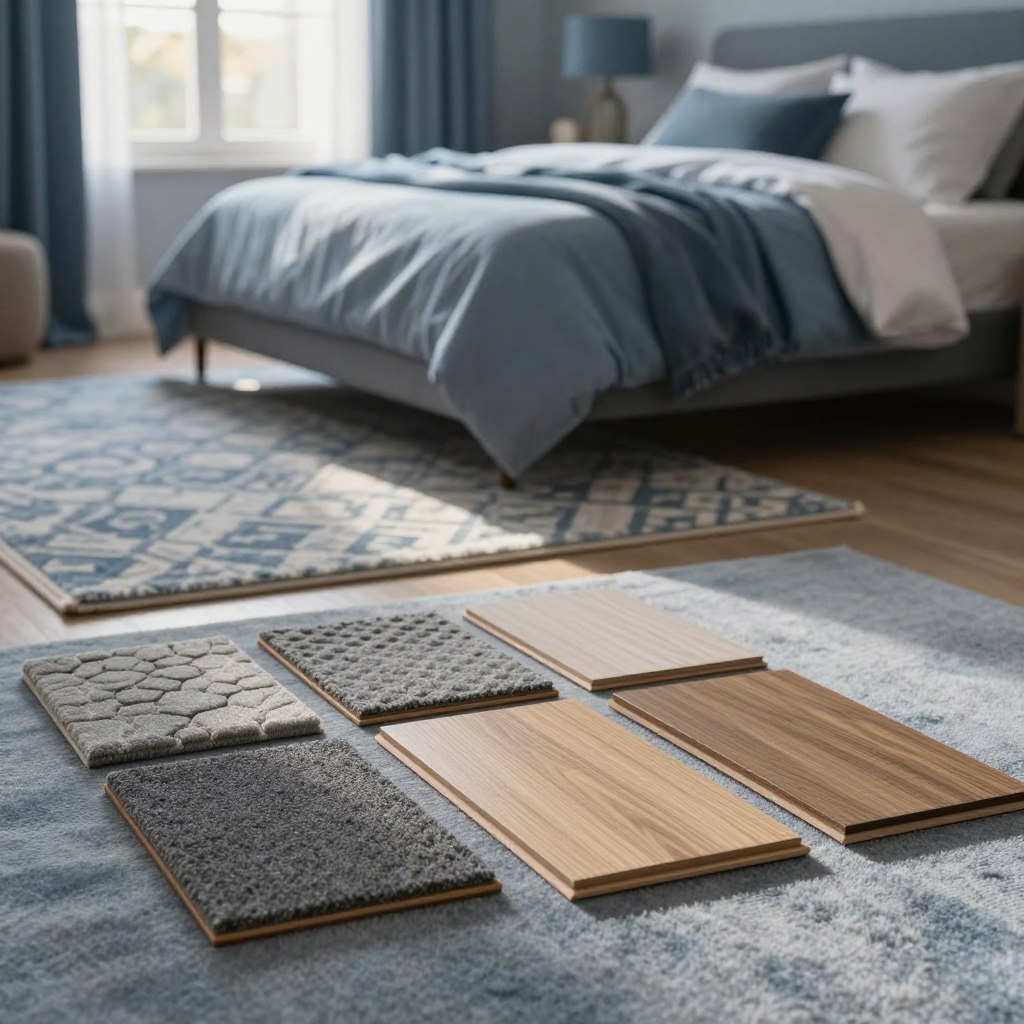
There are many soundproof flooring options out there. You can choose carpeting, underlayment materials, or full soundproof flooring systems. Carpeting is good at soaking up sound. Underlayment, like cork or rubber, helps block impact noise.
Installing Soundproof Flooring

Choosing the right flooring and underlayment is key. Soundproof flooring systems are made to cut down noise. They can fit any room’s layout and style.
With the right flooring, your bedroom will be quieter. This means better sleep and overall health.
Seal Gaps, Cracks, and Air Leaks for Complete Sound Control

To make your bedroom a quiet place, sealing gaps and cracks is key. These spots around windows, doors, and outlets let noise in or out. This can ruin your soundproofing plans.
Choosing the right soundproofing materials is essential. Acoustic caulk or spray foam work great for filling gaps. They expand to seal tight, stopping noise from passing through.
Sealing Gaps, Cracks, and Air Leaks

There are also DIY soundproofing tricks you can try. Weatherstripping and door sweeps can block a lot of noise. These easy steps can greatly improve your bedroom’s soundproofing.
Sealing these areas boosts your bedroom’s soundproofing a lot. It helps you sleep better and makes your space quieter. Good soundproofing means paying attention to details and using the right stuff.
Conclusion
By using the soundproofing tips from this article, you can make your bedroom a quiet haven. Good soundproofing is key to better sleep and health.
To make your bedroom quiet, try using heavy curtains, soundproof walls, and better doors. Also, seal any gaps to stop noise from getting in.
Choosing the right materials and methods can greatly reduce noise. This makes your bedroom perfect for relaxing and sleeping. Soundproofing is vital for a peaceful bedroom.
Soundproofing your bedroom is a smart move for your health. A quiet bedroom is just a few steps away.