
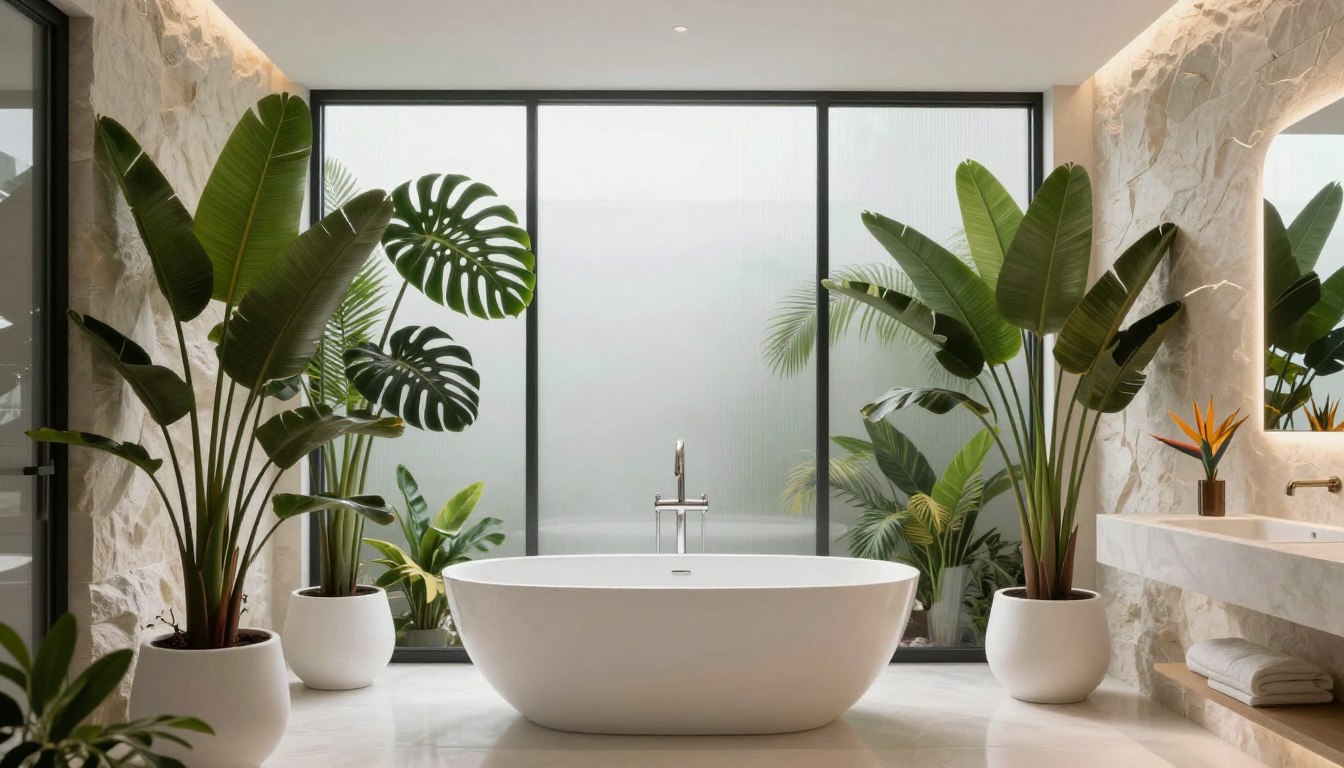
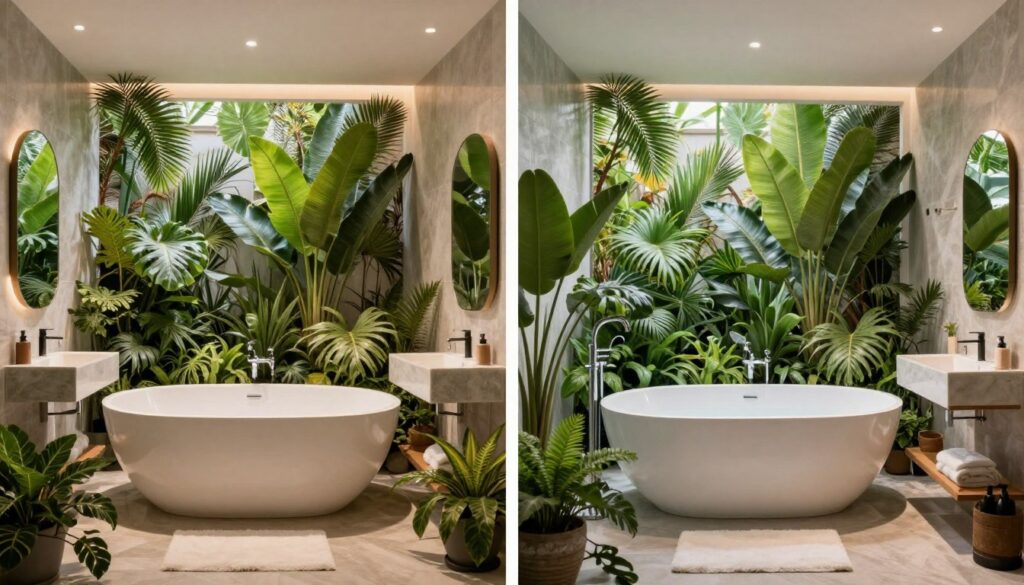
Imagine stepping into your bathroom and feeling transported to a private botanical sanctuary. The gentle rustle of leaves, the fresh scent of living greenery, and the calming presence of nature transform your daily routine into a wellness ritual. Large indoor plants elevate a luxury bathroom from merely functional to genuinely restorative.
This transformation is more than aesthetic. Plants in bathroom environments offer tangible benefits. They naturally purify the air, regulate humidity levels, and create a spa-like atmosphere that promotes relaxation. The bathroom’s unique microclimate characterized by warmth, moisture, and varying light conditions actually provides an ideal environment for specific plant species to thrive.
Creating this botanical oasis requires thoughtful planning. You need to understand which plants flourish in bathroom conditions, where to position them for maximum visual impact, and how to care for them properly. This guide provides practical strategies for incorporating large indoor plants into luxury bathroom design, ensuring your green additions remain healthy and beautiful.
Best Large Indoor Plants for Luxury Bathrooms
Selecting the right plant species determines success in bathroom environments. Not all plants tolerate high humidity, temperature fluctuations, or low light conditions. The following selections have proven resilience in bathroom settings while providing the sculptural presence that luxury spaces demand.
Tropical Species That Thrive in Humidity
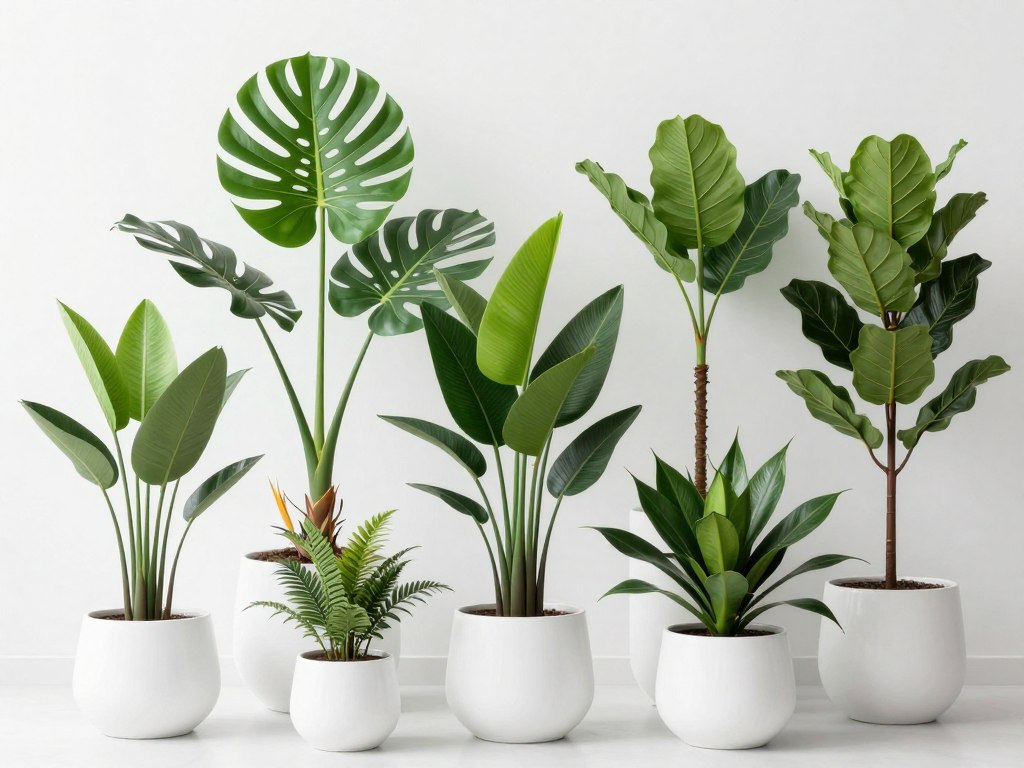
Tropical plants naturally thrive in bathroom humidity. These species evolved in rainforest environments where moisture levels remain consistently high. Your bathroom replicates these conditions, especially after hot showers.
Monstera Deliciosa
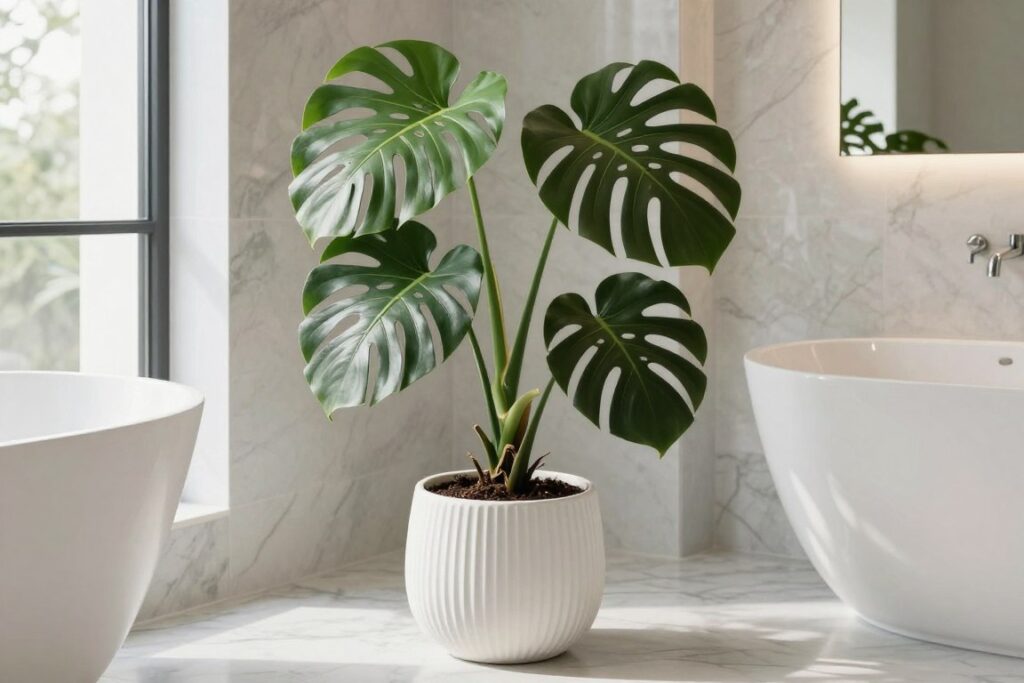
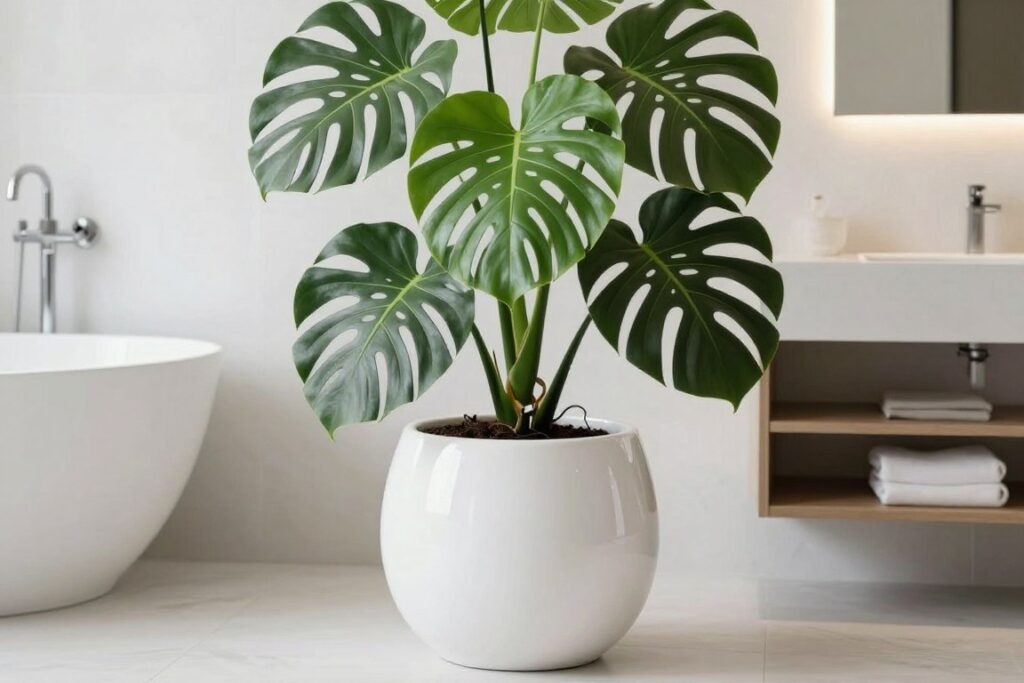
The iconic split-leaf philodendron brings dramatic architectural beauty to bathroom spaces. Its large, glossy leaves create bold visual statements while tolerating indirect light conditions. Monstera plants appreciate the high humidity bathroom environments provide, and their substantial size makes them perfect for filling empty corners or flanking freestanding tubs.
- Tolerates low to medium indirect light
- Thrives in humidity levels above 60%
- Requires minimal watering due to bathroom moisture
- Can reach 6-8 feet indoors with proper care
Bird of Paradise
Strelitzia reginae delivers tropical elegance with its large, paddle shaped leaves. This plant creates vertical drama and works exceptionally well in bathrooms with higher ceilings. The bird of paradise requires slightly more light than other bathroom plants but rewards you with stunning architectural foliage that evokes luxury resort aesthetics.
- Needs bright indirect light near windows
- Loves high humidity and warmth
- Grows 5-6 feet tall in indoor settings
- Paddle-shaped leaves add sculptural interest
Ferns for Classic Bathroom Elegance
Ferns represent the quintessential bathroom plant choice. These ancient plants have adapted to shaded, moist forest floors, making them perfectly suited to bathroom environments. Their delicate fronds add softness and romance to hard bathroom surfaces.
Boston Fern
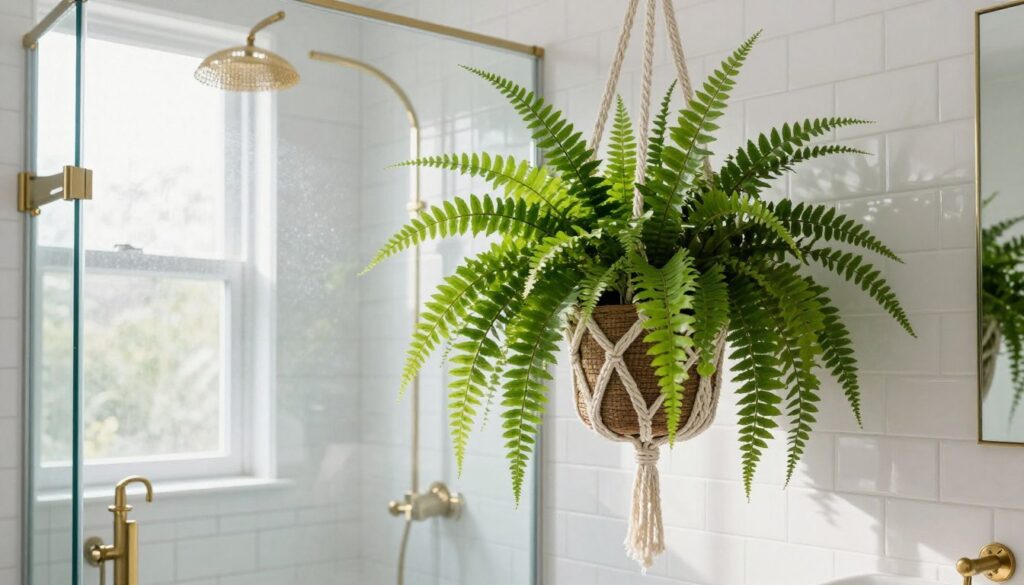
The Boston fern offers cascading green fronds that create a lush, romantic atmosphere. This classic bathroom plant excels in hanging positions near showers or above bathtubs, where it benefits from steam and indirect light. The Boston fern’s generous size and full growth habit make it ideal for softening angular bathroom architecture.
- Perfect for hanging planters near shower areas
- Requires consistent moisture and humidity
- Thrives in indirect light conditions
- Fronds can spread 2-3 feet when mature
Staghorn Fern
For a more contemporary aesthetic, staghorn ferns provide dramatic wall-mounted botanical art. These epiphytic plants naturally grow on trees in their native habitat, making them perfect for vertical bathroom displays. Mounting a staghorn fern on the wall near your vanity or above the toilet creates an unexpected luxury design element.
- Mounted on wood plaques for wall display
- Absorbs moisture from bathroom air
- Unique architectural form adds artistic interest
- Requires periodic misting and minimal soil
Low-Light Champions for Darker Bathrooms
Not all bathrooms receive abundant natural light. Interior bathrooms or powder rooms with limited windows require plants that perform well in lower light conditions. These species maintain their beauty without direct sun exposure.
ZZ Plant (Zamioculcas zamiifolia)
The ZZ plant delivers glossy, architectural foliage while tolerating remarkably low light levels. Its upright growth habit and substantial presence make it perfect for floor placement in bathroom corners. The ZZ plant’s drought tolerance means it won’t suffer if you occasionally forget watering, though it appreciates bathroom humidity.
- Survives in very low light conditions
- Glossy leaves reflect light in darker spaces
- Minimal water requirements
- Grows 2-3 feet tall with upright structure
Snake Plant (Sansevieria)
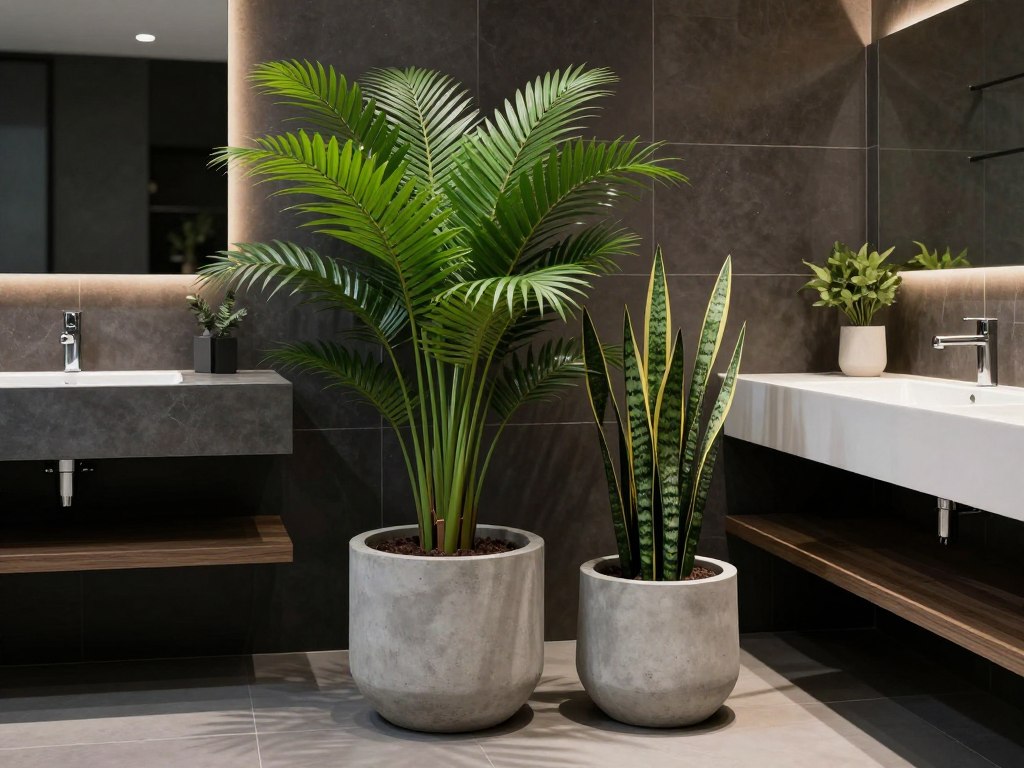
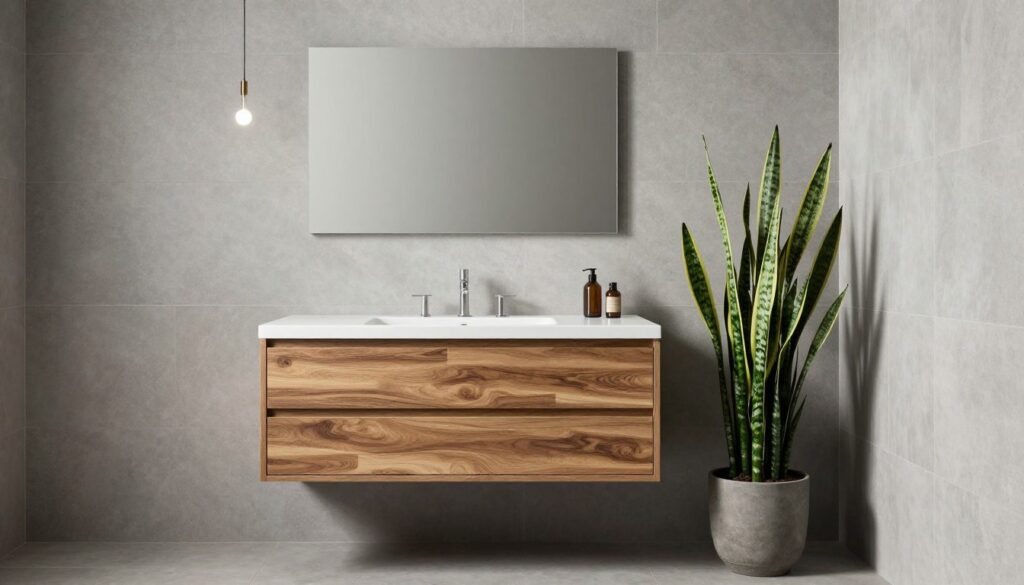
Sansevieria brings bold, vertical lines to bathroom design while requiring minimal attention. This resilient plant tolerates neglect, low light, and varying humidity levels. Larger varieties like Sansevieria laurentii create striking architectural statements when positioned near vanities or in empty corners.
- Tolerates low light and irregular watering
- Vertical growth adds height to compositions
- Air-purifying properties improve bathroom environment
- Available in varieties reaching 3-4 feet tall
Flowering Plants for Added Luxury
While foliage plants dominate bathroom spaces, certain flowering species add color and fragrance to create an even more luxurious environment. Orchids particularly excel in bathroom conditions when positioned correctly.
Phalaenopsis orchids thrive in the indirect light and humidity that bathrooms naturally provide. Position them on countertops, shelving, or windowsills where they receive bright but filtered light. The bathroom’s warmth and moisture create ideal conditions for extended blooming periods. When flowers fade, the bathroom environment helps orchids rebloom more reliably than drier household rooms.
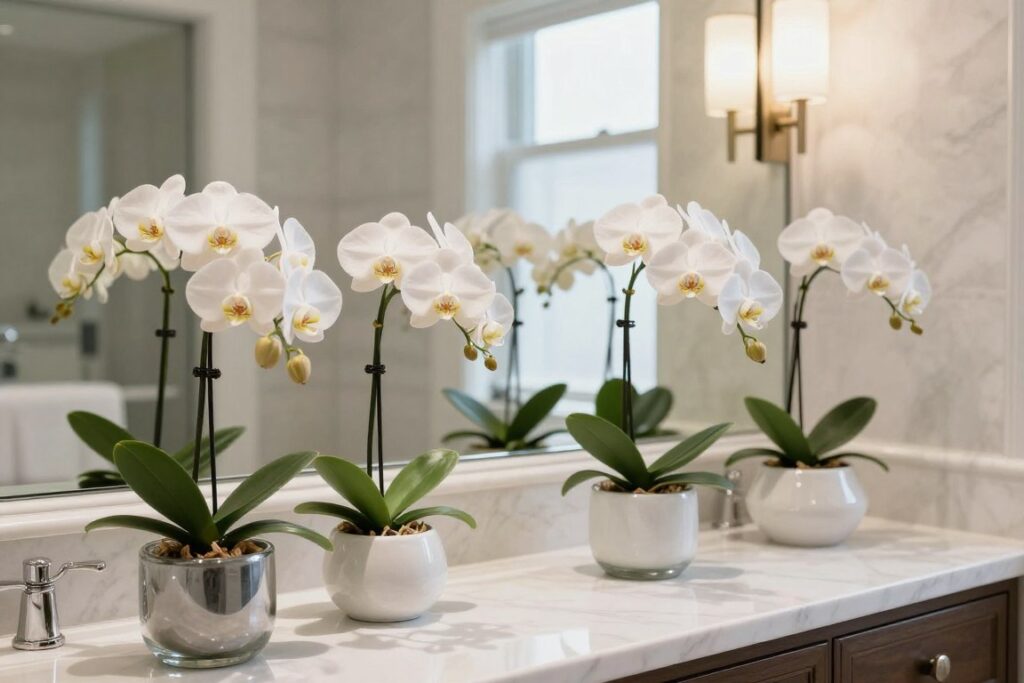
Peace lilies offer another flowering option with their elegant white blooms and glossy green leaves. These plants signal when they need water by drooping slightly, making care straightforward. Peace lilies also purify bathroom air while adding a touch of natural beauty to vanity areas or floor spaces.
Strategic Plant Placement for Maximum Impact
Where you position plants matters as much as which species you select. Strategic placement enhances both plant health and bathroom aesthetics. Consider architectural features, light sources, and visual balance when planning your botanical bathroom design.
Freestanding Tub Companions
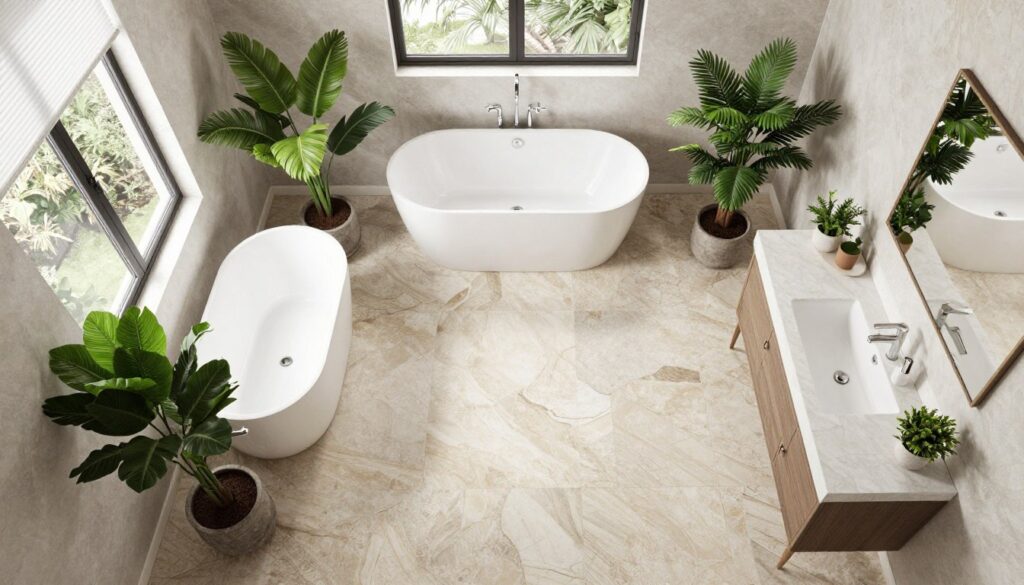
Freestanding tubs create natural opportunities for plant placement. Positioning a large plant beside the tub transforms bathing into an immersive botanical experience. The steam and warmth from bath water benefit humidity-loving plants while the plant softens the tub’s visual mass.
Select plants with substantial presence for tub-side placement. A mature monstera, bird of paradise, or large palm provides adequate scale to balance freestanding tub proportions. Position the plant to one side rather than directly behind the tub, creating asymmetrical balance that feels intentional rather than overly formal.
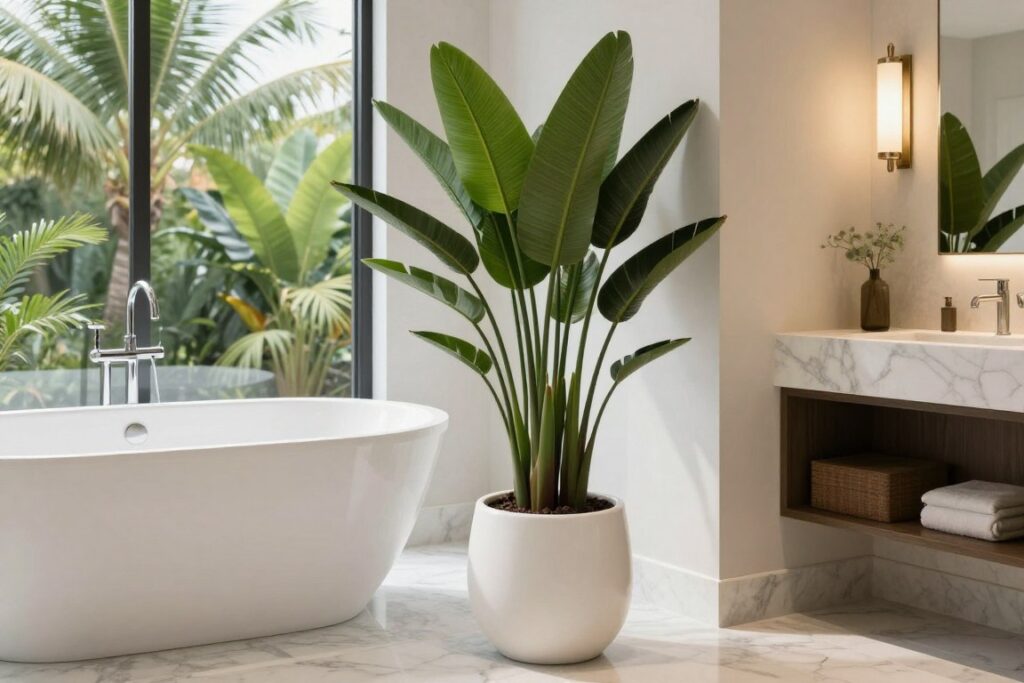
Consider practical aspects of tub-side placement. Ensure the planter sits on a waterproof surface or use a protective tray beneath. Position plants close enough for visual impact but far enough to prevent water splashing during bath use. This typically means placing plants 12-18 inches from the tub’s edge.
Corner Compositions
Bathroom corners often remain underutilized dead space. Large floor plants transform these areas into focal points while making the room feel more complete. Corner placement works particularly well in larger luxury bathrooms where empty corners can make the space feel hollow.
Layer multiple plants in corners for added depth and visual interest. Position a tall specimen like a fiddle leaf fig or dracaena at the back, with medium-sized plants like ferns or peace lilies in front. This creates dimensional arrangements that draw the eye upward and make ceilings appear higher.
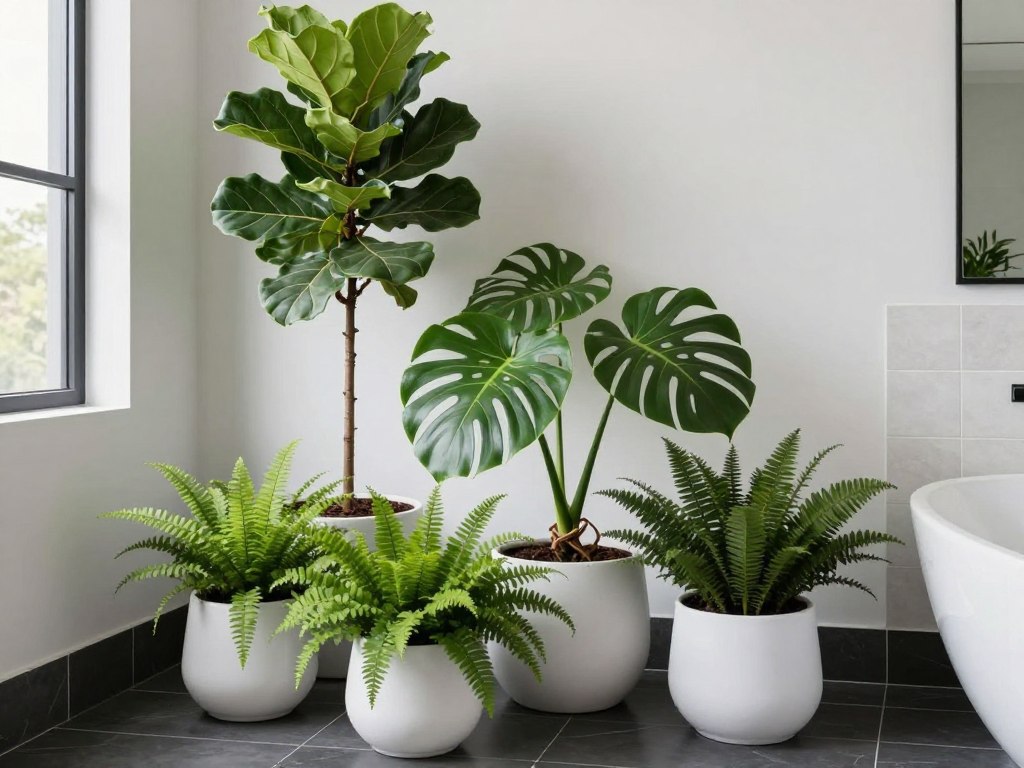
Corner lighting presents challenges in many bathrooms. If your corner receives minimal natural light, choose low-light tolerant species like ZZ plants or snake plants. Alternatively, install dedicated plant lights disguised within the ceiling or adjacent walls to ensure plants receive adequate illumination.
Floating Vanity Adjacency
The space beside floating vanities offers prime real estate for medium to large plants. This placement integrates greenery into your daily grooming routine, bringing nature directly into your morning and evening rituals. Plants positioned near vanities benefit from the additional moisture when you use the sink.
Choose plants appropriate to vanity height. For standard-height floating vanities (around 32-36 inches), select plants that will grow to similar height or slightly taller, creating visual continuity. Avoid plants that will eventually tower over the vanity unless you have very high ceilings that can accommodate dramatic vertical growth.
Windowsill and Shelf Displays
Windows provide the brightest light in most bathrooms, making windowsills valuable space for plant displays. Reserve these sunny spots for species requiring more light, such as succulents (if you have exceptional light), certain orchids, or compact tropical plants.
Built-in shelving and floating shelves offer opportunities for smaller plant collections or trailing species. Boston ferns excel on upper shelves where their fronds can cascade downward. Pothos varieties, though not large plants themselves, create substantial visual presence when allowed to trail from elevated positions.
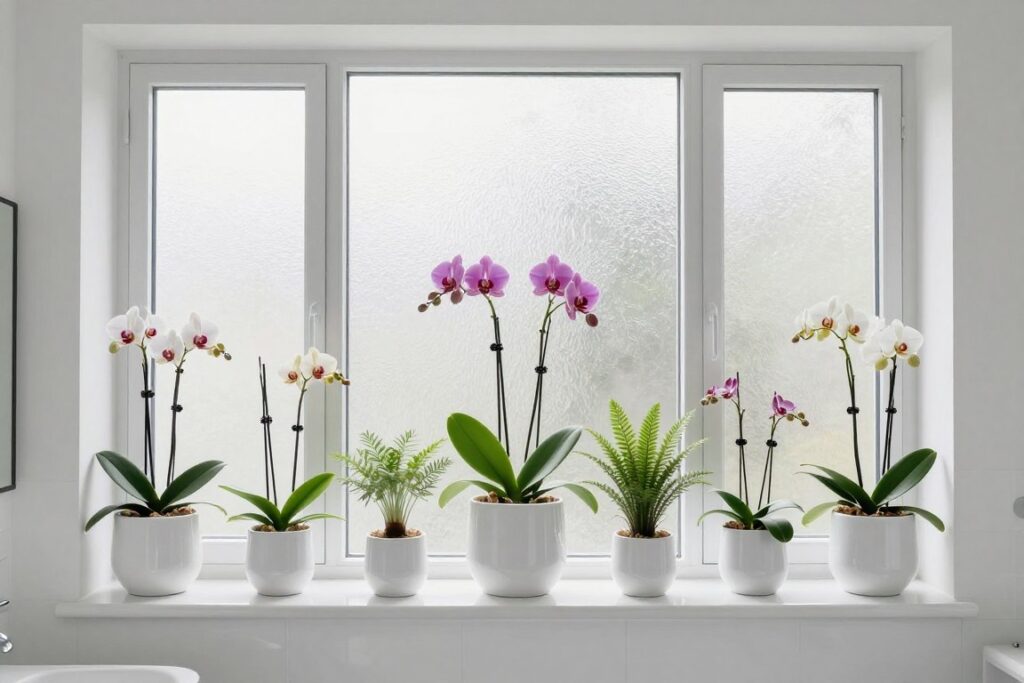
When using shelves for plants, ensure they’re properly waterproofed. Place saucers or trays beneath each pot to catch excess water and protect shelving materials. Consider the weight of large potted plants when selecting shelf placement, using reinforced brackets for heavier specimens.
Shower Area Integration
The shower creates the most humid microclimate in your bathroom, making it ideal for moisture-loving plants. However, direct water spray can damage plants, so positioning requires careful thought. Plants near the shower but not directly in the spray path benefit from ambient steam without suffering water damage.
Hanging plants work exceptionally well near showers. Suspend Boston ferns, string of pearls, or other trailing species from ceiling hooks positioned just outside the shower enclosure. Steam rises and benefits the plants while the trailing foliage creates a natural curtain effect that enhances the spa atmosphere.
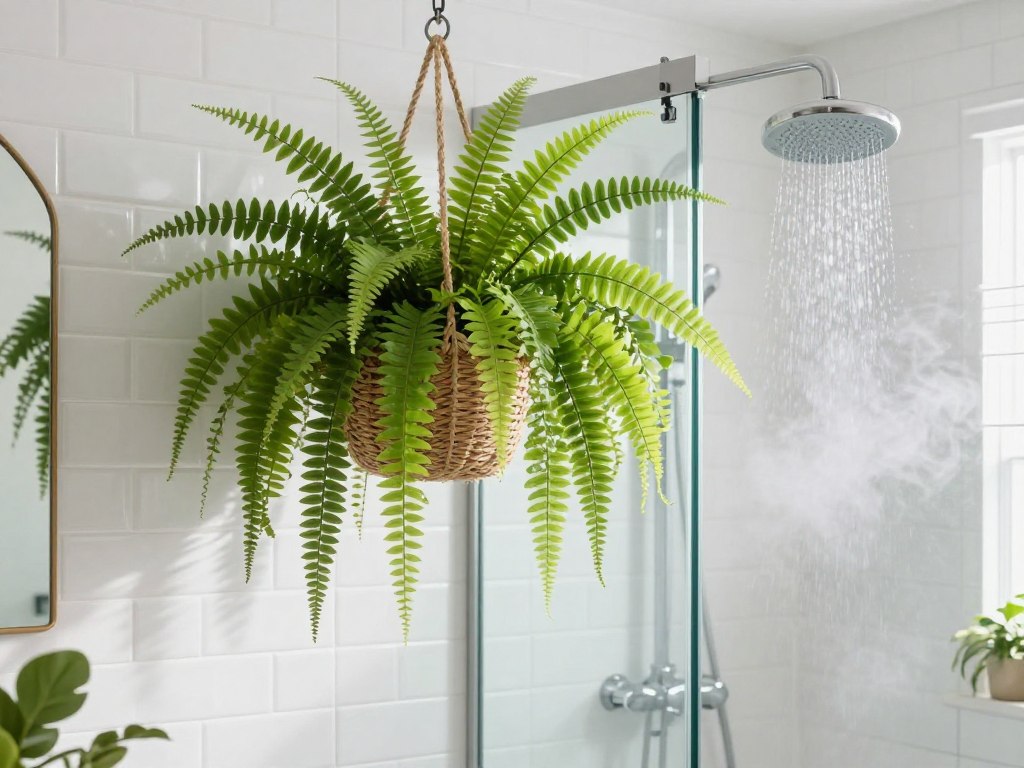
For larger plants near showers, position them on the floor 2-3 feet away from the enclosure. This distance allows plants to benefit from humidity without receiving direct water spray. Rubber plants, large ferns, and philodendrons thrive in these positions.
Luxury Planter Selection and Styling
The container you choose significantly impacts your bathroom’s overall aesthetic. Planters function as decorative elements that should complement your bathroom’s design style while providing proper drainage and adequate space for plant growth.
Material Selection for Bathroom Environments
Planter materials must withstand bathroom humidity and moisture without deteriorating. Certain materials excel in these conditions while others fail prematurely.
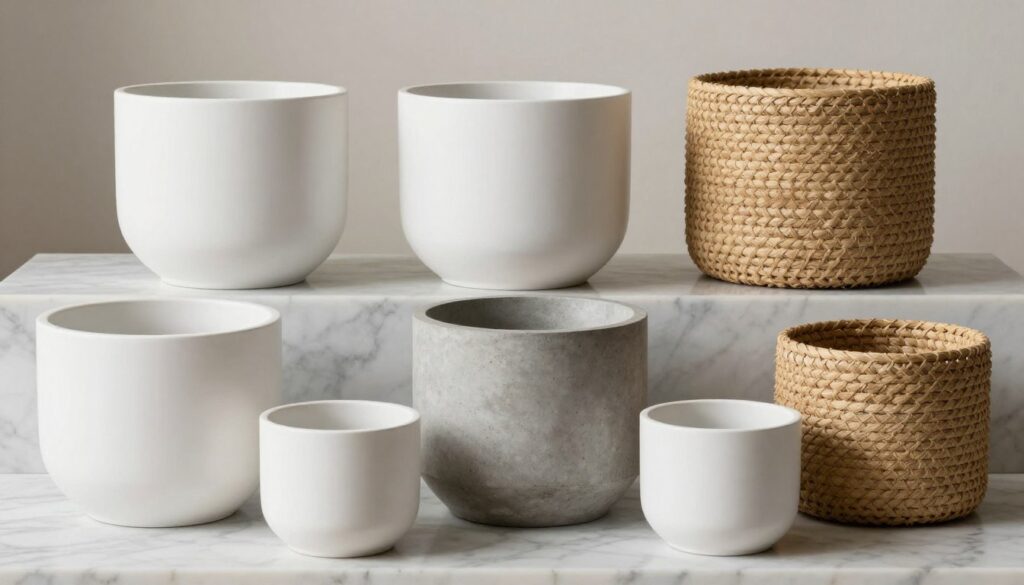
Ceramic and porcelain planters represent classic choices for luxury bathrooms. These materials resist water damage, offer unlimited design options, and provide sufficient weight to anchor large plants. Glazed ceramic prevents moisture absorption, protecting bathroom floors from water damage. Select matte or glossy finishes to match your bathroom’s overall aesthetic—matte finishes complement organic, spa-like designs while glossy finishes enhance contemporary spaces.
Concrete planters bring industrial sophistication to contemporary bathrooms. The material’s raw texture creates contrast against smooth tile and glass surfaces. Sealed concrete resists moisture while maintaining its architectural character. The substantial weight of concrete planters prevents tipping, making them ideal for top-heavy plants like bird of paradise or fiddle leaf figs.
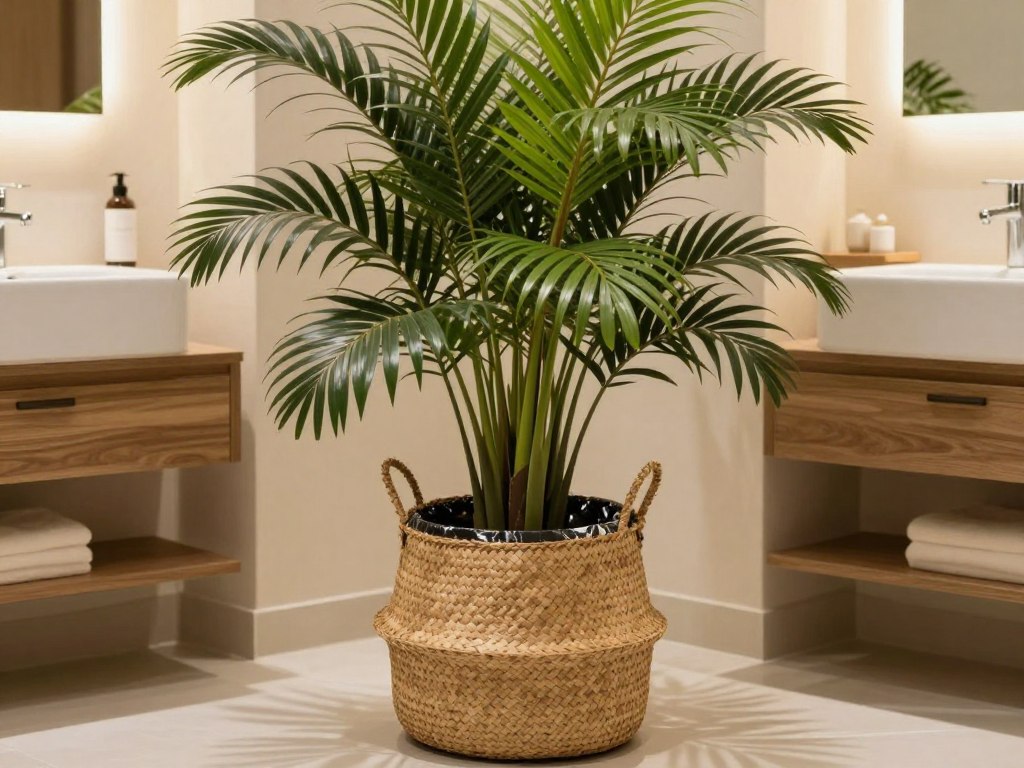
Natural fiber planters including woven seagrass, bamboo, or rattan introduce organic warmth to bathroom spaces. However, these materials require protection from direct moisture exposure. Use plastic liner pots inside natural fiber baskets, ensuring water never directly contacts the fiber material. This approach preserves the organic aesthetic while preventing deterioration.
Size and Proportion Guidelines
Planter size affects both plant health and visual balance. Undersized planters restrict root growth and require frequent repotting. Oversized planters retain too much moisture, potentially causing root rot. The ideal planter provides 2-3 inches of space around the plant’s root ball.
For large bathroom plants, select planters proportional to ceiling height and available floor space. In bathrooms with 8-foot ceilings, planters ranging from 12-18 inches in diameter work well for most large plants. Higher ceilings accommodate larger planters up to 24 inches in diameter, supporting substantial specimens like mature monsteras or large palms.
Standard Ceiling Height (8-9 feet)
- Floor planters: 12-18 inch diameter
- Plant height at maturity: 4-6 feet maximum
- Planter height: 12-16 inches
- Total visual height: Keep below 7 feet to maintain proportion
High Ceiling (10+ feet)
- Floor planters: 18-24 inch diameter
- Plant height at maturity: 6-8 feet
- Planter height: 16-20 inches
- Total visual height: Can extend to 8-9 feet for dramatic effect
Color Coordination and Finish
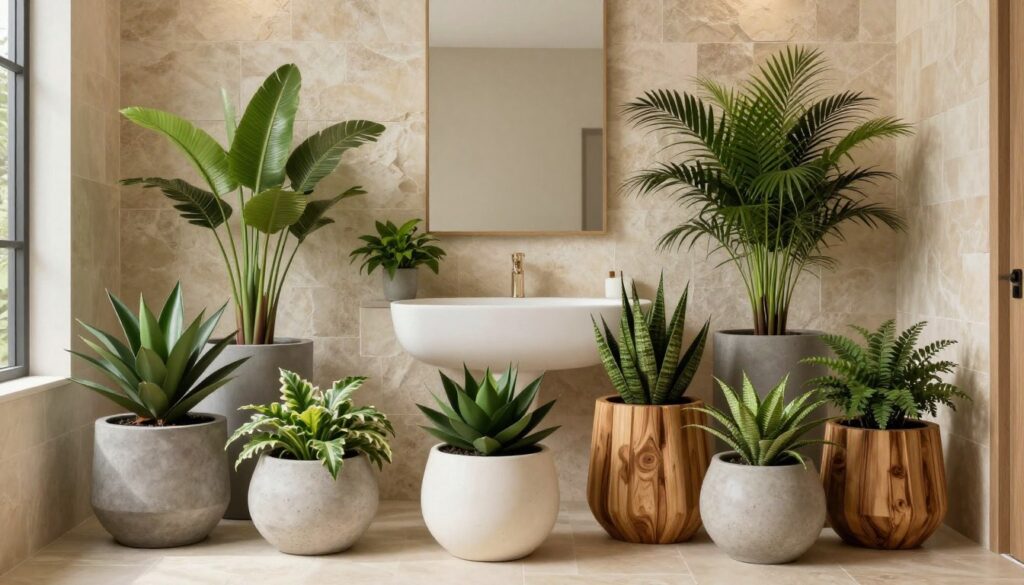
Planter color should enhance rather than compete with your bathroom’s color palette. In predominantly white bathrooms, both white and contrasting dark planters work effectively. White planters create seamless integration, allowing plants to become the focal point. Dark planters in black, charcoal, or deep gray provide grounding elements that anchor lighter color schemes.
For bathrooms featuring natural materials like wood or stone, select planter colors that echo these elements. Warm terracotta, natural concrete, or wooden planters create cohesive connections to other design elements. The repetition of materials creates visual harmony throughout the space.
Drainage Considerations
Proper drainage prevents water accumulation that damages both plants and bathroom surfaces. All planters should include drainage holes in the bottom, with accompanying saucers or trays to catch excess water. In luxury bathrooms, select saucers that match or complement planter aesthetics rather than using basic plastic trays.
For planters without drainage holes such as decorative cache pots use inner nursery pots with drainage. Remove plants from bathrooms to water them, allowing excess water to drain completely before returning them to decorative containers. This prevents water accumulation at the bottom of cache pots, which leads to root rot.
Plant Care and Maintenance in Bathroom Environments
Bathroom plants require different care approaches than plants in other household rooms. Understanding how to work with your bathroom’s unique environment ensures plants remain healthy and beautiful long-term.
Watering Adjustments for High Humidity
Bathroom humidity significantly affects watering needs. Plants in humid bathrooms require less frequent watering than the same species in living rooms or bedrooms. The ambient moisture from showers and baths supplements plant water needs, particularly for tropical species that absorb moisture through their leaves.
Monitor soil moisture rather than following rigid watering schedules. Insert your finger 2-3 inches into the soil. If it feels dry at this depth, water thoroughly. If moisture remains, wait several days before checking again. Most bathroom plants need watering every 7-14 days, though specific requirements vary by species.
Pro Tip: Morning is the optimal time for watering bathroom plants. This allows excess moisture to evaporate throughout the day, preventing fungal issues that develop when plants remain wet overnight in humid bathroom environments.
Light Management Strategies
Light limitations present the primary challenge in many bathrooms. Interior bathrooms without windows require artificial light supplementation. Even bathrooms with windows may not provide adequate light intensity for some plant species.
Assess your bathroom’s light levels by observing where natural light falls throughout the day. Bright indirect light means you can hold your hand near the plant location and see a soft, defined shadow. Medium light creates a fuzzy shadow. Low light produces barely visible or no shadow. Match plant species to available light conditions rather than trying to force high-light plants into dark bathrooms.
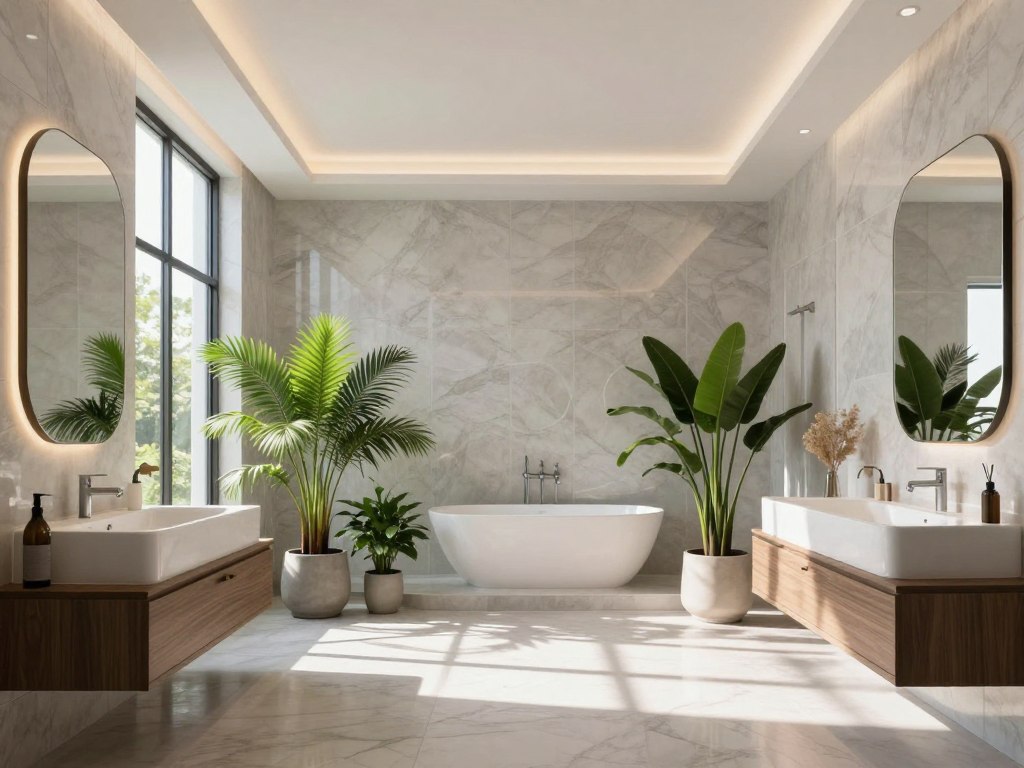
For bathrooms with insufficient natural light, install full-spectrum grow lights. Modern LED grow lights integrate seamlessly into bathroom design. Choose fixtures that match your bathroom’s aesthetic pendant style grow lights, track lighting with plant bulbs, or recessed fixtures with specialized bulbs. Position grow lights 12-24 inches above plants, keeping them on for 12-14 hours daily.
Humidity Management
While bathroom humidity benefits most plants, excessive moisture can cause problems. Ensure adequate bathroom ventilation to prevent mold growth on walls, ceilings, and plant soil surfaces. Run exhaust fans during and after showers to circulate air without completely eliminating humidity.
Some plants require occasional misting even in humid bathrooms. Ferns particularly appreciate leaf misting to maintain optimal frond health. Use filtered or distilled water in spray bottles to prevent mineral deposits on leaves. Mist in the morning, allowing leaves to dry before evening.
Cleaning and Grooming
Bathroom products—including hairspray, lotions, and cleaning sprays—can coat plant leaves, blocking light absorption and preventing proper photosynthesis. Wipe large leaves monthly with damp cloths to remove product buildup. For plants with smaller leaves or delicate fronds, rinse them occasionally in the shower, using lukewarm water at low pressure.
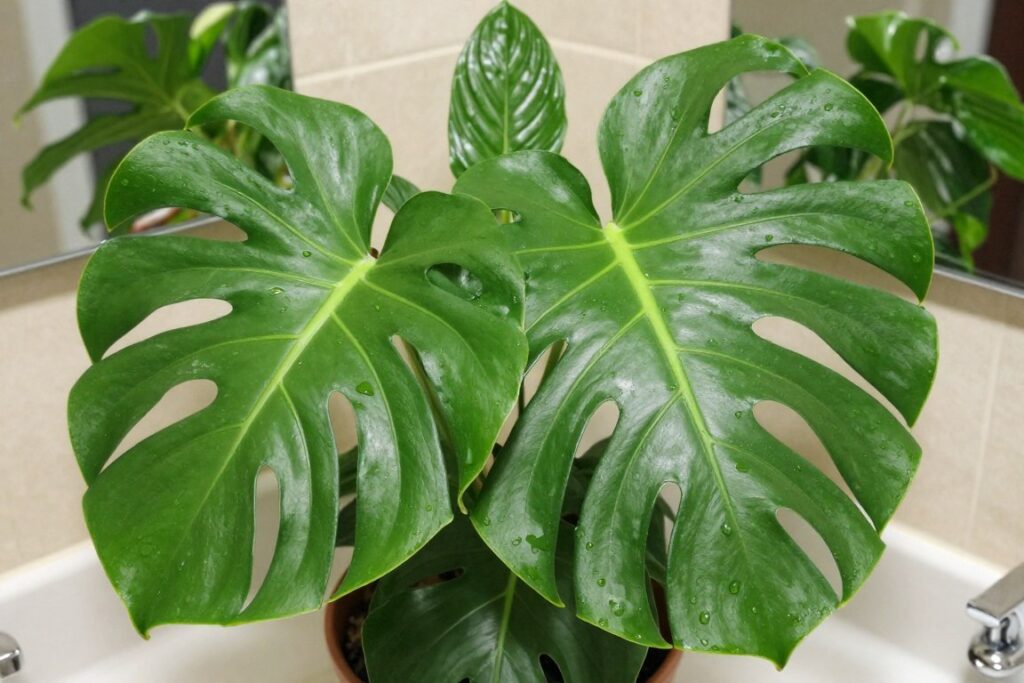
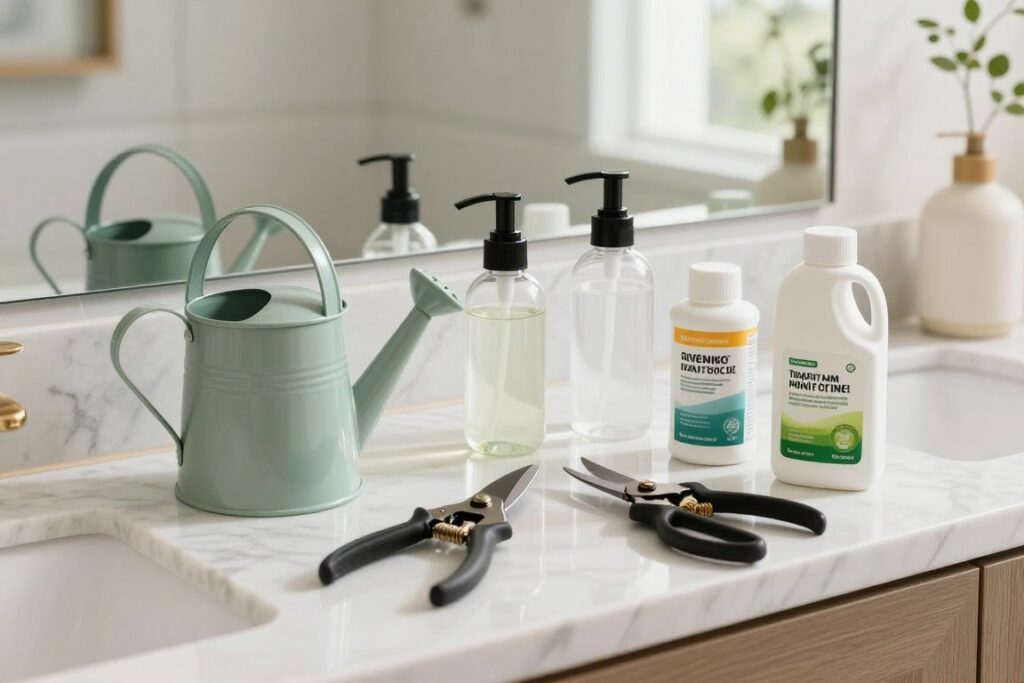
Remove dead or yellowing leaves promptly. These detract from the plant’s appearance and can harbor pests or diseases. Use clean, sharp scissors or pruning shears to make clean cuts. Wipe cutting tools with rubbing alcohol between plants to prevent disease transmission.
Fertilization in Bathroom Conditions
Bathroom plants typically require less fertilizer than plants in other rooms. The humid environment and consistent temperature promote steady growth without heavy feeding. Fertilize bathroom plants monthly during spring and summer using diluted liquid fertilizer at half the recommended strength. Reduce feeding to every 6-8 weeks during fall and winter when plant growth naturally slows.
Select organic fertilizers when possible, particularly in bathrooms. Chemical fertilizer odors concentrate in smaller, enclosed bathroom spaces. Organic options like fish emulsion or seaweed extract provide nutrients without unpleasant smells, though they should still be used in well-ventilated conditions.
Pest Prevention and Management
Bathroom humidity can attract certain pests, including fungus gnats. These small flies breed in moist soil and, while harmless to plants in small numbers, become nuisances when populations grow. Prevent fungus gnats by allowing soil surfaces to dry between waterings and avoiding overwatering.
Inspect plants regularly for common pests like spider mites, mealybugs, or scale. Early detection allows simple treatment with insecticidal soap or neem oil. Isolate affected plants immediately to prevent pest spread to other bathroom plants. The bathroom’s humidity actually deters spider mites, making infestations less common than in drier household rooms.
Regular Maintenance Checklist: Perform these tasks monthly to keep bathroom plants thriving: Check soil moisture and adjust watering, wipe down large leaves, remove dead foliage, inspect for pests, rotate plants for even growth, assess light needs, and fertilize during growing season.
Design Principles for Spa-Like Bathroom Atmospheres
Creating a cohesive botanical bathroom requires more than randomly placing plants. Thoughtful design principles transform individual plants into an integrated wellness environment that elevates your entire bathroom experience.
Creating Visual Balance and Flow
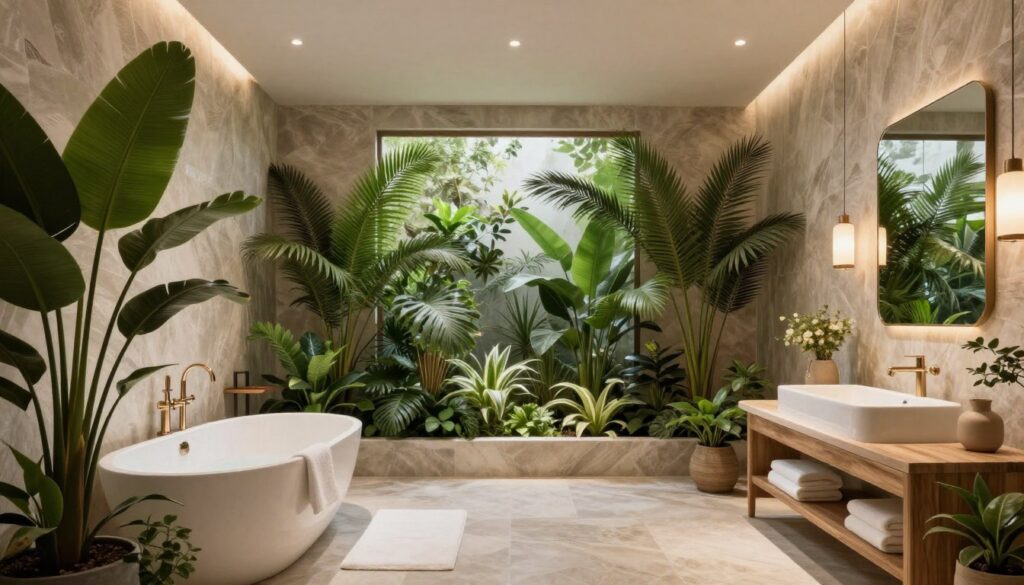
Balance prevents bathrooms from feeling cluttered or chaotic when multiple plants are present. Distribute plants throughout the space rather than clustering them in one area. If you position a large plant on the left side of your bathroom, balance it with a plant of similar visual weight on the right side, or with multiple smaller plants that collectively match the larger specimen’s presence.
Consider sight lines when positioning plants. As you enter your bathroom, your eye should encounter plants at multiple depths some near the entrance, others in the middle ground, and some at the far end. This layered approach creates depth and makes bathrooms feel larger and more interesting.
Incorporating Natural Materials
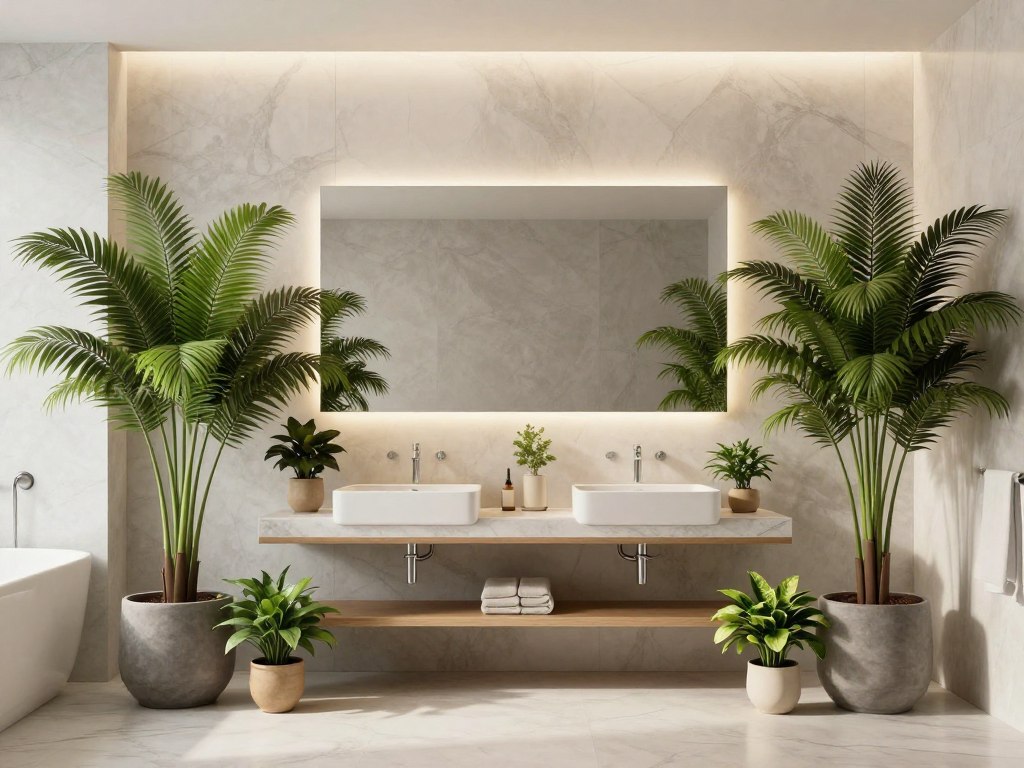
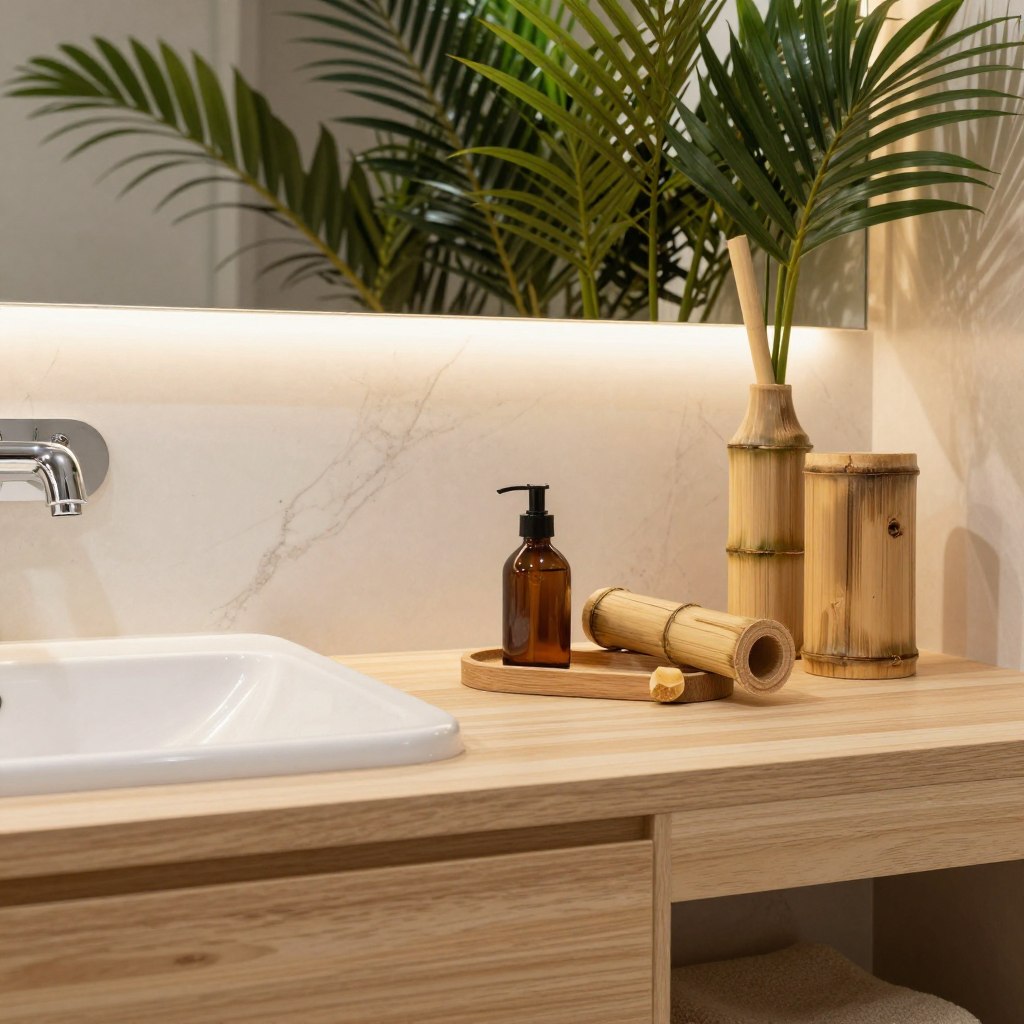
Plants look most harmonious when paired with other natural elements. Stone countertops, wooden vanities, and bamboo accessories create connections to nature that plants enhance. This layering of organic materials generates the spa-like atmosphere that defines luxury wellness spaces.
Select bathroom materials that complement rather than compete with plant colors. Light-colored natural materials including white marble, light wood, and pale stone provide neutral backdrops that allow plant greenery to stand out. Darker natural materials create dramatic contrast that makes plants appear more vibrant.
Complementary Natural Materials
- Light marble or travertine tile
- Natural wood vanities and shelving
- Stone or pebble flooring
- Bamboo accessories and storage
- Woven natural fiber textiles
- Organic cotton or linen towels
Lighting for Plant Health and Ambiance
Lighting serves dual purposes in botanical bathrooms. It must support plant health while creating the warm, relaxing ambiance essential to spa environments. Layer different lighting types to achieve both goals.
Install dimmer switches on overhead lighting to adjust brightness throughout the day. Bright light supports morning routines while softer evening light promotes relaxation. Position adjustable task lighting near mirrors for grooming activities. Add ambient lighting such as wall sconces or LED strip lights to create warmth and highlight plants after dark.
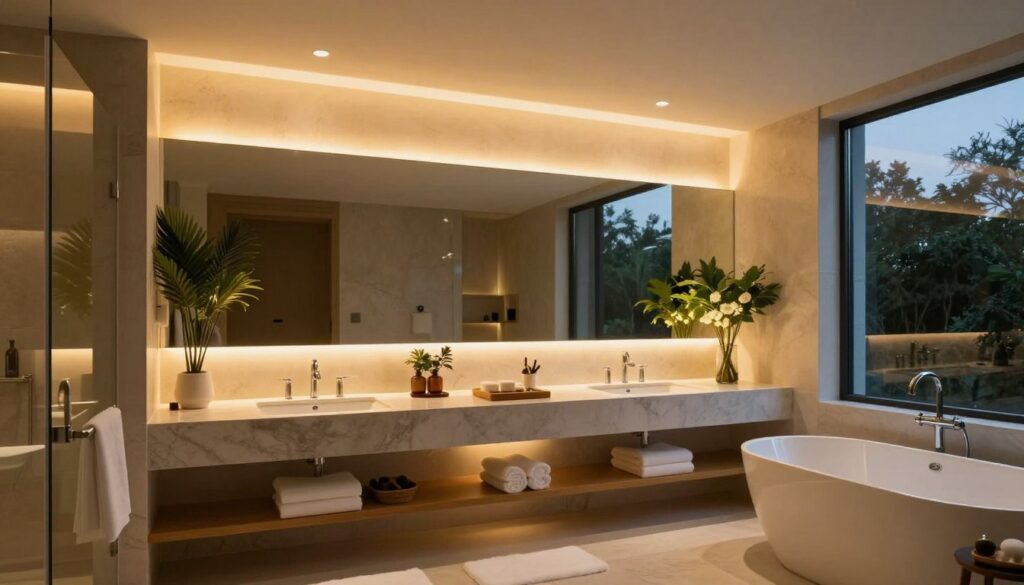
Consider installing dedicated plant lights that double as design elements. Modern grow light fixtures in attractive finishes integrate seamlessly with bathroom design while ensuring plants receive adequate light. Position these fixtures on timers to provide consistent daily light exposure without manual operation.
Color Palette Harmony
Plant greenery works best within specific color schemes. Neutral palettes whites, beiges, grays, and soft taupes allow plant colors to provide the primary chromatic interest. This approach creates clean, spa-like aesthetics that feel calming and sophisticated.
If your bathroom includes color, select plants with foliage that complements rather than clashes. Blue gray plants like certain succulents or eucalyptus pair beautifully with cool toned bathrooms. Plants with reddish or purple-tinged leaves coordinate with warm toned spaces. All-green plants remain neutral, working with any color scheme.
Sensory Elements Beyond Visual
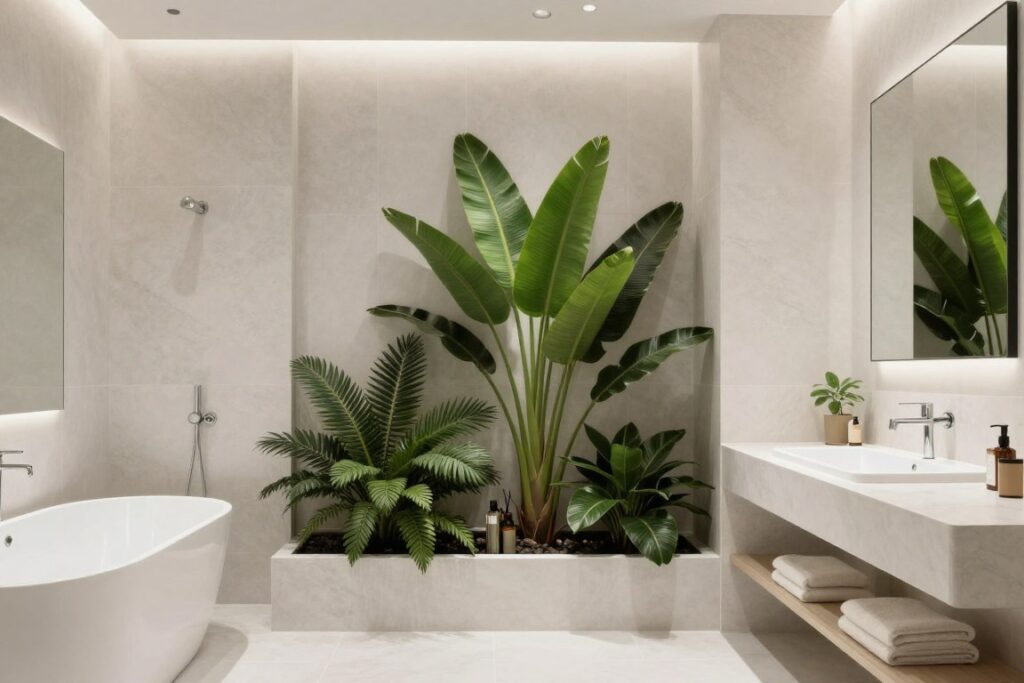
Complete spa atmospheres engage multiple senses. While plants primarily contribute visual beauty, certain species add fragrance and tactile interest. Eucalyptus hung in the shower releases aromatic oils when steam passes through. Lavender plants on windowsills provide subtle fragrance. Herbs like mint or rosemary combine fragrance with culinary utility.
Consider how plants sound in your bathroom. Palm fronds and large-leafed plants gently rustle when air circulates, adding subtle auditory elements. This gentle sound enhances the nature-immersion experience that defines botanical bathrooms.
Seasonal Adjustments and Rotation
Maintain visual interest by rotating plants seasonally or when they finish blooming. Move orchids to other rooms during non-blooming periods, replacing them with fresh specimens. Rotate plants between bathroom and brighter household rooms to ensure all specimens receive adequate light exposure over time.
Seasonal adjustments also account for changing light conditions. As seasons shift, window light intensity and duration change. Plants positioned perfectly in summer may need repositioning in winter when sun angles differ and days shorten. Remain flexible with plant placement, moving specimens as their needs change throughout the year.
Plant Integration by Bathroom Design Style
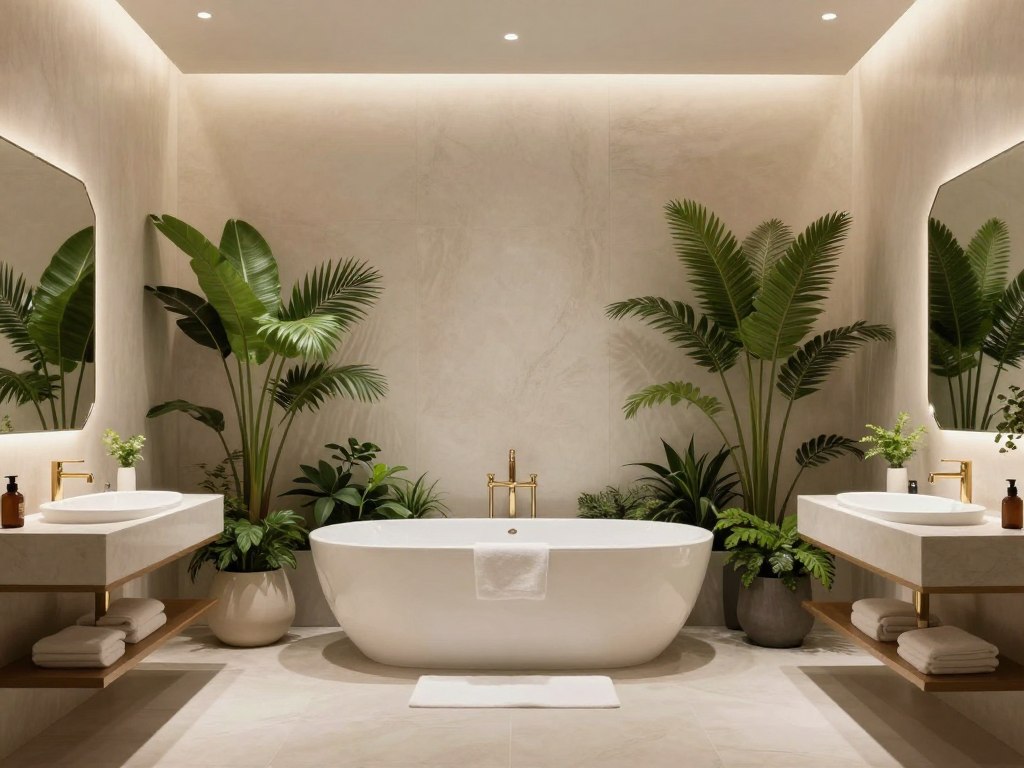
Different bathroom design styles call for specific approaches to plant integration. Tailoring your botanical choices and placement strategies to your bathroom’s architectural style creates more cohesive results.
Modern Minimalist Bathrooms
Modern minimalist design emphasizes clean lines, minimal ornamentation, and carefully curated objects. In these spaces, plants function as sculptural elements rather than abundant greenery. Select plants with strong architectural forms—snake plants, ZZ plants, or single-stem palms—that serve as living sculpture.
Limit the number of plants in minimalist bathrooms. One or two substantial specimens make stronger statements than multiple smaller plants. Position them deliberately within the space’s geometry, using plants to emphasize architectural features or fill intentional voids in the design.
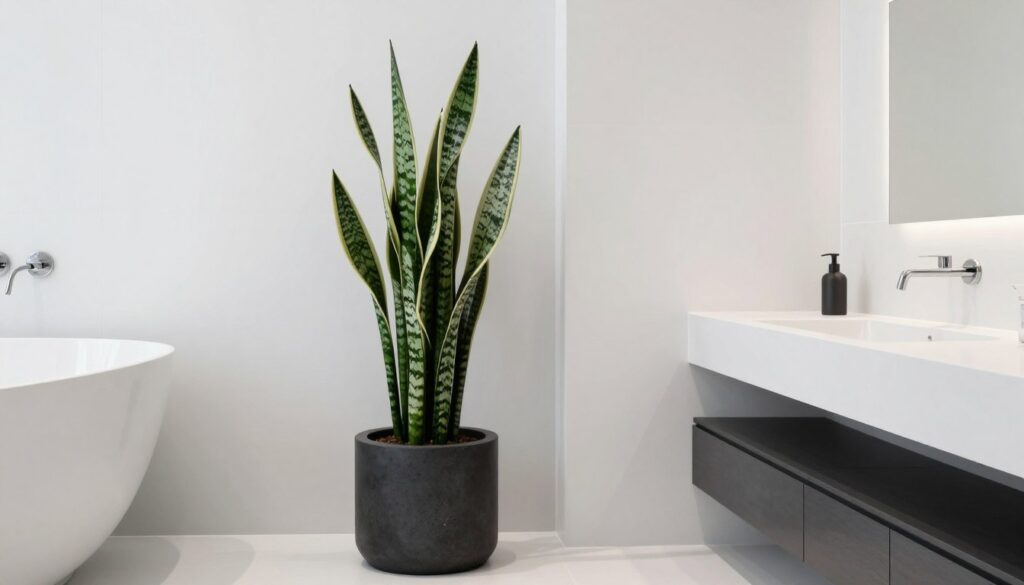
Choose planters with simple geometric forms in matte finishes. White, black, or concrete planters align with minimalist aesthetics. Avoid decorative or ornate containers that conflict with the style’s essential simplicity.
Traditional and Classic Bathrooms
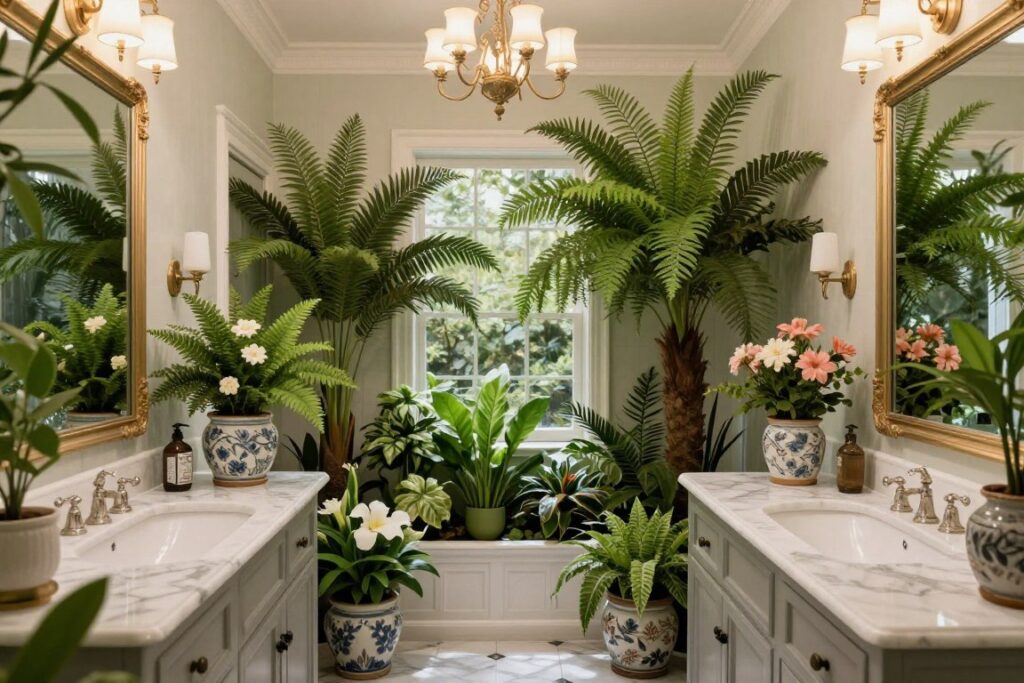
Traditional bathrooms accommodate more romantic plant presentations. Ferns, ivy, and flowering plants suit classic design sensibilities. These spaces welcome more abundant greenery, creating lush, garden-like atmospheres.
Use decorative planters in traditional bathrooms. Ceramic pots with subtle patterns, aged terracotta, or classic urn shapes complement traditional architecture. Consider pedestal stands that elevate plants to prominent positions, a classical design approach that suits formal bathroom styles.
Organic and Natural Bathrooms
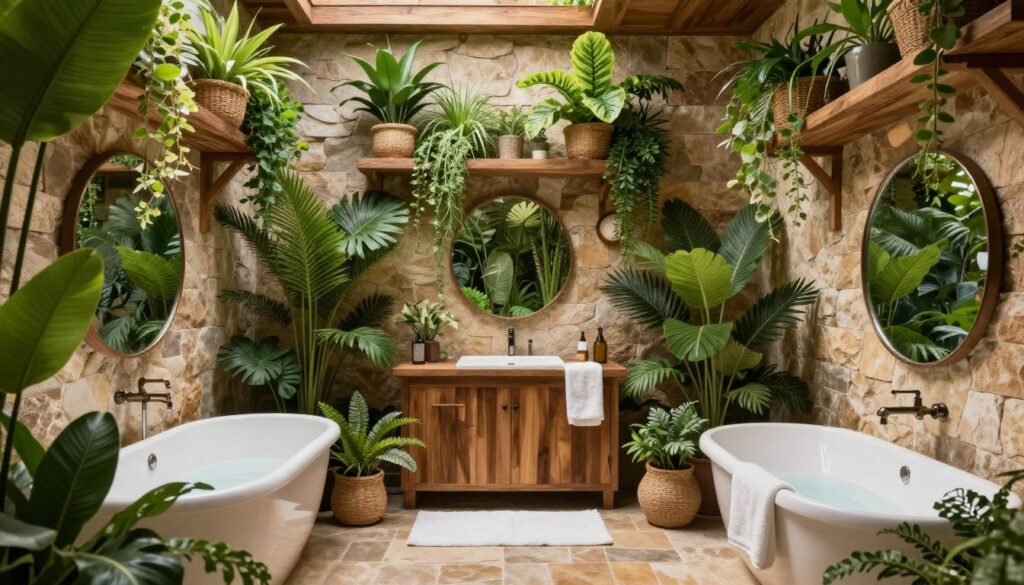
Organic bathrooms featuring natural materials provide the ideal canvas for abundant plant displays. These spaces invite tropical profusion, with plants of varying sizes creating jungle-like environments. Layer plants at multiple heights and depths, embracing natural abundance rather than restraint.
Use natural materials for all planters—wood, woven fibers, and unglazed ceramics. Allow trailing plants to spill over shelves and cascade from hanging positions. In organic bathrooms, more truly is more, creating immersive botanical experiences.
Contemporary Transitional Bathrooms
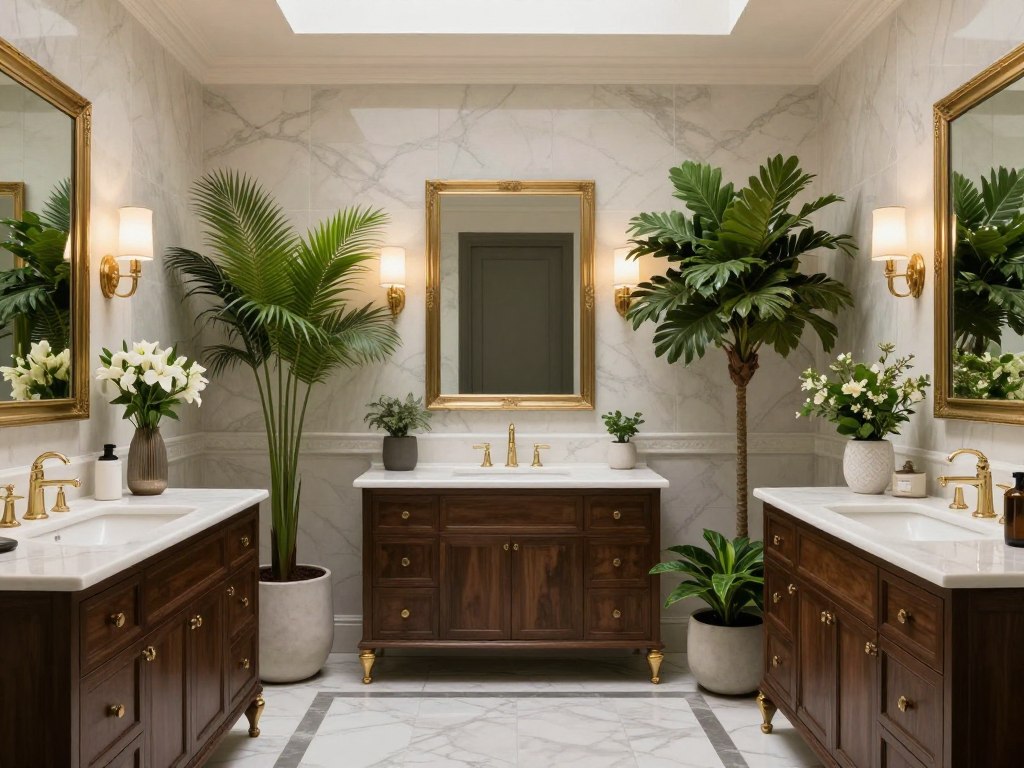
Transitional design blends traditional and contemporary elements, requiring balanced approaches to plant styling. Choose plants with classic appeal but display them in contemporary planters. Or select modern plant varieties but arrange them in traditional configurations.
Mix planter styles deliberately in transitional spaces. Combine sleek ceramic containers with natural woven baskets. Pair architectural plants with softer ferns. This mixing reflects the transitional style’s essential character—honoring tradition while embracing contemporary sensibilities.
Creating Your Personal Bathroom Paradise
Transforming your luxury bathroom into a botanical sanctuary represents an investment in daily wellness and enduring beauty. The plants you select and carefully position create more than visual appeal. They generate living environments that restore and rejuvenate, turning routine bathing into meaningful self-care rituals.
Begin your botanical bathroom journey with appropriate plant selection. Choose species suited to your bathroom’s specific light and humidity conditions. Start with hardy, forgiving plants that build your confidence before progressing to more demanding specimens. Success with initial plants encourages expansion and experimentation.
Consider professional guidance when planning significant bathroom plant installations. Design consultations ensure proper plant selection, optimal placement, and long-term care strategies tailored to your specific bathroom environment. Expert input prevents costly mistakes and accelerates your path to the bathroom oasis you envision.
Maintain realistic expectations about plant care requirements. While bathroom environments benefit many plants, they still need regular attention. Set aside time weekly for watering checks, monthly for cleaning and grooming, and quarterly for fertilization. These small investments yield substantial returns in plant health and bathroom beauty.
Remember that creating botanical bathrooms is an evolving process. Your first plant arrangement likely won’t be your last. As you gain experience, you’ll refine placements, try new species, and develop personalized care routines. Embrace this evolution, allowing your botanical bathroom to grow and change alongside your developing expertise.
The luxury bathroom with large indoor plants represents more than interior design trend. It reflects a deeper understanding of how natural elements support human wellbeing. By bringing living plants into your bathroom, you create daily opportunities for nature connection, stress reduction, and sensory pleasure. These benefits accumulate over time, transforming not just your bathroom but your entire approach to home wellness.
Your botanical bathroom journey begins with a single plant and a commitment to creating environments that nourish both body and spirit. Each plant you add, each care routine you master, and each peaceful moment you experience in your botanical sanctuary confirms the transformative power of combining luxury design with living nature. Start today, and watch as your bathroom evolves into the personal paradise you deserve.