
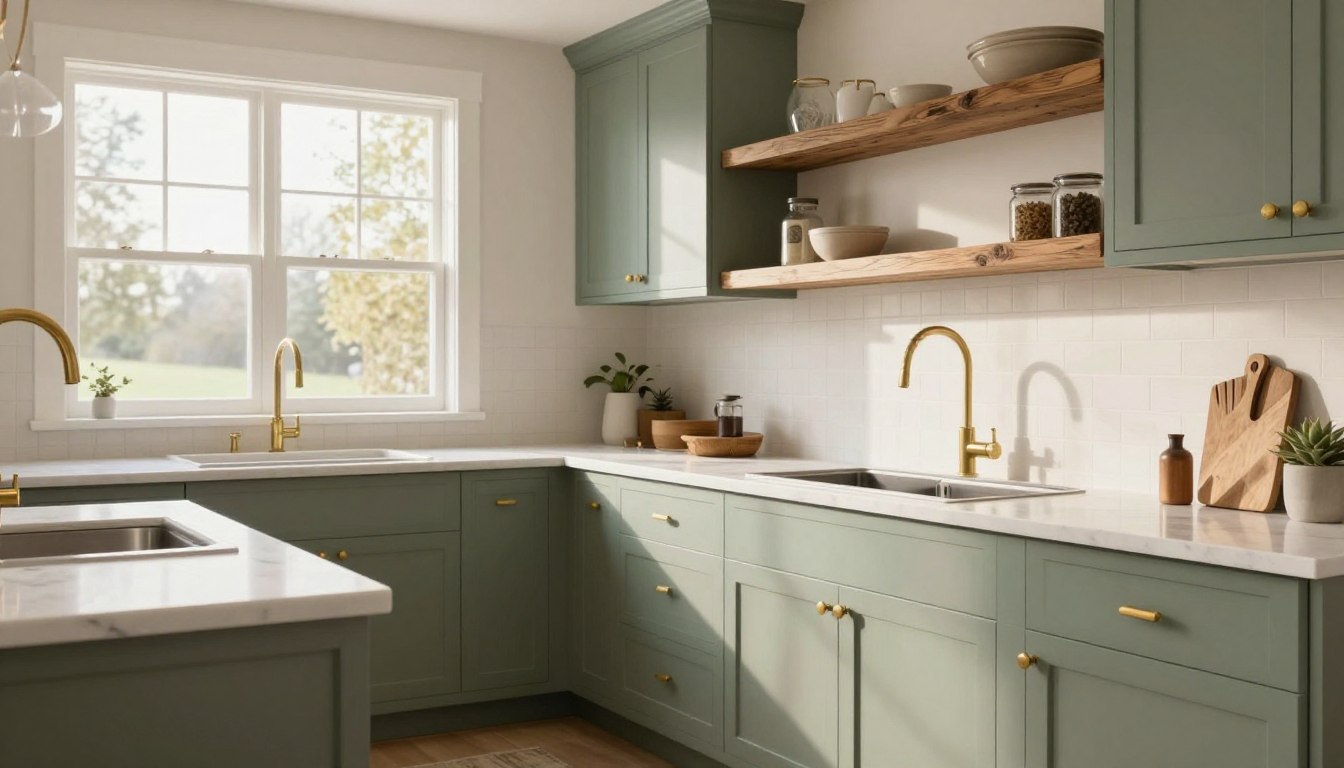
The surge in popularity reflects deeper cultural shifts in how we view our living spaces. Homeowners are choosing this particular shade and style for reasons that go beyond simple aesthetics. They’re creating kitchens that feel both timeless and contemporary.
This comprehensive guide explores why sage green farmhouse kitchen cabinets have become the dominant choice. You’ll discover the cultural factors driving this movement. You’ll learn practical design strategies to incorporate this style into your own space.
The Cultural Shift Behind Sage Green’s Dominance
The kitchen design landscape has undergone a significant transformation over the past decade. While white cabinets dominated for years, homeowners began craving something more personal. The shift toward sage green represents a broader cultural movement toward nature-inspired living.
Post-pandemic design priorities have fundamentally changed how people approach their homes. The kitchen transformed from a purely functional space into a sanctuary for wellness and connection. This shift drove demand for colors that promote calmness and connection to nature.
Biophilic Design Drives Color Choices
Biophilic design principles emphasize our innate connection to the natural world. Sage green perfectly embodies this philosophy by bringing outdoor elements inside. The color mimics the soft green tones found in meadows, herb gardens, and forest canopies.
Studies show that natural color palettes reduce stress levels and improve mental well-being. Green cabinetry creates an environment that feels restorative rather than sterile. This psychological benefit makes sage green far more than just a trendy choice.
Environmental Consciousness
Modern homeowners prioritize sustainable living and environmental responsibility. Color choices reflect these values.
- Earth-tone palettes signal eco-friendly lifestyle choices
- Natural colors complement sustainable materials like reclaimed wood
- Green hues create visual connection to outdoor gardens and landscapes
- The color aligns with growing interest in organic and natural living
Wellness-Centered Homes
The wellness movement has expanded beyond fitness into home design. Kitchen aesthetics now prioritize mental health benefits.
- Calming colors reduce kitchen-related stress and anxiety
- Natural tones support mindful cooking and eating practices
- Sage green promotes relaxation in high-activity spaces
- Color psychology research validates green’s therapeutic properties
Social Media Influence
Digital platforms have accelerated the spread of sage green kitchen designs. Visual inspiration drives purchasing decisions.
- Instagram and Pinterest showcase thousands of sage green kitchen transformations
- Influencer endorsements validate the style choice for uncertain buyers
- Viral before-and-after renovations demonstrate dramatic impact
- Online communities share styling tips and product recommendations
Generational Preferences
Millennials and Gen Z homeowners are driving new design trends. Their aesthetic values differ from previous generations.
- Younger buyers reject the stark white kitchen aesthetic
- Preference for personality and individuality over generic design
- Interest in vintage and vintage-inspired elements like farmhouse style
- Willingness to experiment with color in traditionally conservative spaces
The Farmhouse Style Evolution
Farmhouse style has evolved significantly from its rustic country origins. Modern farmhouse blends traditional elements with contemporary sophistication. This evolution created the perfect foundation for sage green cabinets to flourish.
The style emphasizes clean lines alongside warm, inviting materials. Shaker-style cabinet doors provide simplicity that doesn’t feel cold or minimal. When rendered in sage green, these cabinets achieve a perfect balance between tradition and innovation.
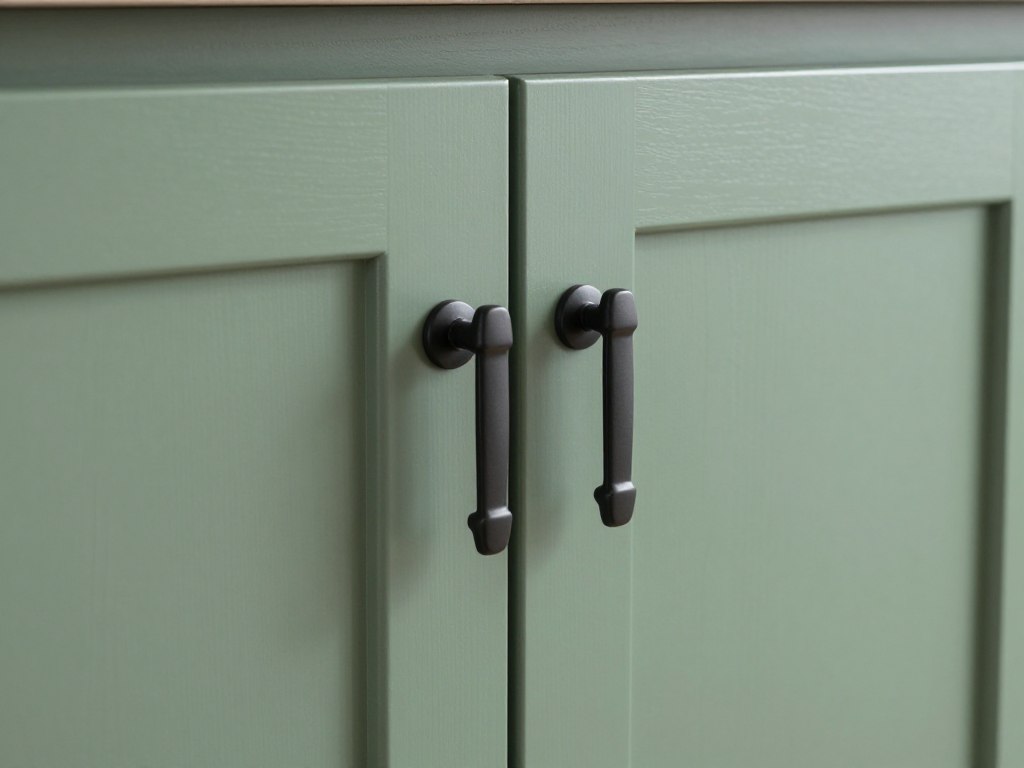
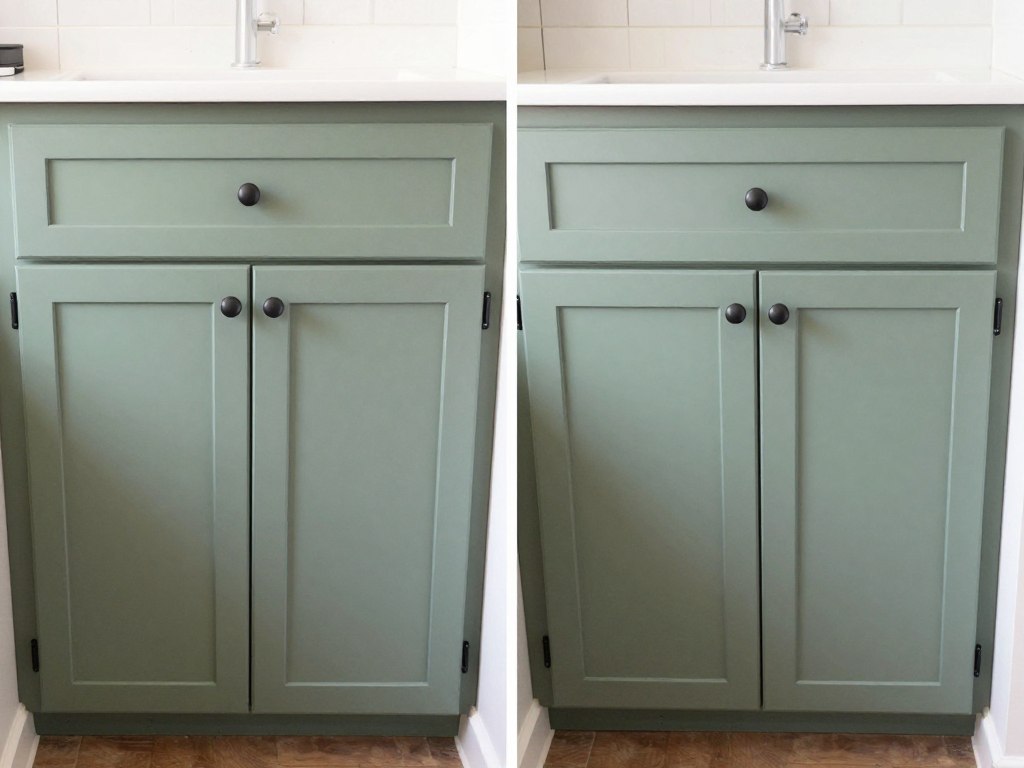
Modern farmhouse kitchens incorporate industrial elements that create visual contrast. Black hardware against sage green cabinetry provides striking definition. This combination feels current while maintaining the warmth farmhouse style is known for.
The Visual Appeal That Captivates Homeowners
Sage green farmhouse kitchen cabinets possess a unique visual quality that works across diverse settings. The color sits in a perfect middle ground between bold statement and neutral backdrop. This versatility makes it appealing to a wide range of design sensibilities.
The muted, dusty quality of sage green prevents it from overwhelming a space. Unlike brighter greens that can feel juvenile or dated, sage green maintains sophistication. It reads as intentional and curated rather than trendy or impulsive.
Color Theory and Visual Balance
Sage green functions effectively as both a primary color and a neutral in kitchen design. Its gray undertones allow it to work harmoniously with various color schemes. This flexibility gives designers and homeowners numerous creative possibilities.
The color temperature of sage green leans slightly cool, which makes it particularly effective in kitchens. Cool tones can make spaces feel more open and airy. In smaller kitchens, sage green cabinets help the space feel less confined.
Warm Tone Pairings
- Brass and gold hardware creates luxurious contrast
- Natural wood elements add organic warmth
- Terracotta and clay accents bring earthiness
- Cream and ivory create soft, romantic combinations
- Warm gray complements without competing
Cool Tone Pairings
- Black hardware provides crisp definition
- White marble introduces classic elegance
- Chrome fixtures maintain modern sensibility
- Blue-gray accents create sophisticated depth
- Stainless steel appliances integrate seamlessly
Neutral Pairings
- White countertops balance the color presence
- Gray flooring grounds the overall palette
- Beige walls soften the green impact
- Black accents add dramatic contrast points
- Natural stone provides textural variety
Light Interaction and Spatial Perception
Natural light dramatically affects how sage green cabinets appear throughout the day. Morning light brings out the cooler gray undertones. Afternoon sun emphasizes the warmer olive notes within the color.
This dynamic quality keeps the kitchen visually interesting without feeling chaotic. The color shifts subtly as light changes, creating a living quality in the space. This characteristic makes sage green far more engaging than static neutral colors.
Kitchen lighting design becomes particularly important with sage green cabinetry. Warm LED lights enhance the cozy farmhouse feeling. Cool task lighting maintains functionality while preserving the color’s true appearance.
Consider how different light sources interact with your cabinet color choice. Natural light reveals the truest color representation. Artificial lighting allows you to control the mood and atmosphere you want to create.
Practical Advantages Beyond Aesthetics
While visual appeal drives initial interest, practical benefits sustain sage green’s popularity. The color choice offers functional advantages that homeowners discover after living with their new kitchen. These practical considerations often surprise people who chose the color primarily for looks.
Concealing Wear and Maintaining Appearance
White cabinets show every fingerprint, smudge, and splash. Dark cabinets reveal dust and water spots immediately. Sage green strikes an ideal balance by disguising everyday kitchen mess without looking dingy.
The color’s natural variation helps mask minor imperfections and wear patterns. Small scratches blend into the color depth rather than standing out starkly. This quality makes sage green particularly practical for busy households with children or pets.
Timeless Investment Value
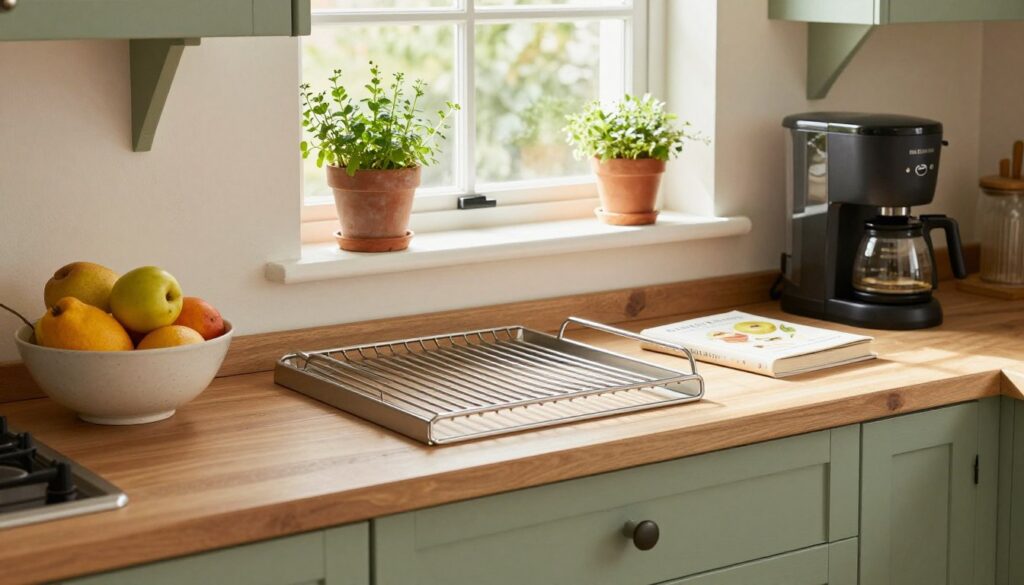
Kitchen renovations represent significant financial investments. Homeowners want choices that will remain attractive for years. Sage green offers better longevity than bright trendy colors while being more distinctive than all-white kitchens.
Real estate professionals report that sage green kitchens appeal to broad buyer demographics. The color doesn’t alienate potential buyers the way bold or unusual choices might. This makes it a safer choice for homeowners considering future resale value.
Cost Considerations
Understanding the financial aspects helps in planning your kitchen renovation or refresh. Sage green cabinets don’t necessarily cost more than other color options.
- Paint-grade cabinets in sage green cost the same as any custom color
- Pre-finished sage green cabinets have become widely available at standard pricing
- Professional painting adds labor costs but allows color customization
- DIY painting represents the most budget-friendly approach
- Quality paint matters more than color choice for durability
- Hardware and accessories add to overall budget regardless of cabinet color
Versatility Across Kitchen Sizes
Sage green farmhouse kitchen cabinets work effectively in various kitchen dimensions. Small kitchens benefit from the color’s ability to feel open and airy. Large kitchens gain warmth and intimacy from the natural green tones.
In compact spaces, sage green prevents the cramped feeling that darker colors can create. The color reflects light effectively while adding more character than white. This makes it ideal for apartment kitchens and smaller homes.
Expansive kitchens sometimes feel cold or institutional with all-white cabinetry. Sage green adds warmth that makes large spaces feel inviting and comfortable. The farmhouse style reinforces this cozy quality through its approachable design elements.
Get Expert Help Planning Your Sage Green Kitchen Transformation
Schedule a free 30-minute design consultation with our kitchen specialists. Discover color combinations, hardware selections, and layout optimizations perfect for your space. No obligation, just expert guidance tailored to your vision and budget.
Designing With Sage Green Cabinets: Complementary Elements
Creating a cohesive kitchen design requires thoughtful consideration of all elements. Sage green cabinets serve as an anchor, but surrounding choices determine the overall success. Understanding how different materials and colors interact helps achieve professional-looking results.
Countertop Materials That Enhance Sage Green
Countertop selection dramatically impacts how sage green cabinets read in the space. The right material creates harmony while the wrong choice can create visual discord. Several materials pair exceptionally well with sage green cabinetry.
White marble countertops provide classic elegance and bright contrast. The veining in marble adds visual interest without overwhelming the color palette. This combination works particularly well in traditional farmhouse designs.
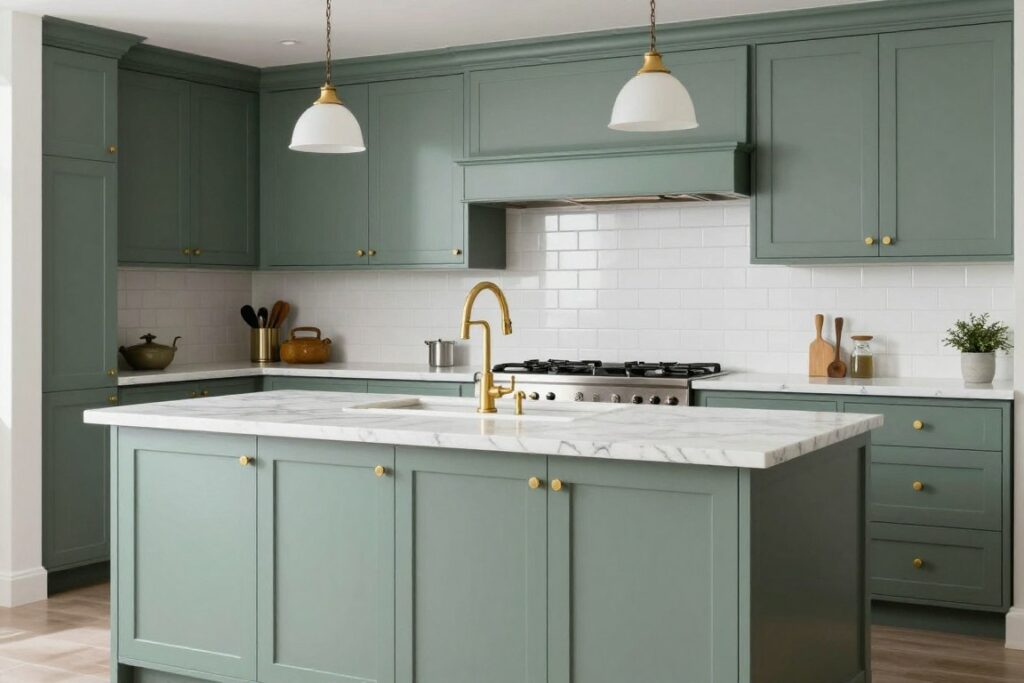
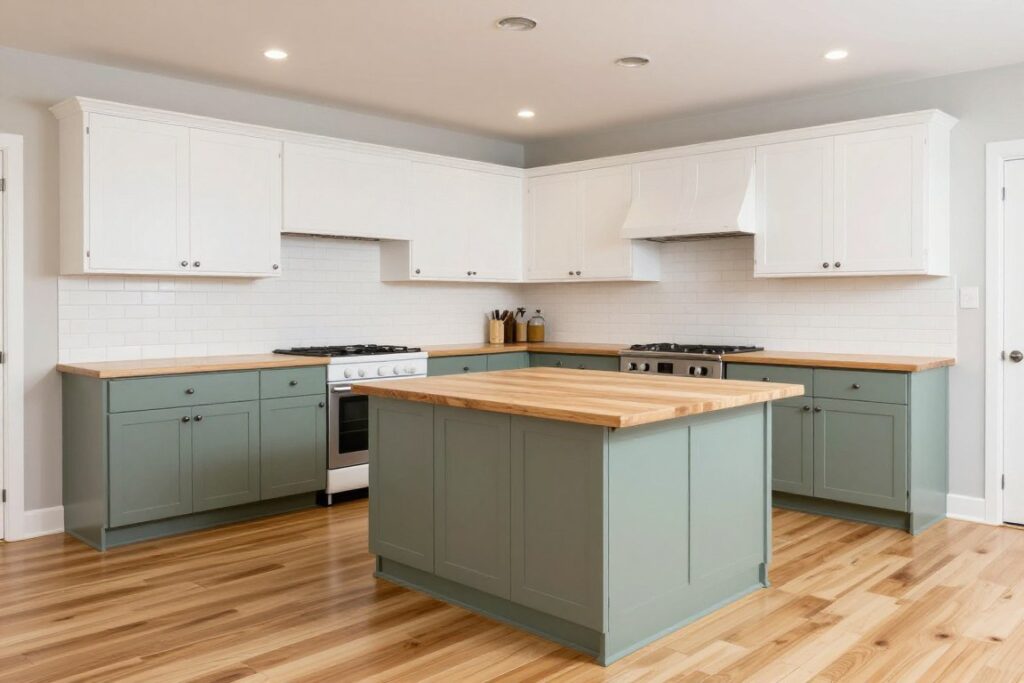
Butcher block countertops introduce warmth and natural wood tones. The honey colors in butcher block complement the green without competing. This pairing emphasizes the farmhouse aesthetic and creates an inviting, lived-in feeling.
Quartz countertops in cream or light gray offer practical durability with aesthetic appeal. These engineered stones provide consistency in color and pattern. They maintain a cleaner, more modern interpretation of farmhouse style.
| Countertop Material | Best For | Color Recommendations | Style Impact |
| White Marble | Traditional elegance | Carrara, Calacatta, Statuario | Elevates sophistication, adds luxury |
| Butcher Block | Warm farmhouse feel | Natural oak, maple, walnut | Increases coziness, emphasizes rustic charm |
| White Quartz | Modern farmhouse | Pure white, warm white, cream | Creates clean contrast, maintains brightness |
| Gray Quartz | Contemporary edge | Light gray, warm gray, greige | Adds sophistication, modern refinement |
| Soapstone | Historic authenticity | Dark gray, charcoal | Provides dramatic contrast, vintage appeal |
| Concrete | Industrial farmhouse | Natural gray, light concrete | Adds modern edge, unique character |
Hardware Selection for Maximum Impact
Cabinet hardware serves as the jewelry of your kitchen design. Small details create significant visual impact. The right hardware choice enhances sage green cabinets while the wrong selection diminishes their appeal.
Black hardware creates bold definition and modern contrast. Matte black knobs and pulls provide crisp edges that make sage green pop. This combination has become particularly popular in contemporary farmhouse designs.
Brass and gold hardware introduces warmth and traditional elegance. The warm metallic tones complement sage green’s olive undertones. This pairing works beautifully in kitchens with warm wood accents and vintage-inspired elements.
Black Iron Hardware
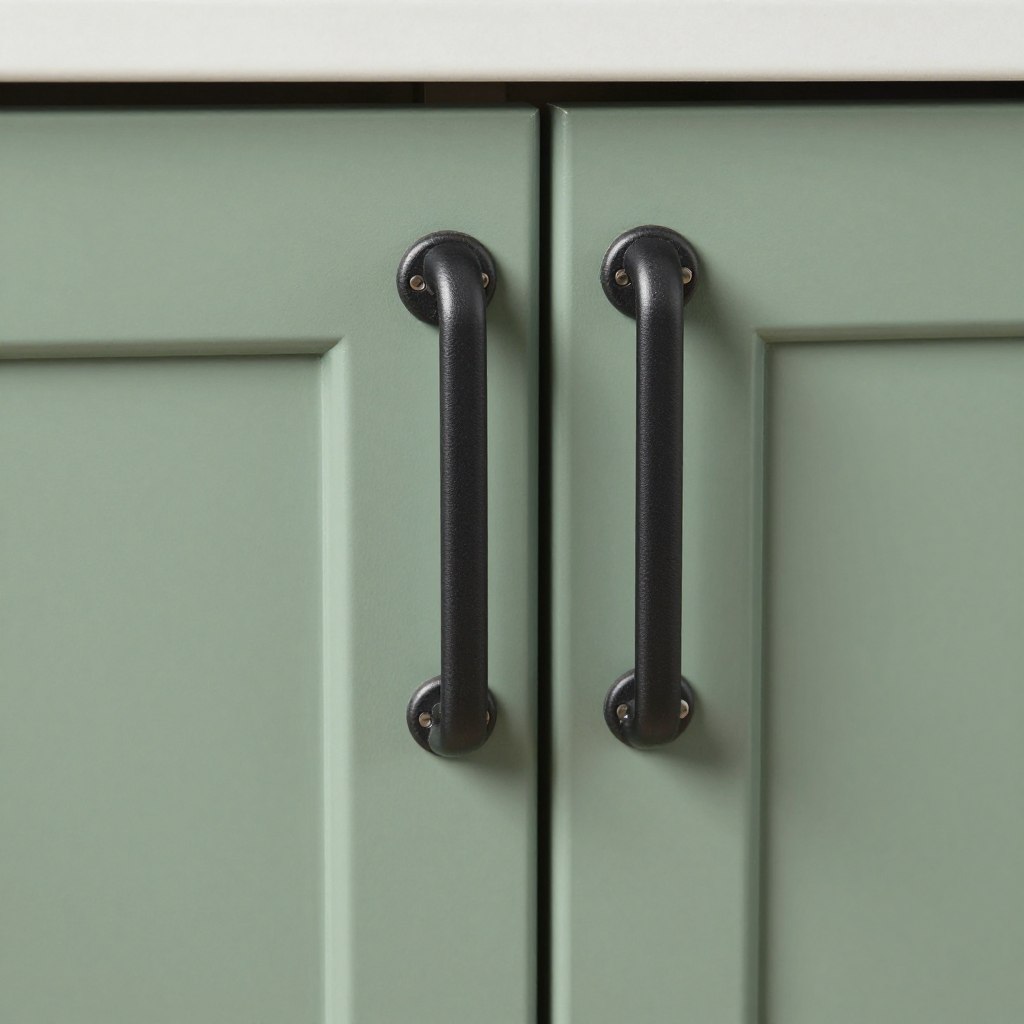
Matte black creates striking contrast and modern sophistication. Cup pulls and bin pulls work particularly well for farmhouse authenticity.
- Emphasizes clean lines of shaker doors
- Creates bold visual definition
- Hides fingerprints effectively
- Works across multiple kitchen styles
Brass and Gold Hardware
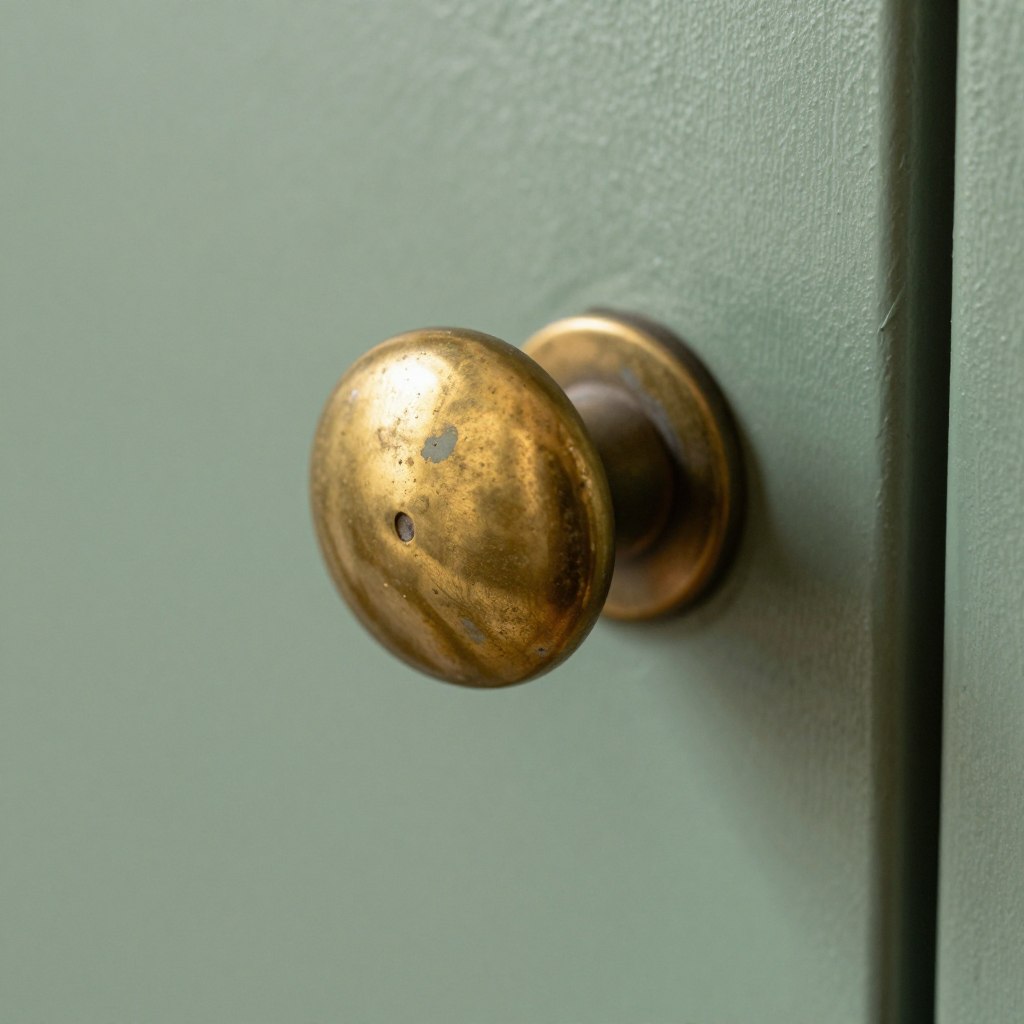
Warm metallics add luxury and traditional charm. Unlacquered brass develops character through natural aging and patina development.
- Complements warm wood tones
- Adds vintage authenticity
- Creates rich, layered look
- Develops unique patina over time
Brushed Nickel Hardware
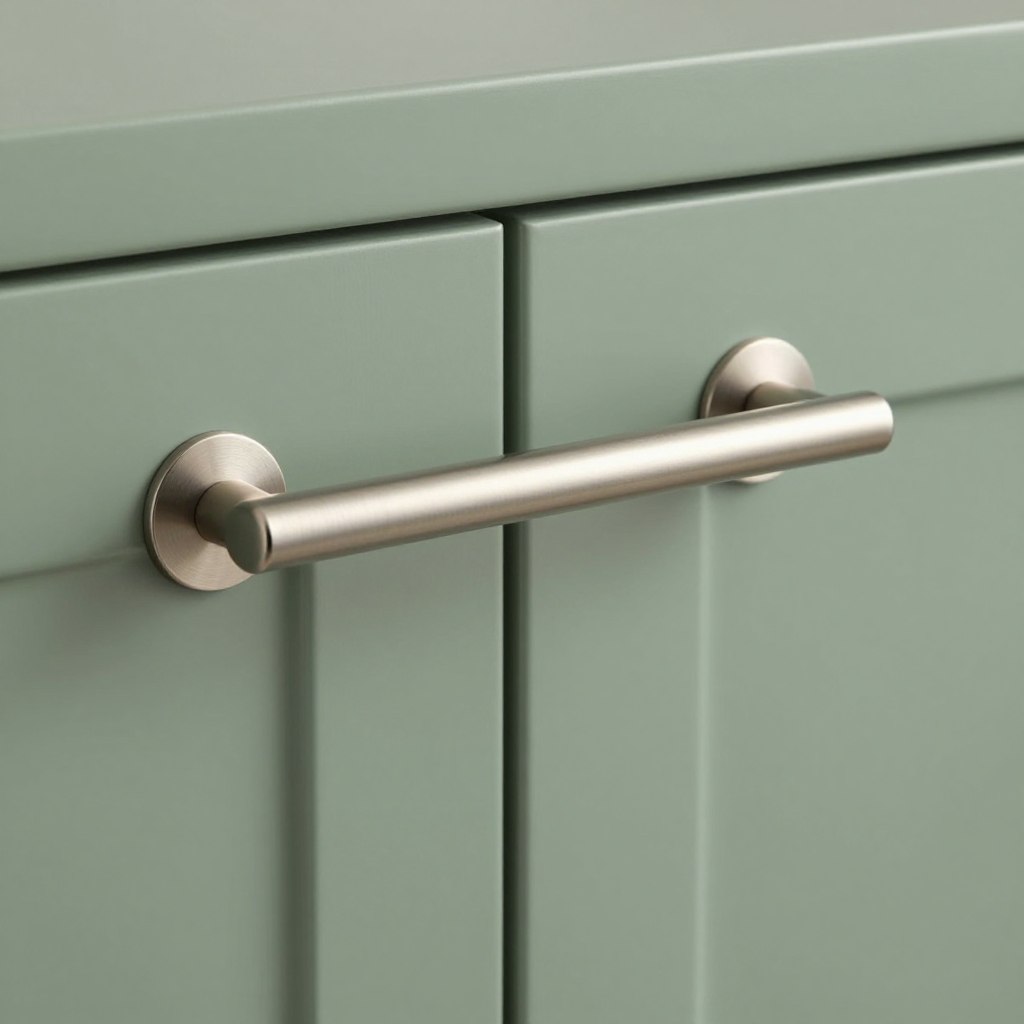
Silver-tone hardware maintains versatility and subtle elegance. Brushed finishes hide wear better than polished options for practical durability.
- Coordinates with stainless appliances
- Provides subtle, not bold contrast
- Maintains modern sensibility
- Offers wide availability and pricing
Backsplash Choices That Complete the Vision
The backsplash bridges cabinets and countertops while protecting walls from splashes. This element offers opportunity for pattern, texture, and additional color. Several options work particularly well with sage green farmhouse kitchen cabinets.
White subway tile remains a classic choice that never feels dated. The simple rectangular pattern doesn’t compete with cabinet color. This combination allows sage green to remain the focal point while maintaining clean lines.
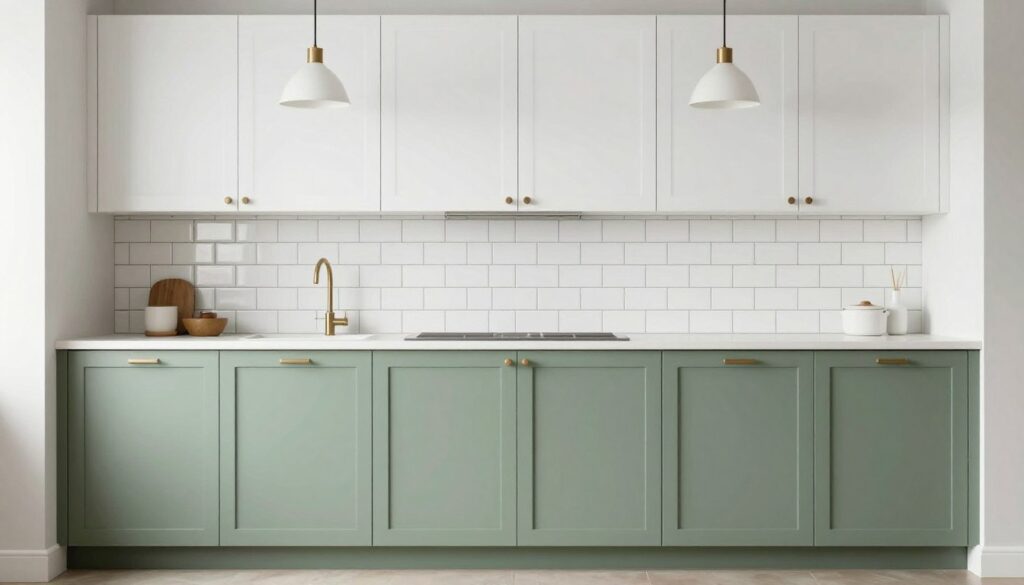
Natural stone tiles add organic texture and earth-tone variation. Travertine, marble, or slate introduce subtle color patterns. These materials reinforce connection to nature and enhance the farmhouse aesthetic.
Patterned cement tiles create visual interest and personality. Geometric or floral patterns in complementary colors make the backsplash a statement element. This approach works best when other elements remain simple to avoid visual overwhelm.
Layout and Spatial Considerations for Every Kitchen Size
Sage green farmhouse kitchen cabinets adapt beautifully to various kitchen layouts and dimensions. The key lies in understanding how to leverage the color’s properties for your specific space. Strategic design choices maximize the style’s impact regardless of square footage.
Small Kitchen Strategies
Compact kitchens benefit tremendously from sage green’s spatial qualities. The color provides personality without the closing-in effect of darker shades. Smart design choices help small kitchens feel larger while maintaining farmhouse charm.
Using sage green on lower cabinets while keeping upper cabinets white creates vertical visual interest. This approach draws the eye upward and makes ceilings feel higher. The contrast adds depth without overwhelming the space.
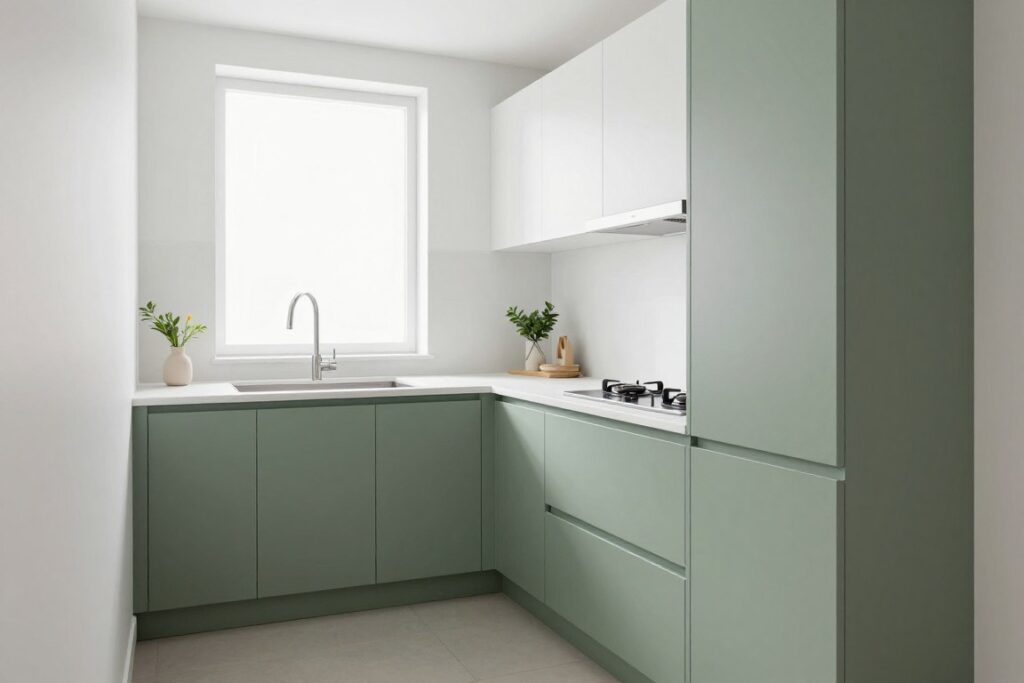
Maximizing natural light becomes crucial in smaller spaces with colored cabinets. Large windows or strategically placed mirrors reflect light throughout the kitchen. This prevents sage green from reading too dark in limited square footage.
Open shelving mixed with sage green cabinetry creates airiness in tight quarters. Floating shelves display dishes and decor while reducing visual weight. This combination maintains the farmhouse aesthetic without boxing in the space.
Advantages for Small Kitchens
- Adds color personality without overwhelming limited space
- Reflects more light than dark cabinet colors
- Creates visual interest in compact footprints
- Works with white uppers for dimension
- Disguises wear better than white in high-traffic areas
- Makes kitchens feel custom rather than generic
Challenges to Consider
- Requires adequate natural light to avoid feeling dark
- May need lighter countertops to maintain brightness
- Demands decluttered surfaces to prevent visual chaos
- Works best with white or light wall colors
- Less forgiving of color-matching mistakes in small doses
- May need professional color consultation for best results
Large Kitchen Opportunities
Spacious kitchens allow for bolder applications of sage green farmhouse cabinets. The generous square footage accommodates full sage green cabinetry without feeling overwhelming. These kitchens can incorporate additional farmhouse elements that enhance the overall design.
Kitchen islands present perfect opportunities for color variation. A sage green island with white perimeter cabinets creates a focal point. This approach adds visual interest while maintaining openness in large spaces.
Two-tone cabinetry works particularly well in expansive kitchens. Sage green lower cabinets with natural wood uppers create beautiful depth. This combination emphasizes the connection to nature central to farmhouse style.
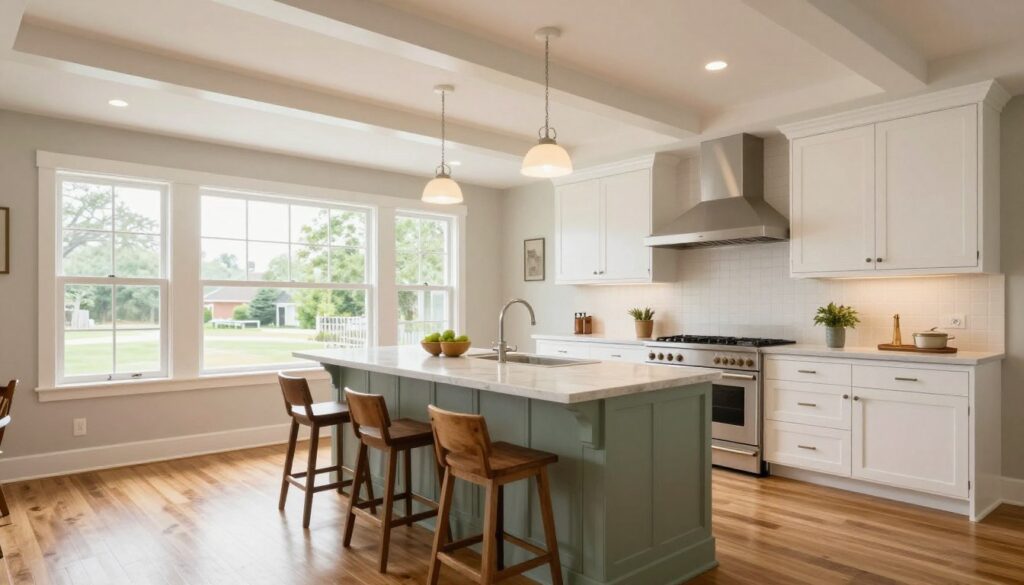
Open Concept Integration
Modern homes frequently feature kitchens that flow into living and dining areas. Sage green farmhouse kitchen cabinets need to harmonize with adjacent spaces. This integration requires thoughtful color coordination across the open floor plan.
The color connects seamlessly with living room greens in upholstery or accent walls. This creates visual flow between spaces rather than jarring transitions. The farmhouse style’s casual nature works well with comfortable family room aesthetics.
Consider sightlines when selecting sage green for open concept layouts. The color should complement what’s visible from other rooms. This ensures the kitchen feels integrated rather than disconnected from the home’s overall design.
Professional Styling Tips for Complete Kitchen Transformation
Successfully implementing sage green farmhouse kitchen cabinets extends beyond the cabinets themselves. Thoughtful styling creates a polished, cohesive look that maximizes the design’s impact. These professional tips help achieve magazine-worthy results.
Layering Materials and Textures
Farmhouse style thrives on mixing multiple natural materials. This layered approach creates depth and visual interest throughout the kitchen. The combination prevents the space from feeling flat or one-dimensional.
Natural wood elements complement sage green beautifully through contrast and connection. Wood ceiling beams add architectural character overhead. Open wood shelving introduces warmth at eye level. Butcher block counters provide functional beauty at the work surface.
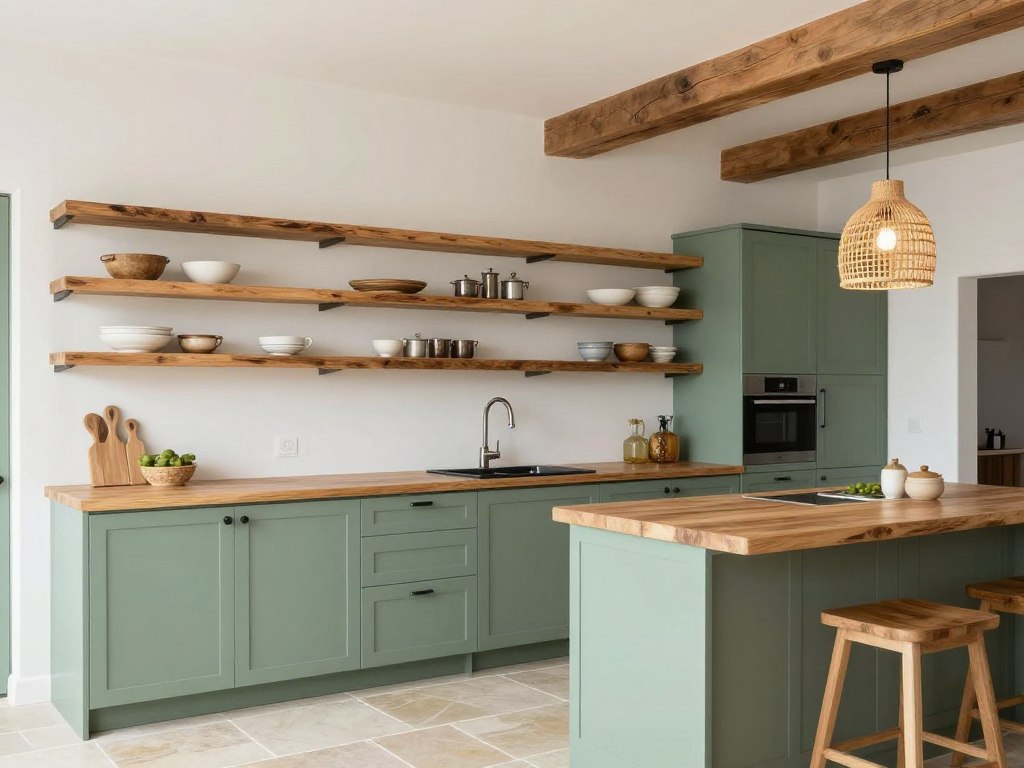
Metal accents add industrial touches that prevent the space from feeling too soft. Black metal light fixtures provide functional elegance. Wrought iron brackets support open shelving. These elements introduce edge without compromising the farmhouse warmth.
Textile layers bring softness and comfort to the hard surfaces of cabinetry and countertops. Linen cafe curtains filter natural light gently. Cotton runner rugs add underfoot comfort. These textural elements make the kitchen feel lived in and inviting.
Decor Elements That Enhance Farmhouse Character
Thoughtful accessories complete the sage green farmhouse kitchen without creating clutter. The right decor pieces reinforce the style while maintaining functionality. Strategic placement ensures these elements enhance rather than overwhelm.
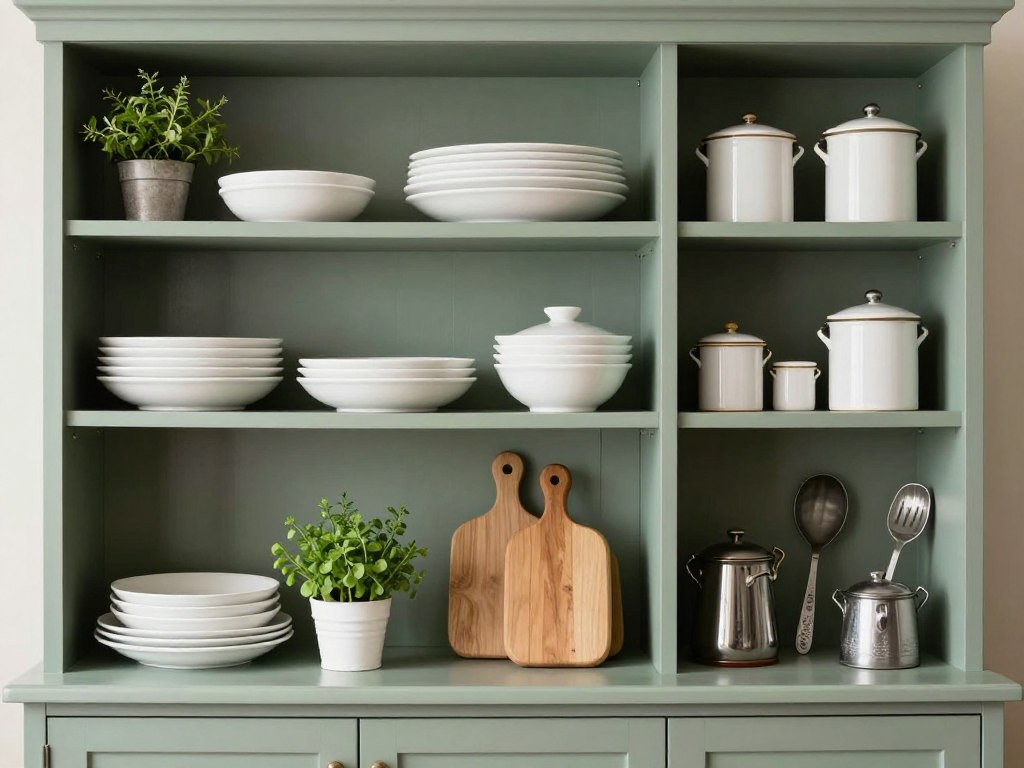
- Ceramic canisters in cream or white store staples beautifully on countertops
- Fresh herbs in terracotta pots bring living greenery to windowsills
- Vintage cutting boards displayed on open shelving add functional art
- Copper cookware hanging from pot racks introduces warm metallic tones
- Woven baskets organize while adding natural texture
- Glass cloches display seasonal fruit as sculptural elements
- Enamelware in white or cream complements the color palette
- Antique kitchen tools serve as decorative conversation pieces
- Simple pottery in earth tones grounds the green cabinetry
- Fresh flowers in mason jars add color pops and natural beauty
Lighting Design for Atmosphere and Function
Proper lighting transforms sage green cabinets throughout the day and evening. Multiple light sources create layers that serve different needs. This approach ensures the kitchen remains beautiful and functional around the clock.
Natural light should be maximized through window treatments that filter rather than block. Sheer curtains or woven shades allow sunlight in while providing privacy. This illumination brings out sage green’s true color and prevents the space from feeling dark.
Task lighting ensures safe, efficient food preparation regardless of time. Under-cabinet LED strips illuminate countertops without harsh shadows. Pendant lights over islands provide focused light for cooking and casual dining. These functional elements should complement the farmhouse aesthetic through fixture selection.
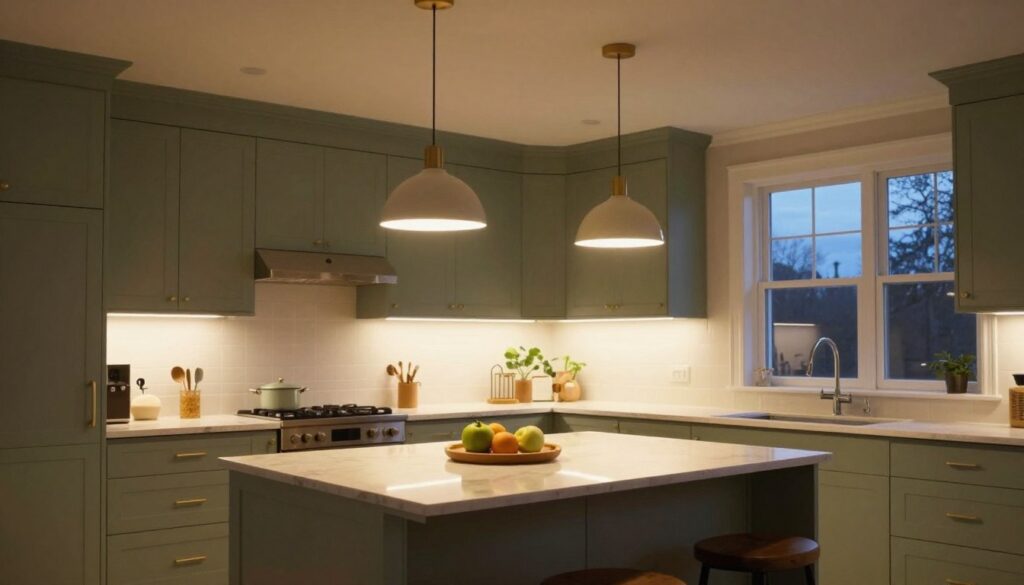
Ambient lighting creates mood and atmosphere in the evening. Statement chandeliers or farmhouse-style pendants serve as sculptural elements while providing soft overall illumination. Dimmer switches allow adjustment for different activities and times of day.
Seasonal Styling Flexibility
One remarkable quality of sage green farmhouse kitchens is their adaptability to seasonal decor. The neutral-leaning color accommodates changing accessories throughout the year. This flexibility keeps the kitchen feeling fresh without requiring permanent changes.
Spring styling emphasizes fresh greenery and light textiles. Potted flowering plants introduce cheerful colors. Pastel accents in dish towels and small decor items celebrate the season. The sage green backdrop makes these elements pop without clashing.
Fall and winter allow for richer, warmer accent colors. Copper accessories and rust-toned textiles create cozy autumn ambiance. The sage green serves as a sophisticated neutral that grounds seasonal oranges and golds. Winter styling with evergreen branches and white ceramics emphasizes the green connection.
Popular Sage Green Farmhouse Cabinet Styles
While sage green provides the unifying color, cabinet door style significantly impacts the overall aesthetic. Several styles pair particularly well with sage green to create authentic farmhouse character. Understanding these options helps homeowners select the perfect match for their vision.
Classic Shaker Style
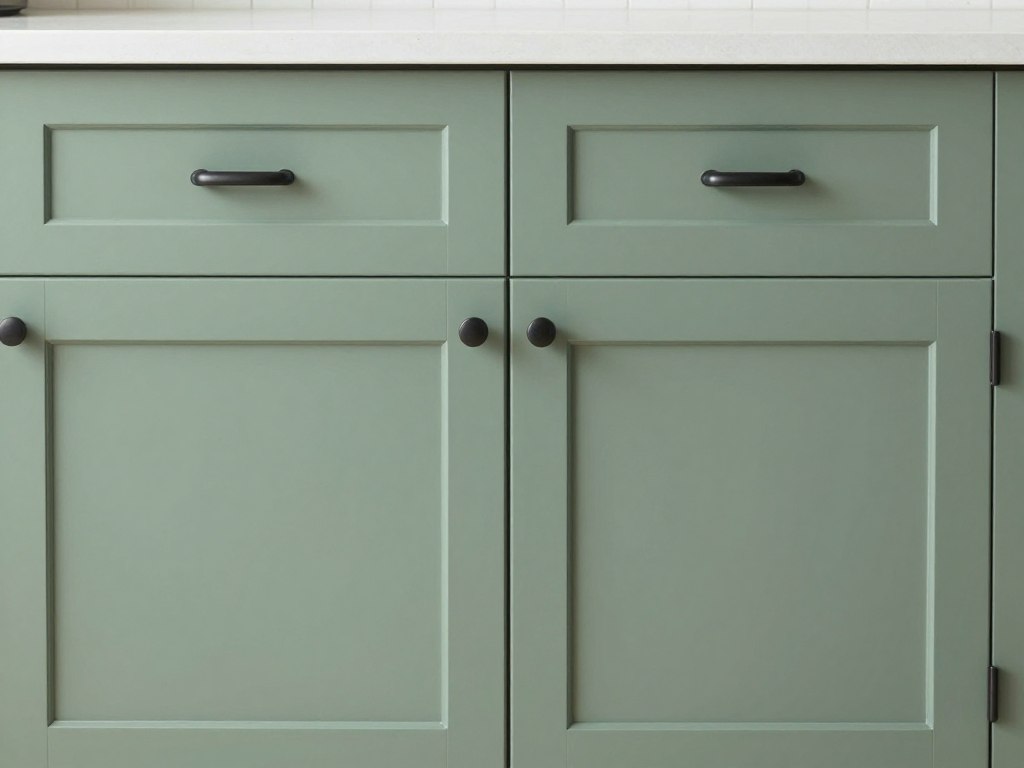
The most popular choice for farmhouse kitchens. Shaker cabinets feature a five-piece door with a recessed center panel. This simple, functional design originated with the Shaker religious community.
The clean lines work beautifully in sage green. The color adds interest to the minimalist door style. This combination feels timeless rather than trendy.
Shaker cabinets suit both traditional and modern farmhouse interpretations. The simplicity accommodates various hardware styles and decorative approaches.
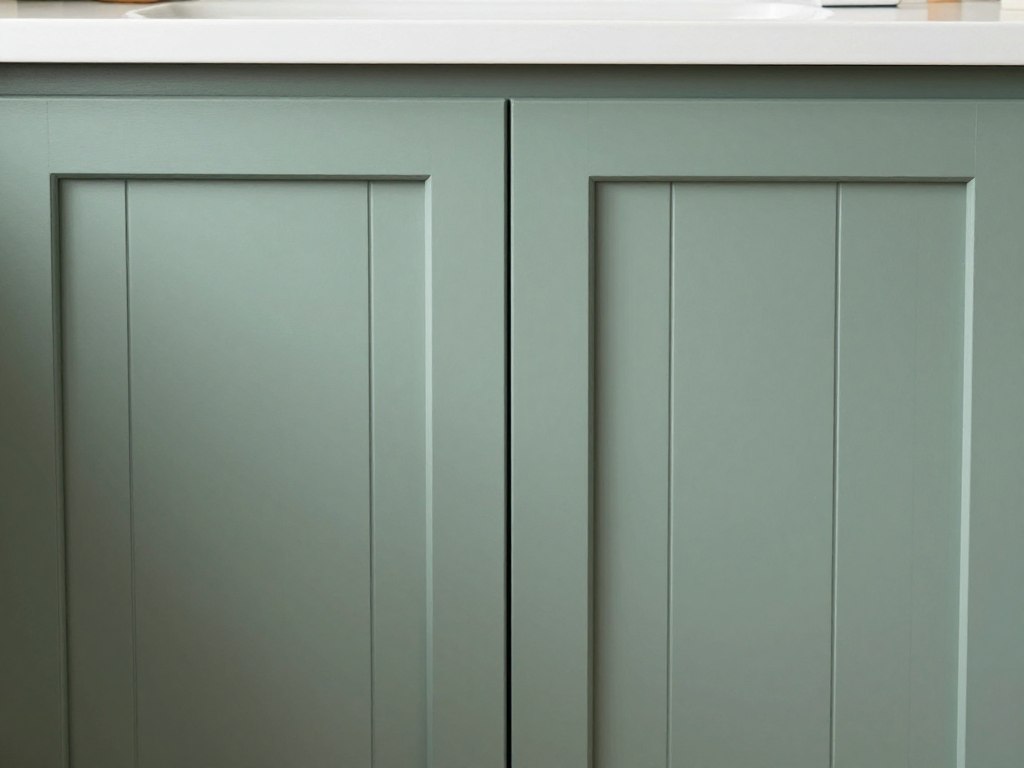
Beadboard Panel Doors
Beadboard introduces vertical texture through narrow grooves. This detail adds cottage charm and visual interest. The panels catch light differently than flat surfaces.
Sage green beadboard cabinets create a more casual, relaxed farmhouse feel. The texture works particularly well in coastal farmhouse designs. The grooves add dimension without complexity.
This style suits homeowners seeking a softer, more romantic farmhouse aesthetic. The details feel handcrafted and personal.
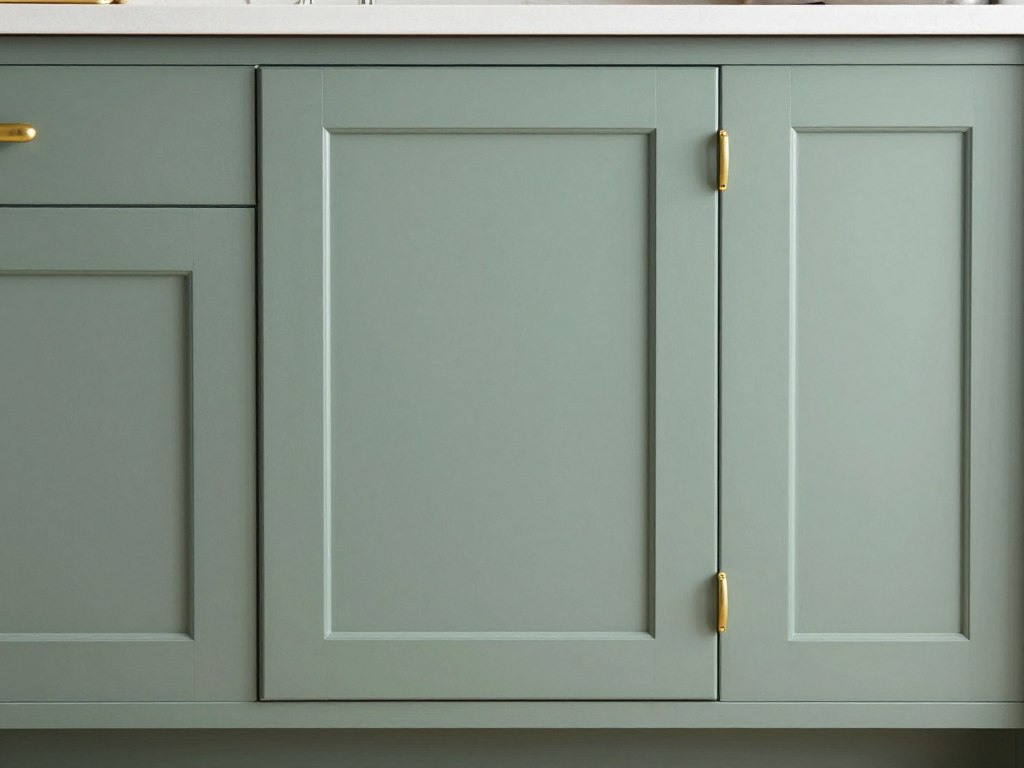
Raised Panel Elegance
Raised panel doors feature a center panel that projects outward. This creates more pronounced shadows and dimensional interest. The style reads as more formal and traditional.
Sage green softens the formality of raised panels. The color prevents the style from feeling too stuffy or dated. This combination bridges traditional and farmhouse aesthetics.
Best suited for larger kitchens where the detail can be appreciated. The added dimension works beautifully with brass or bronze hardware.
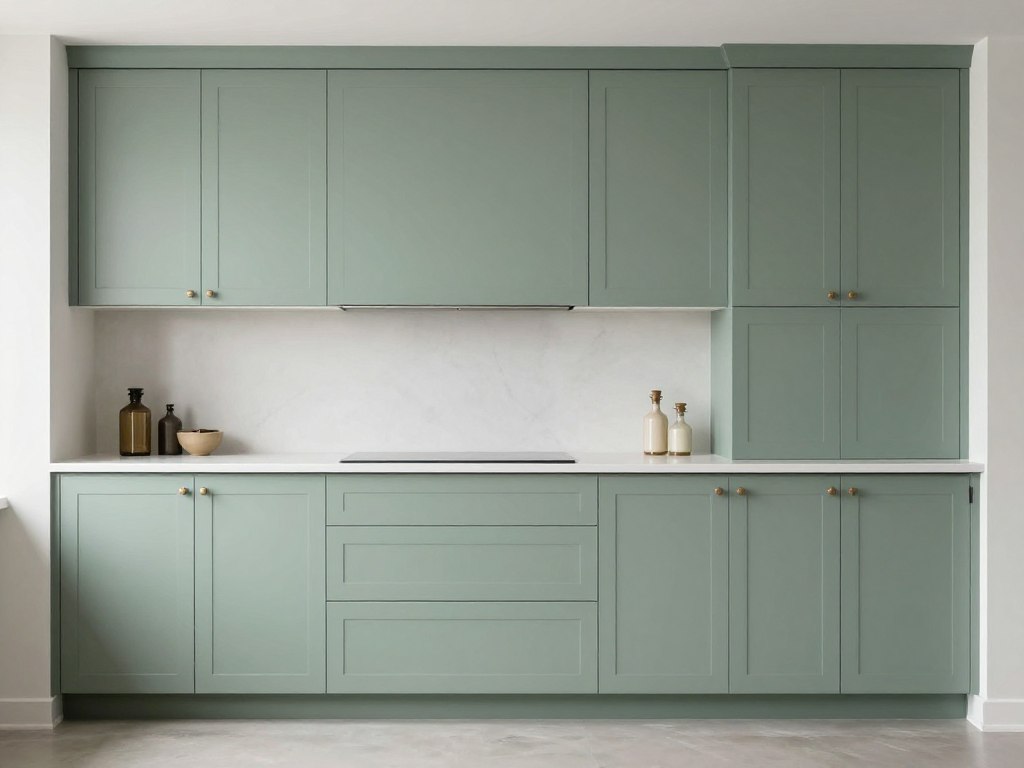
Modern Flat Panel
Flat panel or slab doors offer complete simplicity. These frameless cabinets feature smooth, flat surfaces without any detail. The minimalism appeals to modern sensibilities.
Sage green prevents flat panel cabinets from feeling cold or sterile. The color adds warmth to the sleek lines. This creates modern farmhouse rather than pure contemporary style.
Ideal for homeowners who want farmhouse color with contemporary styling. The combination feels current and sophisticated.
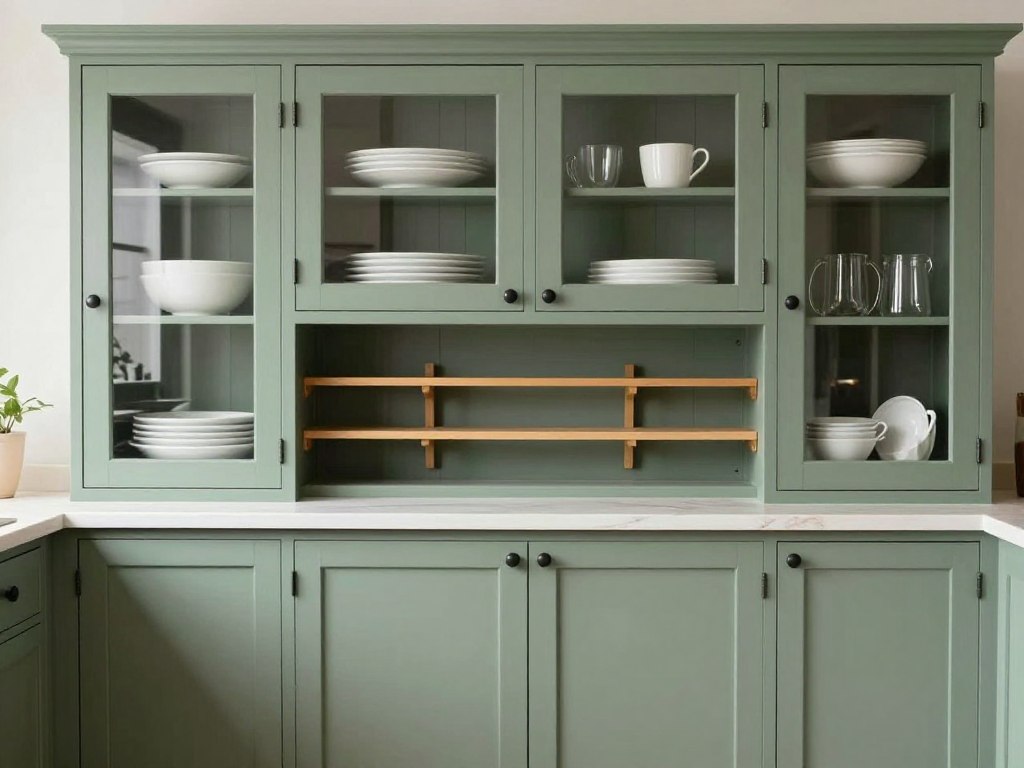
Glass Front Display
Glass front cabinets showcase dishware while maintaining dust protection. Clear glass creates openness. Seeded or frosted glass adds vintage character while concealing contents.
Sage green frames around glass panels create beautiful visual contrast. The color highlights the display while the glass provides relief from solid doors. This combination adds dimension to upper cabinets.
Perfect for displaying coordinating dishware and glassware. The openness prevents sage green from overwhelming in smaller kitchens.
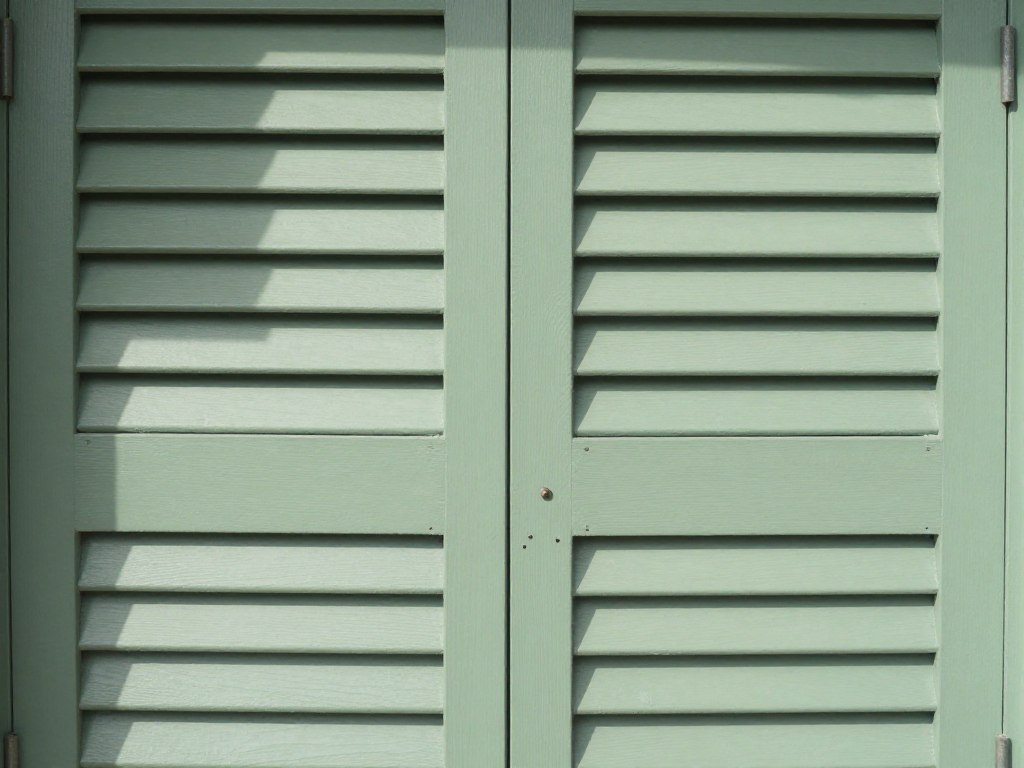
Louvered Cottage Style
Louvered doors feature horizontal slats that allow air circulation. This design originated in warm climates. The style brings cottage and coastal farmhouse character.
Sage green louvered cabinets create a relaxed, vacation home feeling. The horizontal lines add movement and texture. This style works particularly well in casual, informal kitchens.
Consider this option for homeowners drawn to softer, more romantic farmhouse interpretations. The detailed craftsmanship becomes a focal point.
Real-World Applications Across Different Settings
Sage green farmhouse kitchen cabinets adapt remarkably well to diverse home styles and regional preferences. Understanding how the color and style translate across different contexts helps homeowners envision possibilities. These real-world applications demonstrate the design’s versatility.
Urban Farmhouse Adaptations
City dwellings embrace farmhouse style through modern interpretations. Sage green cabinets bring nature into urban environments lacking yards or gardens. The color creates a calming oasis within bustling metropolitan life.
Urban farmhouse kitchens often incorporate industrial elements alongside rustic touches. Exposed brick walls complement sage green cabinetry beautifully. Metal accents and concrete countertops add edge while maintaining warmth through the cabinet color.
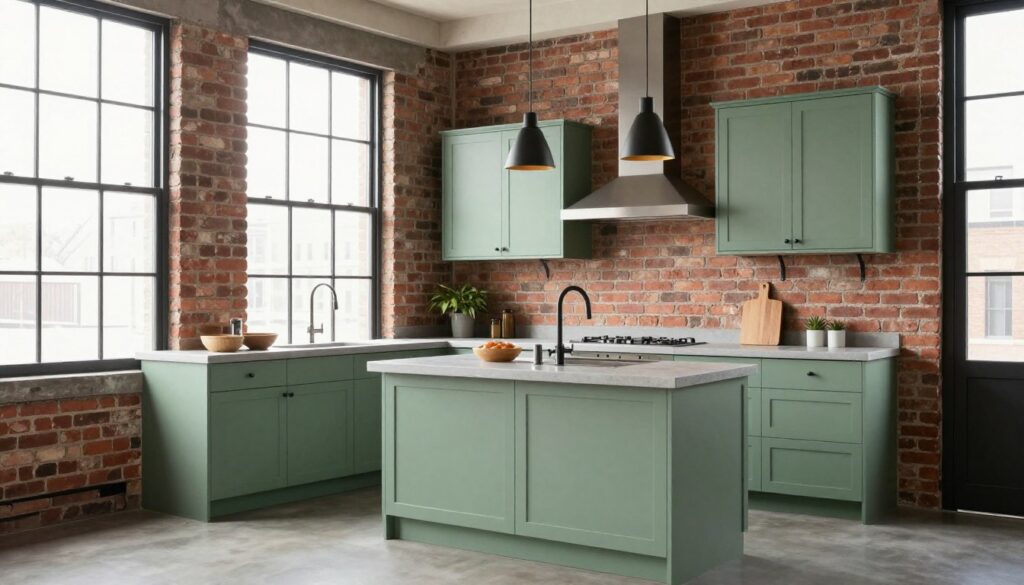
Space limitations in city apartments require efficient storage solutions. Sage green cabinets extend to the ceiling to maximize vertical storage. The color prevents floor-to-ceiling cabinetry from feeling oppressive in compact spaces.
Suburban Family Kitchens
Suburban homes provide ideal canvases for full sage green farmhouse kitchen implementations. These kitchens typically offer generous square footage for the style to shine. Family-focused functionality pairs perfectly with farmhouse practicality.
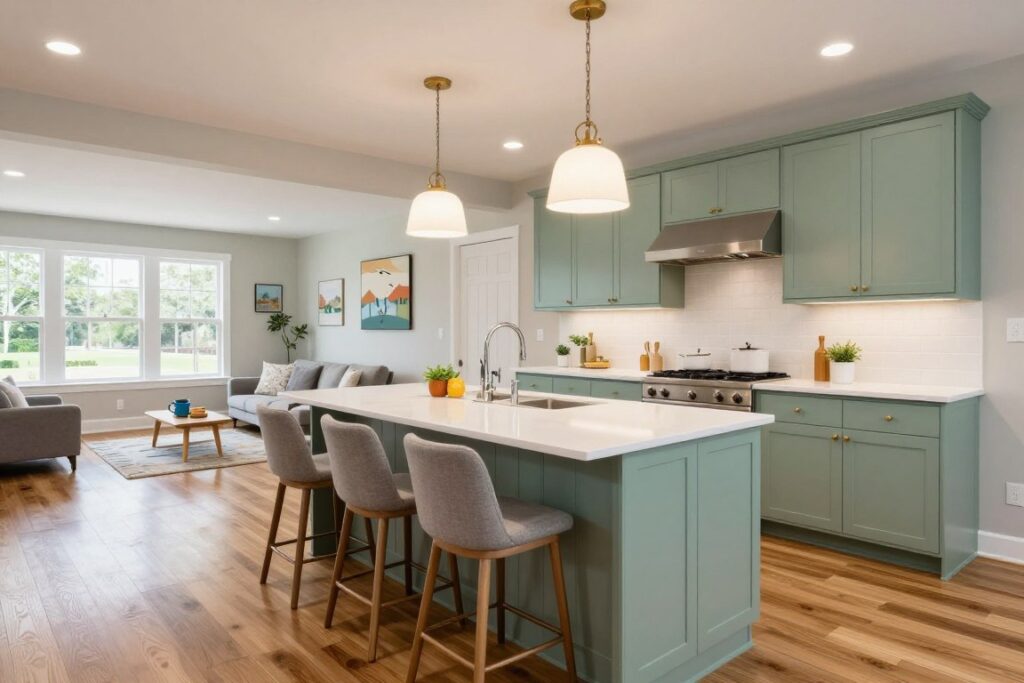
Open floor plans in suburban homes benefit from sage green’s ability to define zones. The kitchen cabinets create visual separation from living spaces without walls. The color provides identity while maintaining flow throughout the main level.
Durability becomes paramount in family kitchens with active children. Sage green conceals the inevitable wear from daily life better than white or dark cabinets. The farmhouse style’s casual nature accommodates the relaxed energy of family living.
Rural and Country Home Integration
Sage green farmhouse cabinets feel most at home in actual rural settings. Country properties with surrounding land and gardens create perfect contexts. The cabinet color echoes the natural environment visible through kitchen windows.
Rural homes often feature original architectural elements worth preserving. Sage green cabinets complement rather than compete with exposed wood beams or stone fireplaces. The color bridges old and new construction elements seamlessly.
Country kitchens tend toward generous dimensions with space for multiple work zones. Sage green maintains cohesion across large expanses of cabinetry. The farmhouse style feels authentic rather than affected in rural contexts.
Maintaining Beauty and Longevity
Sage green farmhouse kitchen cabinets require proper care to maintain their appearance over years of use. Understanding maintenance needs helps homeowners protect their investment. These practices ensure cabinets remain beautiful through daily kitchen activities.
Paint and Finish Care
The paint finish determines cleaning requirements and durability. High-quality cabinet paint with proper sealing resists damage and simplifies maintenance. Understanding your specific finish guides appropriate cleaning methods.
Matte finishes create the most authentic farmhouse look but require gentler cleaning. These surfaces show water spots more readily than satin finishes. Wipe spills immediately to prevent absorption into the porous surface.
Daily Maintenance Practices
- Wipe cabinets with soft microfiber cloths after cooking to remove grease
- Use warm water with mild dish soap for routine cleaning
- Dry surfaces immediately to prevent water marks
- Clean hardware separately with appropriate metal cleaners
- Address spills and splashes as soon as they occur
- Avoid abrasive cleaners that damage paint finishes
Seasonal Deep Cleaning
- Remove all items from cabinets for thorough interior cleaning
- Clean cabinet tops where dust and grease accumulate
- Inspect hinges and hardware for needed adjustments
- Check for any paint chips or damage requiring touch-ups
- Polish hardware to maintain shine and prevent tarnish
- Vacuum cabinet interiors to remove accumulated debris
Protecting Paint Longevity
- Use cabinet door bumpers to prevent slamming damage
- Install soft close hinges to reduce wear from repeated use
- Keep touch up paint available for minor chip repairs
- Avoid hanging wet towels directly on cabinet doors
- Control kitchen humidity to prevent paint deterioration
- Protect cabinets near sinks from constant water exposure
Long Term Preservation
- Consider professional refinishing every 10-15 years
- Address damage promptly before it worsens
- Maintain consistent climate control in the kitchen
- Update hardware if it becomes worn or dated
- Refresh caulking around countertops regularly
- Document original paint color for future touch-ups
When to Consider Refinishing
Even well-maintained sage green cabinets eventually show age. Recognizing when refinishing becomes necessary protects the underlying cabinet boxes. Early intervention prevents minor issues from becoming major problems.
Extensive wear around handles indicates high-traffic areas needing attention. These spots may require full repainting rather than touch-ups. Professional refinishing restores uniform appearance across all cabinet surfaces.
Changing design preferences may prompt cabinet updates before wear necessitates them. The versatility of painted cabinets allows color changes without full replacement. A different shade of green or entirely new color refreshes the kitchen affordably.
Investment Analysis and Budget Planning
Understanding the financial aspects of sage green farmhouse kitchen cabinets helps homeowners plan appropriately. Multiple options exist across price points. Strategic choices allow beautiful results within various budget constraints.
Cost Breakdown by Approach
The installation method significantly impacts total project costs. DIY painting represents the most economical option. Professional cabinet replacement costs the most but offers the longest-lasting results.
| Approach | Cost Range | Timeline | Skill Required | Longevity |
| DIY Cabinet Painting | $200-800 | 3-5 days | Moderate | 5-7 years |
| Professional Cabinet Painting | $3,000-8,000 | 5-7 days | None | 8-12 years |
| Cabinet Refacing | $4,000-12,000 | 3-5 days | Professional | 15-20 years |
| Stock Sage Green Cabinets | $3,000-10,000 | 2-4 weeks | Professional install | 20-25 years |
| Semi-Custom Cabinets | $8,000-20,000 | 6-8 weeks | Professional install | 25-30 years |
| Custom Cabinets | $15,000-50,000+ | 8-16 weeks | Professional install | 30+ years |
Budget Friendly Implementation Strategies
Creating a sage green farmhouse kitchen doesn’t require unlimited funds. Strategic choices deliver beautiful results within modest budgets. Prioritizing visible elements maximizes impact per dollar spent.
Painting existing cabinets in good structural condition offers tremendous value. Quality paint and proper preparation yield results comparable to new cabinets at a fraction of the cost. This approach allows budget allocation toward other kitchen improvements.
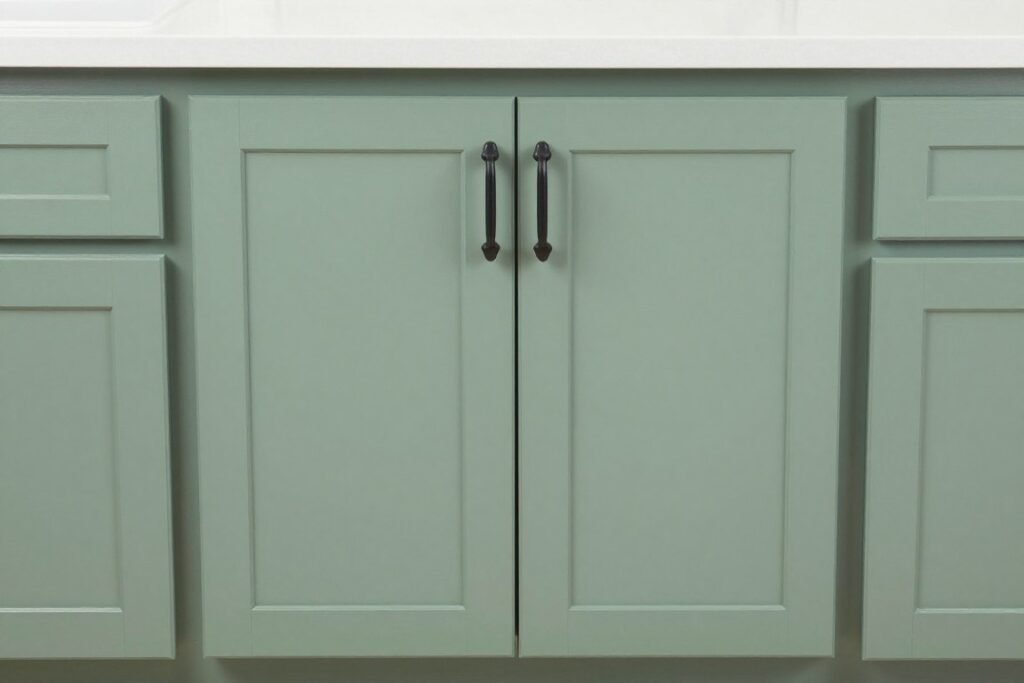
Updating hardware provides significant visual impact for minimal investment. Replacing dated pulls and knobs transforms cabinet appearance dramatically. This simple change works particularly well when combined with fresh paint.
Phased renovations allow spreading costs across multiple budget cycles. Install sage green lower cabinets initially while retaining existing uppers. Complete the transformation when finances allow. This approach maintains kitchen functionality throughout the renovation process.
Sustainability and Environmental Considerations
Sage green’s connection to nature extends beyond aesthetics into environmental responsibility. Many homeowners choose this color as part of broader sustainability efforts. Understanding eco-friendly options helps align kitchen design with environmental values.
Low-VOC and Zero-VOC Paint Options
Traditional cabinet paints release volatile organic compounds during application and curing. These chemicals contribute to indoor air quality problems and environmental pollution. Modern low-VOC and zero-VOC paints eliminate these concerns.
Many major paint manufacturers now offer environmentally friendly cabinet paints in custom colors. These products perform comparably to traditional formulations without harmful emissions. Sage green kitchen cabinets can be both beautiful and environmentally responsible.
Sustainable Cabinet Materials
Cabinet box construction impacts environmental footprint significantly. Formaldehyde-free plywood and FSC-certified wood products reduce harmful chemical exposure. These materials ensure healthier indoor air quality for your family.
Reclaimed wood cabinets offer maximum sustainability by repurposing existing materials. Salvaged barn wood or vintage lumber brings authentic character. When painted sage green, these materials combine environmental responsibility with farmhouse authenticity.
Eco-Friendly Hardware Choices: Select cabinet hardware from manufacturers using recycled metals and sustainable production practices. Many companies now offer beautiful pulls and knobs made from reclaimed materials. These choices support environmental values without compromising design aesthetics.
Longevity as Sustainability
The most sustainable kitchen is one that doesn’t require frequent replacement. Sage green farmhouse cabinets offer longevity through timeless appeal. Choosing designs that won’t feel dated reduces the environmental impact of future renovations.
Quality construction extends cabinet lifespan significantly. Investing in well-built cabinets reduces waste from premature replacement. Solid wood face frames and dovetail drawer construction ensure decades of use.
Common Mistakes to Avoid
Even with beautiful inspiration photos, sage green kitchen installations can miss the mark. Understanding common pitfalls helps homeowners avoid disappointment. These insights prevent costly mistakes that compromise the final result.
Color Selection Errors
Not all sage greens work equally well in kitchens. Some shades read too yellow or too blue depending on lighting conditions. Testing paint samples in your specific kitchen prevents costly color mistakes.
Purchase small paint samples and create large test boards. Paint samples on white poster board rather than directly on cabinets. View these samples in your kitchen at different times of day. Morning, afternoon, and evening light all reveal different color qualities.
Lighting Impact: Natural light direction dramatically affects sage green appearance. North-facing kitchens receive cooler light that emphasizes gray undertones. South-facing kitchens get warm light that brings out olive tones. Test your chosen shade in your actual lighting conditions before committing.
Proportion and Balance Issues
Too much sage green overwhelms without relief. Balancing colored cabinets with white or natural elements creates visual breathing room. Understanding proportion prevents the space from feeling too heavy or dark.
Small kitchens particularly require careful color distribution. Using sage green on lower cabinets only maintains openness. All sage green cabinetry works better in larger spaces with abundant natural light.
Should I paint all cabinets sage green or use a two-tone approach?
This depends on kitchen size and natural light. Kitchens under 150 square feet typically look best with sage green on lower cabinets and white uppers. This maintains airiness while adding color personality. Larger kitchens with substantial natural light can accommodate all sage green cabinets successfully. Consider your ceiling height as well – higher ceilings support more color on upper cabinets.
What’s the best hardware finish for sage green cabinets?
Matte black creates the most popular and versatile combination. It provides crisp contrast and works across traditional to modern farmhouse styles. Brushed brass or aged bronze offer warmer alternatives that complement wood tones. Brushed nickel maintains a cooler, more contemporary feel. Test hardware samples against your specific sage green shade before purchasing quantities.
Will sage green cabinets date quickly like other color trends?
Sage green shows more staying power than bright trendy colors. Its connection to nature and neutral undertones provide longevity. The color has maintained popularity across multiple design cycles. Choose classic cabinet styles like shaker doors to maximize timelessness. Avoid pairing sage green with other trendy elements that may date faster.
How do I clean and maintain sage green painted cabinets?
Use warm water with mild dish soap for routine cleaning. Microfiber cloths prevent scratching the paint surface. Avoid abrasive cleaners or scrubbing pads that damage finishes. Wipe up spills immediately to prevent staining or water damage. Clean cabinets weekly in cooking areas and monthly elsewhere. Keep touch-up paint available for addressing chips promptly.
Installation and Preparation Shortcuts
Proper surface preparation determines paint longevity and appearance. Skipping sanding or priming steps leads to premature failure. The extra time invested in preparation pays dividends in durability.
Cabinet doors require removal for professional-quality results. Painting installed doors leads to drips, uneven coverage, and missed edges. Set up a proper spray or painting station for best results.
Future-Proofing Your Sage Green Kitchen
Creating a kitchen that remains beautiful for decades requires strategic planning. Certain design choices enhance longevity while others may feel dated quickly. Understanding these principles helps homeowners make wise long-term investments.
Selecting Timeless Companion Elements
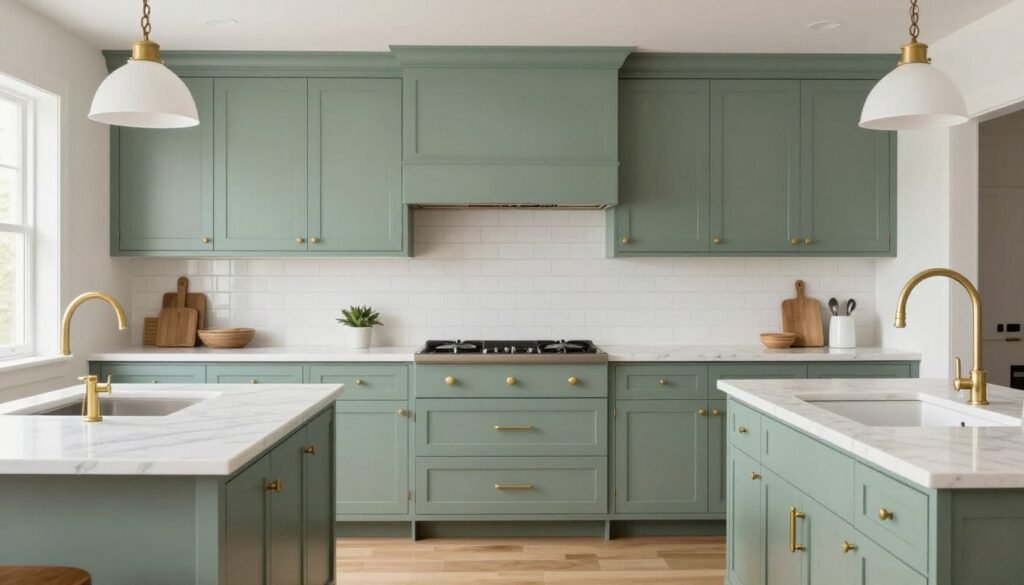
Sage green cabinets pair best with classic materials that transcend trends. White marble, natural wood, and simple tile patterns maintain appeal across design eras. These elements allow the kitchen to evolve through accessory changes rather than major renovations.
Avoid trendy backsplash patterns or unusual countertop materials that may date quickly. Geometric cement tiles or exotic stone varieties can anchor the kitchen to a specific time period. Classic choices provide flexibility for future style adjustments.
Adaptability Through Accessories
Fixed elements should remain neutral enough to accommodate changing decor preferences. Sage green cabinets serve as a versatile backdrop for evolving accessory choices. This approach allows personalization without permanent commitment.
Seasonal styling keeps the kitchen feeling fresh without major changes. Swap textiles, artwork, and small decor items rather than structural elements. This flexibility prevents the space from feeling stale over time.
Planning for Technological Integration
Modern kitchens increasingly incorporate technology for convenience and efficiency. Plan for device charging stations, smart appliance integration, and adequate electrical capacity. These practical considerations ensure the kitchen functions well for years.
Hidden charging drawers and appliance garages maintain clean farmhouse aesthetics while accommodating modern technology. Thoughtful planning prevents visible cords and devices from compromising the design vision.
Creating Your Sage Green Farmhouse Kitchen
Sage green farmhouse kitchen cabinets represent more than a passing design trend. They embody cultural shifts toward nature connection, environmental consciousness, and personalized living spaces. The color’s dominance in 2026 reflects deeper values about how we want to live.
The versatility of sage green allows implementation across diverse kitchen sizes, layouts, and home styles. From compact urban apartments to spacious rural farmhouses, the color adapts beautifully. Strategic design choices maximize impact regardless of budget or square footage.
Success requires attention to complementary elements beyond the cabinets themselves. Thoughtful countertop selection, appropriate hardware, and cohesive styling create polished results. These details separate amateur installations from professional-looking transformations.
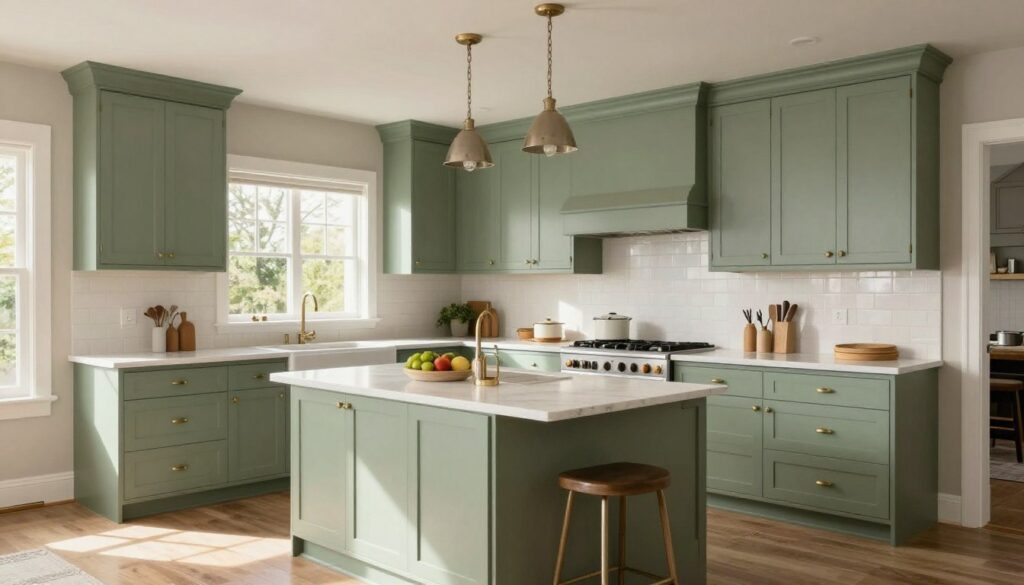
The enduring appeal of sage green farmhouse kitchens comes from their balance of beauty and functionality. These spaces feel both calming and energizing, traditional and contemporary. They create environments where families naturally gather and memories form.
Your kitchen transformation journey begins with understanding what makes sage green farmhouse cabinets special. Armed with design knowledge, practical strategies, and clear vision, you can create a kitchen that remains beautiful and relevant for decades. The investment in thoughtful planning pays dividends in daily enjoyment and long term satisfaction.
Whether you choose DIY painting or professional installation, custom cabinets or stock options, the result should reflect your personal style. Sage green farmhouse kitchen cabinets provide the foundation for a space uniquely yours. Take inspiration from these principles while making choices that serve your specific needs and preferences.