
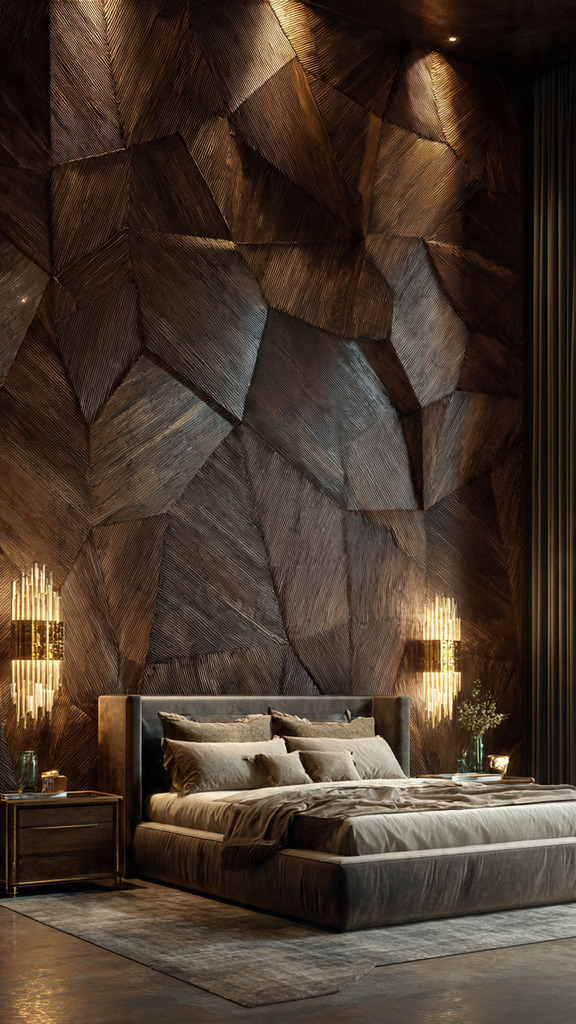
I’m excited to share 3D Wood Wall Panel Ideas that bring warmth and sculptural interest to modern bedrooms across the United States.
In this short introduction, I explain why luxury 3d wood wall panel ideas are worth considering. They improve acoustics, add tactile depth, and create a striking focal point. This can replace a traditional headboard.
Typical materials include solid hardwoods like oak, walnut, and maple. Also, engineered wood veneers, MDF with real wood veneer, and high density polymer panels that mimic wood grain are used.
Common installation methods range from direct nailing to studs and adhesive mounting for engineered panels. Floating systems are used for modular designs. A proper moisture barrier and substrate prep matter for long-lasting wooden wall paneling.
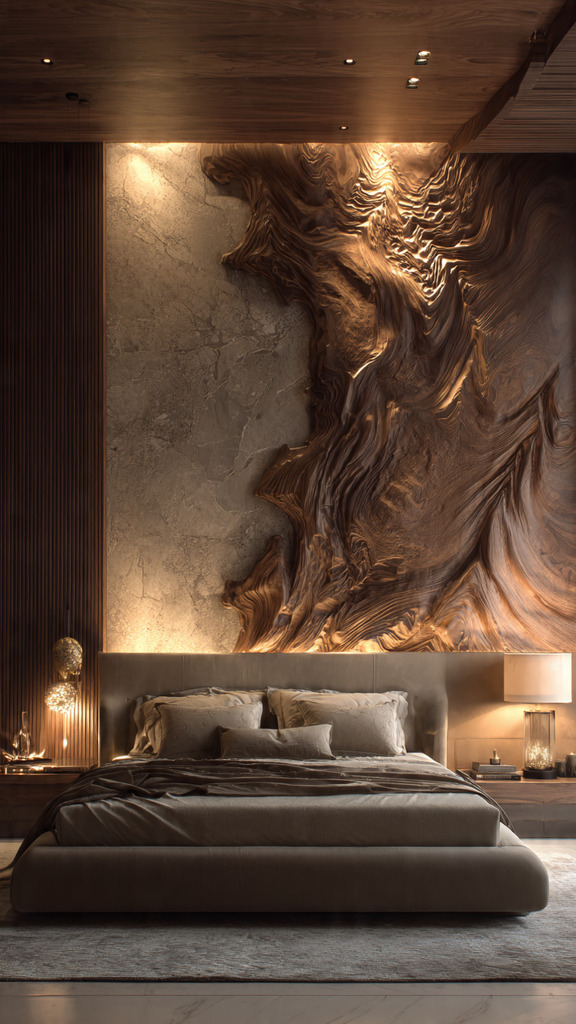
Below, I outline 10 distinct ideas, from minimalist to sculptural and rustic. I provide guidance on materials, finishes, lighting integration, sizing, and budgeting. This is for homeowners, interior designers, and renters seeking unique wood wall decor.
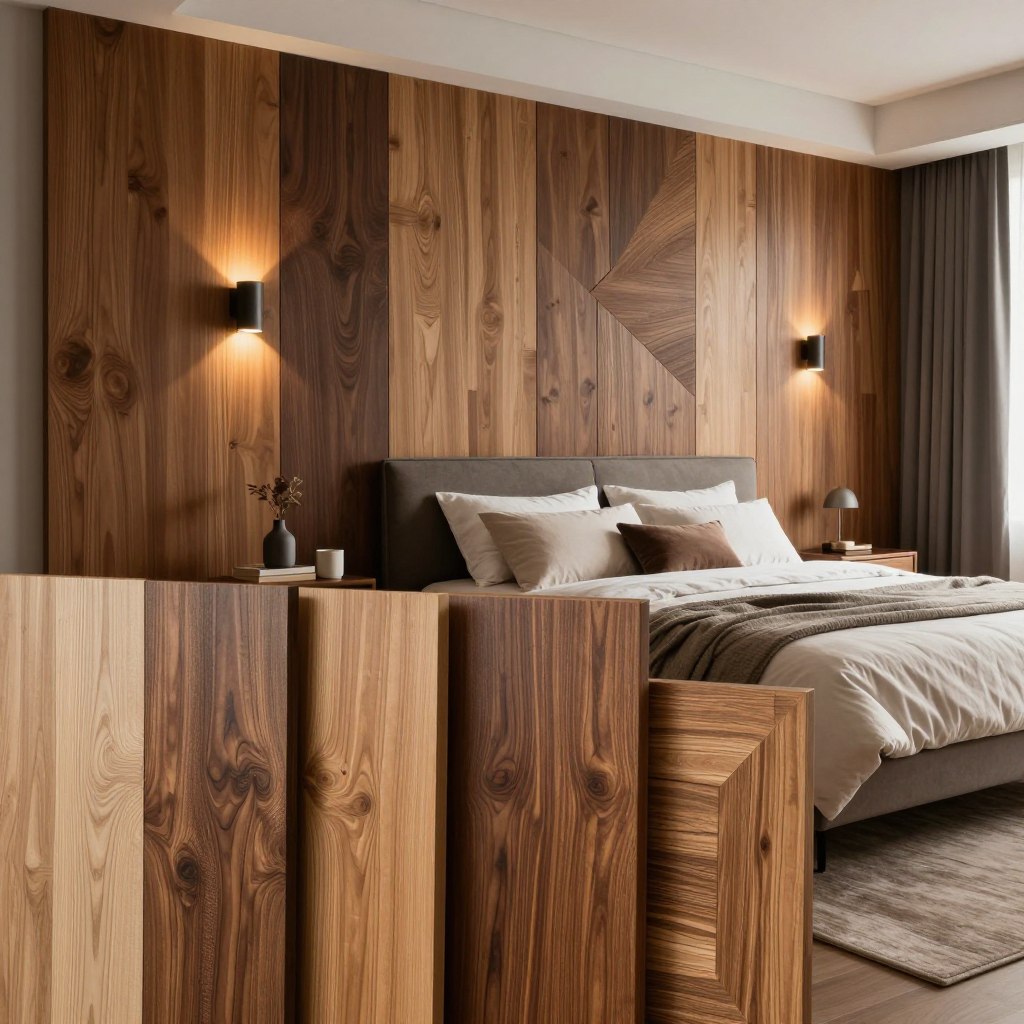
3D Wood Wall Panel Ideas
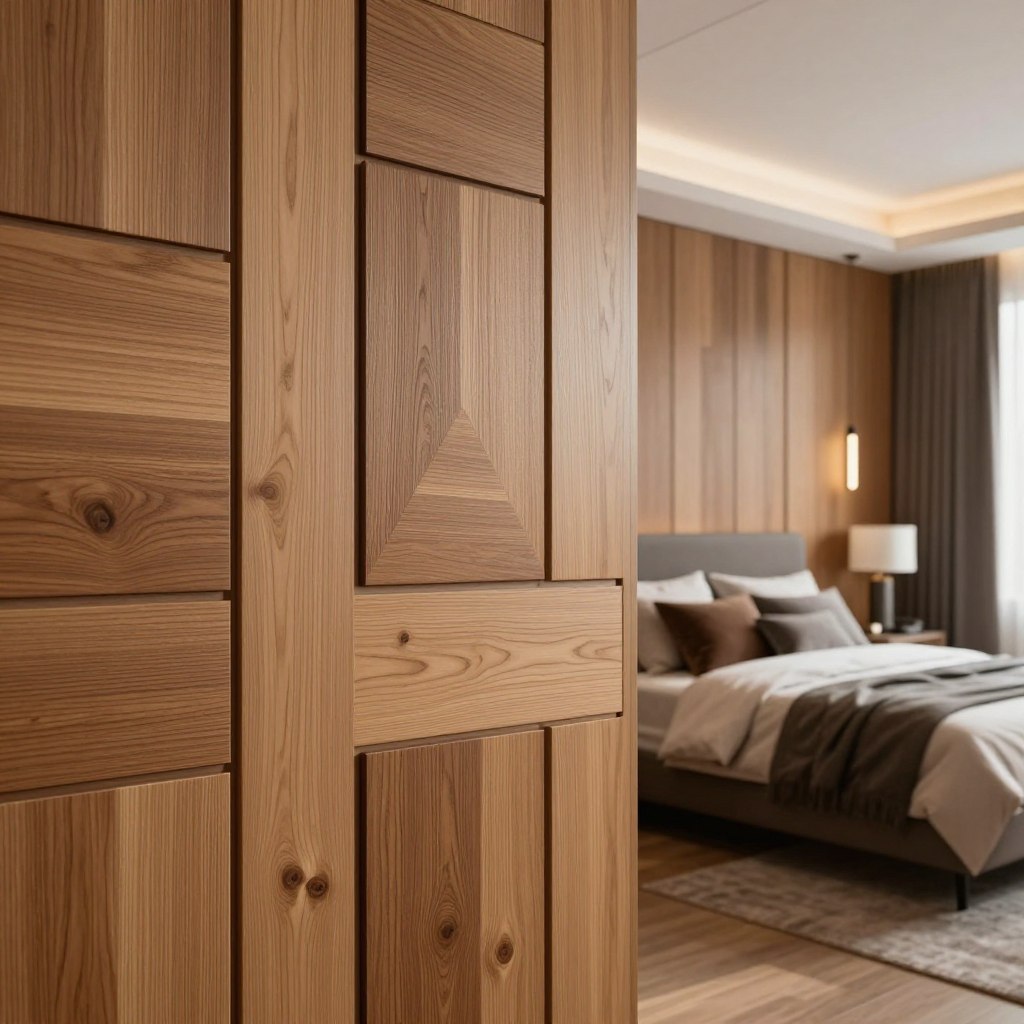
High end panels use materials like quarter-sawn oak or walnut. They are carved with precision for crisp patterns. The finish is smooth, and they can be made to fit any space.
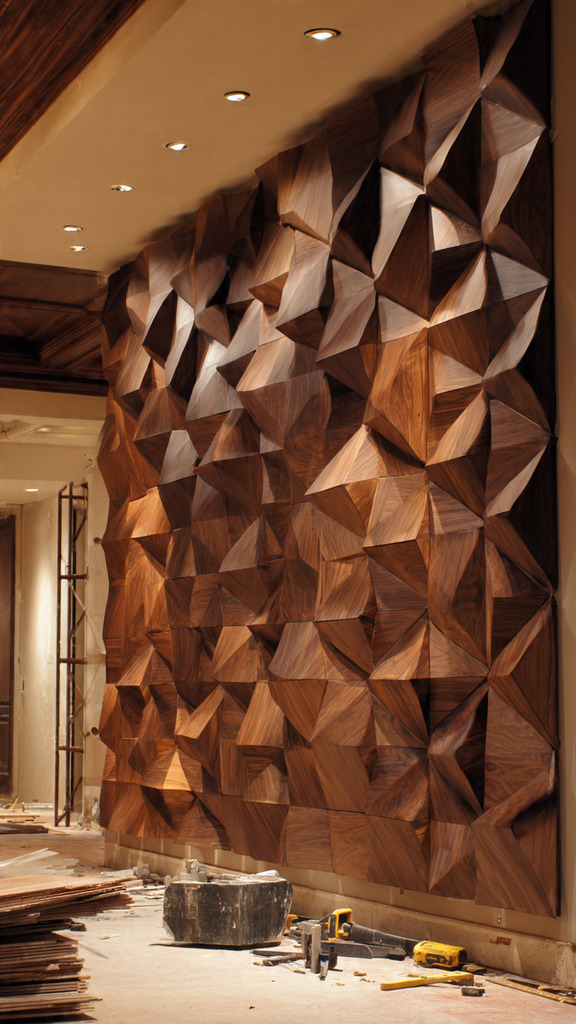
Designs range from geometric to wave forms. Bold patterns like chevrons make a statement. You can use them as a full accent wall or partial headboard.
Before buying, consider the panel’s thickness and weight. Lighter panels might use adhesive, while heavier ones need screws. Think about soundproofing if you want a quieter room.
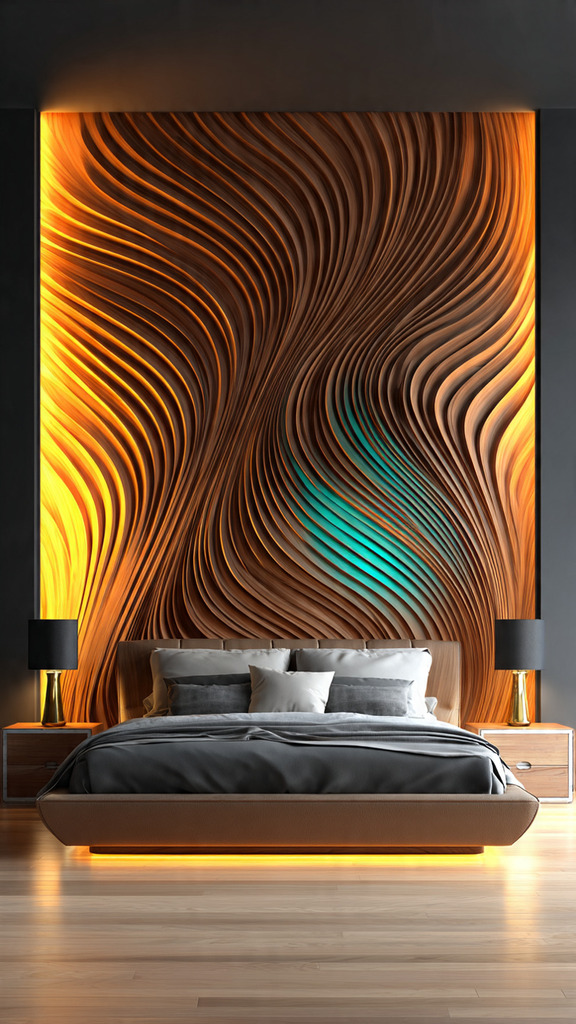
Finishes matter for daily use. Matte hides imperfections, while semi-gloss highlights texture. Choose durable finishes in busy areas. Test finishes on samples to match your decor.
Plan your installation by measuring and dry fitting panels. Center the design and plan around outlets. Hidden clip systems offer a clean look.
Look for quality from established makers. High-end shops and brands like Wood Mode offer custom panels. Check out modern wall decor guides for ideas.
Choose wood wall decor that changes with light. Warm textures work best in north facing rooms. Direct sunlight brings out the beauty of 3D panels in any room.
Choosing the Right Wood and Finish for Modern Wall Panel Design
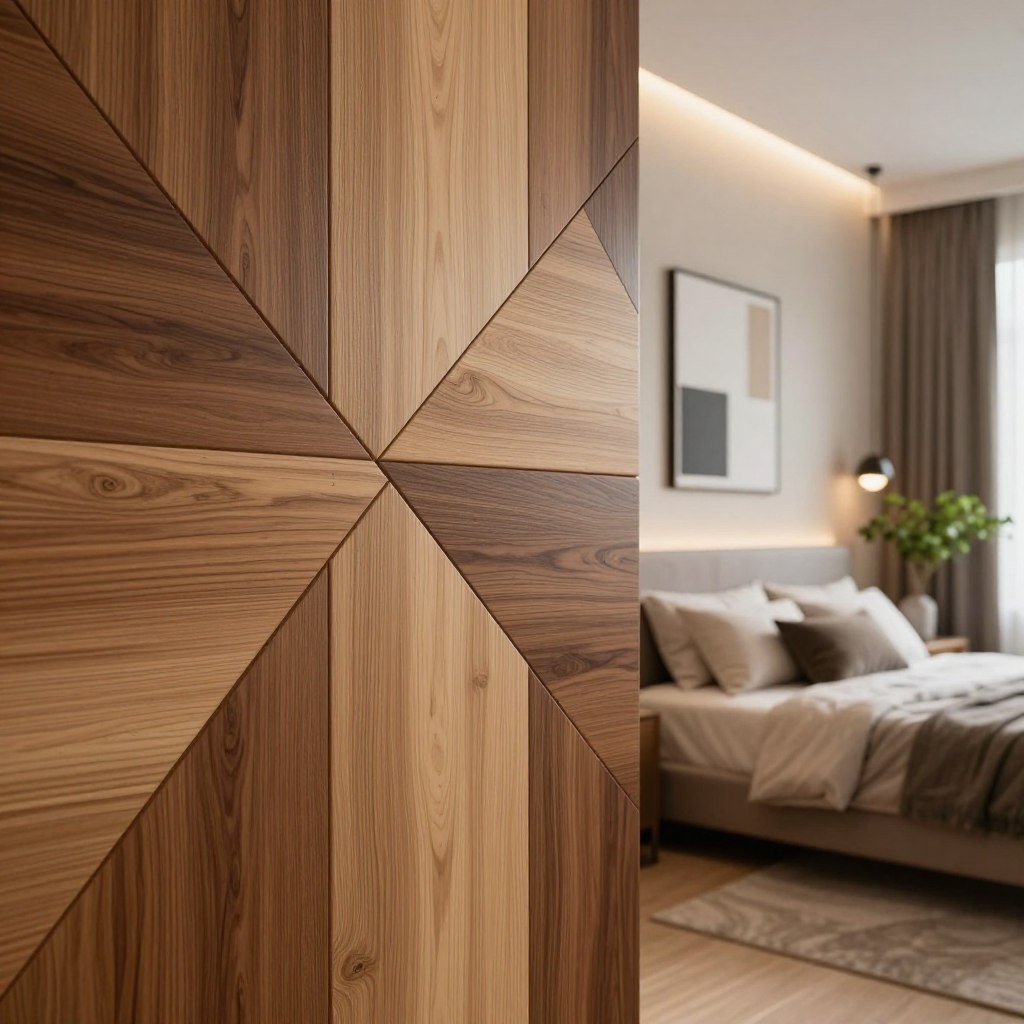
When planning modern wall panel design, I start with the wood species. Oak is durable and has a strong grain that looks great behind a bed. Walnut adds a luxurious feel with its rich color. Maple is smooth and perfect for minimalist designs.
Cherry wood warms up over time, adding a nice patina. Reclaimed wood brings character and a sustainable story to your panels.
For budget or stability, consider engineered wood options. MDF veneered with real wood is a cost-effective choice. HDF panels are great for CNC carving, adding texture and depth. Polymer-infused panels are moisture-resistant, ideal for humid areas.
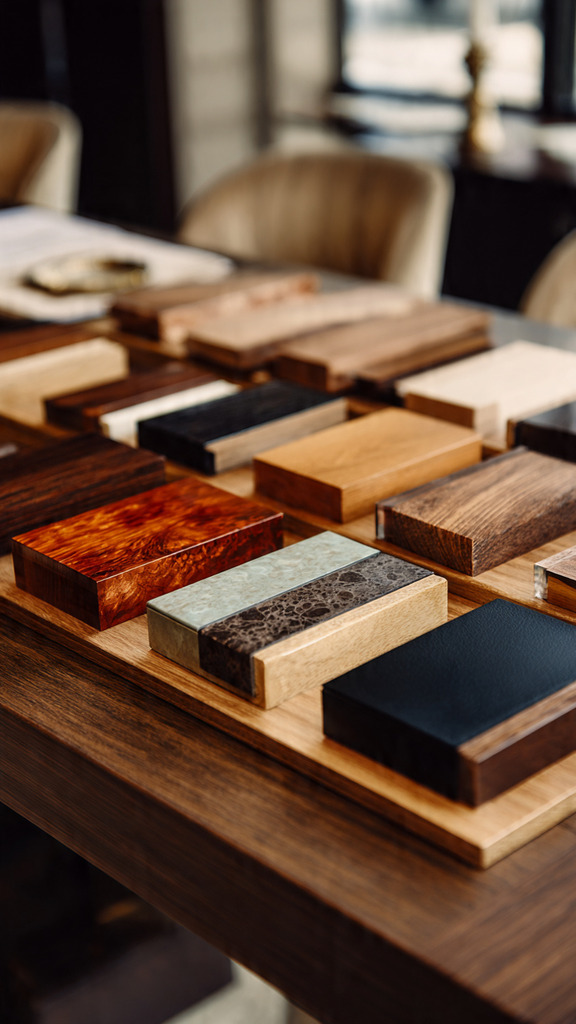
The finish greatly affects the mood of a room. Clear matte or satin lacquer preserves the wood’s natural look while protecting it from dust. Oil finishes, like Danish oil, add warmth and a hand-rubbed feel.
Tinted stains create contrast, making a dark walnut accent wall behind light bedding striking. Hand rubbed wax gives a vintage sheen, perfect for softer panels.
I recommend a simple color palette for bedrooms. Monochromatic tones work well for a minimalist look. Contrast adds depth, like a dark walnut wall with pale linens.
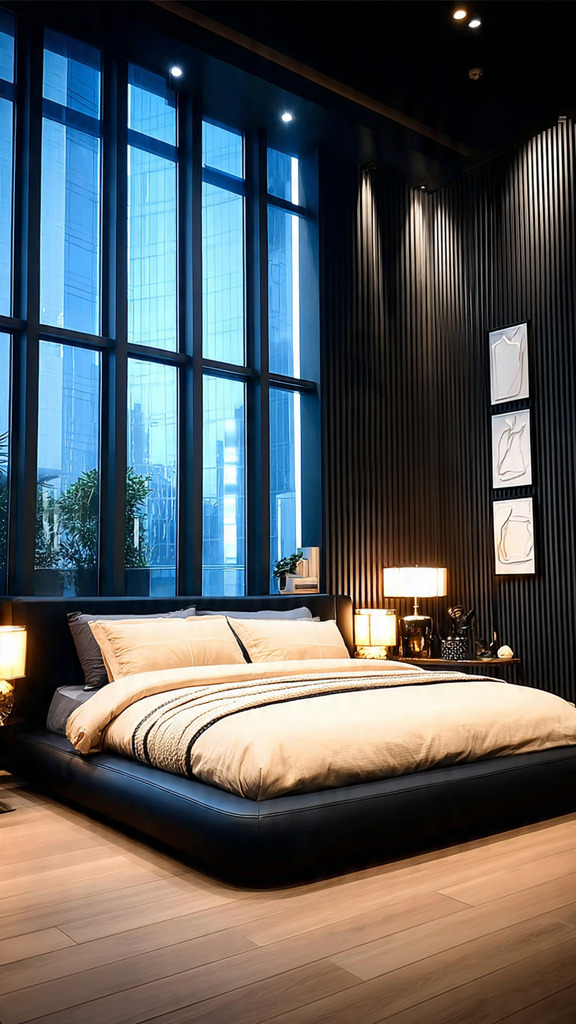
Think about how easy the panels are to care for. Sealed finishes resist stains and make dusting easier. Natural oils need regular reoiling to maintain their beauty. I avoid glossy finishes in bedrooms as they can feel cold.
Follow the maker’s care tips for wood and metal accents to keep warranties valid and finishes looking good.
Sustainability is important. Look for FSC certified wood or reputable reclaimed sources. Low VOC finishes improve air quality and complement wooden panels in bedrooms. For more ideas, check out modern panel ideas.
Luxurious Textured Wall Panels for a Statement Headboard
I love using textured wall panels as a full width headboard to anchor a bedroom. A run of 3D panels creates instant drama. Whether I choose deep ridges and waves for a tactile look or bas-relief floral carving for quiet luxury.
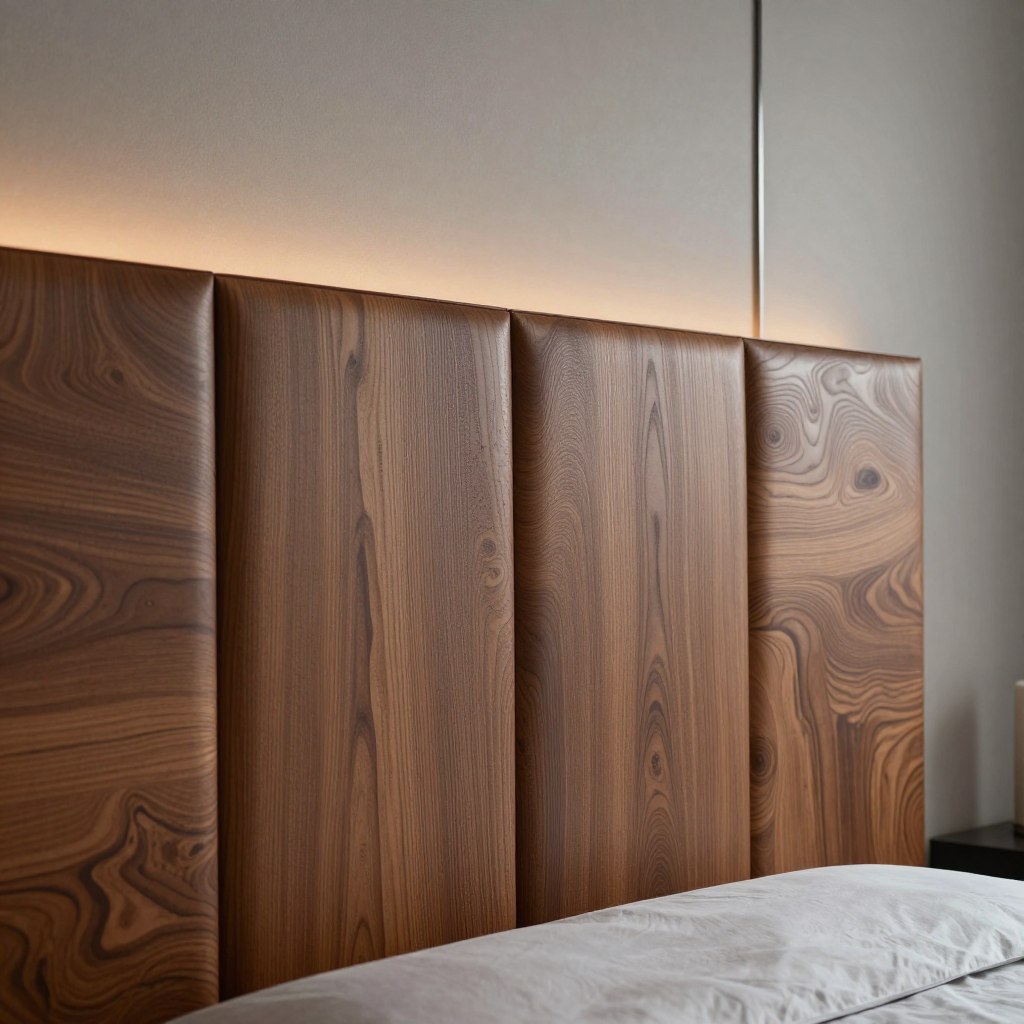
For scale, I usually set the panel height 8–12 inches above the mattress. Taller installations that rise to the ceiling give a hotel like feel. Width should match the bed queen or king then extend 6–12 inches on each side for visual balance.
To keep the design cohesive, I pair decorative wood panels with mounted reading lights and floating nightstands. A low-profile bed frame keeps the focus on the panel. Fluted panels add a mid-century reference without feeling dated.
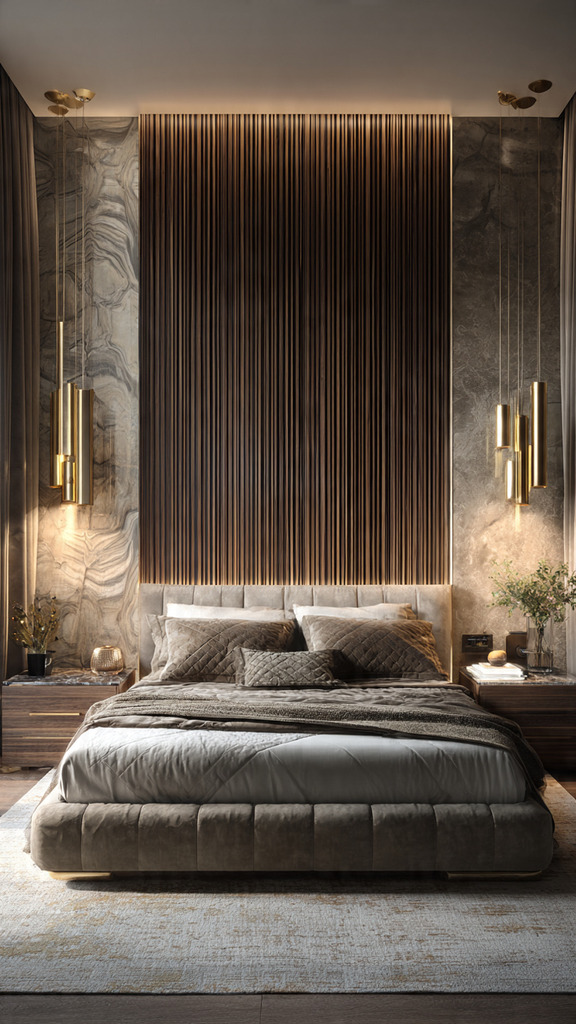
When selecting materials, I favor veneer over a stable substrate for large runs. Walnut or oak with a satin finish reads rich without being fussy. For a renter-friendly option, I mount framed panels on a ledger board or use removable adhesive strips for a freestanding look.
Unique wood wall decor can transform a plain wall into a focal point. I recommend planning attachment points at studs or using a strong ledger to ensure the panel stays secure and flat.
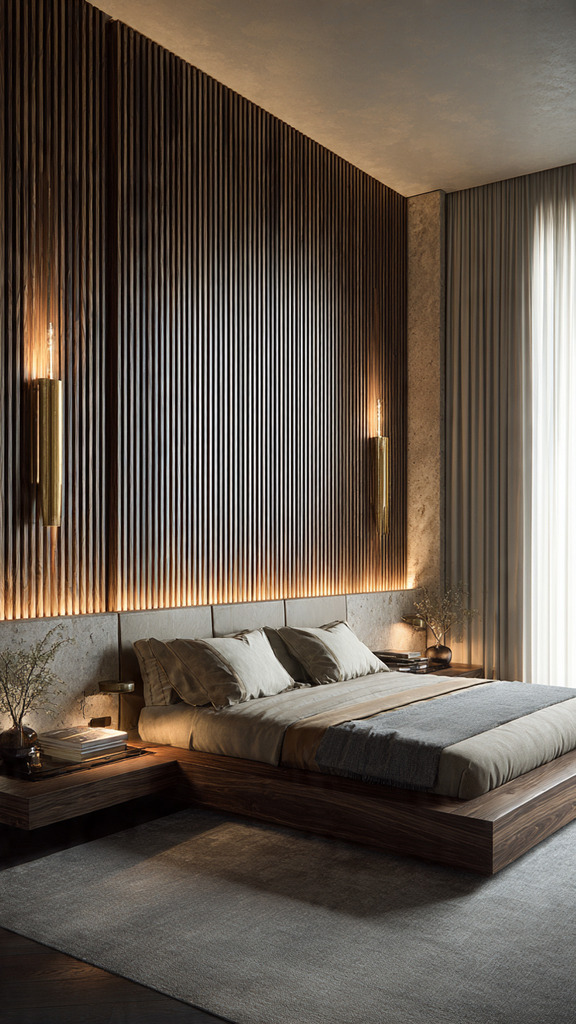
Small details matter: edge trim, subtle backlighting, and consistent grain direction make decorative wood panels feel custom. These touches help the headboard read like art and not just wall cladding.
Minimalist Wooden Wall Paneling for Calm Contemporary Bedrooms
I choose minimalist wooden wall paneling for a calm bedroom. Clean lines and neutral tones create a soothing atmosphere. I prefer pale oak or bleached maple for their light and airy feel.
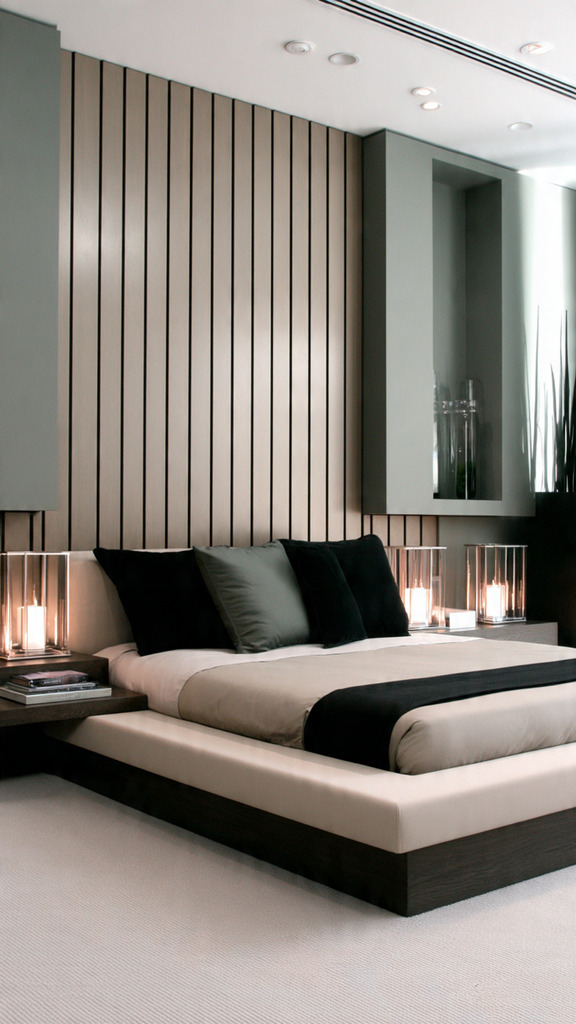
For a simple look, I opt for flat slat or seamless veneer panels. These designs support a modern style without being too bold. Micro-beadboard and narrow-gap shiplap add texture without overwhelming the space.
Layout is key in a minimalist room. I often cover full walls for warmth or use panels only on headboards. Recessed panels can highlight windows or art, keeping the room tidy.
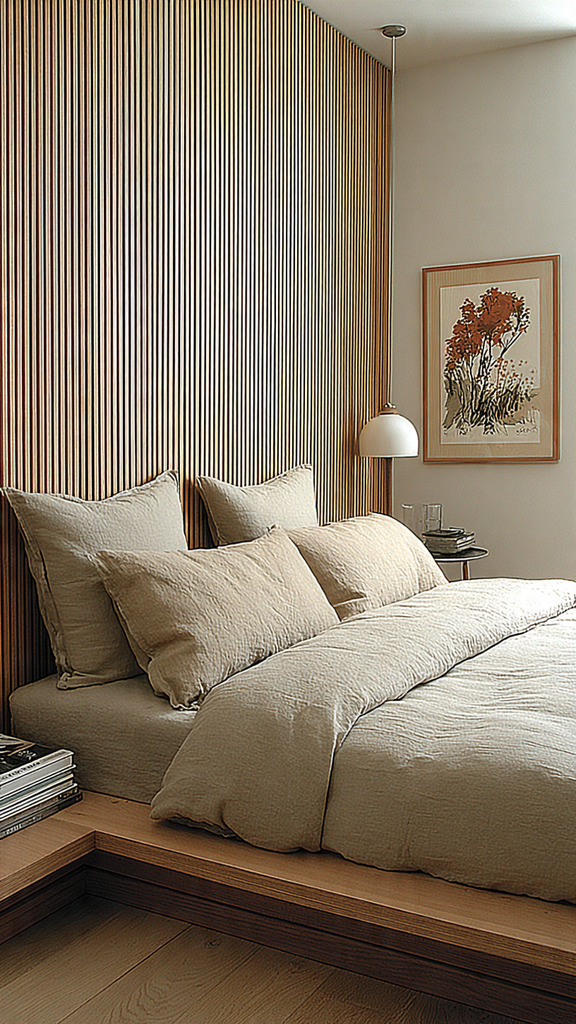
Furniture and bedding should be simple and muted. Linen or cotton in soft colors complements the wood. This keeps the room peaceful and inviting.
When installing panels, I focus on tight seams and hidden fasteners. Prefinished panels make the job quicker and cleaner. Attention to detail is crucial to maintain the minimalist look.
Decorative Wood Panels with Sculptural Patterns
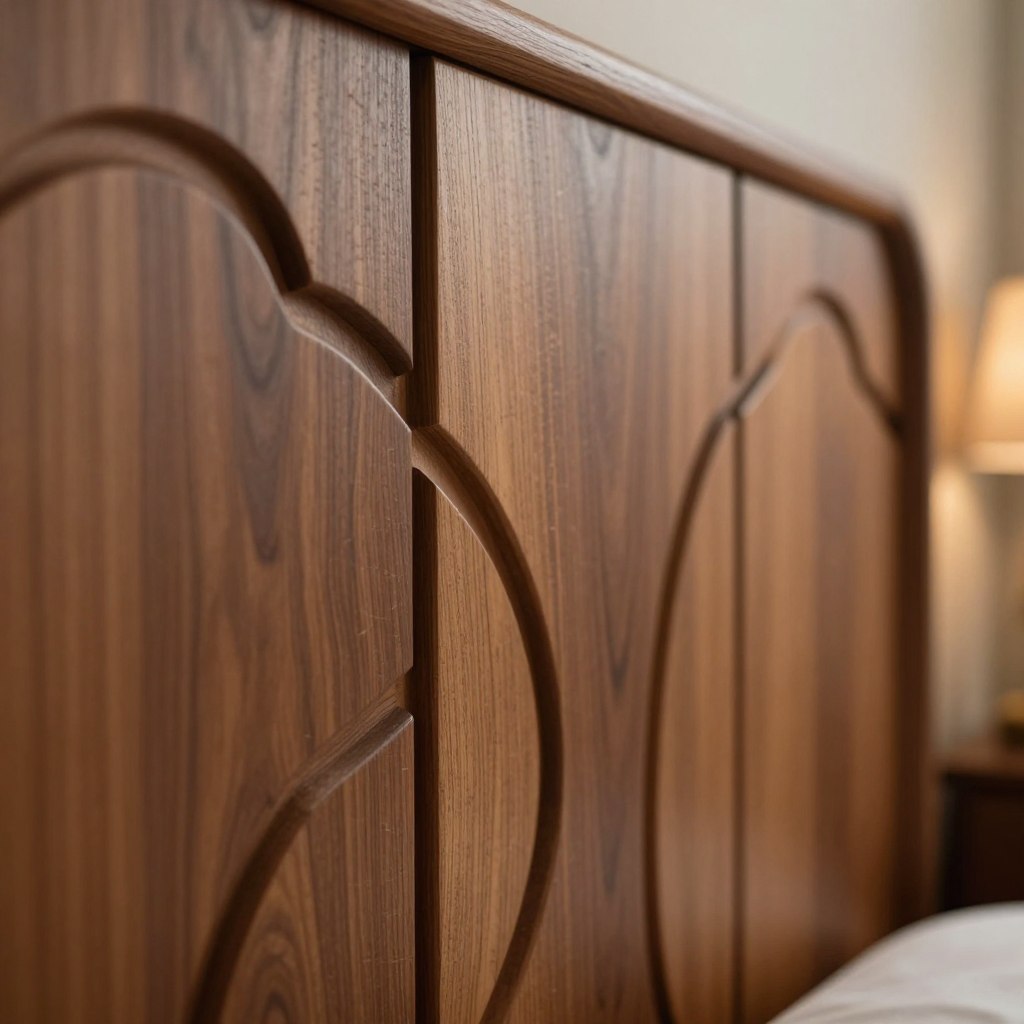
I look into how decorative wood panels turn into art. They use relief carving, CNC cut motifs, or layered assemblies. These patterns add depth and motion, making them look like sculptures on your wall.
There are many patterns to choose from. You can find everything from circles and hexagons to maps and shapes inspired by nature. Big panels can be a stunning headboard, while smaller ones can be a unique gallery on your wall.
How the panels are made is important. CNC routing is great for precise patterns. Laser cutting is perfect for thin veneers and detailed designs. Hand-carving adds a personal touch with unique textures.
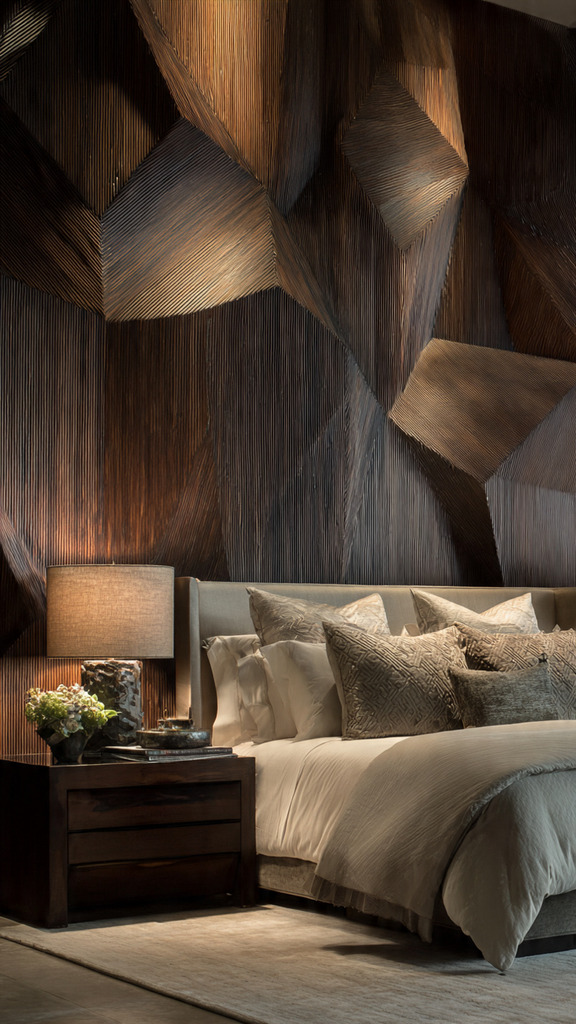
Think about the size and where you’ll put the panels. Tall panels can make a room feel taller. Wide panels can ground a bed with a strong line. Make sure the panels fit well in the room.
Deeper reliefs can also help with sound. This makes your bedroom quieter. Pairing panels with rugs and curtains can soften the room and reduce echoes.
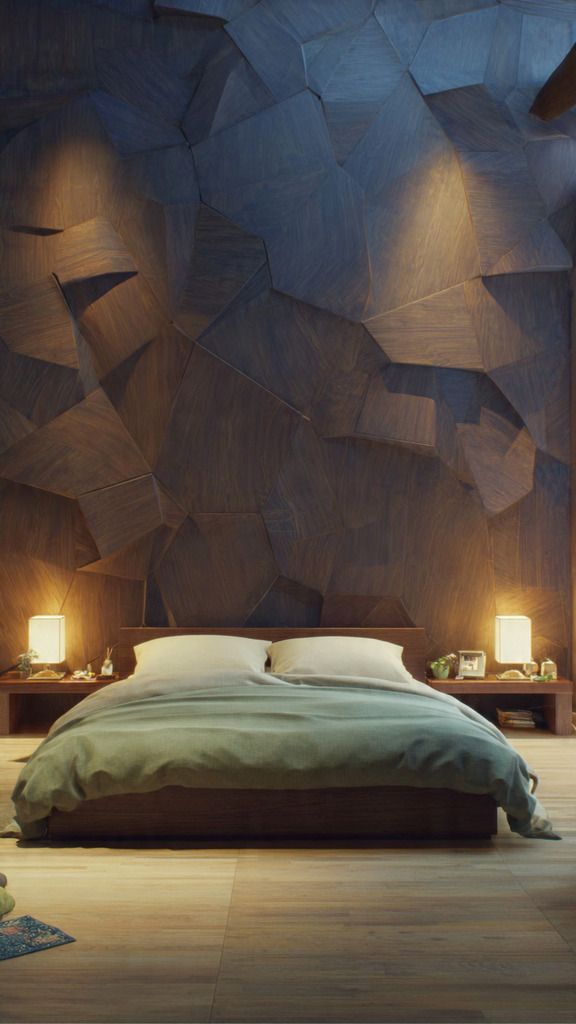
It’s smart to work with local craftsmen or small studios. They can show you previews and samples. This way, you can make sure the final product is exactly what you want.
For ideas, check out this article on minimalist wall paneling from Simply Jang minimalist wall paneling.
Layered Wood Panel Compositions for Depth and Warmth
I love how layered wood panel compositions add depth and a sense of craftsmanship to a room. By stacking panels with different grains, depths, and orientations, you create a cozy and intentional backdrop.
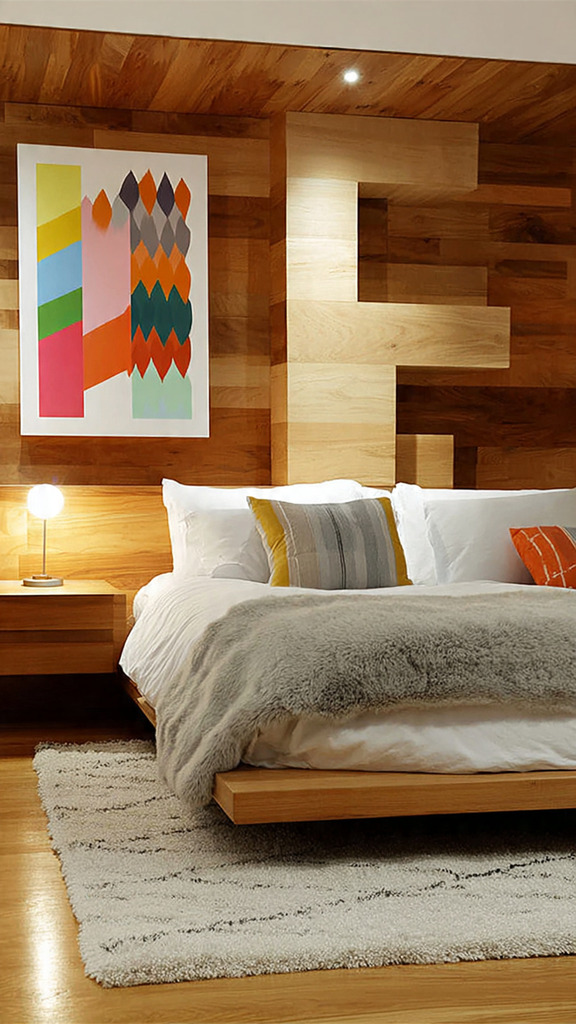
Try using staggered slats and alternating thickness battens to add texture without making the space feel crowded. Small shadow gaps and inset panels create a quilted effect that looks artisanal when lit right.
Mix materials for contrast. A light maple backer with dark walnut slats adds visual interest. Solid battens layered over veneered panels keep the look authentic while being light.
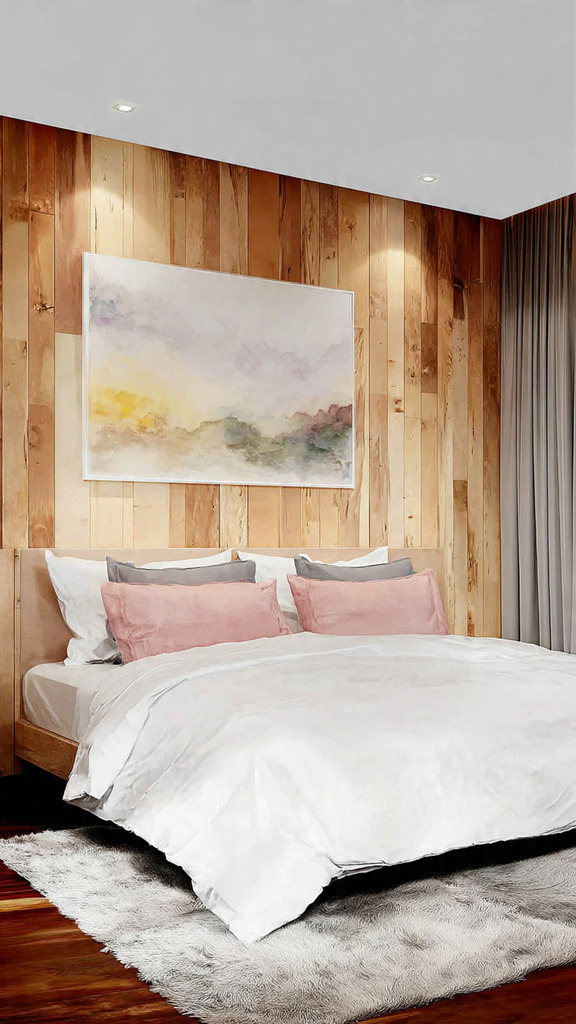
Plan for lighting early. Grazing fixtures make textured wall panels come alive by casting soft shadows. Layering multiplies this effect, so a narrow beam highlights each edge and adds warmth.
Think about installation details. Mark attachment points for heavier layers and use resilient isolation pads where pieces meet to prevent squeaks. A thoughtful layout saves time and avoids later repairs.
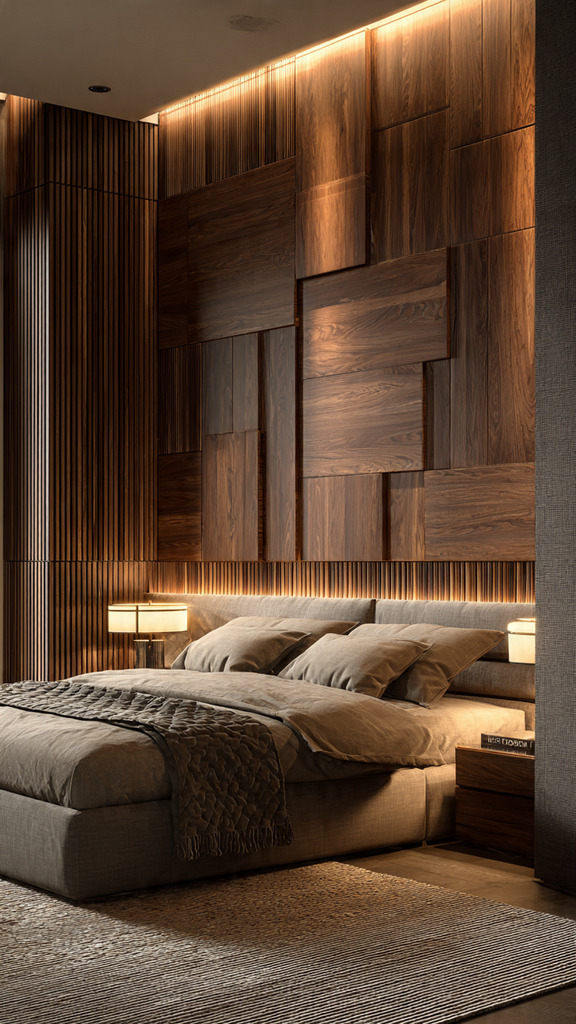
This approach pairs well with contemporary and Scandinavian schemes when using minimalist furniture and warm textiles. For an industrial touch, leave some fasteners visible and favor raw finishes for contrast.
For anyone experimenting, these creative wood panel ideas offer a wide range of looks. Start with a small test wall to refine depth, species mix, and lighting before committing to a full installation.
Rustic Wood Wall Art Ideas That Blend with Contemporary Style
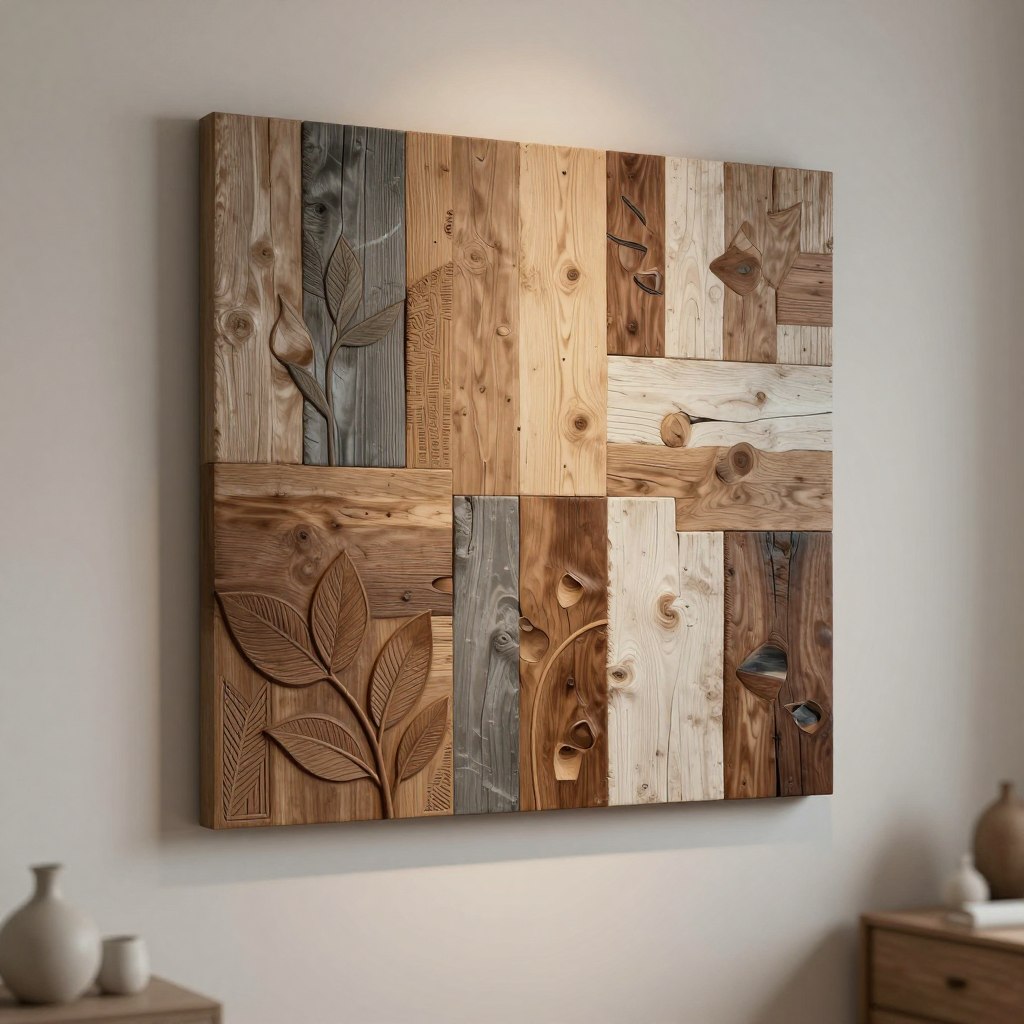
I enjoy mixing raw textures with modern lines for a fresh look. Start with framed reclaimed wood panels. Use simple frames like black metal or thin maple to keep things light.
For a clean look, use plank walls with a light finish. This keeps the wood’s warmth without too much distress. Seal the wood and use a backer board for stability.
Mixed-media pieces add depth. Pair reclaimed wood with iron brackets or frames for a modern feel. This creates a unique, three-dimensional look.
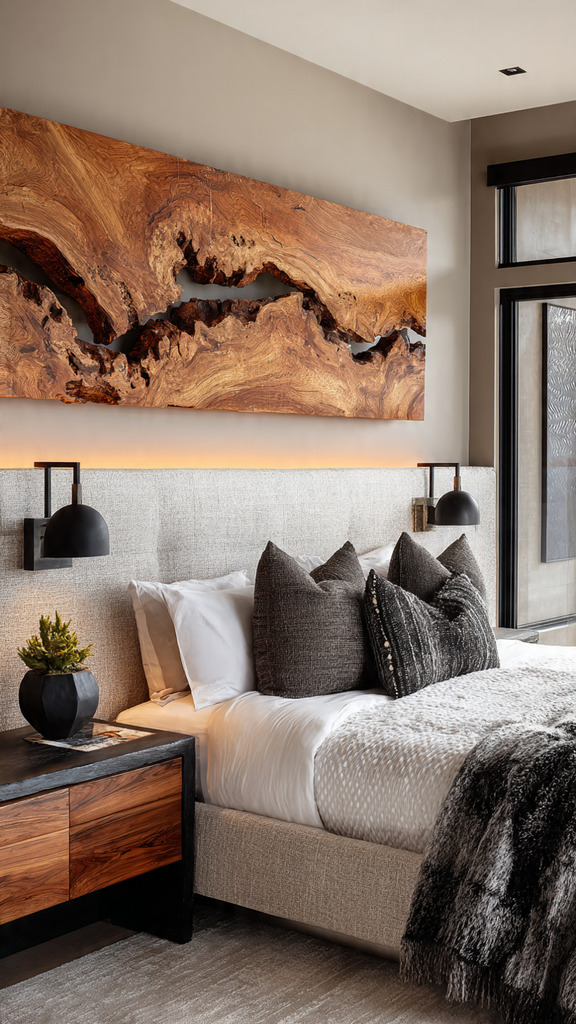
Choose wood wisely. Look for kiln-dried, pest-free lumber from trusted sources. A panel from an old barn adds character and starts conversations.
Consider the wood’s durability and finish. Maple and walnut work well with oils and stains. Iroko is durable, and butcher block sections add texture.
Balance warm wood with cool paints like navy or green. A live edge piece above the bed looks intentional with neutral stone. Kitchen designs can inspire wall panel ideas here.
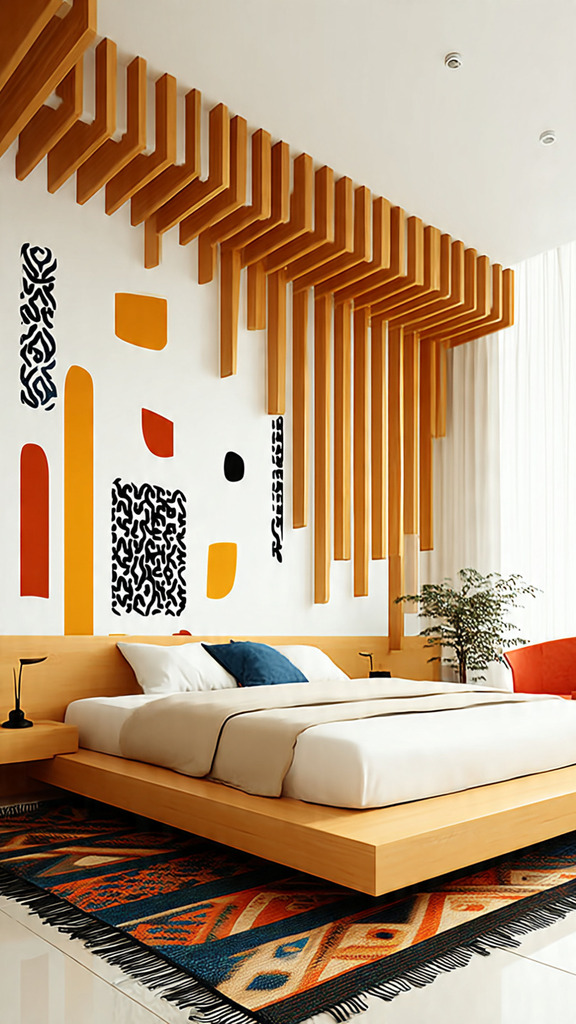
Finish choices affect the look. Light staining or whitewashing reduces patina. Wire-brushing highlights grain while keeping it refined.
Proper installation is crucial. Fasten panels to a substrate and use countersunk screws. Regular sealing and gentle cleaning keep the piece looking good for years.
Creative Wood Panel Ideas for Small Bedrooms
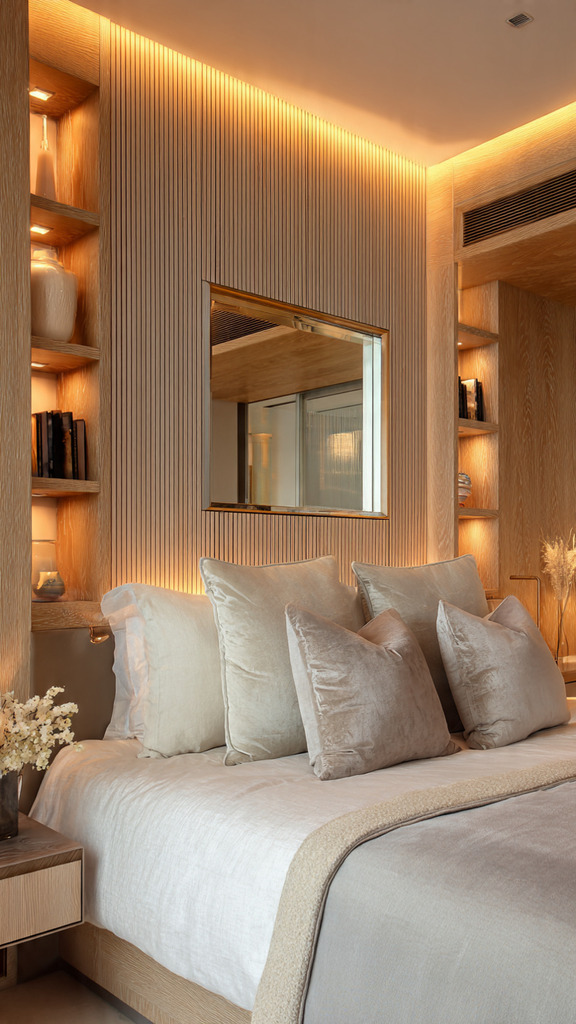
I use vertical panels to make small ceilings look taller. Thin oak or ash slats draw the eye up. This makes the room feel less heavy. Small 3d wood wall panels add texture without taking up much space.
I put paneling behind the bed or make a headboard to save space. A short accent wall keeps things simple. It gives a focal point that looks like a design choice, not clutter.
I choose light woods and subtle patterns for color and scale. Pale maple or bleached pine reflects light and keeps the room open. Adding a glossy bedside table or mirror helps light bounce around the room.
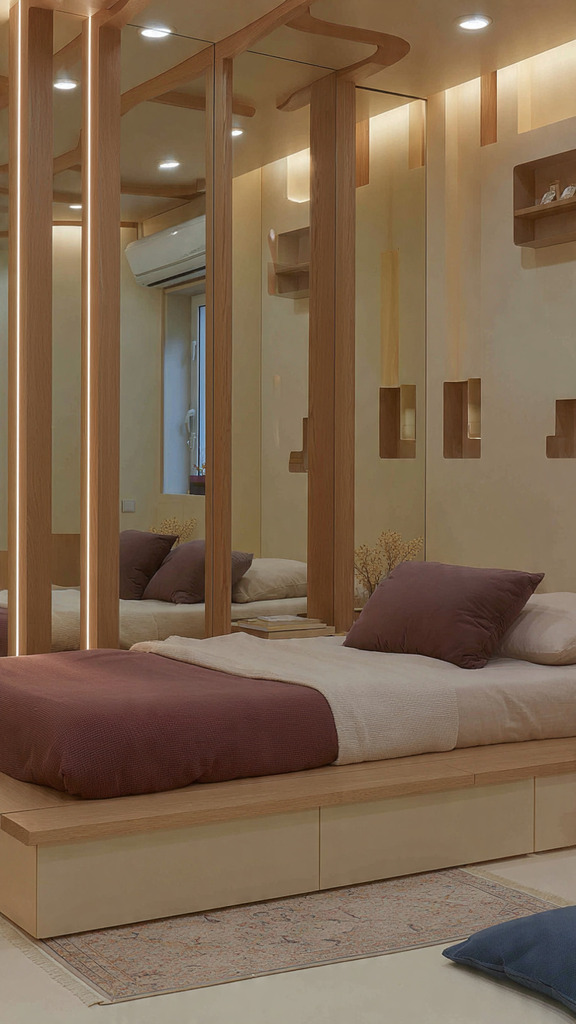
I often add shelving and hidden storage to panel systems. A shallow shelf or a recessed cubby behind the headboard adds function. Fold-down features can turn a narrow wall into a mini workspace when needed.
Renters like peel and stick wood veneer tiles and lightweight PVC panels. Brands like West Elm or IKEA offer modular kits. These let me try out a look, then remove it without damage.
To make a small room feel larger, I keep the bed frame low. I also minimize decor and use continuous flooring with matching wall tones. This creates a seamless look that expands the room’s visual space and complements creative wood panel ideas.
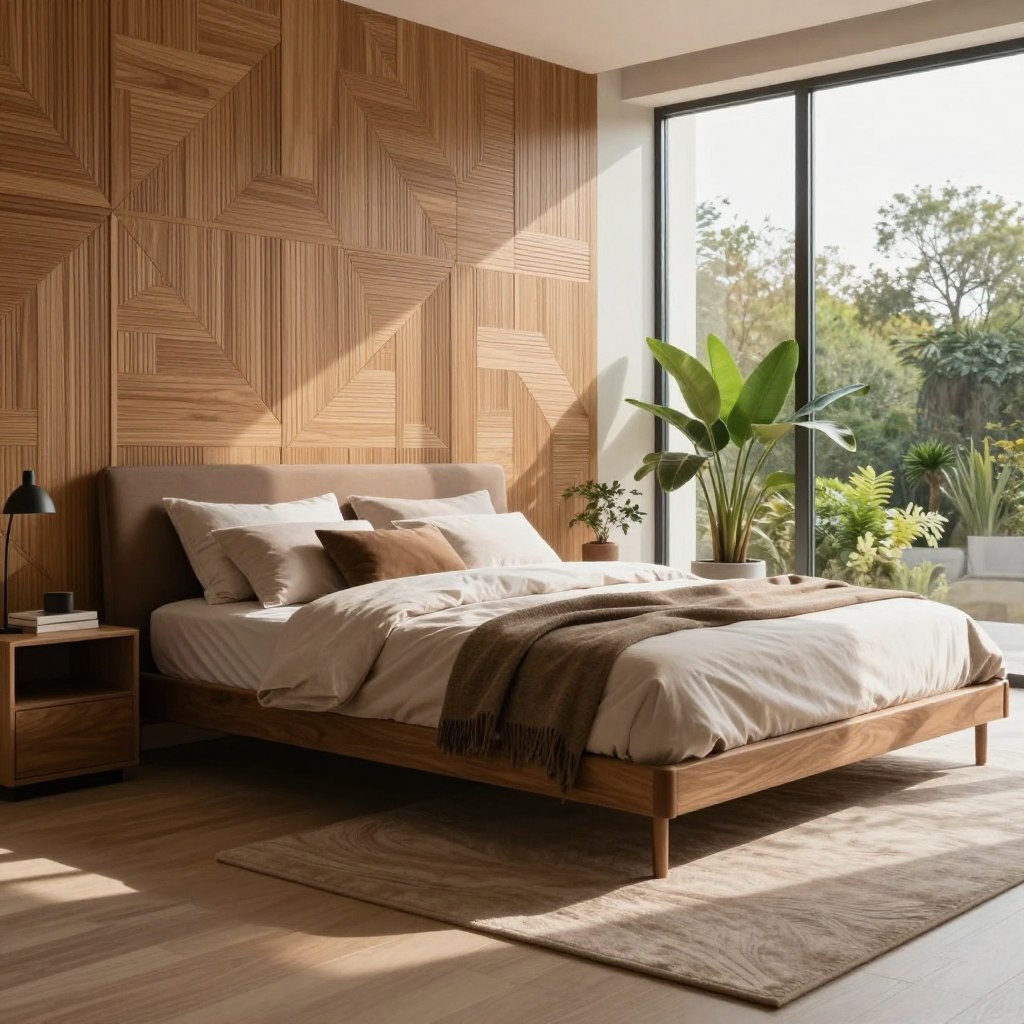
Integrating Decorative Wood Panels with Smart Lighting
I love combining decorative wood panels with smart lighting for mood and depth. Start with grazing lights to highlight textured wall panels. Small linear LEDs along the top or bottom create long shadows that show off grain and pattern.
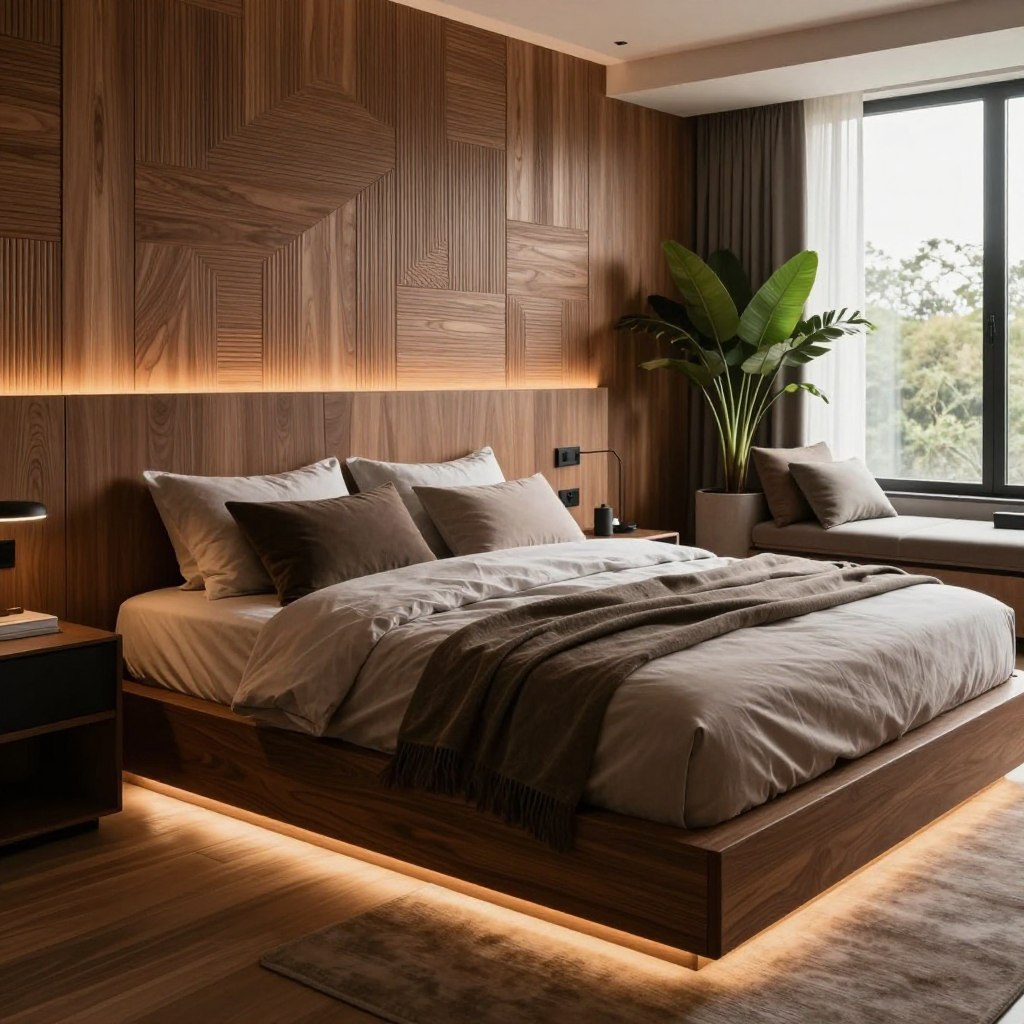
For hidden accents, I use LED strip lights behind floating boards. RGB strips add subtle color without overpowering the wood. Recessed downlights give focused drama at the bedside for reading or artwork.
When setting up smart lighting wood panels, I choose systems like Philips Hue or Lutron Caseta. These allow app and voice control with Alexa or Google Assistant. Tunable white bulbs let me change from bright neutral for waking up to warm white for evening rest.
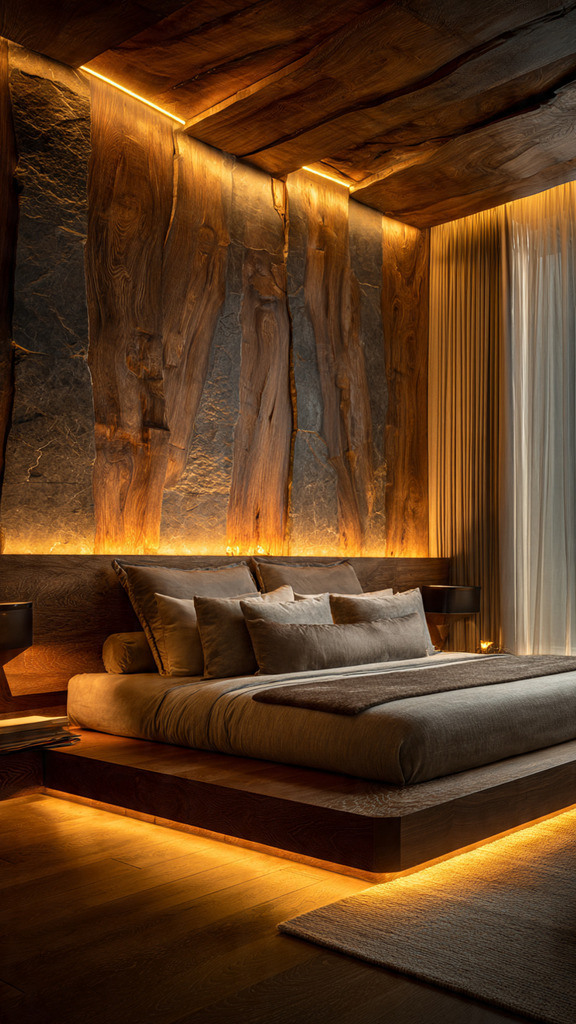
I prefer color temperatures between 2700K–3000K for a cozy feel. Tunable white bulbs are great for seasonal changes or task needs. I program scenes: “wake” with brighter neutral white, “read” with a focused bedside LED, and “relax” with dimmed grazing light that highlights texture.
On installation, I place linear LEDs at panel edges and hide wiring in cavities. I use low-voltage LED drivers and leave vents near heat-producing fixtures. Dimmers are key for a smooth bedtime transition.
For safety, I secure all drivers in accessible cabinets and label circuits. Good cable management keeps panels clean and prevents noise from visible wires. This approach keeps both beauty and function in contemporary bedrooms.
Budgeting and Hiring Professionals for Interior Wall Paneling
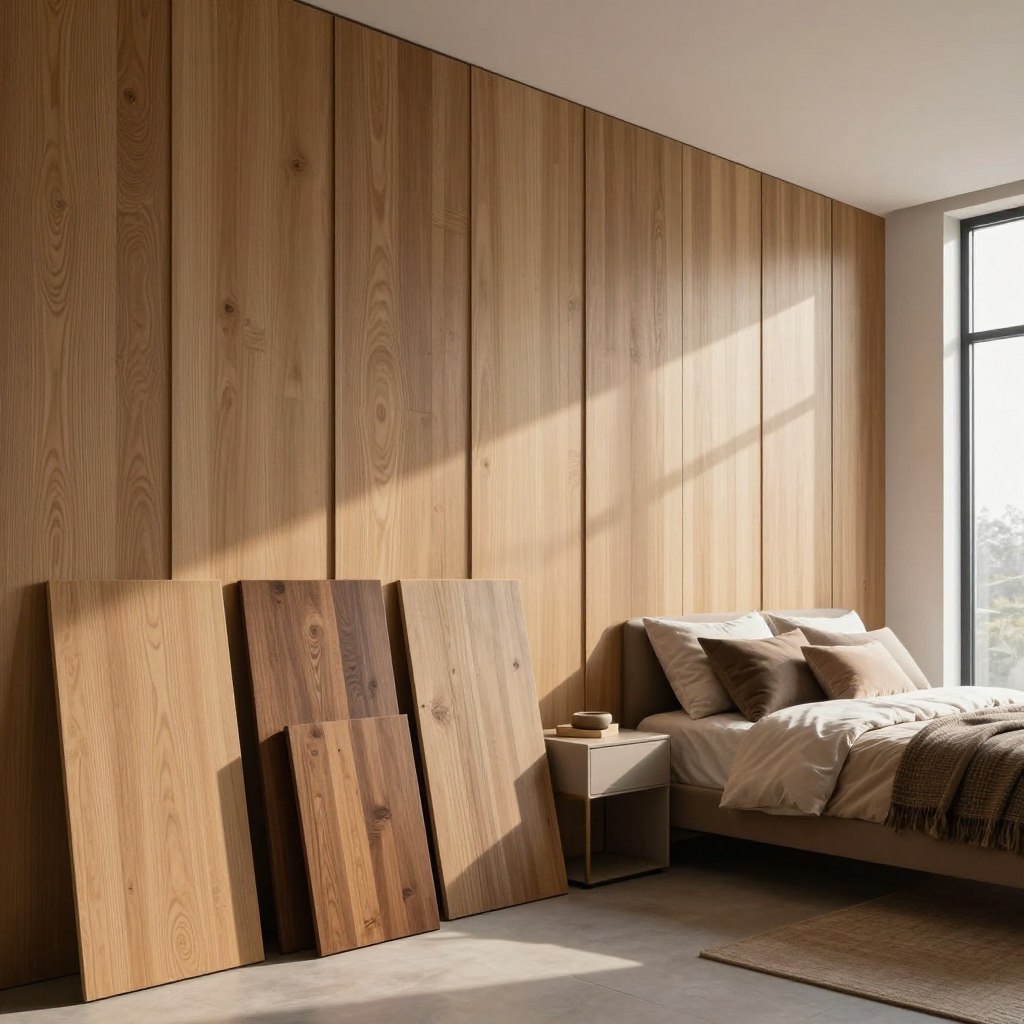
I focus on the project details that affect the cost of wooden wall paneling. The type of wood, panel design, and size all impact the price. Finishes, mounting methods, and extra features like lighting or electrical work also add to the cost.
For a rough estimate, I consider U.S. ranges. DIY options like veneer or slat panels usually cost $10–$40 per square foot. Custom CNC 3D panels with professional installation can be $50 to $200+ per square foot, especially with luxury finishes. Reclaimed wood costs vary based on source and preparation.
When planning the budget for interior wall paneling, I recommend getting at least three quotes. I ask for material samples, detailed scopes, and a 10–20% contingency for unexpected repairs. This buffer helps manage both time and budget when dealing with old drywall or studs.
To find professionals for wood paneling, I look for licensed carpenters or certified installers with a strong portfolio. I check reviews on Houzz, Angi, and Yelp, and verify insurance and local licenses. A clear contract and references help mitigate risks on custom projects.
When interviewing contractors, I ask about lead time, warranty, and whether they provide sample panels. I also inquire about their moisture barrier and mold prevention plans. I confirm their cleanup and disposal policies to ensure my space is ready when the work is done.
Timelines can vary. Prefab panels can be installed in one to three days for a standard bedroom accent wall. Custom manufacturing takes four to eight weeks, plus time for painting and drying. I plan around these milestones to avoid any surprises.
Conclusion
I end by reminding you of ten luxury ways to change a bedroom. These include textured headboards, minimalist paneling, and sculptural designs. Also, layered compositions, rustic blends, and smart lighting are key.
Choosing the right wood and finish is crucial. I suggest trying out samples and seeing how they look in real light. This will help you pick the perfect modern wall panel design.
For next steps, measure your room and ask for samples from places like Andersen or Somerset Mills. Set a budget that includes installation costs. Try out lighting setups to see how wood panels look day and night.
Make sure to check the installer’s credentials. This ensures your decorative wood panels stay in place and look good over time.
I encourage you to make the process your own. Choose textures and tones that show your style while keeping comfort and function in mind. Opt for sustainable materials and low VOC finishes to keep the air clean.
With careful planning and professional help, a 3d wood wall panel can turn your bedroom into a cozy, luxurious space. It will be a place you’ll love for years to come.