
Remember when living rooms were just for sitting? I don’t. Our homes have changed a lot. Now, our living spaces are places where we work, rest, and play.
We’re in the middle of a design revolution. The open concept is more than just knocking down walls. It’s about creating a seamless flow that supports how we actually live in 2026. This year, we focus on organic comfort and personalization.
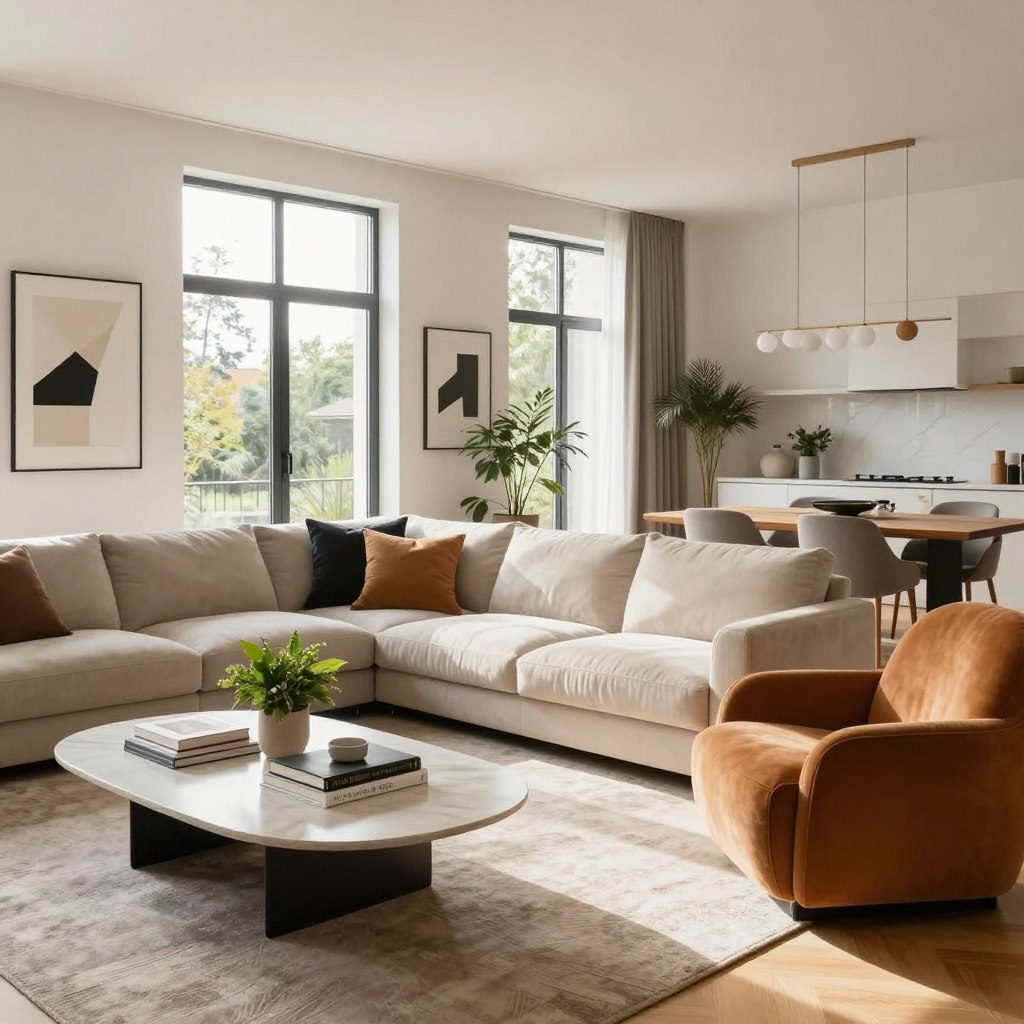
Forget stiff, formal spaces. The new open concept interior ideas are all about fluidity. We see calming blues and warm, earthy browns in color palettes. Furniture is getting lower, cozier, and more modular. Think of large, sink-in sofas and pieces you can rearrange for any occasion.
This shift is a direct response to how we live now. Our homes are our sanctuaries, offices, and entertainment hubs all at once. This guide will explore the top ideas for a modern open concept living room that is as functional as it is beautiful. We will look at the colors, textures, and furniture that make a space feel both current and uniquely you.
Introduction to Modern Open Concept Living
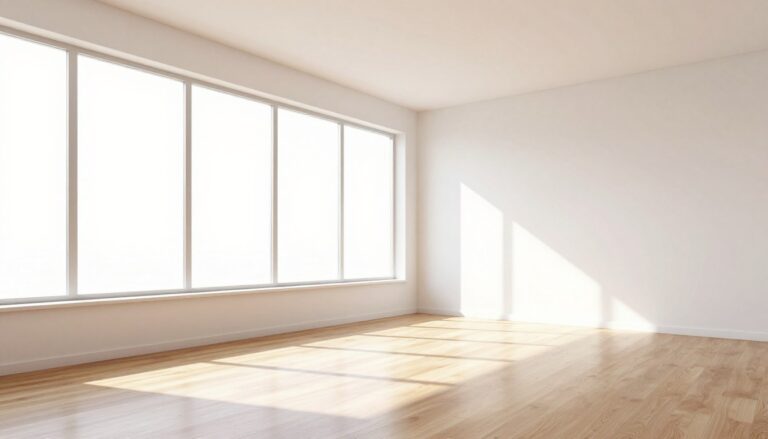
An open concept living area brings a sense of airy space. It’s a design challenge, but it’s also a lifestyle choice. Today, homes are about fluidity and connection.
This modern style is more than a trend. It’s a way of life that encourages connection and light. The heart of a contemporary living room is this open space. Here, cooking, living, and relaxing blend together.
This design philosophy removes walls, turning homes into canvases for connection. It creates a space for family life to unfold in a shared, light-filled area. Yet, defining areas without walls is its biggest challenge.
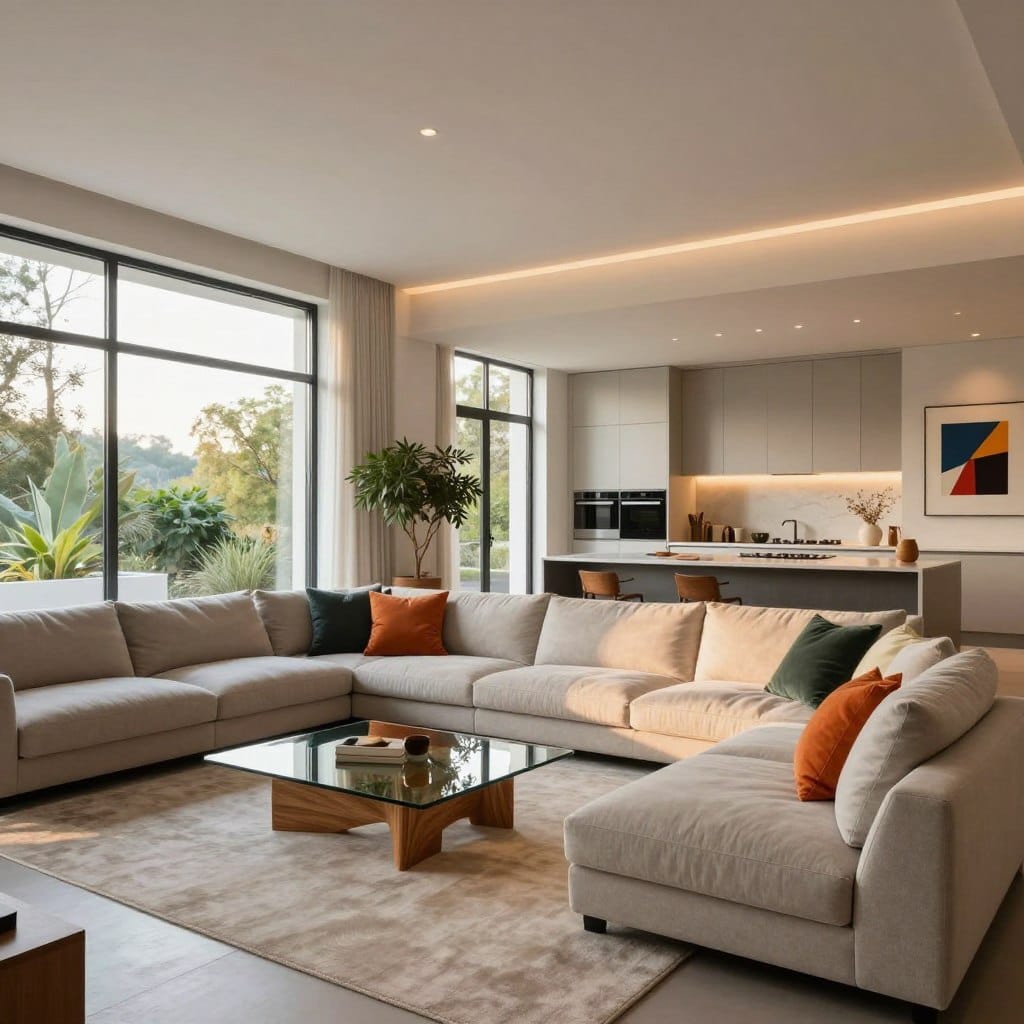
Design becomes an art without walls. We use furniture and lighting to define spaces. For example, a kitchen space from a living area can be defined without walls.
The goal is to create a cohesive, multi functional space. It should feel intentional, not just empty. An open concept is a series of connected zones that flow together.
Creating a spacious living room layout is key. It should feel expansive yet intimate, airy yet anchored. We’ll explore trends and strategies to achieve this balance in the next sections.
1. Embracing Minimalism and Negative Space
Creating a minimalist living space means choosing what truly adds value. It’s not about having less for less sake. Instead, it’s about making room for life to happen. This design philosophy reduces visual noise, letting your mind and eyes rest.
The 2026 approach to minimalism focuses on mindful curation. Every object has purpose and a place. It’s less about starkness and more about careful selection.
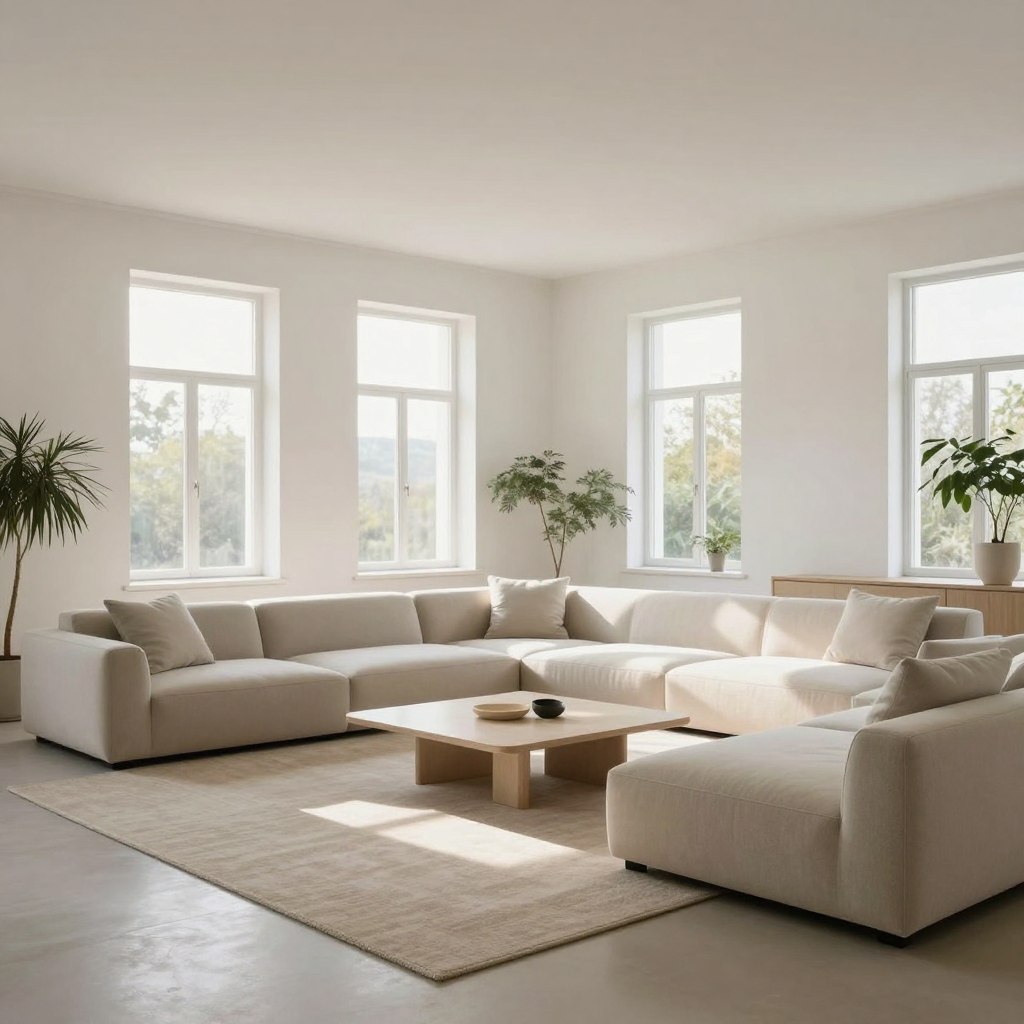
Decluttering is my first step in embracing minimalism. I follow a simple rule: if an item doesn’t serve a purpose or spark joy, it goes. The 90/90 rule helps me decide: if I haven’t used it in 90 days and won’t in the next 90, it’s time to let it go.
This process isn’t about deprivation. It’s about creating space for both your body and mind. I clear surfaces, organize with hidden storage, and digitize what I can. This makes the room feel larger and more peaceful.
Choosing a Cohesive Color Palette
Color is key in a spacious living room layout. I choose a neutral palette like warm whites, soft greys, and muted earth tones. This creates a calm, uninterrupted flow.
I use a single accent color in small doses a throw pillow, a piece of art, or a vase. This makes the space feel larger, calmer, and more connected. It lets decorative items stand out as focal points.
Defining Zones with Rugs and Runners
In open concept spaces, defining areas without walls is crucial. Area rugs and runners are my go-to tools. A large area rug anchors the main living zone, defining the seating area.
A runner can guide traffic from the living area to the dining nook. The rug’s texture and pattern signal a function shift, keeping the space open and cohesive. It’s a subtle way to organize without physical barriers.
Using Low Profile Furniture
Furniture choice is key. I choose low-slung sofas and tables inspired by the 1970s. This trend is stylish and strategic.
Low-profile furniture makes ceilings appear higher and rooms feel more open. I prefer pieces with clean lines and exposed legs to avoid a heavy look. This approach prioritizes open floor space and an airy feel, perfect for a spacious living room layout.
2. Seamless Indoor Outdoor Connection
Modern open concept design is all about removing the line between inside and outside. It’s not just about a nice view. It’s about changing how your home interacts with the world. This seamless flow is key to today’s open concept interior.
It creates a space that feels big, connected, and always in touch with nature.
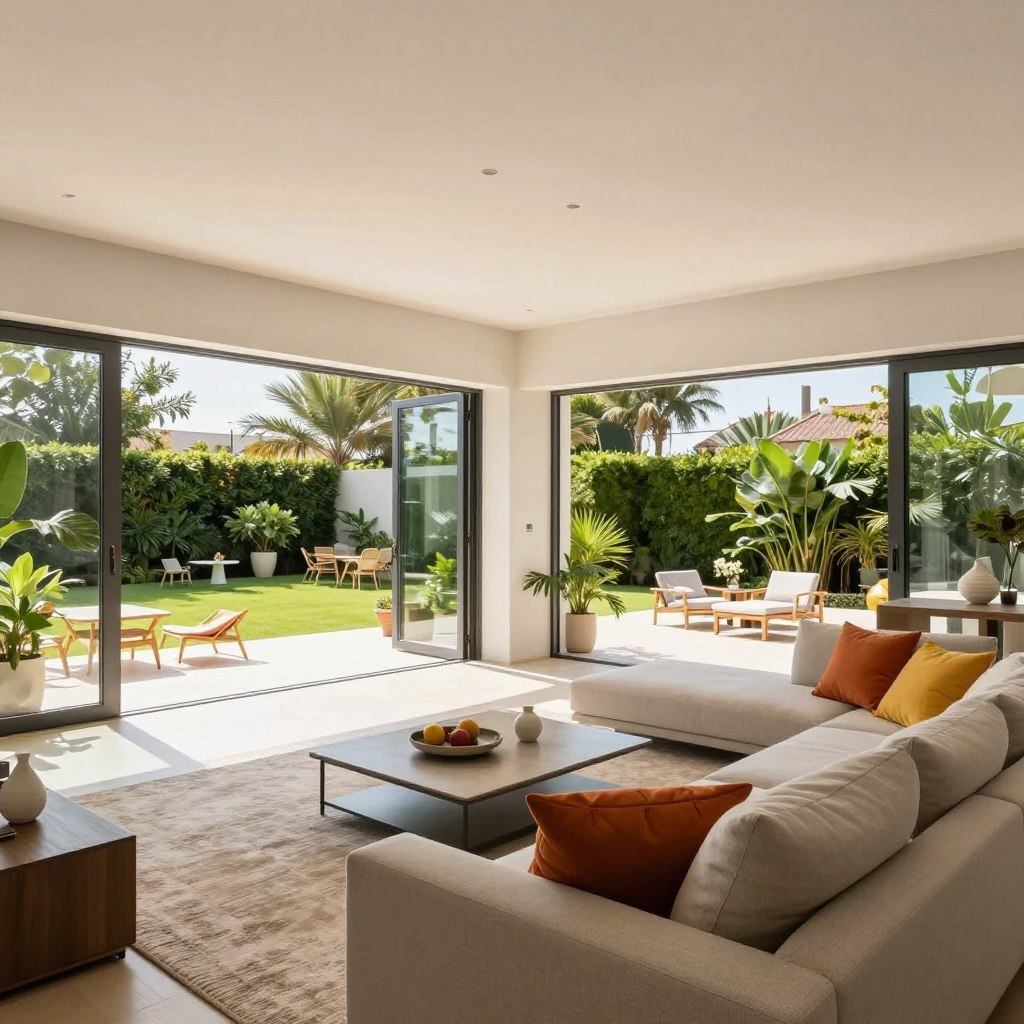
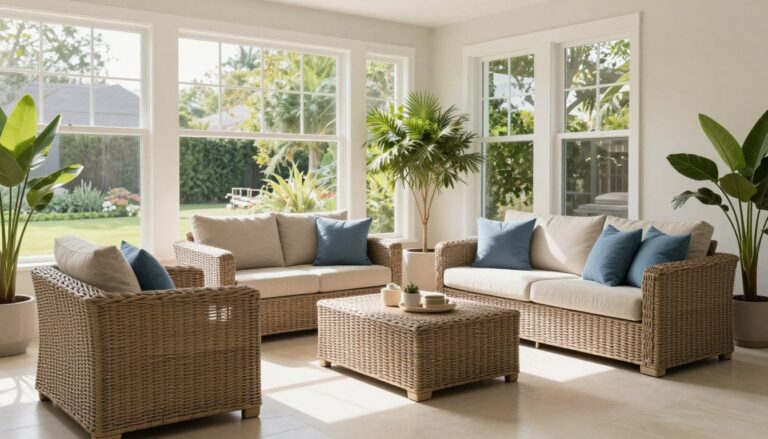
Floor to ceiling glass walls and doors are the best way to connect indoors and outdoors. They turn your living room into a part of your garden, patio, or balcony. This makes the outside feel like a part of your home.
This design choice is essential for an airy and bright room design. It brings in natural light and makes your space feel endless.
Extending Interior Flooring Outdoors
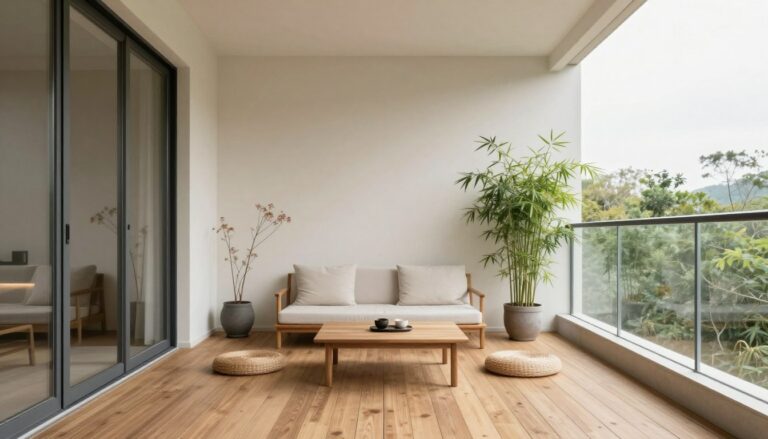
To make the transition from inside to outside feel smooth, match your interior materials to the outside. Imagine your hardwood or concrete flooring going right out to your deck or garden. This makes your home look bigger and feels more connected to nature.
When you use big glass and matching flooring, you get the best indoor outdoor connection. It’s not just a design trend. It’s a way of life that values light, space, and being close to nature. Your home becomes a true sanctuary.
3. Flexible and Multi Functional Furniture
In a modern open concept home, your furniture should be as versatile as you are. It should be a dynamic, adaptable partner in your daily life. This is where flexible, multi functional furniture shines. It keeps your space clean and clutter free, fitting perfectly with a functional and modern interior concept.
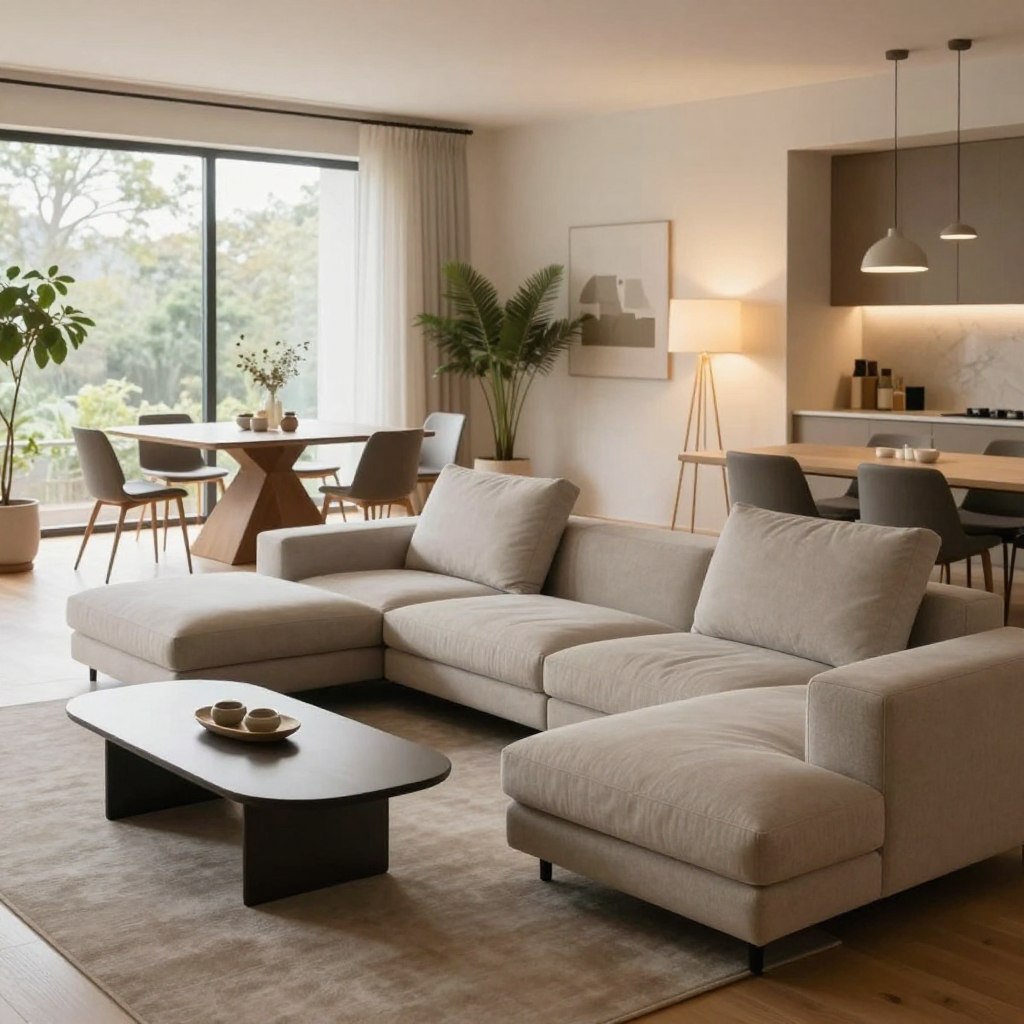
Forget the old idea of a single, large coffee table. The future is modular. Nesting tables are a game changer; they can be grouped for a large surface or used as individual pieces for drinks, remotes, or laptops.
The real magic is in convertible furniture. I love a coffee table that can become a dining table or a console that unfolds into a full dining table. This adaptability is key to a functional and modern interior concept, making one piece serve multiple purposes without looking out of place.
Hidden Storage Solutions
Clutter is the biggest enemy of the open-plan aesthetic. The solution? Hidden storage solutions are your best friend. Look for pieces with a secret life, like an ottoman that opens to store blankets or a coffee table with a lift-top for remotes and magazines.
This approach to furniture, which includes clever multi-functional furniture for small spaces, maximizes every square foot. It’s not just about saving space; it’s about creating a home that is as flexible and adaptable as your lifestyle demands. The result is a trendy, uncluttered, and supremely functional living area that feels both open and intentional.
4. Zoning with Light, Color, and Levels
In an open concept home, the biggest challenge is making each area feel special without walls. Zoning is the answer. You can use light, color, and levels to create different “rooms.” This approach makes your spacious living room layout feel organized and intentional.
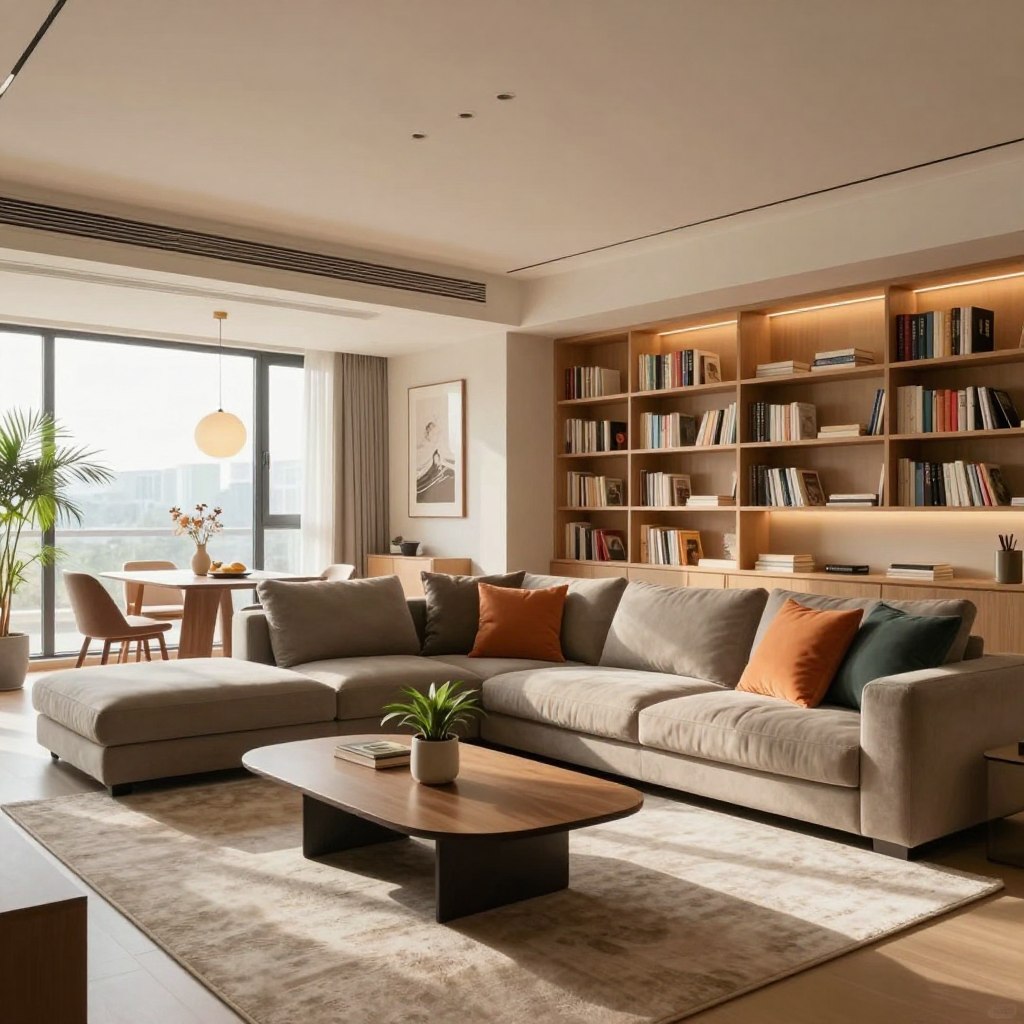
Zoning helps guide the eye and foot. A big, open space can feel too much. By setting up zones for dining, talking, and relaxing, you make your space feel both open and cozy.
Use light fixtures, area rugs, paint colors, and even a sunken conversation pit to mark each area. This way, you tell people where one space ends and another starts.
Pendant Lights Over a Dining Area
Defining a zone from above is very effective. A big pendant light or a row of them over a table or island does more than light up the area. It acts as a visual and psychological anchor.
This “ceiling of light” makes the dining zone stand out. It signals, “This is where we gather to eat and connect.”
Recessed and Cove Lighting for Ambiance
Ambient lighting is crucial for the mood. Recessed lighting can make a high ceiling feel cozy. Cove lighting, hidden in ledges or under cabinets, adds a soft, indirect light.
This ambient light is the base of your contemporary living room mood. It turns a lit room into a room that feels alive.
Layering ambient light with task lighting from pendant lights and a living room floor lamp adds depth and warmth. It’s like painting with light, using shadows and highlights. For more ideas, check out open concept design to make your space harmonious.
5. A Cohesive and Calming Color Palette
The heart of a modern open concept living room lies in its color scheme. In my quest for a minimalist space, I’ve discovered that a cohesive color palette is the invisible thread that ties everything together. It’s not about finding the perfect shade, but about selecting a range of tones that blend smoothly.
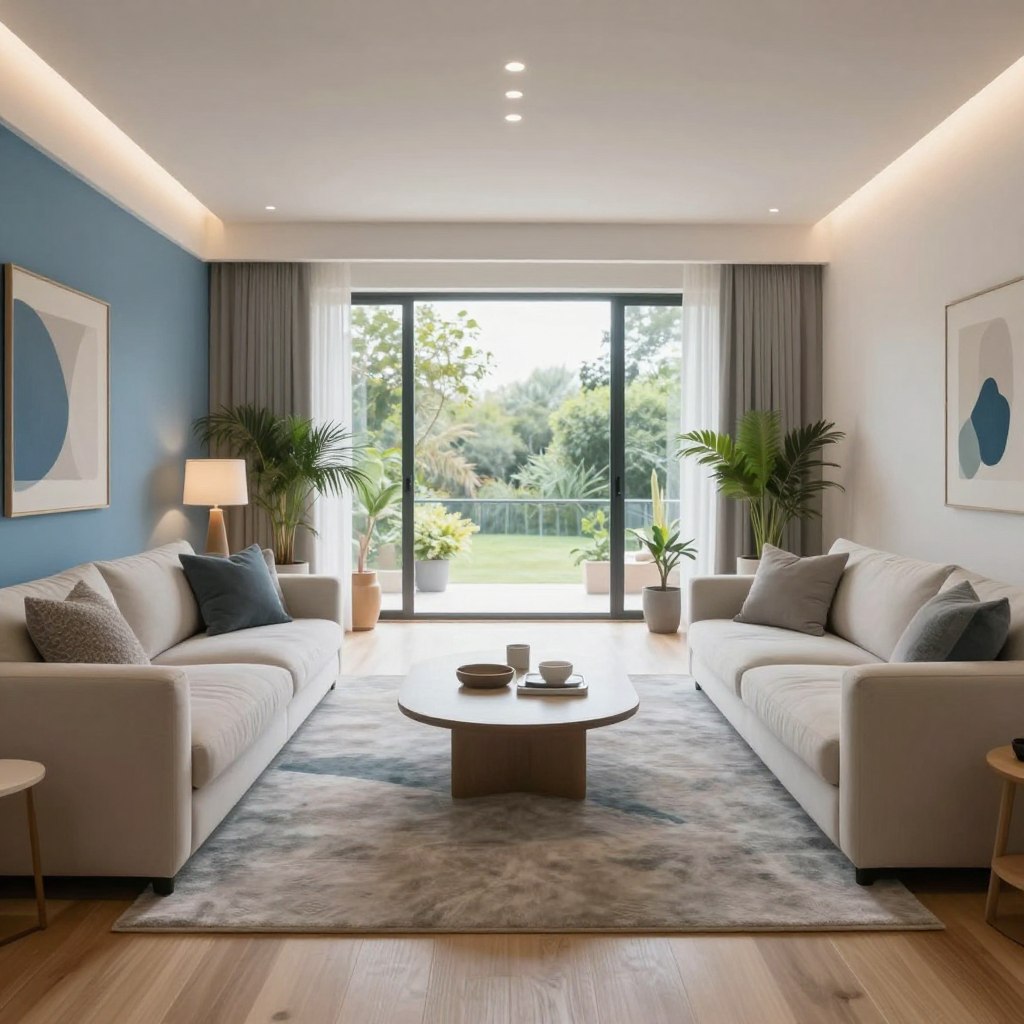
I start with a neutral base to create a calm atmosphere. Think of using dusty blues, warm chocolate browns, or soft greys on walls, furniture, or rugs. The real magic happens when you add texture on top. Instead of more colors, I use a variety of materials to add depth.
Things like a nubby throw, a live edge table, or a chunky linen rug add character. These elements make your space feel unified and inviting. They also encourage touch and create a cozy, lived in vibe.
Using Accent Colors in Decor and Art
After setting the base, it’s time for some excitement. The trick is to use restraint. I add color through art, decor, and accessories. A bold abstract painting, a set of emerald green vases, or a burnt orange pillow can make a statement.
These touches of color create focal points without being overwhelming. In an open floor plan, they help define areas without walls. This thoughtful use of color turns a simple layout into a space that feels both open and personal.
It’s about setting a stage for your life, where the color story supports the scene without dominating it.
6. Statement Lighting as Functional Art
In today’s open concept homes, lighting is more than just light. It’s a key piece of art that shapes the stylish open concept living area. The right light can anchor a room, set its mood, and be the centerpiece of your trendy home decor. It’s where design meets practicality.
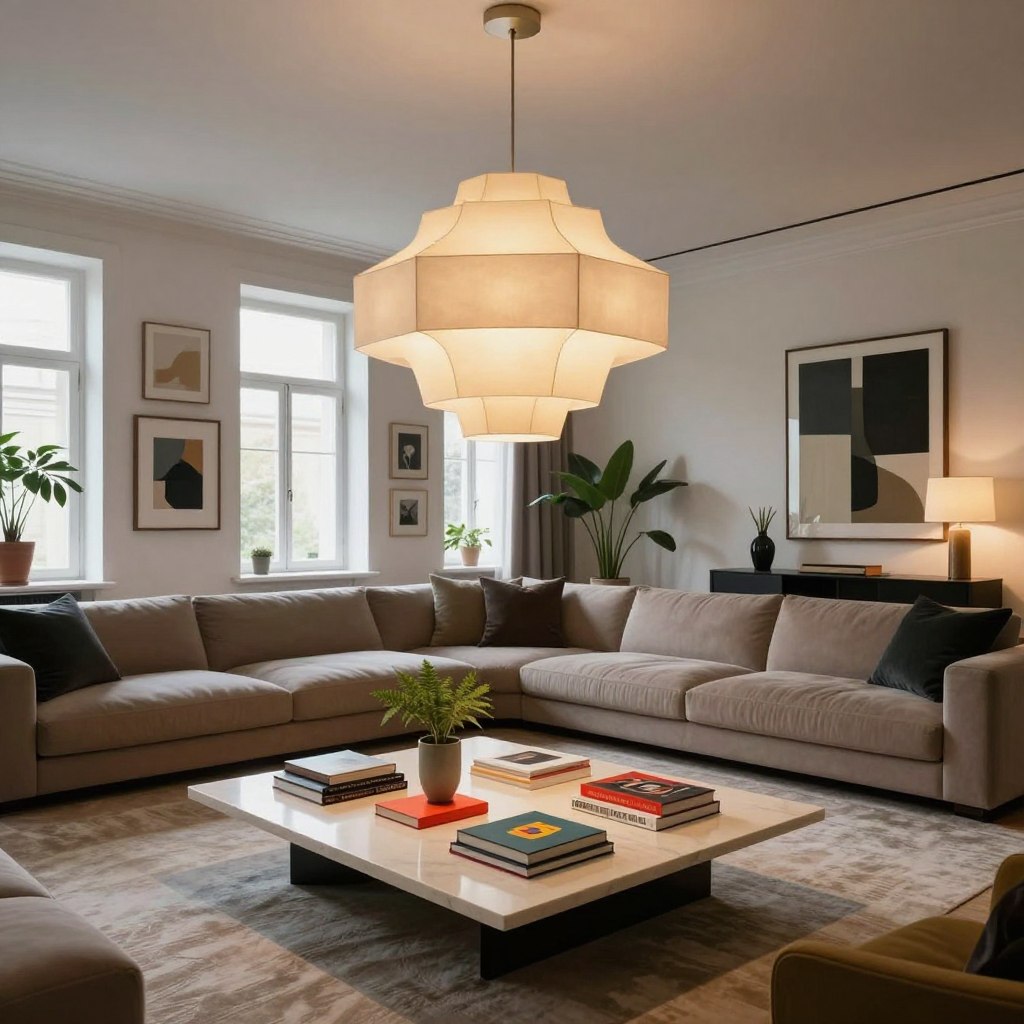
Lighting has become a central part of your home’s story. It’s a conversation starter, a piece of art, and a main light source. In 2026, the best open-concept spaces will feature lighting as a key design element.
Layered Lighting for Function and Mood
Creating the right mood in a big, open space needs more than one light. The secret is layered lighting, which uses different lights for various needs and adds depth.
Begin with a strong ambient layer from recessed or track lights for overall light. Then, add a task layer, like pendants over a kitchen island or a floor lamp by a reading spot. Finally, the accent layer adds personality with sculptural sconces, picture lights, or LED strips. This multi-layered approach helps zone a stylish open concept living area, making it perfect for lounging, dining, and more.
Smart, Tunable Lighting Systems
Modern lighting is smart and stylish. Smart, tunable systems are key for a trendy home decor that changes with your life. With a tap on your phone, you can switch from bright daylight for mornings to cozy light for evenings.
Brands like Philips Hue or Lutron work well with other smart home devices. You can set scenes for “Movie Night” or “Dinner Party”. This level of control lets you instantly change the room’s mood and function.
For 2026, vintag -inspired lighting is back, especially with amber glass. This warm glass, often in globe or geometric shapes, adds a soft, inviting glow. It brings warmth and a touch of retro modern charm to any stylish open concept living area. It’s a perfect mix of old and new in trendy home decor.
7. Integrated Smart Home Technology
In my quest for a perfect modern living room, I found that the best tech is the kind you don’t see. True modern living isn’t about having lots of gadgets. It’s about tech that works for you, quietly and smartly.
This isn’t about adding more screens or remotes. It’s about creating a space that meets your needs without you even noticing. This makes the tech part of your home’s experience, not a separate thing.
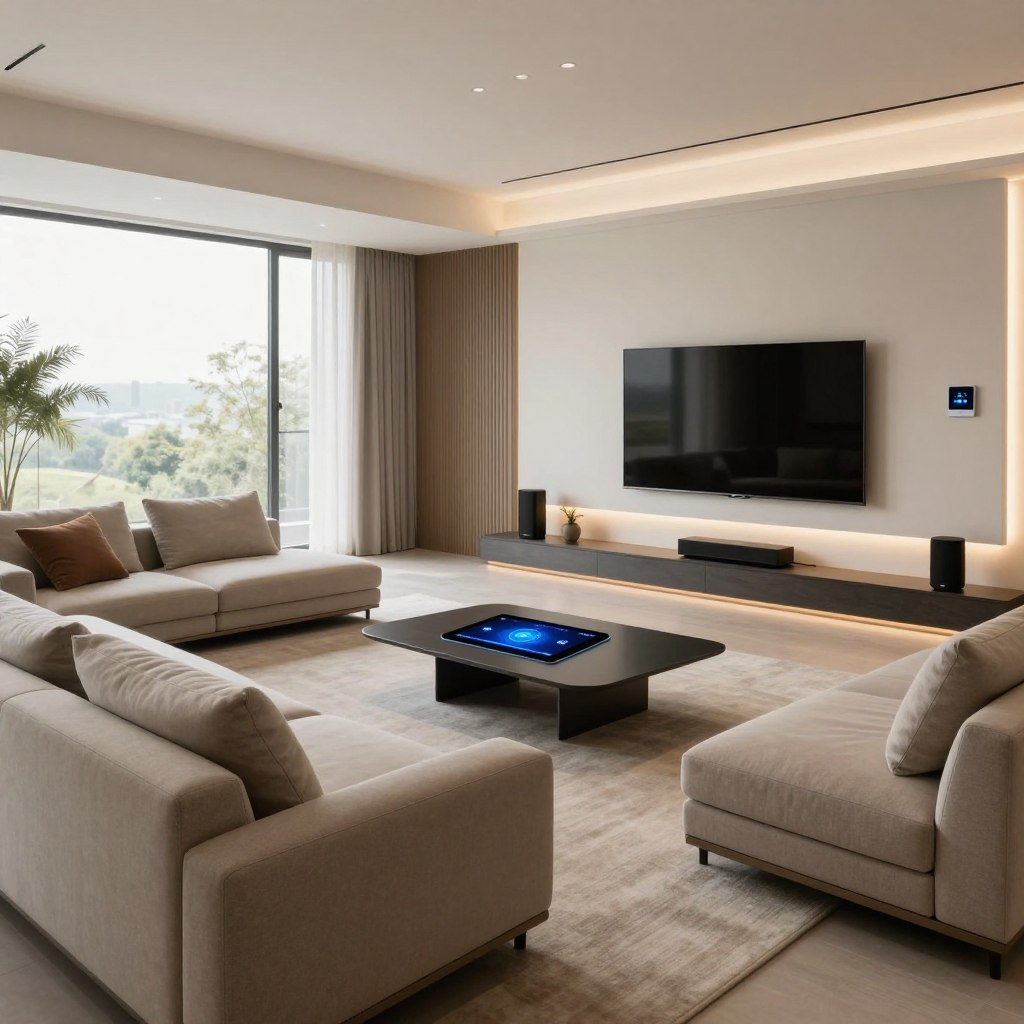
The shift in the modern open concept living room is away from visible tech clutter. I’ve moved from big speakers and messy wires to a system that’s felt, not seen. Now, my speakers and controls are hidden, creating a clean and clear space.
Instead of big remotes or confusing apps, I control my home with voice commands or simple wall panels. These panels hide in the wall when not in use. This keeps my space clean and my mind clear.
Automated Climate and Lighting Scenes
The real magic of a smart home is in its automated features. I wake up to a room that’s just right, with lights that slowly get brighter like the sun. This is what a functional and modern interior concept is all about a space that adapts to you.
I can set scenes for “Morning Coffee,” “Focused Work,” or “Evening Unwind.” These scenes adjust the temperature, lighting, and shades with just one command. It’s not just about making life easier; it’s about making your living space better.
This smart layer of tech doesn’t just make life easier. It makes living better. It lets you focus on what’s important in your space connection, relaxation, and being yourself.
8. Sustainable and Natural Material Mix
In 2026, trendy home decor is all about being green. It’s not just about looking good; it’s about being responsible. Today’s minimalist living space is about quality over quantity. It’s about using better materials and caring for our planet.
Natural materials are now celebrated for their unique stories and textures. We’re moving away from perfect, made materials to embracing the real beauty of nature. This makes our homes feel warm, lived in, and connected to the earth.
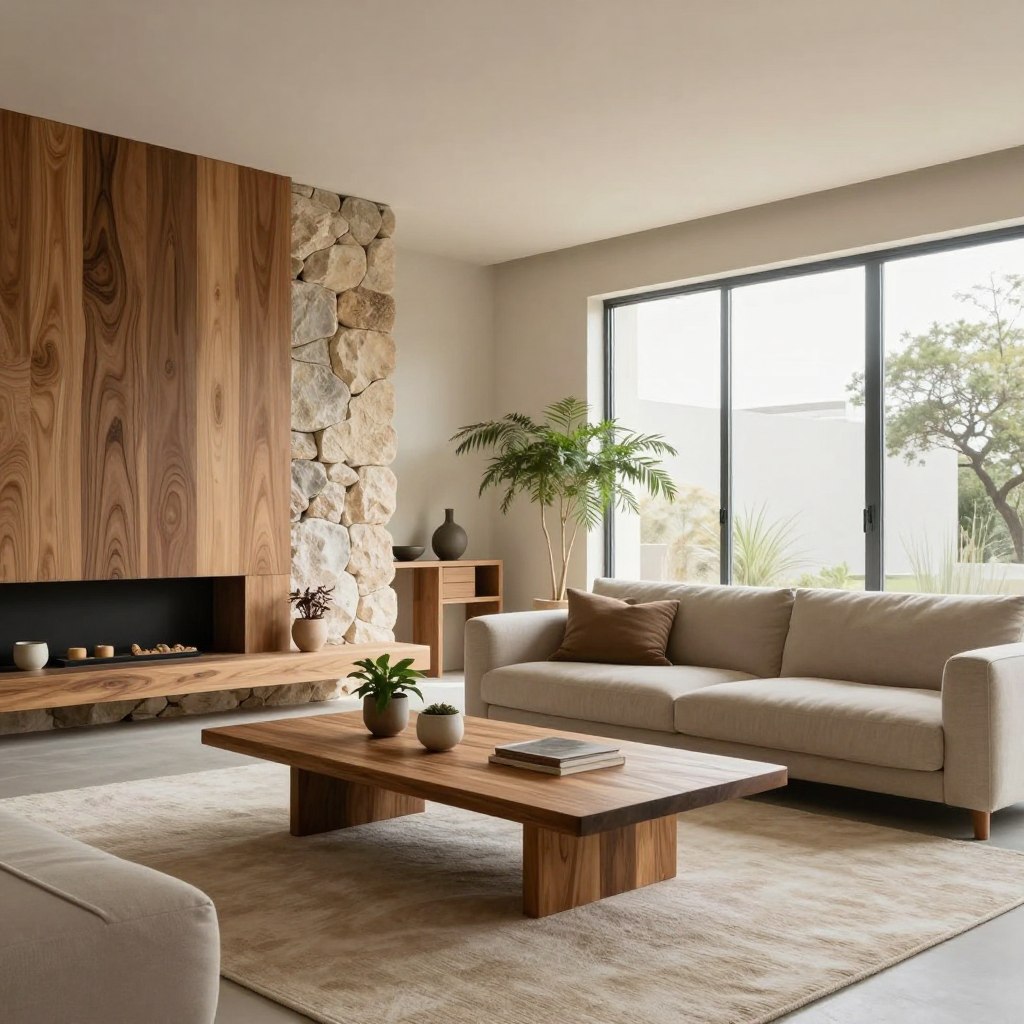
Natural stone and wood are changing how we decorate. We’re choosing raw, real surfaces over processed ones. Stone is now used on walls, as fireplace surrounds, and even as art.
Wood finishes are getting a makeover too. We’re seeing more reclaimed woods, live-edge slabs, and charred wood. Mixing these with polished marble creates a beautiful contrast.
This approach to trendy home decor makes our homes feel real. You can touch the wood, feel the stone, and see the natural fibers. It turns a house into a home with heart and character.
Organic Textiles and Fibers
Our choice of textiles can make a big difference. Natural fibers like linen, wool, and jute are back in style. They’re not just good for the planet; they also add character to our homes.
Organic cotton, hemp, and bamboo are replacing synthetic fabrics. They’re breathable and have a natural feel. Their beauty lies in their unique qualities and how they change with light.
These natural textiles bring warmth without clutter to a minimalist living space. A wool throw, linen drapery, or a jute rug can make a room special. Mixing these textures creates a space that’s both elegant and cozy.
This way of choosing materials makes our homes feel intentional and effortless. Every choice tells a story of living sustainably and thoughtfully.
Conclusion: Curating Your Open Concept Oasis
Designing your open concept living space is a personal journey. It’s about blending form and function. The principles we’ve explored—minimalism, flexible zoning, and a connection to nature are key. They help create a home that is both stylish and deeply personal.
Your spacious living room layout should feel expansive yet intimate. It should be a space that truly feels like home.
Your stylish open concept living area should be a sanctuary that shows off your life. It can be a calm, minimalist space or a lively spot for parties. Use flexible furniture and a consistent color scheme to make it your own.
By adding natural materials and smart tech, you make your space both beautiful and useful. This creates a solid base for your home.
Remember, the best contemporary living room tells your story. Choose lighting, materials, and layout that reflect your lifestyle. For more ideas, check out how luxury design can make personal spaces special, like luxury dressing room concepts that focus on both beauty and function.
Your open concept oasis is more than a design project. It’s a canvas for your daily life. It’s where your life’s function meets form, creating a seamless, inspiring space for years to come.