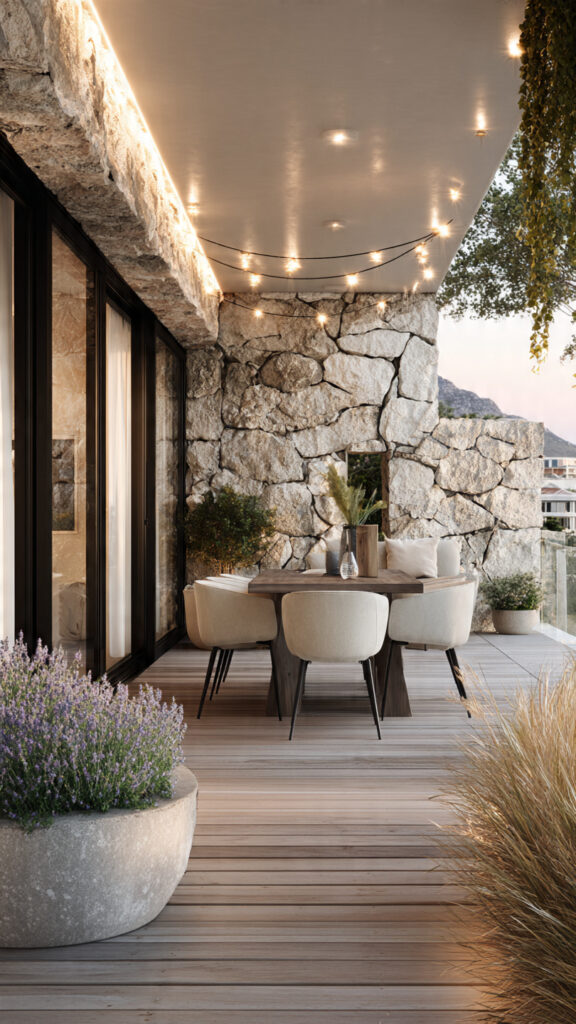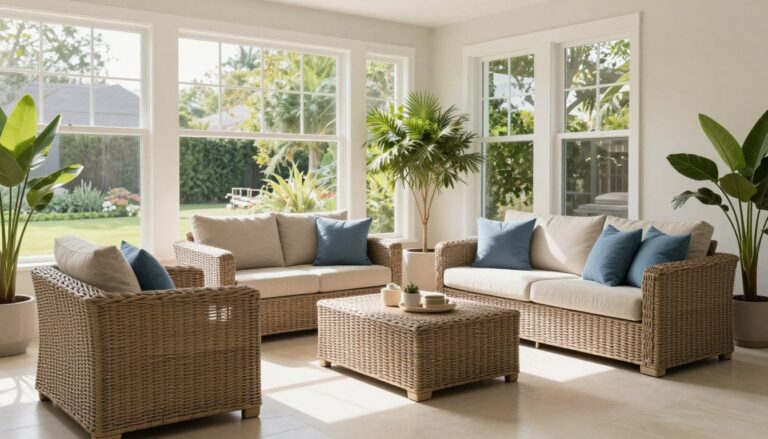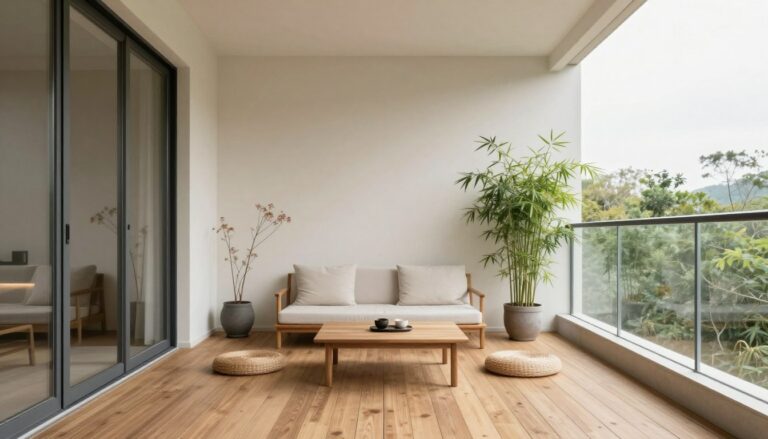

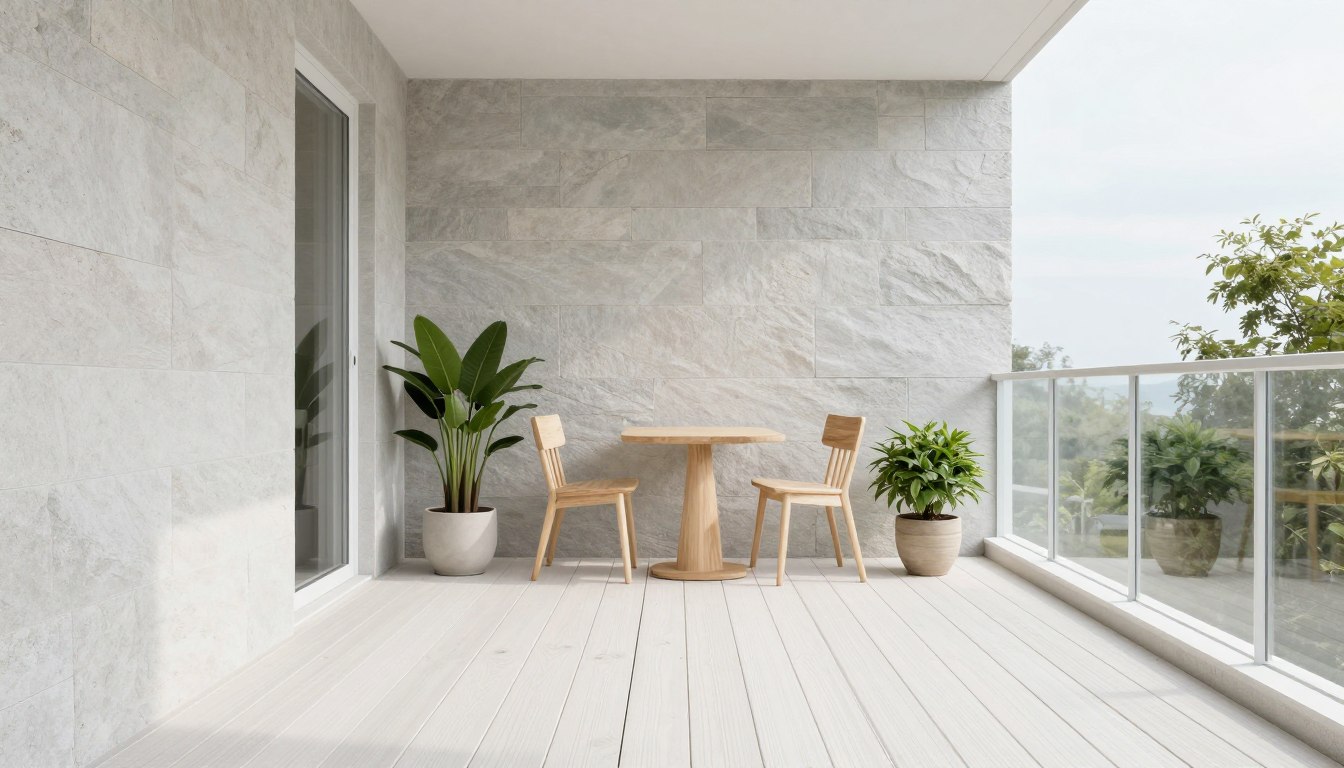
Creating a beautiful outdoor space doesn’t require endless square footage. Your balcony can become a stunning retreat that reflects modern design principles.
The combination of white oak and stone brings warmth and texture to small areas. These materials work together to create a Scandinavian inspired look that feels both natural and refined.
This guide will walk you through practical steps for designing your own modern balcony. You’ll discover how to select materials, arrange furniture, and add finishing touches that transform your outdoor area into a functional living space.
Understanding Scandinavian Design Principles for Your Balcony
Scandinavian design emphasizes simplicity and function. This approach creates spaces that feel calm and uncluttered.
The style values natural materials over synthetic alternatives. Wood and stone take center stage in authentic Scandi spaces.
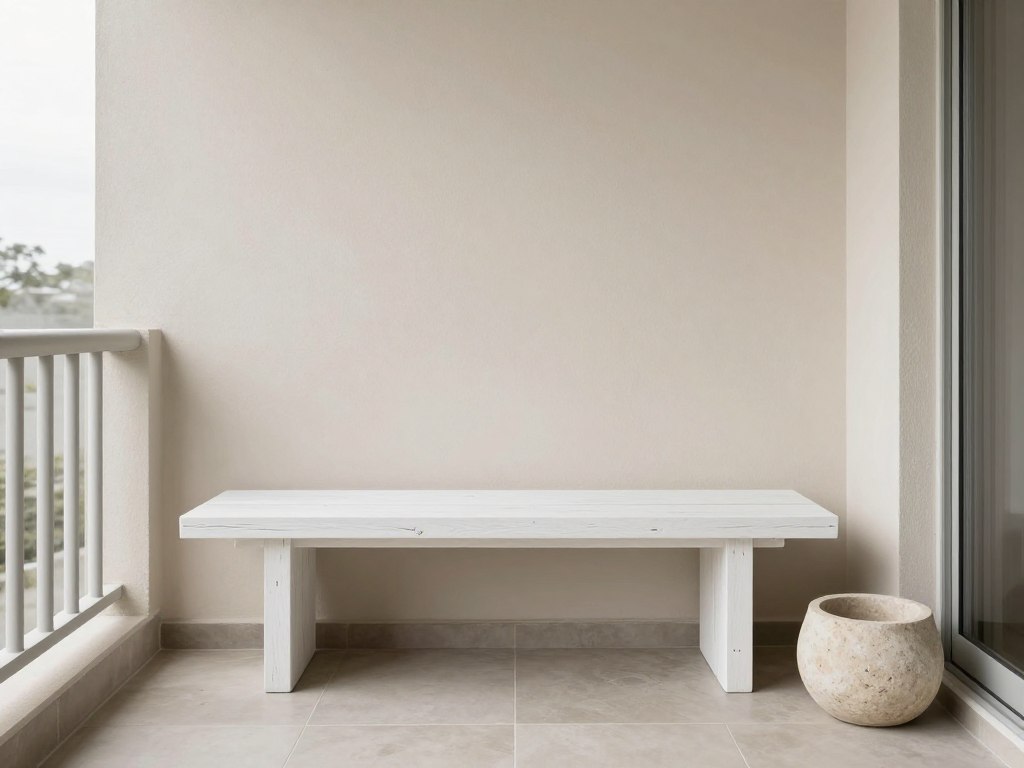
Light plays a crucial role in Nordic design. Large windows and reflective surfaces maximize natural illumination in these northern climates.
Core Elements of Scandi Chic Style
The foundation of this aesthetic rests on several key components. Each element contributes to the overall harmony of your balcony space.
- Neutral color palettes dominated by whites, grays, and natural wood tones
- Functional furniture that serves multiple purposes without visual clutter
- Natural textures through wood grain, stone surfaces, and organic fabrics
- Strategic greenery that brings life without overwhelming the space
- Quality over quantity in every design decision and material choice
Why White Oak and Stone Work Together
White oak brings warmth through its honey-colored grain patterns. The wood ages gracefully and withstands weather conditions better than many alternatives.
Stone provides contrast with its cool, solid presence. The material grounds your design and creates visual weight that balances lighter wooden elements.
White Oak Benefits
This hardwood species offers natural weather resistance. The tight grain structure repels moisture better than red oak varieties.
The colour remains stable over time with proper maintenance. You won’t see dramatic darkening or fading in most weather conditions.
Stone Advantages
Natural stone requires minimal upkeep once installed correctly. The material resists staining and maintains its appearance for decades.
Temperature regulation is another benefit of stone surfaces. The mass absorbs heat during the day and releases it slowly in cooler evening hours.
Balancing Warmth and Coolness
The interplay between warm wood and cool stone defines Scandinavian exterior design. This balance prevents spaces from feeling too sterile or overly rustic.
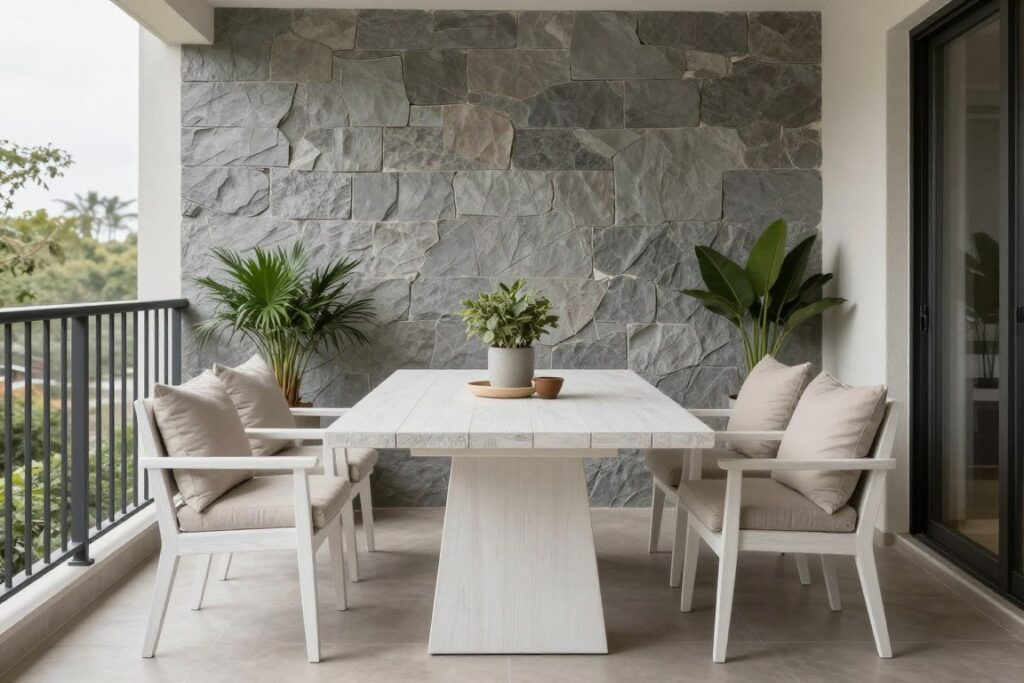
Consider the proportions carefully in your own space. Too much stone can feel cold, while excessive wood might appear monotonous.
Aim for a ratio where one material dominates slightly. A common approach uses wood for horizontal surfaces like flooring and furniture, with stone as vertical accents on walls or planters.
Selecting White Oak Materials for Your Balcony Design
The quality of your white oak determines how well your balcony withstands time and weather. Not all oak products perform equally in outdoor conditions.
Start by identifying the specific application for each wooden element. Flooring demands different treatments than furniture or decorative accents.
Types of White Oak for Outdoor Use
Several forms of white oak suit balcony applications. Each type offers distinct advantages for different design needs.
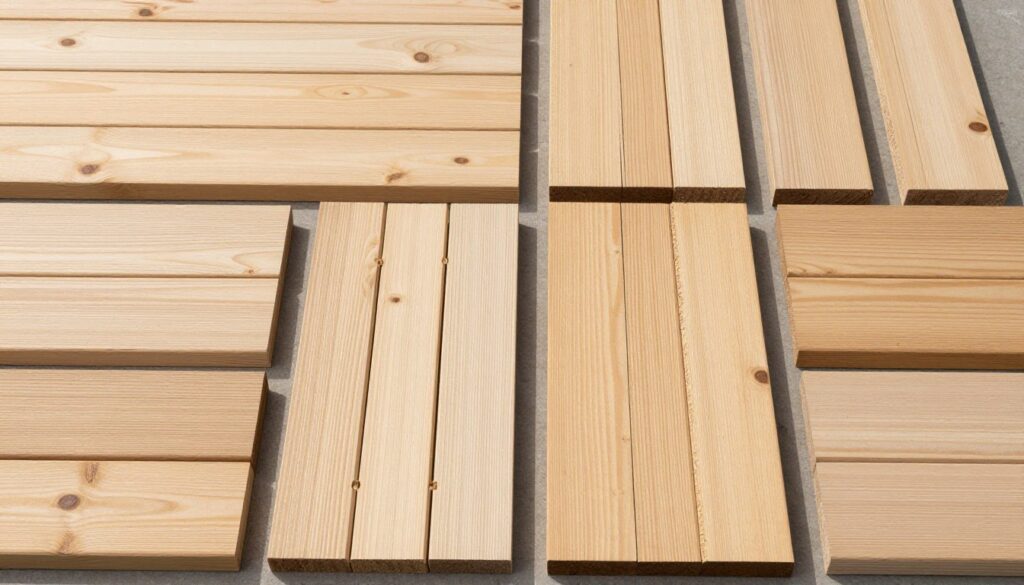
Solid White Oak Decking
- Premium durability for high-traffic areas
- Natural grain patterns create visual interest
- Requires regular maintenance and sealing
- Higher upfront cost but longer lifespan
- Best for permanent installations
Engineered Oak Products
- More stable in varying humidity levels
- Consistent appearance across all boards
- Lower maintenance requirements than solid wood
- Moderate price point with good performance
- Suitable for most balcony conditions
Oak Finished Composites
- Weather-resistant synthetic core material
- Oak veneer provides authentic appearance
- Minimal maintenance beyond basic cleaning
- Good for rental properties or temporary setups
- Limited refinishing options over time
Finishes and Treatments for Longevity
Protecting your white oak extends its life and maintains its appearance. The right finish depends on your local climate and exposure level.
Oil-based finishes penetrate deep into the wood grain. These products enhance the natural colour while providing moisture resistance.
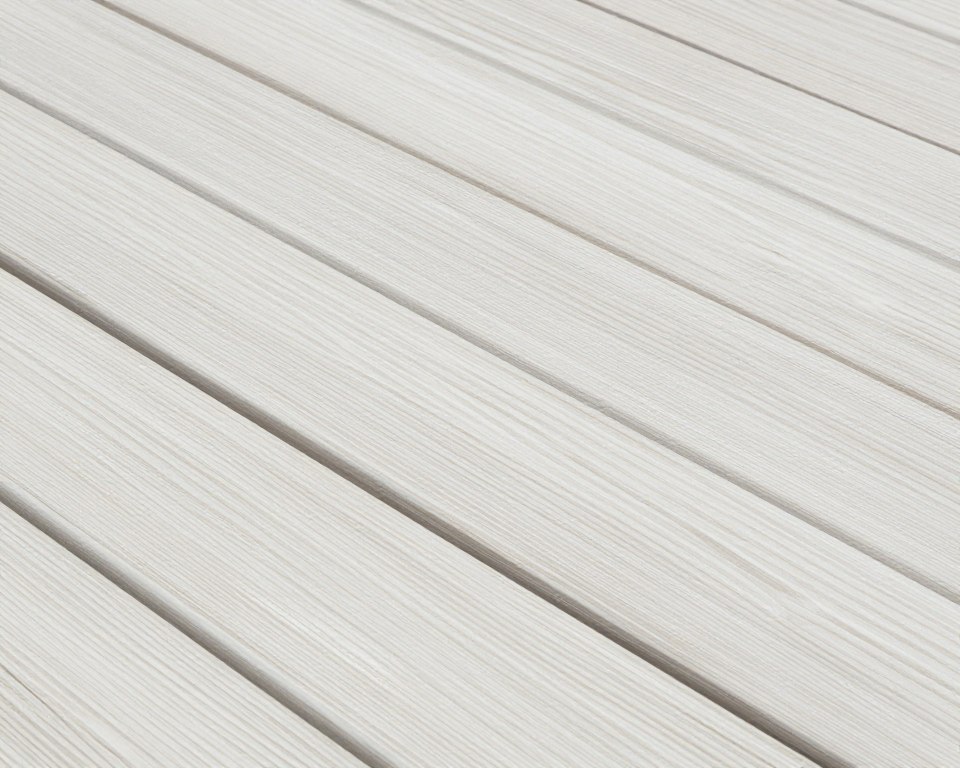
Water-based sealers offer faster drying times and lower odor levels. Modern formulations perform nearly as well as traditional oil products in most conditions.
Maintenance Schedule for Oak Surfaces
Regular care keeps your white oak looking fresh season after season. Establish a routine that matches your balcony’s exposure to elements.
- Clean surfaces monthly with mild soap and water to prevent dirt buildup
- Inspect finishes quarterly for signs of wear or water penetration
- Reapply protective coatings annually or as manufacturer recommends
- Sand and refinish every three to five years depending on wear patterns
- Address any stains or damage immediately to prevent permanent marks
White Oak Furniture Selection
Furniture pieces extend your white oak theme throughout the balcony space. Choose items that balance form with practical function.
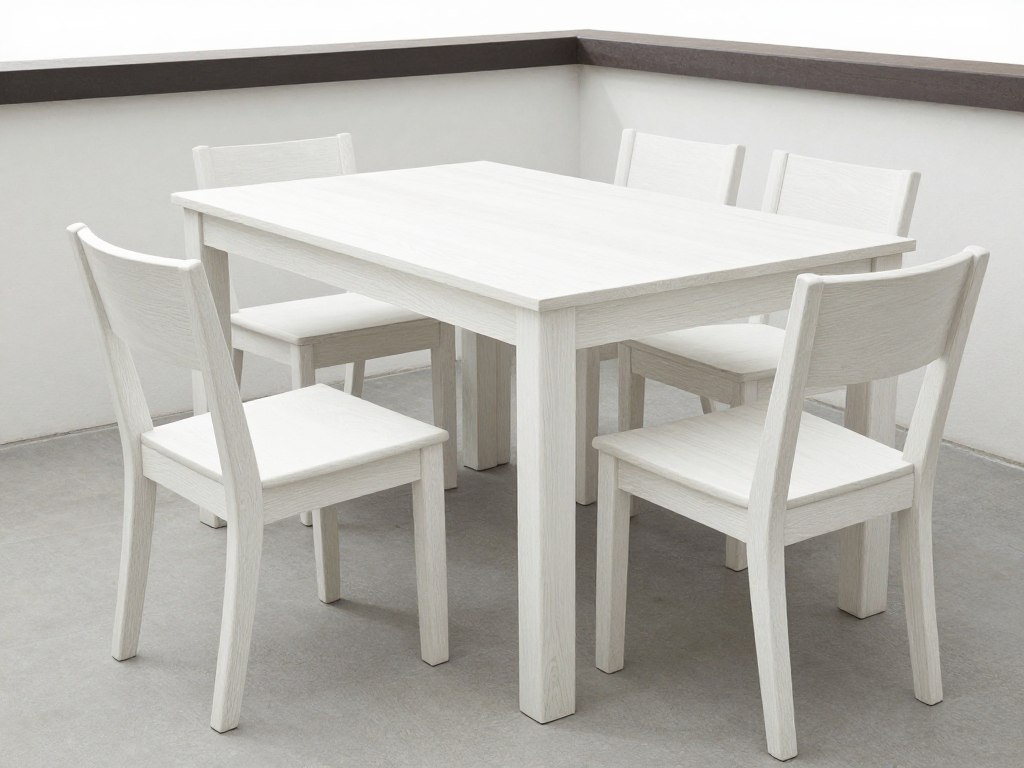
Dining tables in white oak create natural gathering spots. Look for designs with clean lines and minimal ornamentation to maintain the Scandi aesthetic.
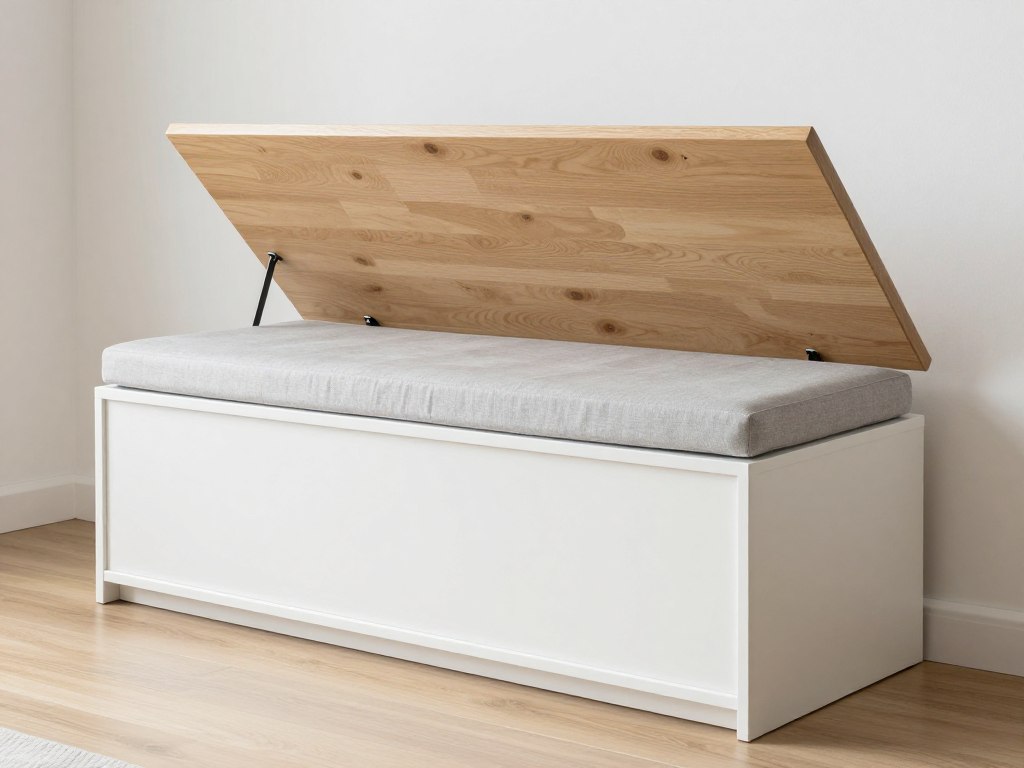
Storage benches serve double duty by providing seating and hiding cushions or garden tools. The closed design protects contents from weather while maintaining a tidy appearance.
Essential Oak Furniture Pieces
- Compact dining table for meals and work activities
- Folding chairs that store easily when not needed
- Storage bench with weather-resistant hardware
- Side table for plants or reading materials
- Planters in matching oak finish for cohesive look
Sizing Guidelines
Measure your balcony carefully before ordering furniture. Allow at least 24 inches of clearance around each piece for comfortable movement.
Consider folding or stackable options if your space serves multiple purposes. Flexibility becomes crucial in smaller balcony areas where every square foot matters.
Incorporating Stone Elements Into Your Balcony
Stone adds architectural weight to lightweight balcony structures. The material creates focal points that anchor your overall design scheme.
Weight considerations matter when adding stone to elevated balconies. Always verify load limits with your building management or structural engineer before installing heavy materials.
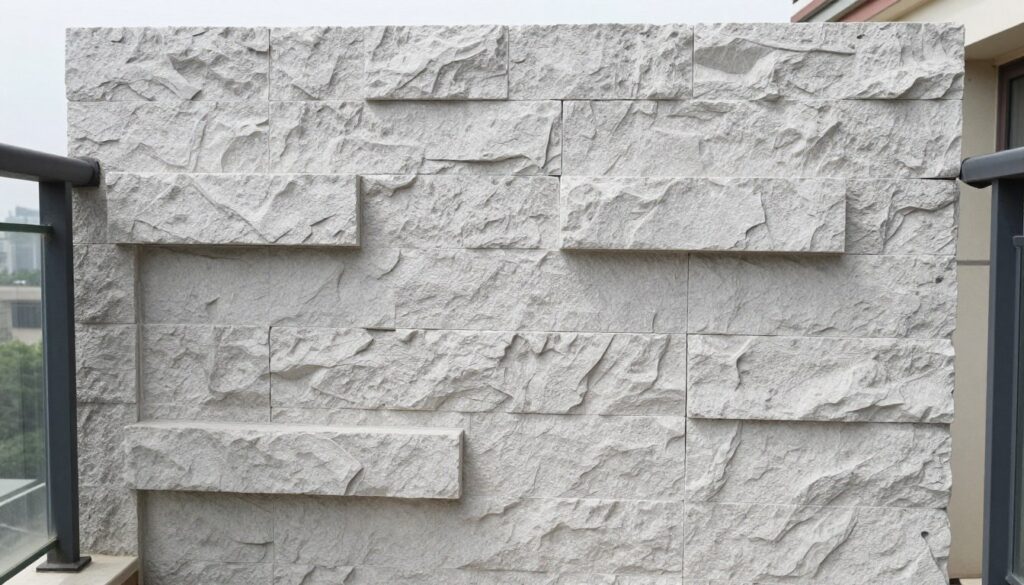
Types of Stone for Balcony Applications
Different stone varieties offer unique aesthetic qualities and practical benefits. Your choice should reflect both visual preferences and structural constraints.
Limestone provides a soft, neutral backdrop that complements white oak beautifully. The porous nature requires sealing but rewards you with a warm, natural appearance.
Stone Accent Walls
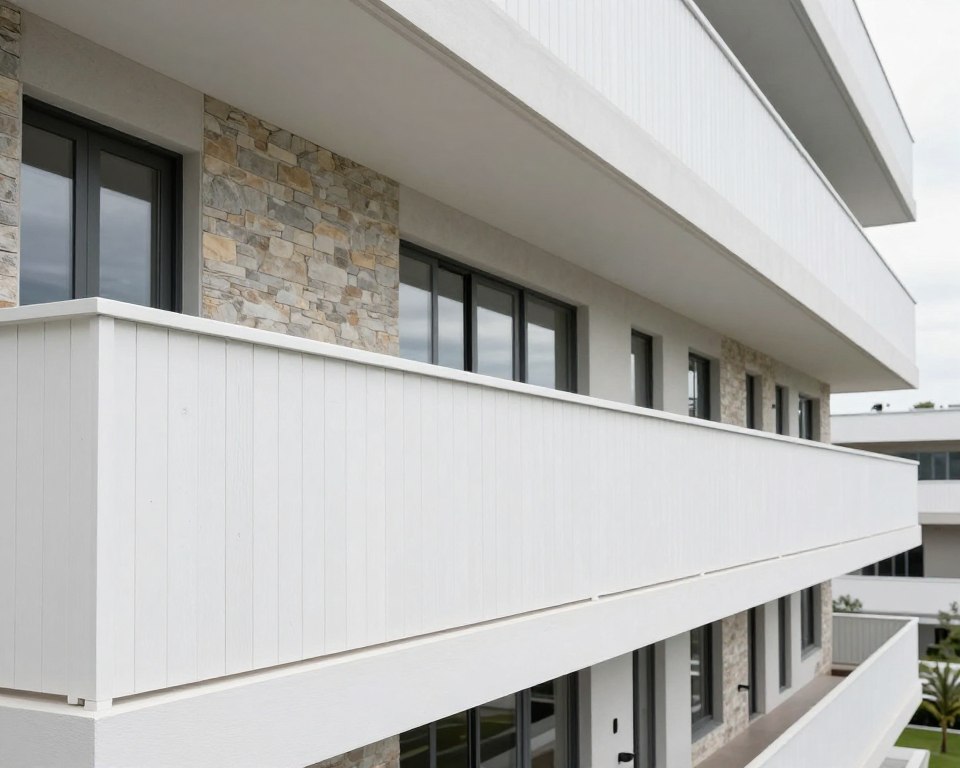
A stone wall transforms a plain balcony into an architectural statement. This feature works especially well on walls shared with interior spaces or neighboring units.
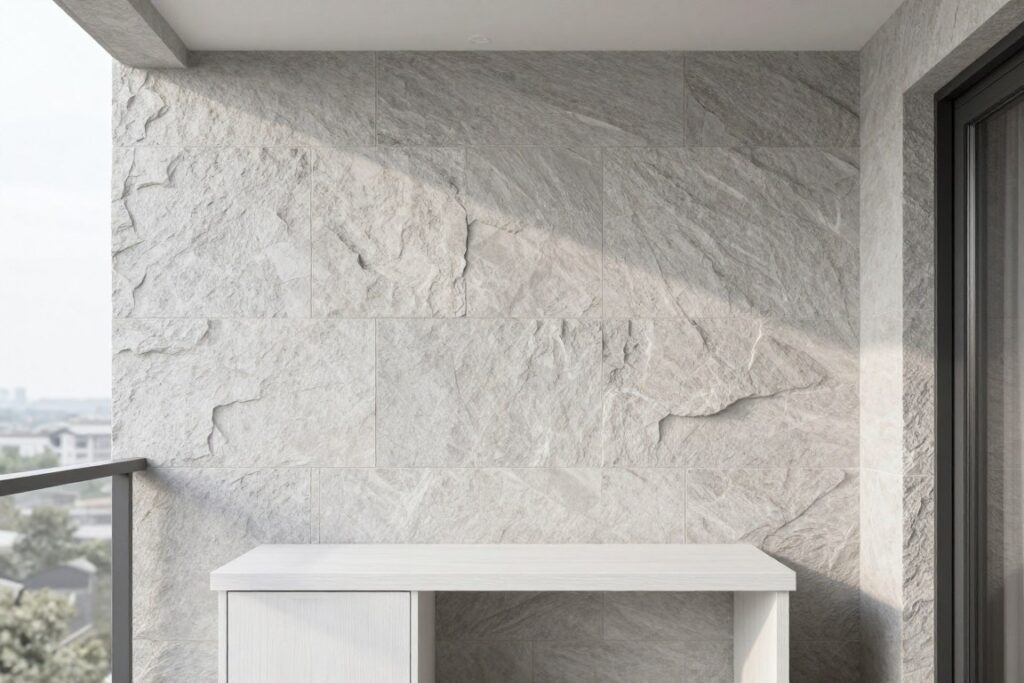
Thin stone veneer reduces weight while maintaining visual impact. These products typically measure less than one inch thick but create the appearance of fulldepth stone.
Installation Considerations
Professional installation ensures proper adhesion and weatherproofing. Stone requires specific mortars and sealants rated for exterior exposure.
- Prepare substrate surface with appropriate waterproof membrane
- Use flexible thin set mortar designed for outdoor temperature fluctuations
- Maintain consistent spacing between stones for expansion and contraction
- Apply penetrating sealer after installation to protect from moisture and staining
- Include drip edge details at top of wall to prevent water infiltration
Stone Flooring Options
Stone floors create durability underfoot while adding texture to your balcony. The material stays cooler in summer heat compared to dark composites or metal.
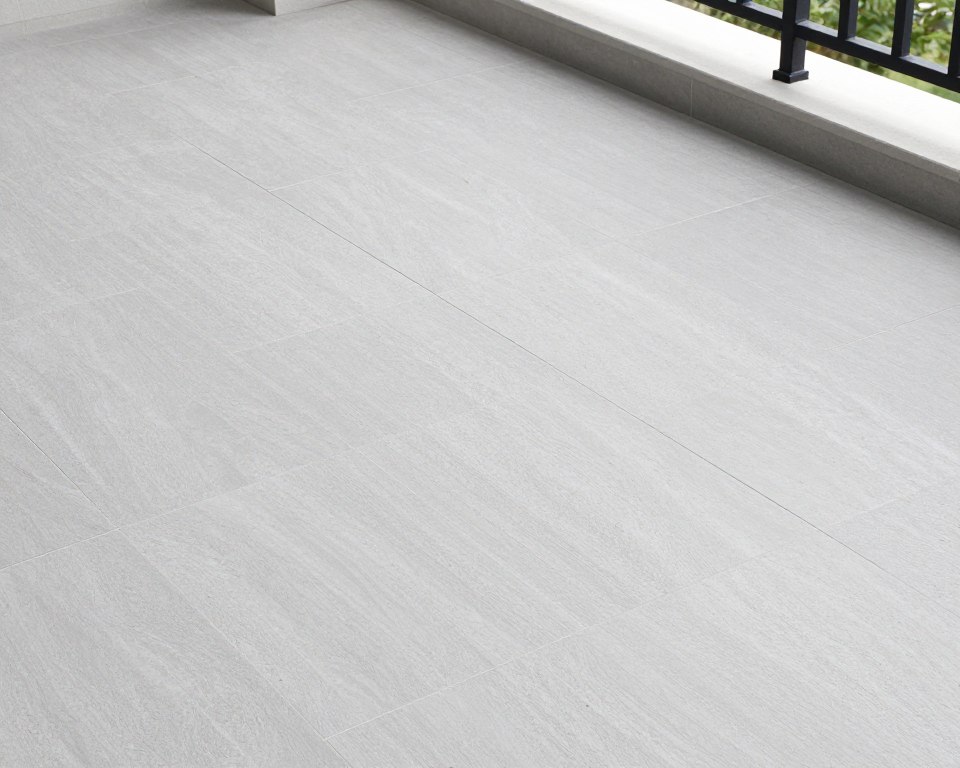
Porcelain tiles that mimic natural stone offer the best balance of weight and durability. Modern manufacturing creates convincing stone looks at a fraction of the weight and cost.
Textured finishes provide better slip resistance in wet conditions. Smooth polished stones belong indoors where weather doesn’t create safety hazards.
Stone Planters and Containers
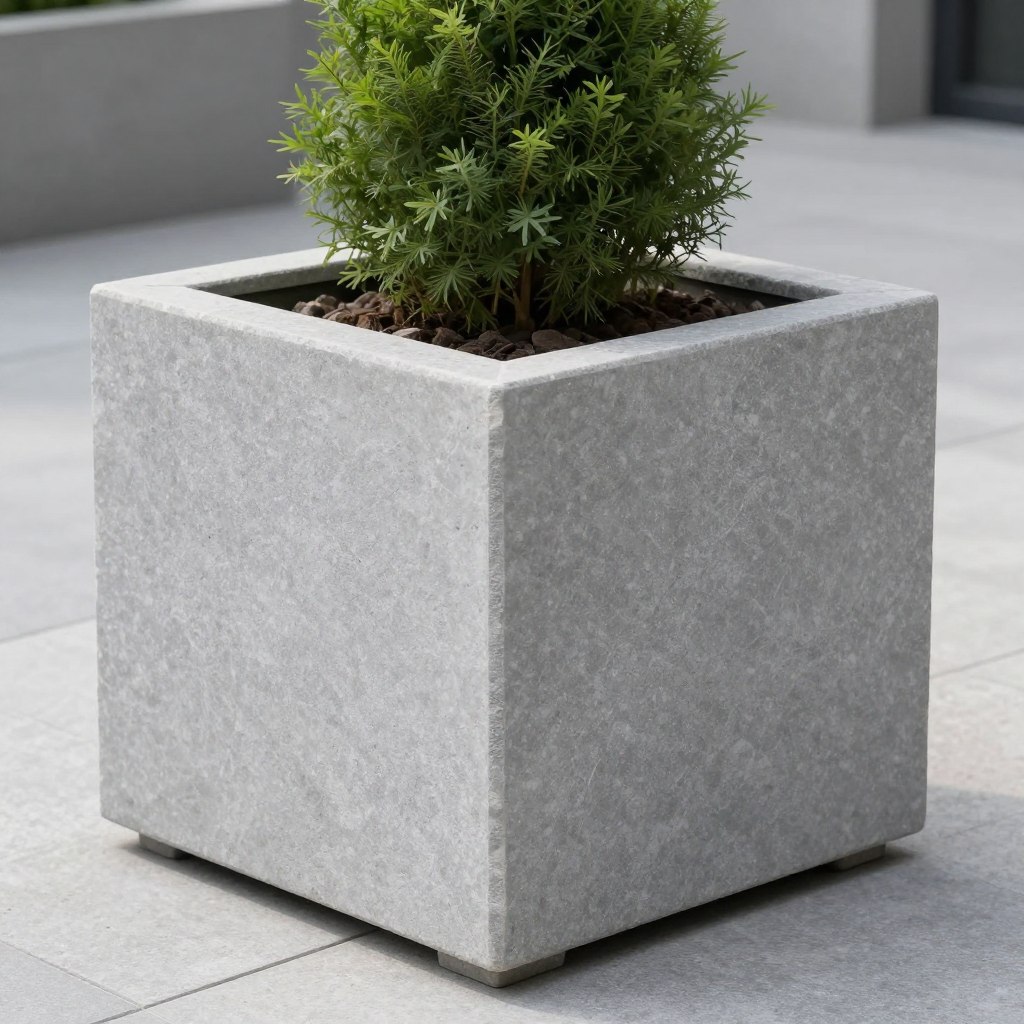
Stone planters ground your garden design while providing ideal growing conditions. The material’s thermal mass protects plant roots from temperature extremes.
Planter Benefits
Stone containers don’t tip easily in wind unlike lighter plastic alternatives. The stability matters on elevated balconies exposed to gusts.
Built-in drainage prevents root rot when properly installed. Make sure any stone planter includes holes or a permeable base layer for water escape.
Creating a Cohesive Color Palette
Color choices tie your white oak and stone elements together. A well-planned palette makes your small balcony feel intentional rather than random.
Scandinavian design favors a limited range of neutral tones. This restraint creates calm spaces that don’t compete with natural surroundings.
Foundation Colors
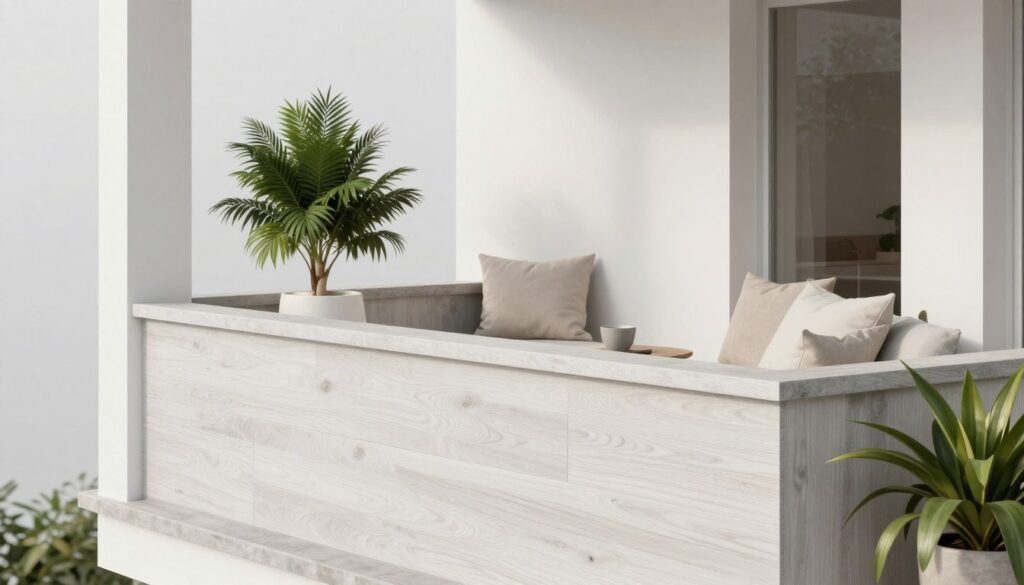
Your base palette comes from the natural materials themselves. White oak provides warm honey and tan tones, while stone contributes cool grays.
These foundation colours should dominate your balcony area. Additional accent shades appear in smaller doses through textiles and accessories.
Warm Neutrals
White oak tones range from pale cream to rich caramel. These warm colours create the inviting base layer of your design.
- Honey oak wood tones
- Cream and ivory accents
- Warm beige textiles
- Natural linen fabrics
Cool Neutrals
Stone brings cooler gray tones that balance the warmth of wood. These colours add sophistication and prevent overly cozy feelings.
- Light to medium grays
- Soft blue-gray accents
- Cool white surfaces
- Charcoal details
Natural Accents
Plants and natural elements introduce organic colour variation. These living accents change with seasons and growing cycles.
- Various green plant tones
- Seasonal flower colours
- Natural fiber textures
- Organic material hues
Adding Strategic Pops of Color
Small colour additions prevent neutral spaces from feeling sterile. Limit bold colours to easily changeable elements like cushions or planters.
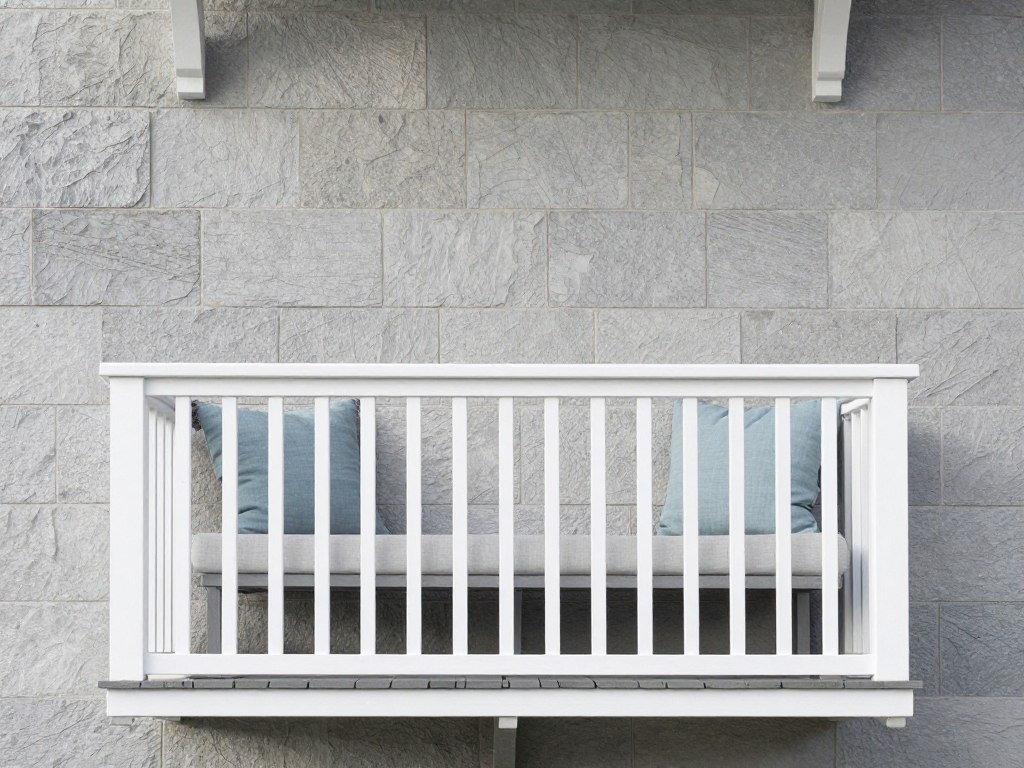
Scandi design typically incorporates muted rather than bright accent colours. Think dusty blue, sage green, or soft terracotta instead of primary shades.
Accent Color Guidelines
- Limit accent colours to one or two shades maximum for visual cohesion
- Choose colours that appear in nature to maintain organic feeling
- Use the same accent colour in three different locations for balanced repetition
- Keep bold colours in small doses that don’t overwhelm neutral foundation
- Select easily replaceable items for colour so you can update seasonally
Seasonal Color Adjustments
Your balcony colour story can shift with seasons without major renovations. Textile changes refresh the space affordably.
Summer months call for lighter, airier colour combinations. Add white or cream cushions that reflect heat and create breezy feelings.
Winter encourages warmer, cozier accent colours. Introduce rust, deep green, or warm gray textiles that make the outdoor space feel inviting even in cold weather.
Spring and fall offer opportunities for transitional shades. Soft pastels work in spring, while rich earth tones suit autumn months.
Quick Color Updates
- Swap cushion covers seasonally
- Rotate throw blankets by colour
- Change plant selections for seasonal blooms
- Update small decor accessories
Furniture Layout Strategies for Small Balconies
Smart furniture arrangement maximizes usable space on compact balconies. Every piece should earn its place through function or beauty.
Start by measuring your balcony dimensions accurately. Create a simple floor plan that shows door clearances and fixed elements like railings or utility boxes.
Creating Functional Zones
Even small balconies benefit from defined areas for different activities. These zones don’t require physical barriers, just thoughtful furniture placement.
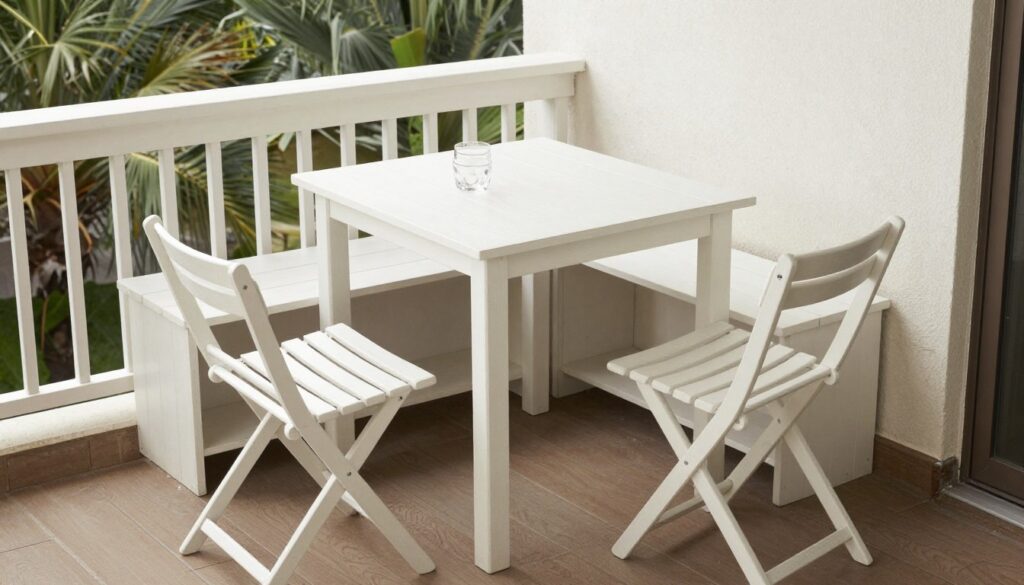
A dining zone needs only a small table and two chairs for most balconies. Position this area to take advantage of views or pleasant light.
Dining Area
- Bistro-sized table for meals and reading
- Two to four chairs depending on space available
- Positioned near electrical outlet if possible
- Allow 36 inches clearance around table
- Consider folding furniture for flexibility
Relaxation Zone
- Comfortable seating like chair or small bench
- Side table for drinks and books
- Good lighting for evening reading time
- Positioned away from direct traffic flow
- Include soft textiles for comfort
Garden Space
- Vertical planters to maximize growing area
- Stone or wood planter boxes along railing
- Herb garden near dining area for convenience
- Arrange plants by light and water needs
- Keep garden tools in storage bench
Traffic Flow Considerations
Maintain clear pathways between your door and any balcony features. A minimum width of 24 inches allows comfortable passage without feeling cramped.
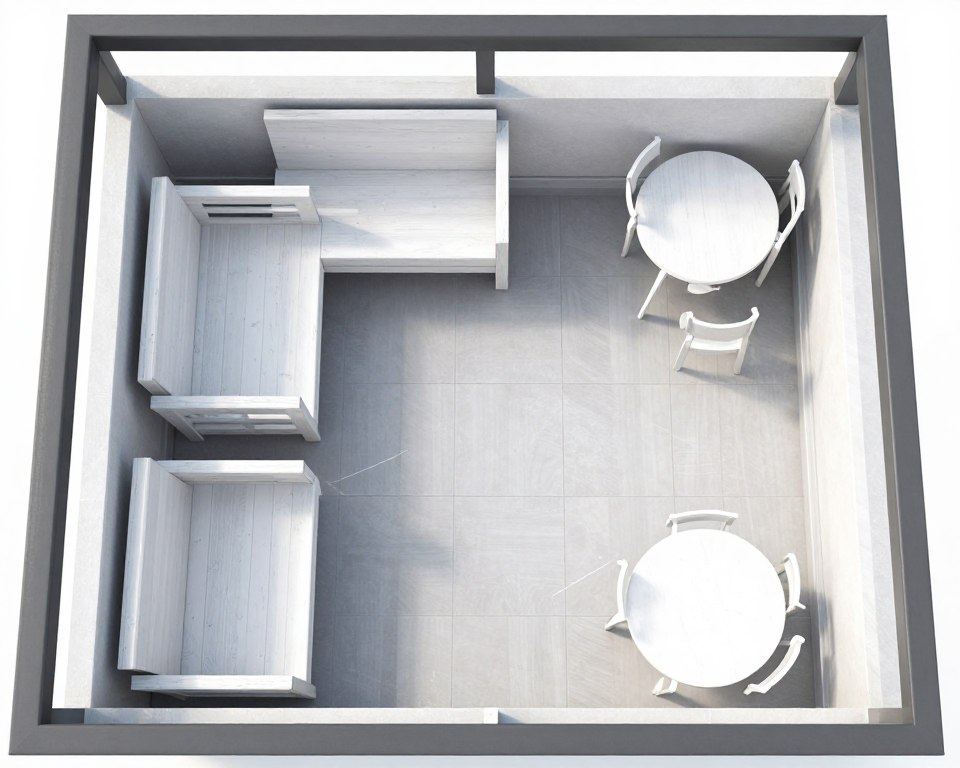
Avoid placing furniture directly in front of doors or windows. This blocks access and makes your balcony feel cluttered even when it isn’t.
Multi-Purpose Furniture Solutions
Pieces that serve multiple functions save precious space. Look for furniture that combines seating, storage, and display capabilities.
Smart Furniture Choices
- Storage benches that hide cushions and supplies while providing seating for guests
- Folding tables that expand for dining but collapse when not needed
- Stackable chairs that store vertically during winter months or when extra floor space matters
- Side tables with lower shelves for displaying plants or storing reading materials
- Wall-mounted drop-leaf tables that fold completely flat against wall surfaces
Scale and Proportion
Furniture size matters tremendously in small balcony spaces. Oversized pieces overwhelm the area and make movement difficult.
Measure furniture carefully before purchasing. A dining table that looks modest in a showroom may dominate your entire balcony.
Pro Tip: Use painter’s tape to outline furniture dimensions on your balcony floor before buying. This visualization prevents expensive sizing mistakes and helps you understand real spatial impact.
Lighting Design for Day and Night Ambiance
Thoughtful lighting extends your balcony’s usability into evening hours. The right combination creates ambiance while providing functional illumination for dining and reading activities.
Natural light dictates morning and afternoon experiences. Observe how sunlight moves across your balcony throughout the day before planning artificial lighting.
Layered Lighting Approach
Professional designers use multiple light sources at different heights. This creates depth and allows you to adjust brightness for various activities.
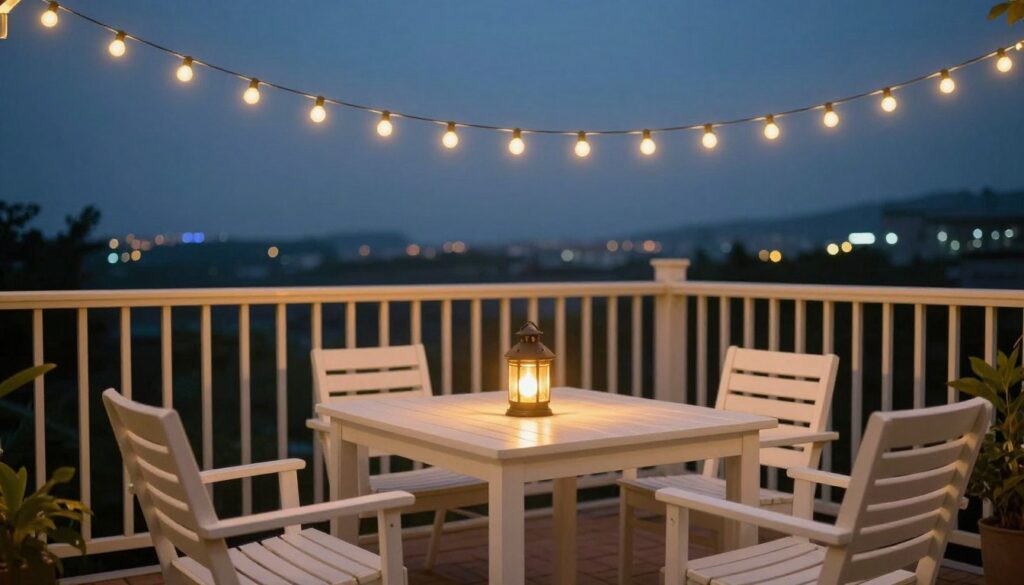
Ambient lighting provides overall illumination across the entire balcony space. String lights or overhead fixtures fill this role effectively.
Ambient Lighting
This layer establishes general visibility across your balcony. It should be soft enough to feel inviting rather than harsh.
- String lights along railing or overhead
- Wall-mounted sconces near door
- Ceiling-mounted fixtures if covered
Task Lighting
Focused light for specific activities like reading or dining. Position these fixtures where you perform detailed tasks.
- Table lamps for reading areas
- Pendant lights over dining table
- Directional spotlights for plants
Accent Lighting
Decorative elements that add visual interest. These lights highlight architectural features or create focal points.
- Uplighting for plants or walls
- Lanterns as portable light sources
- LED strips under furniture edges
Weather-Resistant Fixtures
All balcony lighting must withstand outdoor conditions. Check IP ratings to ensure fixtures can handle moisture and temperature fluctuations.
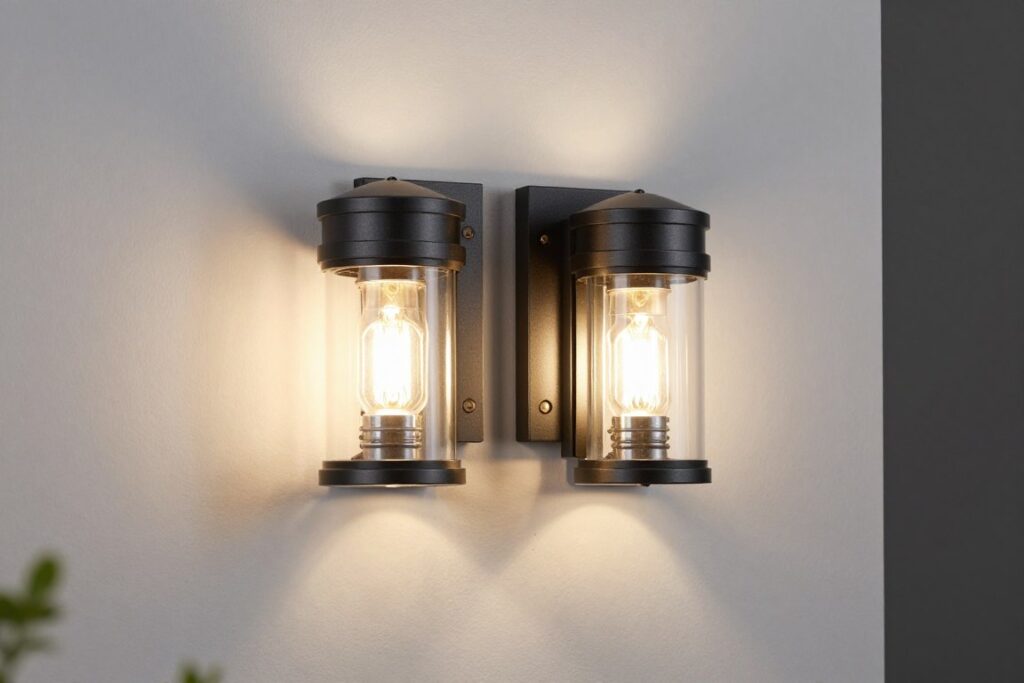
Look for fixtures rated IP65 or higher for exposed locations. This rating indicates protection against water jets and dust intrusion.
Understanding IP Ratings: The first digit represents solid particle protection (6 = dust-tight), while the second shows liquid ingress protection (5 = water jets). An IP65 rating ensures your lights survive rain and cleaning.
Energy-Efficient Options
LED technology has transformed outdoor lighting. These bulbs last years longer than traditional options while using a fraction of the electricity.
- LED string lights consume 80% less power than incandescent versions while lasting 25 times longer
- Solar-powered fixtures eliminate wiring concerns and reduce operating costs to zero
- Smart bulbs allow colour temperature adjustments from warm to cool white based on time or mood
- Motion sensors add convenience and security by activating lights when you step outside
- Dimmers provide control over brightness levels for different activities throughout the evening
Creating Warmth Through Light Color
Light colour temperature dramatically affects balcony atmosphere. Measured in Kelvins, this specification determines whether light feels warm or cool.
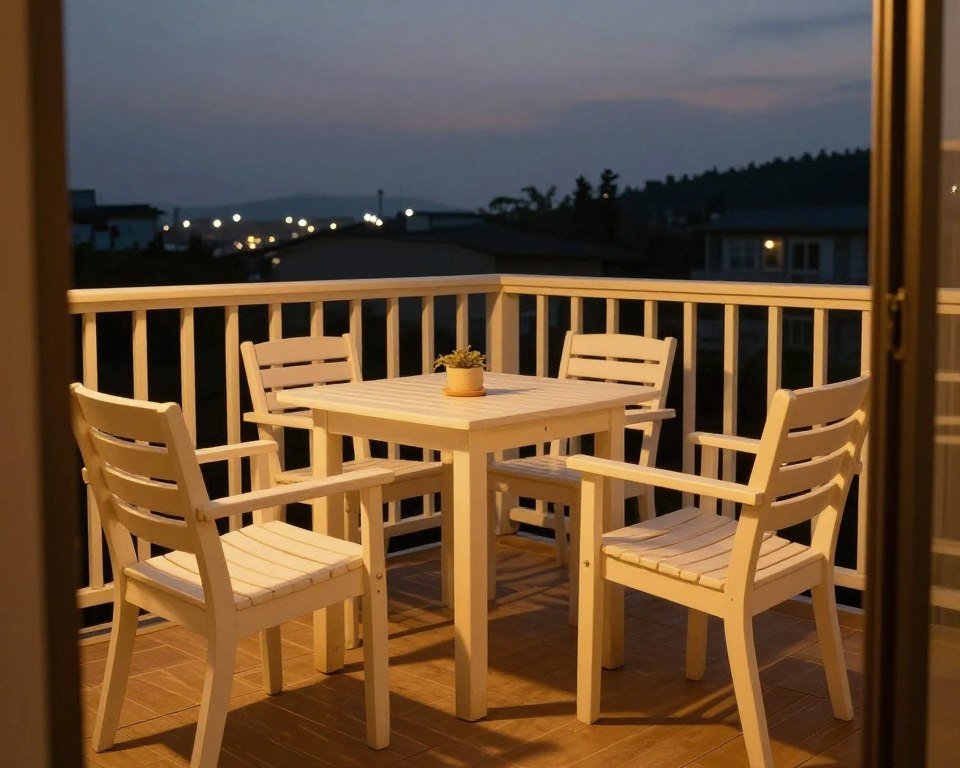
Choose bulbs in the 2700K to 3000K range for residential balconies. This warm white light complements natural wood tones and creates inviting spaces for relaxation.
Avoid cool white bulbs above 4000K unless you need bright task lighting. These temperatures feel clinical and work against the warm Scandinavian aesthetic you’re creating.
Adding Greenery and Plants to Complete Your Design
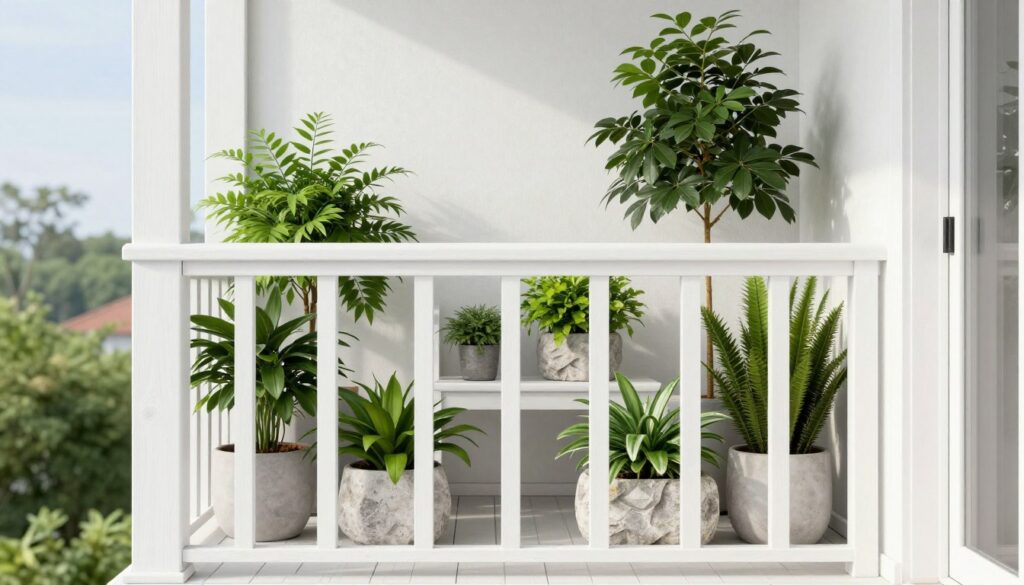
Plants bring life to hard surfaces and soften the angles created by furniture and architecture. The right selections thrive with minimal care while enhancing your modern balcony design.
Scandinavian plant styling favors simplicity over excess. A few well-chosen specimens create more impact than crowded collections.
Best Plants for Balcony Conditions
Your balcony’s exposure determines which plants will flourish. Observe sunlight patterns and wind levels before selecting species.
South-facing balconies receive intense direct sun most of the day. Choose heat-tolerant plants that won’t scorch in these bright conditions.
| Exposure | Light Hours | Recommended Plants | Special Considerations |
| South-facing | 6+ hours direct | Lavender, rosemary, succulents, geraniums | Provide afternoon shade in extreme heat |
| North-facing | Indirect light only | Ferns, hostas, impatiens, begonias | Monitor for adequate moisture |
| East-facing | 3-4 hours morning | Herbs, petunias, pansies, small vegetables | Ideal for most plant varieties |
| West-facing | 3-4 hours afternoon | Coleus, lantana, zinnias, tomatoes | Hot afternoon sun can stress plants |
Container Selection and Arrangement
Stone planters complement your material palette while providing stability in windy conditions. Their weight prevents tipping that lighter containers experience.
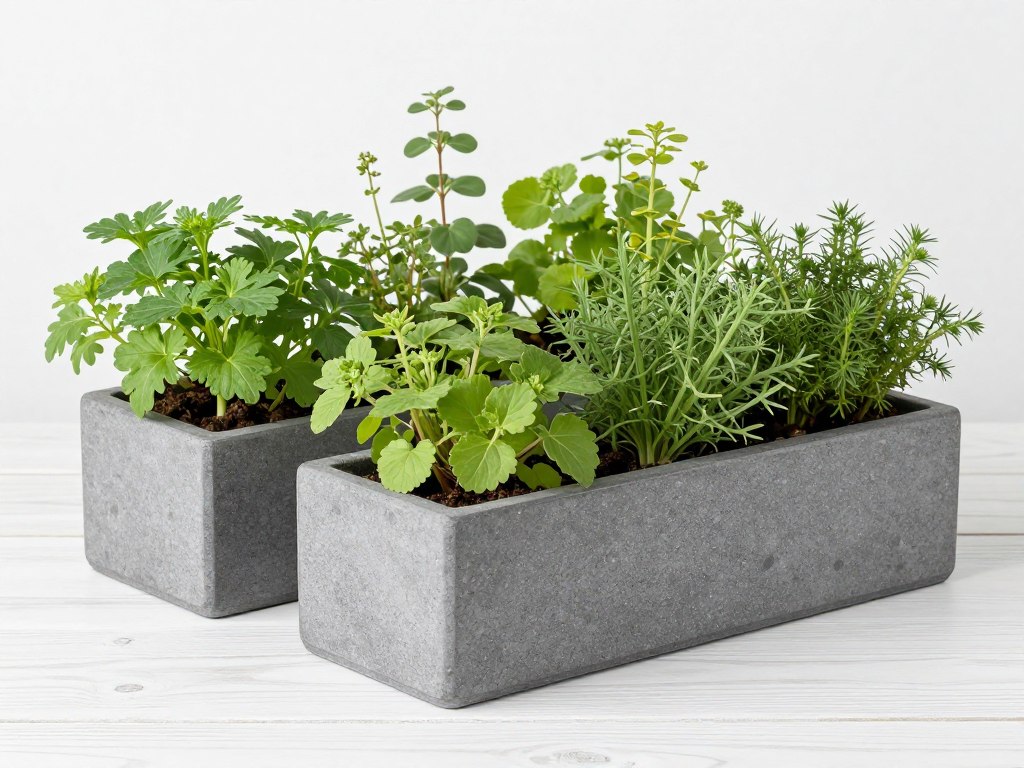
Group containers in odd numbers for visual interest. Three or five planters create more dynamic compositions than even groupings.
Container Sizing Guidelines
- Match container size to mature plant dimensions for proper root space and proportional appearance
- Use large containers for small balconies to avoid cluttered look from many tiny pots
- Ensure drainage holes exist in all planters to prevent waterlogged roots and plant failure
- Choose depths of at least 12 inches for most perennials and vegetables to accommodate root systems
- Consider weight limits on balconies when using stone or filled large planters on older structures
Vertical Garden Solutions
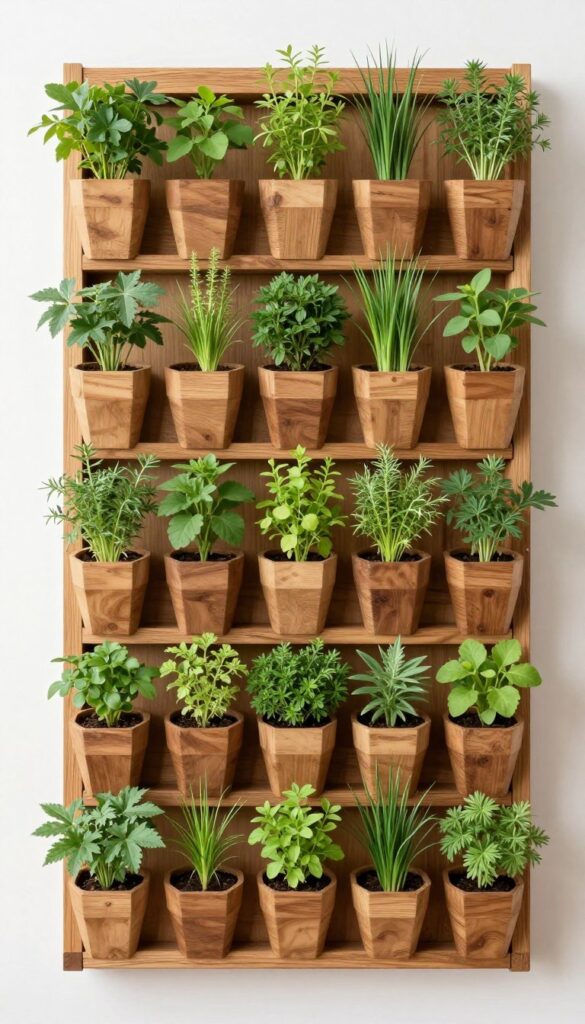
Vertical growing maximizes plant quantity without consuming precious floor space. These installations work especially well on blank walls.
Wall-Mounted Options
Hanging systems attach directly to wall surfaces or railings. These keep plants at eye level where you appreciate them most.
- Pocket planters made from felt or canvas
- Wooden ladder shelves for potted plants
- Metal grid systems with hanging containers
- Railing planters that hook over edges
Low-Maintenance Plant Care
Busy schedules demand plants that tolerate occasional neglect. Select species known for durability rather than high-maintenance varieties.
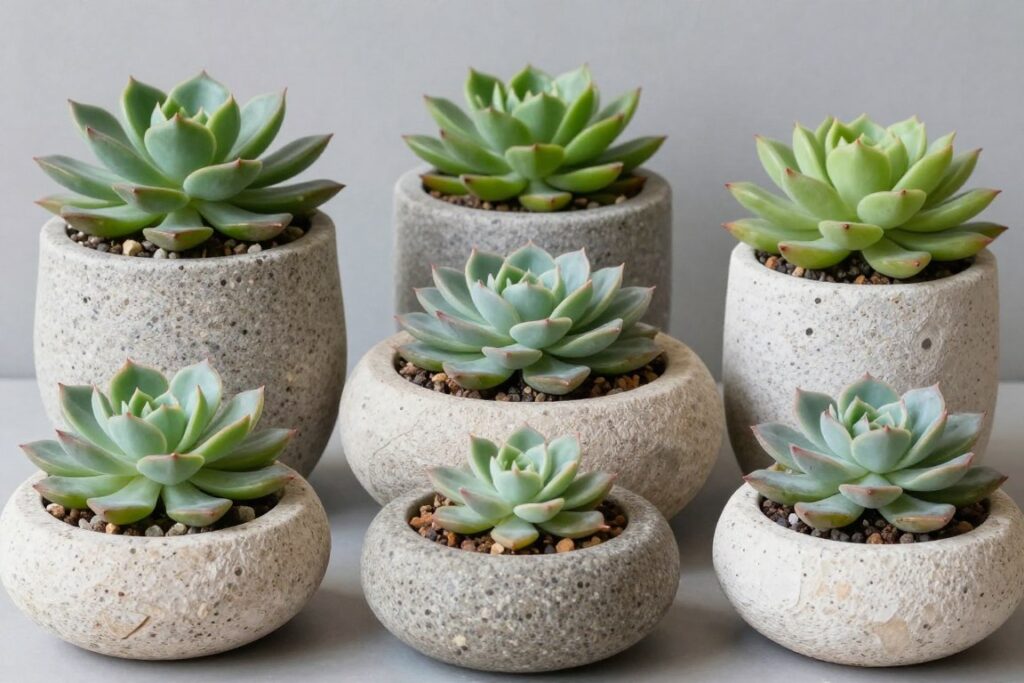
Succulents and Mediterranean herbs require infrequent watering. These plants evolved in dry climates and actually suffer from excessive attention.
Low-Maintenance Choices
- Survive with weekly watering in most climates
- Tolerate temperature fluctuations without damage
- Require minimal fertilizing or special care
- Resist common pests and diseases naturally
- Continue looking attractive with basic maintenance
High-Maintenance Types
- Need daily watering during warm weather
- Sensitive to temperature or humidity changes
- Require regular deadheading and pruning
- Susceptible to pest infestations and diseases
- Demand frequent fertilizing for best appearance
Privacy Solutions That Maintain Style
Creating privacy on balconies requires balancing seclusion with openness. You want protection from neighbors’ views without making your outdoor space feel enclosed.
Many apartment buildings restrict permanent privacy installations. Check your lease or building regulations before mounting anything to walls or railings.
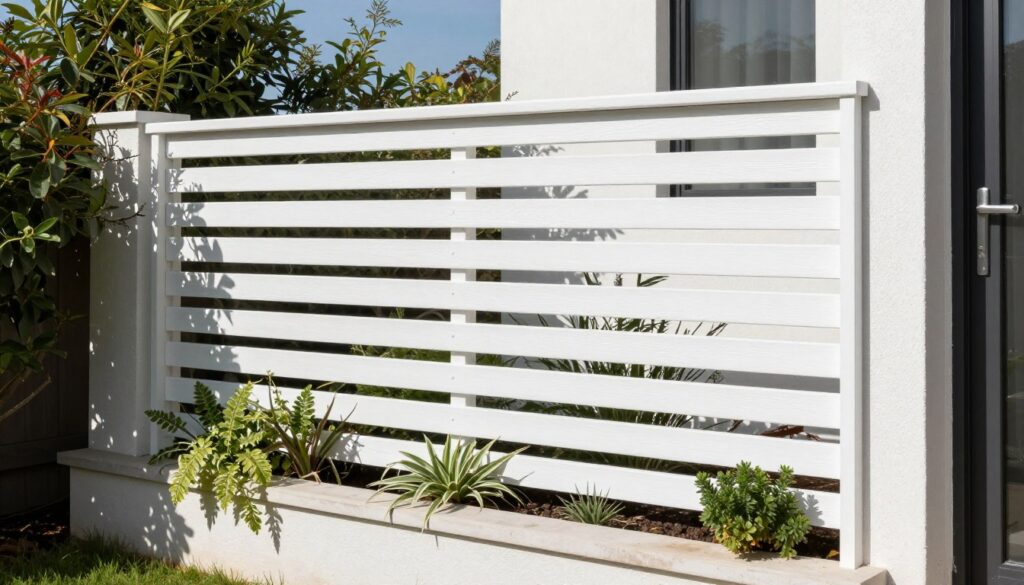
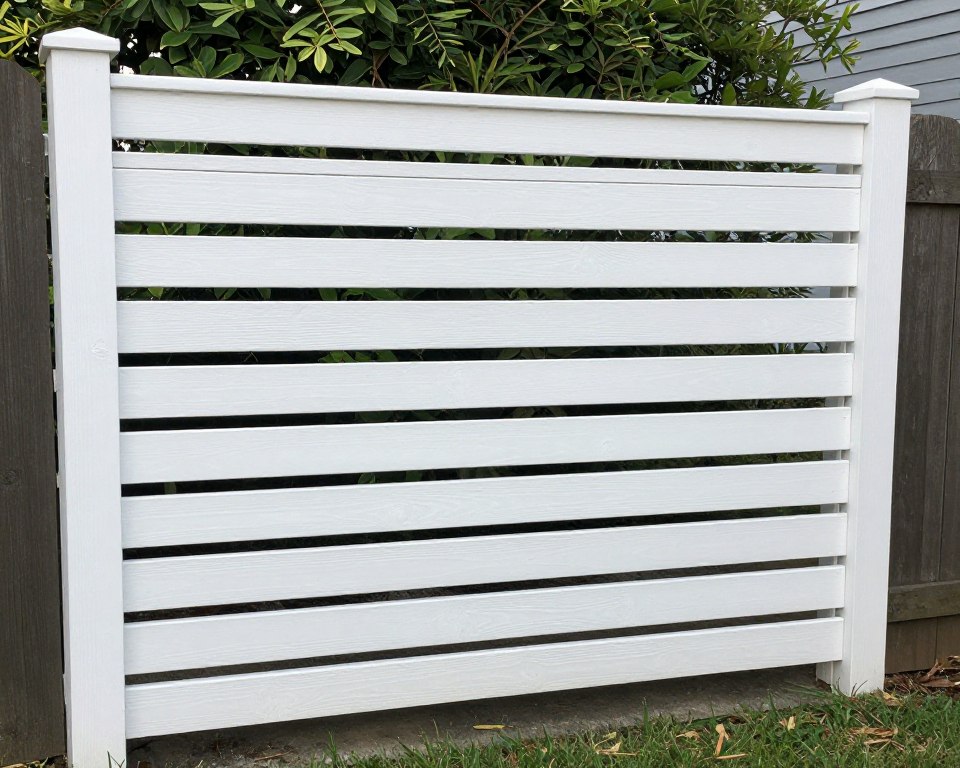
Screen and Divider Options
Freestanding screens offer flexibility since they don’t require permanent installation. These pieces move easily if you relocate or want to reconfigure your space.
White oak screens complement your existing furniture while providing visual barrier. Look for designs with vertical slats that allow air circulation and partial light penetration.
Privacy Screen Styles
- Vertical slat panels in white oak for cohesive material palette throughout your balcony
- Woven natural fiber screens that add texture while filtering views from adjacent spaces
- Bamboo roll-up blinds for temporary privacy that stores away when not actively needed
- Trellis panels that support climbing plants while creating green living privacy walls
- Frosted glass panels for modern look that maintains light while blocking direct sightlines
Plant-Based Privacy
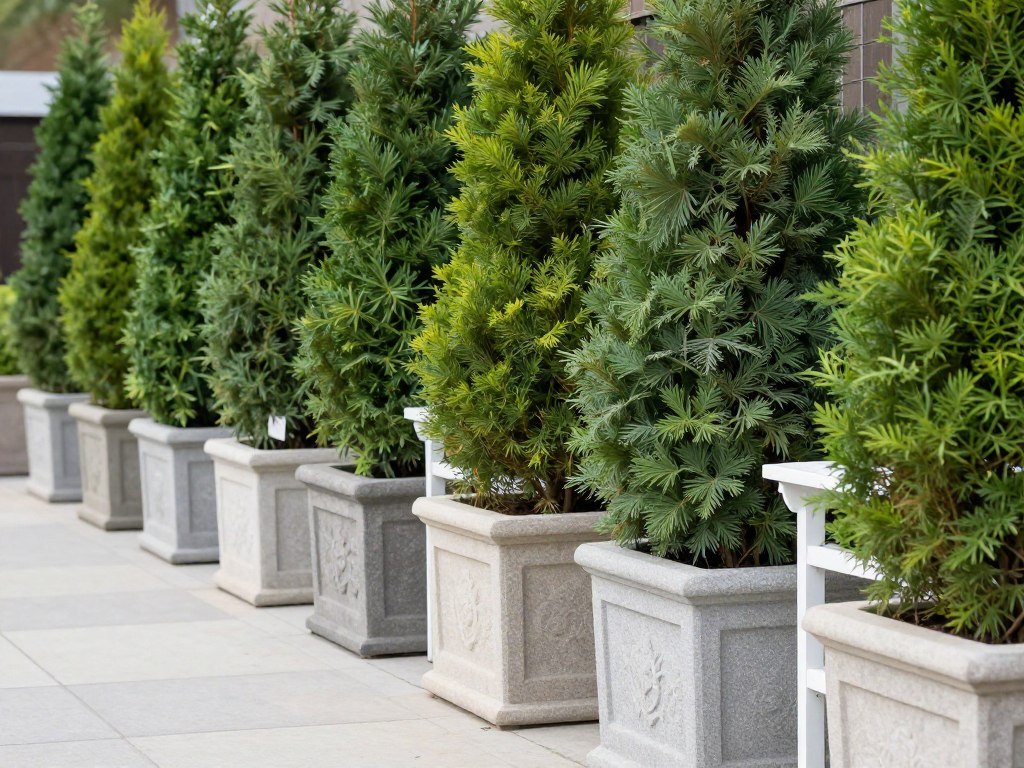
Tall plants create natural screening that feels less institutional than solid barriers. Evergreen varieties provide year-round coverage in most climates.
Ornamental grasses grow quickly and tolerate container life well. Their height creates screening while their movement adds visual interest.
Effective Privacy Plants
Tall Screening Plants
- Bamboo varieties in large containers
- Ornamental grasses reaching 4-6 feet
- Columnar evergreens like junipers
- Tall flowering perennials like delphiniums
Climbing Options
- Clematis vines on trellis structures
- Climbing roses for seasonal screening
- Ivy varieties for evergreen coverage
- Jasmine for fragrance and privacy
Maintenance Needs
- Regular watering during growing season
- Annual pruning to control size
- Support structures for climbing types
- Winter protection in cold climates
Textile Solutions
Outdoor curtains provide adjustable privacy that you control based on weather and time of day. Mount curtain rods to your ceiling or wall surfaces.
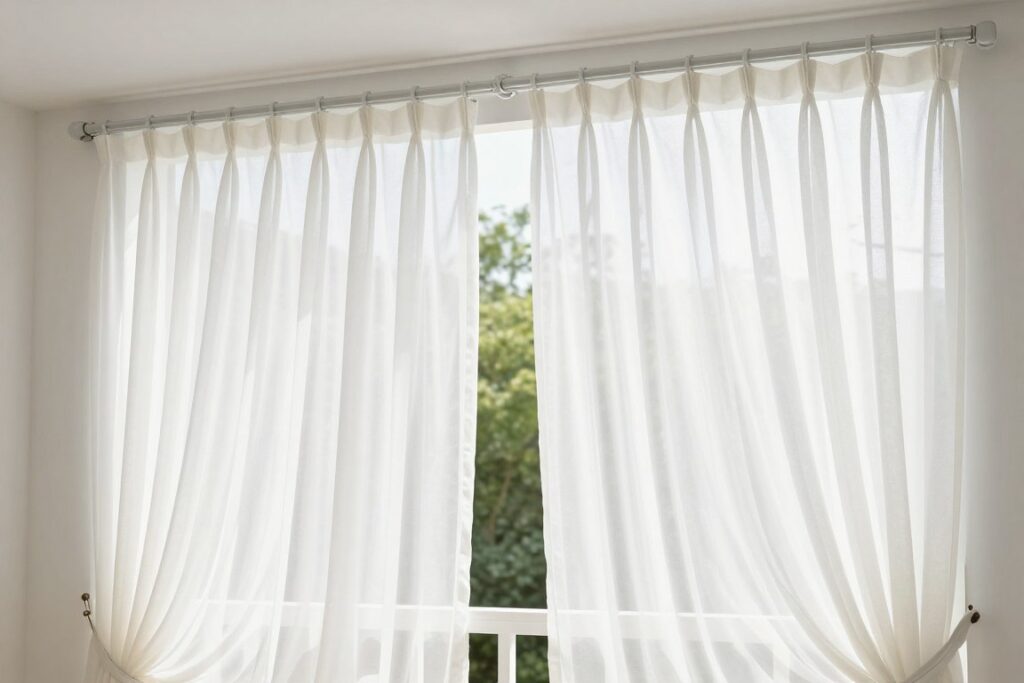
Choose weather-resistant fabrics designed specifically for exterior use. Indoor curtains deteriorate quickly when exposed to sun and moisture.
Weather Protection and Durability Strategies
Outdoor spaces face constant exposure to elements. Protecting your investment extends the life of furniture and materials significantly.
Different climates pose unique challenges. A balcony in Arizona needs sun protection, while one in Seattle requires moisture management.
Seasonal Maintenance Routines
Regular upkeep prevents small issues from becoming expensive repairs. Establish simple routines that keep your balcony looking fresh throughout the year.
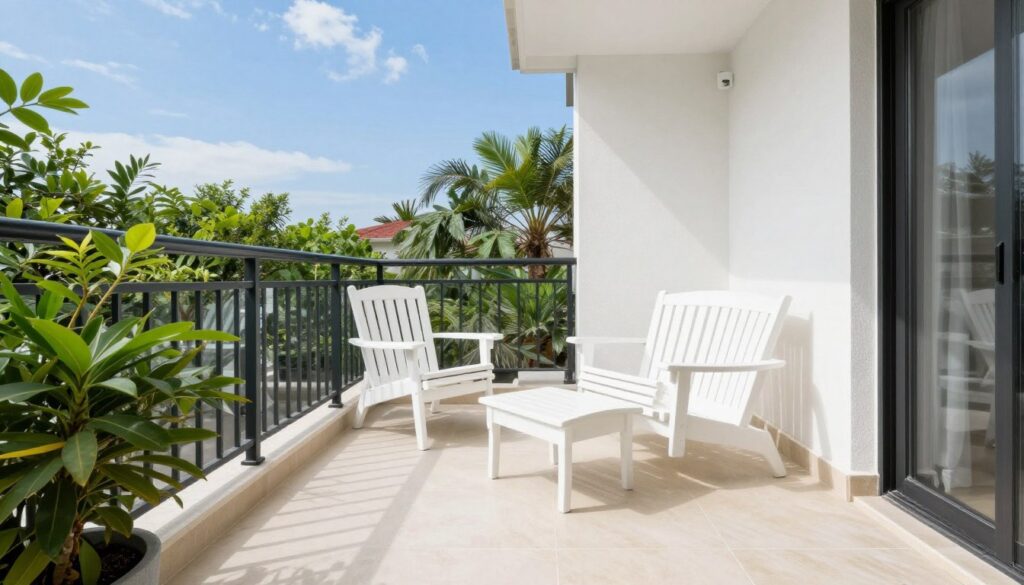
- Clean all surfaces monthly using mild soap and water to remove dirt, pollen, and environmental grime
- Inspect wood finishes quarterly for signs of wear, peeling, or water damage requiring touch-ups
- Check stone sealant twice yearly by testing water beading; reseal if water soaks into surface
- Tighten all furniture hardware and fasteners before and after winter season to prevent loosening
- Remove cushions and textiles during extended rain or when balcony remains unused for weeks
- Clear drainage holes in planters and floor drains to prevent water backup and structural damage
Protective Covers and Storage
Quality covers shield furniture from UV rays and moisture when you’re not using the balcony. This simple step dramatically extends furniture lifespan.
Measure furniture dimensions before buying covers to ensure proper fit. Loose covers flap in wind and allow moisture underneath, defeating their purpose.
Look for covers with ventilation panels that prevent mold growth. Trapped moisture between furniture and cover creates ideal conditions for mildew.
Store small items like cushions and accessories indoors during winter months. This prevents weather damage and frees up valuable balcony space when you’re not entertaining outside.
Storage Tips
- Use waterproof storage bins for small items
- Stack folding furniture vertically to save space
- Keep covers clean and dry before storing
- Label storage containers for easy spring setup
Weatherproofing Materials
Applying protective treatments before problems appear saves money and effort. Prevention costs less than restoration or replacement.
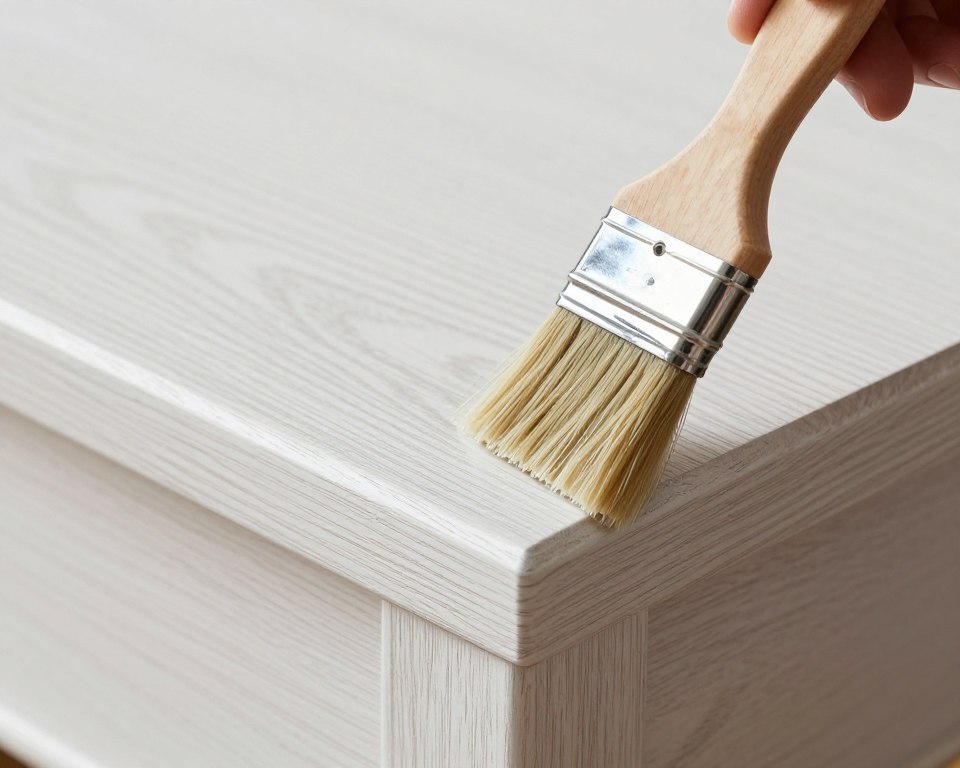
Penetrating sealers work better than surface coatings for most exterior applications. These products soak into materials and protect from within rather than creating a film that can peel.
Important: Always test sealants on inconspicuous areas first. Some products darken wood significantly or create shiny finishes that conflict with matte Scandinavian aesthetics. Allow test areas to dry completely before committing to entire surface treatment.
Budget Planning and Implementation Timeline
Creating your dream balcony doesn’t require unlimited funds. Strategic planning helps you allocate resources to areas with maximum visual and functional impact.
Prioritize elements that appear most frequently in your daily use. A comfortable chair matters more than decorative accessories if you spend hours reading outside.
Cost Breakdown by Category
Understanding typical price ranges helps you budget realistically. These estimates reflect quality materials suitable for the Scandinavian aesthetic we’ve discussed.
| Category | Budget Range | Mid-Range | Premium | Notes |
| White Oak Flooring | $300-600 | $600-1,200 | $1,200-2,500 | Per 100 sq ft installed |
| Stone Elements | $400-800 | $800-1,500 | $1,500-3,000 | Accent wall or flooring |
| Furniture Set | $300-600 | $600-1,200 | $1,200-2,500 | Table and seating for 2-4 |
| Lighting Package | $100-200 | $200-400 | $400-800 | Multiple fixtures installed |
| Plants and Planters | $150-300 | $300-600 | $600-1,200 | 6-10 containers with plants |
| Accessories | $100-250 | $250-500 | $500-1,000 | Cushions, rugs, decor items |
Phased Implementation Approach
Spreading your project over several months makes it more affordable. This approach also lets you live with early decisions before committing to later phases.
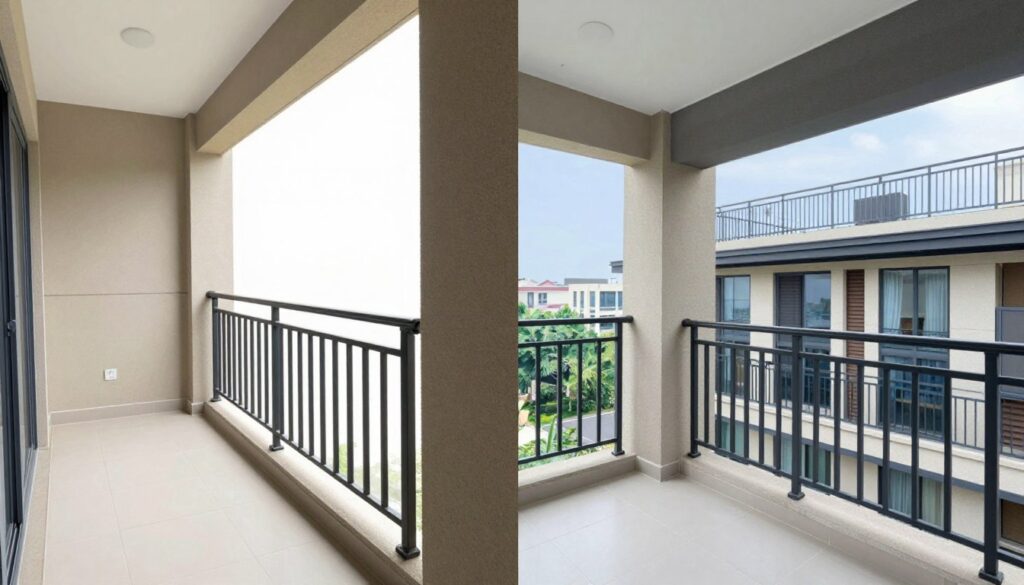
Phase 1: Foundation
Weeks 1-3
- Install flooring materials
- Add stone accent wall
- Apply protective sealants
Phase 2: Furniture
Weeks 4-6
- Purchase main seating pieces
- Add dining table and chairs
- Include storage solutions
Phase 3: Ambiance
Weeks 7-9
- Install lighting system
- Add plants and planters
- Include privacy screening
Phase 4: Finishing
Weeks 10-12
- Add textiles and cushions
- Include decorative accessories
- Fine-tune arrangements
Money Saving Strategies
Smart shopping extends your budget without compromising quality. Knowing where to splurge and where to save makes the difference.
- Buy flooring and stone during off-season sales when demand drops and suppliers discount inventory
- Purchase floor models or discontinued furniture styles at significant discounts from showrooms
- Start plants from seeds or cuttings rather than buying mature specimens at full retail prices
- DIY simple projects like planter construction or basic furniture assembly to save labor costs
- Shop online marketplaces for gently used outdoor furniture in good condition from upgrading homeowners
- Invest in quality basics like flooring and furniture while economizing on easily changed accessories
Maintenance and Long Term Care
Your balcony represents a significant investment in your living space. Proper maintenance protects that investment and keeps your outdoor area looking beautiful for years.
Different materials require specific care approaches. Understanding these needs prevents damage from inappropriate cleaning methods or products.
White Oak Care Specifics
Wood naturally expands and contracts with humidity changes. This movement is normal and doesn’t indicate problems if you’ve applied proper finishes.
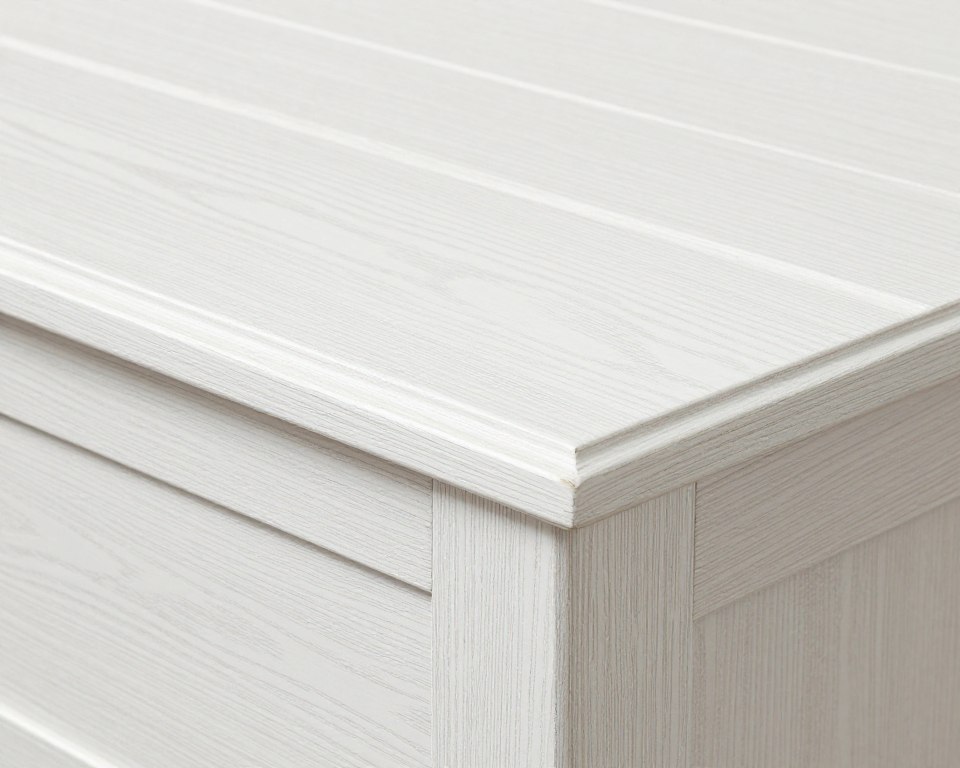
Clean oak surfaces with soft brushes or cloths to avoid scratching. Harsh scrubbing damages wood fibers and protective finishes unnecessarily.
Annual White Oak Maintenance
- Deep clean all oak surfaces in spring using wood-specific cleaner to remove winter grime buildup
- Sand any rough spots or minor damage using fine-grit sandpaper working with the wood grain direction
- Apply fresh protective coating according to product instructions allowing proper drying time between coats
- Inspect furniture joints and hardware for loosening and tighten or repair as needed before heavy use
- Store removable oak pieces indoors during harshest weather months if space allows for maximum protection
Stone Surface Care
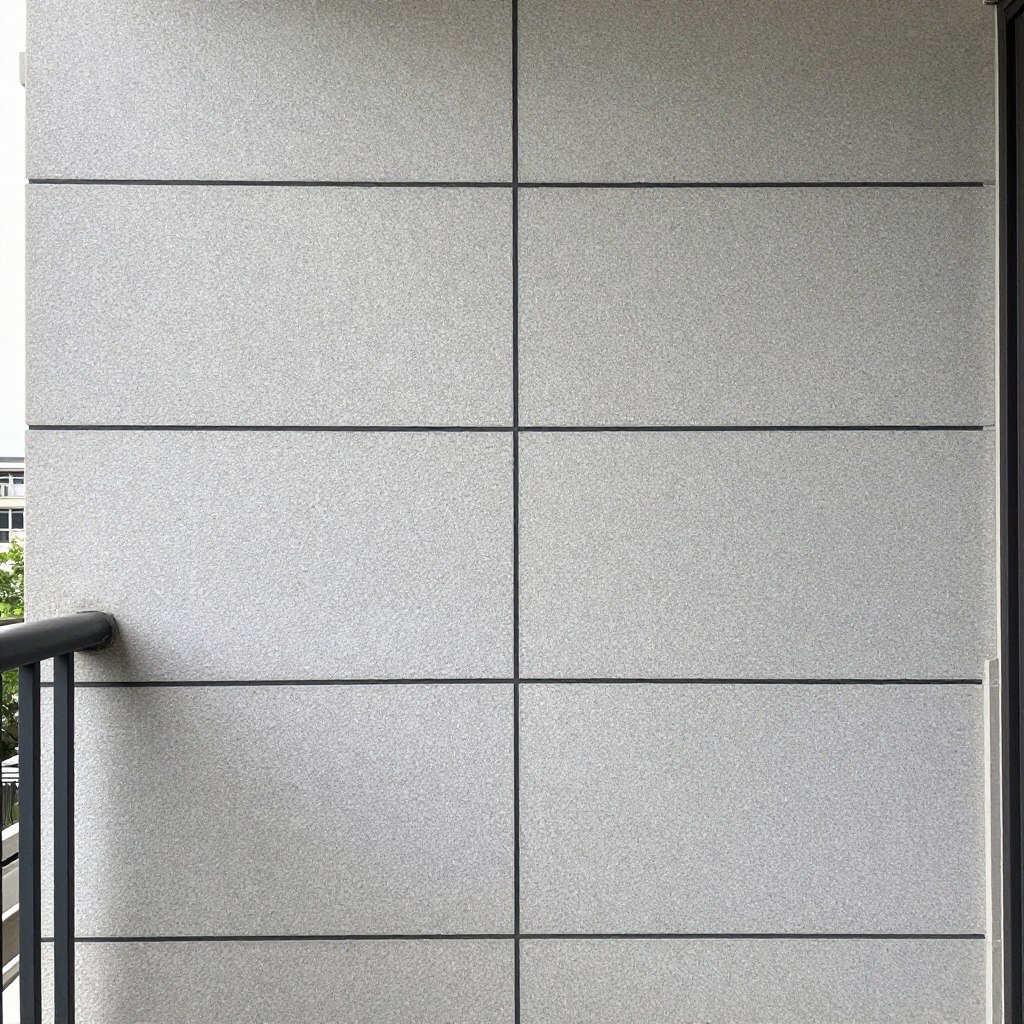
Stone appears indestructible but requires regular attention to maintain its beauty. Neglected stone develops stains that become increasingly difficult to remove.
Stone Cleaning Methods
Use pH-neutral cleaners designed specifically for stone. Acidic or alkaline products can etch or discolor natural stone surfaces over time.
- Sweep or vacuum regularly to remove abrasive dirt particles
- Mop with stone cleaner diluted per manufacturer directions
- Blot spills immediately to prevent staining absorption
- Avoid vinegar, lemon juice, or other acidic household cleaners
- Rinse thoroughly after cleaning to remove all product residue
Textile and Cushion Care
Fabrics fade and deteriorate faster than hard materials. Rotating cushions and removing them during bad weather significantly extends their usable life.
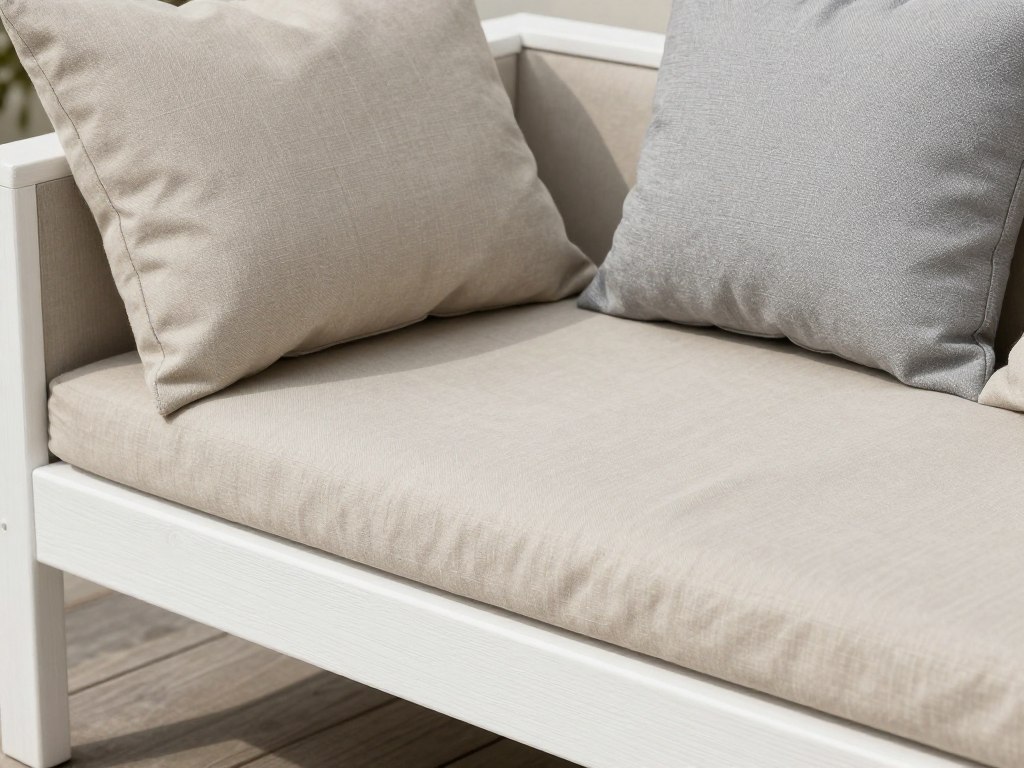
Wash removable covers according to care labels before stains set permanently. Most outdoor fabrics tolerate machine washing on gentle cycles.
Seasonal Preparation Tasks
Preparing your balcony for seasonal changes prevents weather damage. These tasks take minimal time but provide maximum protection.
Spring Preparation
- Remove covers and inspect for winter damage
- Clean all surfaces thoroughly after winter
- Refresh sealants and protective coatings
- Plant new seasonal flowers and herbs
- Check and repair lighting systems
Summer Maintenance
- Water plants more frequently in heat
- Provide shade during extreme temperatures
- Clean furniture regularly to remove pollen
- Inspect for pest infestations in plants
- Adjust lighting for longer evening use
Fall/Winter Prep
- Apply protective coatings before cold weather
- Store cushions and removable textiles indoors
- Cover furniture or move pieces to storage
- Drain and store planters if freezing occurs
- Clear debris from drainage areas
Troubleshooting Common Issues
Even well-maintained balconies encounter occasional problems. Knowing how to address common issues saves time and prevents minor concerns from becoming major headaches.
Many problems have simple solutions if you catch them early. Regular inspections help you spot issues before they cause significant damage.
Wood Problems and Solutions
White oak weathers naturally over time. Some changes are cosmetic, while others require intervention to prevent structural damage.
| Problem | Cause | Solution | Prevention |
| Gray weathering | UV exposure without finish | Sand lightly and apply new finish | Maintain protective coatings annually |
| Warping boards | Moisture absorption unevenly | Replace affected boards if severe | Seal all surfaces including edges |
| Splitting or cracking | Extreme temperature changes | Fill cracks with wood filler and refinish | Allow for expansion gaps during installation |
| Mold growth | Persistent moisture without air circulation | Clean with mold remover and improve drainage | Ensure good air flow and prompt drying |
| Loose joints | Hardware loosening from wood movement | Tighten fasteners or replace if stripped | Check quarterly and tighten as needed |
Stone Issues and Fixes
Stone maintenance problems usually involve staining or surface degradation. Quick action prevents permanent damage in most cases.

How do I remove water stains from stone?
Water stains typically indicate mineral deposits left behind as water evaporates. Create a poultice using baking soda and water to form a paste. Spread this over the stain, cover with plastic wrap, and let it sit for 24 hours. The poultice draws out the minerals as it dries. Rinse thoroughly and reseal the area to prevent recurrence.
Why is my stone changing color?
Color changes in stone usually result from moisture trapped beneath the surface or degraded sealer. Test if the stone is properly sealed by placing a few drops of water on the surface. If water soaks in rather than beading up, the sealer has failed. Clean the stone thoroughly, allow it to dry completely for several days, then apply a fresh penetrating sealer according to product directions.
Can I repair chipped stone myself?
Small chips and minor damage are repairable using stone epoxy in a matching colour. Clean the damaged area thoroughly and let it dry completely. Mix the epoxy according to instructions and apply it to fill the chip, slightly overfilling the void. After it cures, sand smooth and apply sealer to blend with surrounding stone. Large or structural damage requires professional stone restoration.
Plant and Garden Concerns
Container plants face unique challenges compared to ground-planted specimens. Limited root space and exposure to elements stress plants more than traditional gardens.
Common Plant Problems
- Yellowing leaves from overwatering or nutrient deficiency
- Wilting despite moist soil indicates root damage or disease
- Leggy growth from insufficient light exposure reaching plant
- Pest infestations spreading quickly in container environments
- Root-bound plants showing stunted growth and frequent wilting
Quick Fixes
- Adjust watering schedule based on weather and plant response
- Fertilize according to plant type and growing season
- Relocate plants to areas with appropriate light levels
- Treat pests promptly with appropriate organic or chemical controls
- Repot root-bound plants into larger containers with fresh soil
Final Design Tips for a Cohesive Look
Creating a balanced, attractive balcony requires attention to small details. These finishing touches transform a collection of nice pieces into a cohesive design.
Step back regularly during your design process. Taking photos helps you see your space objectively and identify areas needing adjustment.
The Rule of Three
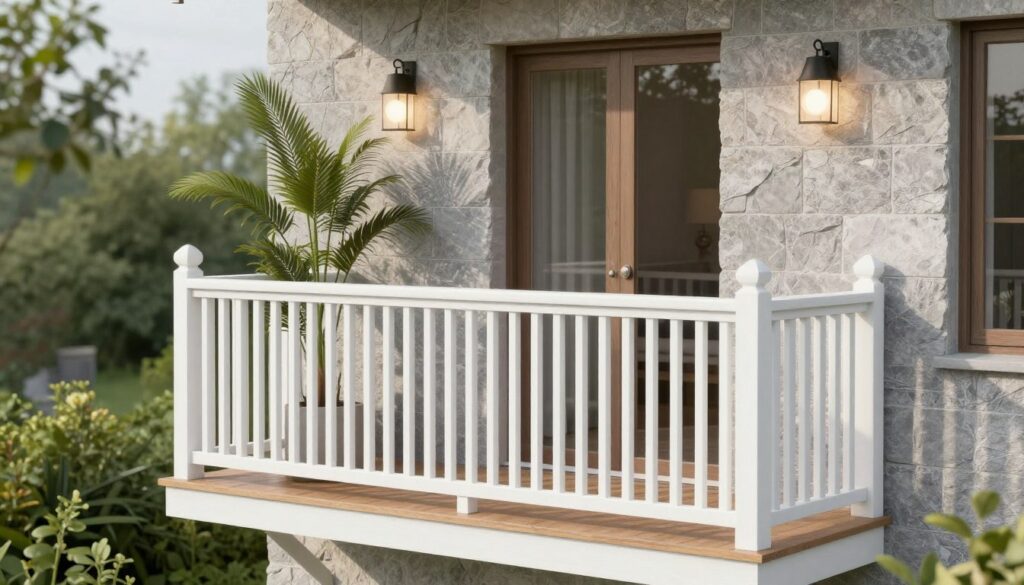
Designers often work in odd numbers when arranging elements. Three of something creates more visual interest than two or four identical items.
Apply this principle to plants, cushions, lighting fixtures, and decorative objects. The asymmetry feels more natural and less forced than even groupings.
Balancing Scale and Proportion
Every element on your balcony should relate appropriately to other pieces. Oversized furniture overwhelms small spaces, while tiny accessories disappear in larger areas.
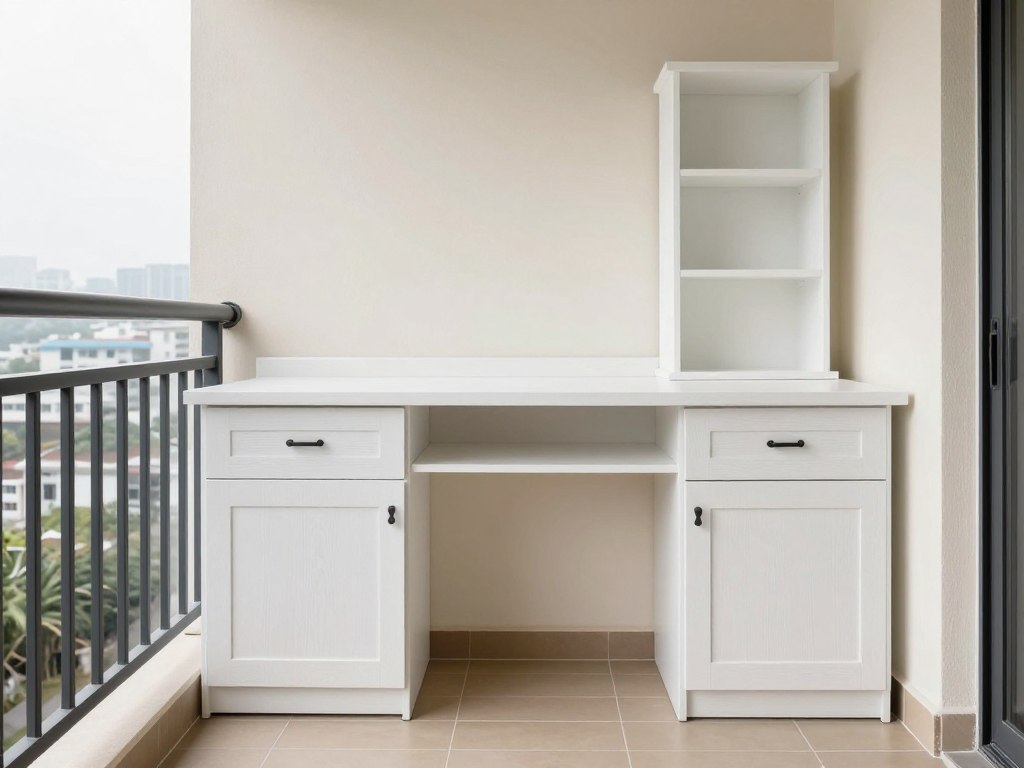
- Match furniture size to your balcony dimensions leaving adequate circulation space between pieces
- Choose planters that complement rather than dwarf the plants they contain for visual harmony
- Select lighting fixtures proportional to the areas they illuminate without overwhelming sight lines
- Use accessories sized appropriately for the surface they occupy rather than too small or large
- Maintain consistent scale across similar items like multiple chairs or coordinating planters throughout
Creating Visual Flow
Your eye should move naturally through the space without jarring stops. Color repetition and material consistency help achieve this smooth visual journey.
Place your strongest visual element at a focal point where eyes naturally land. This might be a beautiful plant grouping, stone accent wall, or attractive furniture arrangement.
Flow Techniques
Leading lines draw attention through your balcony. The grain direction in wood decking or pattern in stone placement creates natural paths for the eye to follow.
Repeat your accent colour in three different locations. This creates rhythm that ties disparate elements together visually.
Editing Your Design
The most sophisticated spaces often result from removing elements rather than adding more. When in doubt, take something away rather than including it.
Less clutter allows your beautiful materials and carefully selected furniture to shine. The Scandinavian aesthetic particularly values empty space as a design element itself.
Design Test: Remove one item from your balcony every few weeks. If you don’t miss it after a month, that piece wasn’t serving your space well. Store or donate items that fail this test to maintain visual clarity and prevent clutter accumulation.
Bringing Your Modern Balcony Design to Life
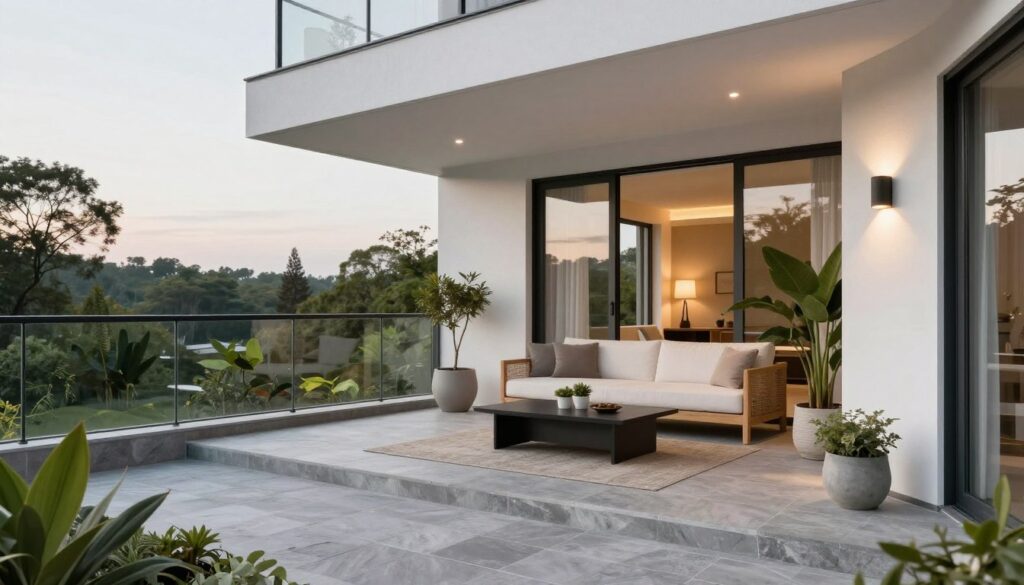
Your balcony transformation starts with understanding how white oak and stone work together. These materials create the foundation for authentic Scandinavian design.
The principles covered in this guide give you a roadmap for creating beautiful outdoor space. Focus on quality materials, thoughtful arrangement, and regular maintenance.
Remember that great design evolves over time. Allow yourself room to adjust and refine as you live with your space.
Start with the basics and build gradually. Your balcony will become the peaceful retreat you envision through careful planning and attention to detail.
Start Your Balcony Transformation Today
Our design team specializes in modern Scandinavian balcony projects. We’ll help you select materials, create detailed plans, and connect you with quality suppliers. Schedule your free consultation to discuss your white oak and stone balcony vision.