

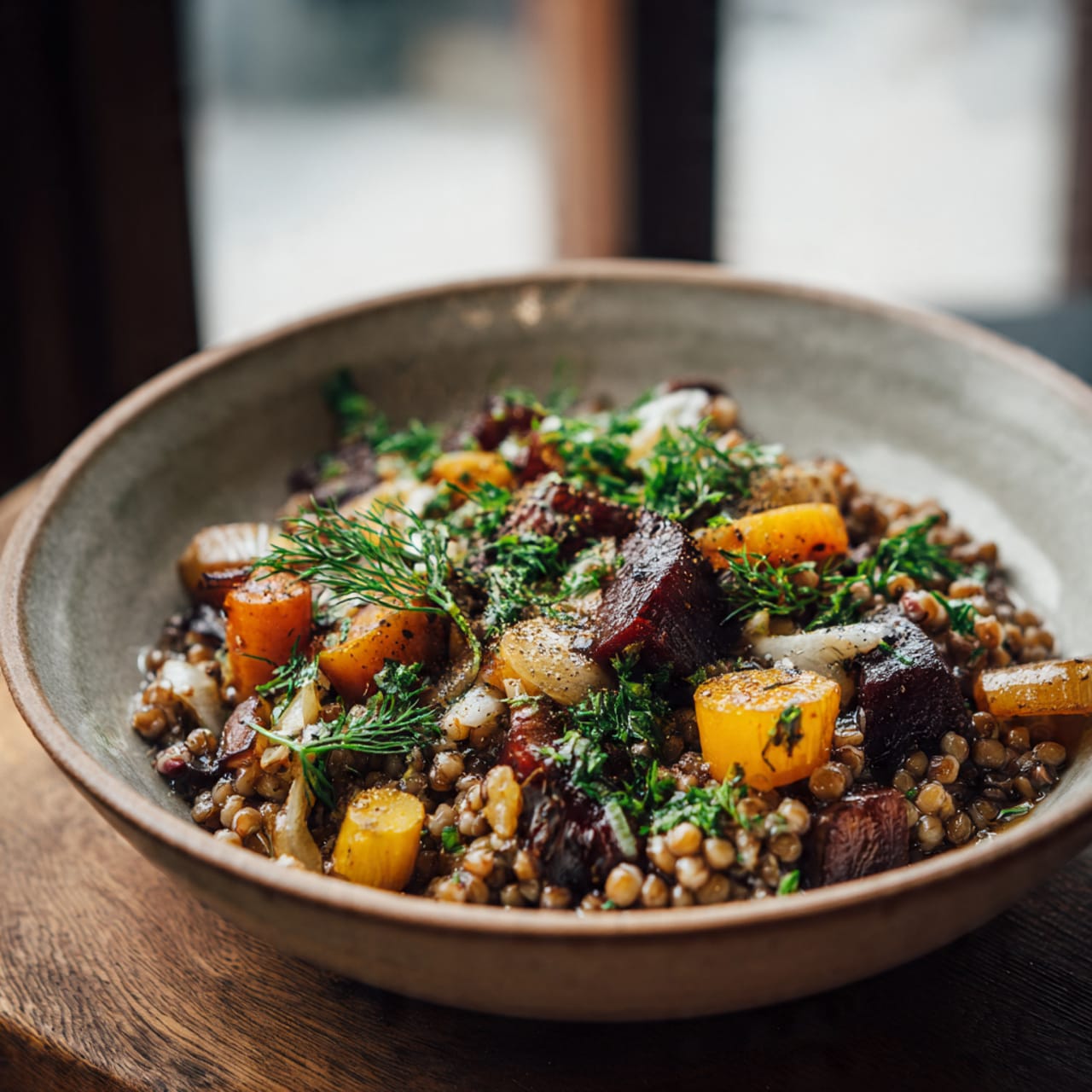
If you have grown accustomed to South American Quinoa or Asian Brown Rice, it is time to meet the “Silent Giant” of Eastern Europe: Buckwheat (Kasha). In lands where winters are long and unforgiving, Buckwheat is more than just sustenance; it is a symbol of survival and fierce vitality.
Why would someone who pursues the highest standards of living, like myself, be so enamored with this rugged looking grain? Because Buckwheat represents a new philosophy of luxury: The more original, the more powerful. When you savor a bowl of Eastern European Buckwheat slow cooked with root vegetables, you aren’t just eating you are absorbing the essence of the earth, the wind, and an unyielding spirit.
1. Nutritional Value: The Perfect Shield for Your Cells
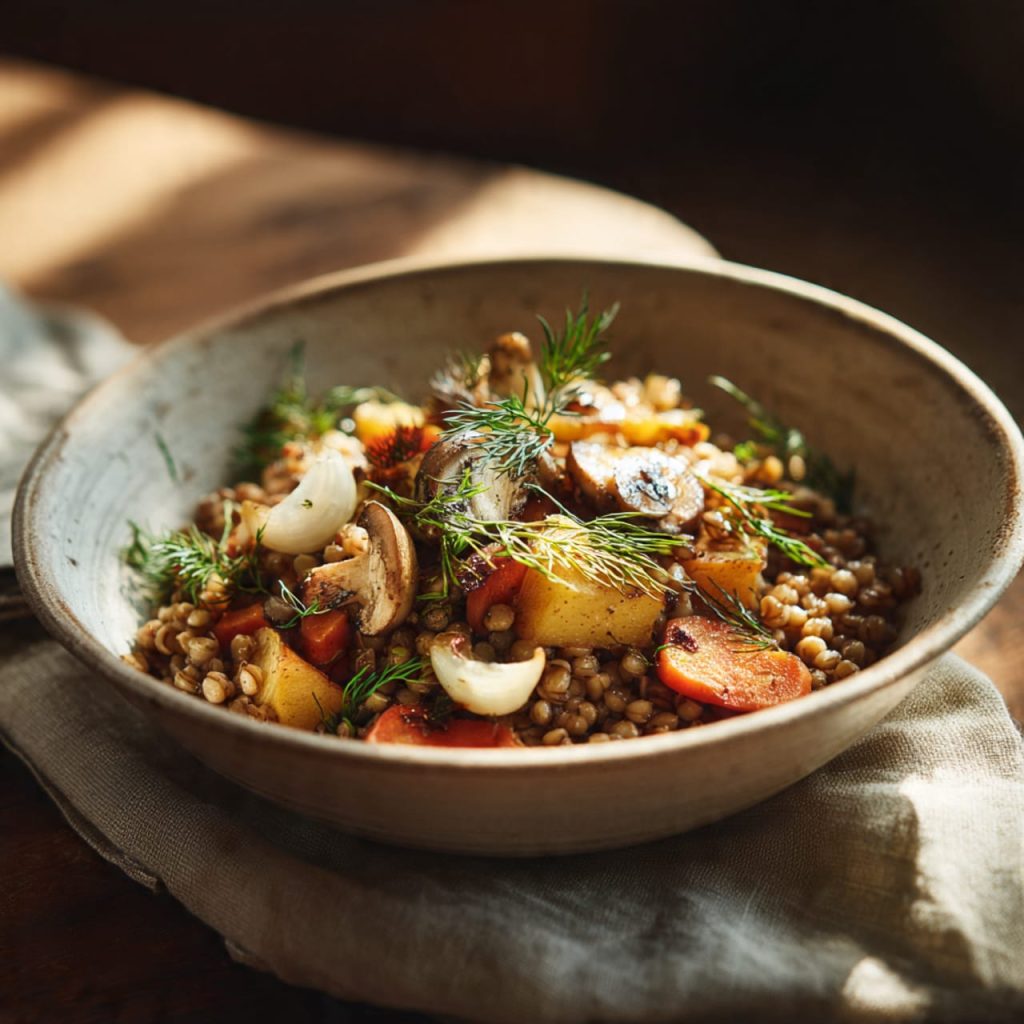
Do not let the name “Buckwheat” deceive you; it is entirely unrelated to wheat. It is a “pseudo cereal” a fruit seed that carries values that astonish modern medicine:
-
Complete Protein Source: Buckwheat contains all 9 essential amino acids that the body cannot synthesize on its own. It is “solid gold” for those on a plant based journey.
-
Rutin The Vascular Guardian: Few grains are as rich in Rutin as Buckwheat. This phytonutrient strengthens blood vessel walls, prevents hypertension, and provides ultimate cardiovascular protection.
-
Exceptionally Low GI: Energy from Buckwheat is released slowly, maintaining a state of mental clarity and alertness for hours without the “sugar crash” or fatigue.
-
Rare Minerals: Magnesium, Copper, Manganese, and Phosphorus within the grain help regenerate the skeletal system and support the nervous system under high-pressure environments.
2. The Material Selection: Finding the “Soul” of the Earth
2.1. The Buckwheat Choosing the Color of Sunlight
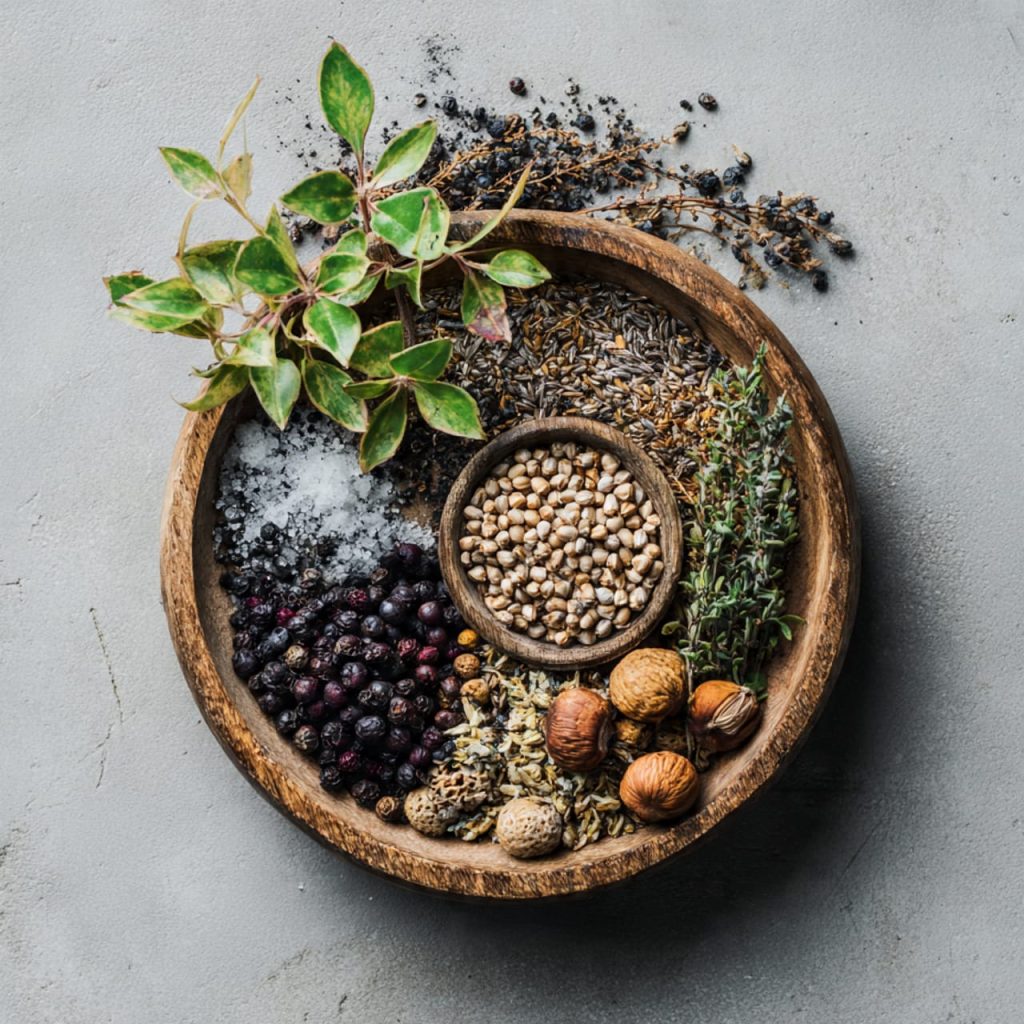
Select Roasted Buckwheat (Kasha) with a deep amber-brown hue. The light roasting process awakens its signature nutty flavor and ensures the grains remain distinct and fluffy after cooking, rather than turning into mush.
2.2. The Vegetables A Palette of Freshness
The traditional Eastern European style demands onions, carrots, and mushrooms. To elevate the dish, I choose Dried Porcini Mushrooms for their deep forest umami and Beetroot to create a magnificent color profile and earthy sweetness.
2.3. Plant-Based Butter and Herbs
High quality plant butter and Fresh Dill. In Eastern European cuisine, dill is not just a garnish; it is the breath of the dish, providing a sophisticated, airy finish.
3. The Master Ritual: A Detailed Guide to Crafting the Perfect Kasha
To master Buckwheat, you must treat it with the precision of a jeweler. Follow these steps to transform dry seeds into “Amber Pearls.”
Step 1: The “Dry Toasting” Technique (The Maillard Reaction)
Before adding any liquid, place your dry buckwheat groats into a heavy-bottomed pot or a cast-iron skillet.
-
Heat the pan over medium heat. Stir the dry grains for 3-5 minutes.
-
The Goal: You are looking for a deep, toasted aroma reminiscent of freshly baked bread.
-
The Secret: Add a table spoon of extra virgin olive oil or plant butter. Stir until every grain is shimmering and coated. This “seals” the starch, ensuring each grain stays separate and “al dente” later.
Step 2: Building the Umami Base (Soffritto & Mushrooms)
In a separate pan, sauté finely diced onions and carrots in olive oil with a pinch of sea salt.
-
Add sliced mushrooms (and your rehydrated Porcinis). Sauté until the mushrooms release their moisture and turn a deep caramel brown.
-
Add diced beet root at this stage if you want the grains to take on a royal purple tint.
-
Stir in minced garlic and a sprig of fresh thyme, but only for 30 seconds to prevent burning.
Step 3: The Infusion and The “No Stir” Rule
Combine the toasted buckwheat with the sautéed vegetable base.
-
Pour in hot vegetable broth (the ratio is strictly 1 part grain to 2 parts liquid).
-
Bring to a gentle simmer. Once it simmers, put the lid on and do not touch it.
-
Reduce the heat to the absolute lowest setting. Stirring at this point will break the grains and make them gummy. Let the steam do the work.
Step 4: The Absorption and The “Steam Rest”
Cook for exactly 12–15 minutes. Once the liquid is fully absorbed, turn off the heat.
-
The Crucial Step: Keep the lid closed for another 5–10 minutes. This “resting phase” allows the steam to finish cooking the heart of the grain, resulting in a fluffy, light texture.
Step 5: The Resurrection
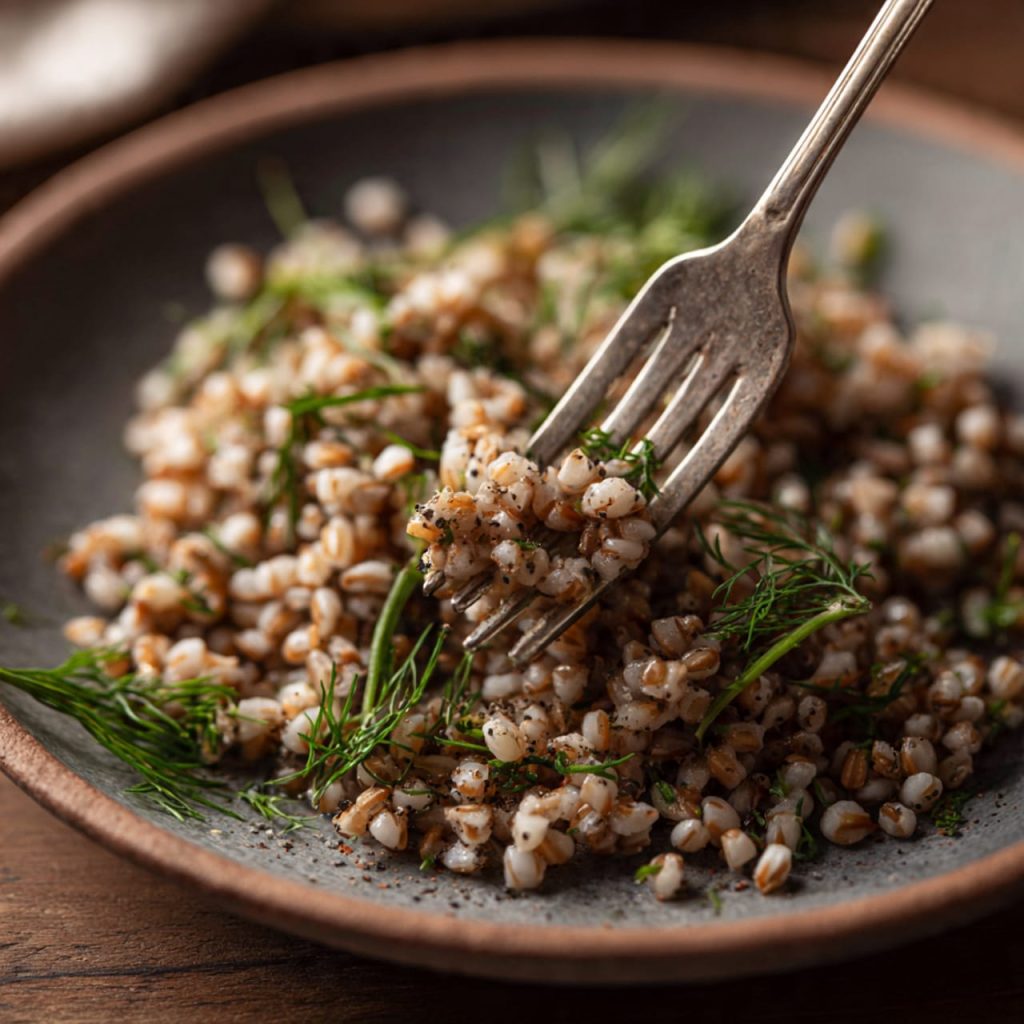
Open the lid. Use a fork to gently “fluff” the grains never use a spoon. Toss in a generous handful of chopped fresh dill, a squeeze of lemon juice, and a final crack of black pepper. The dish should look like a pile of glistening jewels.
4. Frequently Asked Questions (FAQ)
Why does my buckwheat taste bitter?
Buckwheat has a naturally strong, earthy profile. To mellow it out, rinse the raw grains in cold water before toasting. Also, caramelizing your onions deeply will provide a sweetness that perfectly counters the natural bitterness.
Can I use a rice cooker?
Yes! Use the “Brown Rice” or “Grains” setting. However, for the best results, always perform the “dry toasting” in a pan first before transferring the grains to the rice cooker.
Is Buckwheat truly Gluten Free?
Despite the word “wheat” in its name, it is a seed from a flowering plant related to rhubarb. It is 100% Gluten Free, making it a top tier choice for those with Celiac disease or gluten sensitivities.
How do I store leftovers?
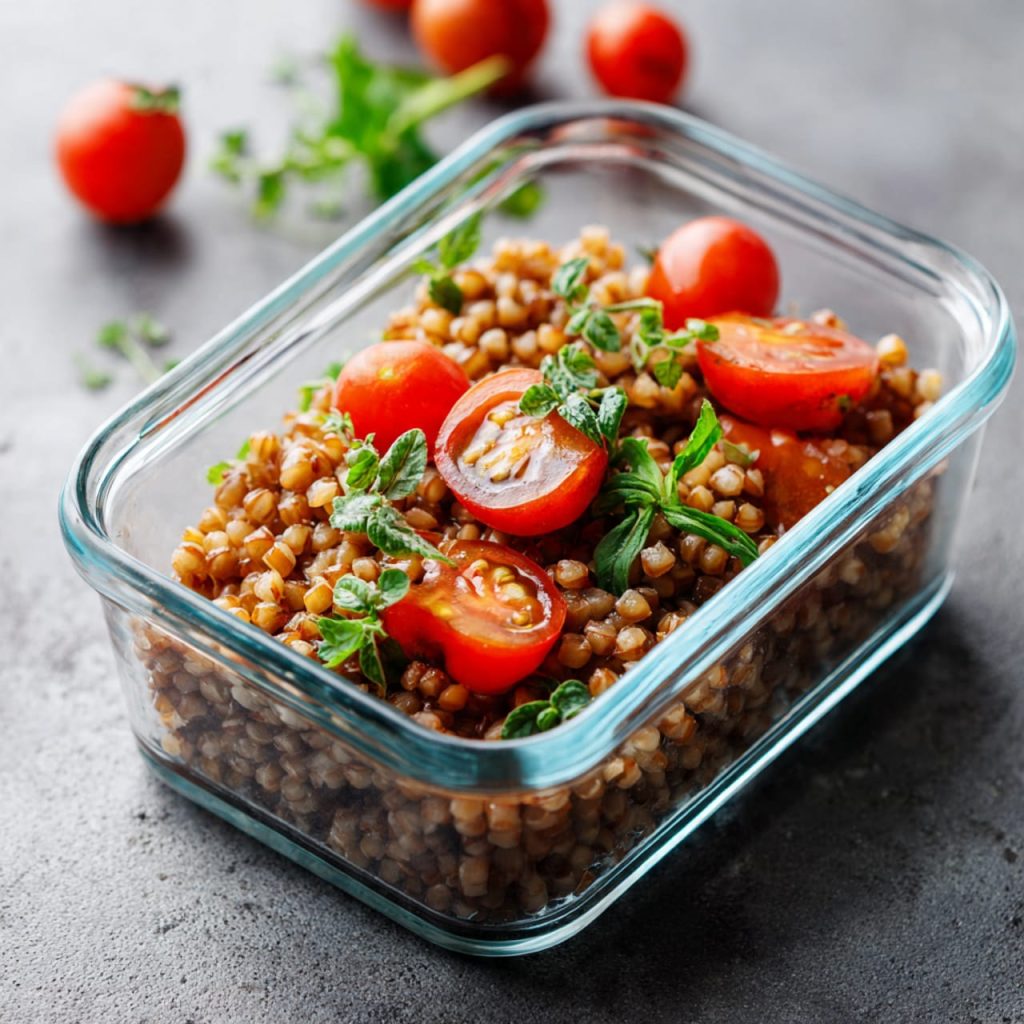
Kasha stores beautifully. Keep it in a glass container for up to 4 days. It actually makes a fantastic cold salad the next day just add some cherry tomatoes and a balsamic glaze.
5. Tasting: Touching the Spirit of the Steppe
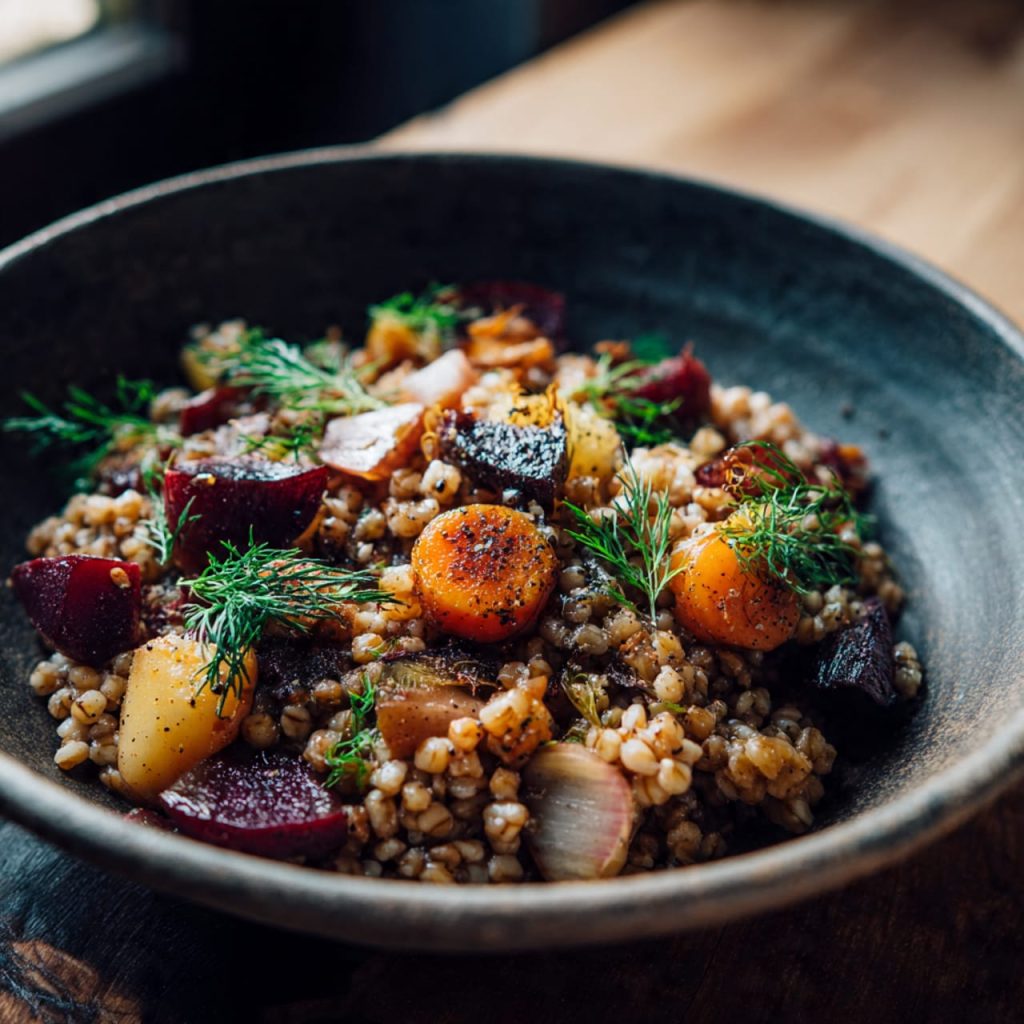
Serve your Buckwheat on a handcrafted ceramic or wooden plate to honor its roots.
-
The Sensation: Each grain is plump and separate, dissolving on the tongue with a nutty richness, followed by the sweetness of caramelized vegetables and the refreshing lift of dill.
-
The Mindset: Every bite is a connection to the resilience of the earth. You will feel a warm, steady energy flowing through you a strength that doesn’t need to shout to be felt.
Closing Thoughts
Cooking Eastern European Buckwheat is more than just filling your stomach; it is a conscious choice to align yourself with enduring values in a volatile world. When you reject ultra-processed convenience to meticulously nurture these ancient groats, you are asserting a lifestyle: deeper, more refined, and more resilient.
The strength of a true leader does not lie in outward flashiness, but in the mindfulness of every small choice made for oneself. Let this warm bowl of grains be your source of quiet power, anchoring you as you conquer new heights. Do not just eat to survive; eat to master your own destiny.