

Sleep is essential for our daily lives. The place where we sleep greatly affects its quality. The bedroom environment is key for a good night’s rest, and often, the wall color is overlooked.
Studies reveal that certain colors can deeply affect our sleep. The right color can help us relax, lower stress, and enhance sleep quality.
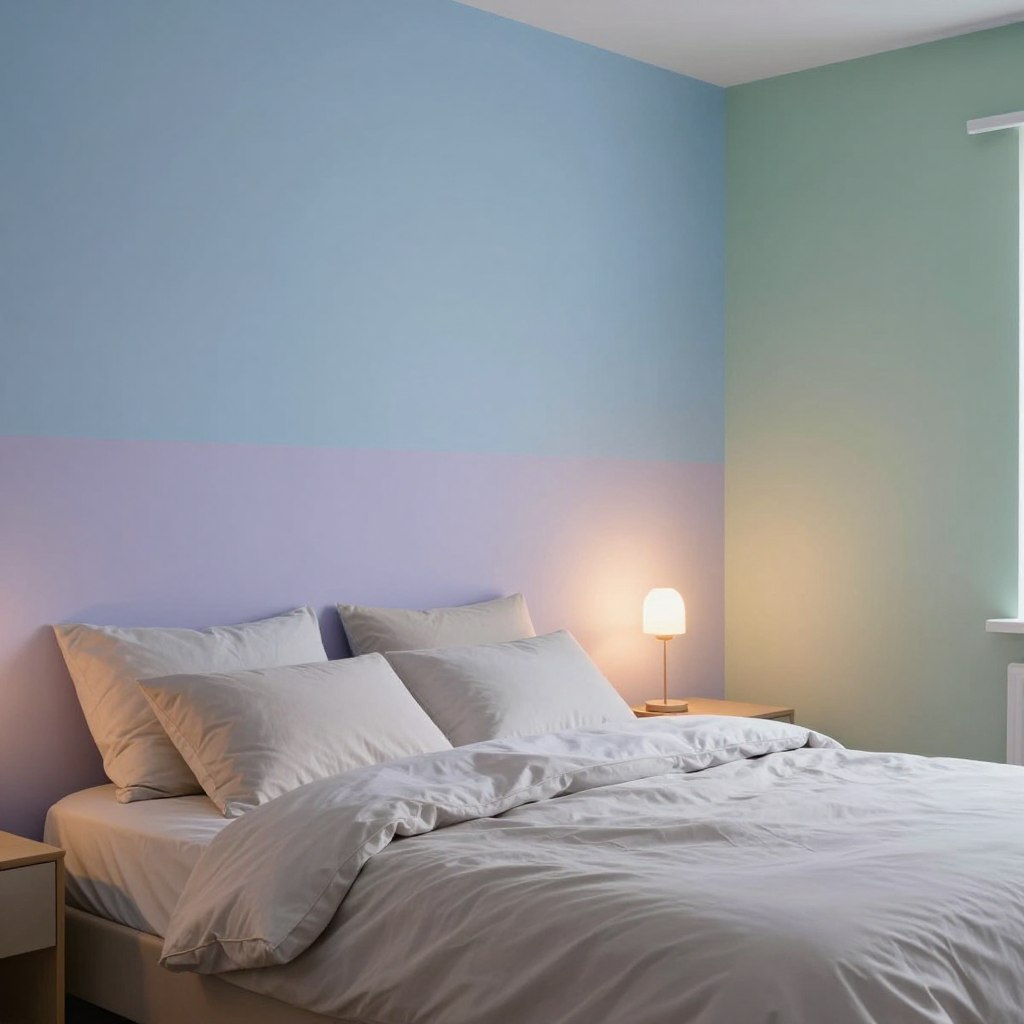
Finding the best paint colors for your bedroom can seem hard. But, with the right advice, you can make your bedroom sleep-friendly. Let’s look at six science backed colors that can improve your sleep.
The Science Behind Bedroom Paint Colors and Sleep Quality
Colors in the bedroom can greatly impact sleep quality. Studies show that some colors help relax, lower stress, and enhance sleep. Sleep friendly bedroom colors create a calm atmosphere, helping you fall and stay asleep.
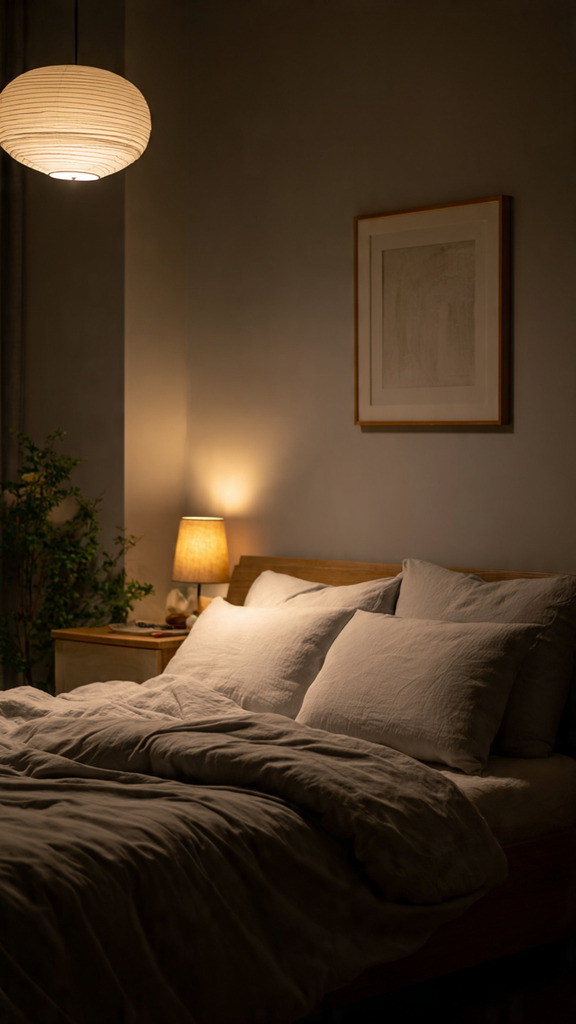
Color psychology is a field that studies how colors affect our emotions and actions. It shows that different colors can change our mood, heart rate, and hormone levels. For example, reds and oranges can be energizing, while blues and violets calm us down.
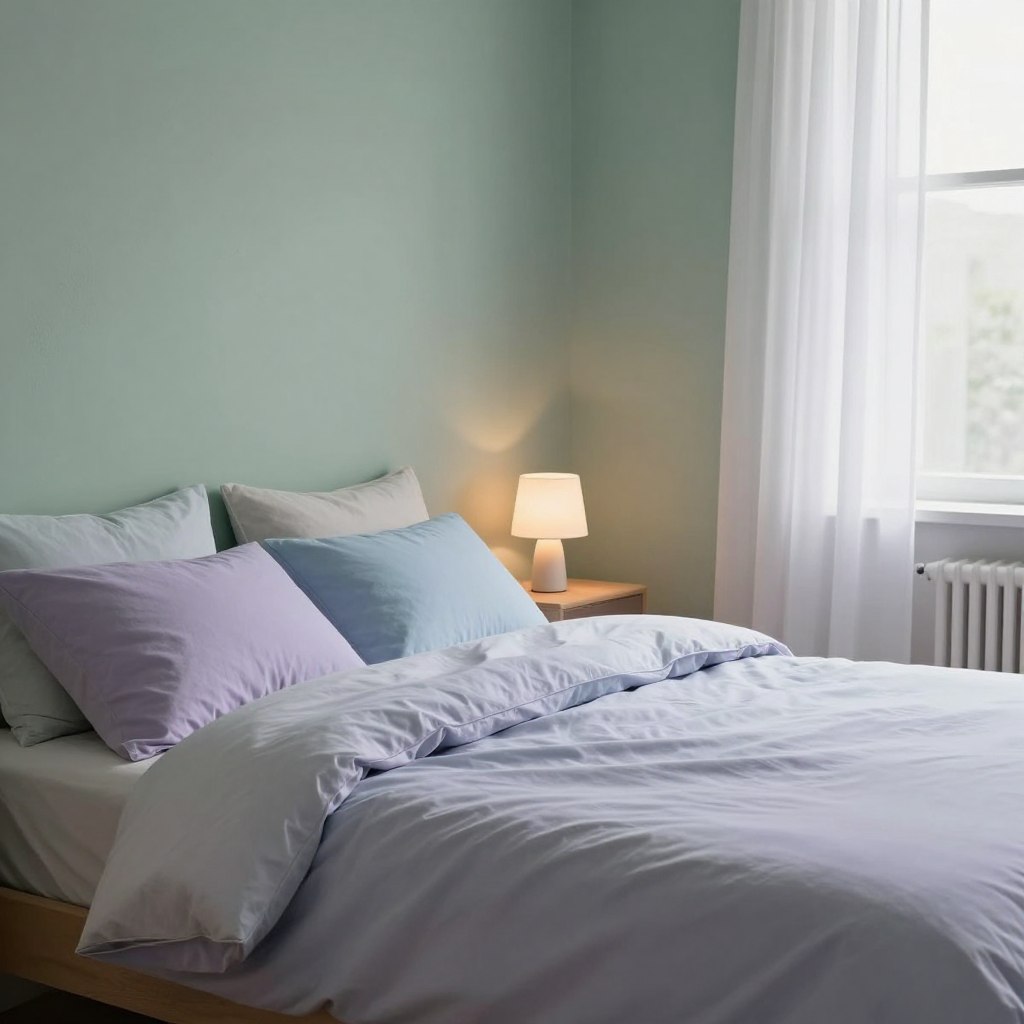
Choosing the right top colors to promote relaxation in the bedroom is key. The right colors can make your bedroom a better place to sleep. For more tips on creating a relaxing bedroom, check out this article on modern bedroom furniture. It talks about design elements that go well with sleep friendly colors.
1. Blue: The Premier Sleep Inducing Color
Blue is great for bedrooms because it helps you sleep better. Our eyes love blue, thinking of a clear sky and calm places. This makes blue perfect for a peaceful bedroom.
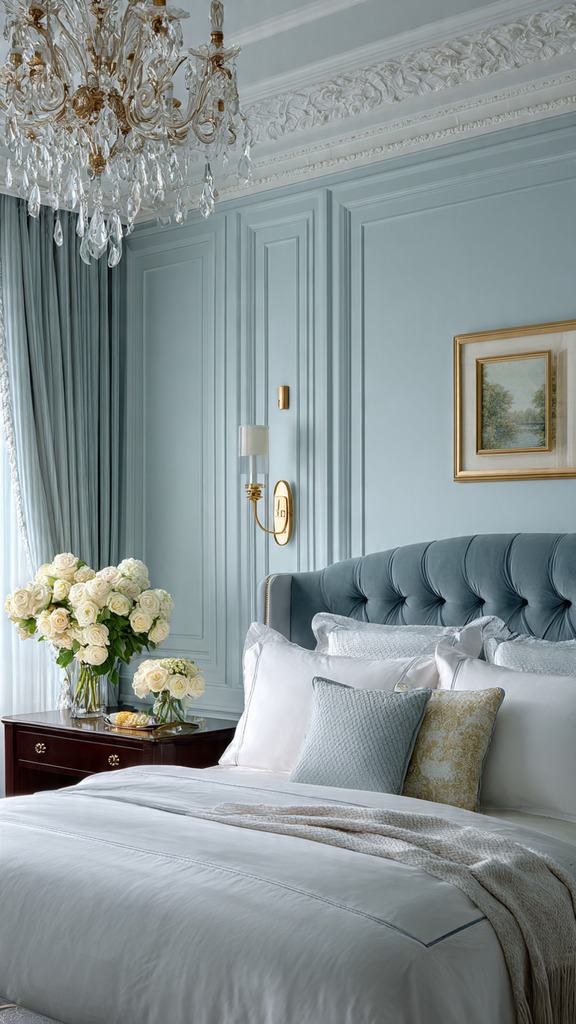
Blue can lower heart rates and reduce stress, helping you fall asleep. It works by calming the brain, fighting off stress.
Light Blue vs. Dark Blue
The blue shade in your bedroom matters a lot. Light blue brings a sense of openness and calm. Dark blue makes your room cozy and safe.
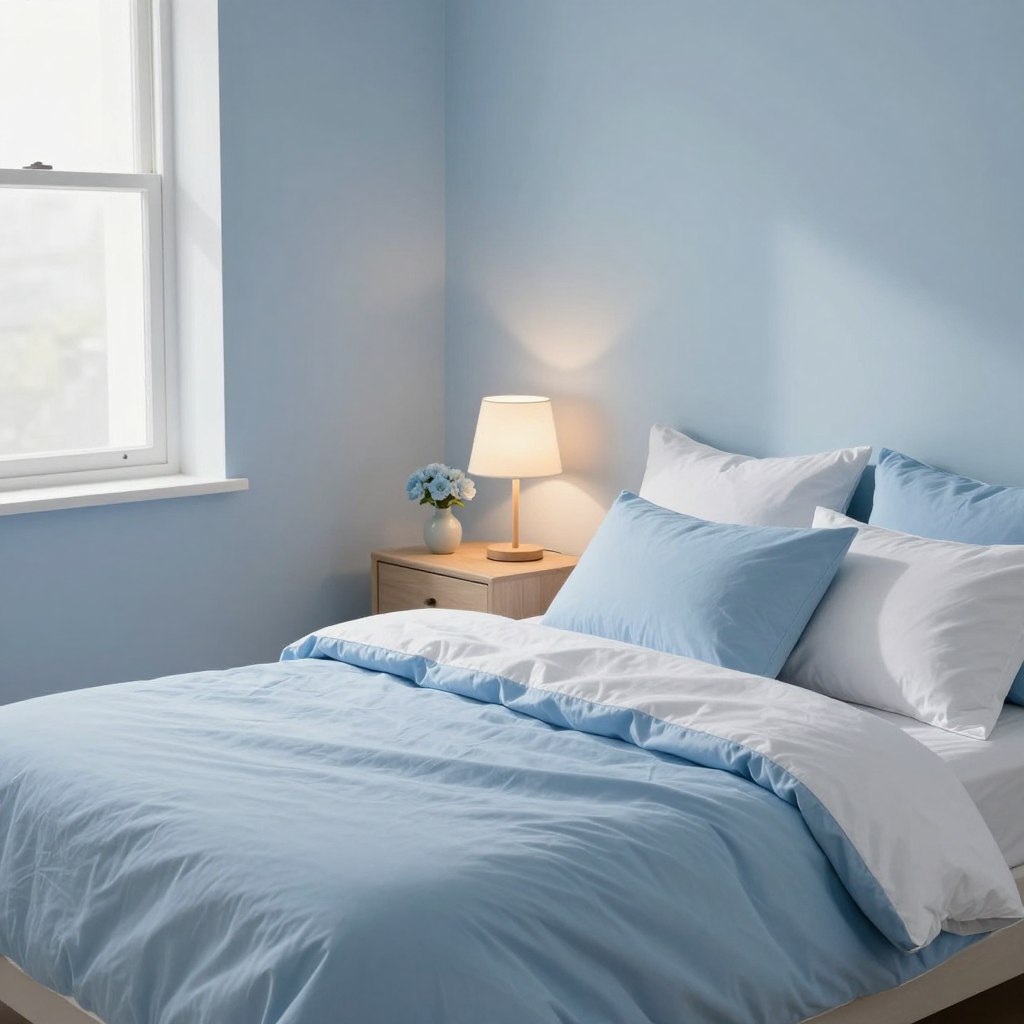
Choosing between light and dark blue depends on what you want your room to feel like. Light blue is good for a calm, airy feel. Dark blue is better for a cozy, snug space.
Finding the right blue for your room is all about what you like and your room’s design. Try out different blues to see which works best for peaceful sleep.
2. Green: Nature’s Calming Influence
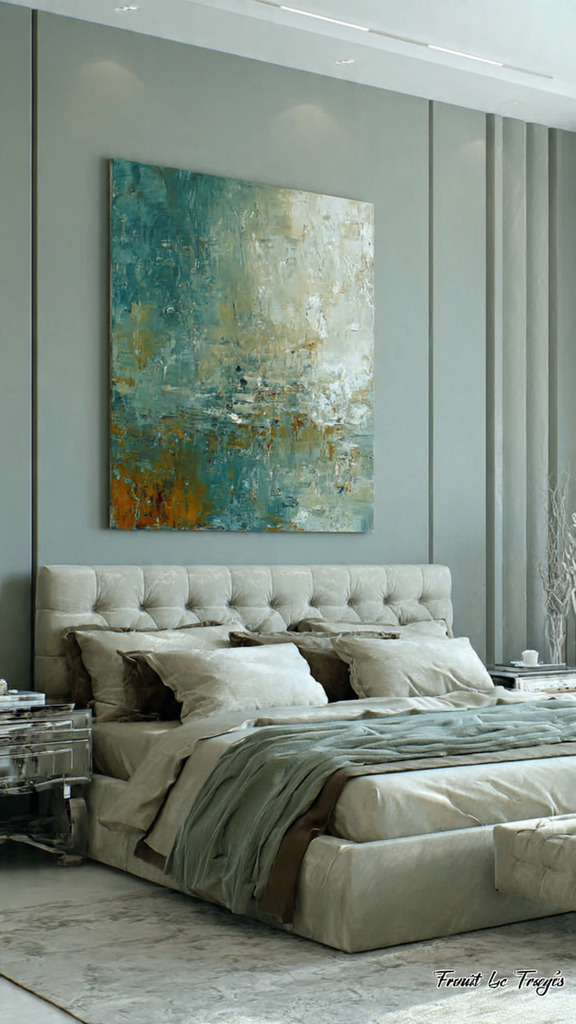
Green is a top choice for bedroom walls because it calms the mind and body. It has a soothing effect, perfect for improving sleep quality.
Soft mint and sage greens are great for a peaceful room. They relax without being too strong, helping you sleep well.
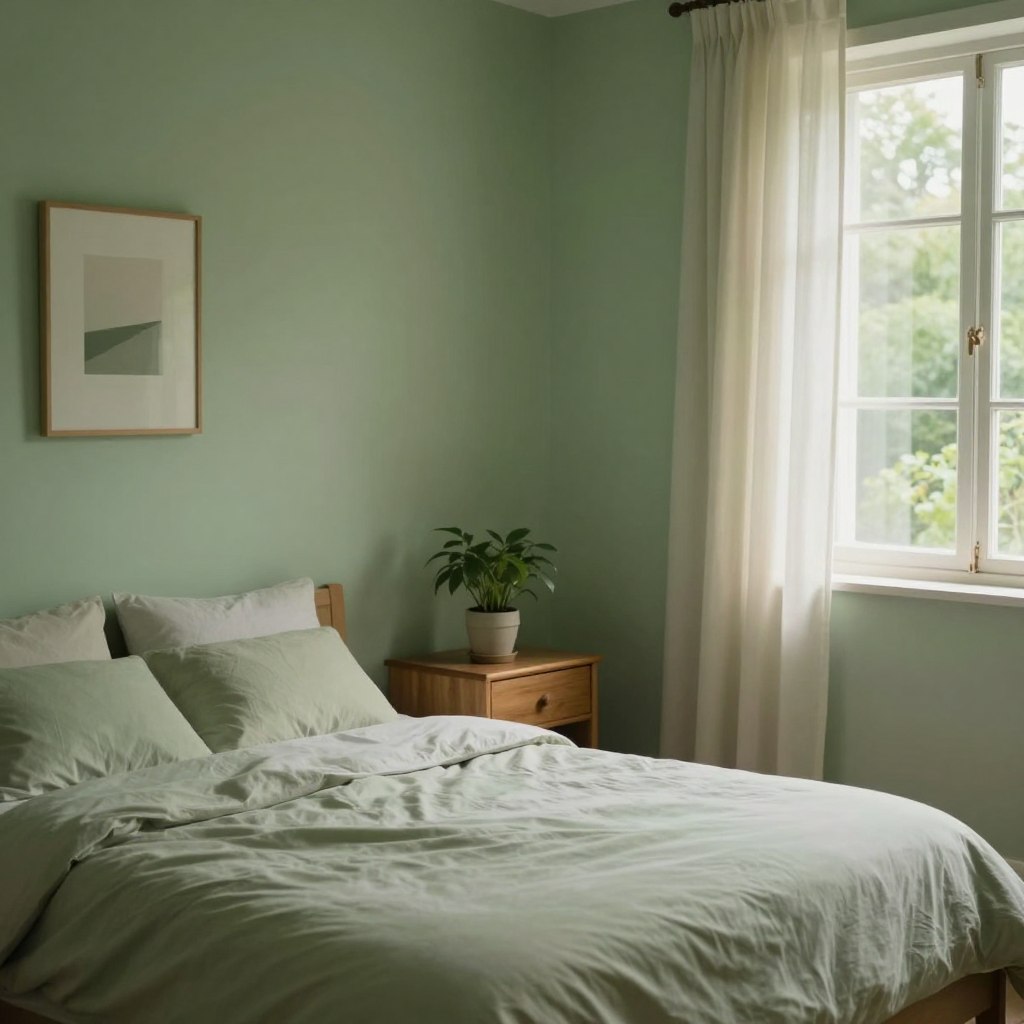
Studies show green can lower stress and boost mood. It connects us to nature, balancing our feelings. Green in your bedroom makes it calm, helping you sleep better.
To get the most out of green, pair it with neutral furniture and decor. Green’s calming effect grows with plants or natural elements in your room. This creates a peaceful space for rest.
3. Soft Gray: The Neutral Sleep Enhancer
Soft gray is a standout among bedroom paint colors. It’s neutral and calming, making it perfect for sleep. This color is not only beautiful but also helps create a peaceful sleep space. Soft gray walls reduce visual stimulation, helping you relax and sleep better.
Soft gray is an ideal bedroom color because it keeps the atmosphere calm. It works well with many decorating styles, from modern to traditional. If you have a small bedroom, soft gray can make it feel bigger and more peaceful. Check out Simply Jang’s small bedroom decorating guide for more ideas.
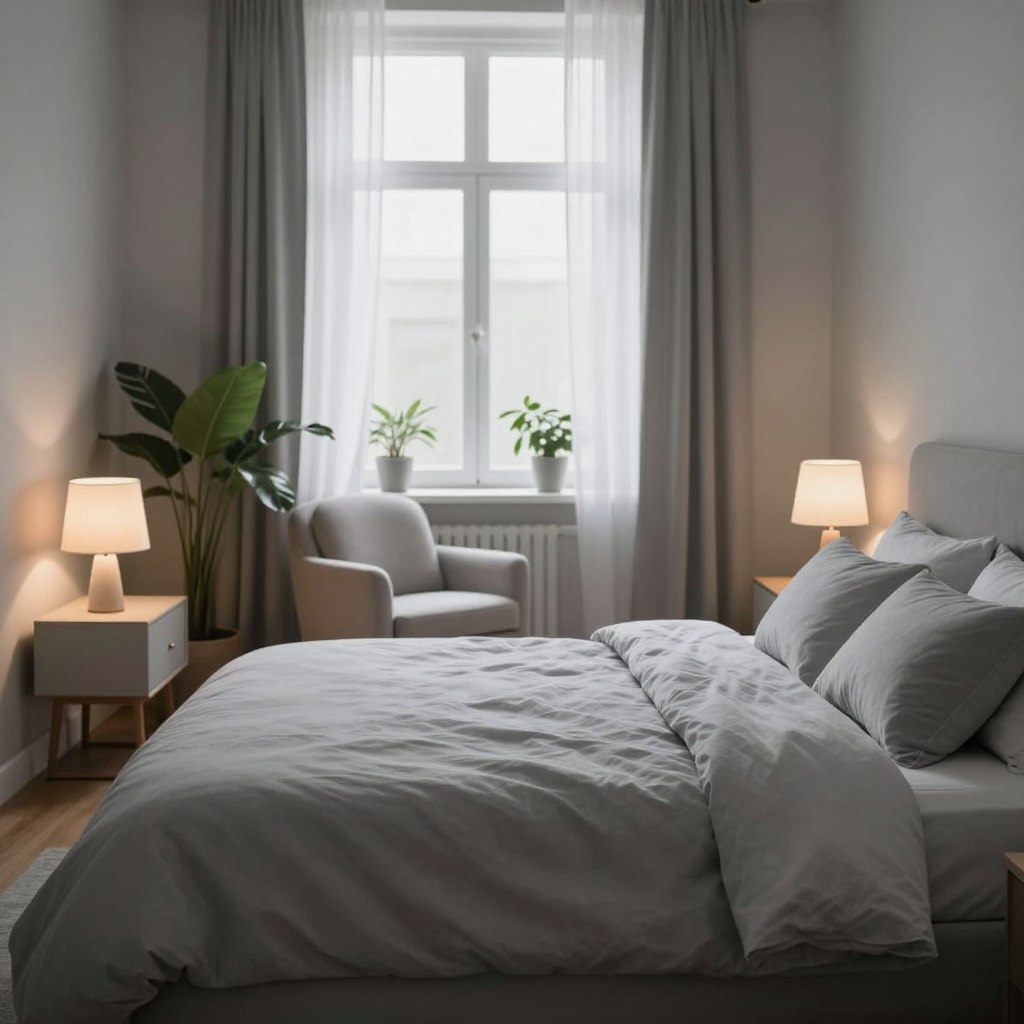
Soft gray balances the bedroom’s feel, avoiding cold or warm extremes. This balance is key for good sleep. Choosing soft gray for your bedroom paint means you’re choosing a sleep enhancing property that can improve your sleep quality.
Adding soft gray to your bedroom design is a simple way to better your sleep. It’s a straightforward method to make your sleep space more restful and refreshing.
4. Pale Yellow: Gentle Warmth for Restful Nights
Pale yellow bedroom paint colors are a soft and effective choice for better sleep. This gentle hue adds warmth to your bedroom, making it perfect for a peaceful night’s sleep. Unlike bright yellows, pale yellow is gentle, ideal for a calm sleep space.
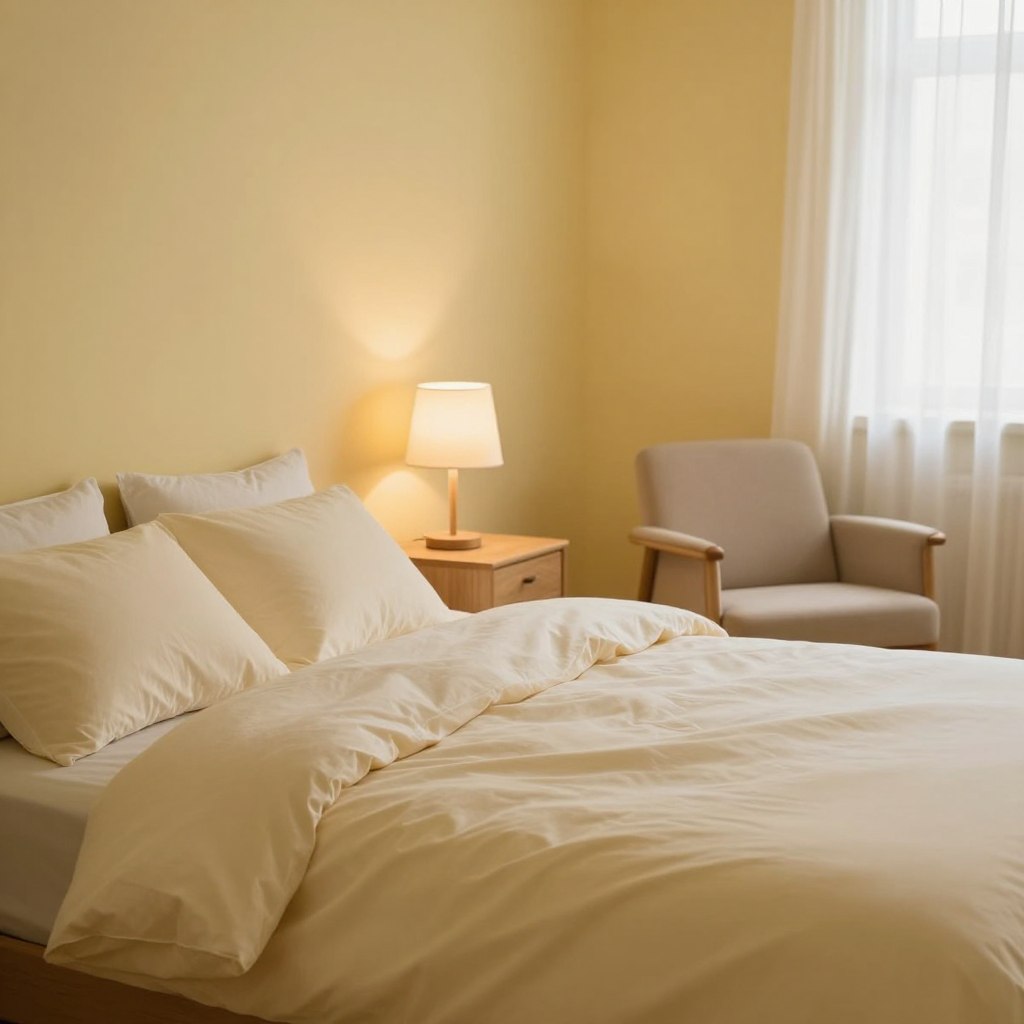
Pale yellow’s benefits for sleep come from its calming effects. It brings feelings of warmth and comfort, helping to relax your mind and body before bed. Plus, it can make your bedroom feel calmer, which might improve your sleep quality.
When picking bedroom wall colors for better sleep, think about how colors work with light. Pale yellow paired with soft lighting makes your bedroom cozy and relaxing. This is especially good for rooms with little natural light.
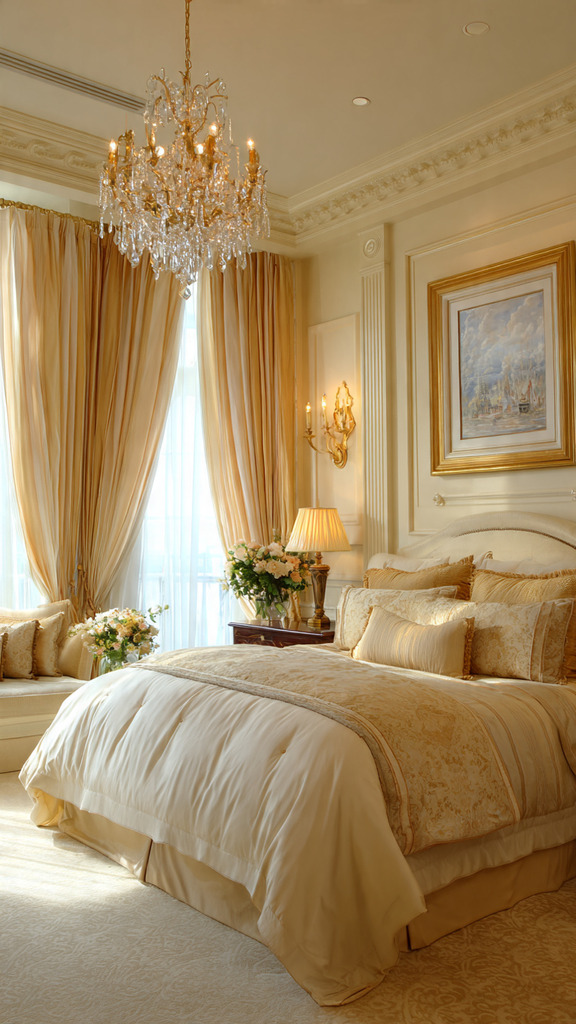
Adding pale yellow to your bedroom is easy. You can paint one wall or use it for bedding and curtains. This simple step can help make your bedroom a place for restful sleep and better quality rest.
5. Lavender: The Scientifically Proven Relaxation Color
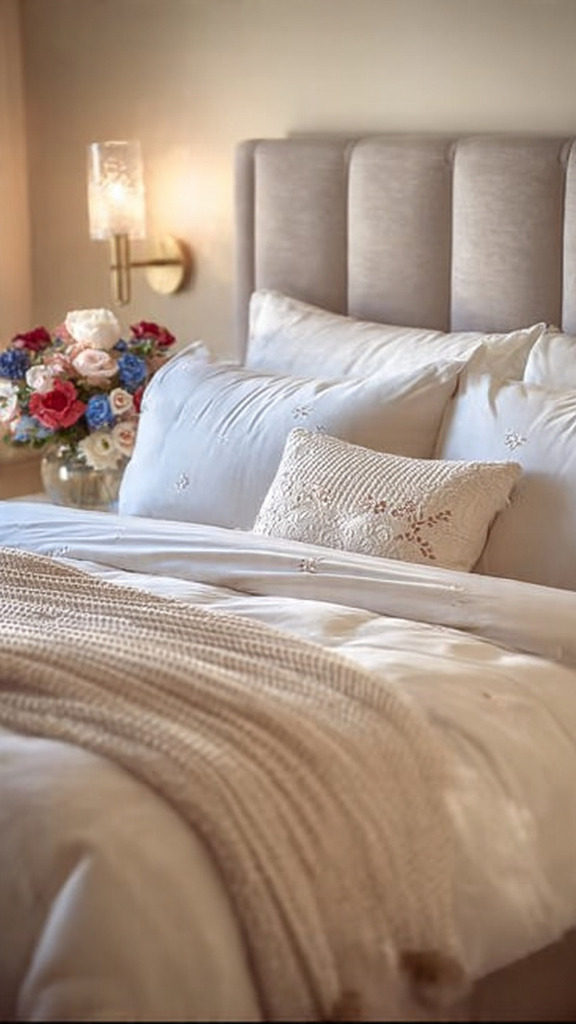
Lavender is a top pick among science backed bedroom paint colors for its calming effects. Studies show it can lower stress and anxiety, helping you sleep better. Its soothing impact on both mind and body makes it perfect for bedrooms.
The calming color of lavender can turn your bedroom into a peaceful space. Adding houseplants can also boost your sleep. For example, certain plants help improve sleep, matching lavender’s relaxing vibe.
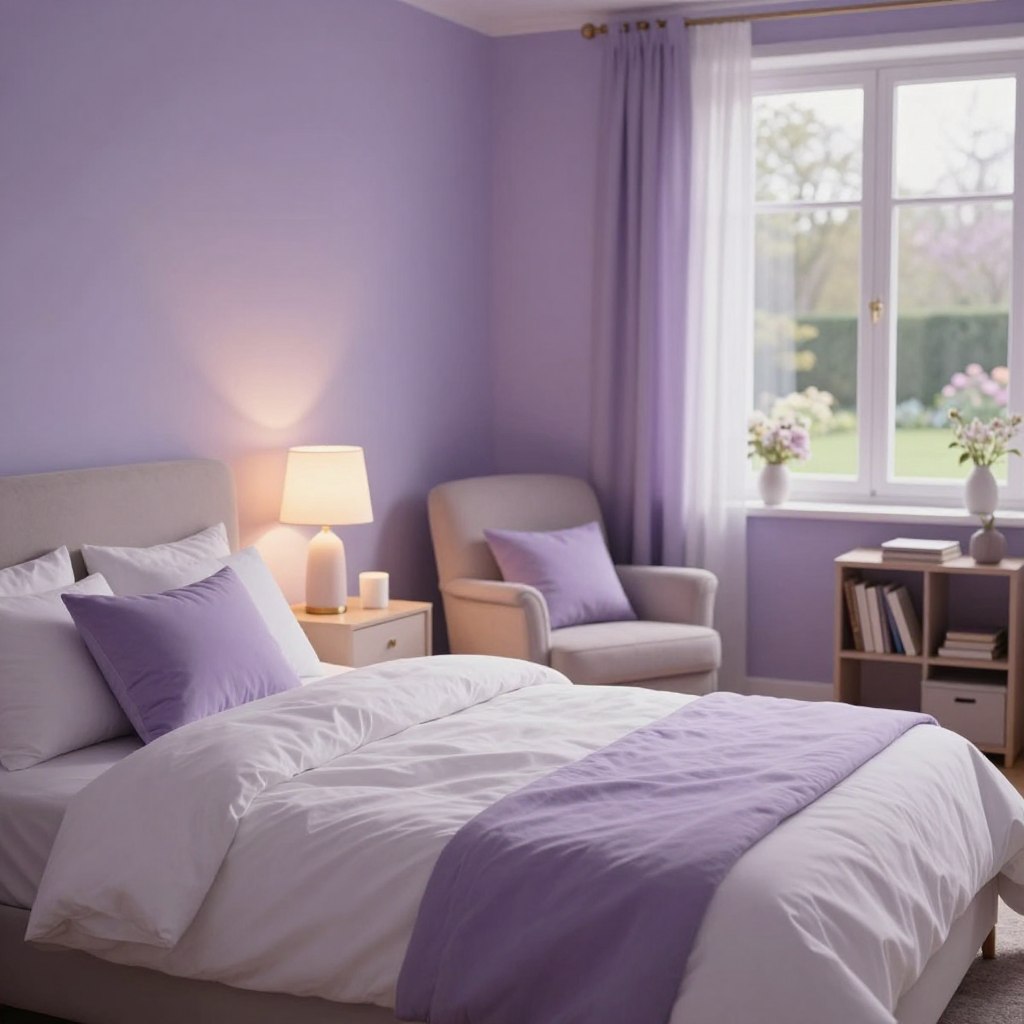
Science supports lavender’s calming effects, showing it can slow down heart rates and lower blood pressure. Choosing lavender for your bedroom can create a space for better sleep and relaxation.
Adding lavender to your bedroom is easy. You can paint one wall or use lavender accents. This simple step can greatly improve your sleep, making lavender a great choice for a better night’s rest.
6. Soft Beige: The Understated Sleep Champion
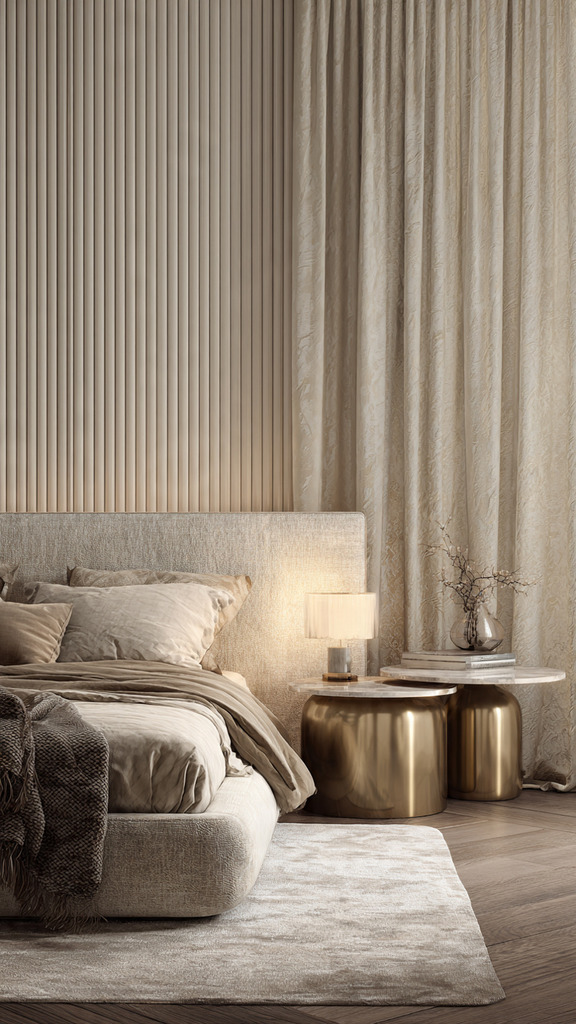
Soft beige stands out among bedroom paint colors for its sleep benefits. It creates a calm atmosphere, perfect for a good night’s sleep. This color is more than just a neutral background; it actively helps in creating a soothing environment.
Soft beige reflects light softly, avoiding harsh shadows that can disturb sleep. For a truly sleep friendly bedroom, check out Scandinavian bedroom ideas. They often use soft, calming colors like beige.
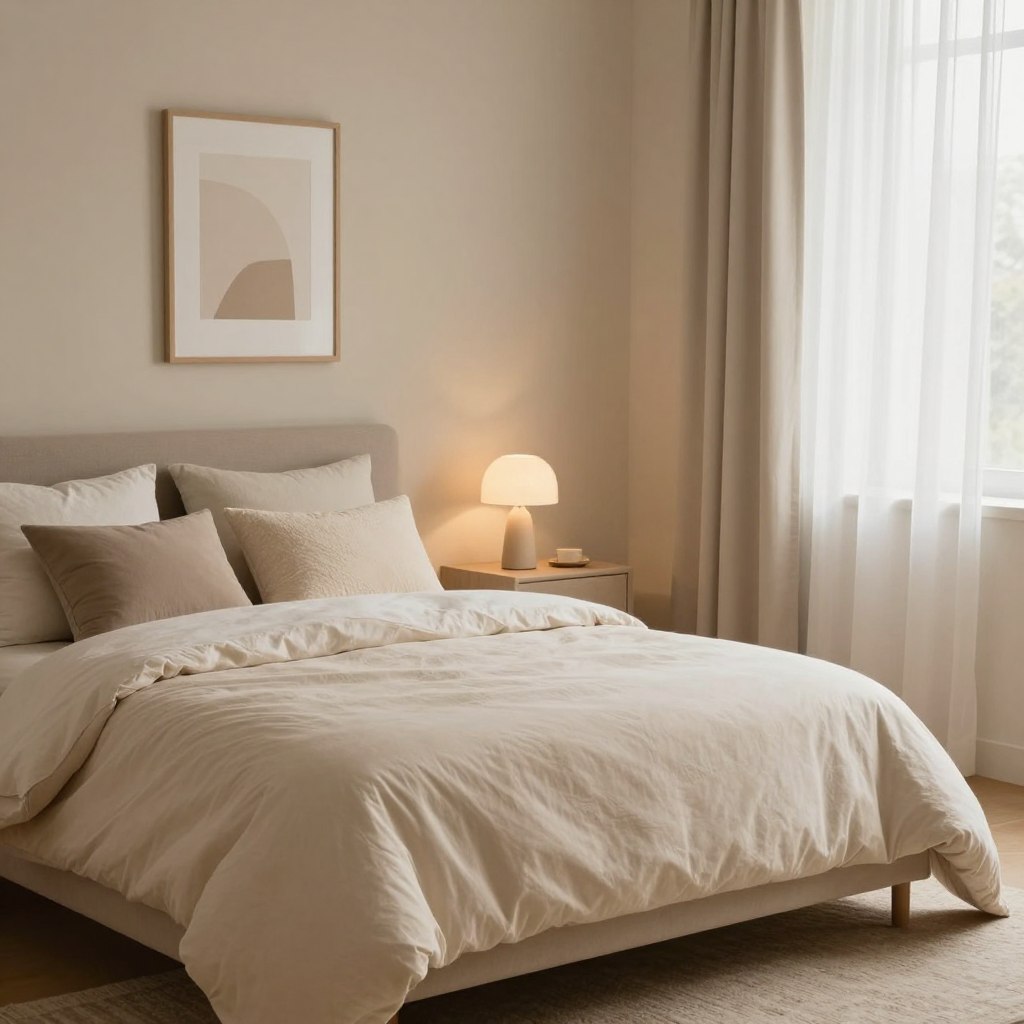
Soft beige works well with many decorating styles, making it a great choice for a peaceful bedroom. Its warmth adds coziness without being too much, helping you relax. When picking soft beige, think about its undertones to match your bedroom’s look.
Adding soft beige to your bedroom can greatly improve your sleep. It’s one of the best paint colors for bedroom spaces. It offers a gentle yet effective way to make your bedroom a restful place.
How to Choose Among These Science–Backed Bedroom Paint Colors
Now that we’ve looked at the top science-backed bedroom paint colors, it’s time to pick the right one for you. Think about what you like, your bedroom’s decor, and the sleep benefits of each color.Consider Your Bedroom’s Ambiance: What kind of vibe do you want in your bedroom? For a calm space, soft gray or pale yellow might be perfect. For a chill room, trycalming colorslike lavender or blue.
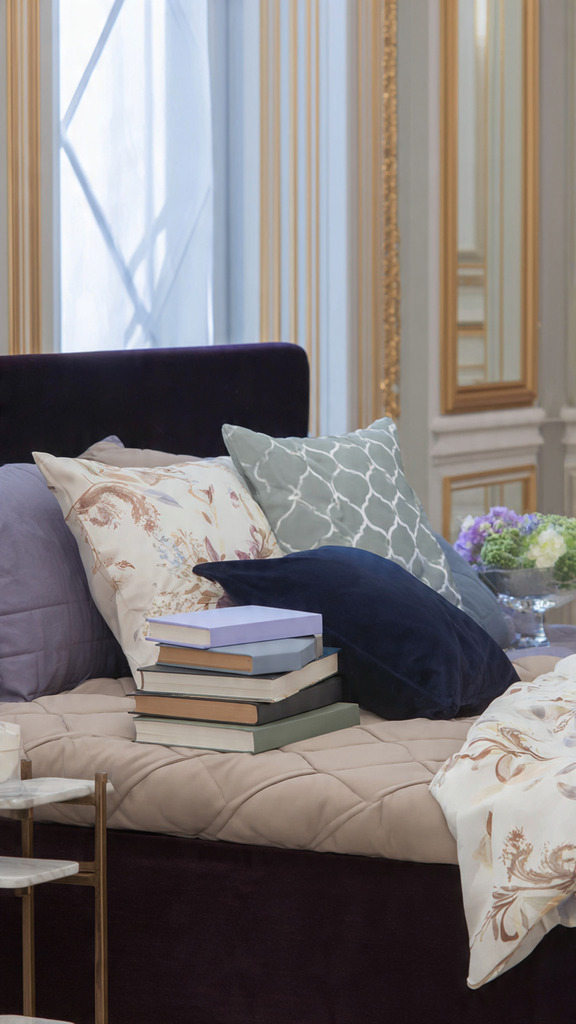
When picking a color, think about your bedroom’s natural light and how it looks at different times. Also, match your furniture and bedding to create a cohesive look.
By thinking about these things and picking acalming bedroom color, you can make a sleep-friendly space. This will help you sleep better and wake up feeling refreshed.
Conclusion
Choosing the right bedroom paint color is key to better sleep. Colors like blue, green, soft gray, pale yellow, lavender, and soft beige can make your bedroom more relaxing. They help you sleep better at night.
These colors create a calm mood, helping your body get ready for sleep. By picking a color that fits your style and room, you can make a sleep-friendly space. This space encourages relaxation and helps you feel refreshed.
When thinking about painting your bedroom, remember the right color is important. Look into these options to find the perfect shade. It can turn your bedroom into a peaceful place to rest.