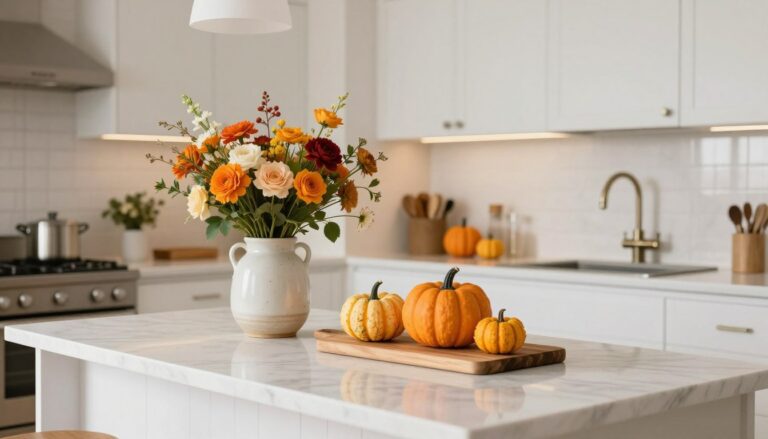

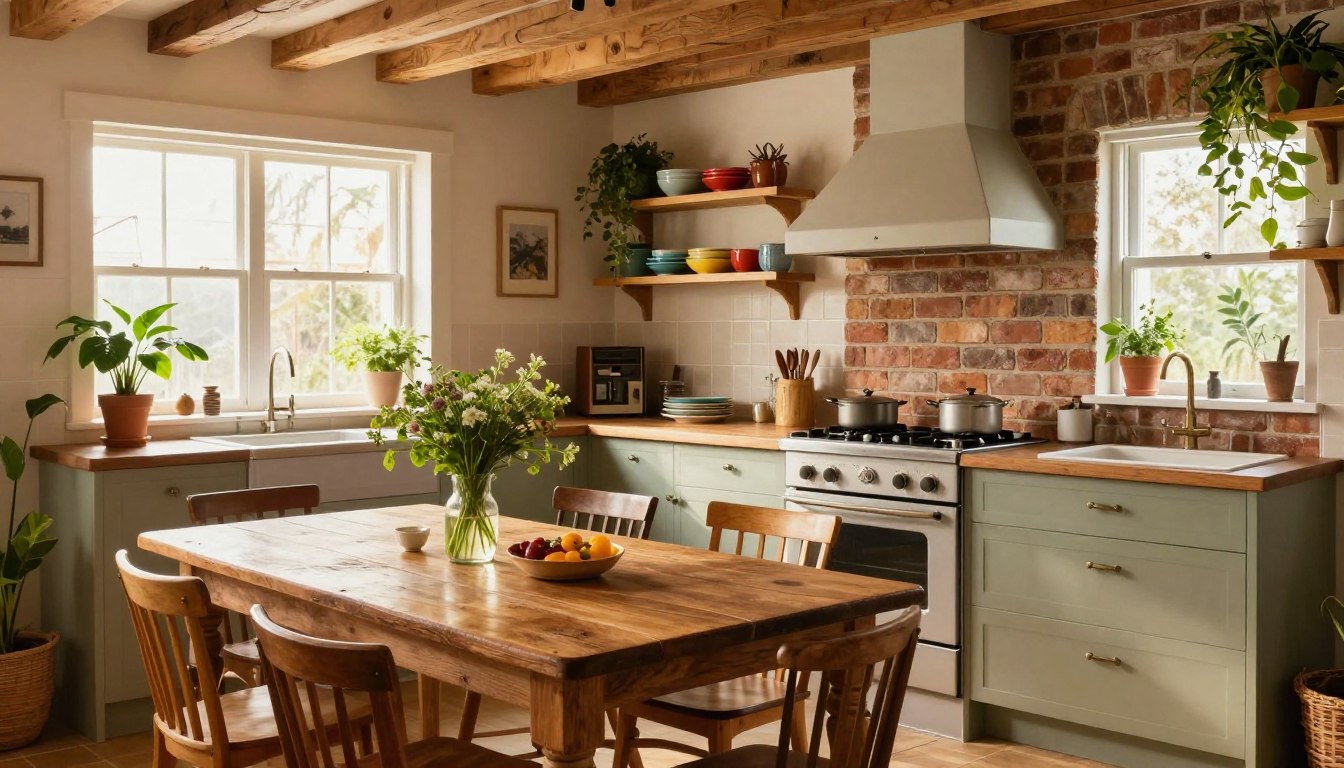
I’m excited to share how to move away from fixed cabinetry. This approach brings character and personal touch to your space. Your kitchen should reflect your story.
I aim to give you seven key tips. This guide will help you create a kitchen that’s uniquely yours. We’ll focus on making it fit your lifestyle perfectly. A beautiful and functional unfitted kitchen is within reach. Let’s start making it happen.
What is an Unfitted Kitchen?
An unfitted kitchen is not unfinished. It’s a carefully planned space. It moves away from the usual rows of cabinets stuck to the walls.
Instead, it uses beautiful, freestanding furniture. Imagine a sturdy dresser for dishes, a prep island, or a charming pantry. Each piece stands alone, both in style and function.
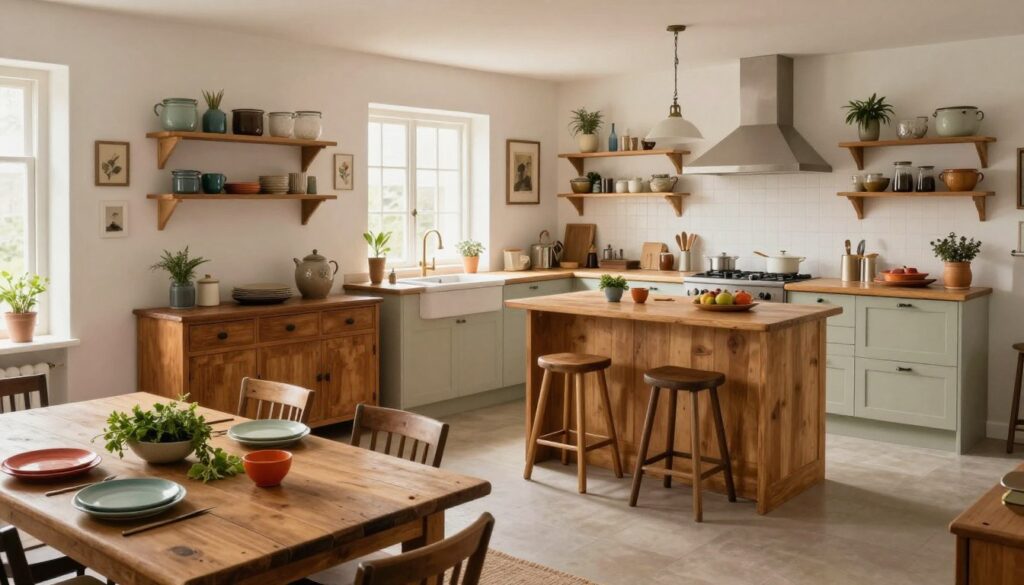
This kitchen feels like it’s been built over time. It has a cozy, personal feel, like a living room or library. It has roots in the past, before mass-produced cabinets became common.
Now, the unfitted kitchen is back in style. It’s a reaction against the uniform, sometimes cold feel of modern kitchens. People want character and history in their homes.
In short, an unfitted kitchen is about flexibility and self expression. It’s a way to create a custom kitchen design that’s truly yours. You choose pieces you love, each with its own story and purpose.
Why Choose an Unfitted Kitchen Design?
Choosing an unfitted kitchen design is more than just looks. It’s about breaking free from the usual home design. Many clients love the idea of a kitchen that’s unique and personal.
This style is special because it makes your kitchen feel like home. It’s not just a place to cook; it’s where life happens. Plus, it’s super flexible, great for renters or homes that can’t handle permanent changes.

Adding old furniture or a vintage find is incredibly rewarding. An antique dresser or a farmhouse table can become the heart of your kitchen. Each piece has its own story, adding depth and meaning.
This choice is all about being yourself. Your kitchen can change with you, unlike a fixed design. It’s a space that grows and evolves, reflecting your life.
If you see your kitchen as the heart of your home, this design is perfect. It offers warmth and flexibility, making it a place for memories and connection. It’s designed for your real life, not just for looks.
Key Benefits of the Unfitted Kitchen Approach
An unfitted kitchen is more than a style it’s a smart way to live. It makes daily life better and helps with future plans. Here are the key benefits that make it so great.
Unparalleled Flexibility and Adaptability
Life changes, and so should your kitchen. With an unfitted kitchen, you can change furniture easily as your needs change. Want a baking station or a coffee bar? Just move your pieces.
This design lets you try out different layouts without a big renovation. Your kitchen can grow and change with you.
True Expression of Personal Style
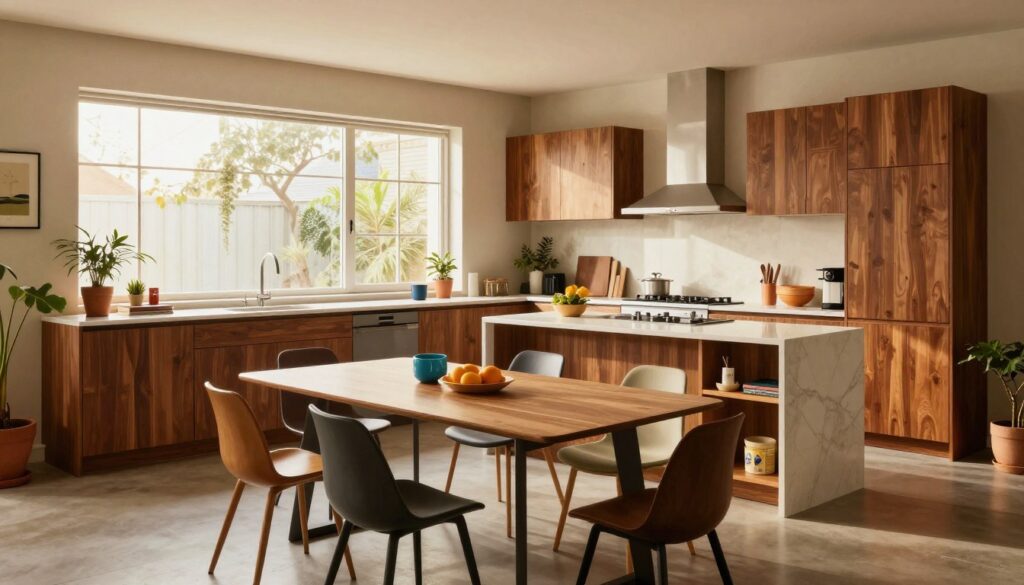
This method lets you create a kitchen that shows who you are. You don’t have to stick to one style. You can pick pieces that reflect your taste and history.
Every choice, from a rustic table to a modern cart, makes your kitchen unique. Your unfitted kitchen is a true reflection of you, not just what someone else thinks you should have. It’s the ultimate in custom kitchens.
Easier Updates and Future Changes
Updating a traditional kitchen can be hard and expensive. But with an unfitted design, updates are simpler and cheaper. Need a new storage piece? Just swap it out.
This way, you can update your kitchen bit by bit, as you can afford it. It makes keeping your kitchen fresh manageable, not overwhelming.
Opportunity for Unique Vintage and Antique Finds
Finding unique, historic pieces is exciting. An unfitted kitchen is perfect for these finds. An antique dresser or vintage worktable becomes a unique centerpiece with its own story.
These pieces add warmth and character that new items can’t match. They create a rich, personal look. Your kitchen becomes a showcase of meaningful finds.
Tip 1: Start with a Clear Vision and Purpose
I always tell my clients that a clear vision is key for a great kitchen design. This is especially true for an unfitted kitchen, where every piece is unique.
Without a clear purpose, your beautiful freestanding elements might not work well together. Taking time to define your goals will save you from frustration later.
Define Your Kitchen’s Primary Function
Ask yourself what you need most from this room. Is it for gourmet cooking, quick meals, or entertaining friends?
Your answer will guide everything. For example, a baking focused independent kitchen needs counter space near the oven. An entertaining space focuses on flow and conversation areas.
Honestly Assess Your Lifestyle and Cooking Habits
Look at how you really live, not how you wish you did. Do you need a dedicated coffee station or a kid-friendly snack zone?
Think about your daily routines. If you love weekend baking, plan for a large prep table. If you’re a quick cook, focus on efficient cleanup. This ensures your unfitted kitchen fits your real life.
Create a Physical or Digital Inspiration Board
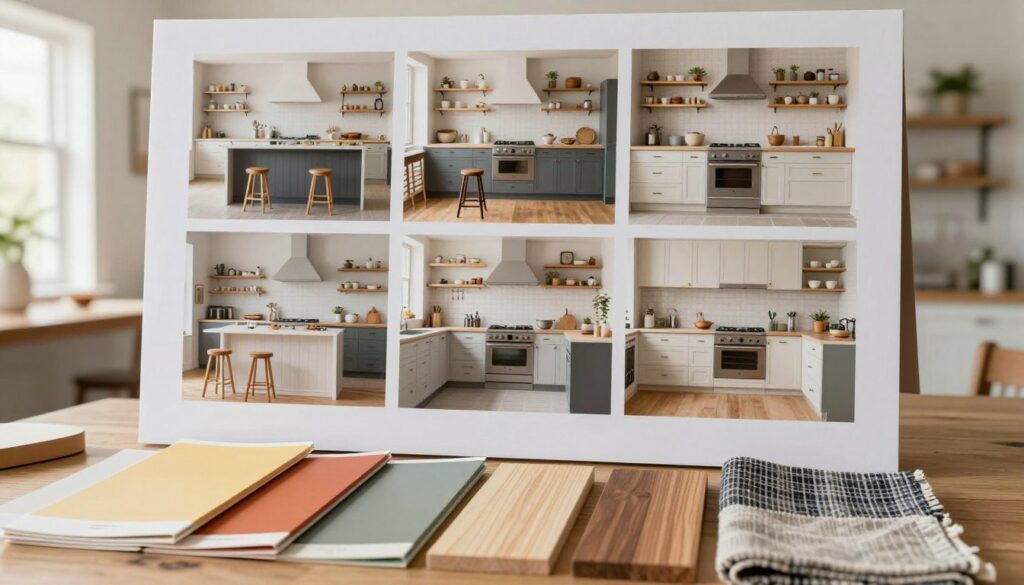
This is my favorite planning tool. Gather visual inspiration to see what speaks to you. It turns abstract ideas into a clear direction for your design.
Collect Images of Unfitted Kitchens You Admire
Use Pinterest, Instagram saves, or old fashioned magazine clippings. Don’t overthink it at first just save any image of an unfitted kitchen that catches your eye. Look for a variety of styles, from rustic to modern.
Your collection will show your subconscious preferences. You might notice a love for warm wood tones or bold, colorful islands.
Identify Recurring Themes, Colors, and Materials
After collecting 20-30 images, look for patterns. Do you see marble countertops or open shelving appearing often?
Make a list of these recurring elements. This list becomes your cohesive design blueprint. It helps you mix pieces confidently, knowing they’ll harmonize because they share your identified themes.
Starting with a clear vision gives your entire independent kitchen project direction and confidence. You’ll choose each freestanding piece with purpose, creating a space that’s both beautiful and perfectly tailored to you.
Tip 2: Master the Art of Zoning Your Kitchen Space
Forget the traditional work triangle creating distinct zones is the key to unlocking your unfitted kitchen’s full potential. This approach organizes your space around how you actually live and cook.
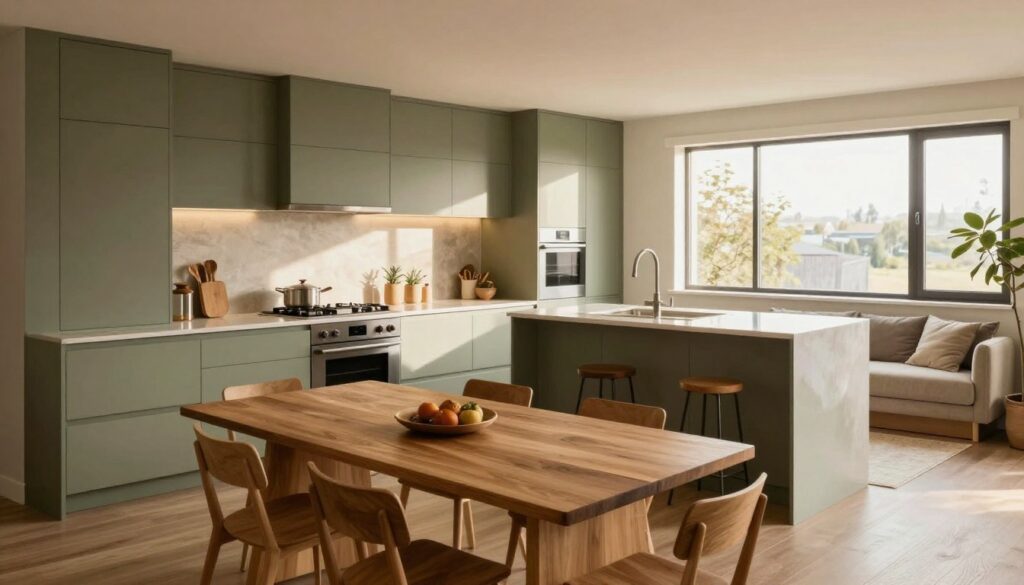
Moving Beyond the Traditional Work Triangle
The classic work triangle connects the sink, stove, and refrigerator. I find this model too rigid for a flexible unfitted kitchen. Modern cooking involves more appliances and social interaction.
Zoning offers a better solution. It groups activities into dedicated areas. This creates a more intuitive and personalized kitchen layout that adapts to your unique habits.
Creating Distinct Functional Zones
Think of your kitchen as having four main activity centers. Each zone should have the right freestanding furniture and tools. This makes every task easier and more enjoyable.
The Preparation and Cooking Zone
This is where chopping, mixing, and cooking happen. Center it around your freestanding range or cooktop. Include a sturdy wooden table or a large butcher block island.
Keep essential tools like knives and bowls within arm’s reach. Good task lighting is crucial here for safety and precision.
The Cleaning and Sink Zone
This area revolves around the sink and dishwasher. A freestanding sink cabinet or a vintage washstand defines this zone perfectly. It handles cleanup and food prep involving water.
Store dish soap, brushes, and towels nearby. Consider a dedicated rack for drying pots and pans to keep counters clear.
The Storage and Pantry Zone
This is where food, dishes, and cookware live. Use a combination of pieces like a tall dresser, open shelving, and a freestanding larder cupboard. Group items by how often you use them.
Everyday dishes go on open shelves. Bulk goods and special appliances can hide in closed cabinets. This creates a personalized kitchen system that works for you.
The Socializing and Dining Zone
An unfitted kitchen naturally invites people in. Designate a comfortable area with a small table, chairs, or a bench. This zone is for coffee, homework, or chatting with friends.
It can overlap with other zones. A central island with stools often serves as both a prep area and a gathering spot. This flexibility is a major benefit of the unfitted approach.
Ensuring Efficient Flow Between All Zones
The magic happens in the movement between zones. Leave clear pathways, at least 36 inches wide, for easy navigation. No zone should feel isolated or create a bottleneck.
Test your layout by imagining a busy cooking session. Can you move from the pantry to the stove without crossing the cleaning zone? Good flow makes your unfitted kitchen both beautiful and brilliantly functional.
This thoughtful zoning transforms separate furniture into a cohesive, highly personalized kitchen that truly works for your life.
Tip 3: Select the Right Freestanding Pieces
Choosing the right pieces for your unfitted kitchen is exciting. It’s where your dream kitchen comes to life. Each item must be both beautiful and functional, unlike a fitted kitchen.
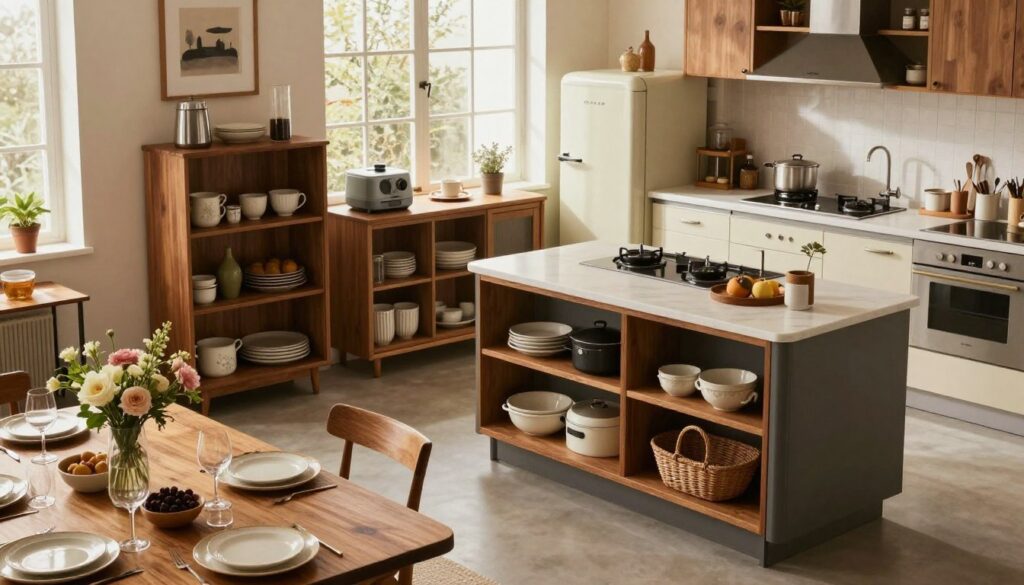
The Heart of the Kitchen: Choosing Your Freestanding Range
Your range is the kitchen’s centerpiece. It sets the style and function. Think of it as the kitchen’s heart.
Key Considerations: Fuel Type, Size, and Style
Choosing the right range is key. It’s about finding the right balance between function and style. Here are some important points to consider:
- Fuel Type: Choose between gas for instant control or induction for even heat, based on your cooking style.
- Size: Measure your space well. A 30 inch range is classic, but 36 inch or 48 inch ranges make a bold statement.
- Style: Pick a finish and design that matches your kitchen’s look. Stainless steel is modern, while enameled adds vintage charm.
The Central Workhorse: Island or Freestanding Prep Table
Every kitchen needs a dedicated area for prep work. In an unfitted kitchen, you can get creative. A sturdy island with storage is a great choice. Or, a freestanding prep table adds flexibility and beauty.
Smart Storage: Dressers, Cupboards, and Open Shelving
Forget uniform cabinets. Storage can be part of your decor. Antique dressers and painted cupboards add charm. The key is strategic mixing.
Strategically Mixing Open and Closed Storage
Use closed cabinets for clutter and less attractive items. Then, add open shelving or plate racks for display. This balance keeps your space airy and personal.
Finding the Perfect Freestanding Sink and Countertop Combination
A freestanding sink is a stunning focal point. Pair it with a countertop that matches your style. Marble adds elegance, butcher block warmth, and quartz is easy to maintain. This combination brings style and substance to your work zone.
Tip 4: Create Visual Harmony with Materials and Finishes
After picking your freestanding pieces, it’s time to make them work together. This is when your furniture becomes a real room. The secret is in careful planning.
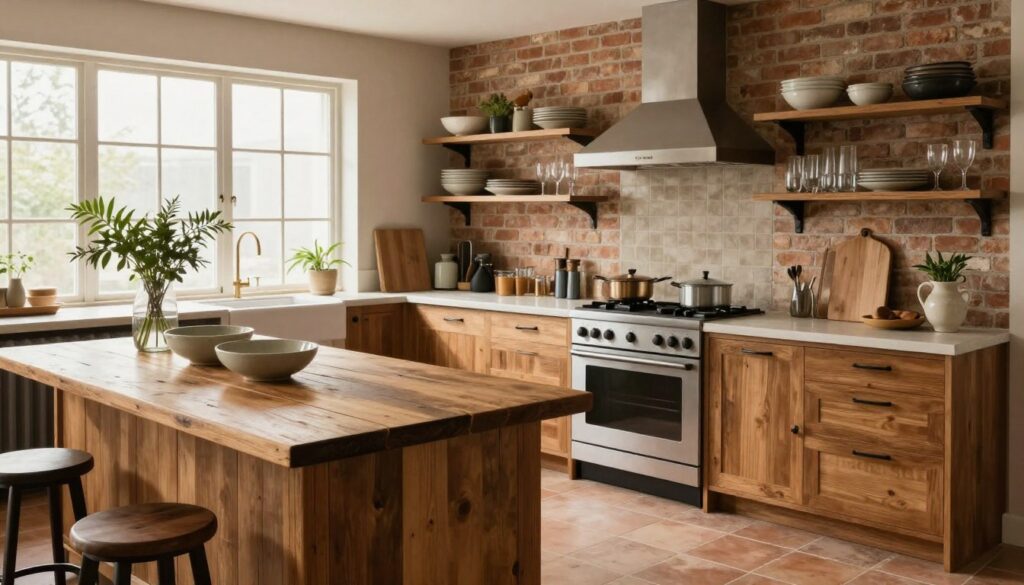
Establishing a Cohesive and Intentional Color Palette
Color is the first step to harmony. A simple palette keeps things calm. Pick two colors you love and add a neutral.
For example, navy and cream with wood, or sage and white with black. Use these colors on big pieces, walls, and fabrics. This ties everything together.
Mixing Materials with Purpose and Balance
An Unfitted Kitchen lets you mix materials. But do it with a plan, not randomly. Think about contrast and balance.
Marble on wood is striking. Metal adds shine to matte surfaces. This mix adds depth and interest.
Beautiful Combinations of Wood, Stone, Metal, and Tile
Don’t shy away from mixing textures. Here are some classic, balanced pairs:
- Warm Oak, White Quartz, and Brushed Brass: This combo is welcoming and modern.
- Walnut, Soapstone, and Iron: It’s strong and timeless.
- Painted Pine, Terrazzo, and Chrome: This mix is fun, bright, and lively.
These pairs show how different elements can work together. Your choices should tell a story.
Creating Consistency Through Hardware and Finishing Details
Small details are key to unity. Choose one style for all your hardware. This makes your space feel designed, not just thrown together.
Match metal finishes for faucets, lights, and hardware. Use the same wood tone or paint in small accents. This focus on details makes a modular kitchen feel intentional.
This attention to detail turns a room into a curated space. Your eye will enjoy the whole scene.
Tip 5: Illuminate Your Space with Strategic Lighting
In an unfitted kitchen, lighting does more than just brighten the room it defines the atmosphere and enhances functionality. Thoughtful illumination acts as the invisible glue that connects your freestanding pieces, creating a unified and inviting environment.
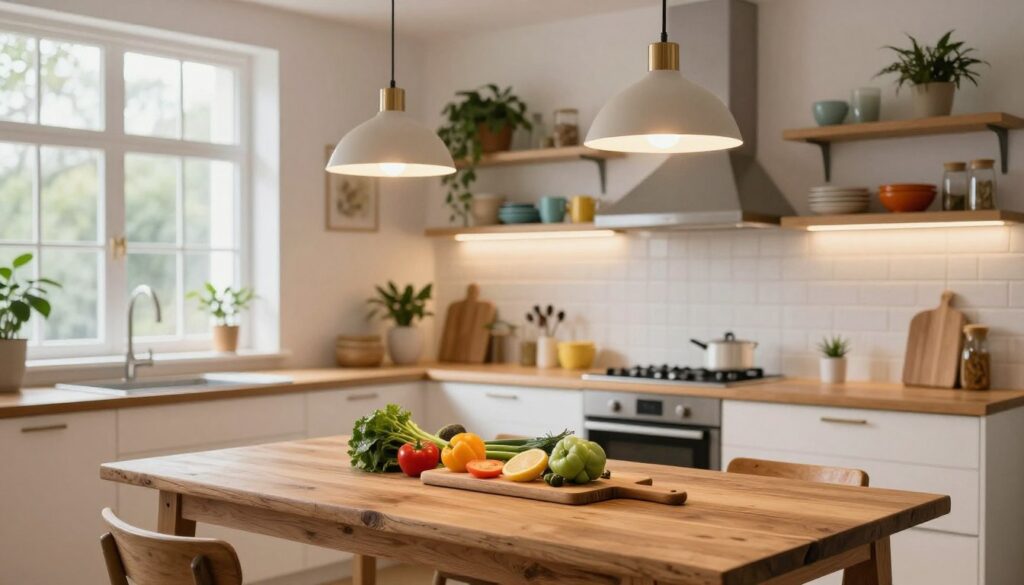
The Importance of Layering Light for Function and Mood
Single source overhead lighting creates harsh shadows and fails to serve all your needs. Instead, I build a lighting plan with three distinct layers. This approach gives you complete control over both practicality and ambiance.
Think of your lighting in these essential categories:
- Task Lighting Focused on Key Work Areas: This is your workhorse light. Install under cabinet LED strips above your prep table. Hang a pendant directly over your freestanding sink. These focused beams eliminate shadows where you chop, cook, and clean.
- Ambient Lighting for Overall Warmth and Illumination: This layer provides the general glow. A central ceiling fixture, wall sconces, or even well placed floor lamps cast a soft, welcoming light throughout the entire space.
- Accent Lighting to Highlight Architectural Features or Collections: Use this for drama and personality. Picture lights can showcase art on open shelving. Small spotlights can draw attention to a beautiful tile backsplash or a prized antique cupboard.
Choosing Light Fixtures That Complement Your Design Style
Your fixtures should feel like cherished pieces of furniture, not mere utilities. This choice is where your personal style shines through.
For a rustic unfitted kitchen, consider wrought iron chandeliers or mason jar pendants. A more modern space might call for sleek, geometric tracks or minimalist globes. Don’t be afraid to mix styles an industrial cage pendant over a vintage wooden table creates wonderful contrast.
Practical Planning for Electrical Wiring and Fixture Placement
The kitchen layout flexibility of an unfitted design demands early electrical planning. You must decide where your freestanding pieces will live before walls are closed up.
I map out every zone. I place outlets near where my prep table and dresser will sit. I ensure switch locations make sense for daily flow. This foresight prevents unsightly extension cords from spoiling your beautiful, flexible space. Good planning makes your lighting scheme both magical and utterly practical.
Tip 6: Incorporate Personal Touches and Character
An unfitted kitchen’s magic is not just in its layout. It’s in the personal touches you add. This makes a space more than just functional it becomes a home. Be bold and let your story show in every choice.
Integrating Meaningful Antique or Vintage Furniture Pieces
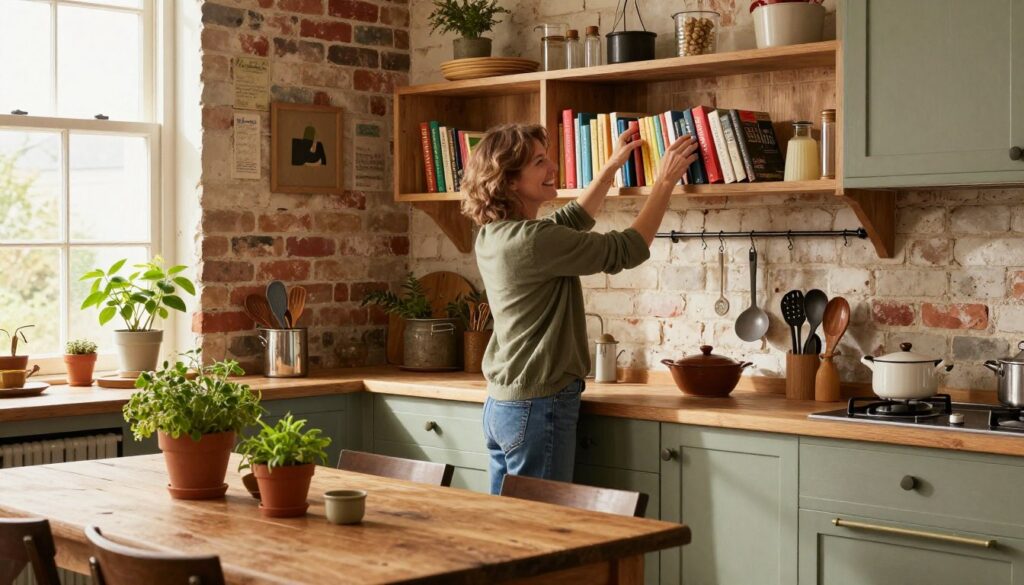
Don’t hide that inherited dresser or a vintage cupboard. They add history and warmth. A vintage baker’s rack can hold open storage. An old library card catalog can store utensils.
In an unfitted kitchen, these pieces are not just furniture. They are the heart of the charm.
Confidently Displaying Collections and Personal Treasures
Open shelving is for more than dishes. It’s for showing off what you love. Your favorite mugs, vintage cookbooks, or colorful bowls can decorate your space.
This turns everyday items into art. It makes your space truly personal.
Adding Softness and Warmth with Textiles
Hard surfaces need softness. Textiles add color, pattern, and warmth. They’re easy to change as your style evolves.
Considerations for Rugs, Window Treatments, and Seating Cushions
- Rugs: Pick a durable, washable rug to define a zone and add comfort.
- Window Treatments: Soft curtains or simple shades frame views and control light.
- Seating Cushions: Padded cushions on bar stools or a bench invite people to linger.
Incorporating Artwork, Wall Decor, and Greenery
Hang a favorite painting or a gallery wall of family photos. Install a floating shelf for small sculptures. Most importantly, add living plants.
Herbs in pots or a large fiddle leaf fig add life and freshness. No accessory can match this.
This tip is the soul of your design. It turns a planned unfitted kitchen into a space that’s unmistakably yours.
Tip 7: Plan for Practicality and Daily Use
The most beautiful unfitted kitchen design must also be practical. It should handle the daily chaos with ease. This tip ensures your space is a joy to use every day.
Ensuring Adequate, Accessible, and Intelligent Storage
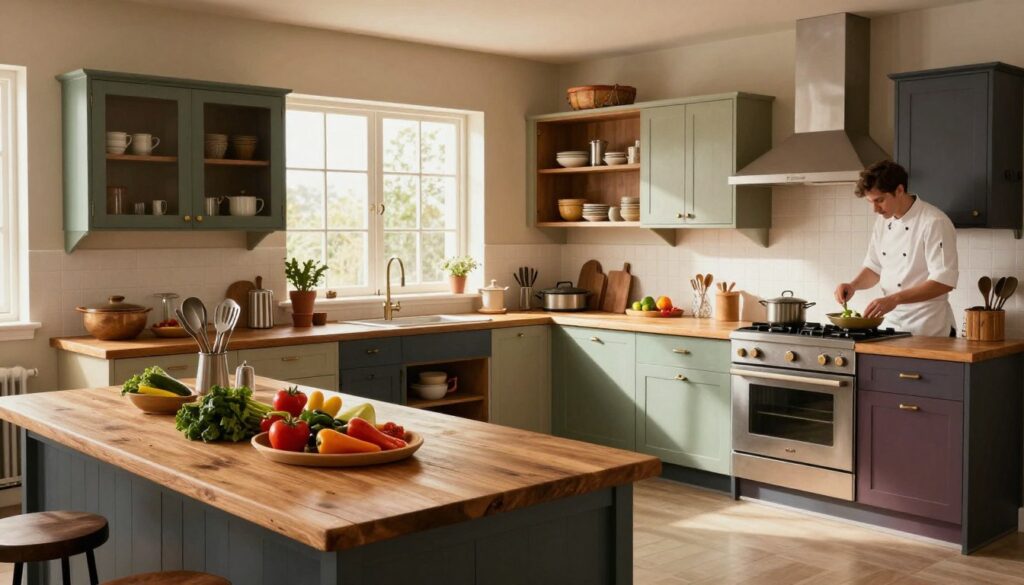
Freestanding furniture offers unique storage opportunities. Think beyond just looks. I look for pieces that solve specific problems.
An island with deep drawers organizes pots. A vintage dresser holds linens and tableware. Open shelving keeps everyday items within reach.
Smart storage turns clutter into curated displays. Consider these solutions:
- Use labeled baskets or bins on open shelves for small items.
- Choose a freestanding pantry cupboard with adjustable shelves.
- Add locking casters to a bottom cabinet for a movable spice station.
Thoughtfully Planning for Appliance Ventilation and Utilities
This is the most crucial technical step. A freestanding range needs proper ventilation. You also need power and water where you actually use them.
Selecting and Positioning Range Hoods or Extractor Fans
Never skip ventilation. For a freestanding range, a powerful range hood is essential. A ducted hood that vents outside is the most effective choice for removing heat, grease, and odors.
Place it directly above your cooking surface. For a cohesive look, select a hood style that complements your other light fixtures and hardware.
Strategic Placement of Electrical Outlets and Plumbing Access
Plan your outlets like a secret superpower. You’ll want them in your prep zone for small appliances. Consider adding them inside a shallow drawer for a charging station.
For plumbing, place your freestanding sink near existing drain lines. Remember to leave accessible panels in cabinetry behind the sink for future maintenance.
Choosing Durable, Easy to Maintain Surfaces for High Traffic Areas
Your countertops and floors take the most abuse. Choose materials that love real life. Butcher block is warm and can be sanded, but it requires oiling.
Quartz is incredibly durable and stain resistant. For floors, consider wide plank hardwood or luxury vinyl tile. Both are tough and add character.
Your surfaces should be beautiful partners, not high maintenance divas.
Prioritizing Safe and Logical Traffic Flow Patterns
Finally, view your kitchen layout through a safety lens. Ensure clear pathways between key zones the sink, fridge, and range.
Leave enough space for multiple people to move comfortably. Avoid placing an island where it blocks a natural walkway. Good flow prevents bumps and spills, making your unfitted kitchen a safe haven for everyone.
By planning for these practical details, you build a foundation for a kitchen that is truly and effortlessly livable.
Conclusion
Designing your unfitted kitchen is a journey to a home that truly shows who you are. It goes beyond the usual layouts to create a space with real character. The seven essential tips help guide you through this creative process. They take you from your initial idea to the practical details like zoning and lighting.
An unfitted kitchen celebrates your individuality. You can mix vintage finds from places like Rejuvenation or Schoolhouse with modern pieces from IKEA or Crate & Barrel.
Your kitchen becomes a collection of meaningful elements, not just a set of matched pieces. Each freestanding piece shares a part of your story.
Remember, function and beauty should work together in the best unfitted kitchen designs. Smart storage in a repurposed dresser can be as beautiful as it is practical. Don’t be afraid to experiment. Pair that antique farmhouse table with modern pendant lights from Visual Comfort. Let your collections find a home on open shelving.
The result is a kitchen that feels like it’s been collected over time. It becomes the heart of your home a space that nourishes both body and spirit with its unique personality.
Your unfitted kitchen is waiting for you. It’s a canvas for your life, ready to be filled with the moments, meals, and memories that matter most to you.