

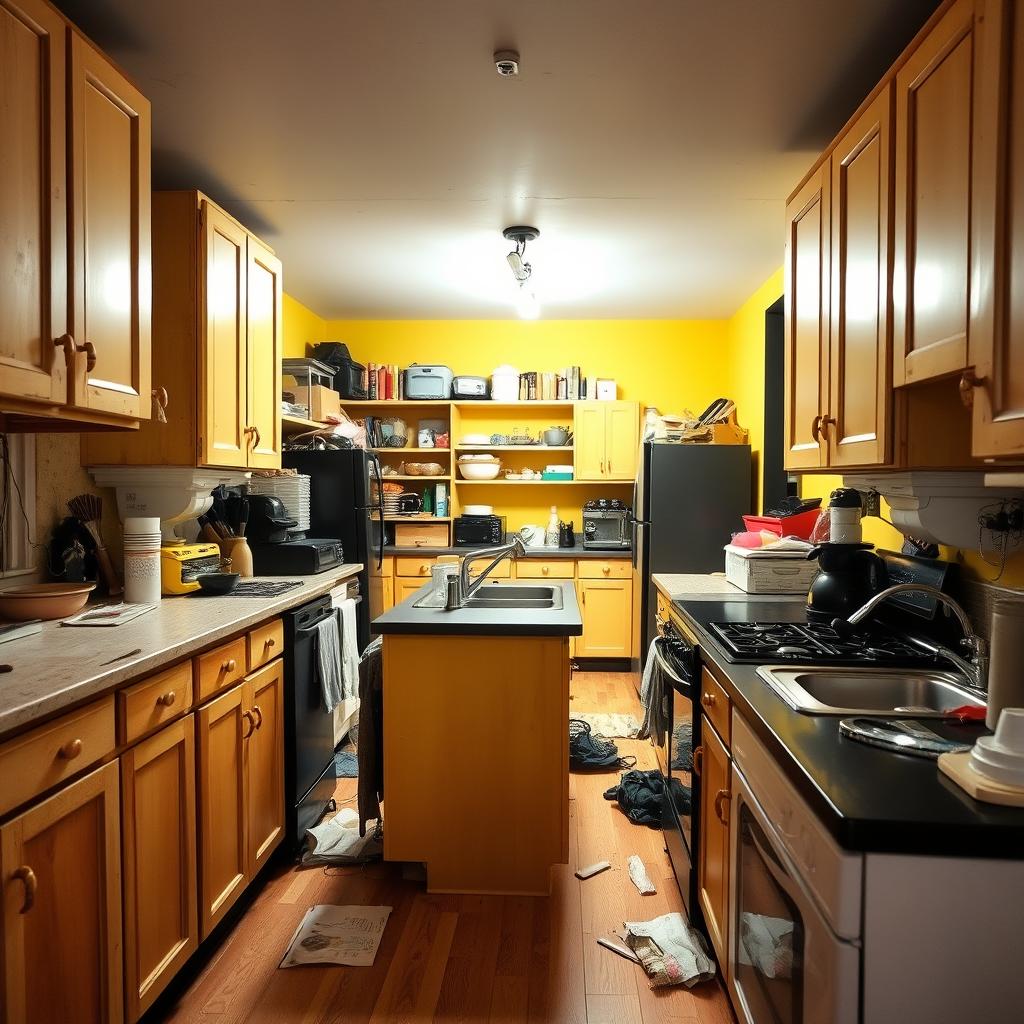
Renovating your kitchen is a big investment in your home. Projects can cost tens of thousands of dollars and take weeks or months. It’s important to get it right the first time.
I’ve seen many homeowners make expensive errors during kitchen renovations. These mistakes can lead to financial problems. Many don’t realize how complex kitchen renovations can be, causing costly remodel blunders.
To have a successful small kitchen remodel, it’s key to avoid common mistakes. In this article, we’ll look at the most common errors that can cost you thousands.
Key Takeaways
- Avoid underestimating the complexity of kitchen renovations.
- Plan carefully to prevent costly remodel blunders.
- Consider hiring professionals for a successful small kitchen remodel.
- Be aware of common kitchen remodeling mistakes.
- Budget accordingly to avoid financial burdens.
The Hidden Costs of Small Kitchen Renovations
Planning a small kitchen remodel can be tricky. It’s easy to miss the hidden costs that add up quickly. Homeowners often focus on big items like cabinets and appliances. But they forget about the smaller expenses.
Why Small Kitchen Remodels Often Exceed Budgets
Small kitchen renovations can have unexpected costs. Things like labor, permits, electrical upgrades, and finishing details can double the initial cost. For example, a small electrical upgrade can cost between $500 to $2,000.
| Expense Category | Average Cost |
|---|---|
| Labor Costs | $3,000 – $10,000 |
| Permits | $100 – $1,000 |
| Electrical Upgrades | $500 – $2,000 |
The True Cost of Cutting Corners
Cutting corners in a kitchen renovation might save money at first. But it can lead to big costs later. Using low-quality materials means you’ll need to replace or repair them more often.
Long term Financial Impact of Short term Savings
Choosing quality materials and professional labor might seem pricey at first. But it’s worth it in the long run. A well-done renovation can boost your home’s value and cut down on maintenance costs. The National Association of Realtors says a kitchen remodel can recoup up to 80% of its cost at resale.
Knowing the hidden costs of small kitchen renovations helps homeowners budget better. By thinking about all the costs, from labor to materials, they can make smart choices. These choices save money in the long run.
My Personal Kitchen Remodeling Nightmare
I learned the hard way that kitchen remodeling needs careful planning. I was excited to renovate my small kitchen and make it my dream space. But, my enthusiasm was short lived as I faced many challenges.
What I Wish I Had Known Before Starting
Before starting, I wish I knew how crucial a detailed plan is. Without one, I ran into many unexpected issues. These problems delayed my project and raised costs.
The Expensive Lessons I Learned
One expensive lesson was the need for a contingency budget. My initial budget was soon exceeded by unexpected expenses. This taught me to always expect the unexpected.
How My Mistakes Can Save You Thousands
By sharing my experiences, I hope to help others avoid my costly mistakes. For example, planning your kitchen layout and choosing the right materials can save thousands.
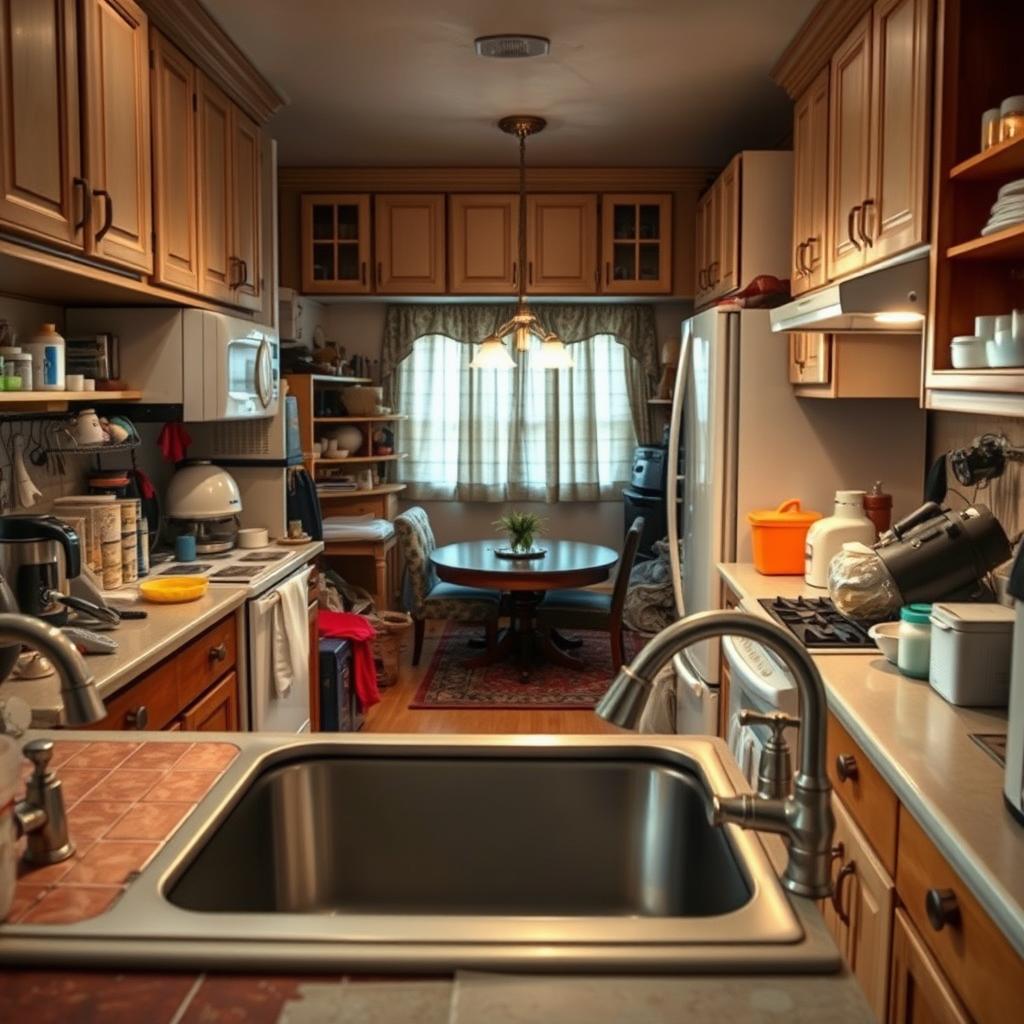
Mistake 1: Poor Space Planning and Layout
Poor space planning can turn your dream kitchen into a nightmare. It can cost you thousands in rework and inefficiencies. A well planned kitchen layout is key to a functional and efficient cooking space.
Ignoring the Kitchen Work Triangle
The kitchen work triangle is a basic concept in kitchen design. It ensures efficient movement between the sink, stove, and refrigerator. Ignoring this can make your kitchen cluttered and inefficient. Avoid placing the island or peninsula in ways that block natural traffic patterns. People should be able to walk through the kitchen without getting in the way of cooking.
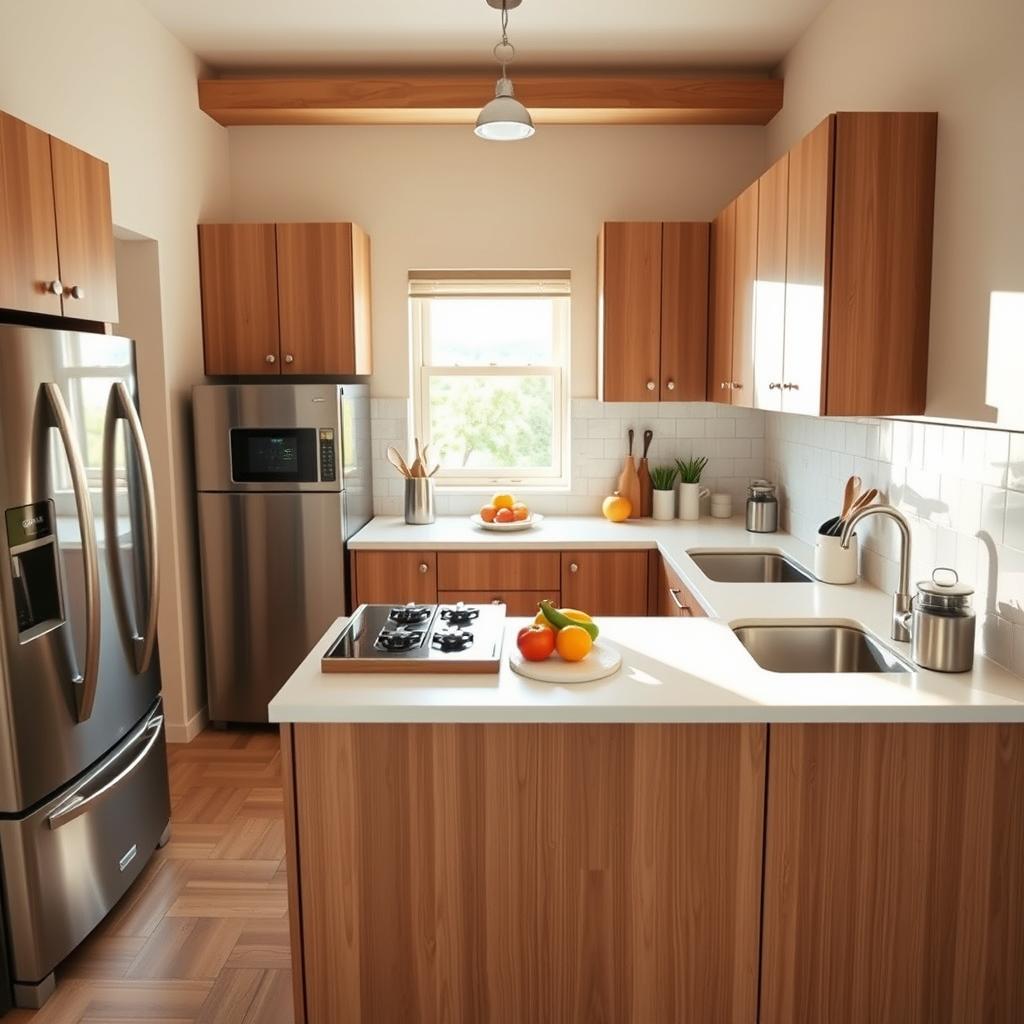
How to Properly Plan Your Kitchen Layout
To plan your kitchen layout well, follow these steps:
- Identify your kitchen’s primary work areas: sink, stove, and refrigerator.
- Ensure there’s enough clearance between these areas for easy movement.
- Consider the “work triangle” concept to reduce walking distances.
- Choose a layout that fits your kitchen’s shape and size.
Step by Step Layout Planning Guide
For a detailed approach, follow this guide:
- Measure your kitchen space accurately.
- Create a scale drawing of your kitchen.
- Mark the locations of doors, windows, and any fixed elements.
- Try out different layouts using graph paper or kitchen design software.
Cost Impact: Thousands in Rework and Inefficiency
Poor space planning can lead to costly rework. Inefficient layouts can also make cooking and meal prep take longer, increasing your kitchen remodel’s cost. By spending time on planning your kitchen layout, you can avoid these unnecessary costs. This way, you can create a kitchen that’s both beautiful and functional.
“A well designed kitchen is not just about aesthetics; it’s about creating a space that works for you.” – Kitchen Design Expert
Understanding the importance of proper space planning and layout helps you avoid a common kitchen remodeling mistake. It allows you to create a kitchen that meets your needs and increases your home’s value.
Mistake 2: Choosing Appliances Last
Choosing the right kitchen appliances is key, but many wait too long. When remodeling a small kitchen, think about appliance size and features early. This avoids costly changes and ensures a smooth fit.
Why Appliance Dimensions Matter First
Appliance size is crucial in kitchen design. Waiting too long to pick appliances can mess up your countertops and cabinets. This might mean expensive changes or less function and beauty in your kitchen.

How Late Appliance Decisions Derail Budgets
Choosing appliances late can hurt your budget. If you’ve already put in countertops and cabinets, changing them for your appliances can be costly. It also delays your project’s finish.
| Appliance | Standard Dimensions | Custom Dimensions |
|---|---|---|
| Refrigerator | 36 inches wide, 66-70 inches tall | Variable |
| Oven | 24-30 inches wide, 24-27 inches deep | Up to 48 inches wide |
| Dishwasher | 24 inches wide, 24 inches deep | Custom sizes available |
The Right Order for Appliance Selection
To avoid problems with late appliance choices, pick them early. Here’s a good order:
- Plan your kitchen layout and workflow.
- Pick appliances based on function and size.
- Design your kitchen around these appliances.
Creating an Appliance Specification Sheet
Make an appliance sheet to keep things organized. It helps ensure your appliances fit your kitchen. Include:
- Appliance type and model
- Dimensions (width, height, depth)
- Features and functionalities
- Energy efficiency ratings
By following this, you can avoid the mistake of choosing appliances last. This ensures a successful kitchen remodel.
Mistake 3: Underestimating the Power of Lighting
Lighting is a key part of a small kitchen remodel. Bad lighting can make a kitchen look good in the day but hard to use at night. It’s important to have a good lighting plan for both looks and function.
The Three Types of Kitchen Lighting You Need
You need three kinds of lighting: ambient, task, and accent.
- Ambient Lighting: Gives overall light to the kitchen, so you can move safely.
- Task Lighting: Focuses on areas like countertops and sinks for food prep.
- Accent Lighting: Shows off special features or decor, adding depth.
Common Lighting Errors That Cost Extra
Many people use only one light source or don’t think about light color. This can make the kitchen too bright or too dark. Also, bad task lighting can cause accidents while cooking or cleaning.
Smart Lighting Solutions for Small Kitchens
In small kitchens, choose lights that save energy and work well. LED lights are good because they use less power and last longer. Under cabinet lights also help make the kitchen feel bigger.
Lighting Plan Checklist
Don’t forget important lighting steps with this checklist:
- Check your kitchen’s natural light.
- Think about what tasks you’ll do in your kitchen.
- Pick the right lighting for your needs.
- Think about light color and how it affects mood.
- Use dimmers to change light levels for different times or tasks.
Mistake 4: Skimping on Storage Solutions
When remodeling a small kitchen, it’s easy to overlook storage. Not planning enough storage is a common regret. Before you start, make a list of everything you have in your kitchen.
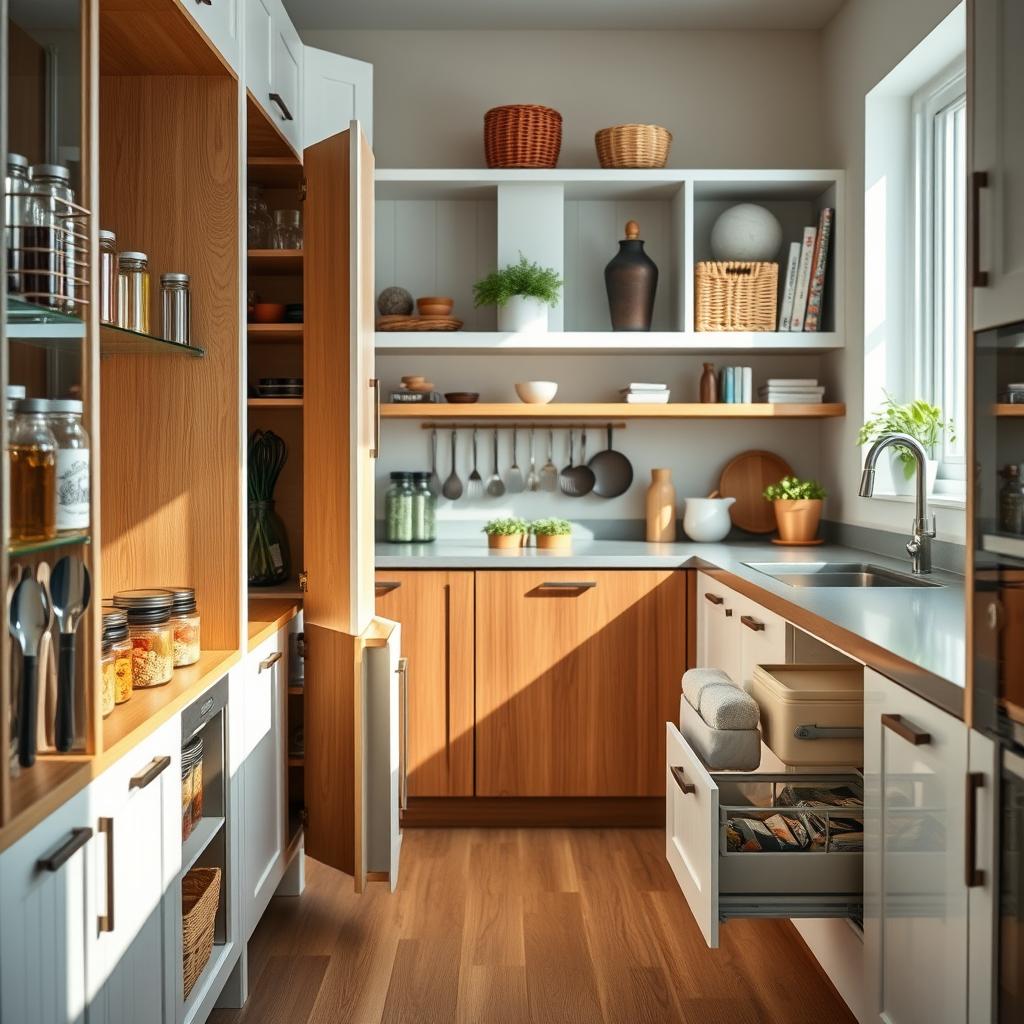
Hidden Storage Opportunities You’re Missing
Many people miss out on hidden storage spots. Think about the space above cabinets, inside cabinet doors, or under the sink. Adding shelves or baskets above cabinets can hold items you don’t use often. Adhesive hooks or magnetic strips on cabinet doors can hang utensils or spices.
Custom vs. Stock Cabinetry: Cost Benefit Analysis
Custom cabinetry fits your kitchen perfectly but costs more than stock cabinetry. It’s important to weigh the costs against the benefits. Consider your kitchen’s layout, storage needs, and your budget.
Space-Maximizing Storage Hacks
There are clever ways to use your kitchen space better. Pull-out shelves, rotating corner cabinets, and magnetic spice strips are great options. They help keep your kitchen tidy and make the most of every inch.
Storage Needs Assessment Worksheet
To plan your storage, make a worksheet. List all your items, sort them by type and how often you use them, and decide where they should go. This way, your kitchen remodel will have enough and the right storage.
Mistake 5: Overlooking Ventilation Requirements
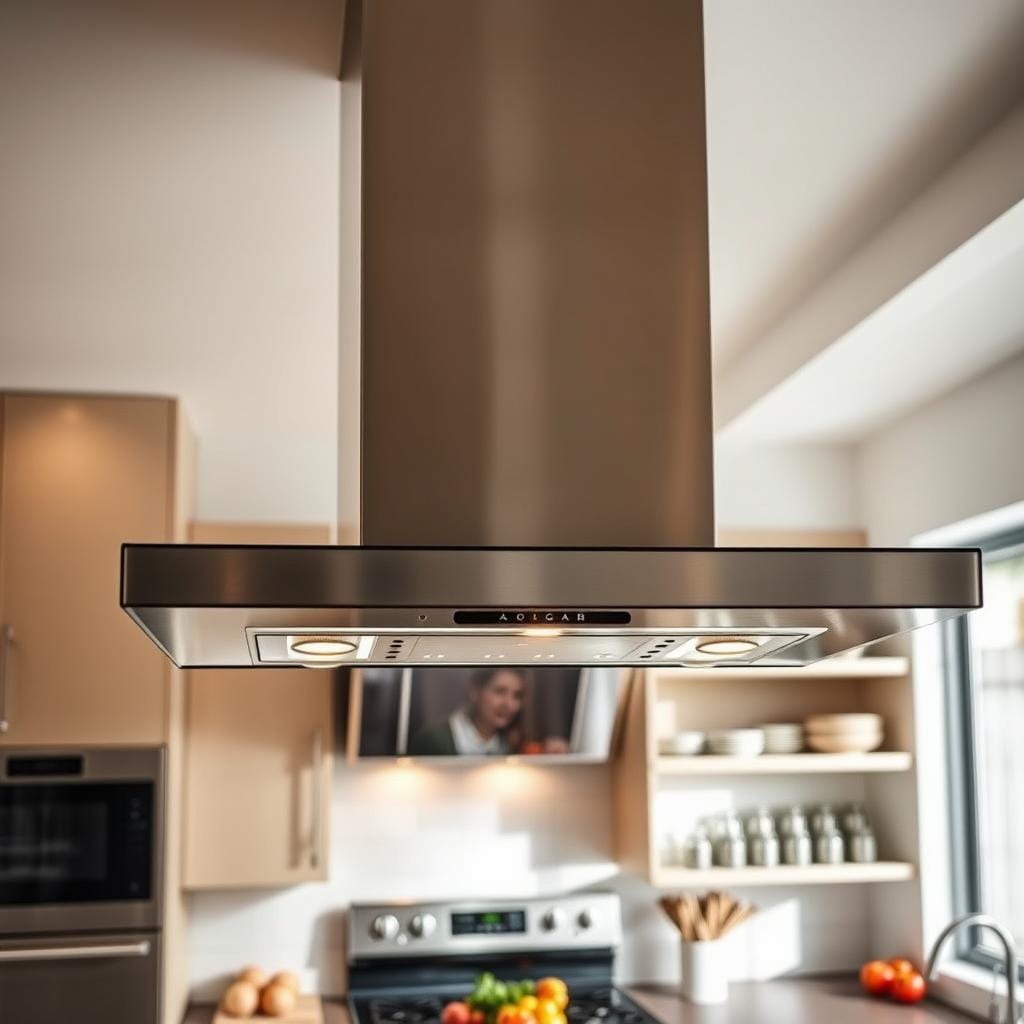
Many homeowners forget about ventilation when renovating their kitchens. Ventilation is key for removing cooking smells, moisture, and grease. It makes your kitchen healthier and more comfortable.
Health and Home Damage Costs of Poor Ventilation
Poor ventilation can harm your health, causing breathing problems and spreading smells. It can also damage your kitchen’s structure and appliances. This can lead to expensive fixes.
Proper Hood Sizing and Installation Guidelines
To avoid these problems, sizing and installing your kitchen hood correctly is crucial. The hood’s size depends on your cooking habits and kitchen layout. A good rule is to make the hood as wide as your cooking surface.
Ventilation Options for Different Kitchen Layouts
Kitchens have different layouts, so they need different ventilation solutions. For example, kitchens with islands might need a more complex system. Galley kitchens might do well with a simpler ductless system.
Ventilation System Selection Guide
When picking a ventilation system, think about your kitchen’s size, your cooking habits, and its layout. The right system can greatly improve your kitchen’s air quality.
| Kitchen Layout | Recommended Ventilation |
|---|---|
| Island Kitchen | Ducted System |
| Galley Kitchen | Ductless System |
Mistake 6: DIYing the Wrong Projects
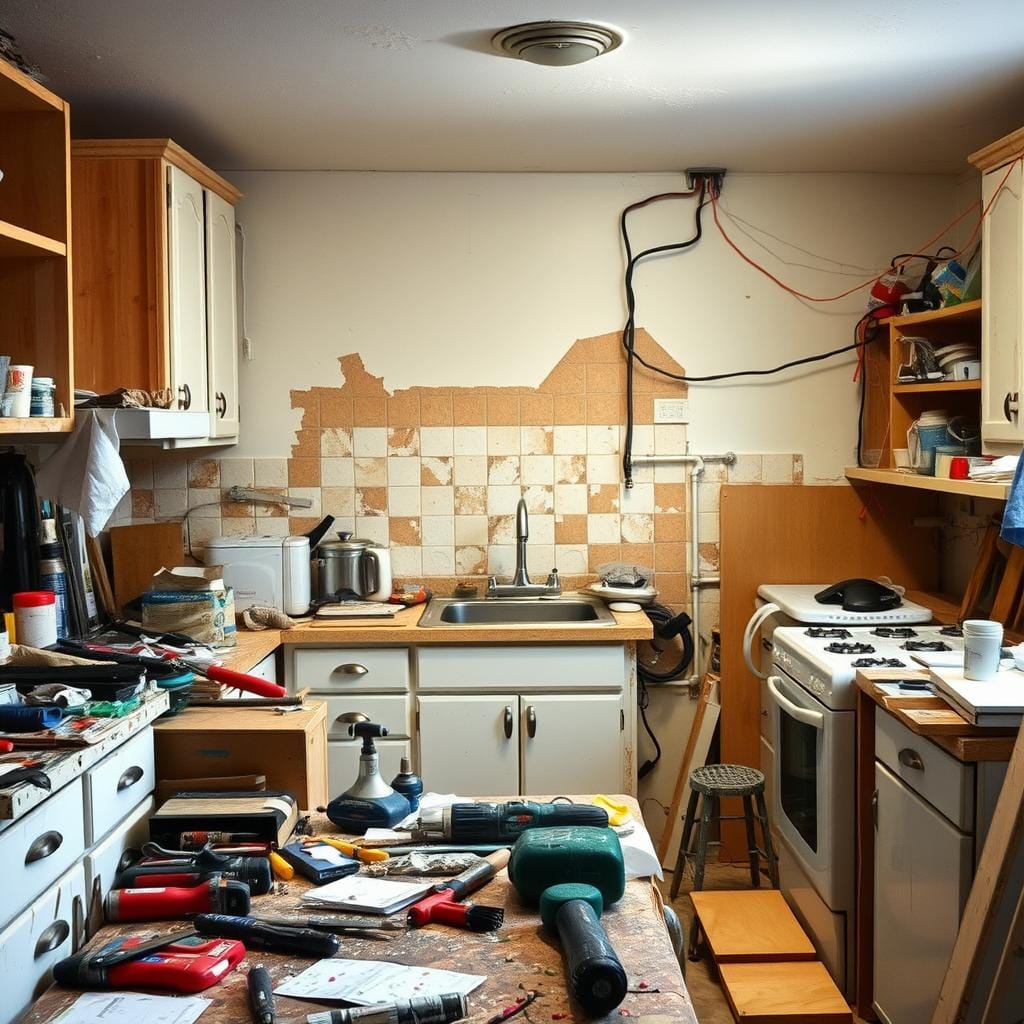
DIY projects can save money on kitchen renovations. But, taking on the wrong tasks can lead to costly mistakes. Some projects are best left to the pros.
Projects You Should Never DIY
Electrical and plumbing work need special skills and licenses. Trying these without training can be dangerous. Electrical work, for example, involves complex wiring that’s risky if not done right.
- Electrical wiring and installations
- Plumbing connections and piping
- Structural modifications
When Hiring Professionals Actually Saves Money
Hiring pros for complex tasks can save you money. They avoid costly mistakes and ensure work is done right the first time. They have the skills, experience, and tools needed for the job.
For instance, hiring a licensed electrician might seem pricey at first. But, it can prevent expensive electrical fires or code violations later on.
DIY Projects That Make Financial Sense
Not all DIY projects are the same. Painting, installing flooring, and custom cabinetry can be good DIY projects if you have the right skills.
DIY vs Pro Decision Framework
To choose between DIY or hiring a pro, consider a few things:
- Your level of expertise and experience
- The complexity of the task
- The potential risks and consequences of errors
- The cost of materials and labor
By thinking about these factors, you can decide which projects to do yourself and which to hire out.
Mistake 7: Making Costly Countertop and Backsplash Errors
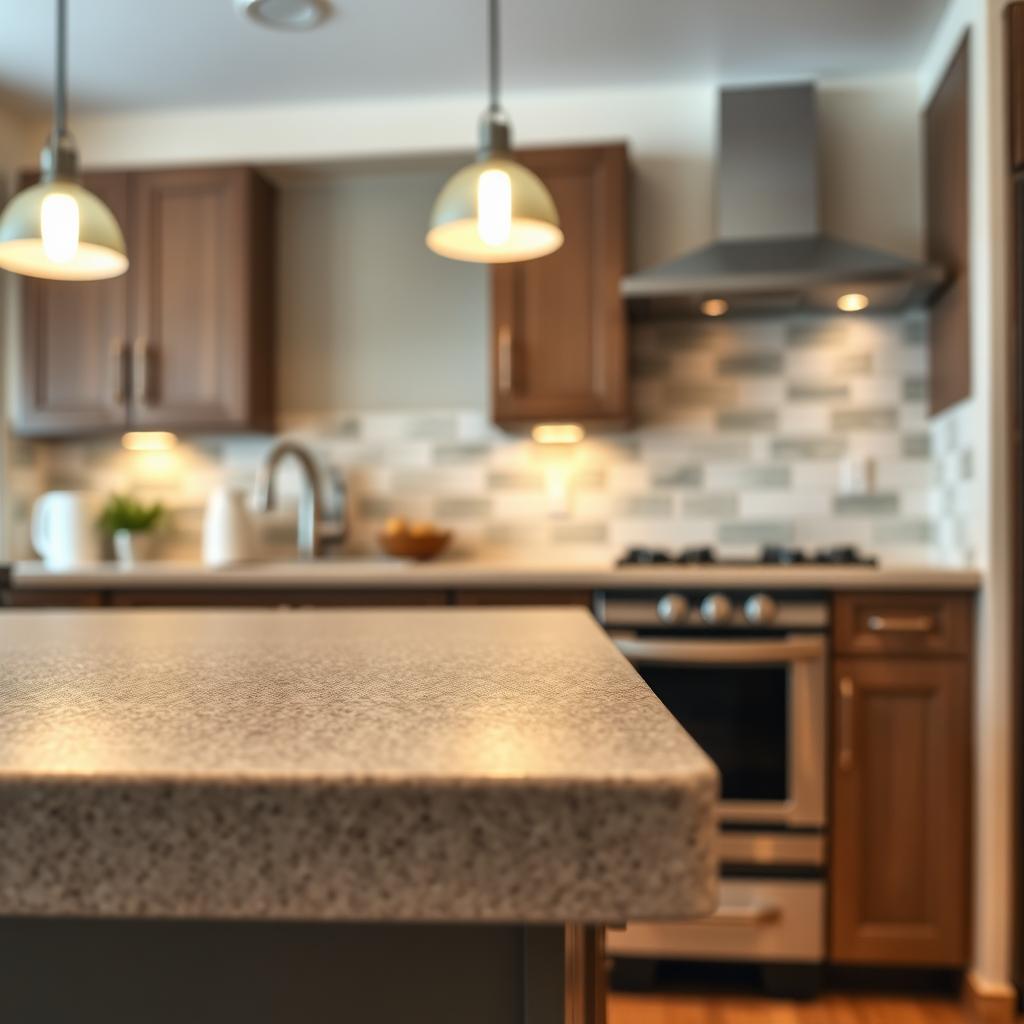
Choosing countertops and backsplashes is a big decision in kitchen remodeling. It’s easy to get caught up in how they look, forgetting about how long they’ll last and how hard they are to clean. This can lead to spending a lot of money on replacements later on.
Material Selection Errors That Cost Thousands
Many people pick materials just for how they look, without thinking about how well they’ll hold up or how easy they are to keep clean. For example, marble countertops are beautiful but need to be sealed often and can get etched easily. It’s better to see and touch materials in person, not just look at pictures or small samples.
Installation Pitfalls to Avoid
Even with the right materials, improper installation can cause big problems. These include uneven surfaces, surfaces that don’t stick well, and having to pay more for fixing mistakes. Make sure the people installing your countertops are experienced and watch the whole process closely to avoid these issues.
Balancing Aesthetics and Practicality
A good kitchen remodel should look great and work well. Think about your lifestyle, how you cook, and the design of your kitchen. For example, if you’re always busy, you might want countertops that are easy to clean and last a long time, like quartz.
Material Comparison Chart
| Material | Durability | Maintenance | Aesthetic Appeal |
|---|---|---|---|
| Granite | High | Medium | High |
| Quartz | High | Low | High |
| Marble | Medium | High | Very High |
By thinking carefully about these things and avoiding common mistakes, you can make a kitchen that looks good and works well. This way, you won’t have to spend more money than you need to.
Mistake 8: Ignoring Plumbing and Electrical Constraints
Many homeowners overlook plumbing and electrical needs when remodeling their kitchens. They focus on looks and how things work without thinking about the basics. This can cause big problems, like extra costs, delays, and safety risks.

The Importance of Plumbing and Electrical Planning
Planning your plumbing and electrical systems is key to a good kitchen remodel. You need to check what you have now, figure out what you need, and make changes if needed. Not planning well can lead to big cost increases and delays.
Common Plumbing and Electrical Mistakes
Some common mistakes are not moving plumbing fixtures right, not having enough electrical outlets, and not enough light. These mistakes can make your kitchen look good but not work well or be safe. To avoid these problems, it’s smart to get help from experts who can help you plan.
| Mistake | Consequence | Solution |
|---|---|---|
| Ignoring Plumbing Constraints | Costly Rework and Inefficiencies | Proper Plumbing Planning |
| Inadequate Electrical Outlets | Safety Hazards and Inconvenience | Increased Outlet Installation |
Understanding the need for good plumbing and electrical planning helps avoid common mistakes. With careful planning and expert advice, your kitchen remodel can be a success.
Mistake 9: Chasing Trends Instead of Timeless Design
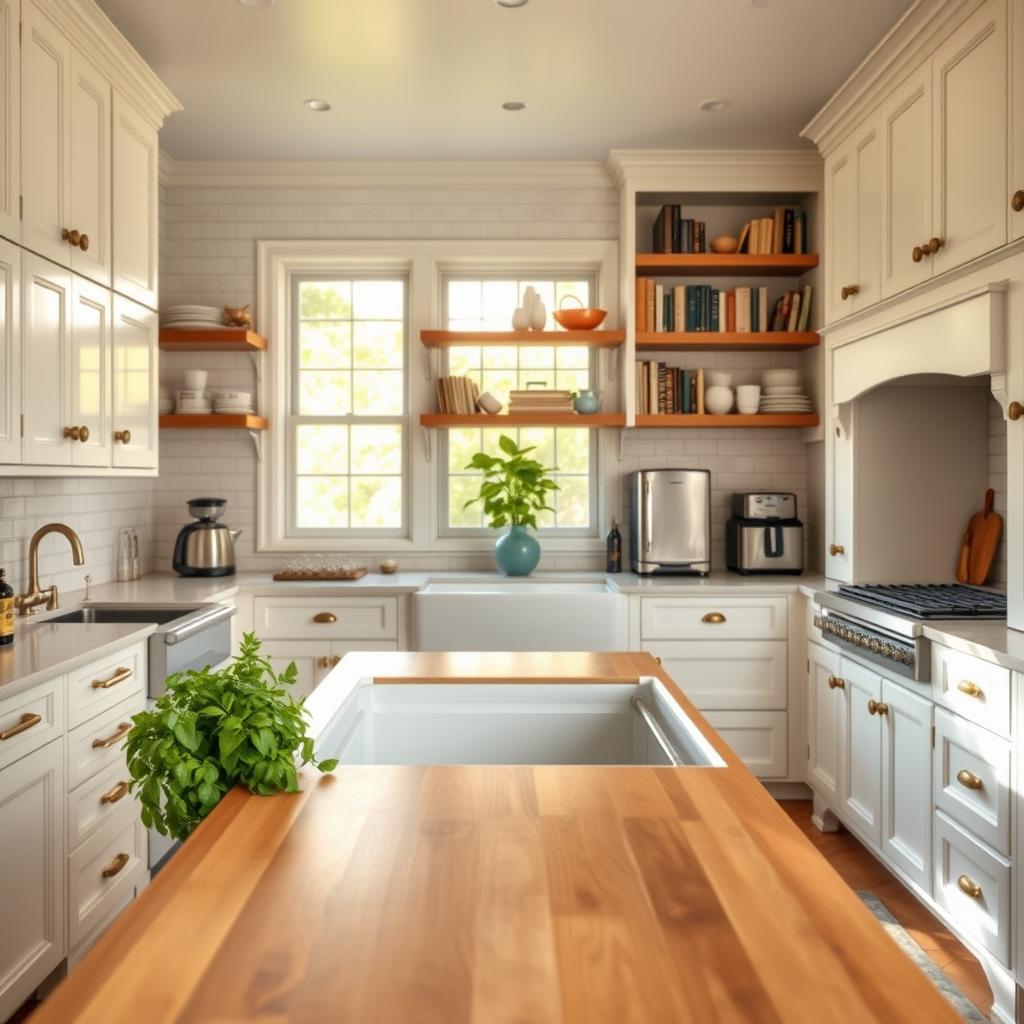
Kitchen remodeling is more than following trends. It’s about making a space that lasts. Trendy designs might look good at first but can quickly become outdated.
Trendy Features That Date Quickly
Some design elements, like bold colors or specific styles, quickly go out of fashion. For example, a trendy backsplash or countertop might look great at first. But it could become a problem if it doesn’t match future buyers’ tastes.
Balancing Trends with Lasting Appeal
To avoid the trap of trendy designs, balance style with timeless appeal. Use trendy elements in things like accessories or paint colors. But avoid using them in major parts like cabinetry or flooring.
Timeless Design Elements
Timeless kitchen designs include classic elements. These are simple cabinetry, high-quality materials, and neutral colors. These choices last through trends and add value to your home.
Trend vs Timeless Decision Matrix
When choosing between trendy and timeless, consider these factors:
- Cost: How expensive is the feature to install and potentially replace in the future?
- Versatility: How easily can the feature be adapted or updated to fit future design trends?
- Aesthetic Appeal: Does the feature contribute to a timeless look, or is it likely to feel dated soon?
By weighing these factors, homeowners can make choices that balance style with lasting beauty and function.
Long term planning also means thinking about universal design. This makes your kitchen stylish and practical for everyone, regardless of age or ability.
Creating a Realistic Budget for Your Small Kitchen Remodel
Creating a realistic budget is key for a successful small kitchen remodel. Most renovations have surprises. Having a contingency fund helps manage these surprises and allows for better problem-solving.

The 20% Contingency Rule
A common rule is to set aside 20% of your budget for unexpected costs. This fund helps keep your project on track by covering unexpected expenses.
Hidden Costs Most Homeowners Miss
There are hidden costs beyond materials and labor. These include permit fees, inspection costs, and structural repairs that might come up during demolition.
Tracking Expenses Throughout Your Project
It’s important to track every expense to stay within budget. Using a budgeting tool or spreadsheet helps you monitor costs and make necessary adjustments.
Interactive Budget Template
An interactive budget template can make managing your kitchen remodel expenses easier. These templates let you input costs, track spending, and stay organized.
By following these tips and creating a detailed budget, you can avoid common mistakes. This ensures a successful kitchen renovation.
Finding and Vetting Reliable Contractors
There are many contractors looking to work on your kitchen remodel. It’s key to know what to look for in a contractor. Don’t just pick the cheapest one. This can lead to bad work, delays, and extra costs.
Red Flags to Watch For When Hiring
Look out for red flags when choosing a contractor. These include unlicensed or uninsured workers and those who won’t give you references. Also, be wary of contractors who want all your money before starting.
Questions to Ask Before Signing a Contract
Before you sign anything, ask important questions. Find out about their experience, licenses, and insurance. Also, ask how they handle unexpected problems. A clear estimate and timeline are crucial.
How to Structure Payment Schedules
Don’t pay everything at once. Instead, make payments tied to project milestones. This way, you won’t pay for work that’s not done yet.
Contractor Interview Checklist
Use a checklist during interviews to cover key points. Ask about their experience, licenses, insurance, and how they’ll handle your project. This helps you make a smart choice.

Timing Your Kitchen Remodel for Maximum Efficiency
## Timing Your Kitchen Remodel for Maximum Efficiency
Having a good plan for your kitchen remodel is key. It helps you stay on budget and avoid delays. Kitchen remodels often take longer than expected. This is because of permit issues, material problems, or surprises found during demolition.
### Seasonal Pricing Fluctuations
Prices for contractors and suppliers change with the seasons. Summer is the busiest time for kitchen remodels, which means higher costs. Remodeling during the off-season can help you save money.
### Material Ordering Lead Times
Some materials, like custom or specialty items, take a long time to arrive. Make sure to include these in your timeline to avoid delays. Order materials early to ensure they arrive on time.
### Creating a Realistic Timeline
It’s important to have a realistic timeline for your remodel. Plan for a timeline that’s 25-50% longer than you think. This extra time helps you deal with any unexpected problems.
#### Month-by-Month Remodeling Calendar
Here’s a basic plan for your kitchen remodel:
- Month 1-2: Planning and design
- Month 3-4: Permitting and material ordering
- Month 5-6: Demolition and construction
- Month 7: Final inspections and completion

By understanding these factors and planning well, you can make your kitchen remodel smoother.
Permits and Regulations: The Costly Oversight
Ignoring permits and regulations can lead to big financial losses in your kitchen remodel. Many homeowners don’t realize how important getting the right permits is. Without them, you could face expensive fines and legal trouble.
When Permits Are Required
Permits are usually needed for big kitchen changes like electrical, plumbing, or structural updates. Always check with your local building department to see what permits you need for your project.
The Price of Skipping Permits
Trying to save time and money by skipping permits can end badly. If code violations are found, you’ll have to pay for costly rework, fines, and delays. In some cases, you might have to redo work that doesn’t meet local codes.
Permit Application Checklist
- Verify the required permits with your local building department
- Gather necessary documents, including plans and specifications
- Submit your permit application and wait for approval
- Display your permit as required by local regulations
Navigating Local Building Codes
Local building codes can be tricky to understand, but it’s key to follow them for your kitchen remodel. A skilled contractor can make this easier for you.
Conclusion: Turning Kitchen Remodeling Mistakes into Success Stories
Remodeling a small kitchen can seem scary, but it can also be rewarding. Knowing common mistakes helps homeowners create a beautiful kitchen. They can also stay within their budget.
For a successful kitchen renovation, plan carefully and budget realistically. Avoiding mistakes like bad space planning and underestimating lighting is key. Following tips and being aware of pitfalls is crucial.
The secret to a successful renovation lies in the foundation: setting a realistic budget, partnering with reliable contractors, and mastering the art of timing. When you are informed and prepared, the stress of remodeling fades, leaving room for creativity to flourish.
By prioritizing careful planning and attention to detail, you’re not just changing a room you’re elevating the value of your home and the quality of your life. To help you navigate common pitfalls and maximize every inch of your space, explore our expert led guidance:
The Finishing Brilliance: Master the details with 7 Expert Tips for Selecting Hardware and Lighting for White Oak and Black Kitchens.
Space Magic: Dreaming of more room? Discover Small Kitchen Remodeling: 10 Genius Ideas to Double Your Space.
Illuminating Solutions: No window? No problem. Explore 10 Smart Windowless Kitchen Designs to Maximize Brightness and Airiness.
Your transformation starts with the first smart decision. Dive into these ideas today and turn your kitchen vision into a stunning reality!