
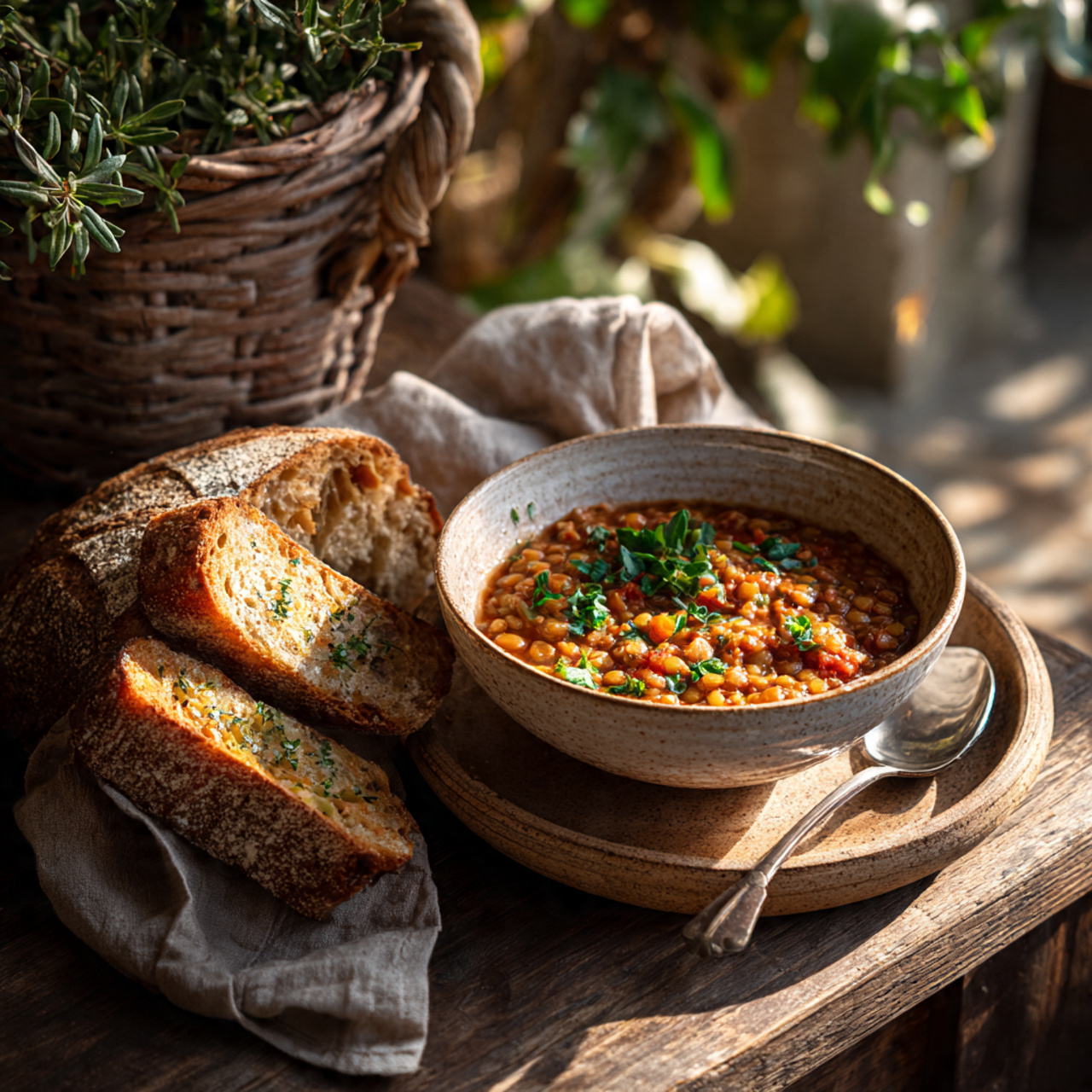

In the vast landscape of global cuisine, some dishes do not require molecular complexity or extravagant luxury to achieve greatness. The Mediterranean Lentil Stew is a testament to this truth. It is the flagship of the “Mediterranean Diet” an intangible cultural heritage of humanity where the freshness of seasonal produce and the aromatic warmth of herbs converge.
For an experienced cook, this stew is not just a chaotic pot of soup. It is a meticulous process of flavor layering, where every vegetable is treated with respect to achieve perfect tenderness, and the lentils maintain an “al dente” structure while remaining melt in your mouth soft.
1. Superior Health Benefits
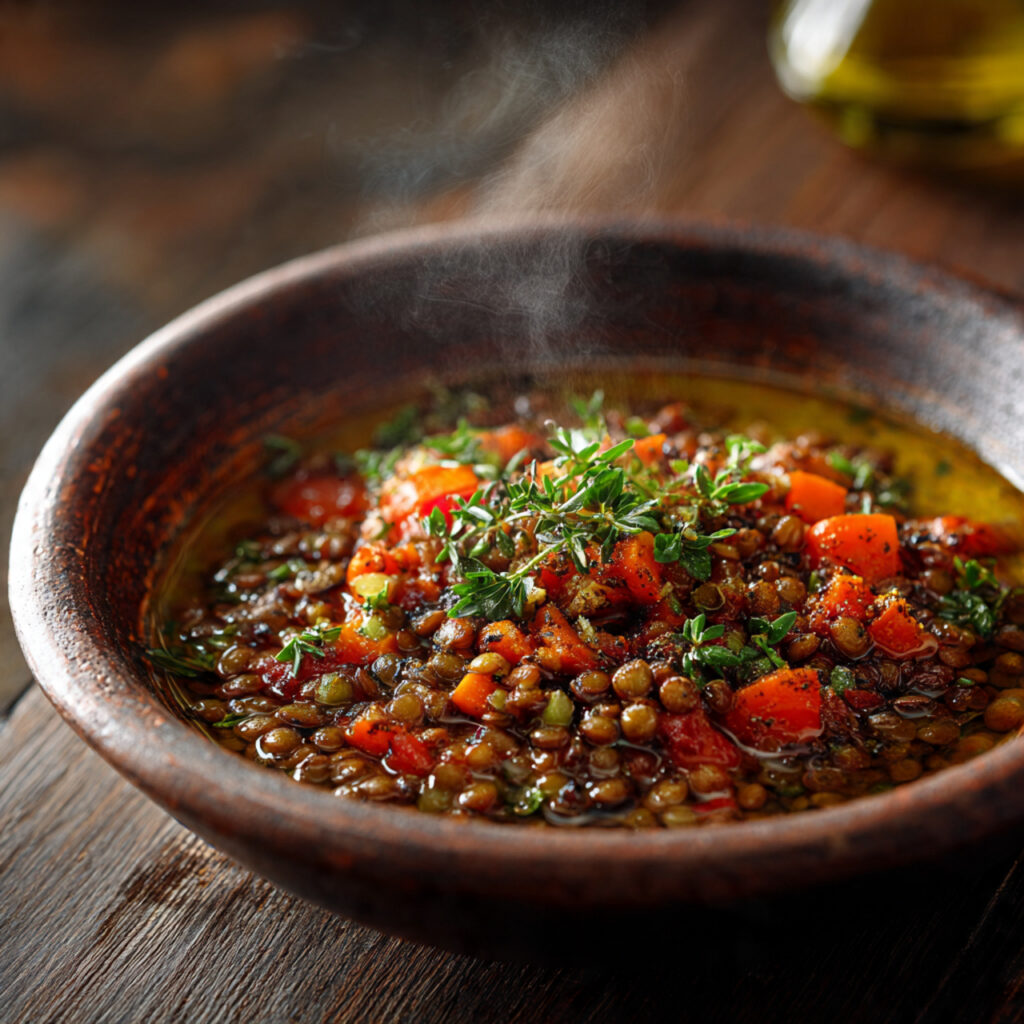
This stew is a literal nutritional powerhouse:
-
Protein and Fiber Rich: Lentils are an incredible source of clean plant protein for muscle maintenance and soluble fiber for digestive health.
-
Antioxidant Powerhouse: Lycopene from cooked tomatoes and polyphenols from olive oil protect cells and support cardiovascular health.
-
Low Glycemic Index: This dish stabilizes blood sugar, providing sustained energy without the post meal crash.
2. Ingredient Philosophy: Selecting Like a Connoisseur
To elevate a stew to restaurant standards, the selection process is paramount.
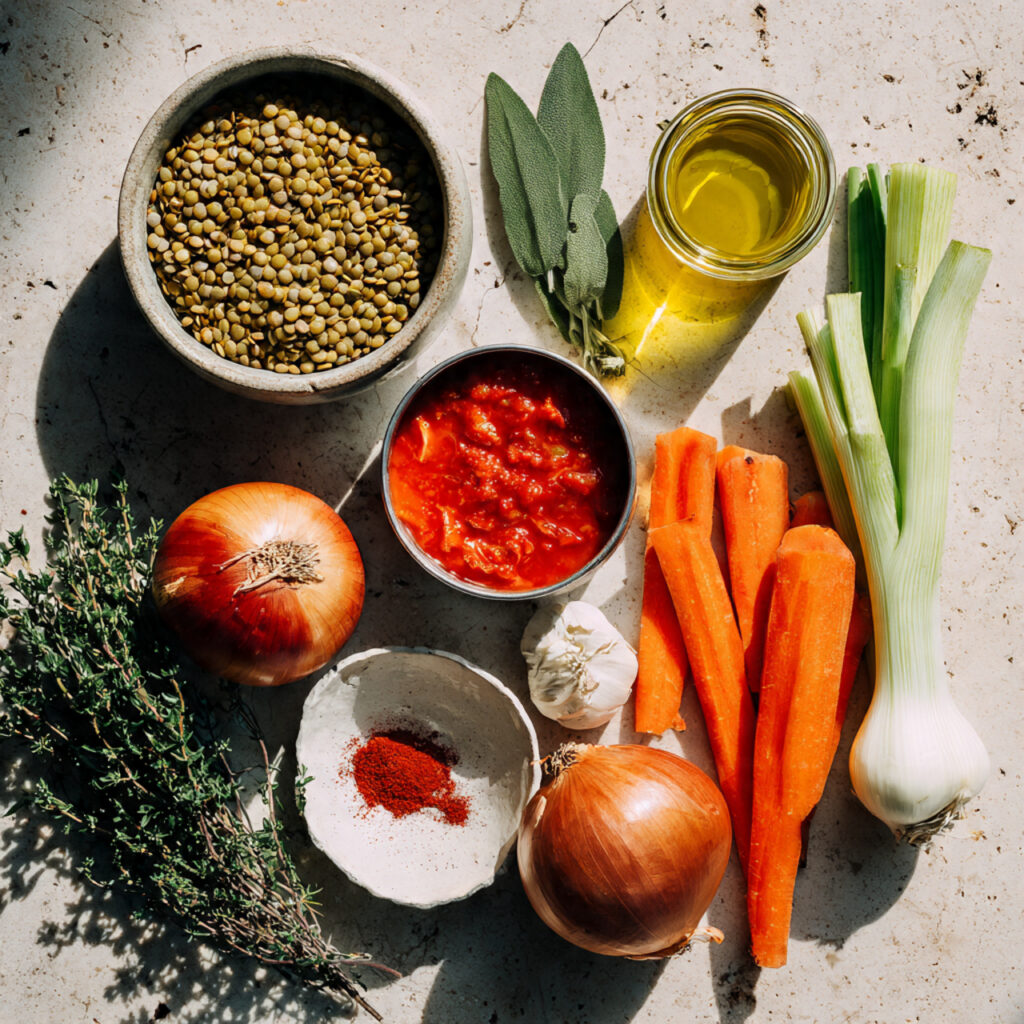
1.1. The Soul of the Dish: Lentils
There are many varieties of lentils, but not all are suited for a Mediterranean braise:
-
Green/Puy Lentils: The gold standard. They possess a firm skin that holds its shape through long simmering, offering a sophisticated earthy and peppery profile.
-
Brown Lentils: Versatile and accessible. They soften more than green lentils, which is ideal if you prefer a thicker, more bound sauce.
-
Pro Tip: Avoid Red Lentils for this specific recipe, as they disintegrate rapidly better suited for creamy dals or pureed soups.
1.2. The Mirepoix Foundation and Aromatics
-
Onions, Carrots, Celery: The “Holy Trinity.” Dice them with absolute uniformity (brunoise or small dice) to ensure they cook at the same rate.
-
Fresh Garlic: Do not mince too finely at the start to avoid burning. Thinly sliced or coarsely minced is best to release flavor gradually.
-
Extra Virgin Olive Oil (EVOO): Do not be frugal here. EVOO is not just a medium for frying; it is a primary seasoning that provides a velvety mouthfeel and a fruity finish.
1.3. Herbs and Spices
-
Bay Leaves, Rosemary, and Thyme: The breath of the Mediterranean coast. Use fresh sprigs whenever possible.
-
Smoked Paprika: A subtle touch to provide a “hidden” layer of smokiness and depth.
-
Ripe Tomatoes: Italian whole peeled canned tomatoes (San Marzano style) are often superior to off season fresh tomatoes due to their consistent acidity and sugar levels.
3. Professional Execution: The Art of Layering Flavors
Step 1: Prepping and Awakening the Grains
While lentils do not require overnight soaking like soybeans, soaking them in warm water for 30 minutes before cooking ensures even hydration and removes most of the lectins (which can cause bloating). Rinse thoroughly and drain until bone-dry.
Step 2: The “Sweating” Technique
In a heavy bottomed pot (such as a Dutch oven), heat 3 tablespoons of EVOO. Add the onions, carrots, and celery with a generous pinch of sea salt.
-
Advanced Technique: Do not use high heat to brown them. Use medium low heat and cover the pot. The trapped steam will soften the vegetables in their own juices. This “sweating” process extracts the purest natural sugars. Only when the onions are translucent should you add the garlic.
Step 3: Caramelizing the Umami Base
Push the vegetables to the edges and drop a table spoon of tomato paste into the center. Sauté it until it turns a deep rust color and begins to stick slightly to the bottom. Immediately add the smoked paprika, black pepper, and dried herbs, stirring for 30 seconds. The aroma should be intoxicating but not burnt.
Step 4: Deglazing (The Flavor Retrieval)
Pour in a splash of dry white wine (or a bit of vegetable stock). Use a wooden spoon to scrape the brown film (fond) off the bottom of the pot. This is the concentrated essence of Umami.
Step 5: The Gentle Simmer
Stir in the lentils, ensuring every grain is coated in the flavored oil. Add vegetable stock (ratio 1 part lentils to 3 parts liquid). Drop in your bay leaves and fresh herb bundles.
-
Temperature Control: Bring to a boil once, then immediately reduce to the lowest simmer. The surface should barely ripple. High heat will rupture the lentil skins and turn the stew into mush. Simmer for 30–45 minutes depending on the variety.
Step 6: Achieving the Professional Texture
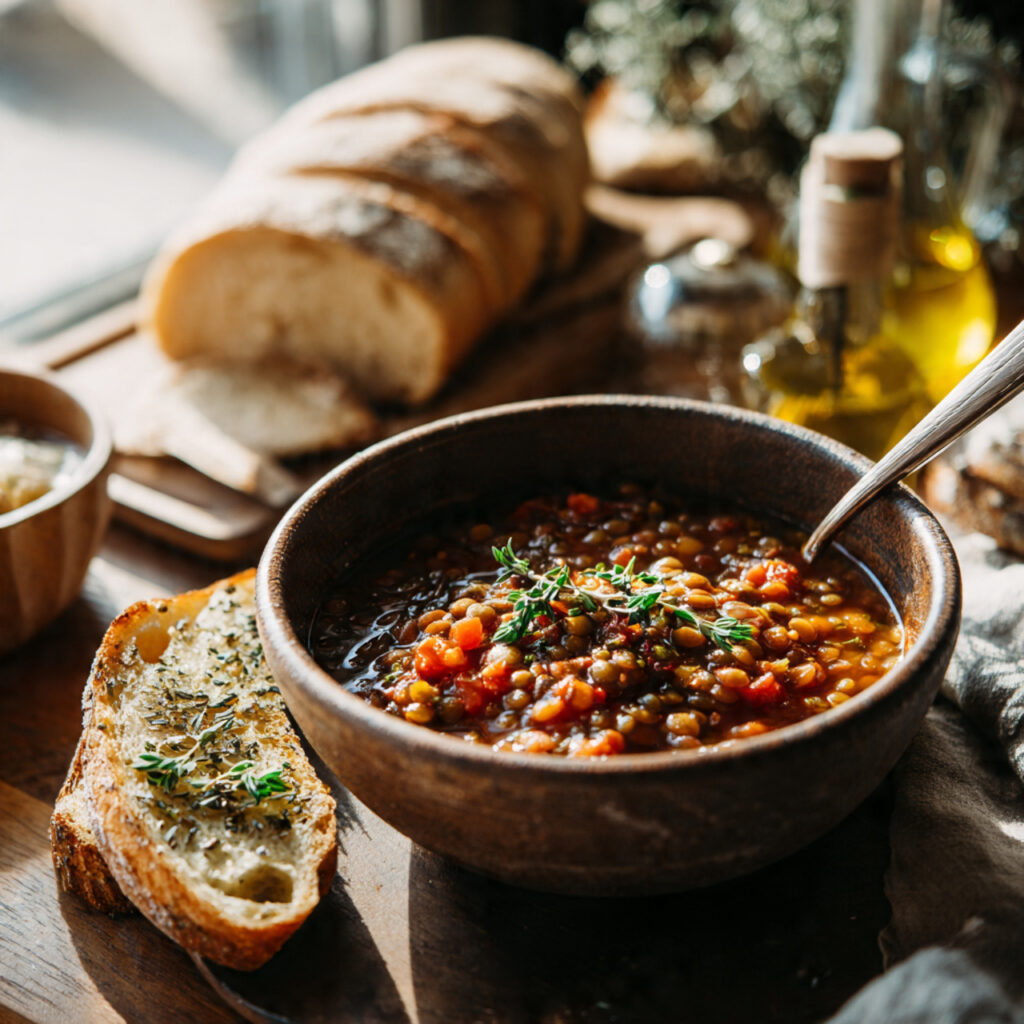
Once the lentils are tender, take a large ladle full of the stew and pulse it in a blender (or use an immersion blender) until smooth. Pour this purée back into the pot. This creates a natural, creamy “ligature” that binds the stew together without the need for corn starch or heavy cream.
4. Troubleshooting: Avoiding Common Pitfalls
As an experienced cook, you must control these variables:
-
Lentils Staying Tough: This is often caused by adding salt or acidic components (lemon, vinegar) too early. Acid and salt toughen the lentils exterior, preventing water from reaching the core. The Fix: Only season with salt and acid once the lentils have reached your desired tenderness.
-
Bitter After taste: This results from burning the garlic or scorching the dry spices in Step 3. Always maintain low heat when working with dry aromatics.
-
Flat Flavor Profile: If the stew tastes “dull” despite the spices, it is likely missing a bright note. A squeeze of fresh lemon or a teaspoon of Red Wine Vinegar at the very end will act as a catalyst, making all the other flavors “pop.”
5. Serving and World Class Presentation
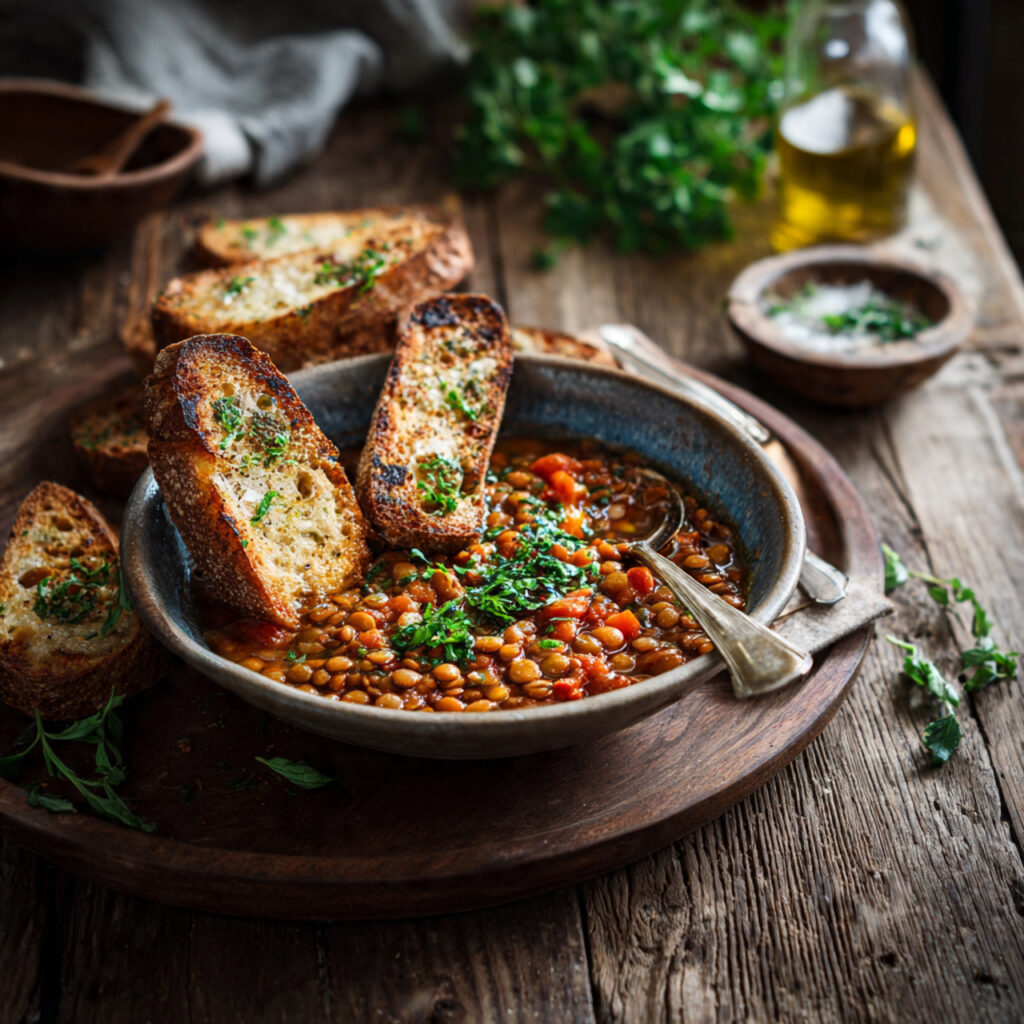
A Mediterranean stew should never look like a monochromatic bowl of soup. Elevate it with these touches:
-
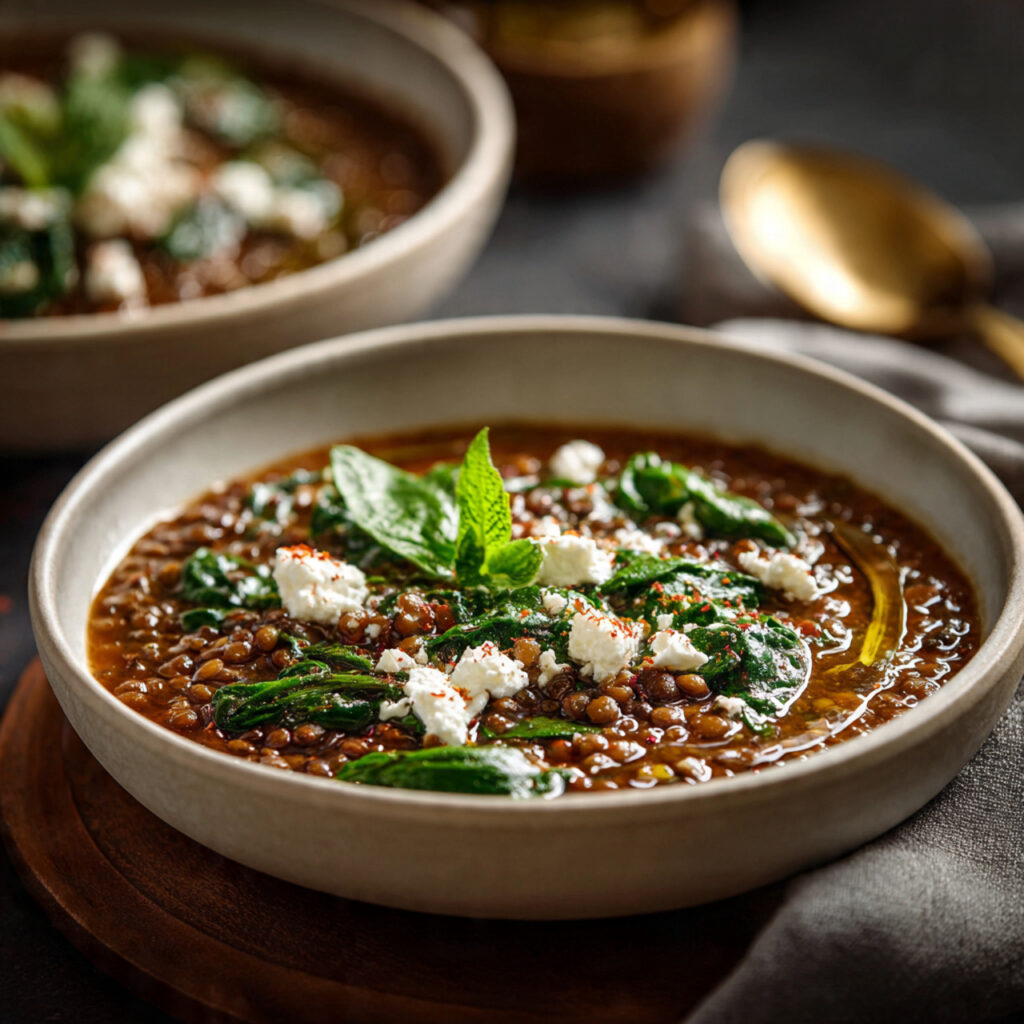
The Toppings: Sprinkle crumbled Feta cheese for a salty tang. For a vegan option, use toasted pine nuts or cashews for crunch.
-
The Color: Fold in a handful of fresh baby spinach just before serving. The vibrant emerald green against the rustic brown is visually stunning.
-
The Accompaniment: Serve with a thick slice of toasted Sourdough bread, rubbed with raw garlic and drizzled with olive oil. Using the bread to “mop up” the thick sauce is the quintessential Mediterranean experience.
6. Final Thoughts: Wellness in Every Savorful Spoonful
Cooking is more than just assembling ingredients; it is an act of mindfulness a way to nourish our bodies and souls through thoughtful choices. A truly exceptional Mediterranean Lentil Stew doesn’t rely on heavy artificial seasonings. Instead, it shines through the purity of its components and the finesse of the cook’s technique.
I hope these insights empower you to master your kitchen, where health and flavor coexist in perfect harmony. Remember, the patience you show in sweating the aromatics and the gentleness with which you simmer the lentils are what truly breathe life into this dish.
Are you ready to head to the kitchen and treat yourself to a warm, revitalizing meal? If you have any questions about the techniques or want to share your culinary success, feel free to drop a comment below. Happy cooking and bon appétit!