

As an Amazon Associate, I earn from qualifying purchases. This post contains affiliate links, which help support this site at no extra cost to you
I always start by making three key decisions: size, material, and placement. These choices affect how the sofa looks, works, and moves people around. I aim to make it practical, sharing tips and resources for picking the right sofa.
When I shop online, I look at brand reputation and product details. I check for many reviews and high scores to ensure quality. I also use Instagram for inspiration, as it shows how sofas look in real homes.
Architectural details are important too. For example, a big bay window can guide where to place a sofa. The right sofa can make the room feel cozy without blocking light or movement.
Key Takeaways
- Decide on size, material, and placement first to guide all other choices.
- Use product SKUs, brand details, and review counts to vet online listings.
- Browse Instagram for real-life photos of modern living room sofa setups.
- Consider architectural features like bay windows and traffic paths when placing a sofa for open living room plans.
- Balance comfort and durability to find the best sofa for large living room use.
1. Start with a clear plan for your open concept living room
I start by measuring the room and drawing a simple floor plan. I mark important spots like windows, the fireplace, and kitchen island. This helps me pick the right sofa for an open concept layout, keeping everything open and easy to move around.
Next, I plan out the traffic paths. I make sure main walkways have 30–36 inches of space. Around coffee tables, I aim for 18–24 inches. This makes moving around easy, whether I choose a big sofa or a versatile one for an open floor plan.
I also plan out different activity zones on the floor plan. These include lounging, dining, and maybe a workspace. I decide if the sofa will be a focal point or against a wall to save space. Floating sofas are great for separating areas without walls.
Before I start shopping, I make a detailed checklist. I include things like size, color, material, and reviews. I learned from brands like West Elm and Article to check delivery and assembly details before buying a big sofa for an open living room.
I also collect inspiration from Instagram and Pinterest. I save pictures of sectional sofas, floating sofas, and layouts that define zones without making the room feel closed in. These images help me test my ideas against my floor plan.
I take note of the room’s permanent features, like bay windows or ornate details. These architectural elements guide where a modern or spacious sofa should go. I choose spots that enhance these features, not hide them.
Finally, I have a simple layout and a list of sofas that fit. With clear measurements and saved references, I’m ready for when the sofa arrives and the room comes together.
https://www.youtube.com/watch?v=yH-YvNwOdcc
How size affects the look and function of a sofa in open spaces
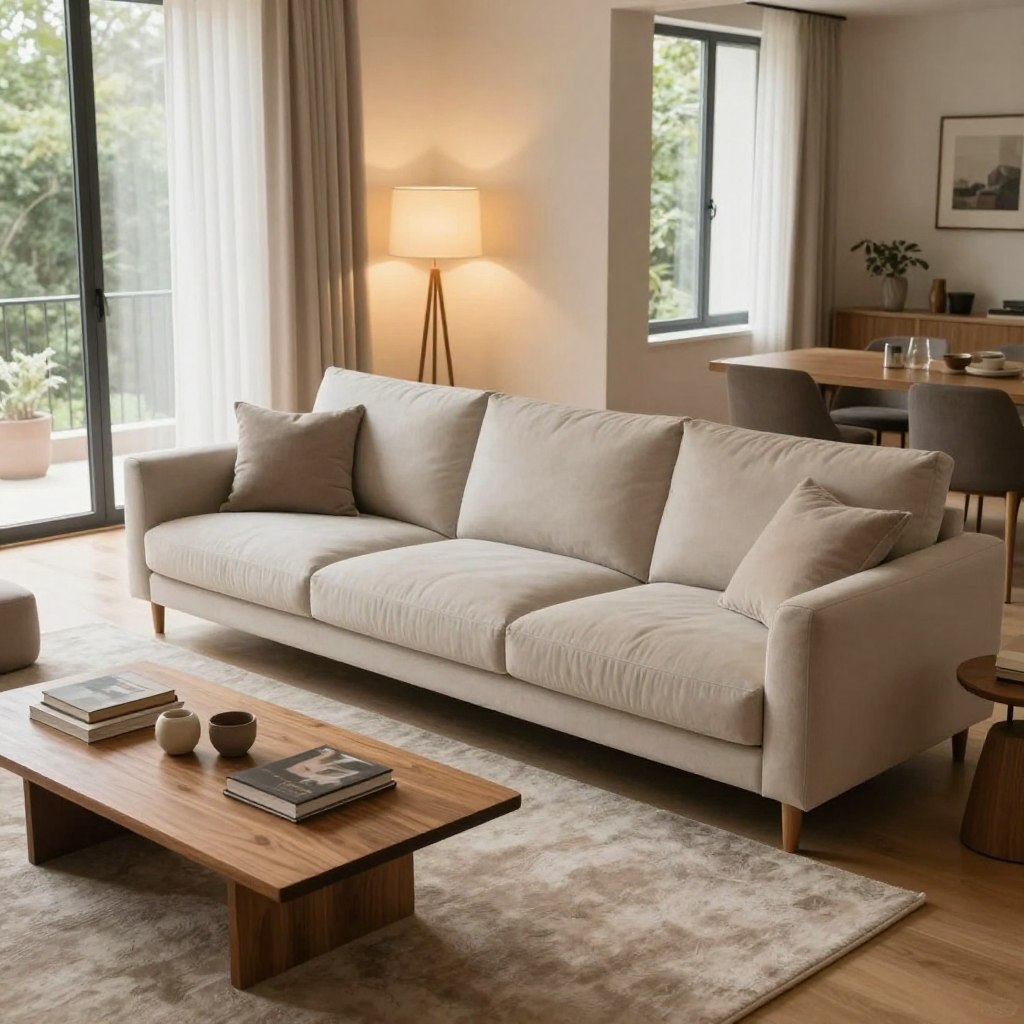
I start by checking the sofa’s size. A couch that’s too small can make a room feel off balance. On the other hand, a couch that’s too big can block the way and mess up the view.
I measure things like seat depth, back height, and the sofa’s overall size. This helps me pick the right one.
When shopping online, I look for reliable sources. West Elm and Crate & Barrel give exact sizes and stock updates. I make sure the sofa I choose is in stock and will arrive on time.
Instagram photos help me see how a sofa will look in a real home. I compare it to other furniture to get a sense of scale. Photos also show how different designs affect the room’s feel.
I think about the room’s size when choosing a sofa. For example, a big room like Venlaw Castle needs a sofa that’s big enough to anchor the area but not so big it takes over. A mid length sectional sofa works well here, defining the living area without blocking the kitchen and dining.
I also consider the sofa’s seat depth. A deep seat is comfy but might make a small room feel tight. A higher back is good for posture but might cut off the view in an open space.
To decide, I draw the room’s dimensions and mark where the sofa will go. This helps me choose between a formal three-seater, a big sectional, or a smaller loveseat with armchairs.
Getting a big sofa delivered is important. I check if the building can handle it, if there are stairs, and what happens if I need to return it. This saves hassle and makes sure the sofa fits both in size and style.
2. Sofa for open living room
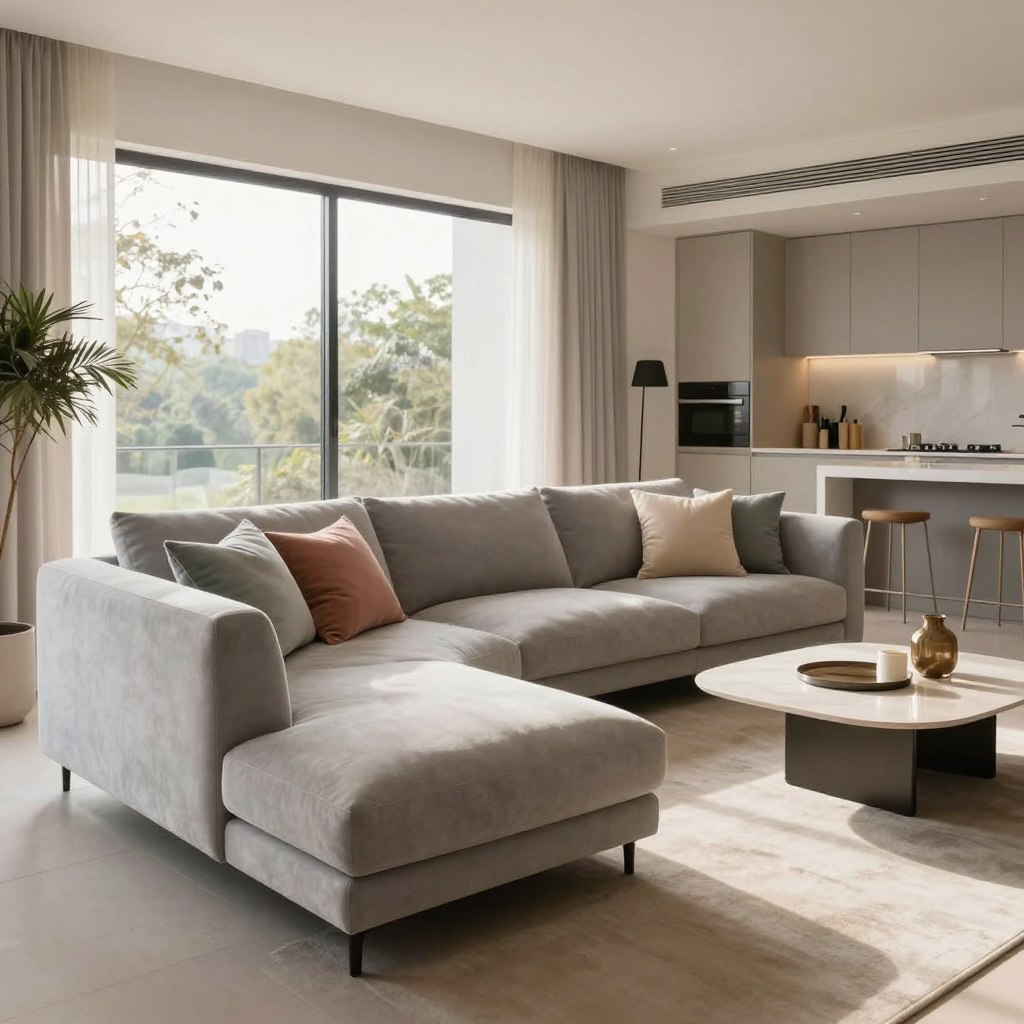
I start by looking at styles that fit open plans. Mid century sofas are great because they’re low to the ground. This keeps the room feeling open. Modular sofas are flexible for when you need to change the seating arrangement. Low back sofas are perfect for homes with big windows or exposed beams.
When I go shopping, I look at the finish and fabric options. I compare different brands and read customer reviews to make my choice. This helps me find a sofa that looks good and lasts long.
I also use Instagram to see how sofas look in real homes. I search for tags like #openconceptlivingroom and #modernsofa. This shows how a comfy sofa fits in different areas of the room. Accounts like West Elm and Article give me ideas.
Architectural details help me decide. In homes with bay windows or fireplaces, a slim armed or low profile sofa works best. It doesn’t block the view or light. For example, at Venlaw Castle, the designers picked furniture that matched the windows.
Here are some quick tips for choosing a sofa:
- Scale: Measure the room before buying.
- Profile: Choose low back or slim arms for a light feel.
- Flexibility: Modular options are good for changing layouts.
- Finish: Pick fabrics and colors that match the room.
Following these steps helps me find a stylish sofa for open concept living rooms. It’s both inviting and practical for everyday use.
3. Sectional sofa for living room: pros, cons, and layout ideas
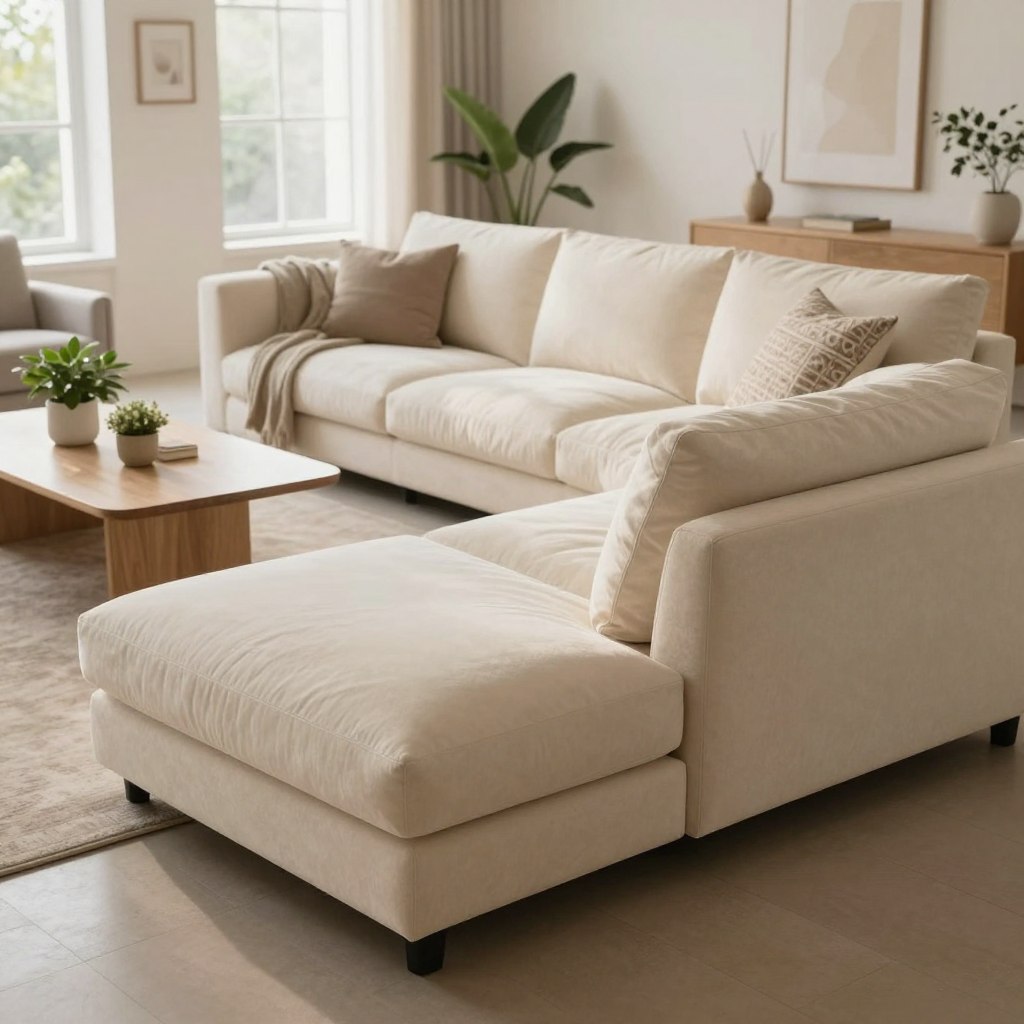
I choose a sectional sofa for the living room when I need lots of seating. It boosts seating and defines zones in an open plan. An L shaped or U shaped sectional is great for large rooms, creating a clear area near a window or fireplace.
Sectionals are very flexible. I can change the seating for different occasions. They can also act as a room divider while keeping the space open.
However, sectionals have some downsides. They can make small rooms feel cramped. They are also harder to move and may limit future furniture arrangements.
Reviews and ratings are important when choosing a sectional. I look for high review counts and steady ratings from brands like West Elm and Crate & Barrel. This helps me know if the sectional is durable and comfortable.
For layout ideas, I prefer three simple approaches:
- Anchor with an L shape to face a TV or fireplace and create an intimate conversation area.
- Use an island configuration perpendicular to the kitchen to separate traffic without walls.
- Choose modular units that can become smaller sofas or individual chairs when you move.
In large living areas, a sectional is the best choice. It offers maximum seating and clear zones. I test dimensions on paper or with blue tape to ensure the piece fits well.
In short, a sectional is a smart choice for seating and clear zones. When choosing a versatile sofa for an open floor plan, consider scale, delivery, and flexibility. This way, the layout works today and tomorrow.
5. Material choices: durable, stylish, and comfy sofa for open living space
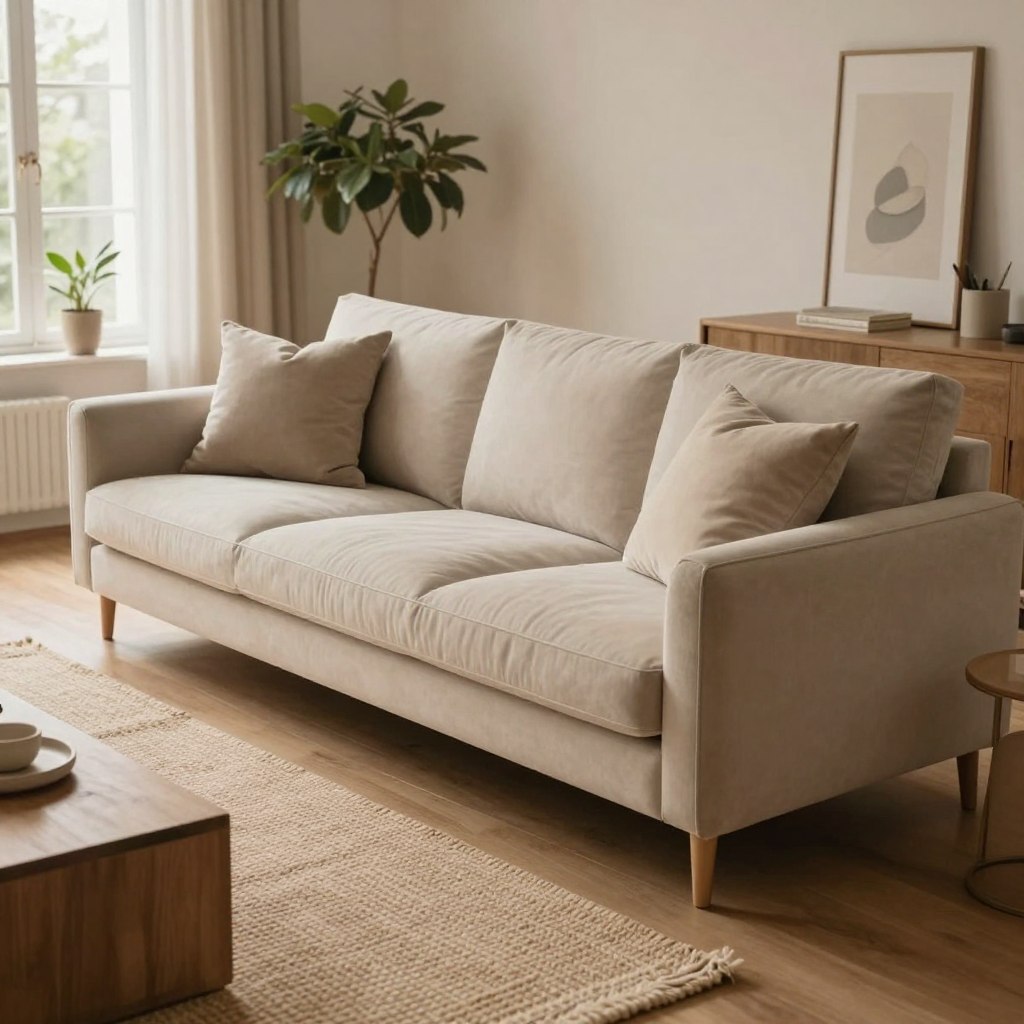
When picking a sofa for an open plan, I focus on fabric, leather, and performance textiles. Fabric is soft and warm but might stain easily. Leather and high quality faux leather, on the other hand, are easy to clean and last long, perfect for busy homes and a modern look.
Performance fabrics like polyester blends, Crypton, and Sunbrella are great for busy areas. They’re durable and comfy, resisting spills and fading less. This makes them ideal for open plans that see a lot of use.
Color and weave are key. I check product listings and customer reviews for material codes and wear claims. Photos on Instagram help me see how fabrics look in real light, showing how they age and photograph.
For elegant living rooms, I often choose leather or a refined performance textile. Leather works well with wood trim and fireplaces. A refined fabric can add softness to a kitchen area while keeping the look unified.
I match the sofa material to the room’s style. In modern spaces, I prefer a neutral performance fabric sofa. For historic or high-ceiling rooms, I opt for leather or textured velvet to match period finishes.
To make a final decision, I compare care instructions, warranties, and photos. This ensures the sofa will be comfortable and stylish for everyday use. A good sofa for an open living space should be both stylish and practical, fitting the room’s needs and style.
6. Color and texture to enhance an airy open concept
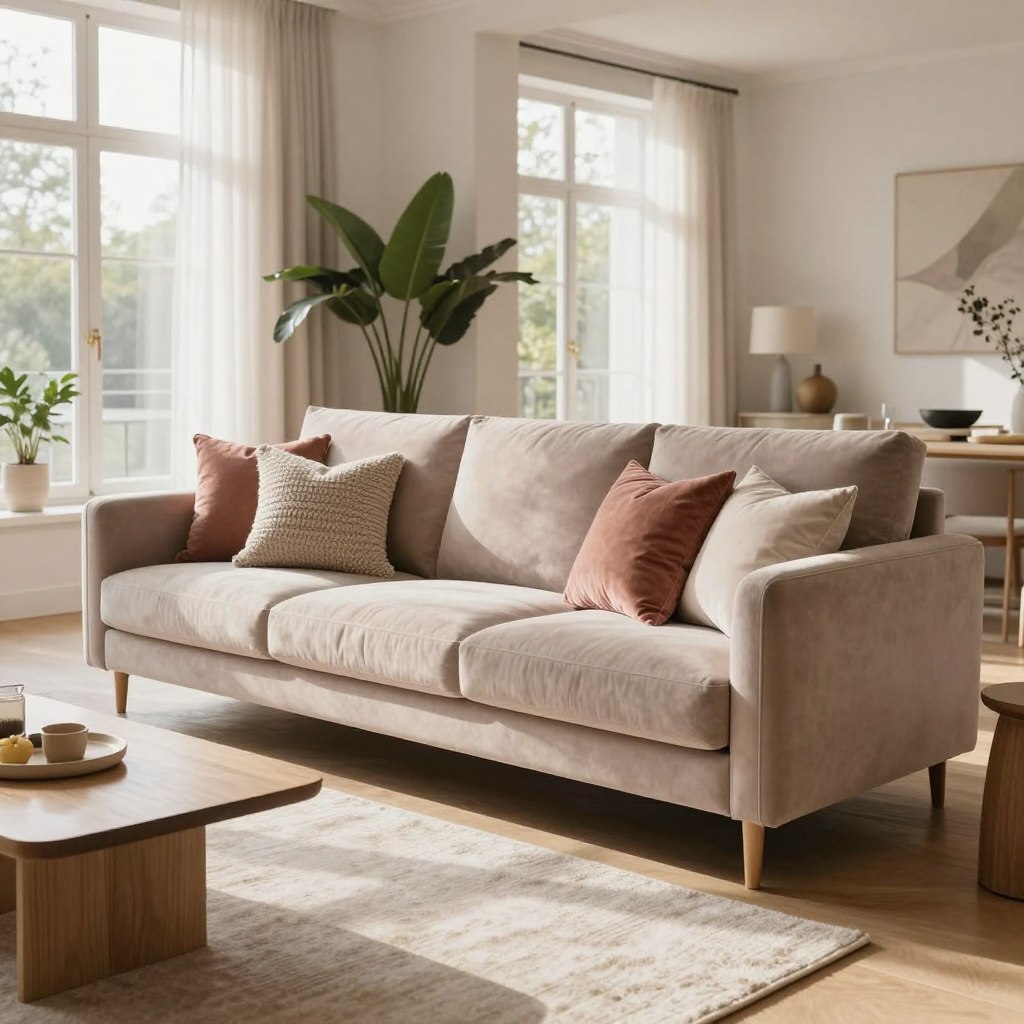
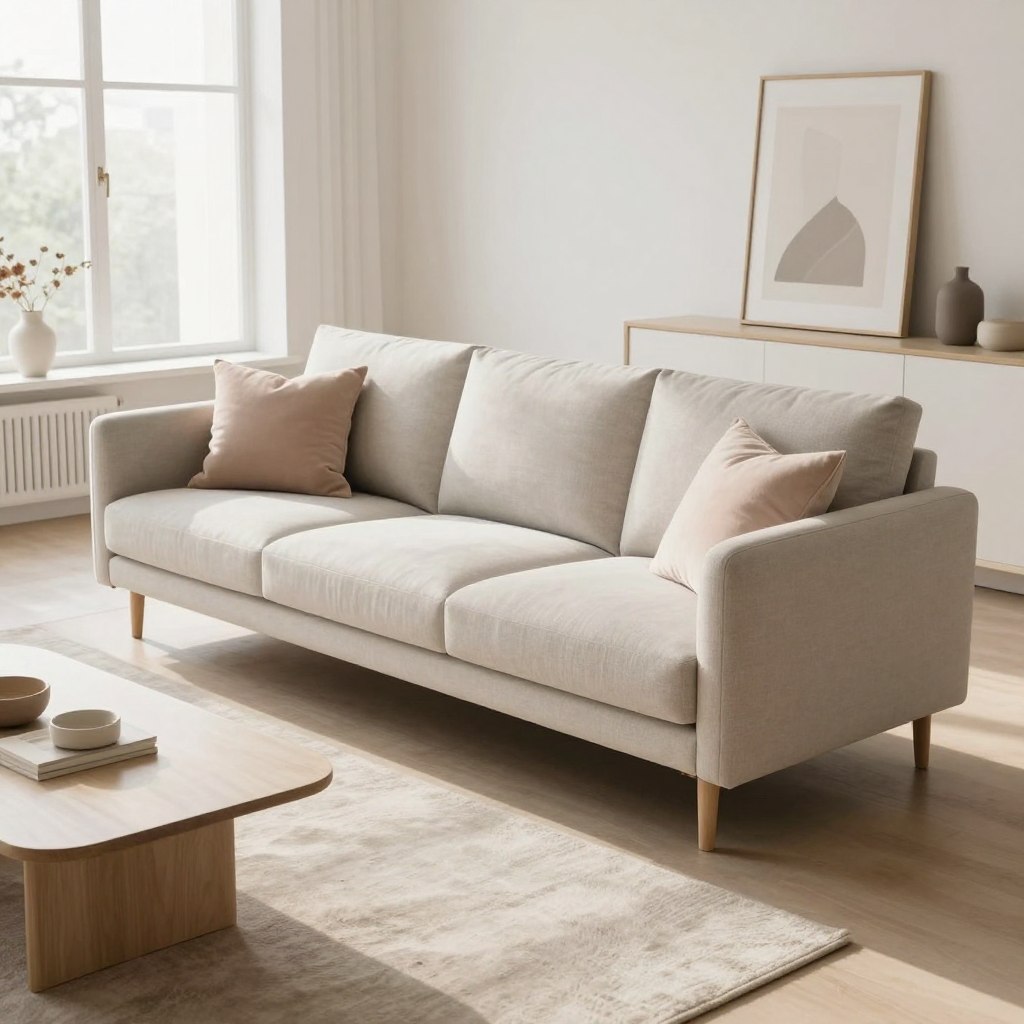
I like using light neutrals to make an airy open concept feel bigger. Colors like off white, warm gray, and pale taupe reflect light well. This makes the space feel larger. A modern living room sofa in these colors creates a calm atmosphere that connects the living and dining areas.
Soft textures make the room feel cozy. Linen, cotton blends, and boucle add depth without making the space feel heavy. Mixing a textured throw or a boucle accent chair with a stylish sofa adds interesting contrast.
Bolder colors can be used as accents. A deep navy pillow or a rust ottoman can draw attention without disrupting the flow. I test colors near windows to see how light changes them on an elegant sofa.
Looking at product review photos helps me understand color and wear. I compare swatches to customer images on websites and Instagram. This helps me see how a modern living room sofa will look in a home setting.
Keeping a cohesive palette across zones helps maintain a seamless look. Choose two main neutrals and one accent color. Use these colors in rugs, upholstery, and accessories. This makes a stylish sofa for an open concept living room feel like part of a larger whole.
I made a quick guide to help pick finishes and textures. Test each sample near bay windows or under a warm lamp to avoid surprises.
| Element | Recommended Options | Why it works |
|---|---|---|
| Base sofa color | Off-white, warm gray, pale taupe | Reflects light, unifies open areas, pairs with many accents |
| Accent colors | Navy, rust, forest green | Create focal points without closing the space |
| Upholstery textures | Linen blends, boucle, performance velvet | Adds depth and tactile interest for an elegant sofa for airy living room |
| Accessories | Throws, pillows, rugs in coordinating tones | Ties zones together and highlights a modern living room sofa |
| Testing method | View swatches in daylight and evening lamp light | Shows true color shifts near primary windows and bay windows |
Placement techniques to define zones while keeping an open feel
I start by floating the sofa away from walls to form a natural conversation area. This simple placement technique creates a clear central zone. It lets traffic flow around seating without closing off the room.
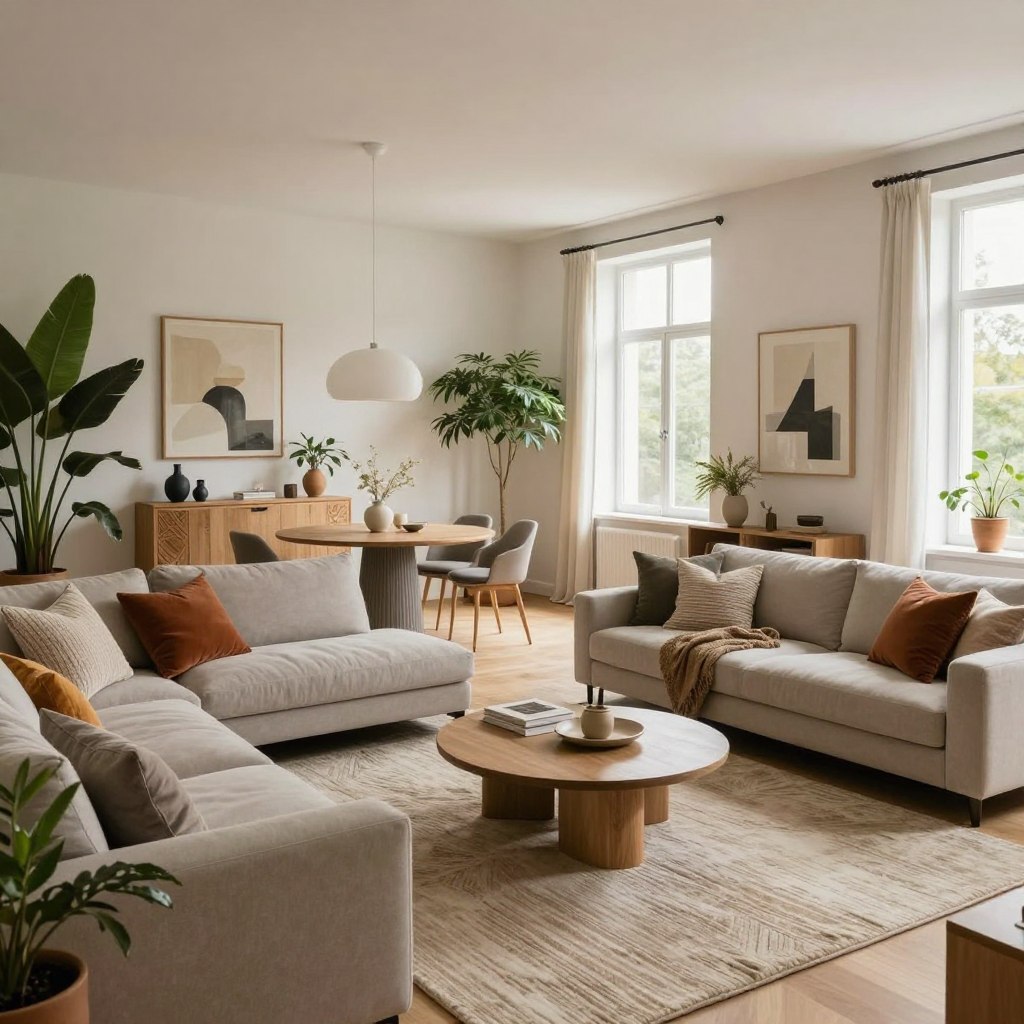
Area rugs anchor the seating group and signal a distinct living zone. I pick a rug that fits under the front legs of a sofa for open living room layouts. This step helps define the space without blocking sightlines to windows or the kitchen.
When I position a sofa for open living room plans, I keep traffic lanes in mind. Leave a minimum of 30–36 inches for walkways between the sofa and kitchen or entry. This maintains flow and prevents the space from feeling cramped.
Backing a sofa to a dining area offers a subtle room divider. I favor low-backed or slim armed sofas for this because they separate functions without making the layout feel boxed in. A versatile sofa for open floor plan living will fit that niche well.
Delivery logistics matter for final placement. I always measure doorways, staircases, and elevators before buying. Brands like West Elm and Crate & Barrel list delivery dimensions; knowing them saves headaches when placing a large living room sofa near bay windows or tight corridors.
I recommend collecting visual references from Instagram and retailer galleries. Pin images of floating sofas, sofa backed dividers, and rug choices that match your dimensions. Those samples make it easier to communicate placement ideas to movers or installers.
| Placement Goal | Technique | Why it Works |
|---|---|---|
| Create conversation zone | Float sofa away from walls with two chairs opposite | Encourages face to face seating and balances proportions |
| Anchor seating | Use area rug sized to include front sofa legs | Defines the living zone without visual barriers |
| Maintain flow | Allow 30–36″ clear walkways | Keeps paths to kitchen and entry unobstructed |
| Subtle division | Back sofa to dining area; choose low backed style | Separates functions while preserving openness |
| Delivery readiness | Measure doorways, stairwells, and elevators | Ensures chosen sofa fits and can be placed as planned |
7. Styling tips for a stylish sofa for open concept living room
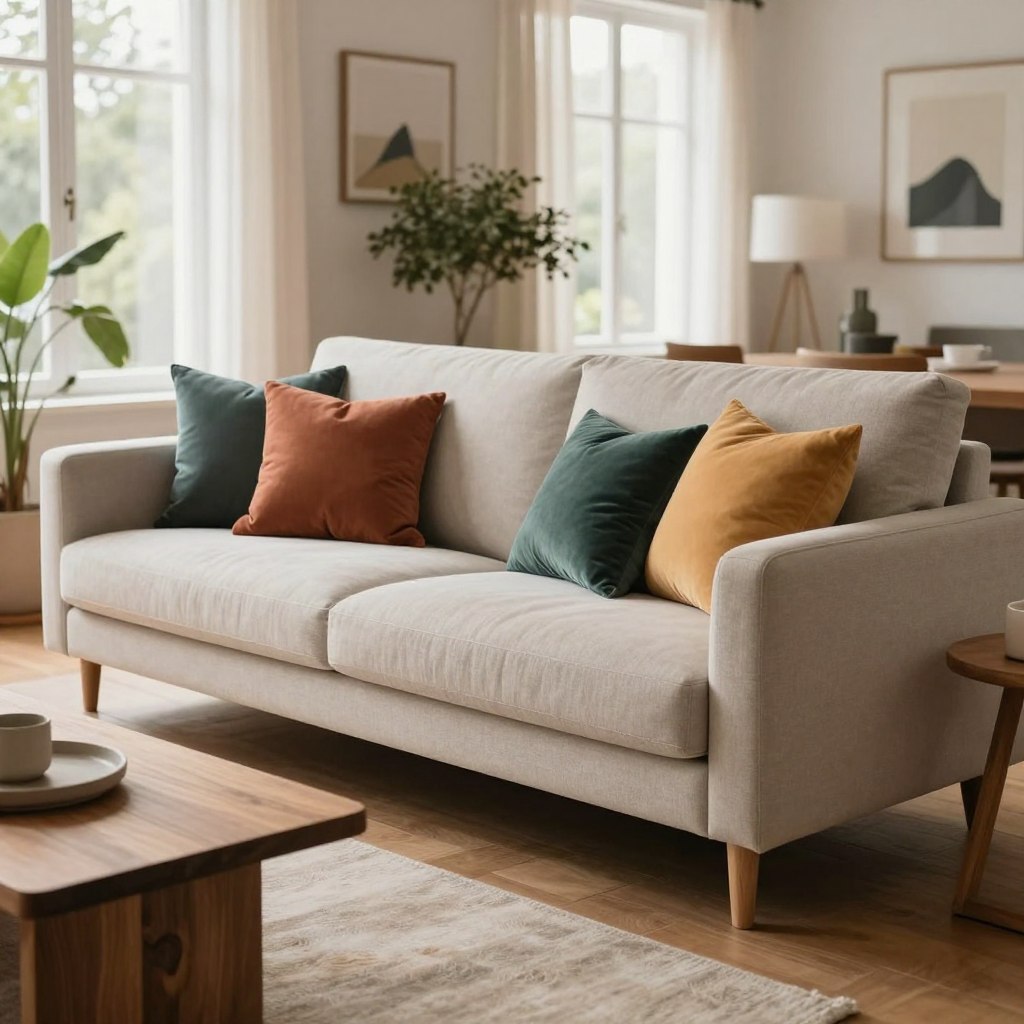
I choose layered throw pillows in different textures to make a modern sofa look curated and cozy. Start with a neutral base. Then, add one bold pattern and one textured solid to keep it balanced.
I use a lightweight throw blanket over an arm or the back to add color and softness. For summer, pick linens or cotton blends. In cooler months, choose a wool mix to keep the sofa inviting all year.
I pick side tables that float or nest to keep the room open. Slim metal or glass topped nesting tables work well with antique windows or ornate moldings. They don’t block views to a bay window or kitchen island.
I place floor and table lamps to create separate light zones. A tripod floor lamp beside the sofa and a small table lamp on a nest table provide task light and mood. This setup doesn’t overwhelm the room.
I look for coordinated ranges from makers like West Elm, Crate & Barrel, and Restoration Hardware when buying a modern sofa. Matching pillows, throws, and side tables from one collection make styling easier and more cohesive.
I save Instagram posts that show pillow mixes, lighting setups, and side-table layouts I like. This visual library helps me style a stylish sofa for an open concept living room quickly.
I balance historic architectural details with contemporary accessories. For a room with crown molding or a bay window, use slim, modern tables and sculptural lighting. This complements the features without crowding the comfy sofa for an open living space.
I keep accessories low and purposeful: a tray, a small stack of books, and one sculptural vase. Minimal accents keep the modern living room sofa the focal point. This preserves an airy, open feel.
Budgeting and where to invest: versatile sofa for open floor plan
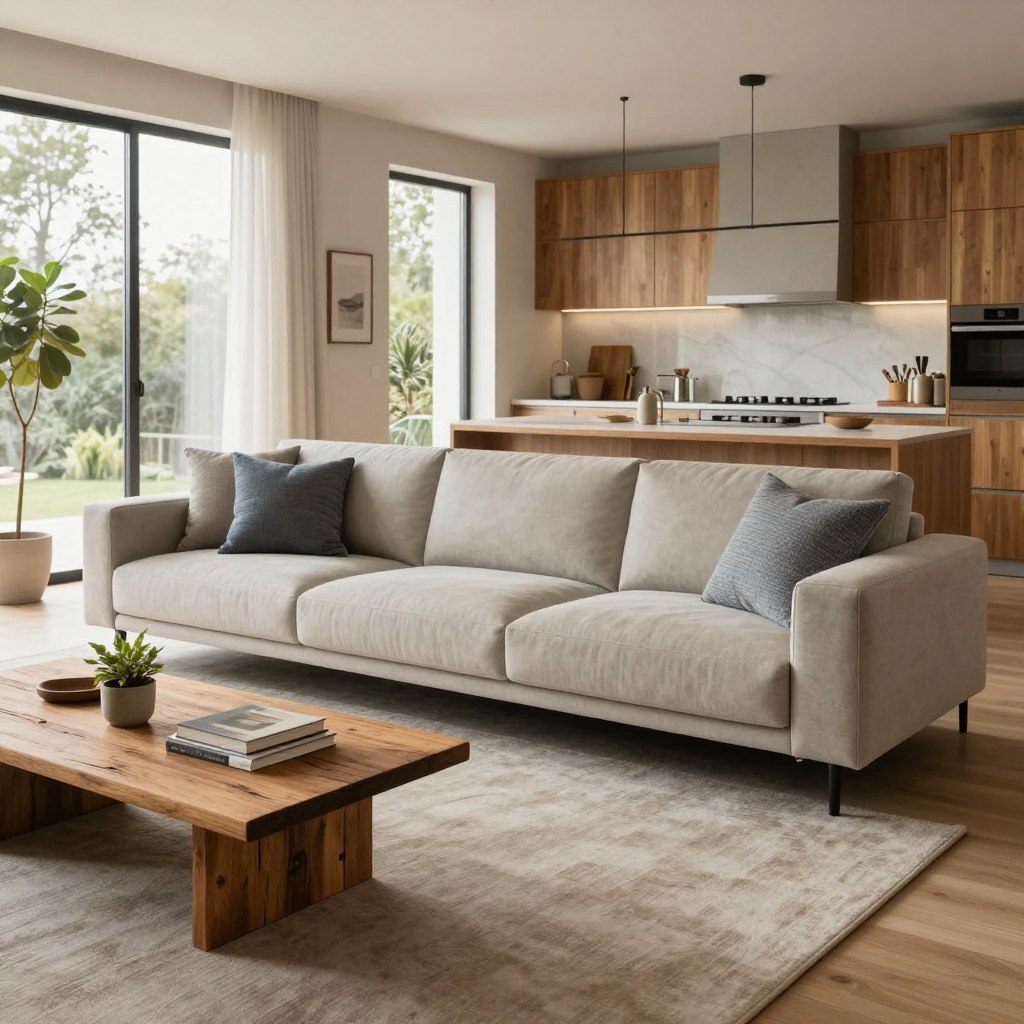
I start by focusing on a strong frame and good suspension. Look for kiln dried hardwood frames and either eight way hand tied springs or high quality sinuous springs. These keep a sofa comfy for years without sagging.
Next, I spend on durable upholstery. Choose performance fabrics like Sunbrella or Crypton for stain and wear resistance. Brands like West Elm or Crate & Barrel offer good value, balancing quality and price.
Tracking total cost is key. Online prices don’t include taxes, delivery fees, and return charges. Check for discounts and pickup options through loyalty programs like IKEA Family or local chains.
I use reviews and bestseller lists to find reliable models. Social platforms are great for finding sales and showroom samples.
Instagram and Facebook Marketplace are good for finding showroom or gently used sofas. You can get a versatile sofa for open floor plan at a lower price if you act fast. Always check the condition of cushions and frame before buying secondhand.
When deciding how much to spend, consider the room’s size and style. For large spaces, choose a sofa that matches the room’s scale and finish. A well-chosen sofa can make a room look elegant and add value.
To compare options, I use a table to weigh frame quality, upholstery, lifespan, and price. This helps me make clear, focused choices.
| Feature | What I look for | Why it matters |
|---|---|---|
| Frame | Kiln dried hardwood | Prevents warping and extends lifespan |
| Suspension | Eight way hand tied or quality sinuous springs | Maintains comfort and support |
| Upholstery | Performance fabric (Sunbrella, Crypton) | Stain resistance for family living |
| Buying channel | Mid-market retailers, showroom samples, resale | Balance of cost, warranty, and condition |
| Scale | Size suited to room dimensions | Ensures the sofa reads right in an open layout |
Before buying, I check warranty, measure doorways, confirm delivery fees, and read return policies. These steps prevent surprises and protect my investment in a versatile sofa for open floor plan.
If saving is a must, I choose a solid frame with modest upholstery now. Then, I plan to reupholster later. This approach lets me have a budget sofa for open living room projects that can grow with my style and needs.
Conclusion
I’ve shown how to pick a sofa for open concept living rooms. First, measure your room and plan the traffic flow. Then, choose a sofa that fits well without blocking the way or views.
Consider if a sofa or a sectional is better for your lifestyle. A versatile sofa can change with your needs.
Choose durable fabrics and colors that look good in your lighting. Place the sofa to create zones but keep views open. Before buying, check the product details and return policies.
Look at real estate listings for inspiration. See how windows and fireplaces influence furniture choices. Use a checklist to guide your choice.
Measure your space, pick the right size, and decide between a sofa and sectional. Choose materials and colors wisely, and plan the sofa’s placement. This way, your sofa will be both functional and stylish.
A sofa is just one way to decorate a room beautifully. However, to make your home even more unique and beautiful, explore these ideas for a more flexible and airy living room layout:
• Separating Living Room in Open Plan Apartments: Super Easy Tips for a Modern & Airy Home
• 10 Open Concept Kitchen and Living Room Ideas for Modern Homes
• 7 Invisible Pieces of Multi-Functional Furniture for Small Living Rooms
• 5 Rug Selection Rules That Make Small Living Rooms Feel Bigger
• 10 Modern Crystal Chandeliers to Transform Your Living Room