

Adding a window to your roof is a powerful design move. It can completely change the feel of a room. Skylights flood your home with natural sunlight, creating a brighter and more inviting atmosphere.
But when you start looking into options, a big question comes up. Should you choose a model that is sealed shut for pure light? Or do you need one that opens to let in a breeze? This is the core choice homeowners face.
The decision between a fixed and an operable unit is not always simple. Each style serves a different purpose for your living space. Understanding what you want to achieve is the first step.
This guide will walk you through the key details of both designs. We will compare their features, benefits, and ideal uses. Our goal is to give you the clear information needed to make the best choice for your home.
Bringing the Sky Inside: The Value of Natural Light and Air
Installing a skylight is often about getting more light and fresh air. These elements turn rooms into lively, healthy spaces. Knowing the benefits of skylights helps pick the right one for your home.
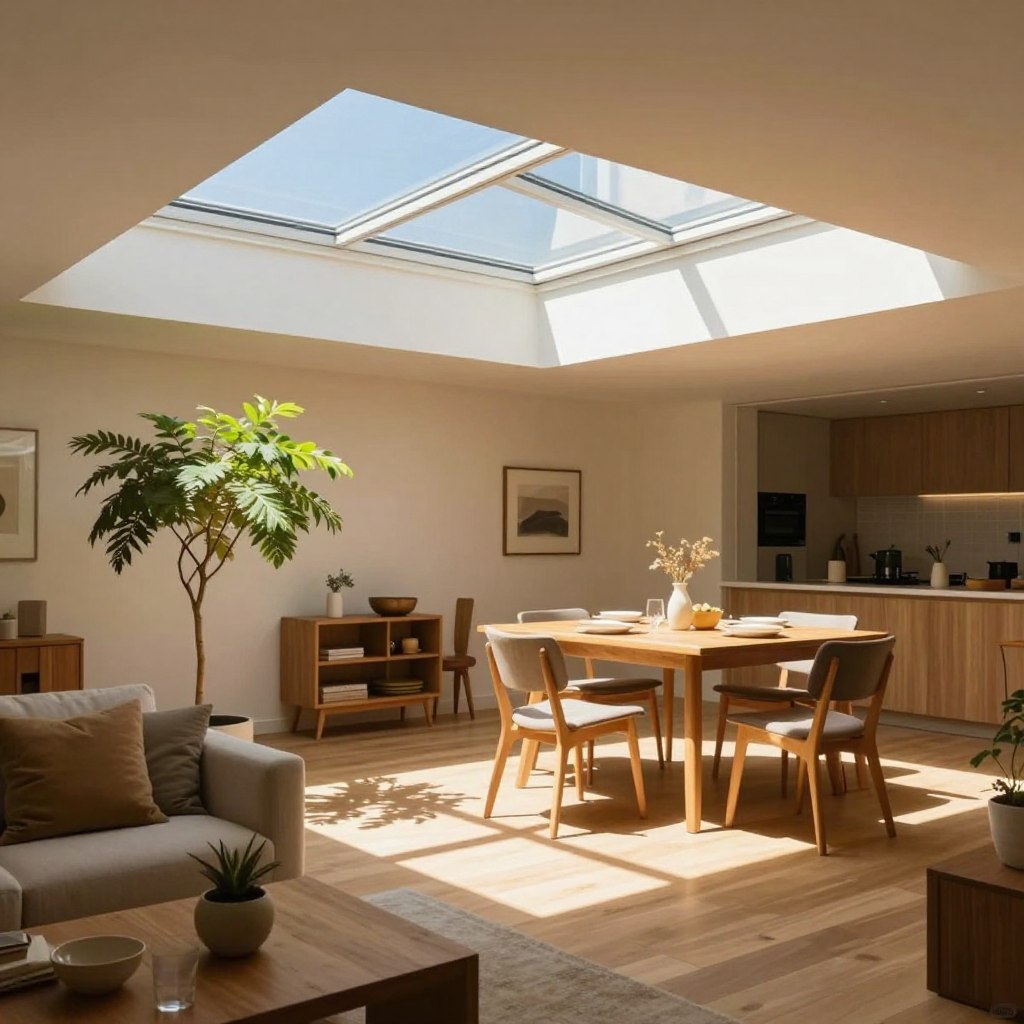
Natural light does more than just light up a room. It boosts mood and health by syncing with our natural rhythms. This connection to the outdoors reduces feelings of being trapped and increases energy.
A skylight also means less need for artificial light during the day. This saves energy. It also makes ceilings look higher and adds drama to a room.
This makes rooms feel bigger, more open, and welcoming. Skylights are a key design element that improves any space’s look and feel.
Light improves how we see things, while air quality affects our health. A skylight helps move air, getting rid of stale air and smells. It’s especially important in places like kitchens and bathrooms.
In these areas, it helps stop mold and mildew. In summer, it helps cool down attics. Skylights bring together beauty and comfort in your home.
| Benefit | Primary Impact | Ideal Home Areas |
|---|---|---|
| Enhanced Natural Light | Improves mood, reduces electric use, creates spaciousness | Living rooms, hallways, home offices, bedrooms |
| Passive Solar Heating | Provides free warmth in colder months | South facing rooms, sunrooms, common areas |
| Improved Ventilation | Removes moisture, odors, and excess heat; improves air quality | Bathrooms, kitchens, laundry rooms, hot attic spaces |
Skylights are a smart choice for many reasons. Fixed skylights offer constant views and light. Ventilating skylights add to this by controlling the climate.
Understanding Fixed Skylights
A fixed skylight is a simple, transparent panel in your roof. It lets in daylight and is a key skylight type. It’s great for brightening up attics, hallways, and bathrooms.
Core Design and Sealed Operation
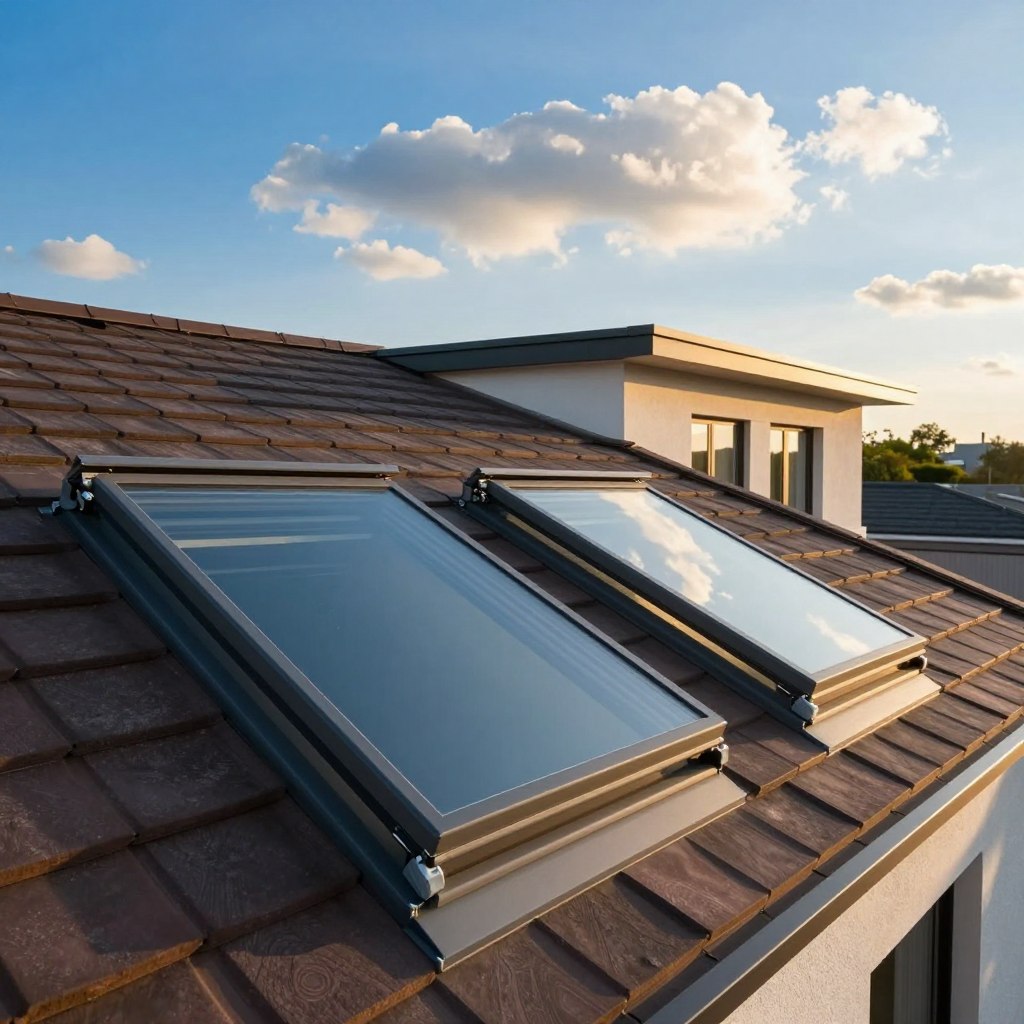
A fixed skylight is like a roof window that doesn’t open. It has a glazing unit, often made of tempered glass, in a frame that fits with your roof.
The frame can be made of aluminum, vinyl, or wood. Modern designs are sleek and low profile. The watertight seal is crucial.
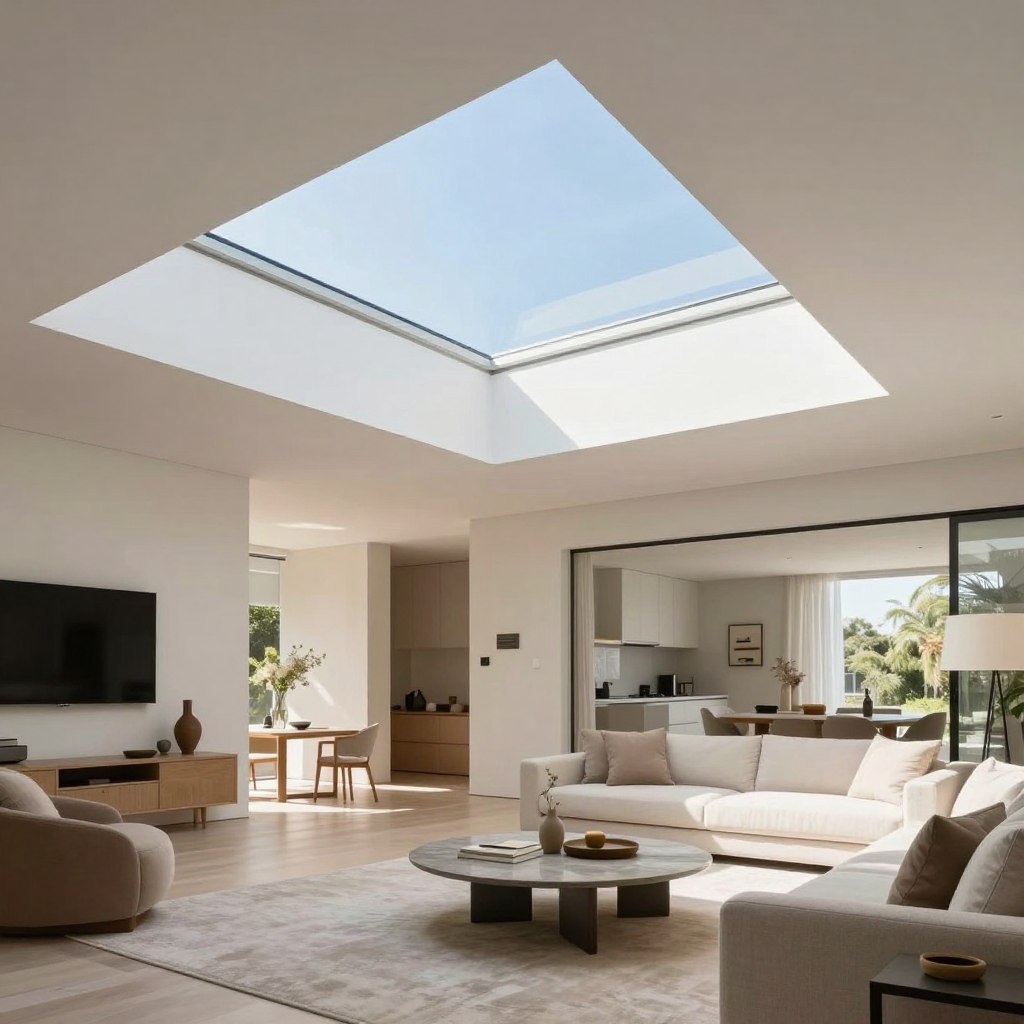
The seal is made of the skylight’s gaskets and a flashing system. The flashing directs water away from the opening. Proper installation is key for lasting performance.
Primary Benefits and Advantages
Fixed skylights bring many benefits. They maximize natural light, saving on electricity. They also look clean and simple.
Frameless models can make a room feel bigger. They are often cheaper and need less upkeep than operable units.
Limitations and Considerations
Fixed skylights have big downsides. They don’t let in air, which is bad for kitchens and bathrooms. Their performance depends on flawless installation.
Without the right glazing, they can make rooms hotter in summer. Knowing the skylight pros and cons helps make the right choice.
| Advantages | Drawbacks |
|---|---|
| Maximum Daylight Influx: Optimized glazing area floods interiors with natural light. | No Ventilation: Cannot be opened to provide fresh air or exhaust heat. |
| Lower Upfront Cost: Generally less expensive than ventilating models due to simpler design. | Installation-Sensitive: Risk of water leaks is entirely dependent on perfect flashing and sealing. |
| Minimal Maintenance: No moving parts to wear out, repair, or replace. | Potential for Glare/Heat Gain: May require additional shades or coatings to manage sunlight. |
| Aesthetic Simplicity: Offers clean sightlines and can enhance architectural appeal. | Limited Functionality: Serves only one purpose (light) without operational flexibility. |
| Energy Efficiency: Reduces reliance on electric lights, lowering energy consumption. | Cleaning Access: Exterior glass may be difficult to clean depending on roof pitch and height. |
Fixed skylights are great for some uses but not all. Think about what you need before choosing a skylight type.
Understanding Ventilating Skylights
Homeowners looking to control light and air find ventilating skylights useful. These skylights can open and close, changing your home’s climate. They offer skylight features like airflow and user interaction.
Core Design and Operational Mechanisms
Ventilating skylights have hinges and an operating mechanism. They open from the top, letting stale air out. This design is different from fixed units.
There are several ways to operate them. A manual crank is simple and affordable. An electric motor makes it easier, especially in hard to reach spots. The most advanced is a solar powered motor, like in Roto Roof Windows, which uses solar panels.
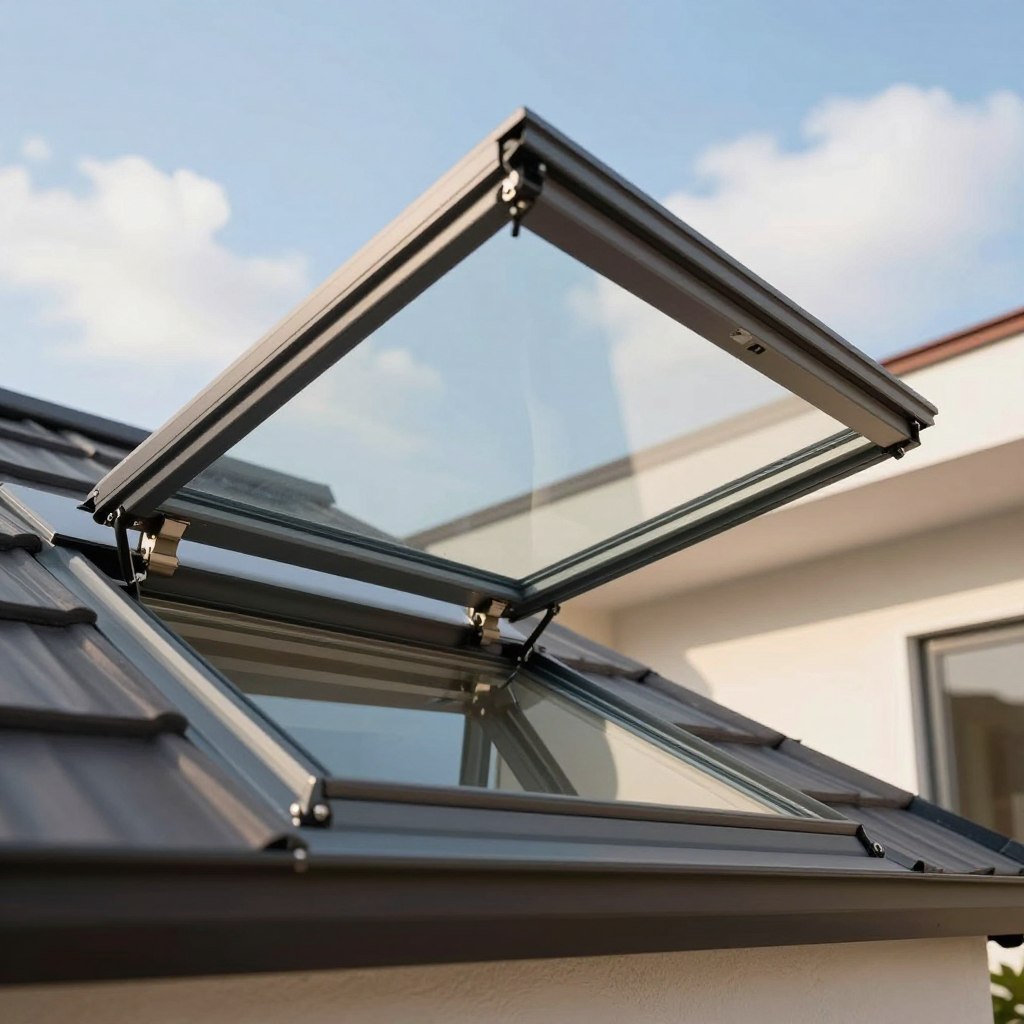
These skylights are more than just light sources. They are tools for ventilation.
Primary Benefits and Advantages
Opening a skylight makes it a key part of your home’s performance. It lets you control ventilation. This creates a natural flow of air, improving comfort.
It also saves energy by reducing air conditioning use. It helps manage moisture, preventing mold and mildew. This is especially important in bathrooms and kitchens.
They also improve indoor air quality. Regularly, they flush out pollutants and odors. You get natural light and fresh air on demand.
Limitations and Considerations
These benefits come with costs. Ventilating skylights are more expensive upfront. They have frames, seals, and operating hardware.
Installation is also more complex. It requires careful flashing and sometimes wiring. It’s important to ensure a watertight seal.
Over time, they may need maintenance. Seals and gaskets must stay flexible to prevent leaks. Motors or cranks may need service or replacement.
Think about daily use. You need a clear plan for operating the skylight. It should be easy to use, not a hassle.
Fixed vs. Ventilating Skylights: A Head to Head Comparison
Choosing between a fixed and a ventilating skylight is a big decision. It affects your home’s function, feel, and airflow. This comparison highlights the main differences in three key areas, giving you clear insights.

Function and Primary Purpose
A fixed skylight’s main job is to let natural light into your space. It’s a sealed window to the sky.
A ventilating or operable skylight does more. It brings in light and helps control indoor air quality by letting out hot or stale air.
| Feature | Fixed Skylight | Ventilating Skylight |
|---|---|---|
| Primary Function | Passive Light Transmission | Light Transmission + Active Ventilation |
| Ideal For | Hallways, living rooms, art studios | Kitchens, bathrooms, attics, any moisture-prone area |
| Airflow Control | None | Manual or motorized opening |
Architectural Impact and Aesthetic Flexibility
Fixed skylights, especially frameless ones, have a sleek look. They offer a clean view of the sky, perfect for modern homes.
Ventilating units have frames, hinges, and screens, which are more noticeable. While they’re needed for operation, they don’t have the same “floating glass” look. You must decide between an unobstructed view or the need for airflow.
Operational Complexity and User Interaction
Fixed skylights are easy to use. Once installed, they need no daily attention, offering passive benefits.
Ventilating skylights require more effort. You need to open and close them, often using a manual pole or a motorized system. This gives you control but adds a step to your daily routine.
Fixed models need only occasional cleaning and seal checks. Ventilating types require the same, plus regular checks on tracks, hinges, and motors to keep them working well for years.
Key Decision Factors: Cost, Installation, and Energy
Choosing between a fixed or ventilating skylight depends on cost, installation, and energy use. It’s not just about looks. You need to think about your budget, your home’s needs, and your comfort goals.

Upfront Cost and Long Term Value Analysis
The first thing to consider is the cost. Fixed skylights are usually cheaper to buy. They have a simpler design without motors or moving parts.
Ventilating skylights cost more upfront. This is because they have mechanical parts, weatherproof seals, and sometimes remote controls.
But, fixed skylights save money over time. They cut down on the need for artificial light, saving on electricity. Ventilating skylights improve air quality and cool your home, saving on air conditioning costs.
Installation Complexity and Structural Requirements
Both types need a professional installation for a good seal. The roof is a weak spot. Leaks often come from bad flashing, no matter the skylight type.
Fixed skylights need framing, flashing, and a permanent seal. Ventilating skylights add more complexity. They might need electrical wiring and stronger framing for the moving parts.
This extra work means ventilating skylights cost more to install. It’s crucial to hire a skilled contractor who knows your roof and skylight.
Energy Efficiency and Indoor Climate Control
Skylights affect your home’s energy use in different ways. Fixed skylights save on lighting costs but can let in too much heat. Low-E glass helps manage this.
Ventilating skylights are great for cooling your home. They help reduce your HVAC system’s work. The small energy used by the motor is often offset by cooling savings.
Think about your local weather when choosing. In hot places, ventilating skylights are a smart choice. In cooler areas, a fixed skylight with good glass might be better.
| Decision Factor | Fixed Skylight | Ventilating Skylight |
|---|---|---|
| Typical Upfront Cost | Lower unit and installation cost | Higher due to mechanical components |
| Long-Term Value Driver | Reduced artificial lighting costs | Passive cooling & improved ventilation |
| Installation Complexity | Standard framing and sealing | Often requires electrical wiring and reinforced support |
| Primary Energy Impact | Reduces lighting load; manages heat gain with glazing | Reduces cooling load by expelling hot air |
Considering these factors helps you make a smart choice. Your ideal skylight should balance cost and benefits for your home’s light, air, and energy use.
Matching Skylight Type to Your Roof and Climate
Choosing between fixed and ventilating skylights depends on your roof and local weather. The right choice ensures your skylights work well, avoids problems, and saves you money. We’ll look at the important physical and environmental factors.
Your roof’s details and local weather are key. They help your skylights work right. Without them, you might face leaks, poor performance, or even damage.
Roof Pitch, Framing, and Placement Logistics
The roof’s angle, or pitch, is a big factor. Most fixed skylights work for slopes between 15 and 85 degrees. But, low-pitch or flat roofs need special flashing to stop water from pooling.
The type of roofing material also matters. Asphalt shingles are the easiest to work with. But, tile, metal, or slate roofs need more work and special skills.
When cutting into roof rafters, you need a pro’s help. They’ll check if you need extra support, like headers, to keep your roof strong.
| Roof Pitch Range | Most Compatible Skylight Type | Key Installation Considerations |
|---|---|---|
| Flat to 14 degrees | Special low profile fixed or curb mounted ventilating | Requires extensive flashing and waterproofing; not ideal for heavy snow. |
| 15 to 45 degrees | All fixed and most ventilating models | Standard installation zone; excellent for light and view. |
| 46 to 85 degrees | Fixed skylights are ideal | Steep angle minimizes debris and water retention; venting operation can be tricky. |
| Over 85 degrees (near vertical) | Fixed skylights or specialty units | Functions more like a window; requires appropriate glazing. |
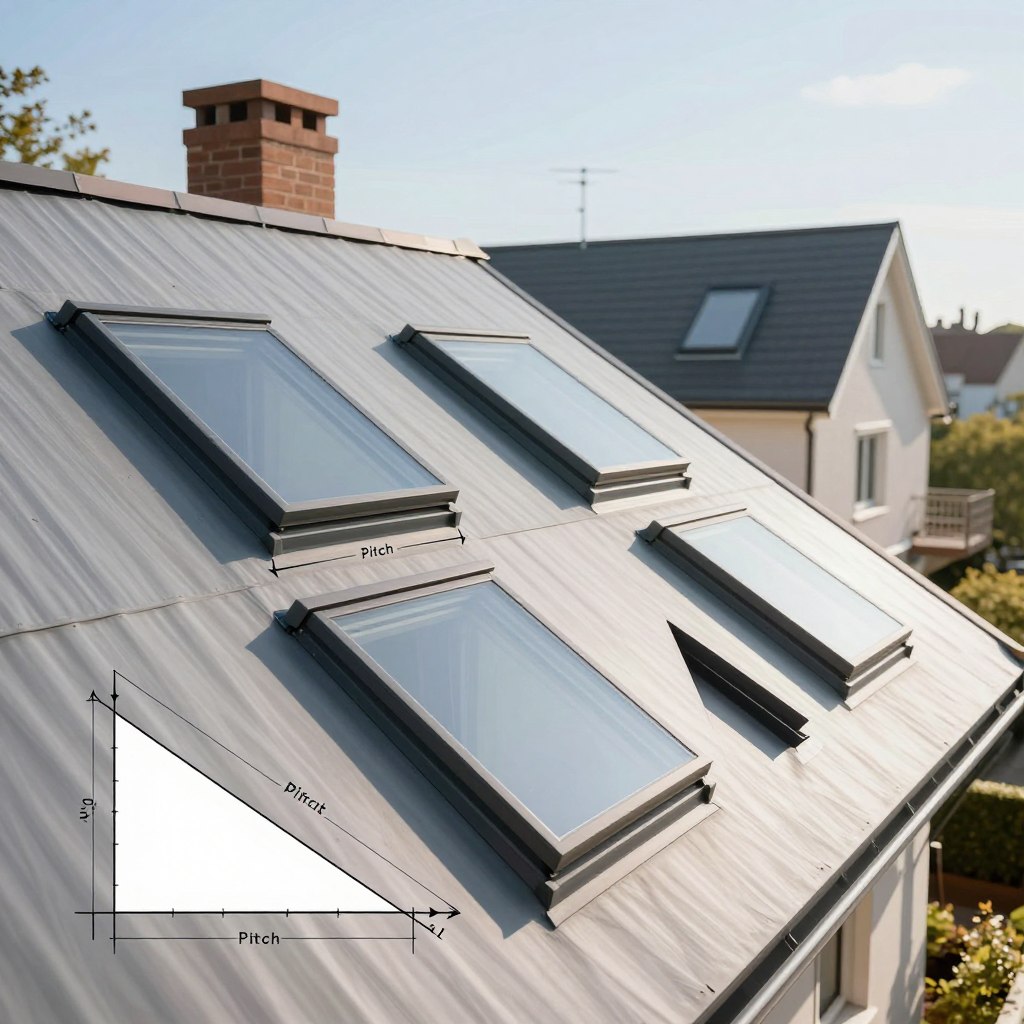
Think about the space below the skylight too. You want to light the area well without glare or overheating. Placing the skylight between rafters is key for a clean look.
Regional Climate and Weather Pattern Considerations
Your local weather should guide your skylight choice. This is where fixed and ventilating skylights differ.
In hot and humid places, ventilating skylights are a big plus. They let hot air out, saving on cooling costs and making your home more comfortable. This helps save energy.
Areas with lots of rain or moisture also benefit from ventilation. Bathrooms, kitchens, and laundry rooms do well with operable skylights. They help control humidity and stop mold.
Cold, snowy areas have their own challenges. Fixed skylights with insulated, low E glass work well here. But, make sure the model can handle your local snow load. Proper installation stops ice dams at the frame.
Coastal or storm prone areas face wind driven rain issues. Both skylight types need good flashing. Ventilating models should seal tightly when closed to handle harsh weather.
Understanding your climate makes choosing skylights easier. A home in Arizona has different needs than one in Florida or Minnesota. Pick a skylight that fits your climate for year-round happiness.
Ideal Use Cases and Home Applications
Your home’s layout and your family’s lifestyle are key to choosing between a fixed or venting skylight. This guide helps you make the best choice for each room. It ensures your investment is well-spent.
When to Choose a Fixed Skylight
Go for a fixed skylight if you want maximizing natural light without needing to open it. They’re great for areas where air quality and temperature are controlled by other systems.
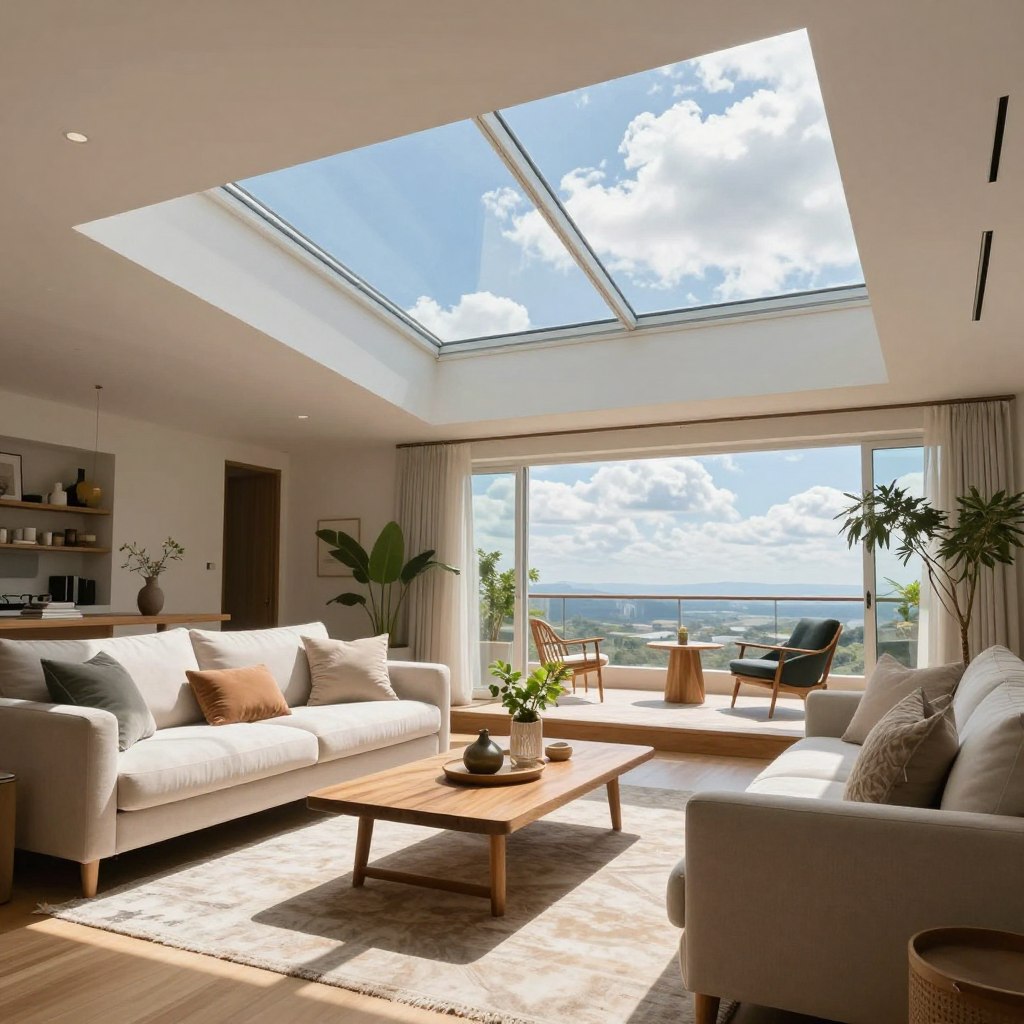
Living rooms and great rooms are perfect for fixed skylights. They make these spaces bright and open. Plus, they add a stunning architectural touch.
Hallways, stairwells, and entryways also benefit. Fixed skylights bring daylight to these areas. This improves safety and looks.
In dining rooms and bedrooms, fixed skylights with blackout shades offer the best of both worlds. They let in light during the day and keep things private at night. In new home additions or sunrooms, large fixed skylights can be a dramatic feature.
When to Choose a Ventilating Skylight
Choose a ventilating skylight for rooms where moisture, heat, or odor removal is key. These skylights help get rid of stale, humid, or polluted air.
Bathrooms are the best choice. Venting skylights remove steam and moisture. This keeps walls and fixtures safe from mold and mildew. It’s a big skylight benefit for health and home care.
In kitchens without a strong range hood, a ventilating skylight helps get rid of cooking smells and heat. It works well with your current exhaust system.
Laundry rooms, utility rooms, and attic bedrooms need good airflow. These areas trap heat and humidity. A venting skylight is a simple fix.
Lastly, in sunrooms or rooms with lots of south facing glass, a ventilating skylight helps prevent overheating. It keeps the room comfortable on warm days.
For the best skylight benefits in your whole home, mix both types. Use fixed skylights for light in living areas. Use ventilating models in wet or hot spots. This mix offers the perfect balance of light and air.
Professional Installation and Long Term Maintenance
Getting a professional to install your skylight is not just a good idea it’s essential. It stops leaks, damage, and voids warranties. The skylight pros and cons you thought about are useless if it’s not installed right. This step turns your choice into a lasting, effective part of your home.
Selecting a Qualified Installer: What to Look For
Finding the right contractor is key after picking your skylight. Look for someone who is licensed, insured, and has experience with your skylight brand and roof type.
Ask for references and photos of their past work. A good installer will be happy to show you. Also, find out who covers the warranty. A proper install keeps the warranty valid and ensures everything is done right, like flashing and counter flashing.
This careful choice protects your investment. It makes sure your skylight works well without problems later on.
Ongoing Care for Maximum Performance and Lifespan
After it’s installed, a simple care routine keeps your skylight looking and working great for years. Clean the glass inside and out every six months with a gentle cleaner. This keeps it clear and lets in more light.
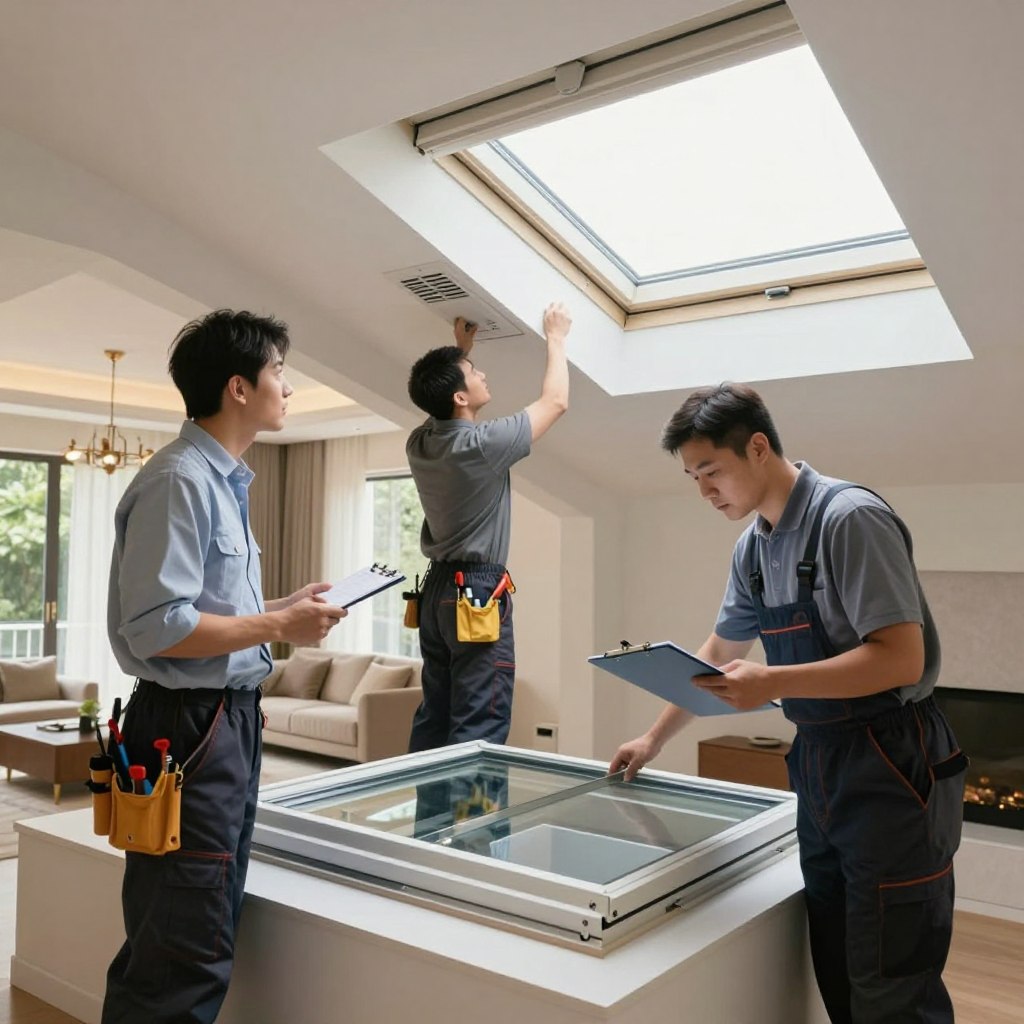
Check the skylight’s outside edge every year. Make sure the drainage channels are clear of leaves and debris. Also, check the rubber gaskets and sealants for damage. Catching a problem early stops big water damage.
For ventilating skylights, test the opening and sensors each season. Use lubricant as needed to keep it quiet and smooth. If your skylight has blinds or shades, follow the care instructions to keep them working well.
Following this care plan helps your skylight last longer. It keeps your home comfortable and efficient. A well-cared-for skylight adds lasting value to your home.
Conclusion
Choosing the right skylight can change your living space. You have to decide between fixed and ventilating designs. This guide helps you understand the differences.
Fixed skylights bring in natural light without needing much upkeep. They give a constant view of the sky. Ventilating skylights, on the other hand, control the climate by letting in fresh air.
Deciding on skylights depends on what you want. Do you need lots of light or better air flow? Think about the room’s purpose, your roof, and the weather. Your budget for installation and energy savings is also important.
There’s no single “best” skylight for everyone. Many people choose both types for different areas. A fixed skylight can brighten a hallway, while a venting one can cool a bathroom.
For a sure choice, talk to a certified roofing expert. They can look at your situation and make sure your skylight choice is right. This way, you get beauty, comfort, and value for years.