
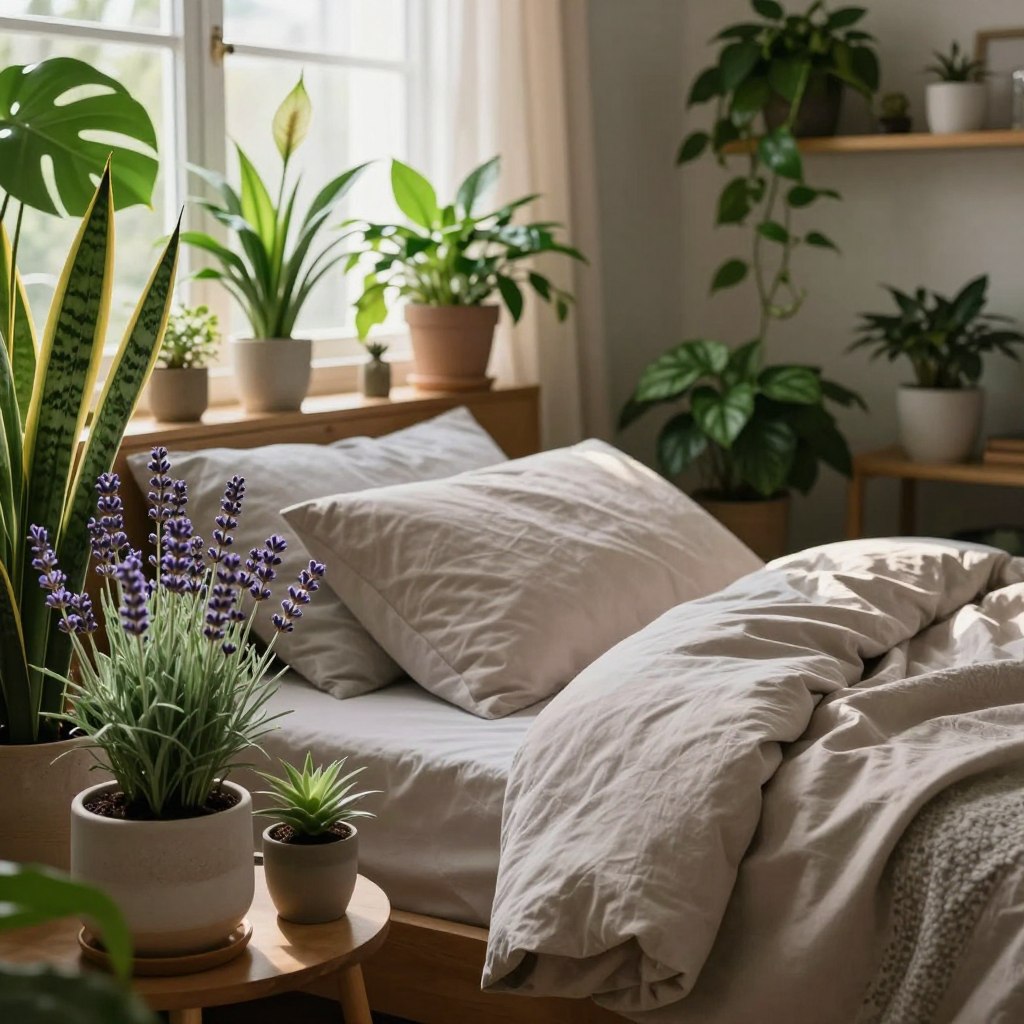
I often struggle to get a good night’s sleep. I’ve found that some indoor plants can really help.
Sleep is key for our health, and a good night’s sleep is crucial. To get it, we need to create a sleep friendly space. Adding indoor plants that calm us down is a great way to do this.
Some plants can make our sleep better, while others can keep us awake. In this article, I’ll share the top 10 houseplants for better sleep and those that might keep you up.
Key Takeaways
- Certain indoor plants can improve sleep quality.
- Some houseplants can disrupt sleep.
- The right plants can create a relaxing sleep environment.
- Indoor plants can be a natural solution for better sleep.
- Choosing the right plants is crucial for a restful night’s sleep.
The Science Behind Plants and Sleep Quality
Science shows that plants can help us sleep better. They purify the air, reduce stress, and make us relax. This makes them great for improving sleep quality.
Plants clean the air we breathe, which is key for good sleep. The snake plant and peace lily are top choices. They remove harmful toxins. Some plants even release oxygen at night, helping us sleep better.
Plants also help lower stress and anxiety, which can keep us awake. Their calming effect makes it easier to fall asleep. Studies show that plants can lower cortisol, heart rate, and blood pressure.
| Plant Benefits | Impact on Sleep |
|---|---|
| Air Purification | Removes toxins, creating a healthier sleep environment |
| Oxygen Release | Improves sleep quality |
| Stress Reduction | Promotes relaxation, reducing anxiety |
Houseplants for Better Sleep: How They Work
Houseplants help us sleep better by purifying the air and making our space more relaxing. They release oxygen and take in carbon dioxide. This improves the air we breathe and calms our bodies.
Air Purification and Relaxation
Houseplants clean the air, which reduces stress and helps us relax. Adding them to my bedroom has greatly improved my sleep. Plants like lavender and jasmine are not only pretty but also release calming scents.
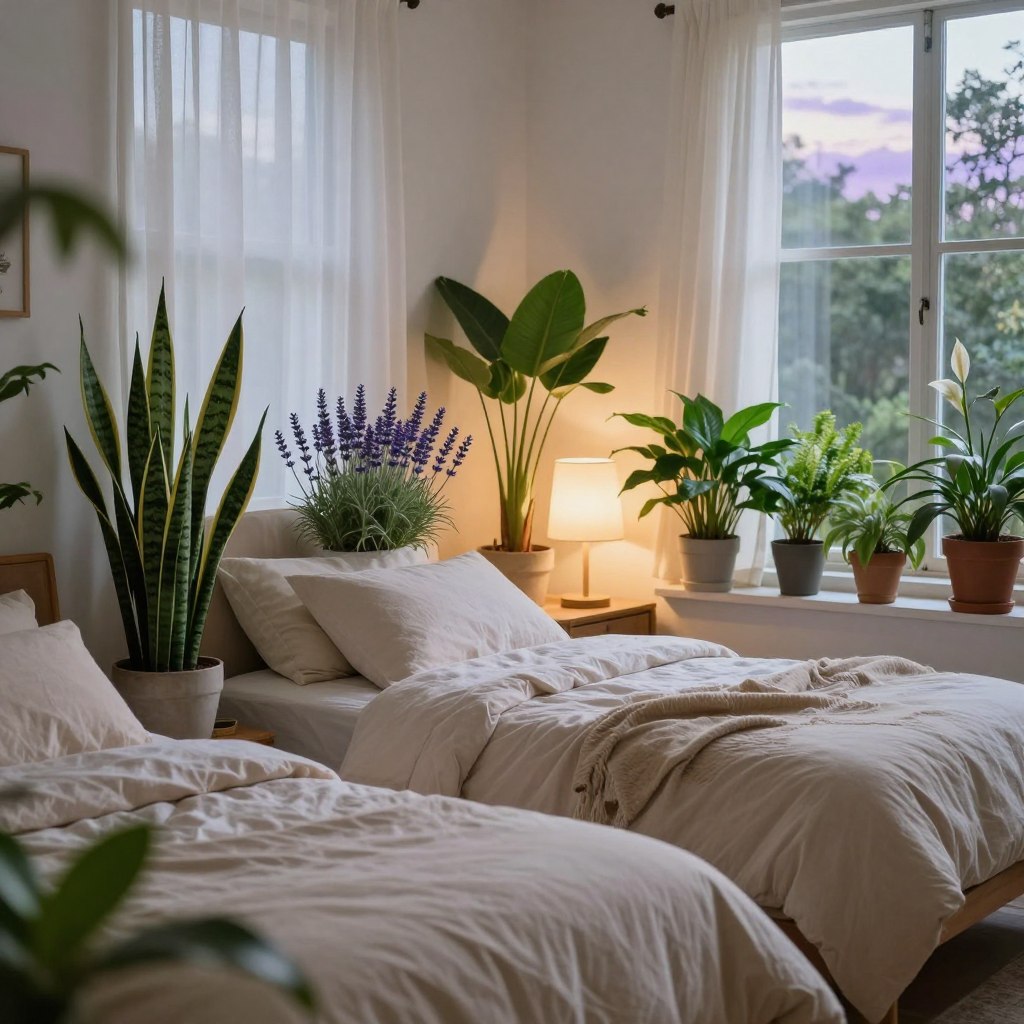
“The right houseplants can transform your bedroom into a sleep haven.” Many people find this true. Plants affect our body clocks by controlling light and temperature. This makes our bedrooms perfect for sleep.
Here’s how houseplants help:
- They release oxygen at night, making the air better.
- They absorb carbon dioxide, which lowers stress.
- They adjust our body clocks with light and temperature.
Knowing how houseplants work helps us use them to sleep better. Adding the right plants to our bedrooms can greatly improve our sleep and health.
Setting Up Your Bedroom for Optimal Sleep with Plants
To get the most out of houseplants for sleep, set up your bedroom wisely. The right number of plants matters. Start with 2-3 plants per room.
Where you put your plants is key. Place them where they won’t get in the way or keep you awake. A plant on your bedside table or by a window looks good and helps sleep.
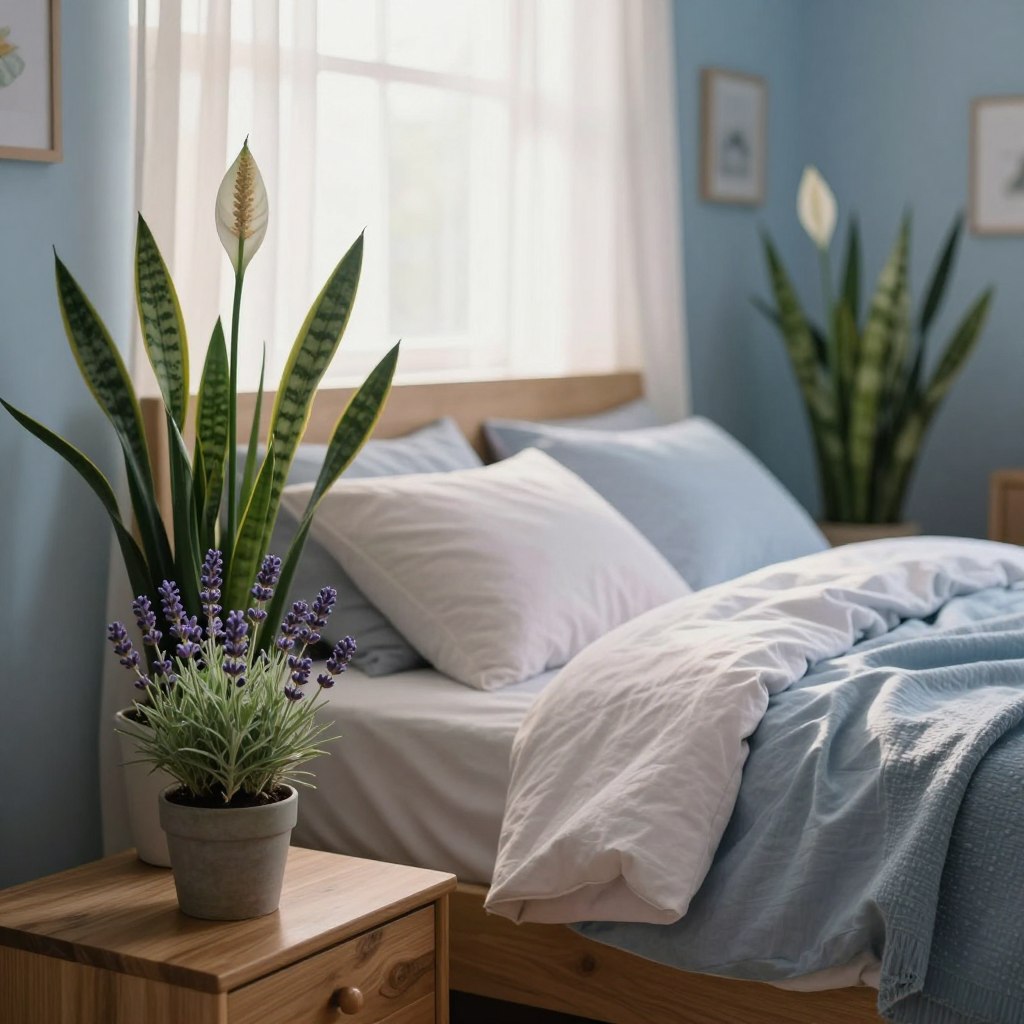
Looking after your plants is just as crucial. Too much water or ignoring them can cause mold or pests. These problems can hurt your sleep. A simple routine keeps your plants healthy and boosts your sleep.
| Plant Care Tip | Benefit |
|---|---|
| Water plants sparingly | Prevents mold and root rot |
| Provide adequate light | Promotes healthy plant growth |
| Fertilize occasionally | Enhances plant vitality |
By choosing, placing, and caring for your plants well, you can make a sleep-friendly space. This space uses the natural sleep aids plants offer.
1. Lavender: The Ultimate Sleep Inducing Plant
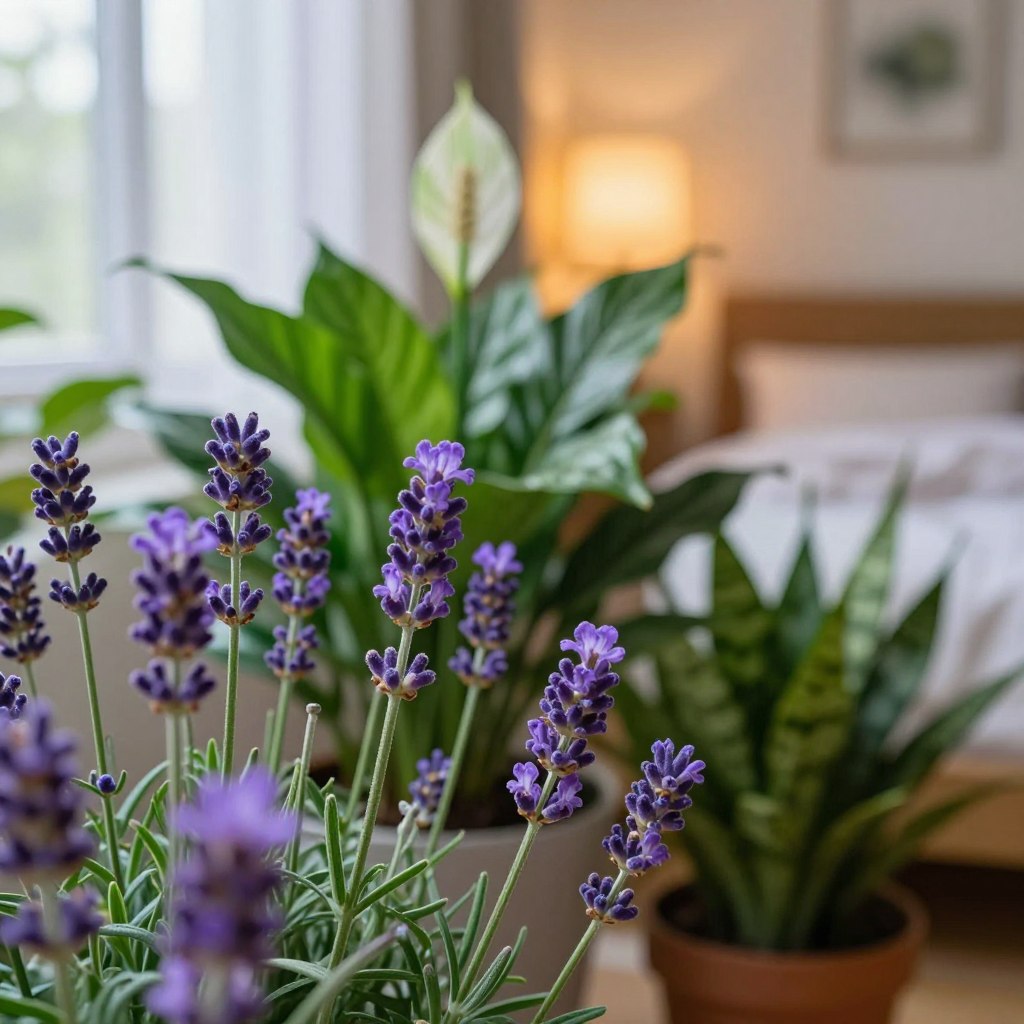
Lavender is known for its calming scent, helping people sleep better. Studies show its aroma can lower anxiety and improve sleep. It also helps reduce cortisol, the stress hormone.
To add lavender to your bedroom, grow a plant or use essential oil in a diffuser. Caring for a lavender plant is easy. It needs well drained soil and lots of sunlight. Plus, it’s low maintenance, great for those with busy lives.
| Care Tip | Description |
|---|---|
| Soil | Well drained soil to prevent root rot |
| Sunlight | Full sun for at least 6 hours a day |
| Watering | Water sparingly, allowing soil to dry between waterings |
Adding lavender to your sleep routine can make you sleep better. You can grow a plant or use lavender products. Either way, lavender helps you sleep healthier.
2. Snake Plant: The Bedroom Air Purifier
The Snake Plant is a top pick for indoor plants for sleep. It not only looks good but also cleans the air. This makes it perfect for bedrooms.
The Snake Plant, also known as Sansevieria Trifasciata, is easy to care for. It grows well in low light and needs water only sometimes. This is great for people who are always busy or new to plants.
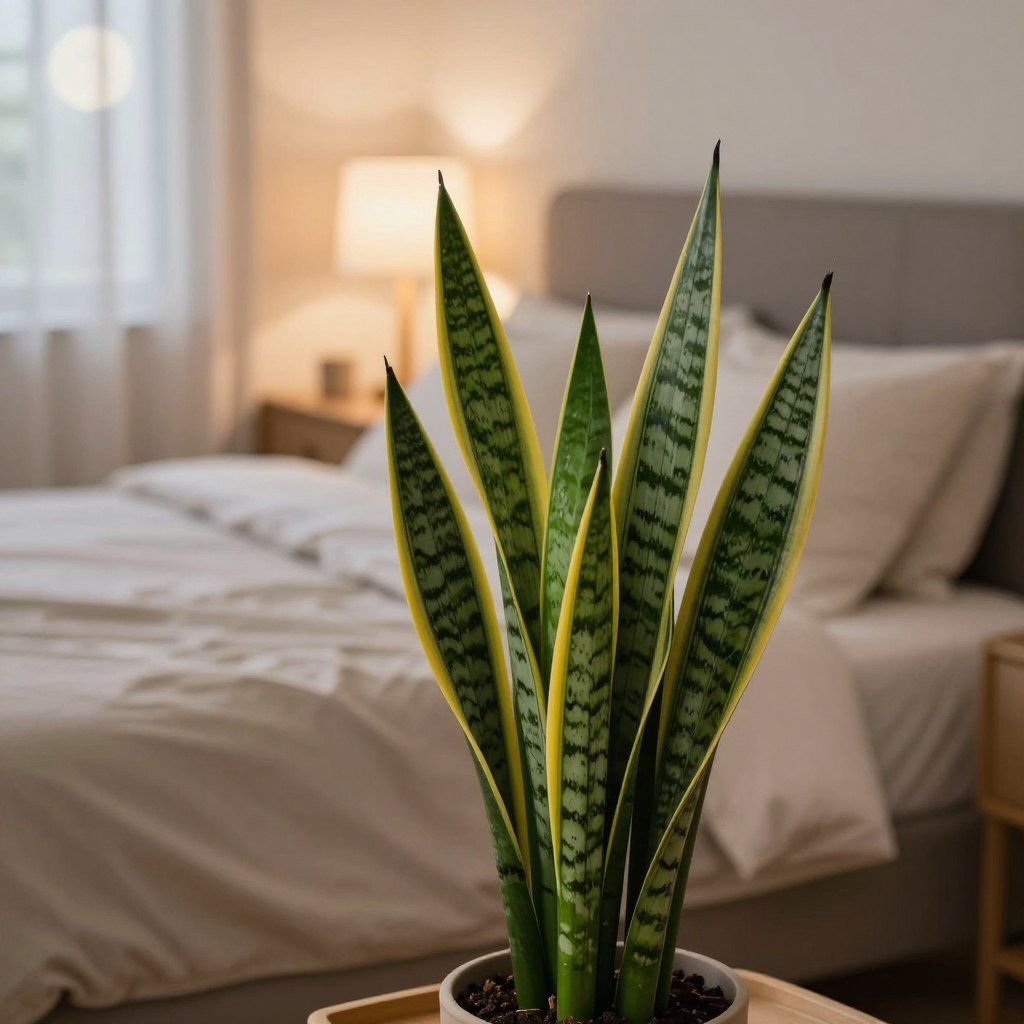
Having a Snake Plant in your bedroom helps clean the air. It takes out harmful stuff like formaldehyde and benzene. This makes the air healthier, which can help you sleep better.
| Benefits | Description |
|---|---|
| Air Purification | Removes toxins like formaldehyde and benzene |
| Low Maintenance | Thrives in low light and infrequent watering |
| Sleep Improvement | Promotes better sleep through cleaner air |
Adding a Snake Plant to your bedroom is a smart move. It’s easy to care for and has many benefits. It’s a favorite among those who want to sleep better with houseplants for better sleep.
3. Jasmine: Sweet Dreams in a Pot
Jasmine’s soothing scent is a natural sleep inducer, making it perfect for the bedroom. The fragrance of jasmine flowers helps relax and reduce anxiety. This is key for better sleep. Adding jasmine to your bedroom decor creates a calming space for sleep.
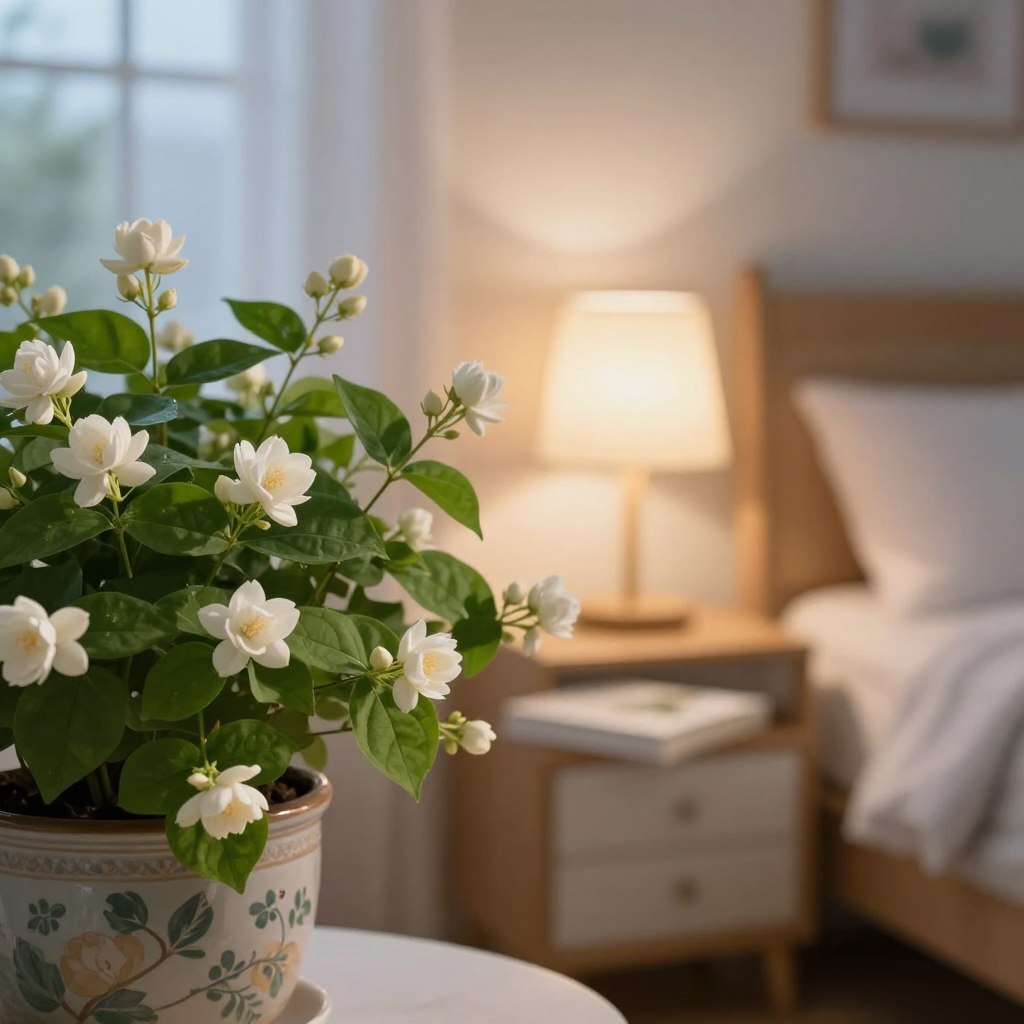
To care for your jasmine plant, start with well drained soil and a sunny spot. But, it also needs some shade to avoid scorching. Water it regularly but don’t overdo it to prevent root rot. With the right care, your jasmine will bloom and fill your room with its sweet scent.
Choosing jasmine as a bedroom plant for better sleep improves your room’s look and sleep quality. If you’re searching for plants that improve sleep quality, jasmine is a great choice for your bedroom.
4. Aloe Vera: The Oxygen Boosting Sleep Aid
Aloe vera is becoming popular as a natural sleep aid. It’s special because it keeps producing oxygen at night. This makes it a great choice for bedrooms.
Having aloe vera in your bedroom can improve your sleep. It helps keep the air fresh, which is good for those who have trouble sleeping. It’s also great for people who have poor air quality in their bedrooms.

Caring for Aloe Vera is easy. It likes well drained soil and doesn’t need much water. It’s perfect for people who are always busy. Just make sure it’s in a bright spot but not in direct sunlight.
Aloe vera is not just good for sleep. Its soothing gel can also help with skin problems. This makes it a useful plant for any home, offering health and relaxation benefits.
Adding aloe vera to your bedroom can make your sleep better. It’s also a calming plant that can help create a peaceful space. It’s a smart choice for anyone looking to relax and sleep better.
5. Peace Lily: Tranquility for Your Bedroom
Looking to make your bedroom more peaceful? A peace lily could be the answer. This plant is not just pretty; it also helps you sleep better.
The peace lily cleans the air by removing harmful toxins like benzene and formaldehyde. This means you can breathe easier and sleep better. Plus, its white blooms add a calming touch, helping you relax and reduce stress.
Benefits of Peace Lily:
- Air purification
- Promotes relaxation
- Calming atmosphere
To keep your peace lily happy, place it in a spot with moderate light. Water it carefully. With the right care, it will keep your bedroom peaceful and restful.
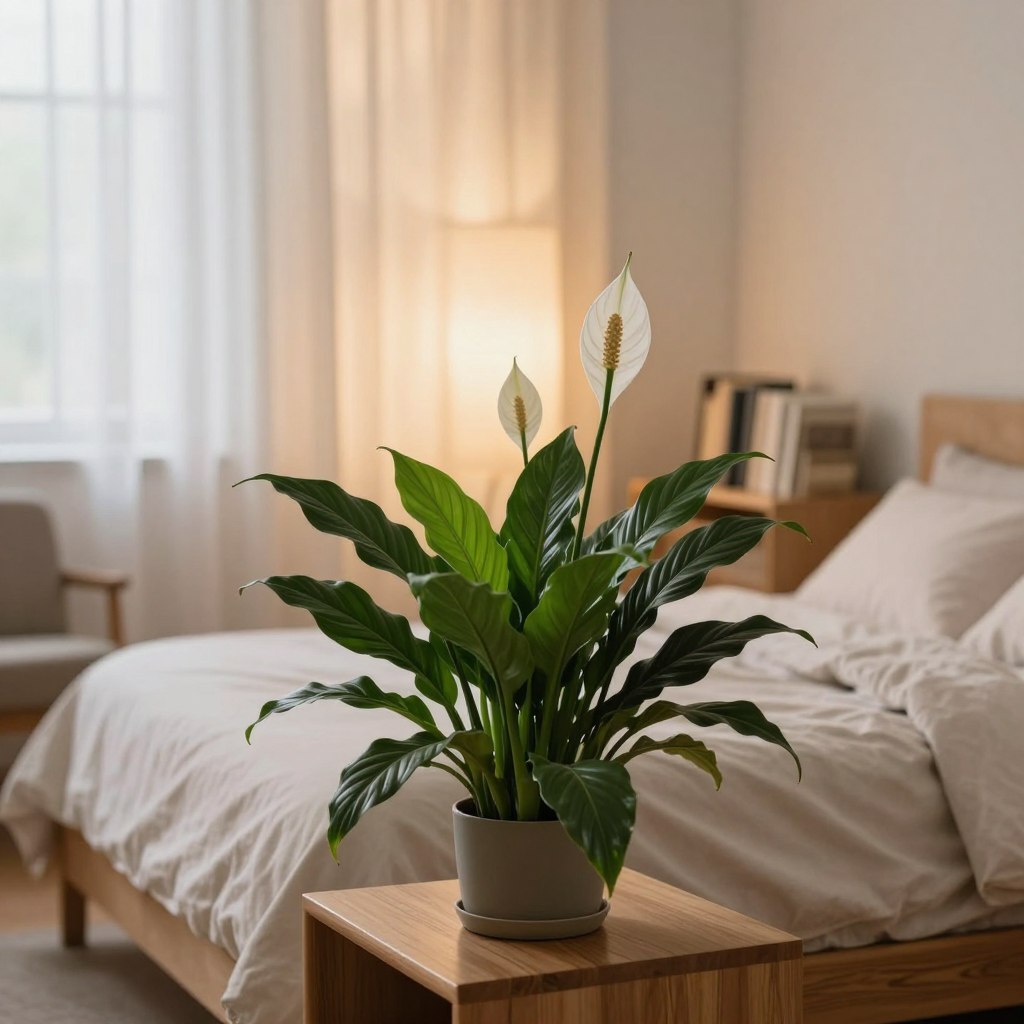
Adding a peace lily to your bedroom can make it a serene place for sleep. Try it out and see how it brings tranquility to your space.
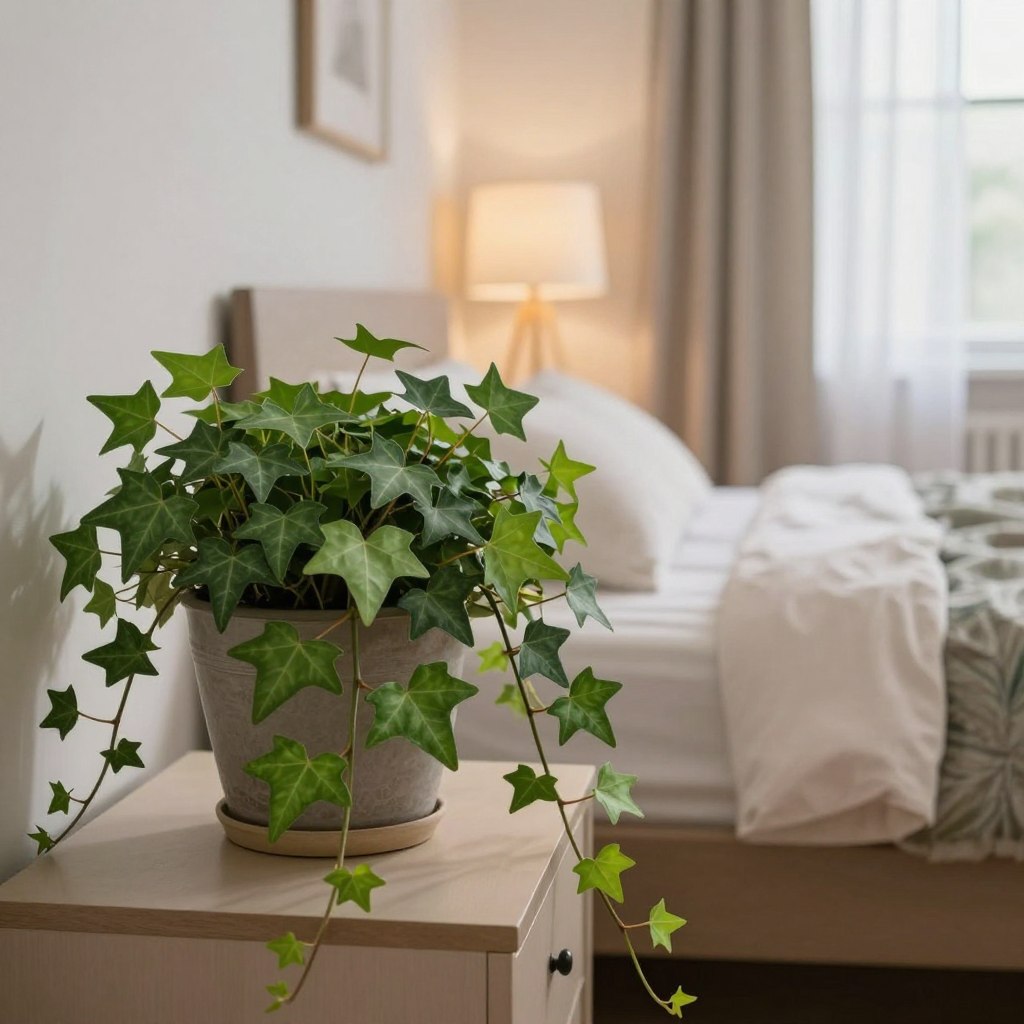
6. English Ivy: The Allergen Reducer
English ivy is a versatile houseplant that helps reduce allergens indoors. This improves sleep quality. By adding English ivy to your bedroom, you make it healthier for sleep. It’s great at removing mold and dust from the air, which can mess with your sleep.
English ivy is easy to care for. It does well in different light and needs little water. It’s perfect for people who are always busy. To keep it healthy, water it when the soil is dry. Also, fertilize it sometimes when it’s growing.
| Care Aspect | Recommendation |
|---|---|
| Lighting | Versatile; can thrive in various lighting conditions |
| Watering | Water when soil feels dry |
| Fertilization | Fertilize occasionally during the growing season |
By following these simple care tips, you can enjoy English ivy’s benefits. It improves sleep quality by reducing allergens in your bedroom. As one of the indoor plants for sleep, English ivy is a smart choice for better sleep.
7-10: More Beneficial Houseplants for Better Sleep
We continue our search for houseplants that help you sleep better. These plants not only make your bedroom look good but also help you relax. This makes it easier to fall asleep and stay asleep.
TheValerian plantis famous for its calming effects. It’s used in herbal remedies for people who can’t sleep. Having a Valerian plant in your bedroom can make your nights more peaceful.
TheBamboo Palm thrives in low light, making it ideal for dark bedrooms. It also cleans the air, making your sleep space healthier.

TheDracaena is a versatile plant that can grow tall. It removes pollutants from the air, improving your bedroom’s air quality. Cleaner air can help you sleep better.
TheSpider Plant is easy to care for and great for beginners. It purifies the air and reduces stress, helping you sleep better. It’s also perfect for hanging baskets, adding beauty to your bedroom.
Adding these plants to your bedroom can naturally improve your sleep. By picking the right plants and placing them well, you can make a sleep friendly space. This will help you have better nights and mornings.
Plants That May Keep You Awake
Choosing the right plants for your bedroom is key for a good night’s sleep. Some plants can be too stimulating. While many houseplants help you relax and sleep better, others might keep you awake.
Citrus Plants
Citrus plants like lemon and orange trees have a strong scent. This scent can wake you up and make it hard to fall asleep.
Eucalyptus
Eucalyptus plants are great for clearing your airways. But their strong smell can be too much for a bedroom. It can make you feel more alert and keep you awake.
Rosemary
Rosemary is good for your brain, but its scent can be too much for a bedroom. It can help you focus but might make it hard to relax and sleep.
Lilies
Lilies are beautiful and smell great, but their scent can be too strong. They add elegance but might not be the best for a calm bedroom.
Orchids
Orchids are stunning, but some have a strong smell. Their scent can be too sweet or subtle, which might irritate you or keep you awake.
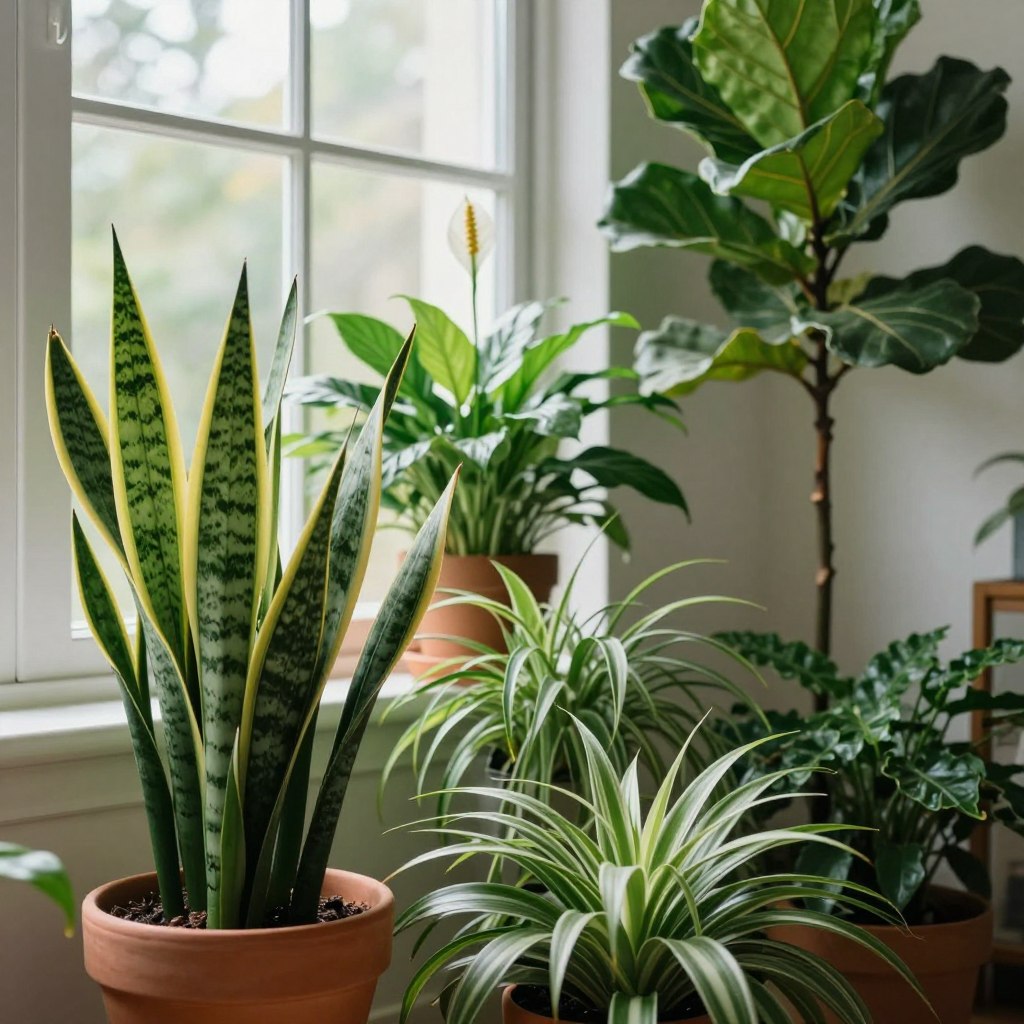
Succulents That Release Oxygen at Night
Many succulents are great for indoor spaces. Some release oxygen at night, which is good. But, not all succulents help you sleep. Choose ones that also calm you down.
Here’s a summary of these plants and their effects:
| Plant | Effect on Sleep |
|---|---|
| Citrus Plants | Stimulating due to their invigorating scent |
| Eucalyptus | Overwhelming aroma can increase alertness |
| Rosemary | Stimulating scent can interfere with relaxation |
| Lilies | Strong fragrance can be overpowering |
| Orchids | Some species have strong, potentially irritating fragrances |
| Succulents | Some release oxygen at night, but may not promote sleep |
Common Mistakes When Using Plants for Sleep
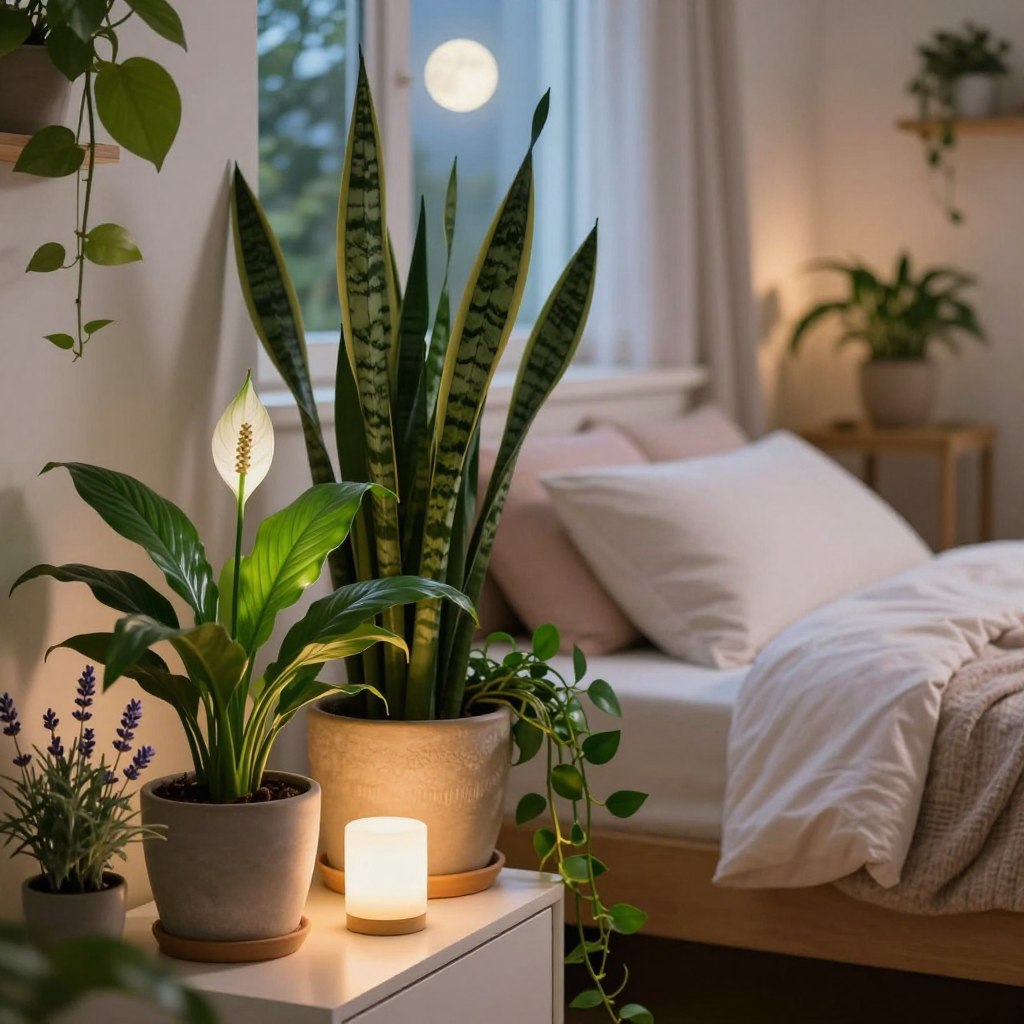
To get the most out of plants for sleep, it’s key to avoid common errors. One big mistake is overwatering. This can cause root rot and even kill the plant.
Another mistake is picking the wrong plants for your bedroom. Not all plants are good for indoor spaces or help with sleep. For example, Sago Palm is toxic and should not be in bedrooms.
- Overwatering or underwatering your plants
- Not providing sufficient light for your plants
- Choosing plants that are not conducive to sleep or are toxic
- Not maintaining proper humidity levels
By avoiding these mistakes, you can make a sleep friendly environment with the best plants for bedroom. This can improve your sleep quality. Using indoor plants for sleep well needs some knowledge and care. But the benefits are worth it.
Conclusion
Adding houseplants to your bedroom can really improve your sleep. Choose plants like lavender, snake plant, and peace lily for a better sleep environment.
These plants clean the air and reduce allergens. They also help you relax and feel calm. Some plants, like jasmine and aloe vera, increase oxygen levels. Others, like English ivy, cut down on allergens.
To get the most out of houseplants for sleep, avoid mistakes like overwatering. Also, pick plants that won’t keep you awake. This way, you can make a peaceful space for restful sleep.
Try adding some of these plants to your bedroom. See how they can make you feel more refreshed and awake in the morning. With the right care, your sleep will improve greatly.