
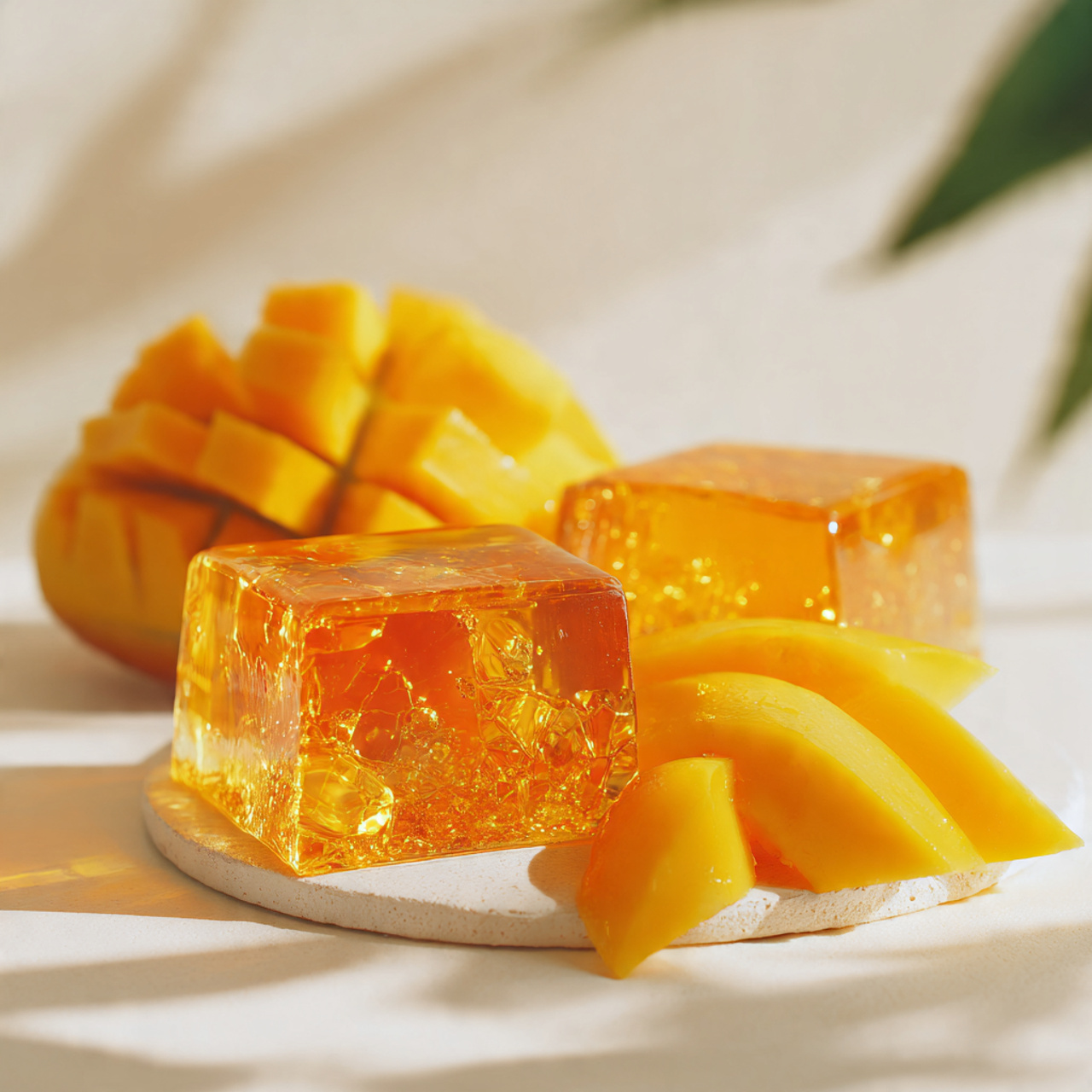
Have you ever wondered how to perfectly capture the vibrant golden hue and the soul-stirring aroma of a sun ripened mango within a translucent, crystalline form? To me, Mango Agar Jelly is more than just a dessert; it is a celebration of the elegance of plant-based living.
Instead of using animal derived gelatin, we embrace Agar agar a gift from the ocean. The union between the “King of Fruits” (Mango) and the “Jewel of the Sea” (Agar) creates a crisp, refreshing structure that awakens every sense from the very first glance.
1. Nutritional Value: Sweet Care from the Plant Kingdom
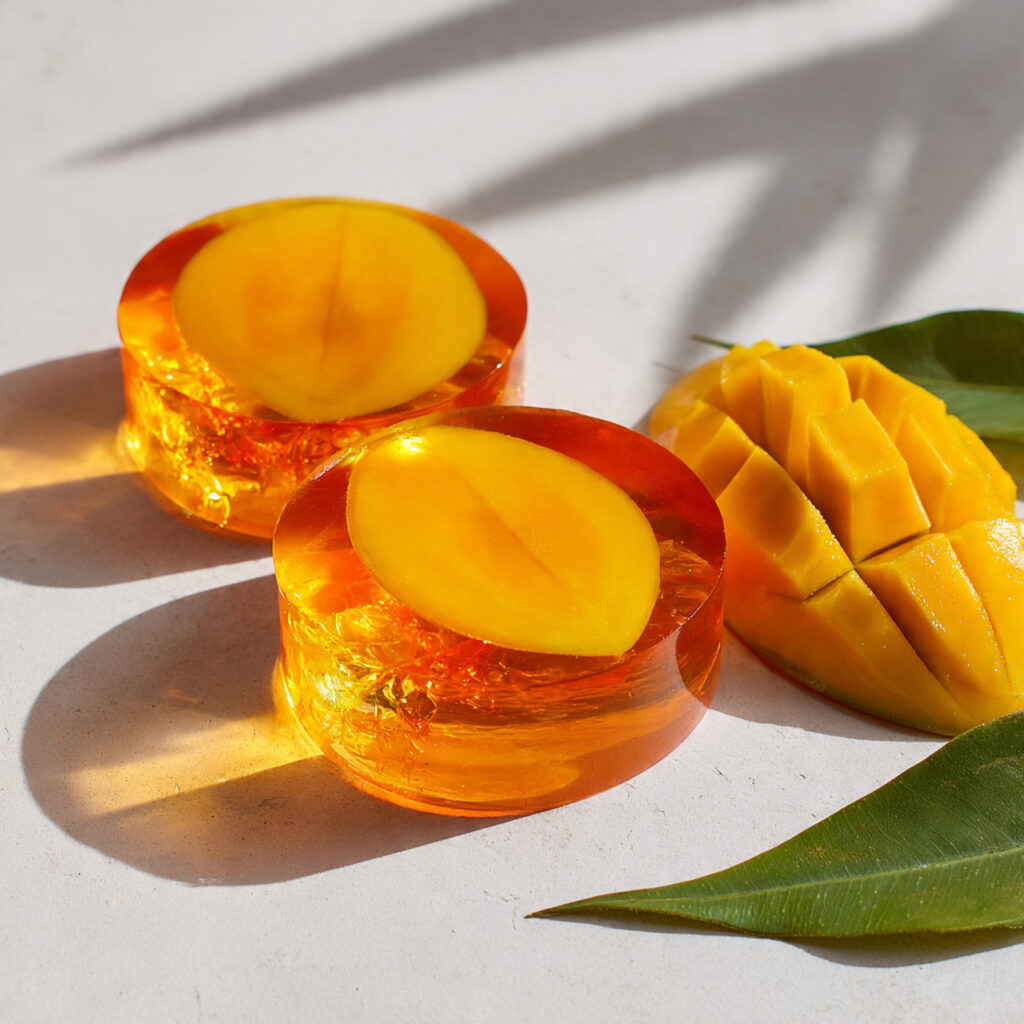
Do not let its shimmering beauty deceive you; this jelly is a genuine “therapy” for your body:
-
Agar Agar The Ocean’s Fiber: Extracted from red algae, Agar is composed of 80% fiber. it is an exceptional digestive aid, providing a natural sense of fullness and supporting the body’s detoxification process.
-
Ripe Mango A Treasury of Vitamins: Bursting with Vitamins A and C, mangoes strengthen the immune system and brighten the skin. Specifically, they contain zeaxanthin, an antioxidant that protects your eyes from the harmful effects of blue light.
-
Alkalizing Properties: Unlike industrial sweets that create an acidic environment, Mango Agar Jelly helps balance your pH levels, leaving you feeling light and revitalized.
-
Clean Energy: By utilizing the natural sugars of the fruit and organic sweeteners, this is the ideal snack to satisfy your sweet cravings without the worry of empty calories.
2. The Art of Ingredient Selection: “Hues” and “Aromas”
2.1. Mango The Soul of the Jelly
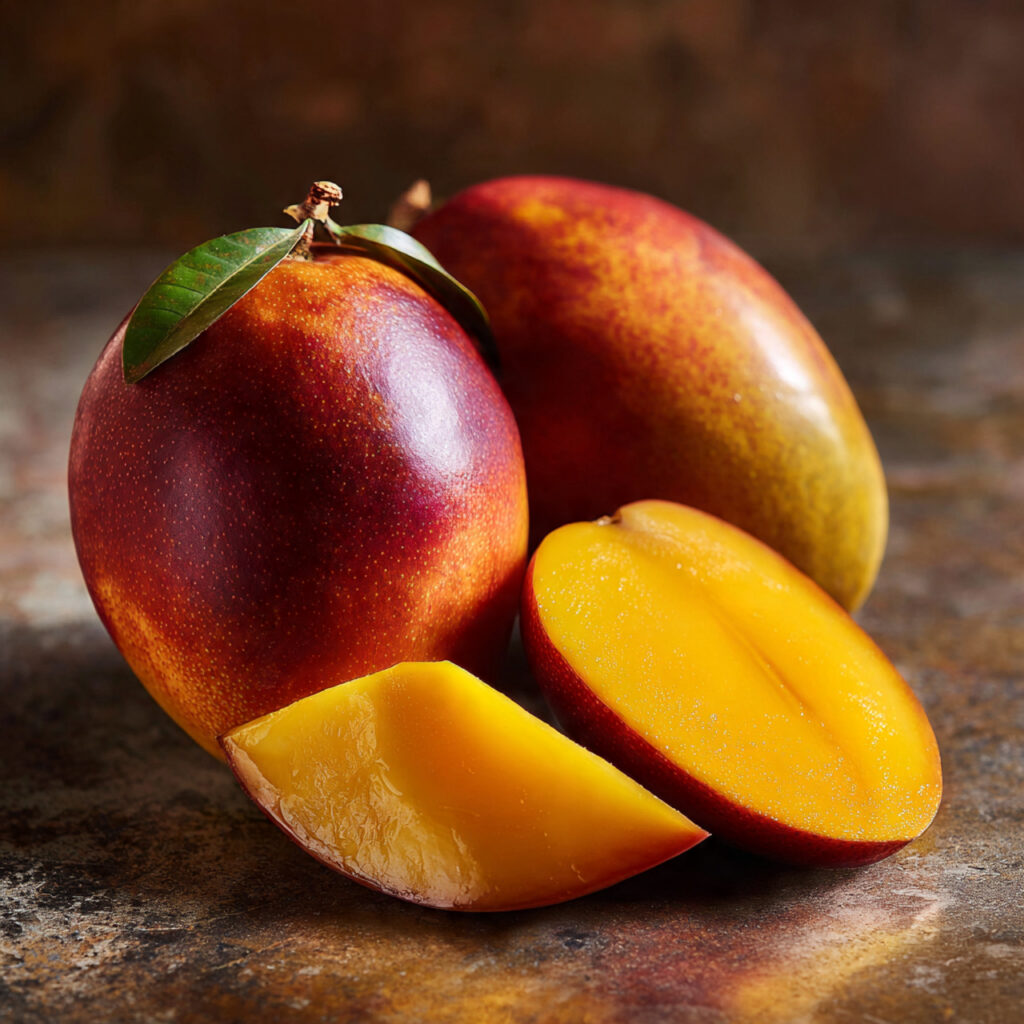
Choose mangoes that are tree-ripened, with taut, glossy skin and a fragrance that radiates from the stem. I always prioritize premium, fiberless varieties known for their honey like sweetness and deep aromatic profile. A perfect mango will yield a natural amber color so vivid that not a single drop of artificial dye is required.
2.2. Agar Powder The Architecture of Sophistication
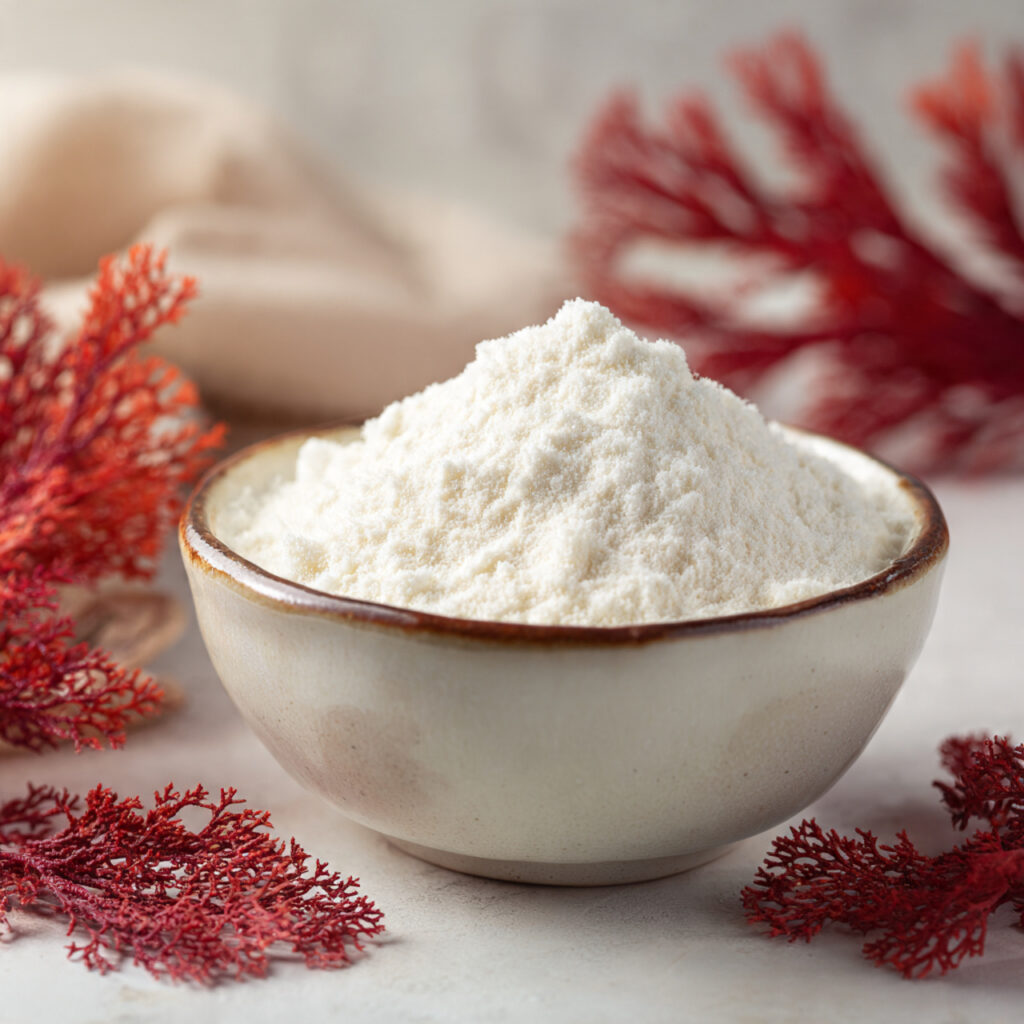
Opt for pure, unadulterated Agar agar powder. The “snap” or crunch of your jelly depends entirely on the quality of this powder. Remember: Agar differs from gelatin in that it creates a firm, brittle structure rather than a rubbery or sticky one.
2.3. Coconut Milk (Optional) – The Creamy Cloud
To elevate this dessert to a gourmet level, I often add a snow-white layer of coconut milk jelly for visual contrast. The richness of the coconut elevates the sweet-tart profile of the mango to an entirely new dimension of luxury.
3. The Crafting Ritual: The Process of Crystallization
Step 1: Extracting the Mango Essence
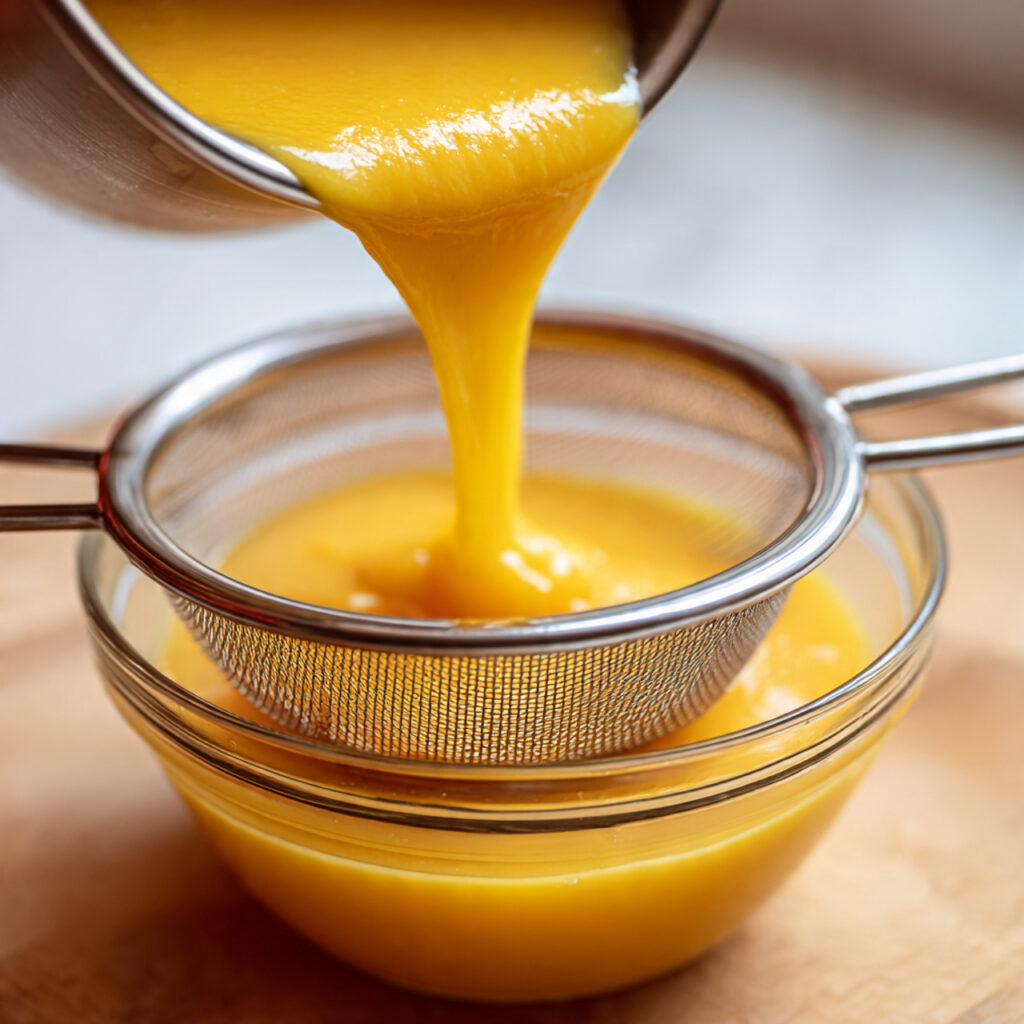
Peel and pit the mango, then blend the flesh until perfectly smooth. Strain it through a fine sieve to ensure the purée is as silken as possible. I call this the “liquid gold” of summer.
Step 2: Hydrating the Agar
Soak the Agar powder in filtered water for 15-20 minutes before cooking. This is the secret to ensuring the powder dissolves completely, resulting in a crystal-clear jelly that doesn’t “weep” or separate after setting.
Step 3: Mastering the Temperature
Bring the Agar water to a boil over medium heat, stirring constantly until the mixture becomes clear. Reduce the heat and add organic rock sugar. Only after the sugar has dissolved should you pour in the mango purée.
-
The Golden Rule: Never boil the mango purée over high heat for too long. High temperatures destroy the delicate aroma and the Vitamin C found in the fresh fruit. Simply stir until well-incorporated and remove from heat immediately.
Step 4: Layering and Shaping
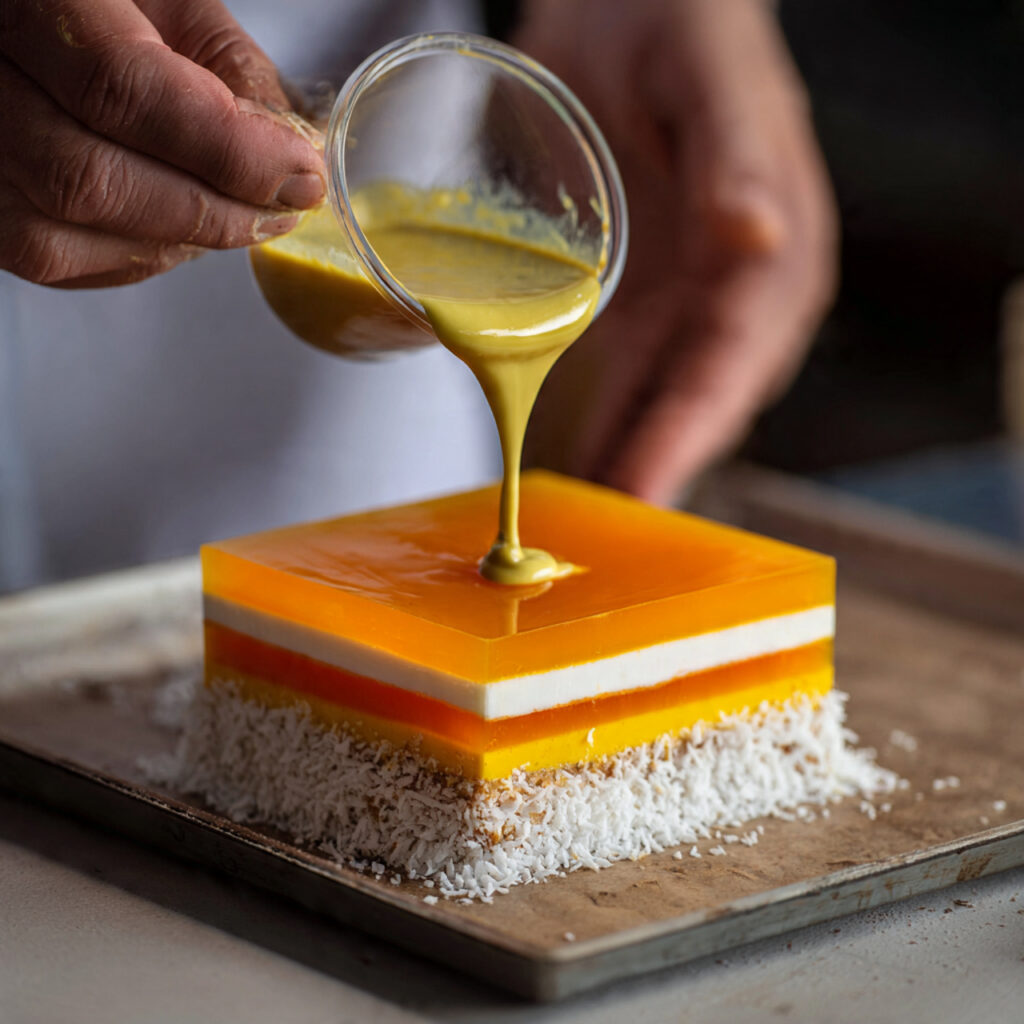
Pour the first layer into your mold. Wait for the surface to set slightly (it should still be warm to the touch) before gently pouring the coconut layer on top. Patience at this stage results in sharp, beautiful boundaries, much like an abstract painting.
4. Frequently Asked Questions (FAQ) – Insights from a Lifestyle Expert
Q: Why does my Agar jelly release water after being in the fridge?
-
A: There are two main reasons: either you didn’t soak the Agar long enough before cooking, or the water-to-powder ratio was too high. Aim for a ratio of 10g of Agar powder per 1 liter of liquid (including the fruit purée) for the perfect professional crunch.
Q: Can I replace Agar with regular Jelly powder?
-
A: You can, but the texture will change entirely. Jelly powder (Carrageenan) creates a chewy, bouncy sensation, whereas Agar provides a traditional “snap” that is much more elegant and refined. For a pure lifestyle approach, I always choose Agar.
Q: How do I ensure the flavor is bright but not overly sharp?
-
A: If your mangoes are exceptionally sweet, add a few drops of yellow lemon juice after removing the mixture from the heat. The acidity from the lemon will make the sweetness feel “brighter” and more sophisticated.
Q: Can I make this sugar-free?
-
A: Absolutely. The natural sweetness of premium mangoes is often enough. If you need a boost, you can use a touch of Stevia.
Q: Why are my layers separating?
-
A: This happens if you let the first layer cool down and set completely before adding the second. Pour the next layer while the previous one is just “skin set” and still warm; they will lock together perfectly.
5. The Tasting: A Multi Sensory Experience
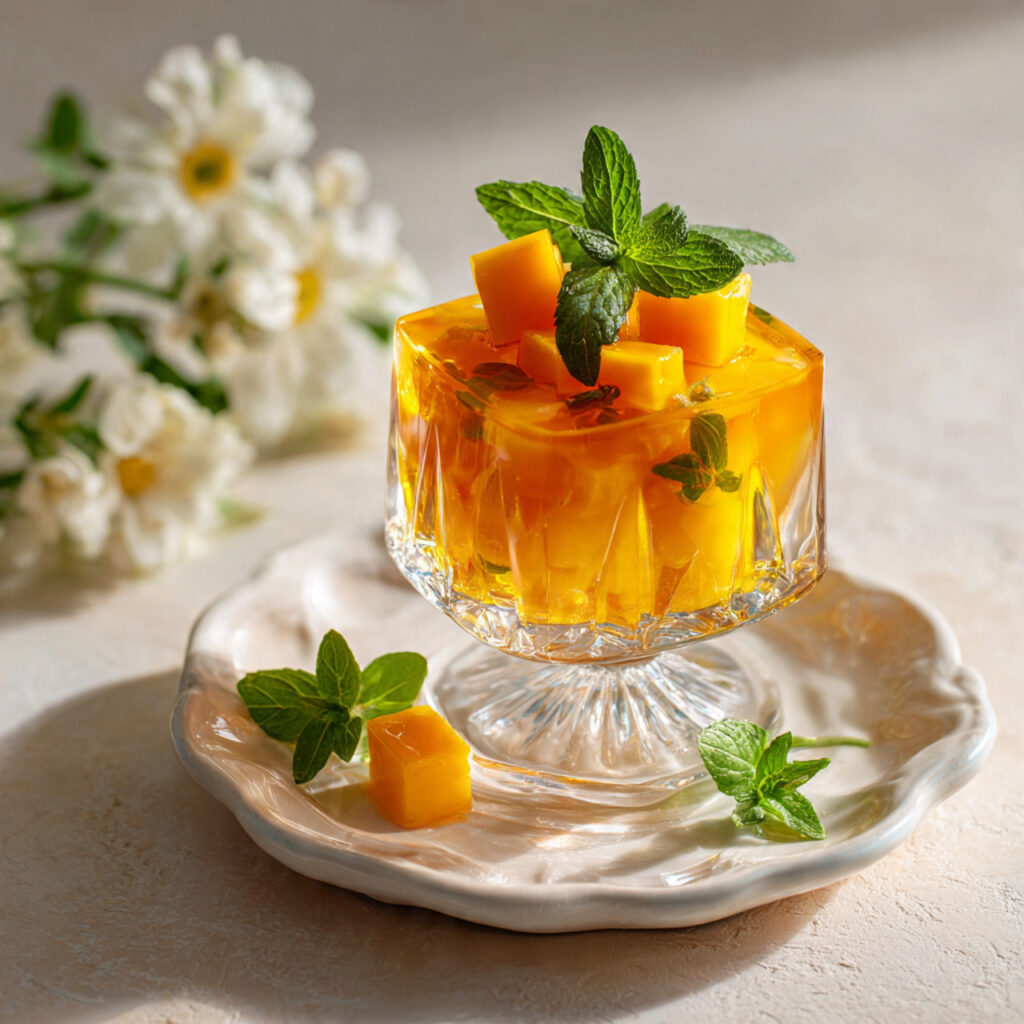
Present your jelly on a white ceramic plate or in a clear crystal glass.
-
The Sensation: As you take a bite, the first sensation is a refreshing coolness. Then comes the gentle “snap” as your teeth meet the firm structure of the Agar, followed by an explosion of mango sweet, fragrant, and lingering.
-
The Final Touch: Garnish with fresh mint leaves and a few cubes of fresh mango to add a layer of texture and a touch of class.
6. Closing Thoughts: Spreading Green Energy
Making Vegan Mango Agar Jelly is a way to bring joy into your kitchen. In my philosophy, a great dessert isn’t just about taste; it’s about how it makes your soul feel lighter. When you choose plant-based ingredients and craft them with intention, the food carries the energy of love.
Start your season with this radiant glow!