



Choosing the perfect bed size is key to a cozy and roomy bedroom. With so many choices, picking the right bed size can feel daunting.
It’s important to think about your bedroom’s size and the different mattress sizes out there.
In this article, we’ll share 7 expert tips on how to pick the perfect bed size for your bedroom. We aim to help you find a balance between comfort and space.
Learning to measure your bedroom and compare bed sizes will prepare you to make the best choice.
Why Choosing the Right Bed Size Matters for Your Comfort and Space
Knowing the right bed size is crucial for a cozy bedroom. The size of your bed greatly affects your room’s layout and comfort. A bed that’s too big can make your room feel tight. On the other hand, a bed that’s too small might not be comfy enough.

Choosing the right bed size is about comfort. It ensures you have enough room to sleep without feeling trapped. This is especially true for people who share a bed, as a bigger bed can improve sleep quality. A small bed, however, can disrupt your sleep and cause discomfort.
How Bed Size Affects Comfort and Sleep Quality

The size of your bed affects your sleep quality. A bigger bed gives you more room to move, which means less chance of being disturbed while you sleep. Also, a bed that fits well in your room can make it easier to relax and fall asleep.
Choosing the best bed size for your room means looking at several things. You need to think about your room’s size, how many people will sleep there, and what you like. For small rooms, finding a bed that’s both compact and comfy is key. This might mean comparing different sizes to find the perfect fit for your space.
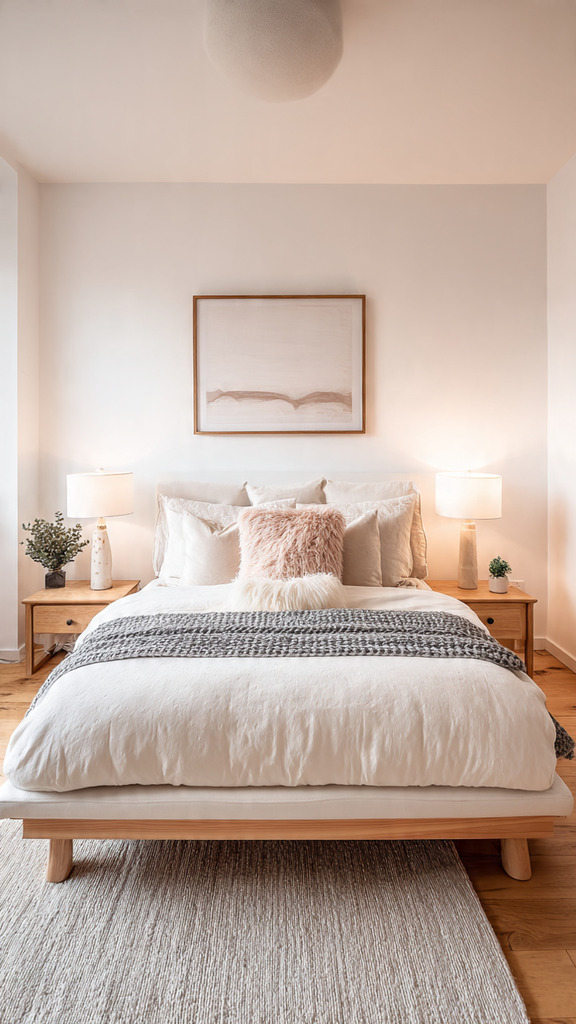
In the world of bed sizes comparison, it’s important to think about your bedroom’s size and how different beds will change the room’s layout. For example, a king size bed might be great for big rooms, while a queen or full size bed might be better for smaller ones. Knowing these differences can help you make a smart choice.
In the end, the right bed size can turn your bedroom into a cozy retreat. By thinking about your needs and your room’s size, you can pick a bed that improves your sleep and makes your bedroom look good.
Tip 1: Measure Your Bedroom Dimensions Before Shopping

To avoid buying a bed that’s too large or too small, start by measuring your bedroom’s dimensions. Accurate measurements are crucial to ensure a comfortable fit. They also help make sure the bed can be easily moved into the room.
When measuring your bedroom, consider not just the floor space. Also think about the layout and any obstacles that might affect the bed’s placement. Take note of the location of doors, windows, and any other furniture that will remain in the room.
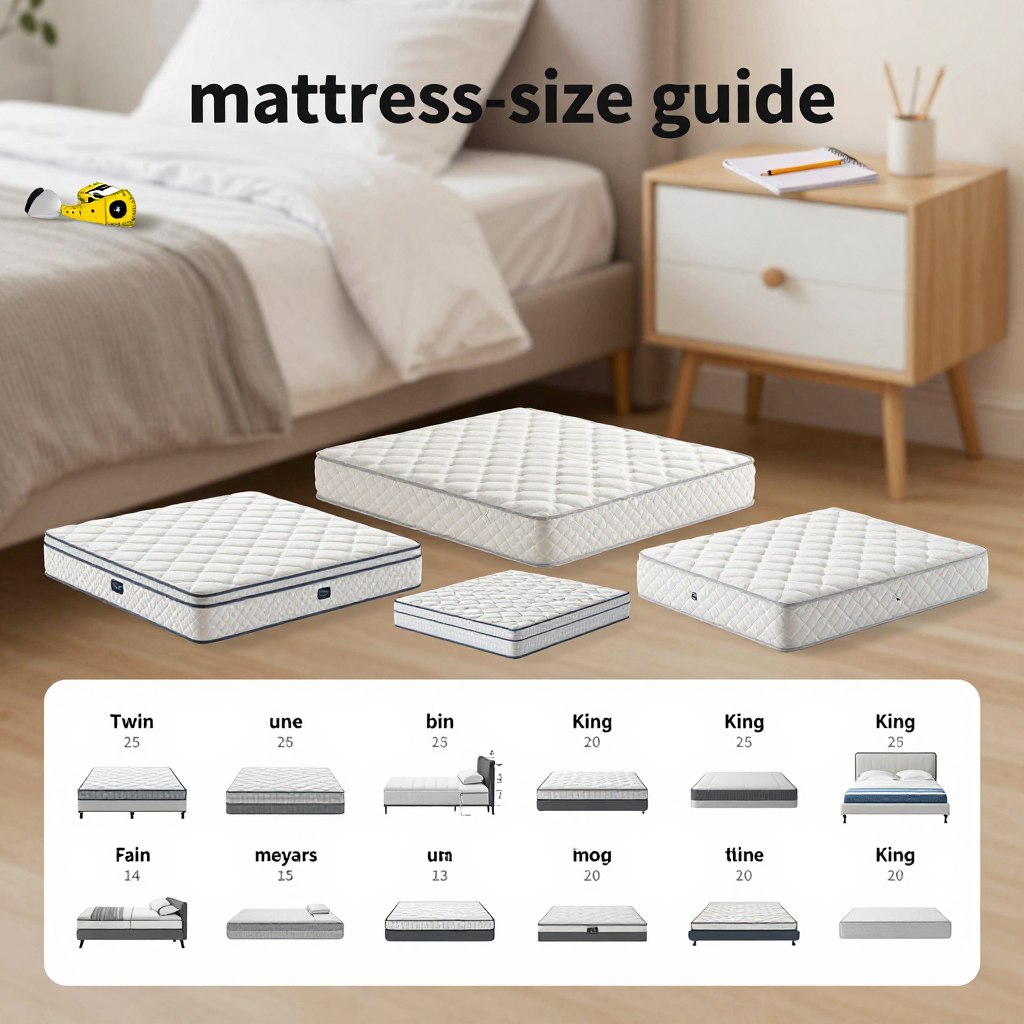
It’s also important to think about the pathways the bed will take to get to your bedroom. Measure doorways, hallways, and stairways to ensure your new bed can be moved in without difficulty. This will save you from the hassle and potential damage of trying to maneuver a large bed into a tight space.
By having precise measurements, you can consult a mattress size guide more effectively. This way, you can narrow down your options to beds that will fit your bedroom comfortably.
Tip 2: Study a Mattress Size Guide to Understand Your Options
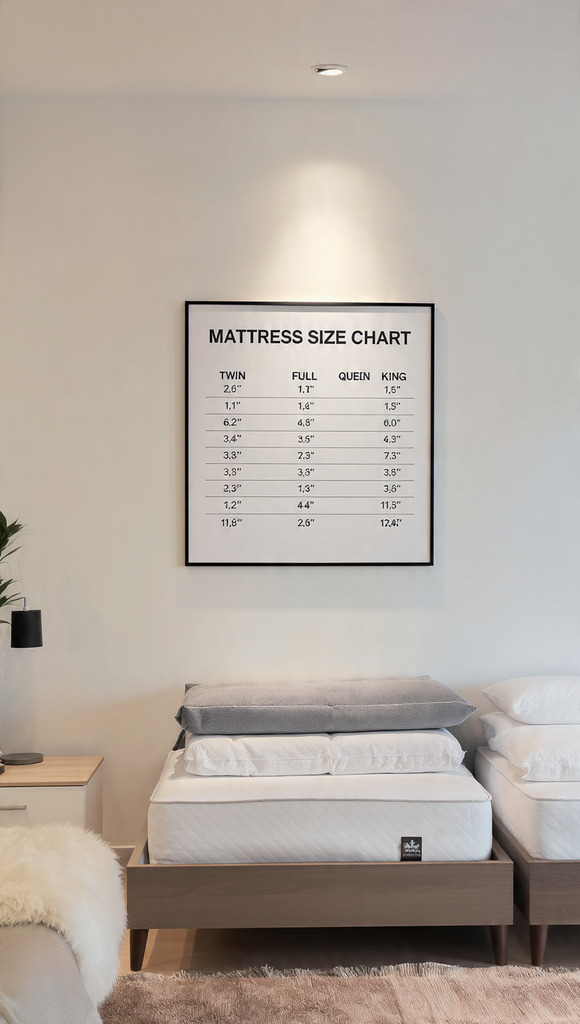
A mattress size guide is a great tool to find the perfect bed size for your space. With many options, knowing the standard sizes is key.
Standard mattress sizes go from Twin to King, each with its own dimensions. Knowing these sizes helps you compare and choose wisely.
Comparing Different Mattress Sizes
Let’s look at the most common mattress sizes:
The Twin mattress is great for kids’ rooms or guest rooms. It’s 39 inches wide and 75 inches long. The Full mattress is 15 inches wider, perfect for single adults or teens.
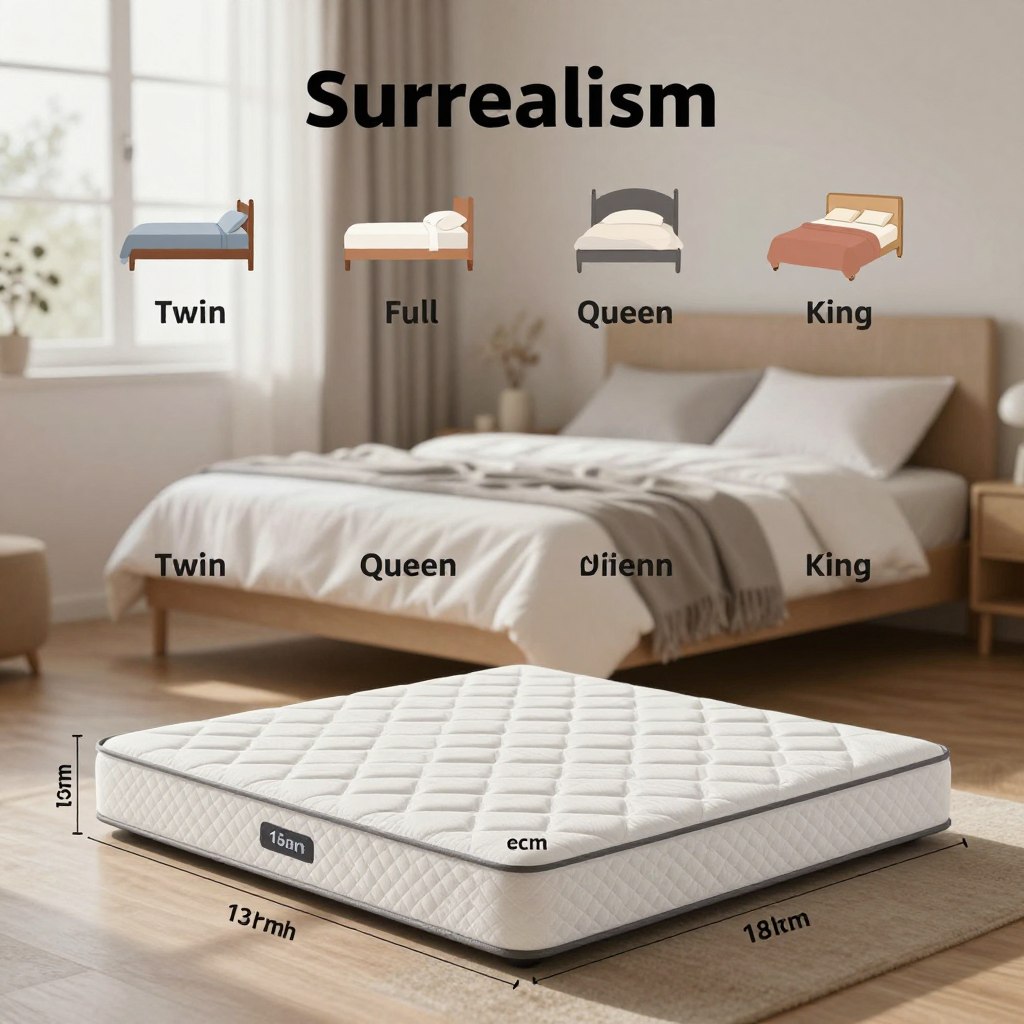
Queen and King mattresses offer more space for couples or those who like extra room. A Queen is 60 inches wide and 80 inches long. A King is 76 inches wide and 80 inches long.
Choosing between a King and Queen depends on your bedroom size and what you prefer. If your bedroom is big, a King might be better. But if it’s smaller, a Queen could be more fitting.

Looking at a bed size chart for reference helps you see the sizes and dimensions. It’s useful for planning your bedroom layout.
In summary, knowing the different mattress sizes and their dimensions is crucial. By studying a mattress size guide and comparing, you can pick the right bed for your space and taste.
Tip 3: Determine Who Will Sleep in the Bed Regularly
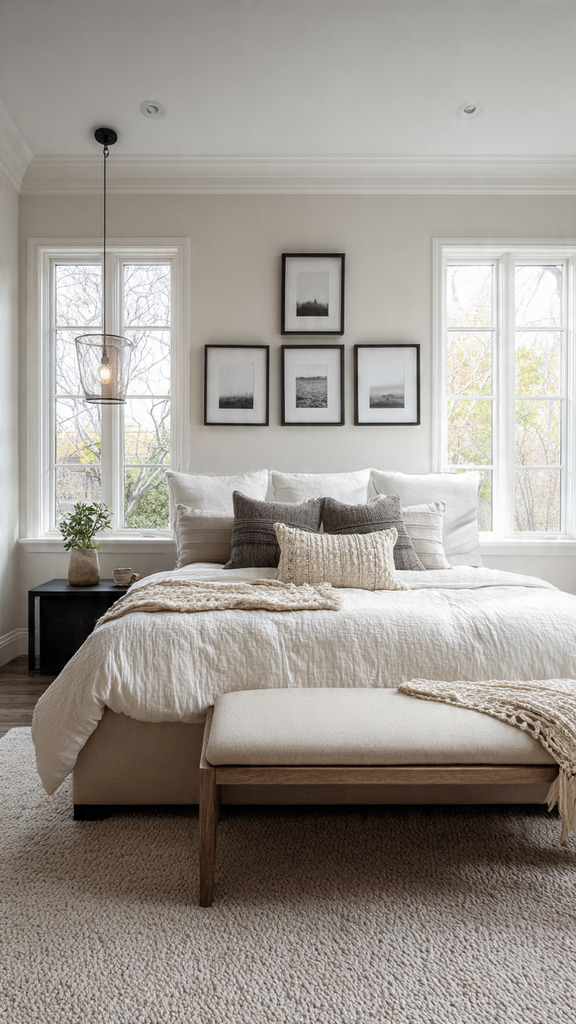
The number of people using the bed is key in picking the right size. Whether it’s a couple, kids, or pets, the bed must be big enough for everyone to sleep well.
For one person, a twin or full size bed might be enough, depending on what you like and how much space you have. But, if you’re a couple or share with kids or pets, a bigger bed like a queen or king is better for comfort and sleep.

Think about not just how many people but also their size and how they sleep. If you or your partner move a lot at night, you’ll need a bigger bed to avoid feeling cramped.
The goal is to find a bed size that fits both the room and your needs. A bed that’s too big can make the room feel small. But one that’s too small might not be comfy enough.
Tip 4: Find the Best Bed Size for Small Room Layouts

In small bedrooms, the bed size is key to the room’s look and feel. It’s important to find the right bed size for small rooms. This ensures a cozy and relaxing space.
First, measure your bedroom dimensions carefully. This helps you see how much space you have. Think about where the bed will go and how it will fit with other furniture and room flow.
For small rooms, a compact bed size works best. Twin or Twin XL beds are good choices. They offer enough room without taking up too much space. Plus, a bed with storage can help save room.

Choosing a bed for a small room also means thinking about style. A simple bed frame can make the room look bigger and less cluttered. Using a bed size chart can also help you find the perfect bed for your small bedroom.
By picking the right bed size and layout, you can make your small bedroom feel cozy and welcoming. The right bed size can really change how your small bedroom feels and works.
Tip 5: Compare King vs Queen Bed Dimensions for Your Needs
Knowing the difference between king and queen bed sizes helps you pick the perfect bed for your room. Both are popular, but they meet different needs and tastes.

A king bed is 76 inches wide and 80 inches long. It’s great for couples who like to stretch out. A queen bed is 60 inches wide and 80 inches long. It’s perfect for smaller rooms or those who like a snug sleep.
Key Differences:
- Space: King beds are wider, perfect for couples with kids or pets.
- Room Size: Queen beds fit better in smaller rooms, saving space.
- Comfort: King beds offer more comfort for couples. Queen beds are cozy without taking up too much room.

When choosing between king and queen, think about your room and what you like. If your room is big and you like lots of space, a king bed might be best. But if your room is small or you prefer a cozy feel, a queen bed is better.
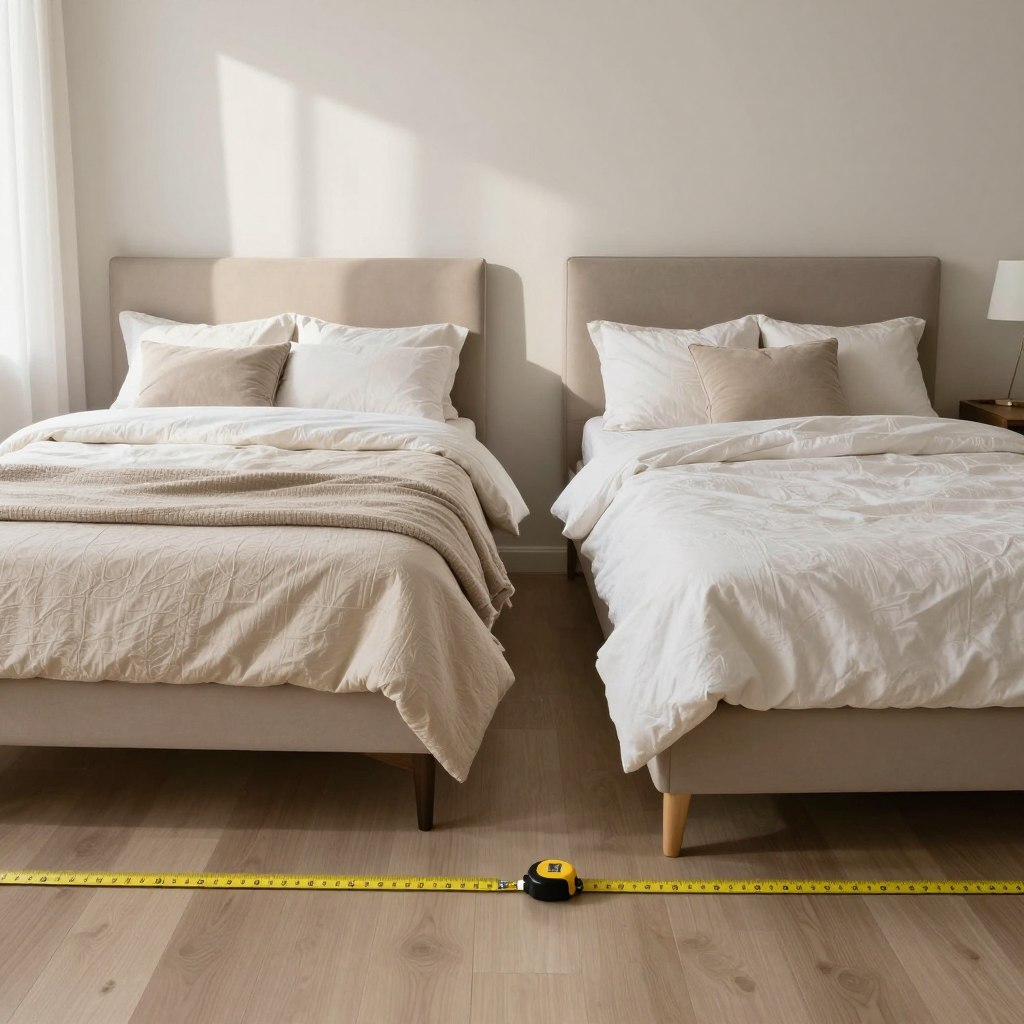
In the end, picking between a king and queen bed depends on your needs and room size. By thinking about these, you can find the bed that makes your sleep better and fits your room well.
Tip 6: Evaluate Twin vs Full Bed Measurements for Smaller Spaces
When choosing a bed for a small room, knowing the difference between Twin and Full beds is key. It’s important to look at the size and benefits of each bed type.

A Twin bed is 39 inches wide and 75 inches long. It’s perfect for one person in very small rooms. A Full bed, at 54 inches wide and 75 inches long, gives more room. It’s comfy for one person or two, depending on what you like.
Twin Bed Measurements:– Width: 39 inches
– Length: 75 inches
– Suitable for: Single sleepers, compact rooms
– Width: 54 inches
– Length: 75 inches
– Suitable for: Single sleepers who prefer extra space, or couples in slightly larger compact rooms
Looking at twin vs full bed measurements, Full beds have more width. This extra room is great for those who like to stretch out or share the bed. But, for really tiny rooms, a Twin bed might be better.

In summary, comparing bed sizes is crucial for small rooms. By looking at the sizes and benefits of Twin and Full beds, you can choose the right one. This choice will improve your bedroom’s layout and meet your needs.
Tip 7: Use a Bed Size Chart for Reference and Room Planning

Choosing the right bed size is easier with a bed size chart. This tool lets you see how different bed sizes fit in your bedroom.
Looking at a bed size chart helps you pick the best bed for your room. It shows you the sizes of beds, from Twin to King, and how they affect your room’s layout.
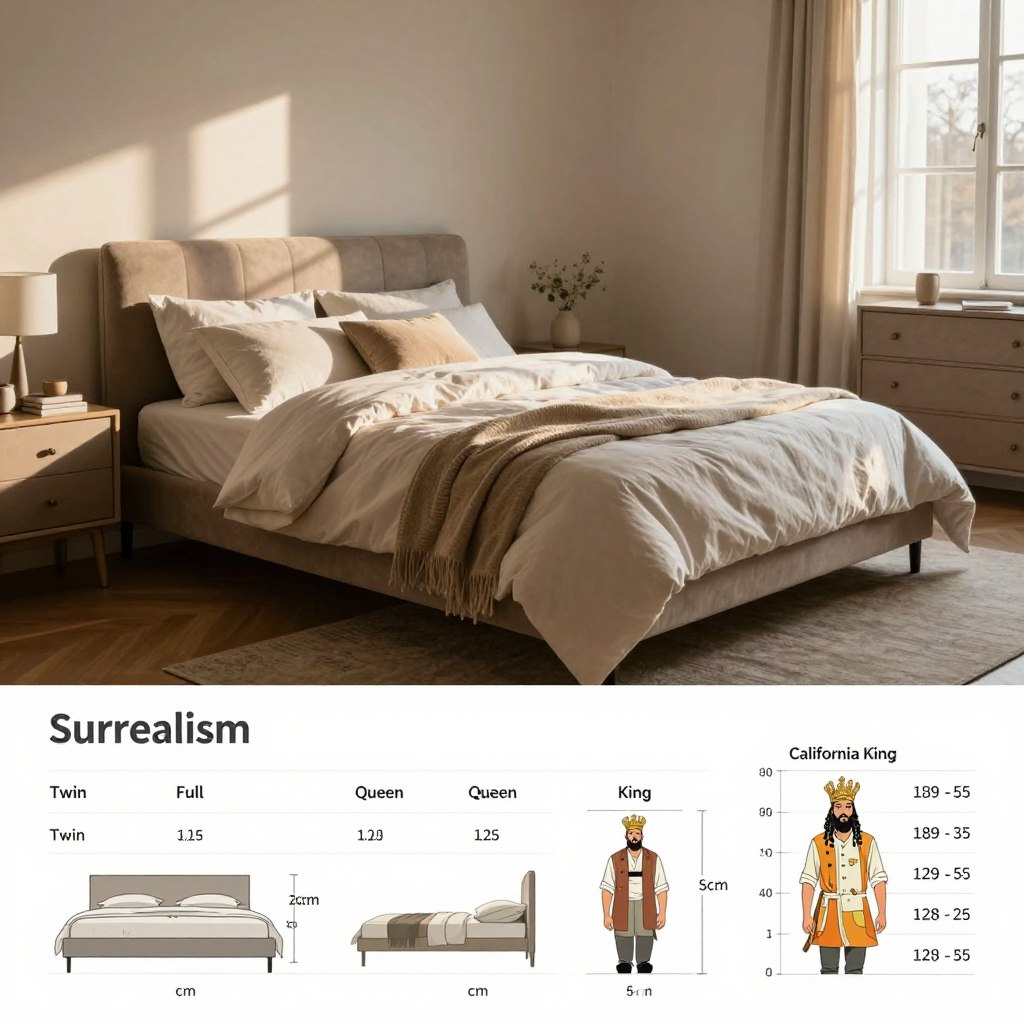
Using a bed size chart is key when planning your bedroom. It helps you measure your room and compare it to bed sizes. This ensures your bed fits well without taking over the room.
To pick the perfect bed size, use a bed size chart with your bedroom measurements. This way, you’ll get a bedroom that’s both beautiful and practical.
Conclusion
Choosing the right bed size is key to a comfy and roomy bedroom. Think about your bedroom’s size, mattress guides, and how many people will sleep there. This helps you pick the perfect bed for you.
Comparing bed sizes can guide you to the best fit for your room. Whether it’s between a king and queen or twin and full, a bed size chart makes it easier.
Follow the 7 tips from this article to find the ideal bed. The right bed size improves your room’s look and feel. It also makes sleeping better and more refreshing.
Choosing the right bed size is about finding a balance. It’s about what you like and what your room can handle. With the right advice, you can make your bedroom both lovely and useful.