



As an Amazon Associate, I earn from qualifying purchases. This post contains affiliate links, at no additional cost to you.
Imagine a living room that feels instantly richer and more inviting. A stunning focal point made from genuine hide can transform your entire space. This element of leather interior design brings unmatched warmth and texture to your home.
Beyond its good looks, this feature offers real benefits. It improves room acoustics by softening sound. The material is naturally durable and timeless, standing up to years of use while always staying in style.
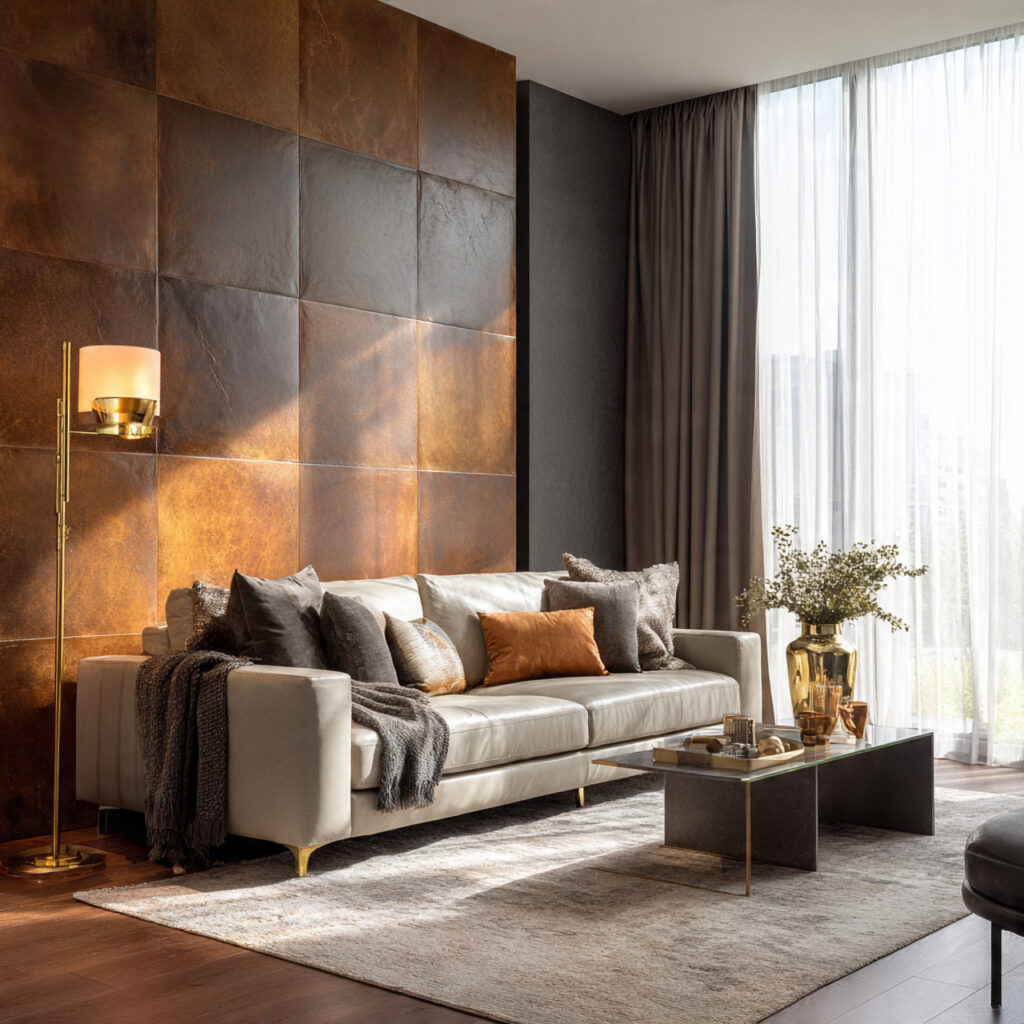
You can achieve this look in several exciting ways. We will explore six distinct methods to create a leather accent wall. The options range from sophisticated modular tiles to clever, budget-friendly faux techniques.
Ready to bring a touch of luxury into your daily life? Let’s dive into these inspiring accent wall ideas and find the perfect fit for your luxurious living room.
1. The Leather Tile Grid: A Modular Approach
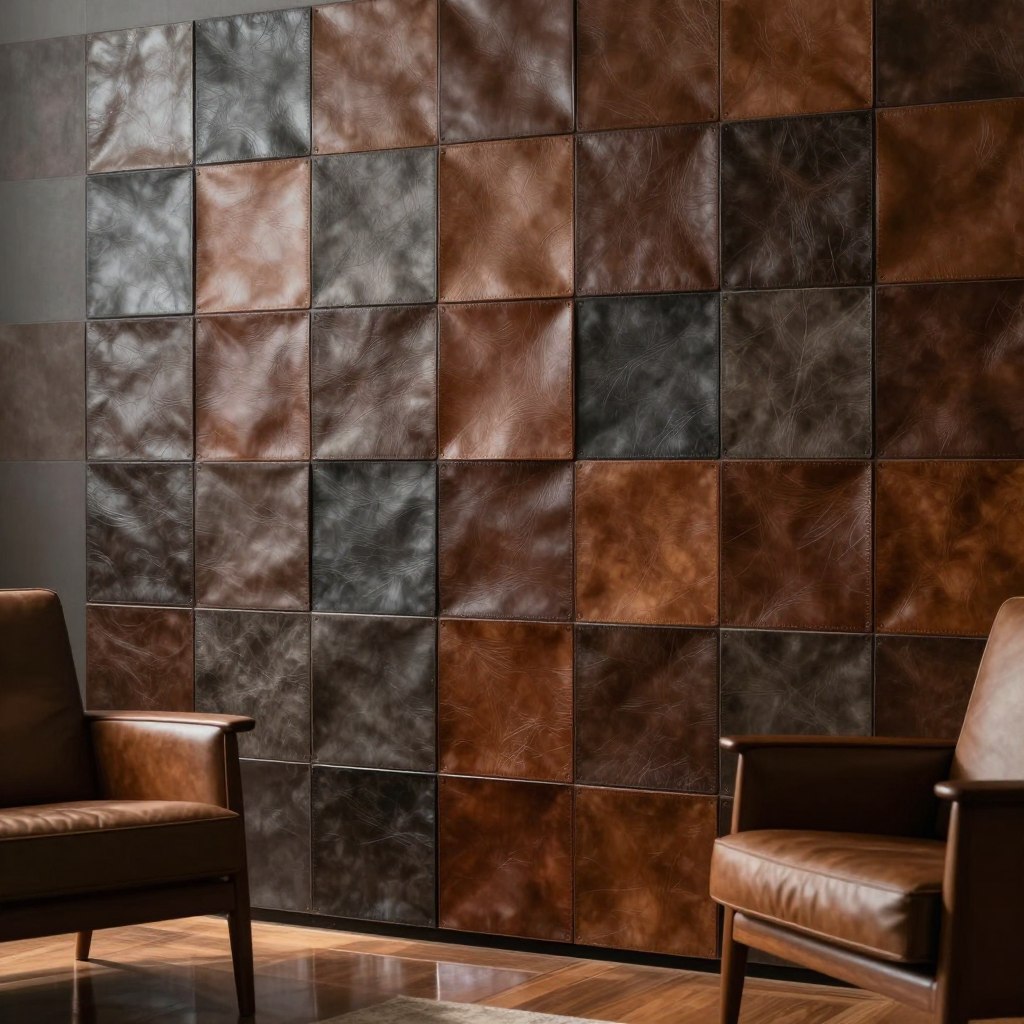
The leather tile grid method lets you customize your wall’s look with modular pieces. It’s great for beginners. It’s also very flexible and easy to install.
You can start small and add more later. This makes it a smart choice for a leather wall covering. The result is a luxurious texture that looks both modern and timeless.
Planning Your Tile Design and Layout
First, pick your tile shape and pattern. Square tiles make a clean, modern grid. Rectangular tiles can add height or width to your room.
For a dynamic look, try a herringbone pattern. Always measure your wall carefully. Use a pencil and level to mark your grid on the wall.
This guide helps with alignment. Plan around outlets and switches. You can design the grid to frame them or cut tiles to fit.
Step by Step: Installing Leather Tiles with Adhesive
First, prepare your wall. It should be clean, dry, and smooth. Remove old wallpaper or flaking paint. A primer may be needed for porous walls.
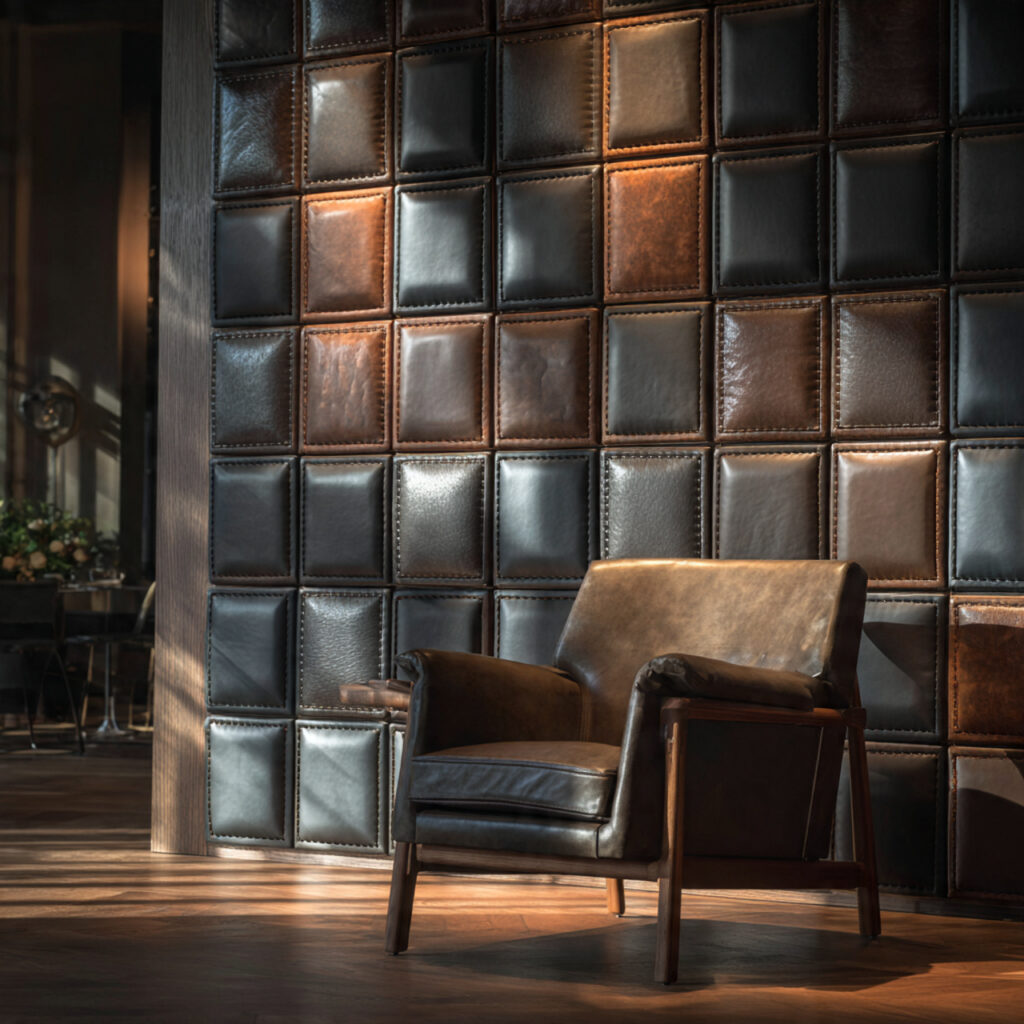
Apply adhesive to the wall with a notched trowel. Work in small sections to avoid drying too fast. Press the first tile into the top corner of your grid.
Finally, address the edges and corners. You can use a matching trim piece or fold the leather over the edge. Your new modular leather wall covering is now complete and ready to impress.

- General size 22-24 sf : at least 32 inches wide By 55 Inches Long. Leather hide natural in shape
- Entire skin is over 72 inches long, narrows in end of skin
- Italian Upholstery Cowhide leather, good for sofa, couches, wall covering
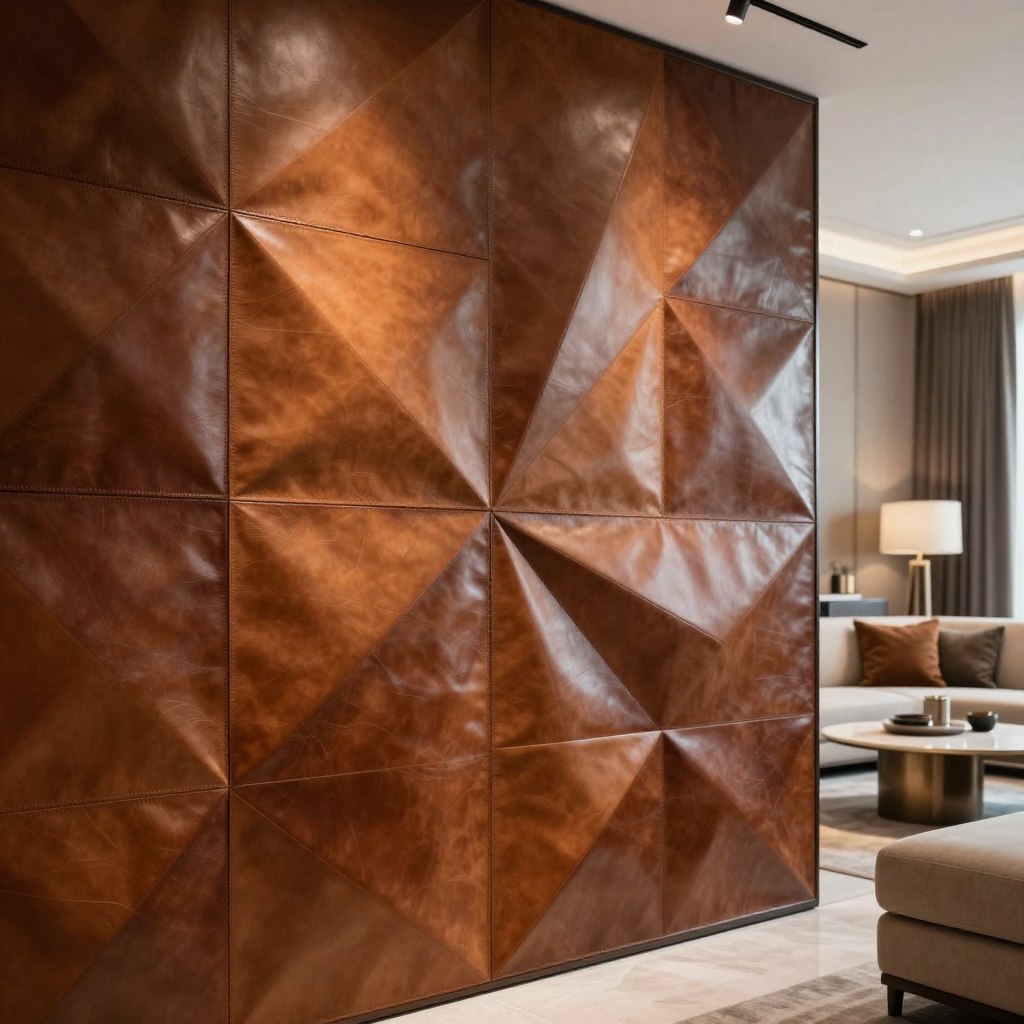
2. Create a Leather Accent Wall with Large Panels
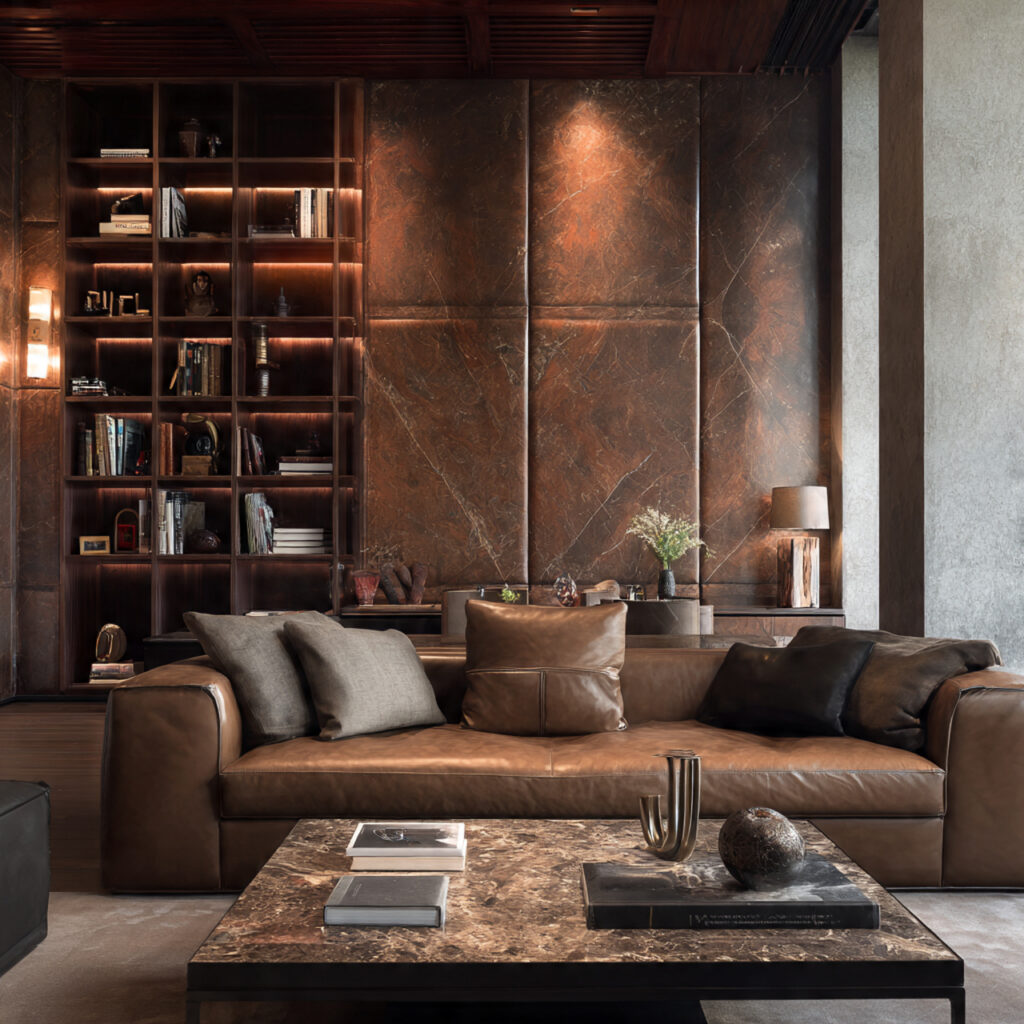
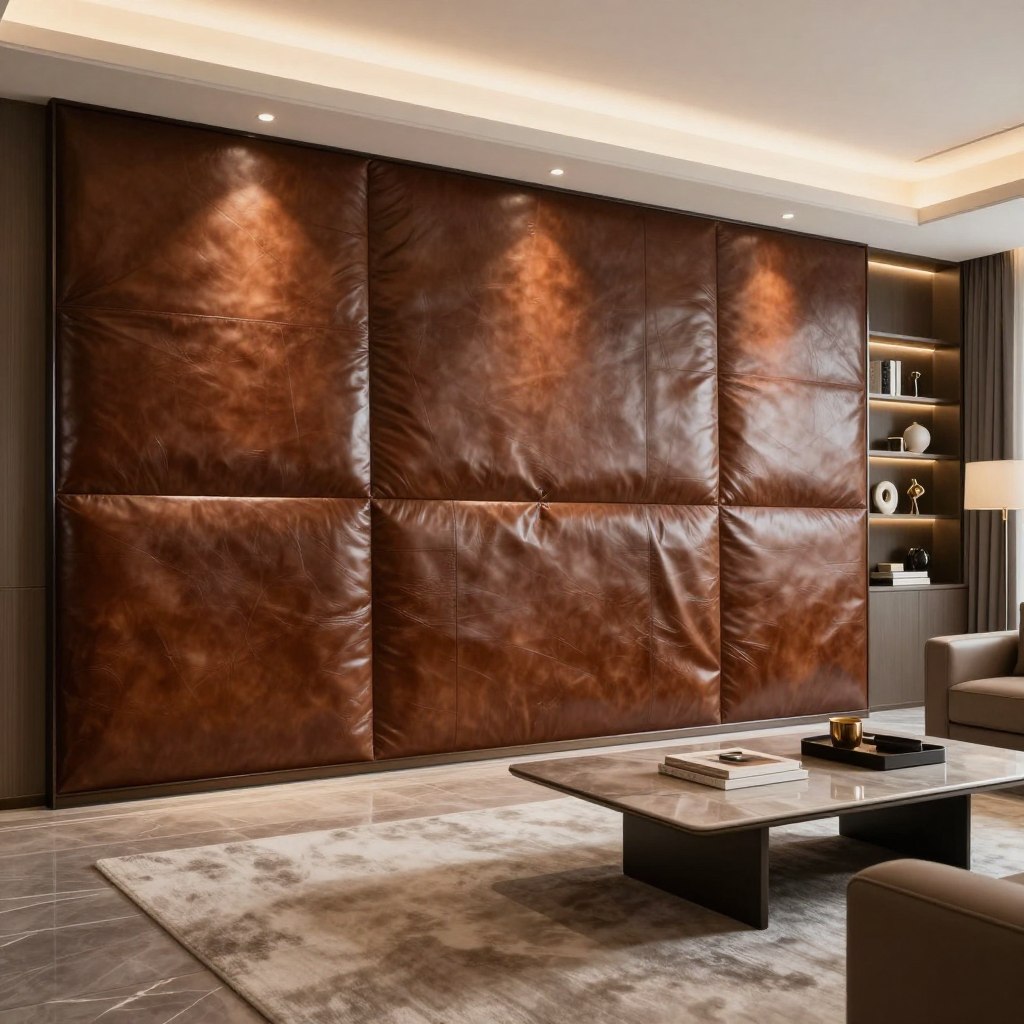
Large panels make a grand statement. They offer a sleek look, unlike tile grids. This method creates a modern, luxurious feel. It’s perfect for a bold focal point in a room.
Selecting and Sourcing Full Hide or Seamed Panels
Choose between a single, massive hide or multiple panels. A full cowhide can cover up to 50 square feet. It has a unique natural shape.
For wider walls, you’ll need to seam together rectangular panels. This requires planning for pattern matching and color consistency.
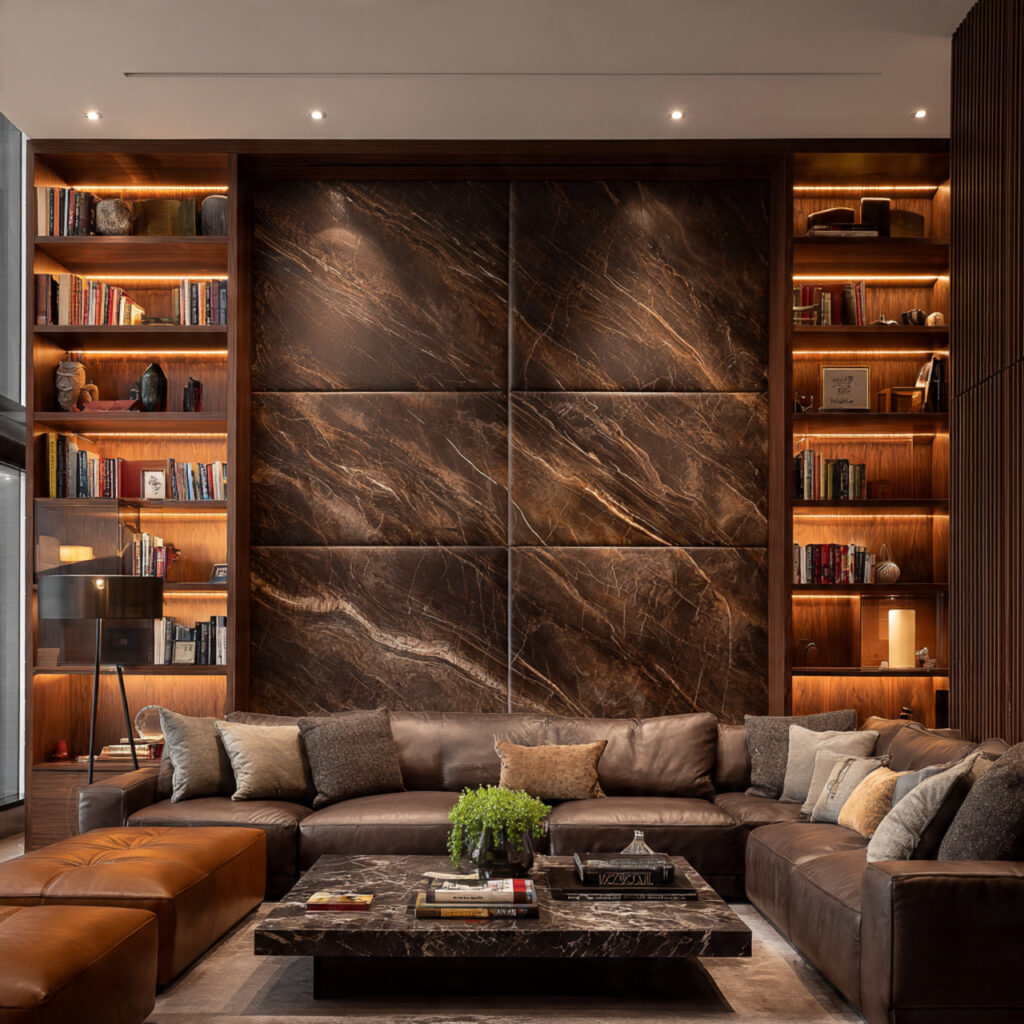
Find your leather at specialty dealers or upholstery suppliers. Discuss your project with them. For walls, top grain or full grain leather with a uniform finish is often best. A medium weight, around 5 to 6 ounces, is durable but not stiff.
Ask about “side” or “back” panels for more consistent pieces. Always request samples to check color and texture under your room’s lighting.
Essential Tools for a Flawless Panel Installation
Having the right tools makes installation smooth and professional. You need more than just a standard adhesive.
A laser level is non negotiable for straight seams. Use a heavy duty construction adhesive or a specialized panel-hanging system with clips.
A seam roller is crucial for pressing seamed edges. You also need a specific leather seam adhesive that remains flexible. Do not use standard glue.
Other essentials include a sharp utility knife with extra blades, a metal straightedge for clean cuts, a rubber mallet for gentle tapping, and a clean, soft cloth for wiping away any adhesive squeeze out immediately.
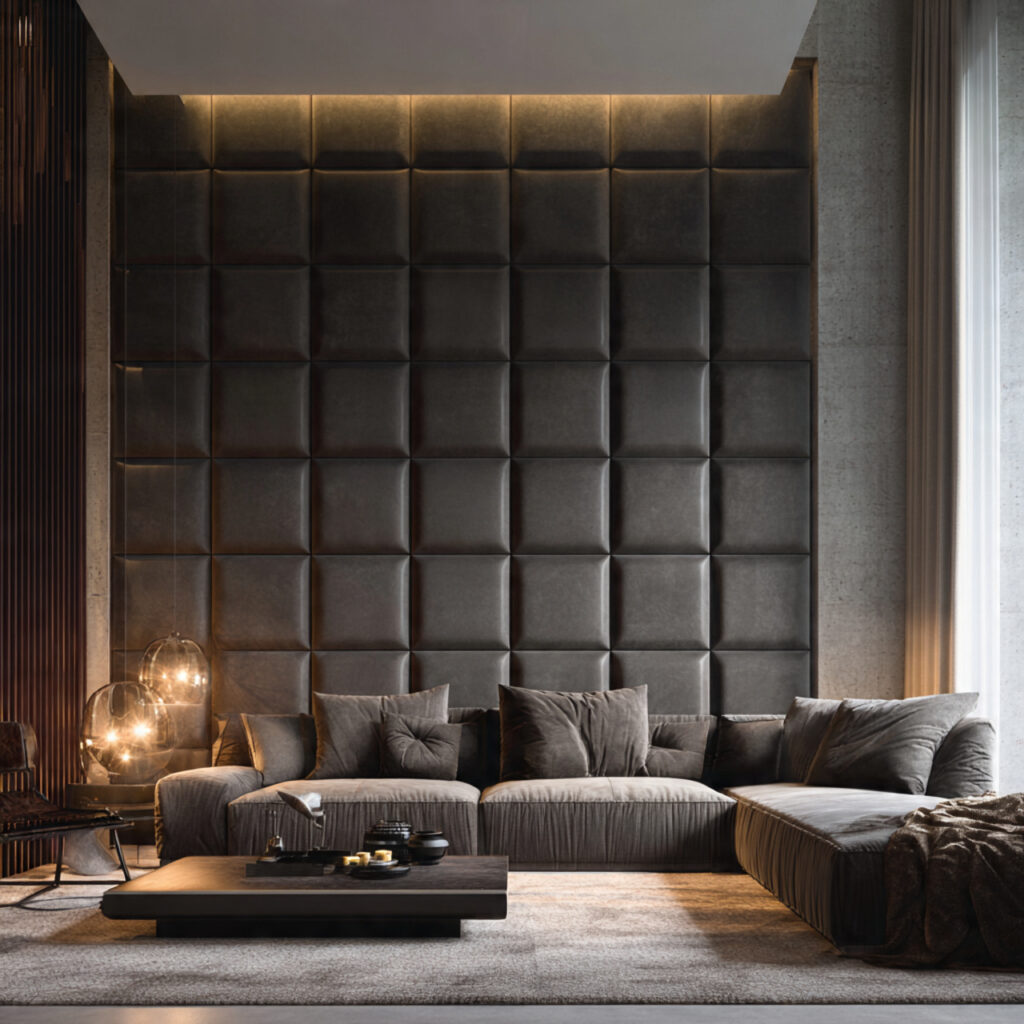
3. The Upholstered Leather Wall: A Plush Statement
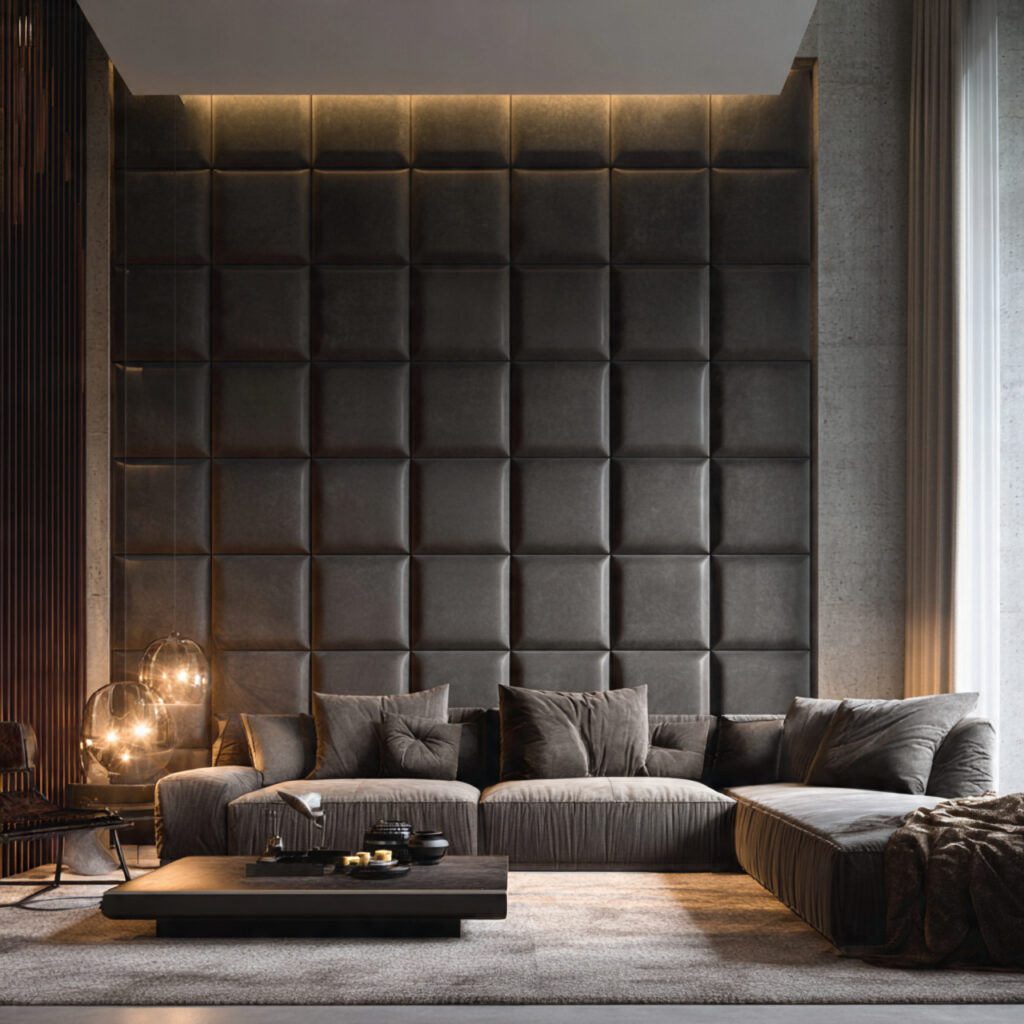
Looking for a wall that feels luxurious? The upholstered leather method offers a soft, headboard-like feel. It’s not just about looks; it’s about touch too. This diy leather wall project adds a cozy touch to any room.
Building the Internal Frame and Adding Padding
Start with a strong wooden frame on your wall. Use 1×3 pine boards for this. Secure them to the studs with long screws.
Mark the studs and plan your frame size. A simple rectangle works best. For big walls, you can use multiple sections.
After securing the frame, add the padding. Use dense foam or polyester batting. Cut it a bit larger than the frame. Staple it tight for a soft feel.
Step by Step: Stretching and Stapling Leather to the Frame
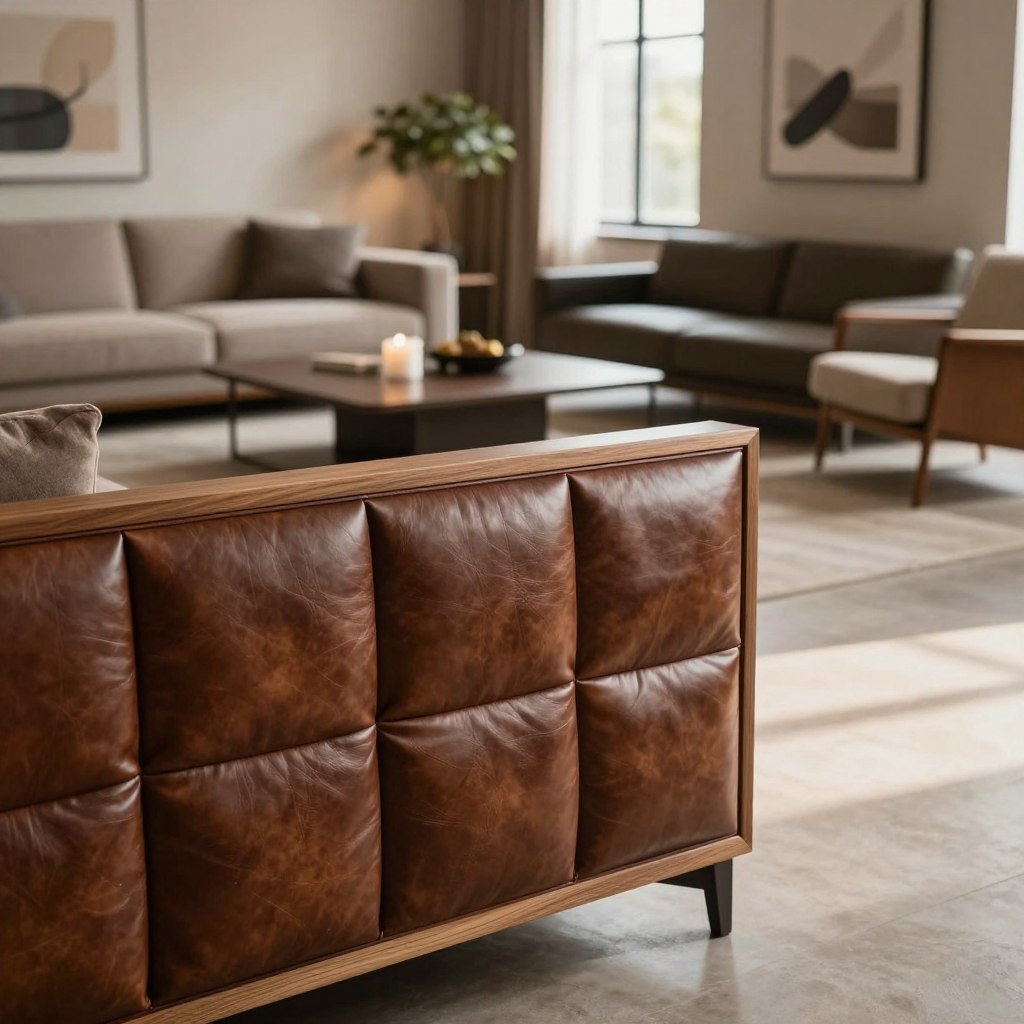
Cut your leather 4-6 inches bigger than the frame. This extra is key for stretching. Place the leather wrong-side-down on a clean area.
Put the padded frame on the leather’s back. Staple from the center of one side. Pull tight and staple the other side too. Keep it even.
Move from the center to the edges. This avoids wrinkles for a tight, smooth finish. For corners, fold the leather neatly. Trim any excess for a clean look.
Securing the Finished Panel to Your Wall
Your panel is now ready. Use French cleats or heavy duty brackets for a strong hold. Attach one cleat to the frame’s back.
Mount the other cleat to the wall studs. Lift and hook the panel for a secure fit. For a permanent fix, screw through the frame into the studs from the front.
This feature wall becomes the room’s centerpiece. It matches well with cozy living room decor for a welcoming space.
4. Leather Wrapped Battens for Geometric Depth
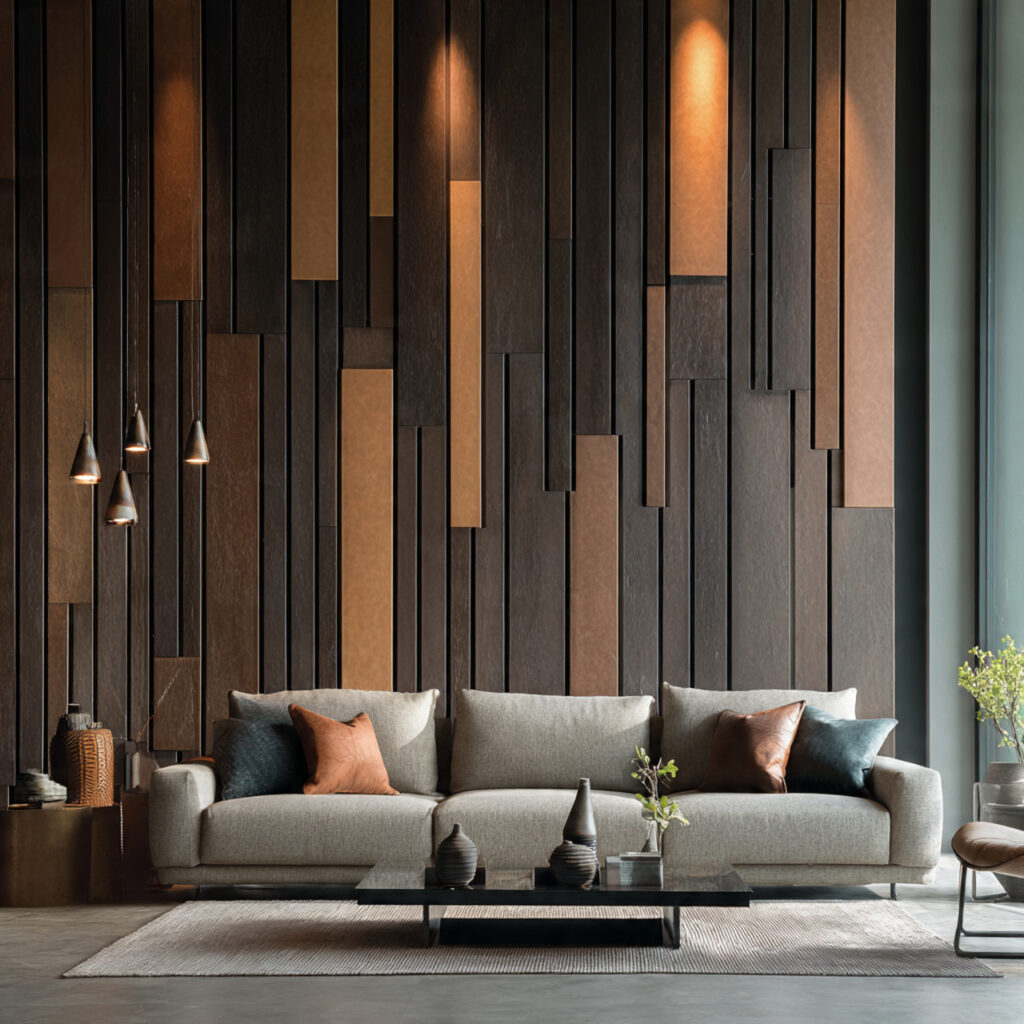
Leather-wrapped battens add a modern touch and depth to your walls. This method creates a dynamic look with shadows and rhythm.
It’s a great way to make a textured wall that’s both stylish and touchable. You’ll turn simple wood strips into luxurious features.
Designing Your Batten Grid or Pattern
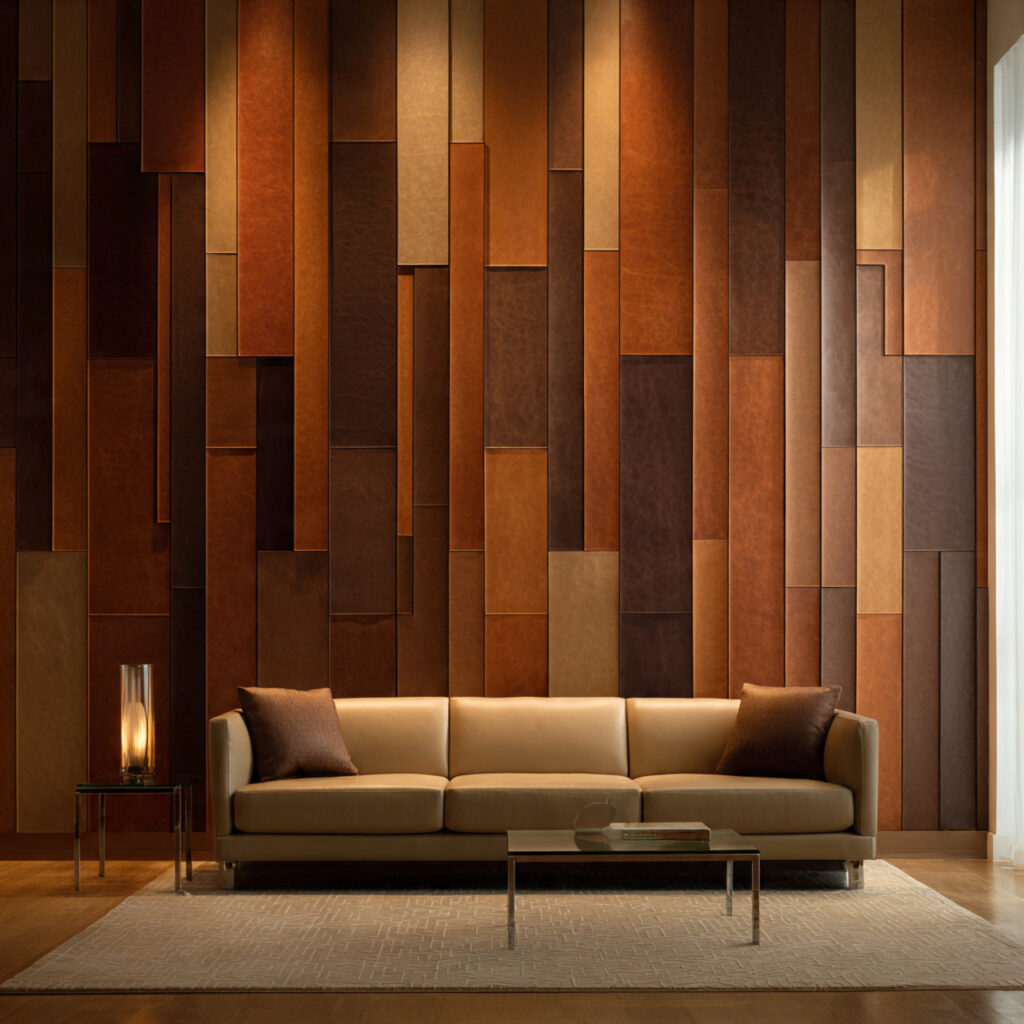
Begin by sketching your pattern on paper. A classic choice is vertical lines for a clean look.
For more flair, go for a grid of squares or rectangles. You can also try chevrons or herringbone patterns.
Use straight, knot-free wood like pine or poplar. The width and spacing of your battens affect the look.
Wide battens close together make a bold statement. Thin strips with more space create a lighter, more rhythmic feel.
Step by Step: Wrapping Wood Strips with Leather
First, cut leather strips wider than your wood batten. This ensures enough material for wrapping.
Lay the leather strip face down. Apply a strong, even coat of spray adhesive to the wood batten.
Place the adhesivecoated wood onto the leather’s back. Press firmly for a strong bond.
Wrap the leather around the sides like a present. Pull it tight and secure the ends with staples.
Trim excess leather for a clean finish. Your leather wrapped batten is now complete.
5. Leather Inlay with Painted or Wallpapered Background
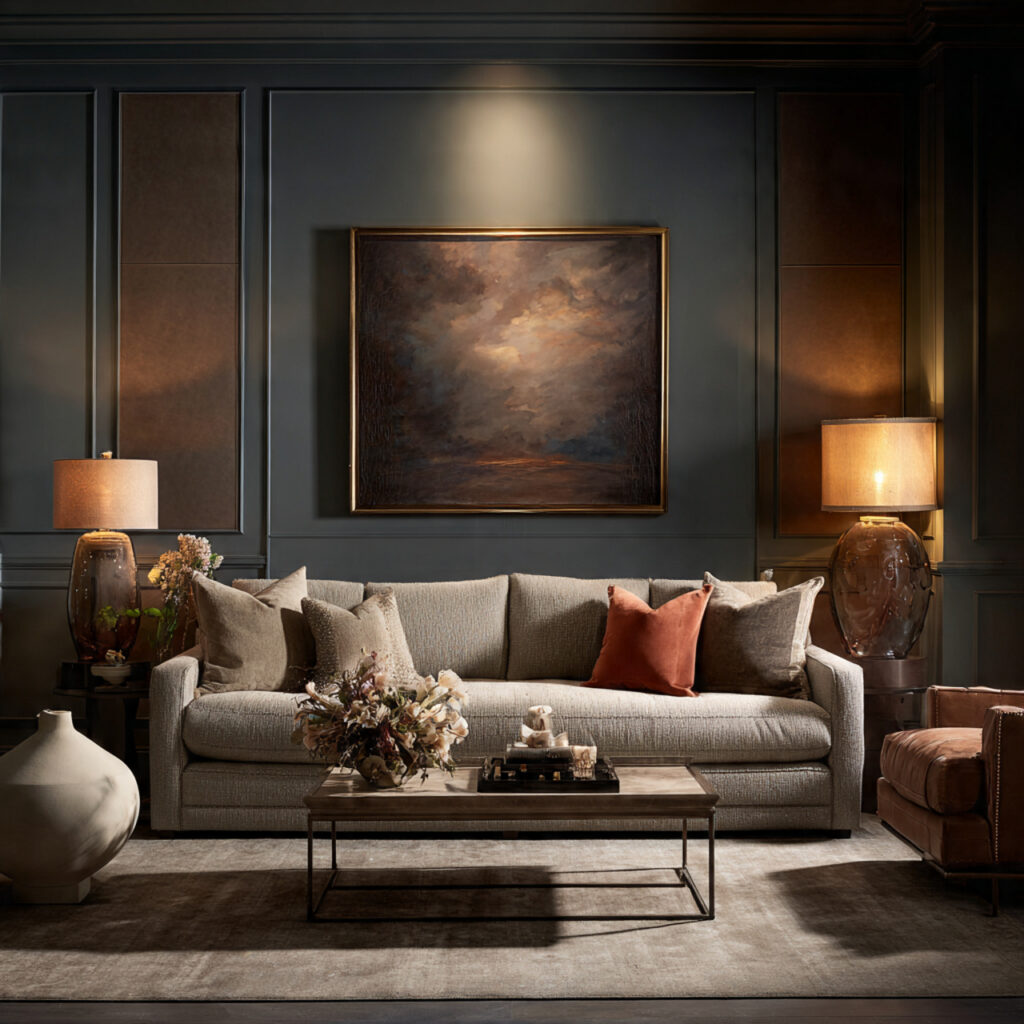
For a mix of classic and modern, frame leather as an inlay against a bright background. This makes leather a standout piece in your room. It’s a great way to add luxury without covering the whole wall.
You create a “frame” on your wall, then fill it with leather. The contrast between the leather and its background is striking. It’s a detailed project, but the result is stunning.
Creating a Leather “Picture Frame” on Your Wall
The first step is designing your frame. You’re not using a real frame, but making it look like one on your wall. Use thin wood trim, like picture molding, to form a shape.
To get a smooth look, paint a contrasting border on the wall. Use painter’s tape for sharp lines. This painted border is your frame. Inside, your leather will go.
Plan the frame’s size and placement carefully to balance your wall. Center it for a formal look or place it off-center for a modern vibe.
Step by Step: Applying the Background First
Applying the background first is key for a professional look. Choose a deep paint color or bold wallpaper for your background. Make sure it covers the area where the leather will go.
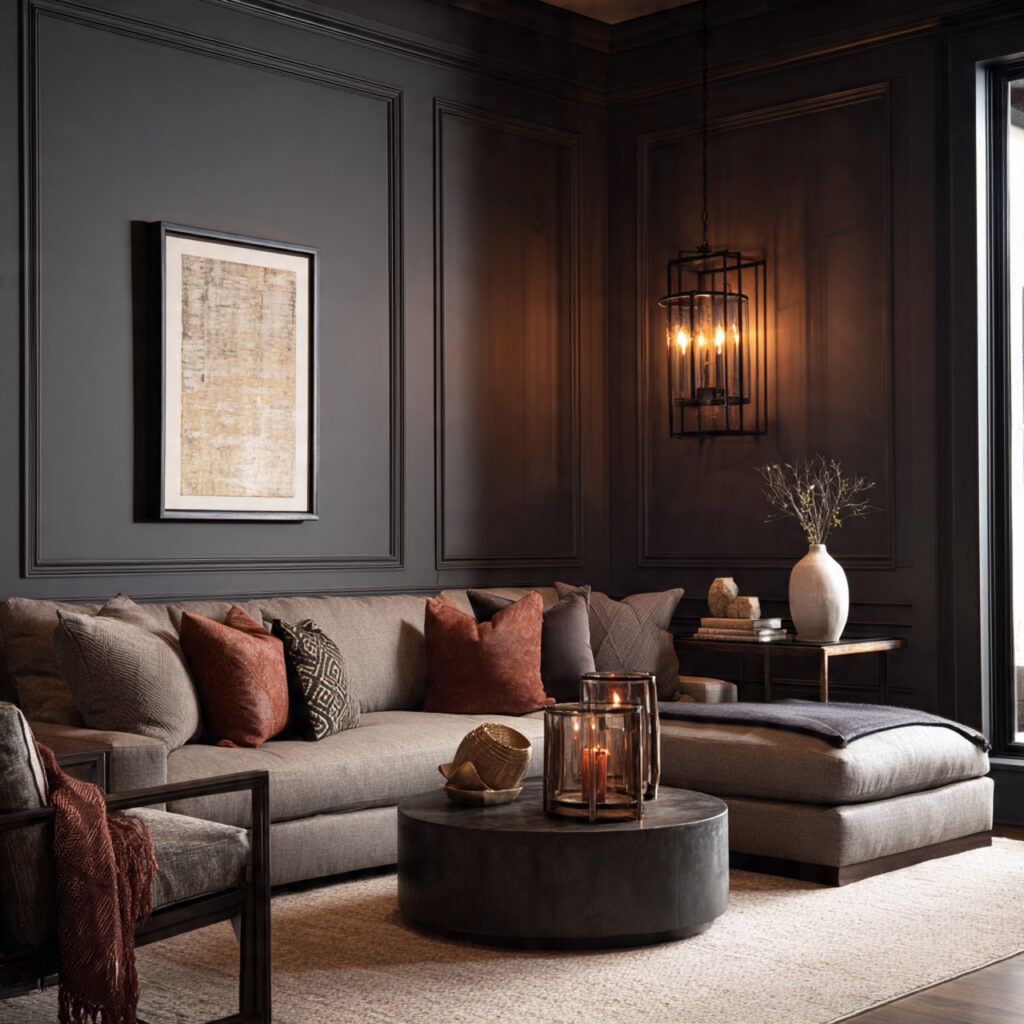
Paint the wall or hang your wallpaper and let it dry completely. This takes 24-48 hours. A dry background prevents moisture from affecting the leather adhesive. It also ensures a perfect backdrop for your leather panel.
After the background is dry, install your wood trim frame. Now, your “canvas” is ready for its artwork.
Installing the Leather Inlay Panel as a Focal Point
Now, it’s time for the leather. Measure the inside of your framed area. Add an extra half-inch to the leather’s measurements for a safe fit.
Use a sharp knife and straightedge to cut the leather. Apply strong adhesive to the back of the leather panel. A spray adhesive or wall covering adhesive works well.
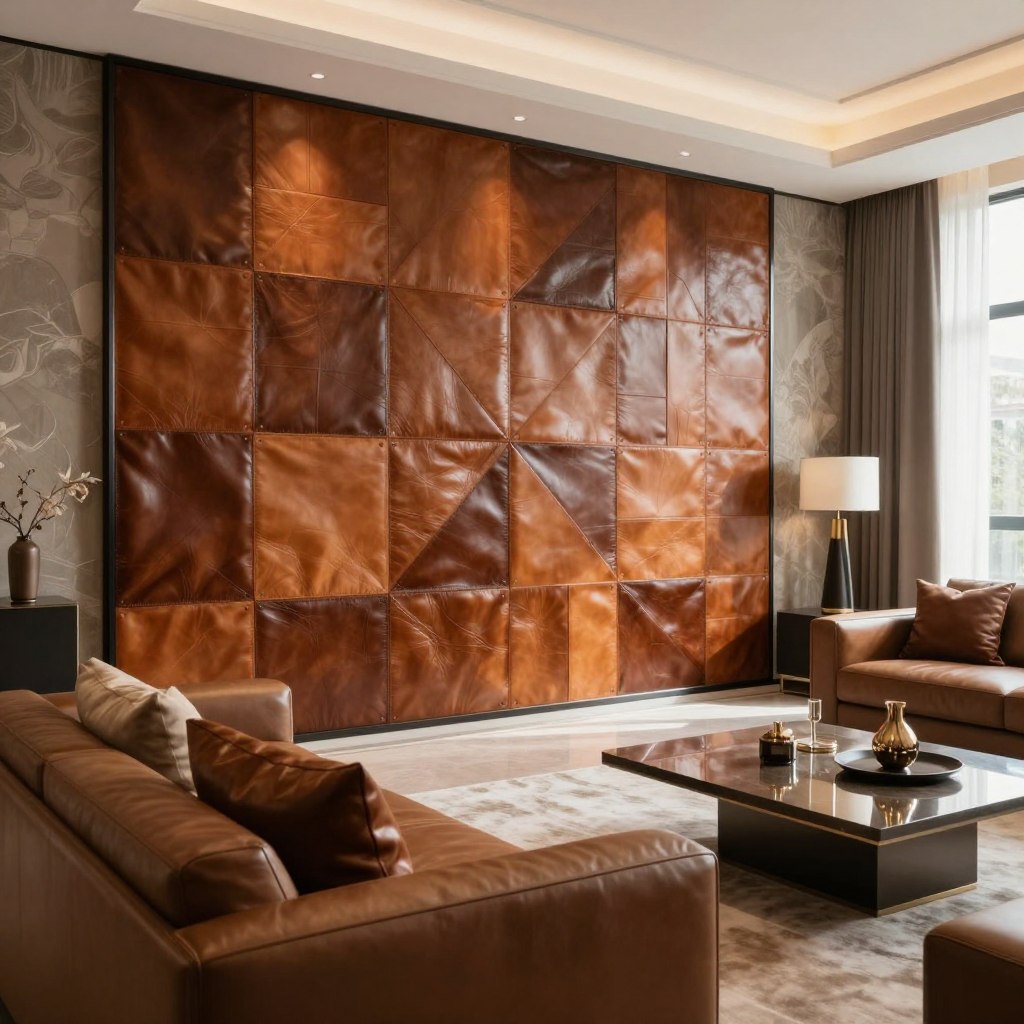
Position the leather in the frame, pressing from the center outwards. This smooths out air bubbles. The extra half-inch will be hidden by the frame’s trim.
For a final touch, add a thin trim piece around the leather’s edge. This covers the raw edge and makes the leather panel pop.
This detailed method of how to make a leather accent wall creates a custom and elegant feature. The leather inlay becomes a luxury showcase, blending art and luxury.
6. The Budget Friendly Faux Leather Option
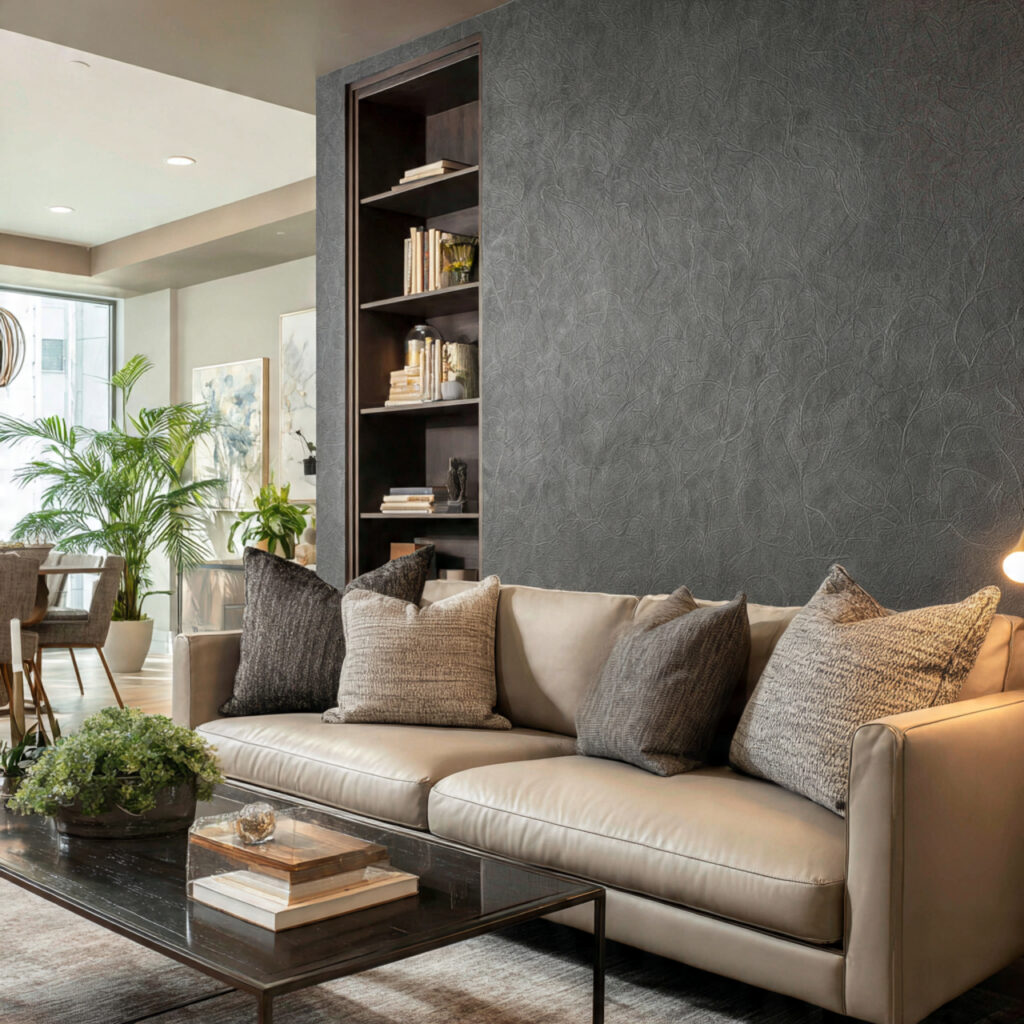
If genuine leather is too expensive, high quality faux leather vinyl is a great alternative. It looks and feels luxurious but costs less. Plus, it’s easier to handle and maintain, making it perfect for a DIY project.
Finding Realistic Faux Leather Wall Coverings
Not all faux leather is the same. Look for vinyl wallcoverings that closely mimic real leather’s look and feel. Brands like York Wallcoverings, Brewster, and Graham & Brown have good options.
Shop online at Wayfair, Wallpaper Direct, or specialty stores. Search for “embossed vinyl,” “leather-look,” or “pleather.” Always ask for samples. It’s important to feel the material and see how it looks in your room’s light.
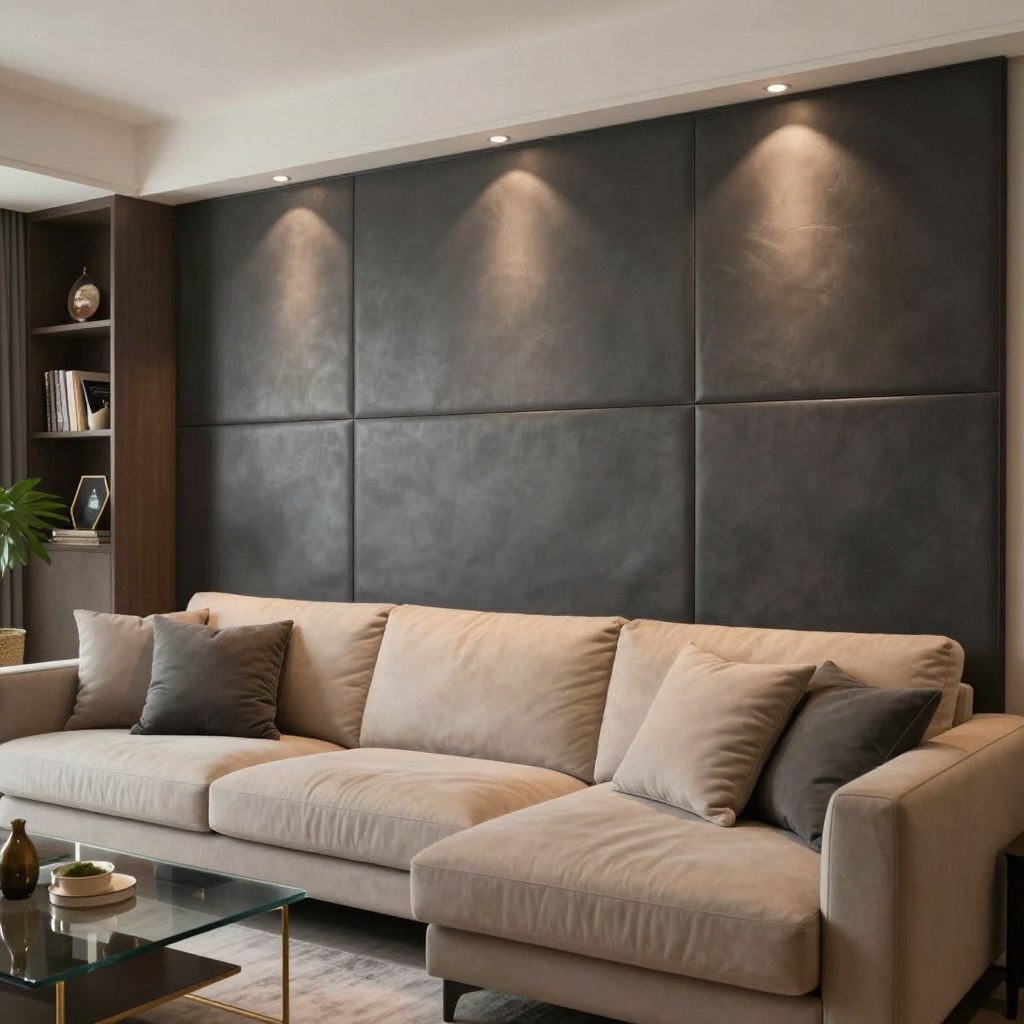
Step by Step: Hanging Faux Leather Wallpaper
Wall Preparation is Key: Fix holes and sand bumps. Then, apply a primer or wall sizing. This makes the surface smooth for the adhesive.
Cut and Plan Your Panels: Roll out the faux leather and check for pattern matches. Cut your strips, leaving extra at the top and bottom. Dry-fit them on the wall to plan the sequence.
Use the Right Adhesive: Choose a heavy duty, clear vinyl to vinyl adhesive. Follow the manufacturer’s instructions for application.
Hang and Smooth: Place the first panel carefully, using a level. Smooth it from the center out with a plastic smoother. This removes air bubbles and ensures contact. Wipe away excess glue with a damp sponge.
Mind the Seams: Press seams together tightly without overlapping. Roll the seams gently with a seam roller. This is key to avoid future lifting.
Let the adhesive cure as instructed. Your faux leather accent wall installation is done. It looks plush and sophisticated, and it’s easy to clean with a damp cloth.
Conclusion
Exploring these six methods opens a world of design possibilities for your home. You can build a precise leather tile grid or install dramatic large panels. An upholstered leather wall offers unmatched texture.
Leather wrapped battens create geometric depth. A leather inlay set against paint or wallpaper makes a sharp focal point. A budget friendly faux leather wallpaper provides a stunning look without the high cost.
Your choice depends on your comfort with tools, your project budget, and your personal design vision. Each technique delivers a distinct character and feel. The modular tile grid suits a modern, clean aesthetic.
Full leather panels evoke a classic, rich library atmosphere. The plush, upholstered version is pure luxury.
Adding a leather accent wall transforms an ordinary living room into a uniquely sophisticated space. It becomes a conversation piece and a reflection of your style. This project adds tangible warmth and acoustic benefits you can feel.
Select the approach that excites you the most. Gather your materials from reputable suppliers like The Leather Hide Store or Wallpaper Direct for faux options. Enjoy the rewarding process of creating a luxurious focal point in your own home.