

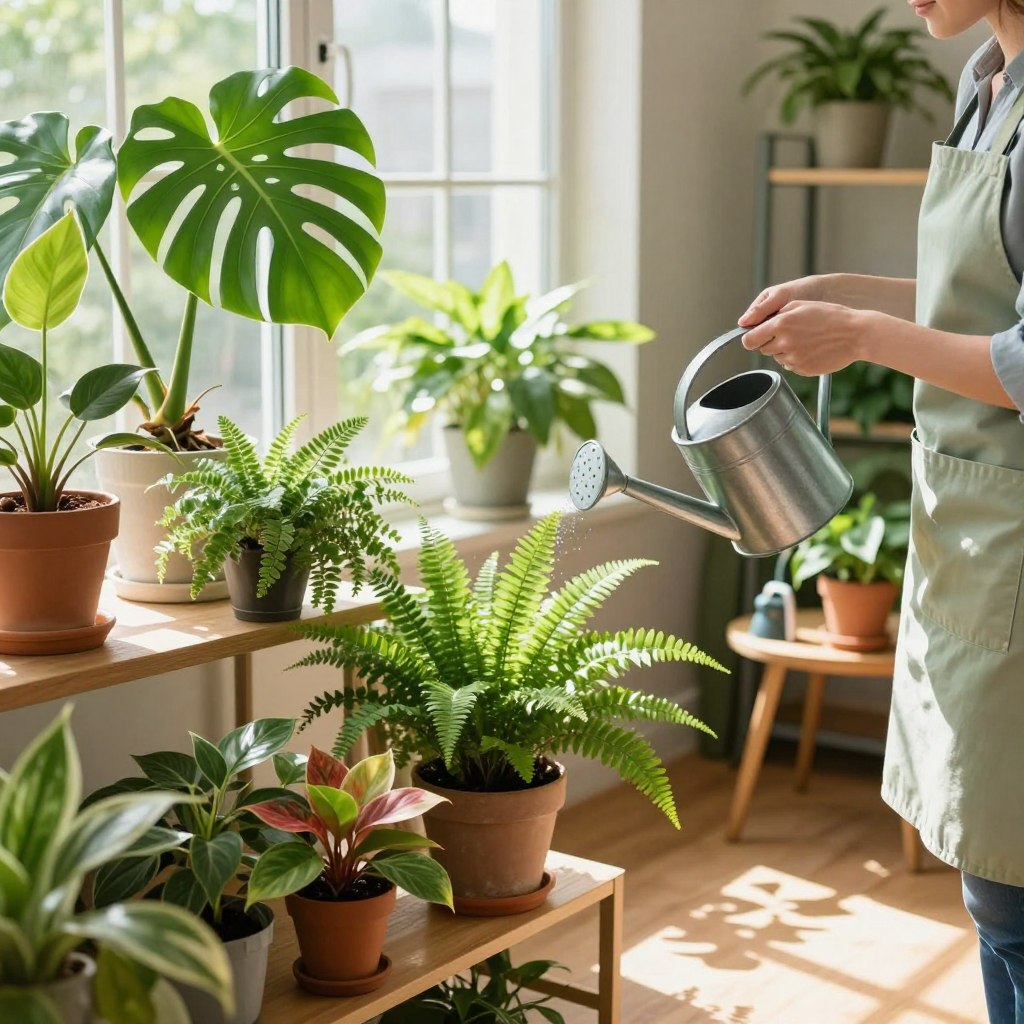

When I add greenery to my home or office, I remember how crucial proper plant care is. With the right care, indoor plants can flourish, making the air cleaner and lifting my mood. This guide will share my knowledge on houseplant care, offering key tips for keeping your plants lively and healthy.
Whether you’re an experienced indoor gardener or new to it, this guide covers the basics. You’ll learn about lighting, watering, and fertilizing. By the end, you’ll know how to make your plants thrive.
Key Takeaways
- Understand the basics of indoor plant care
- Learn how to choose the right plants for your space
- Discover tips for maintaining optimal lighting and watering
- Explore the benefits of fertilization for healthy plants
- Find out how to troubleshoot common plant care issues
1. Why Indoor Plants Deserve a Place in Your Home
Indoor plants are more than just decorations. They are key to a healthy home. They make your space look good and help your health.
Health and Wellness Benefits
Indoor plants are good for your health. They clean the air, removing harmful stuff. This can help your breathing and overall health.
Air Purification Properties
One big plus of indoor plants is they purify the air. Plants like spider plants and peace lilies get rid of bad chemicals. This makes the air cleaner.
Aesthetic Value and Home Improvement
Indoor plants also make your home look better. They come in many shapes, sizes, and colors. You can pick ones that match your home’s style.
Psychological Benefits
Having indoor plants can also make you feel better. Taking care of them can be calming. It can reduce stress and make you feel more relaxed.

| Plant Type | Air Purification | Aesthetic Value |
|---|---|---|
| Spider Plant | High | Moderate |
| Peace Lily | High | High |
| Dracaena | Moderate | High |
2. Selecting the Right Plants for Your Space
Finding the right plants for your indoor garden is key. You need to pick plants that fit your home’s environment. This means looking at things like light, temperature, and humidity.
Assessing Your Home Environment
Before picking plants, think about your home’s conditions. Things like light exposure, temperature, and humidity levels are important. They help decide which plants will do well.
Best Plants for Beginners
If you’re new to indoor gardening, start with low-maintenance plants. They’re easy to care for.
Low Maintenance Options
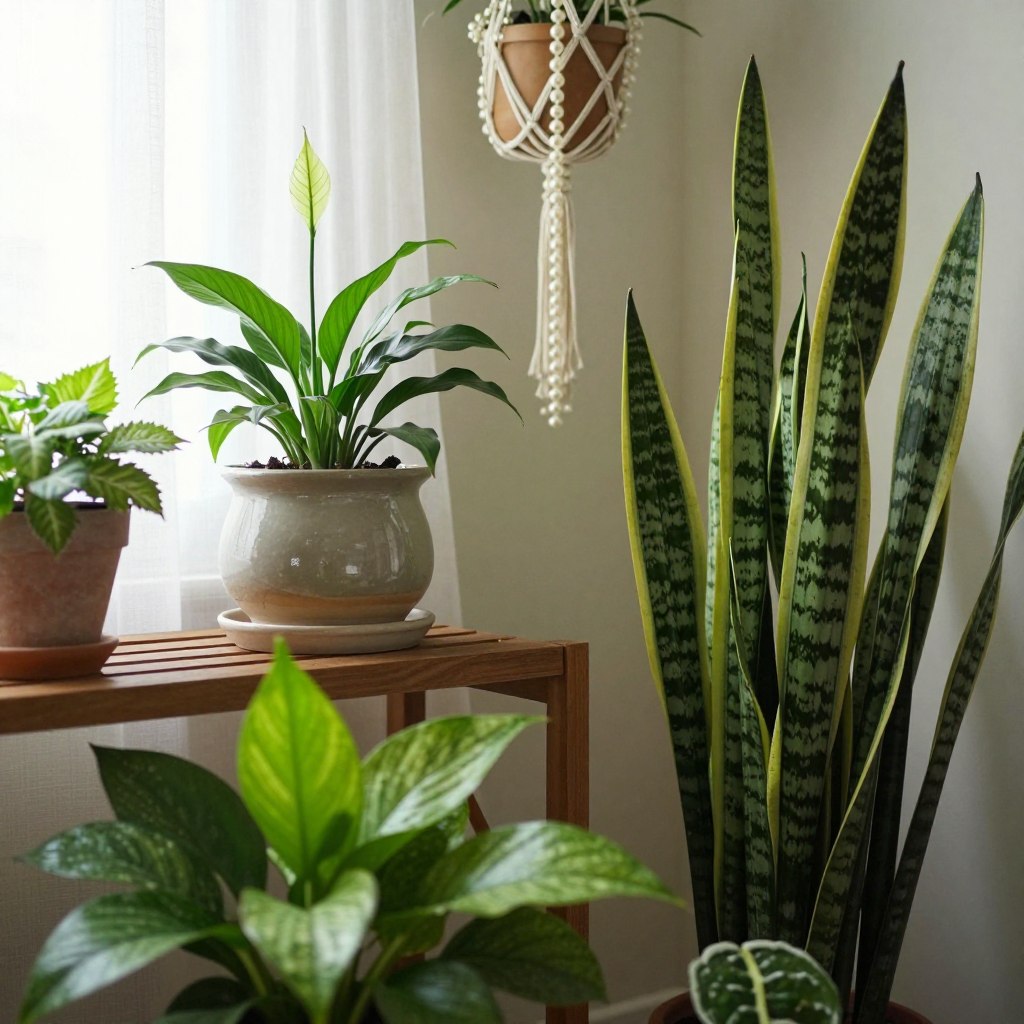
Plants like snake plants and ZZ plants are great. They can handle neglect and need little care.
Fast Growing Varieties
For quick results, choose fast growing plants. Philodendrons and peace lilies grow fast.
Plants for Specific Room Conditions
Each room is different. For rooms with little light, choose plants that like low light conditions. Sunny rooms need plants that prefer bright, indirect light.
3. Essential Tools and Supplies for Indoor Gardening
Indoor gardening is more than just a green thumb. It needs the right tools and supplies. The right equipment can greatly improve your plants’ health and look.
Basic Equipment Every Plant Parent Needs
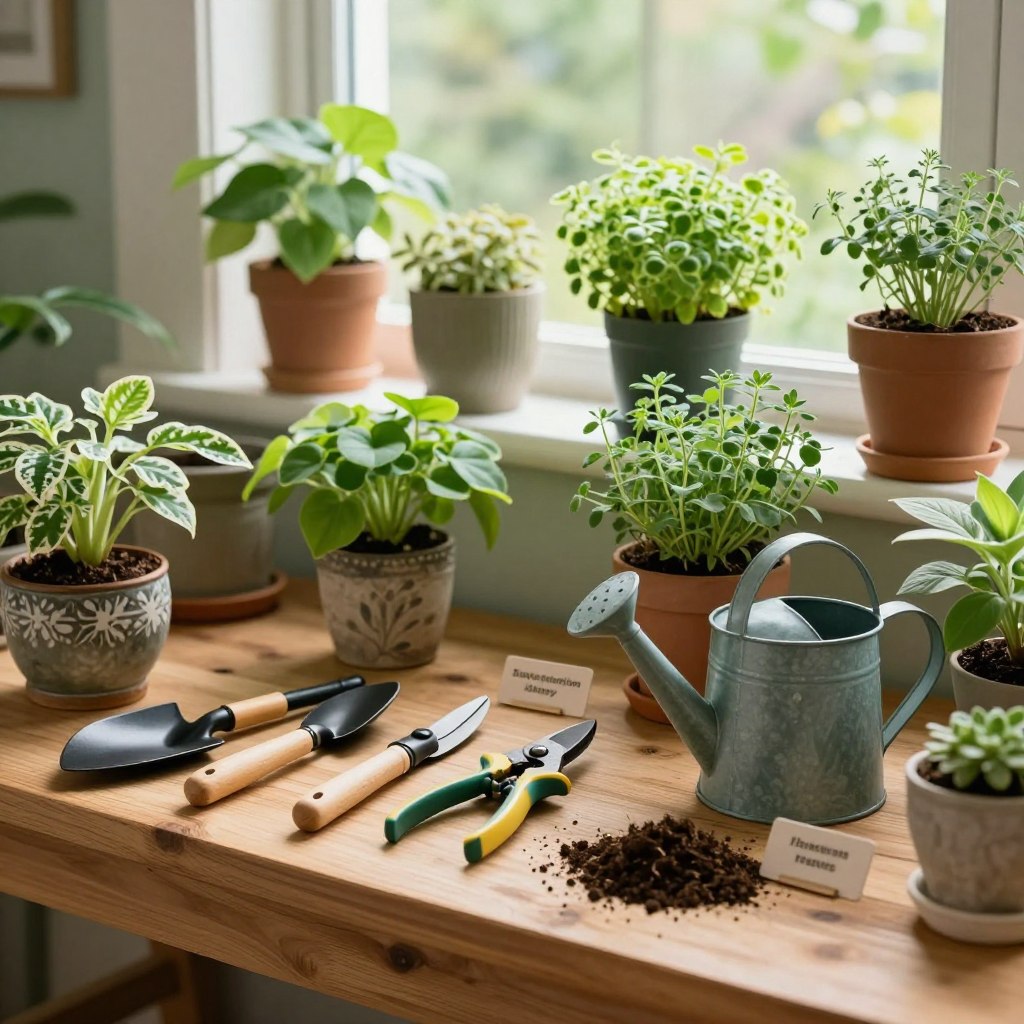
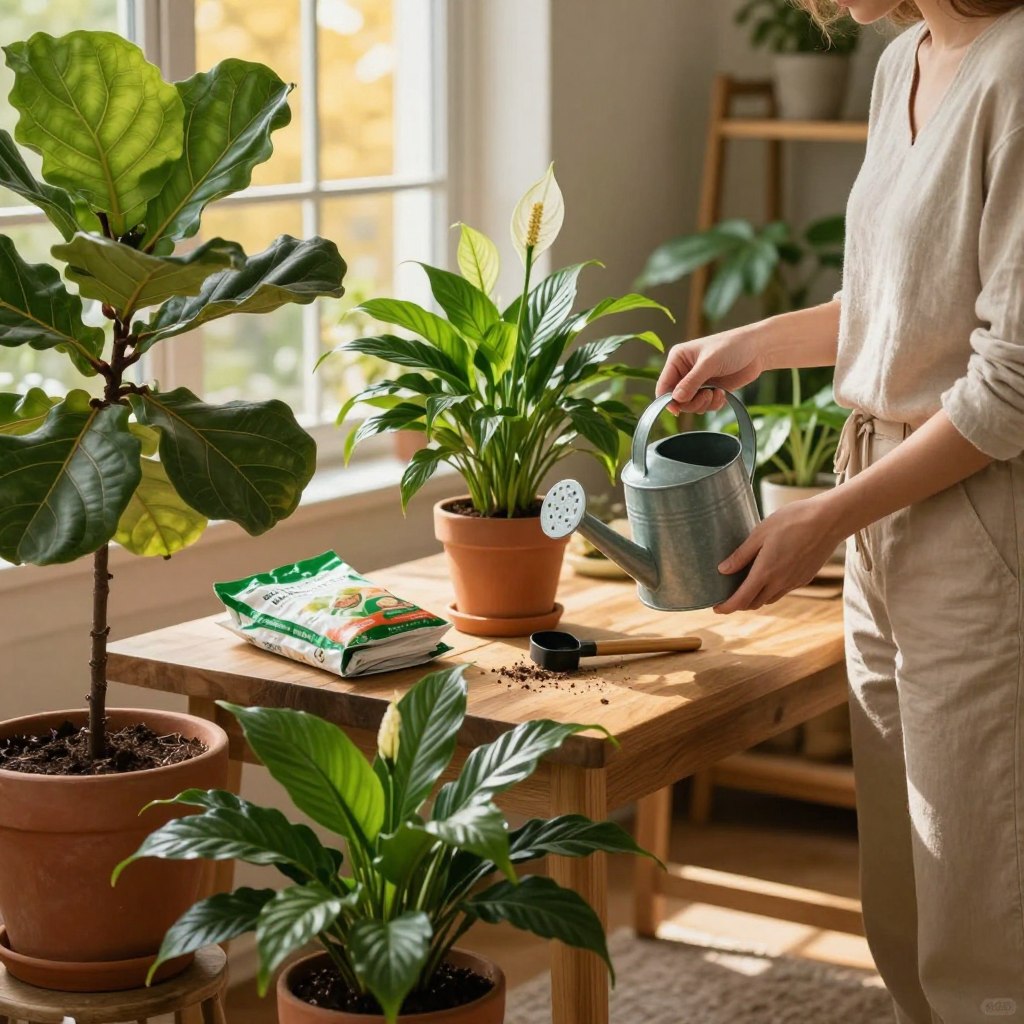
You’ll need some basic stuff to start. This includes good potting soil, pots with holes, and a watering can. A watering can with a long spout helps avoid messes. Also, gardening gloves protect your hands from thorns and dirt.
Optional Tools That Make Plant Care Easier
While basic stuff is key, there are extra tools that help a lot. These include moisture meters and plant care apps.
Moisture Meters and Plant Apps
A moisture meter tells you when to water, making plant care easier. Plant apps give advice and remind you to water or fertilize.
| Tool | Description | Benefit |
|---|---|---|
| Moisture Meter | Measures soil moisture | Prevents overwatering |
| Plant App | Provides plant care advice | Helps with plant maintenance |
“The right tools make all the difference in gardening. With the right equipment, anyone can become a skilled gardener.”
Investing in these tools will help you become a great indoor gardener.
4. Creating the Perfect Environment for Your Plants
To keep your indoor plants thriving, it’s essential to replicate their natural environment as closely as possible. This involves understanding and catering to their specific needs for temperature, humidity, and air circulation.
Understanding Temperature Requirements
Most houseplants prefer daytime temperatures between 65-75°F (18-24°C) and nighttime temperatures around 55-65°F (13-18°C). However, some plants like orchids and tropical species may require warmer conditions. It’s crucial to research the specific temperature requirements for your plants to ensure they thrive.
Managing Humidity Levels
Indoor plants generally prefer a humid environment, typically between 40-60% relative humidity. Humidity loving plants like ferns and peace lilies benefit from higher humidity levels.
Humidity Loving Plants
Plants such as ferns, peace lilies, and orchids thrive in humid conditions. To cater to these plants, you can group them together or use a humidifier.
Humidity Boosting Techniques
To boost humidity around your plants, you can use a humidifier, place plants on a tray filled with water and pebbles, or group plants together to create a microclimate.
Air Circulation Considerations
Good air circulation is vital for healthy plant growth, as it helps prevent fungal diseases and promotes healthy respiration. Ensure that your plants have enough space between them and consider using fans to improve air circulation.
5. Mastering Indoor Plant Light Requirements
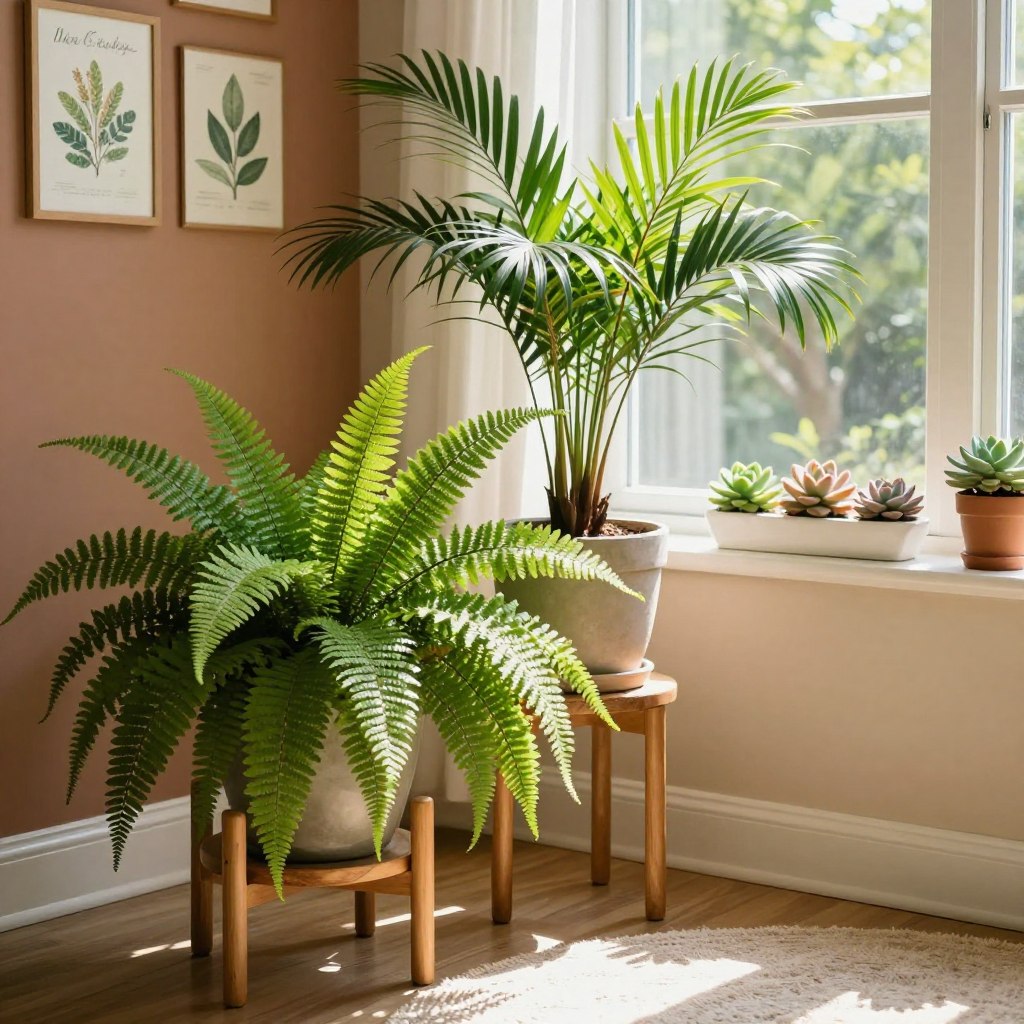
The right amount of light is key for your indoor plants’ health and beauty. It’s vital for their growth and survival.
Types of Light Exposure Explained
Indoor plants need different amounts of light. Some do well in low light, while others need bright sunlight. Low light plants can grow in dim conditions. Bright light plants need direct sun to thrive.
Signs Your Plant Needs More Light
If your plant is not getting enough light, it might show signs like yellowing leaves or leggy growth. Too much light can scorch leaves. As an expert says, “Plants need the right sunlight to stay healthy.”
“A plant that doesn’t get enough light will often stretch towards the light source, a process known as etiolation.”
Using Artificial Lighting Solutions
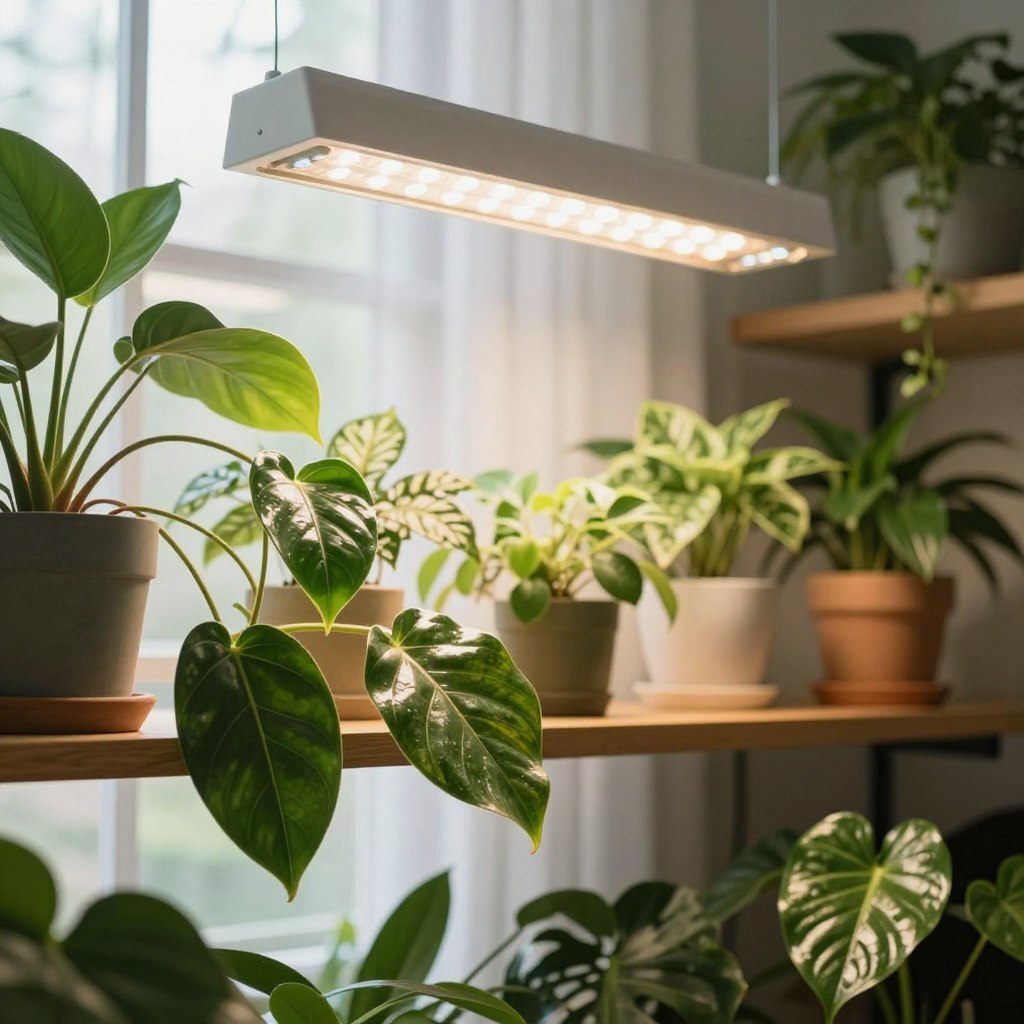
For plants needing more light than your home offers,
Grow Lights and Timers
Grow lights help supplement natural light, especially in winter or dark rooms. Timers with grow lights ensure plants get a steady light schedule, like natural daylight.
Positioning Plants for Optimal Light
Placing plants near light sources is crucial for their health. Rotate them regularly to ensure even light and prevent leaning.
Mastering indoor plant light needs can create a vibrant indoor garden. It brings joy and freshness to your home.
6. Watering Techniques for Healthy Indoor Plants
Mastering the art of watering is key to keeping indoor plants healthy. Proper watering can greatly improve your plants’ health and look. Overwatering is a common mistake that can harm plants, causing root rot and other problems. Knowing when and how to water is crucial for your plants’ survival.
How to Determine When to Water
Figuring out when to water your plants depends on several things. These include the plant type, soil mix, and the environment. A simple way to check is by feeling the soil with your finger. If it’s dry up to the first knuckle, it’s time to water. You can also use a moisture meter for a more precise reading.
Different Watering Methods Explained
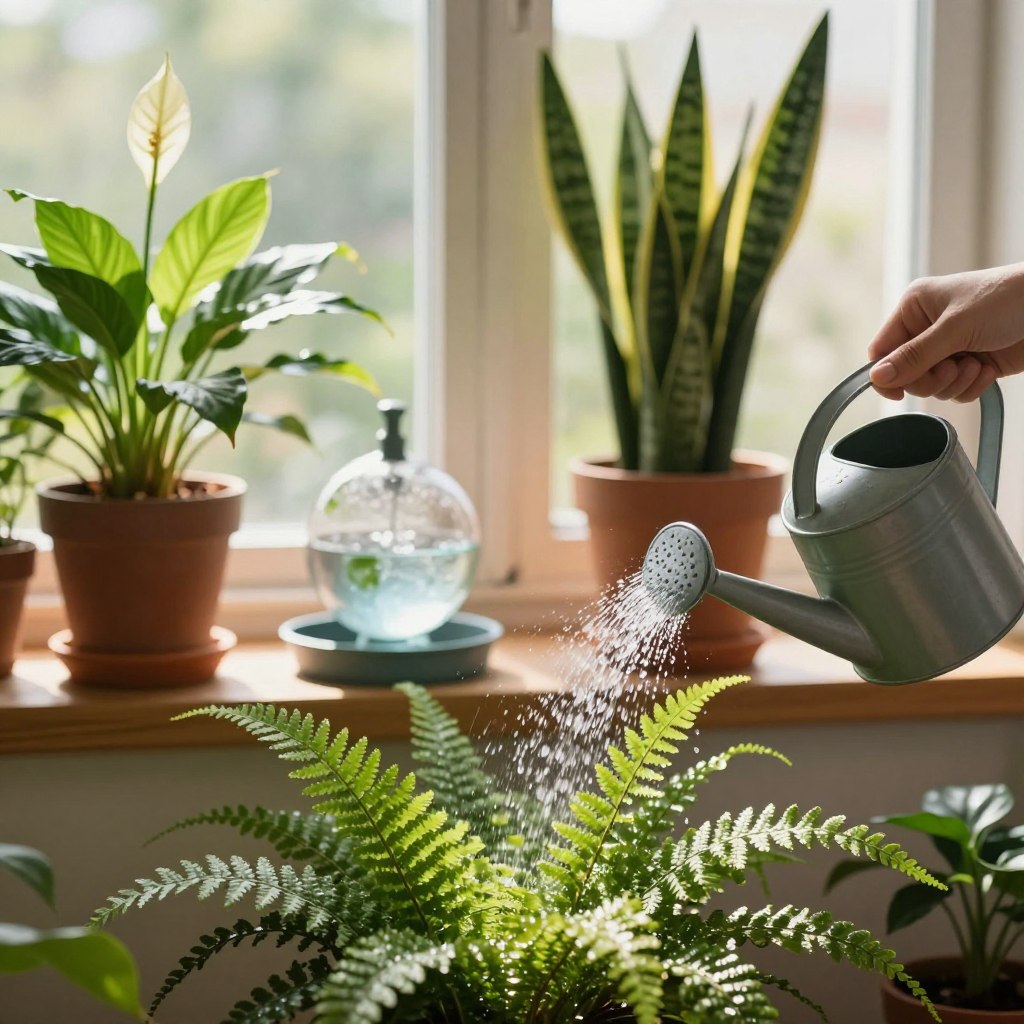
There are many watering methods, each with its own benefits. The most common is top watering, where water is poured directly onto the soil. But, bottom watering and self watering systems are also popular.
Bottom Watering Benefits
Bottom watering involves placing the pot in a water tray. This lets the soil absorb water from the bottom up. It reduces the risk of overwatering and ensures even moisture. It’s great for plants that don’t like getting their leaves wet.
Self Watering Systems
Self watering systems provide plants with a steady water supply. They have a water reservoir that feeds water to the soil as needed. This is very helpful for busy people who can’t always water their plants on time.
Common Watering Mistakes to Avoid
Common mistakes include overwatering, underwatering, and getting water on sensitive leaves. To avoid these, it’s important to know your plants’ specific needs. Here are some tips:
- Check the soil moisture before watering.
- Water plants in the morning so they can absorb water all day.
- Avoid getting water on leaves to prevent fungal diseases.
7. Soil and Potting Fundamentals
The key to a thriving indoor garden is the soil mix and potting techniques. A good soil mix gives your plants the nutrients, water, and air they need to grow well.
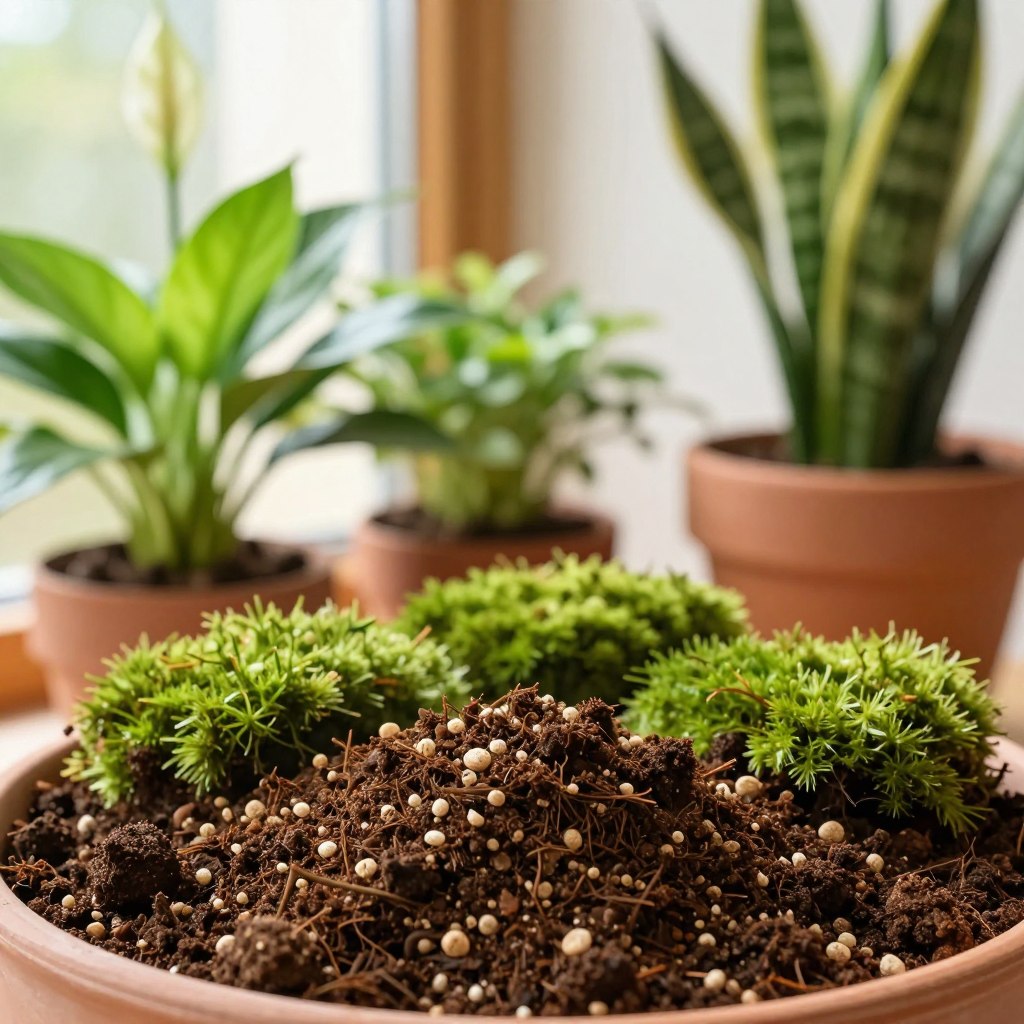
Choosing the Right Soil Mix
Choosing the right soil mix is crucial for indoor plants. Each plant has its own needs. So, pick a mix that fits your plant’s requirements.
Creating Custom Soil Blends
For those who love gardening, making a custom soil blend is a great option. You can mix different peats, perlites, vermiculites, and more. This way, you can create the perfect mix for your plants.
Soil Amendments for Specific Plants
Some plants need special soil amendments. For instance, orchids need a mix with bark for better drainage. Cacti and succulents do well in mixes with lots of sand to avoid waterlogging.
When and How to Repot Your Plants
Repotting is vital for indoor plants. It means moving your plant to a new pot with fresh soil. This gives the roots room to expand. The best time to repot depends on the plant’s growth cycle.
Container Selection Tips
Choosing the right container is as important as the soil mix. Make sure the container has holes for drainage. The pot should be the right size for your plant’s roots, leaving room for growth.
8. Fertilizing Indoor Plants: A Complete Guide
To keep your indoor plants thriving, understanding how to fertilize them properly is essential. Fertilizing provides your plants with the necessary nutrients for healthy growth and development.
Types of Plant Fertilizers
There are several types of fertilizers available for indoor plants, including organic and synthetic options. Organic fertilizers, such as compost or manure, release nutrients slowly and are less likely to cause damage. Synthetic fertilizers, on the other hand, provide quick results but must be used carefully to avoid over fertilization.
Creating a Fertilizing Schedule
Creating a fertilizing schedule depends on the type of plants you have and their growth stage. Most houseplants benefit from fertilization during the growing season, which typically includes spring and summer.
Seasonal Fertilizing Adjustments
During the active growing season, your plants may require more frequent fertilization. In contrast, during the dormant season (fall and winter), fertilization can be reduced or stopped.
Plant Specific Nutrient Needs
Different plants have different nutrient requirements. For example, flowering plants may benefit from fertilizers high in phosphorus, while foliage plants may require more nitrogen.
Signs of Over and Under Fertilization
It’s crucial to monitor your plants for signs of over or under fertilization. Over fertilization can cause leaf burn and other damage, while under fertilization may result in slow growth or yellowing leaves.
9. Indoor Plant Care Through the Seasons
Knowing how to care for indoor plants in different seasons is key. As seasons change, so do plant needs. Adjusting care helps keep plants healthy and lively.
Winter Care Adjustments
In winter, plants need less water because of dry air and less light. Check soil moisture often to avoid root rot. Also, keep plants away from drafts and vents to keep them stable.
Summer Growth Management
In summer, plants grow more due to more light and warmth. They may need more water and food. Good air flow helps prevent fungal diseases in warm, humid air.
Spring and Fall Transition Periods
Spring and fall are transition times for plants. In spring, they need more light and water. In fall, water and feed less to prepare for winter.
Dormancy vs. Active Growth Phases
Knowing if your plant is dormant or growing is important. Dormant plants need less water and food. Growing plants need more to thrive.
Seasonal Pest Prevention
Some pests are more common in certain seasons. Spider mites and mealybugs are a problem in warm months. Regular checks and a clean space help prevent pests.
| Season | Care Adjustments | Pest Prevention |
|---|---|---|
| Winter | Reduce watering, avoid drafts | Check for spider mites |
| Summer | Increase watering, fertilize | Monitor for mealybugs |
| Spring/Fall | Adjust watering, repot if necessary | Inspect for scale insects |

By changing your care routine with the seasons, your indoor plants will stay healthy and bright all year.
10. Pruning and Maintenance Practices
Regular pruning and maintenance are key to keeping your indoor plants healthy. They not only look better but also grow well and avoid problems.
When and How to Prune Indoor Plants
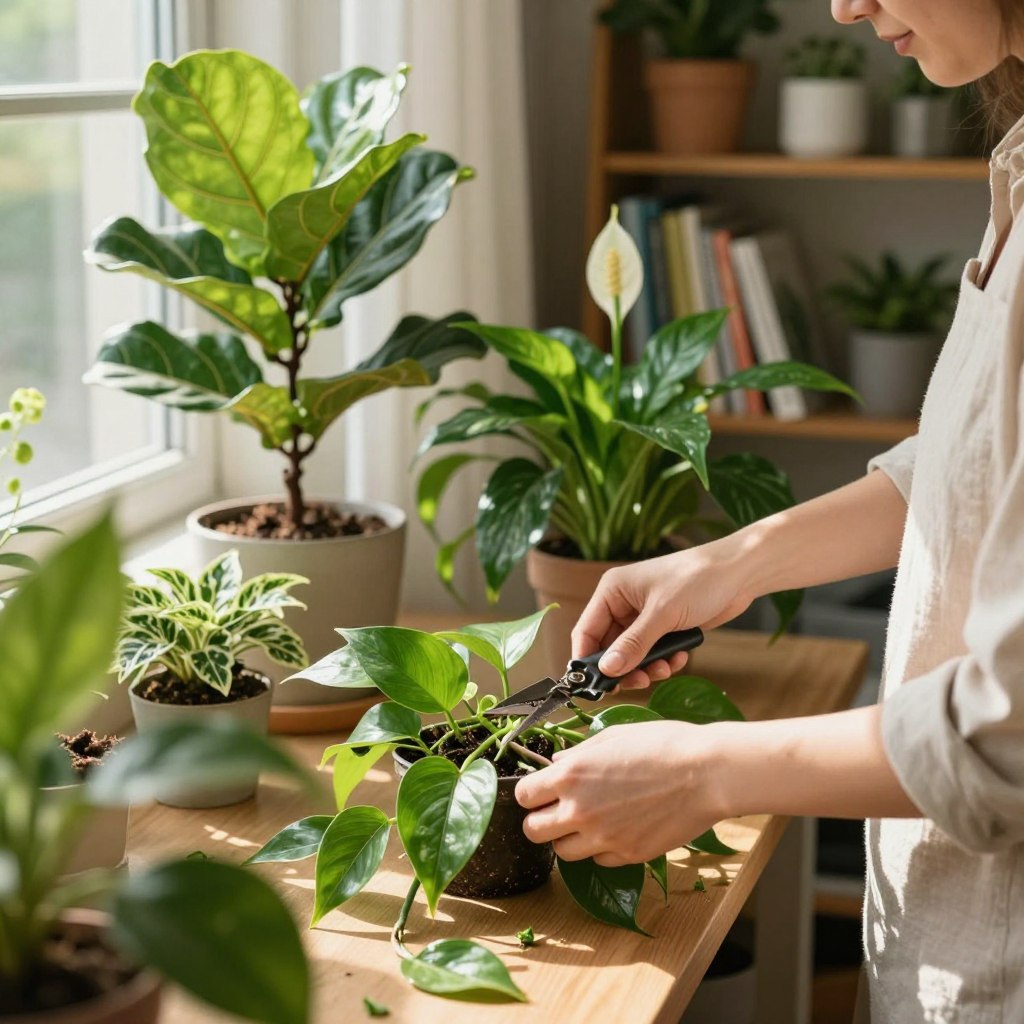
Pruning is vital for indoor plants. It removes dead or damaged parts to keep the plant healthy and looking good. The best time to prune varies by plant type and growth cycle. Usually, it’s best to prune when plants are actively growing.
Cleaning Plant Leaves
Cleaning leaves is crucial. Dust and dirt can block photosynthesis. Use a damp cloth to gently wipe leaves and keep them healthy.
Supporting Growing Plants
As plants grow, they might need support. This helps them stay in shape and grow well.
Staking and Training Techniques
Staking uses sticks or stakes for tall or weak plants. Pruning and bending help control the plant’s shape and direction.
Encouraging Bushier Growth
To get bushier plants, pinch or trim stem tips. This encourages more branches, making the plant fuller and stronger.
11. Propagation Techniques for Indoor Plants
Being an indoor plant lover means you can grow new plants from old ones. This method is not only budget-friendly but also lets you share plants with others.
Propagation by Stem Cuttings
Stem cuttings are a favorite for many indoor plants. To start, pick a healthy stem with at least two nodes. Cut it just below a node with clean scissors or pruning shears. Then, put the cutting in water or soil. Roots usually grow in a few weeks.
Leaf Propagation Methods
Some plants, like African Violets and Begonias, grow from leaf cuttings. Take a healthy leaf from the mother plant. Cut it into sections, making sure each has a vein. Plant these sections in moist soil. Keep the soil wet until roots appear.
Division and Air Layering Techniques
Division splits a mature plant into smaller parts, each with its own roots. Air layering makes a small cut in the stem, wraps it in moist moss, and waits for roots to grow before cutting the stem below them.
Water Propagation vs. Soil Propagation
Water and soil propagation have their benefits. Water makes it easy to see roots grow. Soil can give a stronger root system from the start. The choice depends on the plant type.
| Propagation Method | Best For | Root Development Time |
|---|---|---|
| Stem Cuttings | Most indoor plants | 2-4 weeks |
| Leaf Cuttings | African Violets, Begonias | 4-6 weeks |
| Division | Mature, clumping plants | Immediate |
| Air Layering | Large, woody plants | 6-8 weeks |
Troubleshooting Propagation Issues
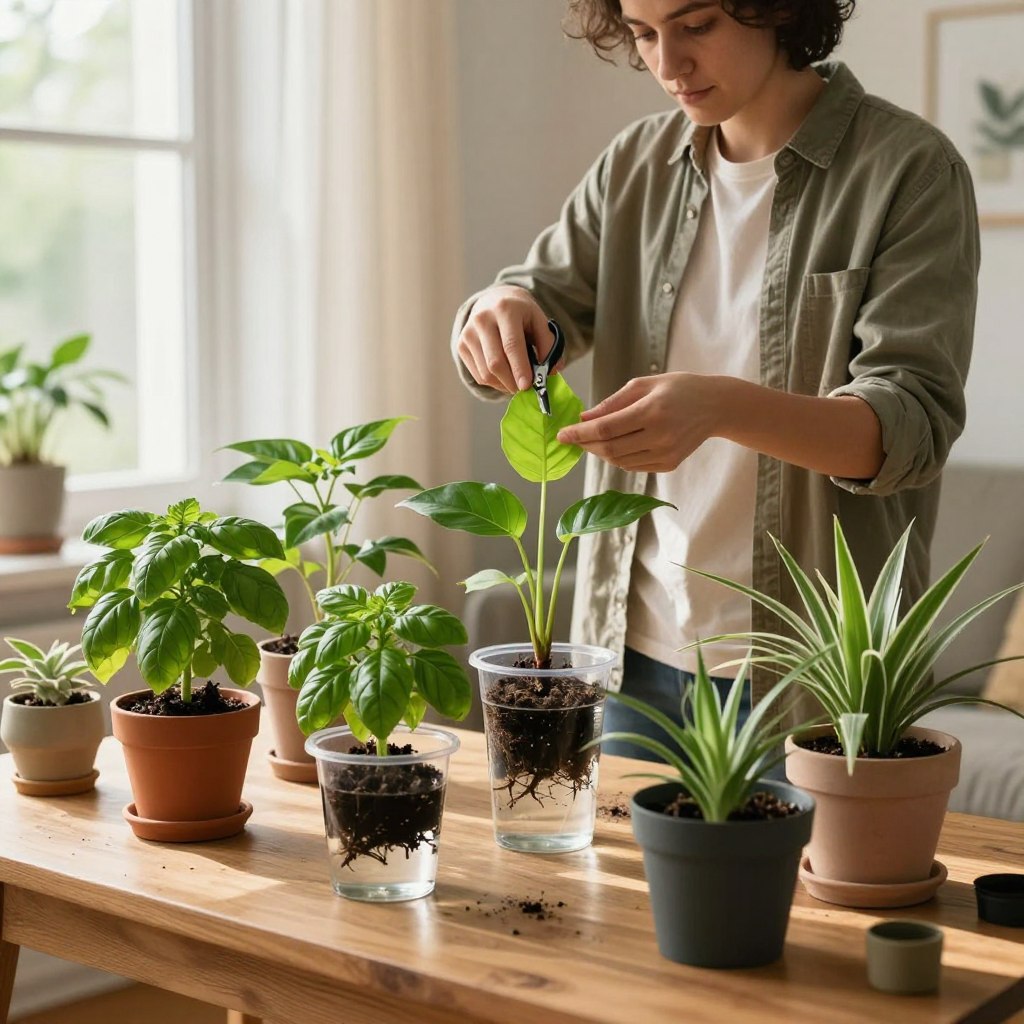
Common problems include root rot from too much water and not growing roots. Good air flow and clean tools can help.
Learning different ways to propagate makes you a better indoor plant parent. It brings joy from sharing and growing your collection.
12. Identifying and Treating Common Houseplant Pests
Dealing with pests in indoor plants can be frustrating. These tiny creatures can harm your plants, making them unhealthy. It also causes stress for the plant owner.
Spider Mites, Mealybugs, and Scale Insects
Spider mites, mealybugs, and scale insects are common pests. Spider mites look like tiny spiders and feed on plant sap. This can turn leaves yellow or bronze.
Mealybugs are small, white, and cottony. They also feed on sap, causing plants to grow slowly. Scale insects attach to leaves and stems. They suck out nutrients, harming the plant.

Natural and Chemical Treatment Options
Dealing with pests needs good care and effective treatments. For small problems, isolate the plant and improve its care. For bigger issues, you need to treat it.
Neem Oil and Insecticidal Soaps
Neem oil comes from neem seeds and fights many pests. It works well against spider mites and mealybugs. Insecticidal soaps are also safe and can control soft-bodied pests.
Beneficial Insects for Indoor Use
Using beneficial insects like ladybugs or lacewings can help control pests. These insects eat common pests, offering a natural solution.
Preventing Future Pest Infestations
Preventing pests is better than treating them. Check your plants often, keep things clean, and ensure they have the right conditions. Here’s a quick guide for prevention and treatment:
| Pest | Signs of Infestation | Treatment |
|---|---|---|
| Spider Mites | Yellowing or bronzing leaves | Neem oil, insecticidal soap |
| Mealybugs | White, cottony insects on leaves | Insecticidal soap, neem oil |
| Scale Insects | Armored insects on stems and leaves | Neem oil, horticultural oil |
By being proactive and using these methods, you can keep your plants healthy and pest-free.
12. Diagnosing and Solving Plant Diseases
Dealing with plant diseases is tough. They can spread fast and harm your plants. These diseases come from fungi and bacteria.
Common Fungal and Bacterial Issues
Fungal diseases like powdery mildew and leaf spot are common. Bacterial infections can also hurt plants. They cause soft rot and leaf blight.

Root Rot Prevention and Treatment
Root rot is deadly for indoor plants. To stop it, don’t overwater and use well-draining soil.
When to Quarantine a Sick Plant
Quarantine a sick plant right away. This stops the disease from spreading to others.
Sanitizing Tools and Pots
Keep your tools and pots clean. Use bleach and water to disinfect them.
Recovery Care for Treated Plants
After treating a sick plant, give it the best care. Adjust watering, fertilizing, and pruning as needed.
| Disease | Symptoms | Treatment |
|---|---|---|
| Powdery Mildew | White, powdery spots on leaves | Remove affected leaves, improve air circulation |
| Root Rot | Soft, rotting roots | Repot in fresh soil, reduce watering |
| Leaf Spot | Small, circular spots on leaves | Remove affected leaves, treat with fungicide |
13. Troubleshooting Common Indoor Plant Problems
When your indoor plants start to struggle, it’s essential to identify the root cause of the problem. Common issues can range from yellowing or browning leaves to leggy growth and stunted development.
Yellowing or Browning Leaves
Yellowing or browning leaves can be a sign of overwatering, underwatering, or exposure to extreme temperatures. Check your watering schedule and adjust as necessary. Ensure your plants are not placed near heating or cooling vents.
Leggy Growth and Leaf Drop
Leggy growth often indicates that your plant is not receiving enough light. Consider moving it to a brighter location or supplementing with grow lights. Leaf drop can be caused by sudden changes in temperature or humidity.
Stunted Growth Issues
Stunted growth can result from a lack of essential nutrients. Diagnosing nutrient deficiencies is crucial. Look for signs like discoloration or deformed leaves.
Diagnosing Nutrient Deficiencies
Nitrogen, iron, and magnesium deficiencies are common. A balanced fertilizer can help alleviate these issues. Here’s a simple guide to common deficiencies:
| Nutrient | Deficiency Symptoms | Solution |
|---|---|---|
| Nitrogen | Yellowing leaves, slow growth | Fertilize with a nitrogen rich formula |
| Iron | Yellowing between leaf veins | Apply iron supplements or chelated iron |
| Magnesium | Yellowing edges, leaf drop | Epsom salt or magnesium-rich fertilizer |
Addressing Environmental Stress
Environmental stressors like drafts, extreme temperatures, or dry air can also impact plant health. Adjust your plant’s location to a more stable environment, and consider using a humidifier if necessary.

14. Developing Your Indoor Plant Care Routine
To keep your indoor plants thriving, it’s key to create a care routine that fits them. A consistent routine ensures your plants stay healthy. Knowing what your plants need helps you plan a schedule that works for both you and your plants.
Creating a Plant Care Calendar
A plant care calendar is a handy tool for tracking watering, fertilizing, and pruning. It keeps you organized and makes sure your plants get the care they need. You can use a physical calendar or a mobile app to stay on track.
Grouping Plants by Care Needs
Grouping plants by their care needs simplifies your routine. This method saves time and effort by allowing you to care for several plants at once. For example, group plants that need high humidity or low light together.
Balancing Plant Care with Busy Schedules
It can be tough to balance plant care with a busy schedule. Choosing low maintenance plants helps. These plants are forgiving if you forget to water or fertilize them sometimes.
Low Maintenance Plant Collections
Choosing hardy, low maintenance plants is a smart move for a busy person. Succulents, snake plants, and ZZ plants are great options. They’re perfect for those new to indoor gardening or who are always on the go.
Plant Care While Traveling
Traveling doesn’t mean you have to neglect your plants. Ask a friend or family member to care for them, or use automated watering systems. You can also move plants to a shaded area or use self-watering planters to cut down on watering needs.
| Plant Type | Watering Frequency | Fertilization Needs |
|---|---|---|
| Succulents | Weekly | Low |
| Ferns | Daily | High |
| Snake Plants | Bi-Weekly | Medium |
Conclusion: Growing Your Indoor Garden Journey
As you keep going on your plant care journey, you’ll find joy in nurturing your indoor garden. With the right care, indoor plants can thrive and add joy to your life. This ultimate guide will help you create a lush and vibrant indoor space.
Caring for your indoor garden is rewarding. It beautifies your home and boosts your well being. As you tend to your plants, you’ll appreciate life’s simple pleasures more. Your garden will flourish, and you’ll enjoy its many benefits.
Starting this journey lets you connect with nature and find peace in your daily life. Watching your plants grow will inspire you to keep exploring indoor gardening. To help you choose the best varieties and arrange them like a pro, dive into our expert guides:
- Breath of Fresh Air: Discover A Room That Breathes: Indoor Plants That Purify the Air and Make You Want to Stay All Day.
- Designer Layouts: Elevate your interior with 12 Indoor Plant Arrangement Ideas to Make Your Space Look More Luxurious.
- Living Clean: Explore The Best Air Purifying Indoor Plants for a Healthier Home Sanctuary.
- Elegant Selection: Enhance your main living area with 7 Refreshing and Sophisticated Indoor Plants to Elevate Your Apartment’s Living Room.
Your garden will always be a source of joy and comfort. Let’s keep growing together!