
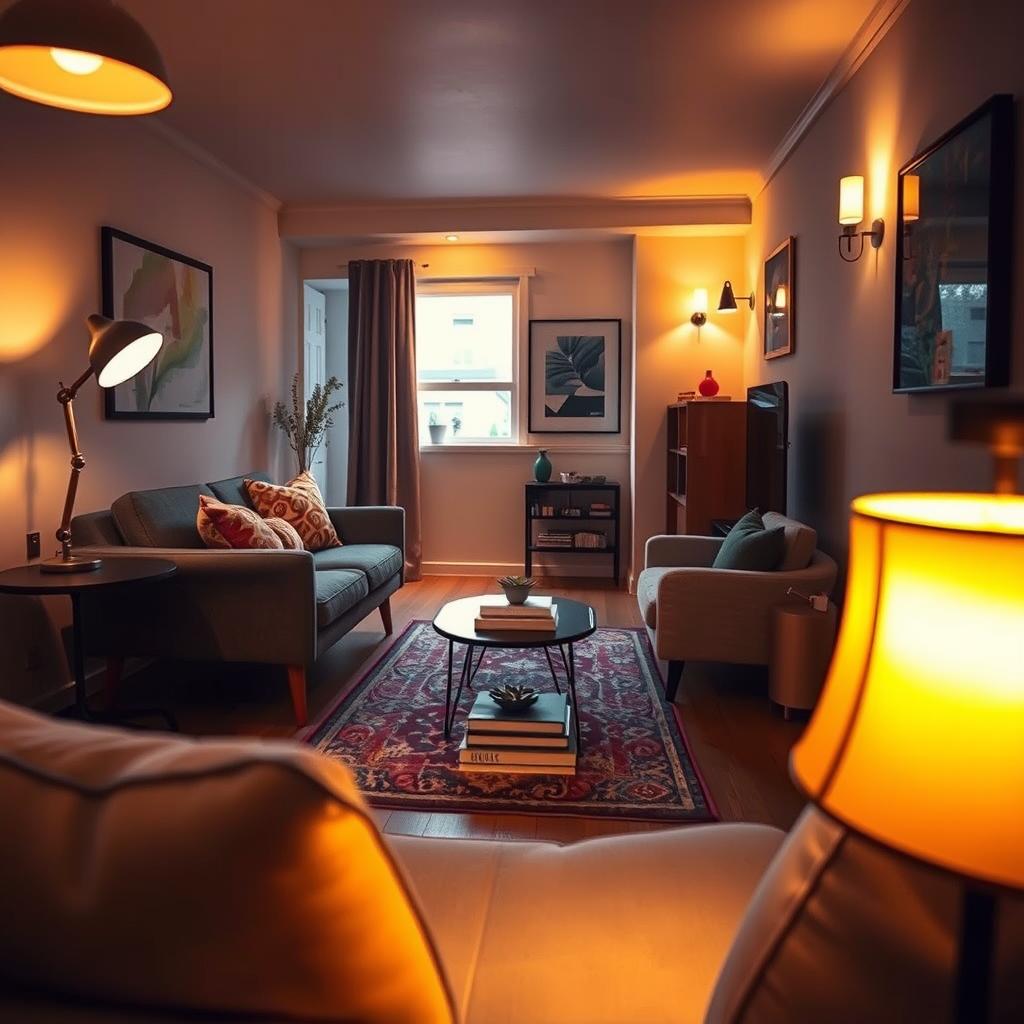

Lighting a cozy living area can be tough. You want it to feel open and welcoming. But it can seem like a puzzle. I’ve been in that spot before. But I’ve found that the right lighting can change everything. It’s not just about seeing well; it’s about feeling the space.
Good lighting can open up a room. It makes it feel bigger and sets the right mood. I’m excited to show you how the right light can make your space special.
This guide is more than just adding a lamp. It’s about creating different layers of light. Overhead, task, and accent lighting solve the challenges of small spaces.
You can make a small living room feel bigger, more functional, and beautiful. I’ll share 10 practical and stylish lighting ideas. These will brighten your space and make it feel larger. Let’s see how the right lighting can transform your room.
Small Living Room Lighting: The Key to a Brighter, Bigger Space
Have you ever felt a small living room was dark and cramped? I have. My living room was once poorly lit, with harsh shadows making it feel tiny. Changing the lighting completely transformed it.
Lighting experts say it’s crucial for a room’s feel. In small rooms, it’s especially important. Good lighting can make a room feel larger and more open.
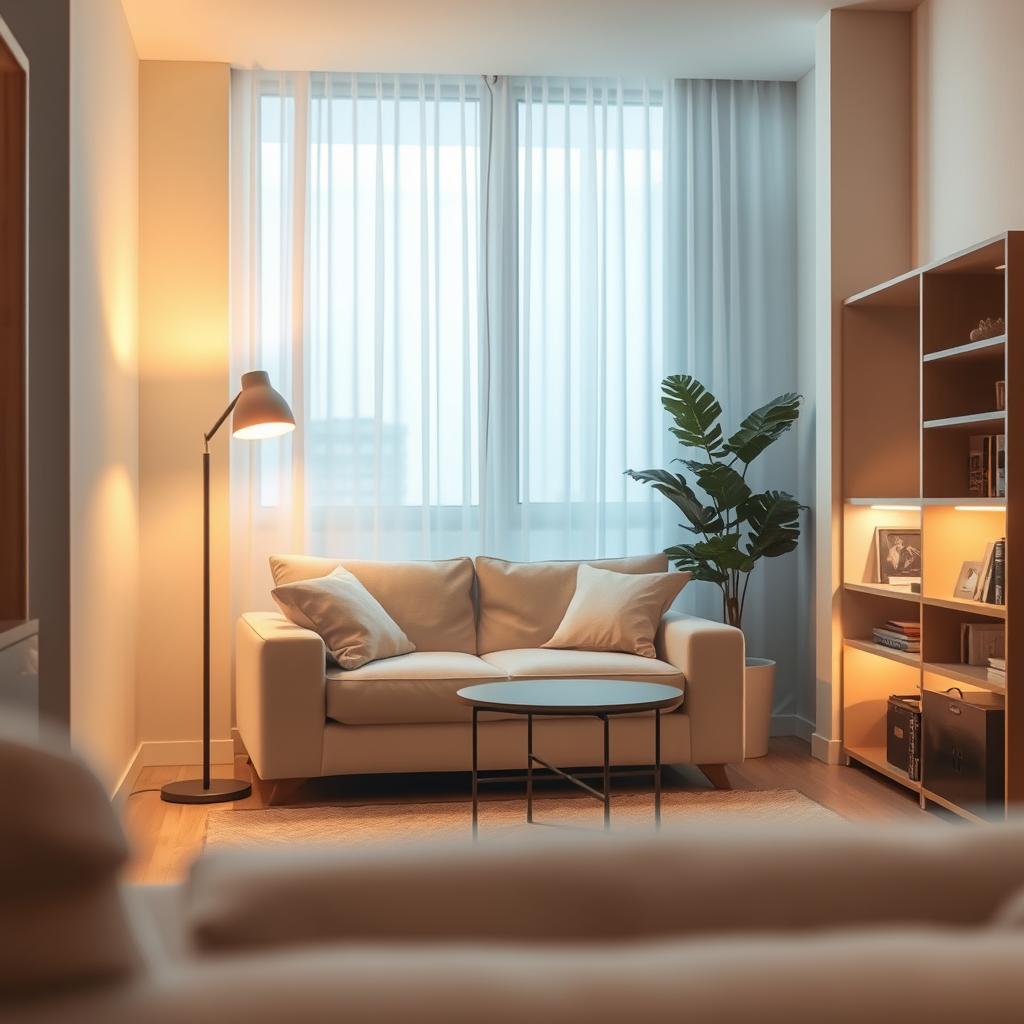
Light is more than just for seeing. It affects how we feel and see a room. Soft, warm light can make a small space cozy, while harsh light can make it feel tight.
Using different light sources can make a room feel bigger. By placing light in corners, you can make walls seem farther away. This is the power of strategic lighting it’s not just about seeing, but feeling.
The “Before and After” of My Small Living Room
My living room was once dark and cramped. It had a harsh overhead light and a floor lamp that cast awkward shadows. I decided to change the lighting.
I replaced the overhead light with a softer, dimmable fixture. I added a tall floor lamp in a corner to make the ceiling seem higher. I also changed the table lamp for one with a soft, fabric shade. The room immediately felt larger and more welcoming.
This change wasn’t just about making the room brighter. It was about creating zones and moods. The room didn’t just get brighter; it felt bigger. The new lamps added a cozy glow, making the space warm and inviting. The minimalist room lighting scheme made it feel uncluttered and open.
Idea 1: Layer Your Light with Recessed Can Lights
Recessed lighting is key to making a small living room feel bigger. It’s a top choice for ambient lighting for small spaces. These lights hide away, leaving your floor and surfaces free. They also give your room a clean, open look that makes ceilings seem higher.
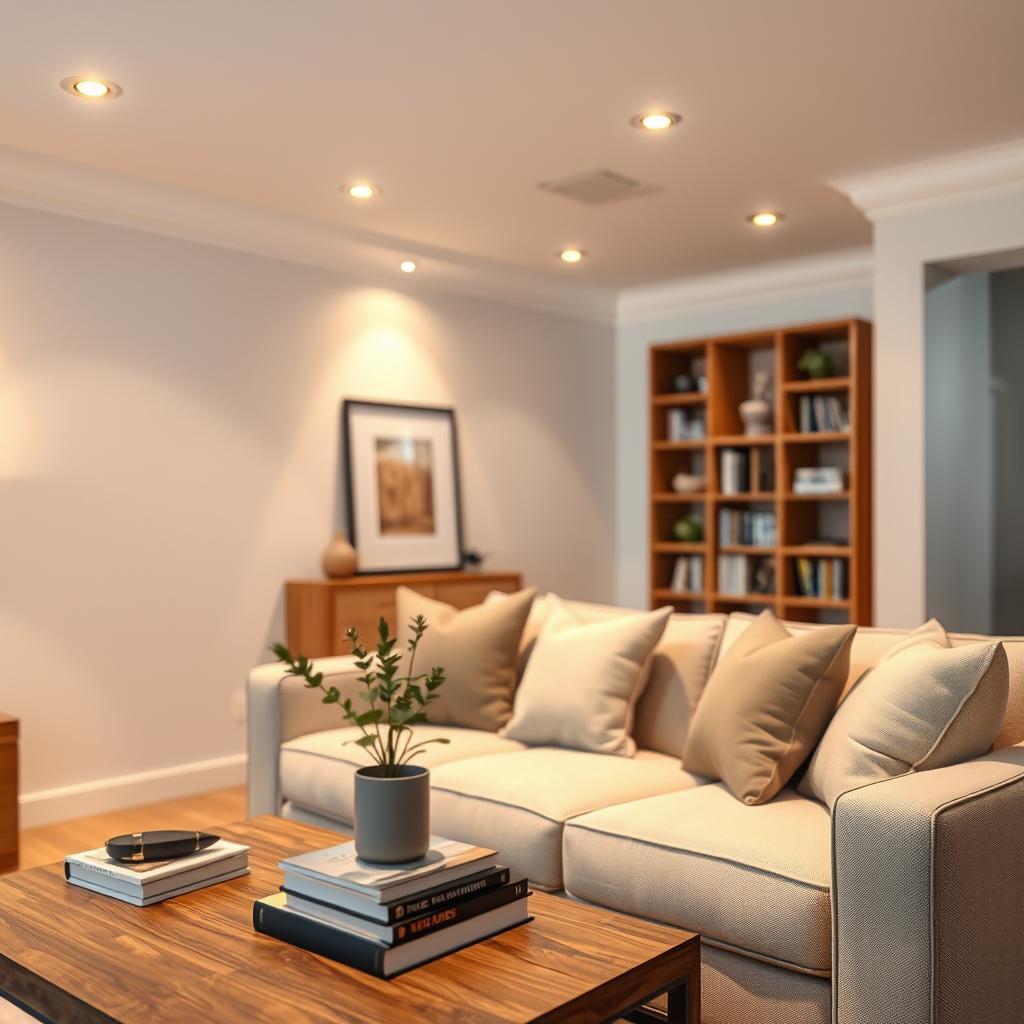
My aim with recessed lighting is to hide the ceiling. A smooth ceiling without big lights makes rooms feel taller and more open. Recessed can lights do this well. They sit above the ceiling, offering light without clutter.
Choosing the Right Trim and Baffle to Minimize Glare
Not all trims are the same. For soft, cozy ambient lighting for small spaces, choose a baffle trim. It absorbs light, reducing glare and giving a softer glow. For a minimalist look, go for a flush trim. If your ceiling is sloped, you’ll need a special trim.
Spacing and Layout for an Even “Moonlight” Effect
I aim for a smooth, even light, like moonlight. Space your lights about half the distance from the ceiling to the floor. For an 8-foot ceiling, that’s about 4 feet apart. This creates even ambient lighting for small spaces without harsh shadows.
Wiring and Installation: New Construction vs. Remodel
Choosing the right wiring is key. For new builds or big renovations, use new construction housings. For existing ceilings, you’ll need remodel housings.
Halo 6″ New Construction IC Housing (for new builds)
For new builds or major renovations, I recommend the Halo 6″ New Construction IC housing. It’s installed before drywall, saving energy. It’s secure, permanent, and meets codes.
Commercial Electric 4″ Remodel Housing for Renovations
For existing homes, the Commercial Electric 4″ remodel housing is a game-changer. It lets you add recessed lighting without tearing out your ceiling. It’s perfect for ambient lighting for small spaces.
Recessed can lights are the foundation of good lighting in small rooms. They provide a clean, unobtrusive base for ambient light. This is essential for a well-lit, expanded small living room.
Idea 2: Make a Bold Statement with a Statement Pendant
In a small living space, a statement pendant light is more than just a light source. It’s a design highlight. This single fixture can be a stunning focal point, drawing the eye up and adding a vital vertical element to your modern lighting for small spaces. Being bold with a large pendant can make your small living room feel more intentional and designed, rather than cramped.
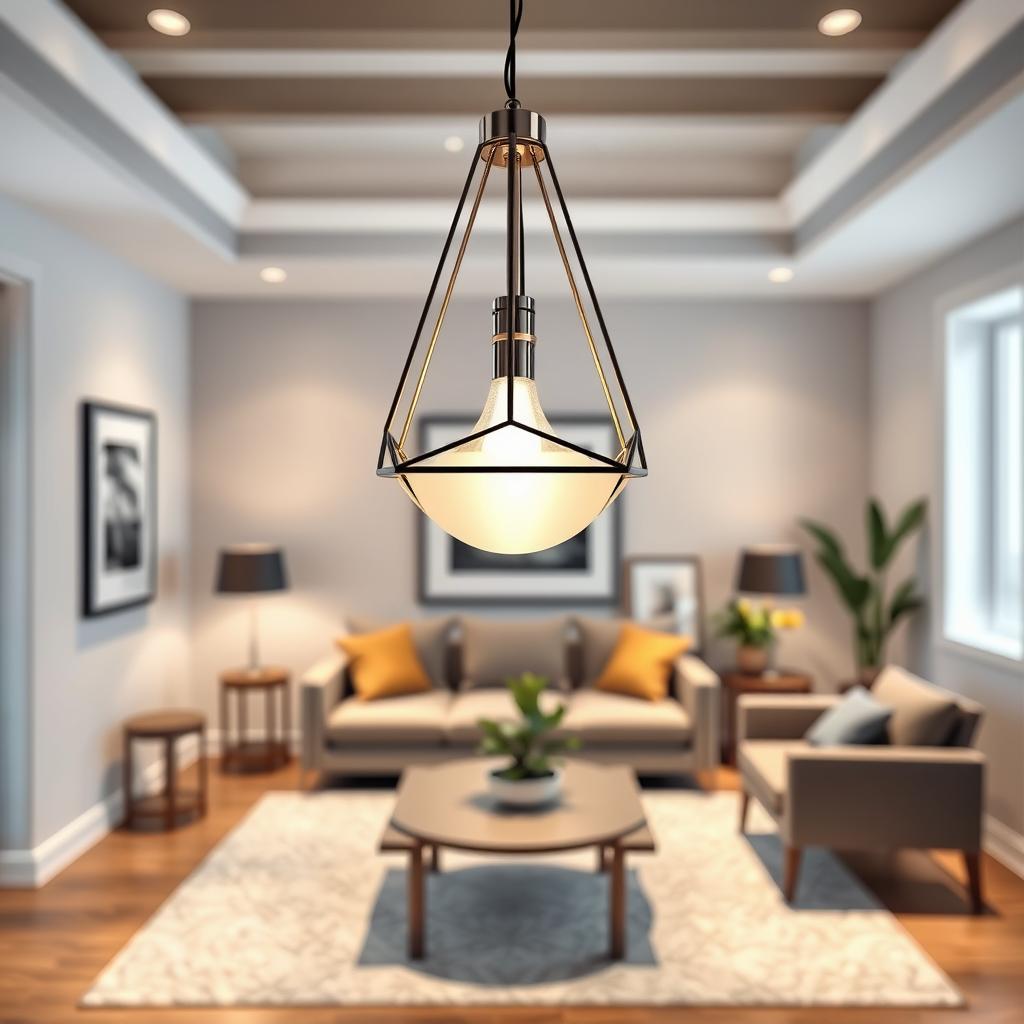
Getting the size right is key. Over a coffee table or small dining nook, the pendant should be about two thirds the width of the surface. For a standard coffee table, a pendant 12 to 20 inches in diameter often works. This size creates a visual anchor without overwhelming the space.
Styles That Work: From Sputnik Chandeliers to Woven Baskets
The variety in modern lighting for small spaces is stunning. A Sputnik chandelier adds a dynamic, sculptural element for a mid century modern vibe. A woven basket pendant brings warmth and texture for a cozier feel. A simple, oversized fabric drum shade creates a soft, diffused glow. The style you choose sets the room’s tone.
The 30-36 Inch Rule Over Tables
Hanging height is crucial for both function and form. For pendants over dining tables or kitchen islands, hang them 30 to 36 inches above. This height provides good task lighting without blocking views. Over a side table or in a reading nook, you can adjust the height for more intimate light.
Using a Pendant to Define a Zone
In an open floor plan, a pendant light defines a zone. A pendant over a reading chair or small side table creates a “room within a room.” This visual cue defines a reading nook or small seating area without walls, making your small living room feel multi-functional. The pendant anchors that specific activity zone.
Modern Farmhouse: The Schoolhouse Electric Signal Pendant
The Schoolhouse Electric Signal Pendant is perfect for a modern farmhouse or industrial loft. Its simple design and exposed bulb offer a blend of vintage charm and industrial edge. It provides clear, functional light as a singular statement piece over a coffee table or in a small entryway.
Minimalist/Scandinavian: The IKEA Hektar in Brass
The IKEA Hektar pendant in brass is ideal for a minimalist or Scandinavian look. Its simple, geometric design is both a light source and a sculptural object. Its open design doesn’t block sightlines, keeping the space airy. It’s a great example of how modern lighting for small spaces can be both functional art and a space-enhancing tool.
Idea 3: Create Intimate Pools of Light with Wall Sconces
When space is tight, think up. Wall sconces are great for saving floor and table space while lighting up your room. They turn empty walls into cozy, warm spots. For those looking for small living room lighting ideas, sconces are key to creating inviting spaces.
Flush Mount vs. Swing-Arm Sconces for Flexibility
Choose between fixed and adjustable sconces. A flush-mount or fixed sconce offers a clean look. But, a swing-arm sconce is more flexible. It can be adjusted for reading light and tucked away when not needed.

Using sconces to define a space is a great idea. Instead of a big floor lamp, hang sconces on the wall behind your sofa. This makes the seating area stand out and clears the floor. You can also use them to highlight your fireplace, making it a focal point.
Hardwired vs. Plug In Sconces: The Renter Friendly Solution
Don’t let wiring issues stop you. Plug in sconces are perfect for renters or those who can’t hardwire. They have a discreet cord and can be painted to match your wall, offering stylish lighting to all.
Ideal Height and Spacing for Reading in a Chair
For a reading nook, the sconce height is key. Aim for the shade’s bottom to be at eye level when seated. Place the sconces 30 to 36 inches apart for a glare-free reading light.
Classic & Timeless: Hudson Valley Lighting Picture Light Sconce
A classic picture light sconce adds a traditional touch. The Hudson Valley Lighting Picture Light Sconce is a great example. It focuses light downward, perfect for art or bookshelves, adding sophistication to your small living room lighting.
Modern Plug In Option: The Tom Dixon Beat Wall Light
The Tom Dixon Beat Wall Light is modern and sleek. Its design and plug-in feature make it perfect for renters. It creates a dramatic light pool, turning functional lighting into a design statement.
Sconces are the ultimate multitaskers for small living room lighting ideas. They save space, add interest, and create mood with their focused light. The right style and placement can make your small room feel larger and more personal.
Idea 4: Use Floor Lamps to Sculpt Space and Add Height
Floor lamps are key in small living rooms, adding both light and style. They help make every piece of furniture work hard. A floor lamp lights up the room and shapes it, making it feel bigger and more planned.
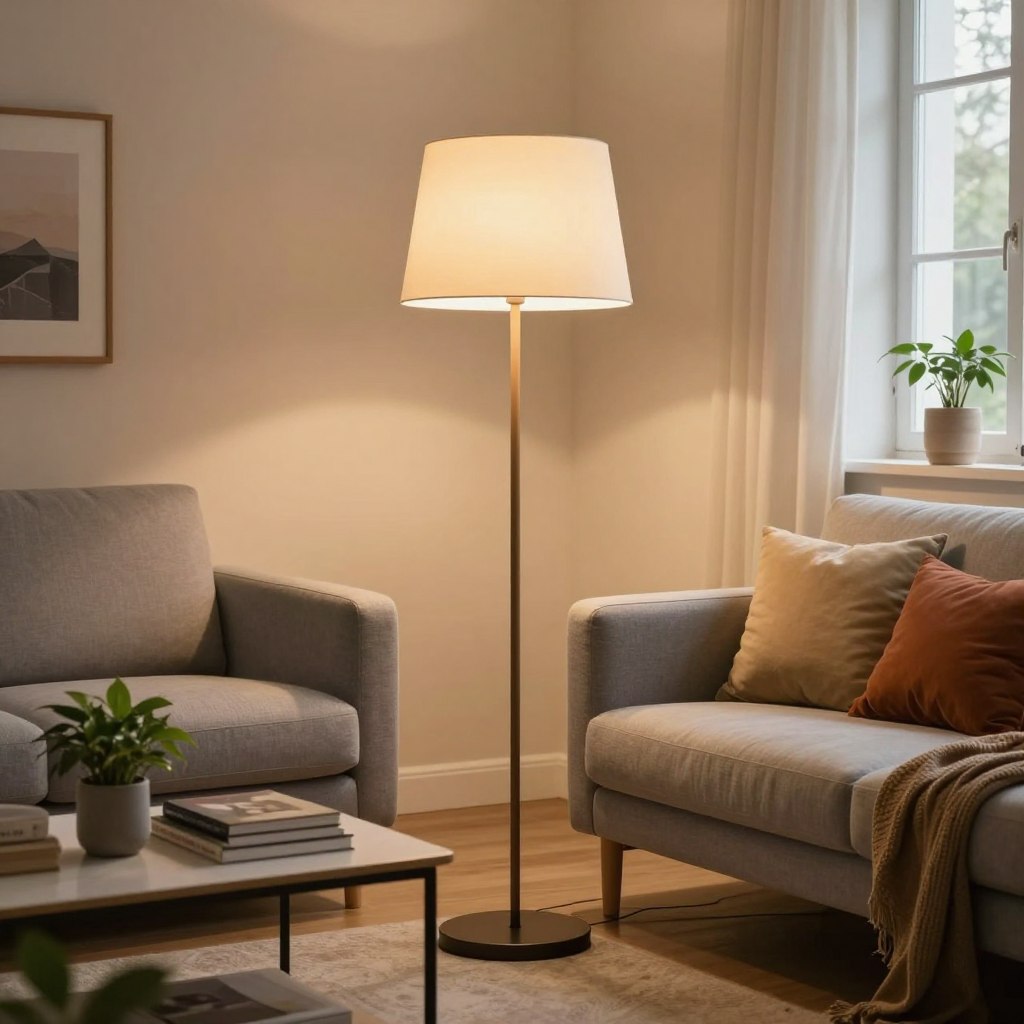
An arc floor lamp changes a small living room. It stretches over seating, lighting it up without taking up space. Choose one that arcs high and has a sturdy base to create a cozy area.
Positioning an Arc Lamp to Avoid Headaches
Where you put the lamp is crucial. Place the base behind and to the side of your main seating. This way, the arc lights up the room without being in the way. Make sure the shade is high enough so you don’t bump into it.
How an Uplighter Can Make a Ceiling Feel Higher
An uplighter makes a room feel taller. It shines light on the ceiling, making the room feel more open. This trick is especially good for rooms with low ceilings.
Best Floor Lamps for Small Living Rooms
For compact living room lighting, choose tall, slim lamps. They should be stylish but not take up too much space. Look for lamps with simple designs to avoid clutter.
Philips Hue Floor Lamp with Smart Controls
The Philips Hue Signe floor lamp is a smart choice. It can be controlled from your phone or by voice. This makes it perfect for small spaces, offering bright light during the day and soft light at night.
Adjustable Task Lamps for Reading Nooks
Use a small chair or loveseat in a corner for a reading nook. An adjustable task lamp is ideal. It shines light exactly where you need it, making the room feel larger.
Idea 5: Incorporate Strategic Task Lighting
Great lighting does more than set the mood. It helps you do things. In small living rooms, task lighting creates focused zones for work, hobbies, and display. This way, you avoid cluttering your space with big furniture.
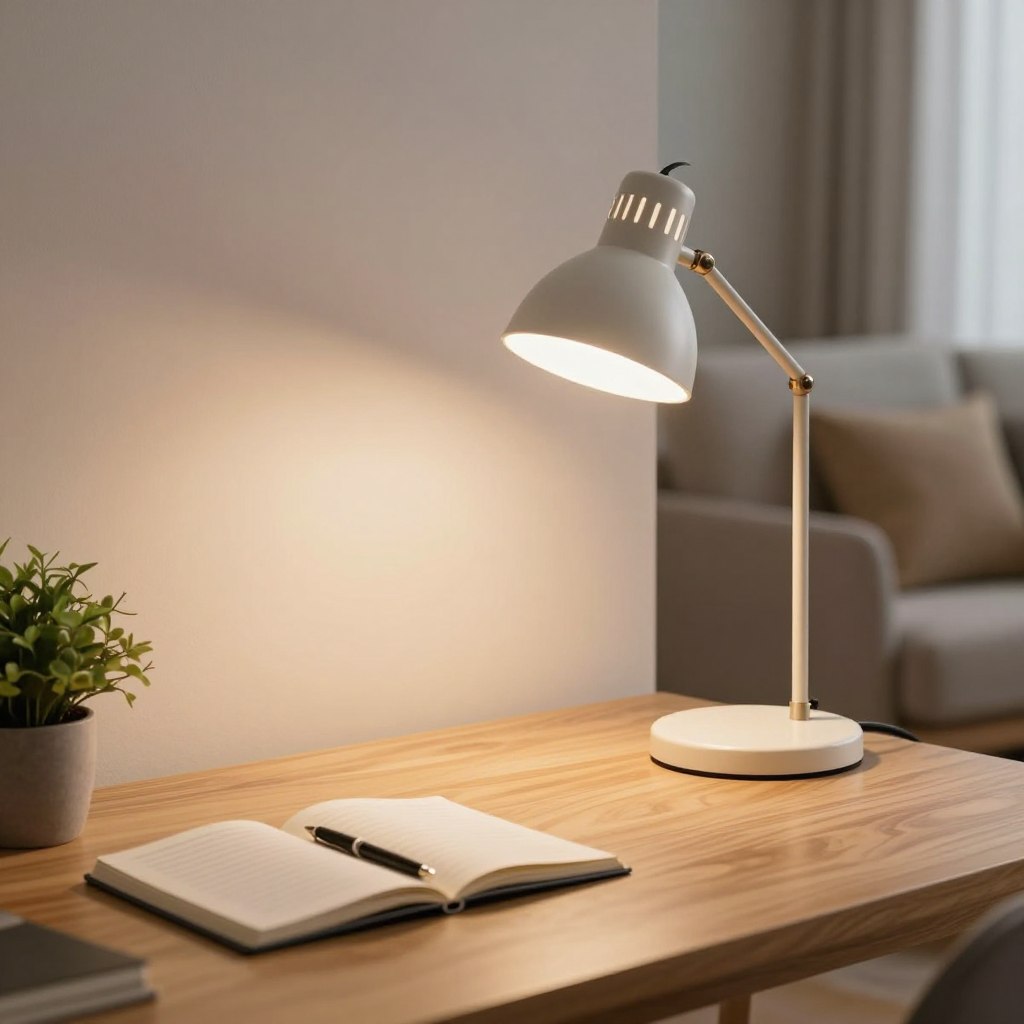
A swing-arm lamp is a game-changer for small spaces. It can be swung over your shoulder for reading, pulled close for crafts, or moved away when not needed. This lamp gives you a strong, focused beam exactly where you need it. It saves space on side tables.
Desk and Console Lamps for Hobbies and Work
A good desk lamp is essential. It’s a game changer for hobbies, paying bills, or working from home. A dedicated task lamp on a console or side table provides bright, clear light. This reduces eye strain and helps you focus, even with dimmed main room lights.
Picture Lights for Artwork and Shelving
Picture lights are where function meets art. They highlight favorite paintings or book collections, adding a gallery feel. These lights draw the eye and add sophistication without using floor or table space.
Under Cabinet and In Shelf LED Strips
LED strips under shelves or in cabinets are a modern secret. They provide a clean, even glow that makes items pop. They also serve as perfect night lights. A slim profile floor lamp offers focused light for reading without taking up much space.
By adding these lights, you’re not just lighting a room. You’re making your living space more functional, beautiful, and personalized.
Idea 6: Hide and Reveal with Cove and Accent Lighting
Let’s explore the magic of hidden light. Floor lamps and pendants get the spotlight, but the real magic lies in the unseen lights. Cove and accent lighting add drama and depth, making small spaces feel bigger. It’s all about using light to shape the room, not just fill it.
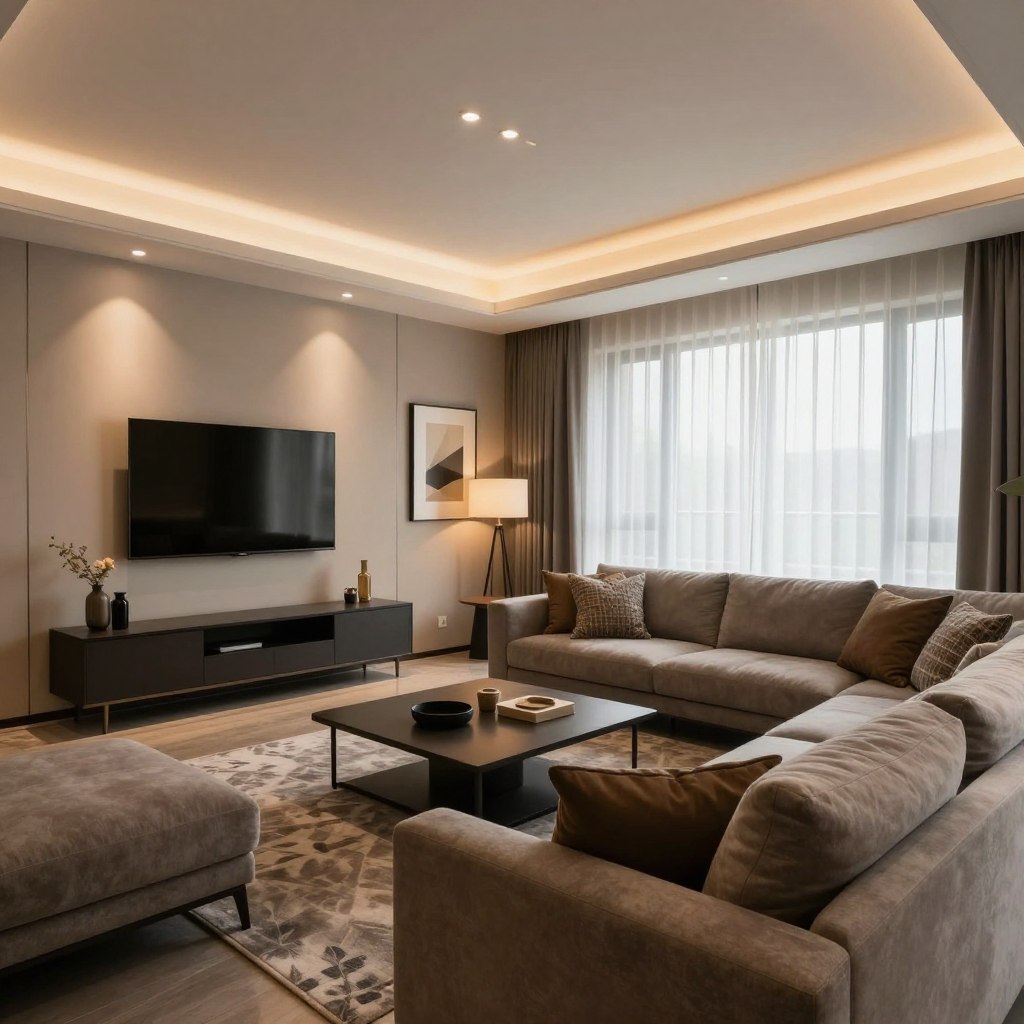
Creating a professional look without big changes is possible. You’ll need LED tape, aluminum channels, and a frosted diffuser. This setup creates a soft glow along walls or ceilings, making them appear to float. It’s a project that needs patience and planning, but the result is stunning.
When to Call a Professional Electrician
Know your limits. If you’re dealing with wiring or mains voltage, call a licensed electrician. It’s safer. For simple accent lighting for small spaces, like plug in LED strips, DIY is okay. But for complex setups, always hire a pro.
Installing Dimmable LED Strips for TV Backlighting
Mounting a dimmable LED strip behind your TV changes the game. It softens the wall, reducing eye strain and making screens easier to watch in dark rooms. Use dimmable, color tunable strips to adjust the light for different activities. You control it all from your couch.
Using LED Strips to Illuminate Shelves and Niches
Accent lighting for small spaces is perfect for shelves and niches. Place a thin LED tape along the back of a bookshelf or inside cabinets. It highlights your treasures, adding visual interest without taking up space. It’s a clever way to add personality, like the small living room decor ideas that make every corner count.
Idea 7: Maximize and Multiply Natural Light
My favorite lighting idea for small living areas is to use more of the natural light you already have. This makes a small room feel bigger, brighter, and more welcoming. It’s about using smart tricks to spread, reflect, and soften the light you already get.
Strategic Mirror Placement to Double Light
Using mirrors is a top trick for lighting for compact living areas. A well placed mirror can make a big difference. Place a large mirror opposite your biggest window to create a second window effect.
This trick bounces natural light deep into the room, making it seem larger. For the best look, angle the mirror to reflect a nice outdoor view or a bright wall. This doubles the light and view in your room.
Choosing the Right Mirror Shape and Frame
Not all mirrors are good for small spaces. A large, frameless, or thin-framed mirror looks modern and reflects more light. A mirror with a thin, light colored frame adds style without being too heavy.
I always suggest a simple, large mirror for the best effect in lighting for compact living areas. It’s not just a mirror; it’s a tool for controlling light.
Sheer vs Blackout: Finding the Right Curtain
Your window treatments are key to your light strategy. For a small living room, I usually suggest light-filtering sheers. They soften harsh sunlight into a warm glow that fills the room.
I save blackout curtains for bedrooms or media rooms. For your main living area, let the light in! Sheer, light colored curtains act like a softbox, spreading beautiful, even light that makes the space feel more open.
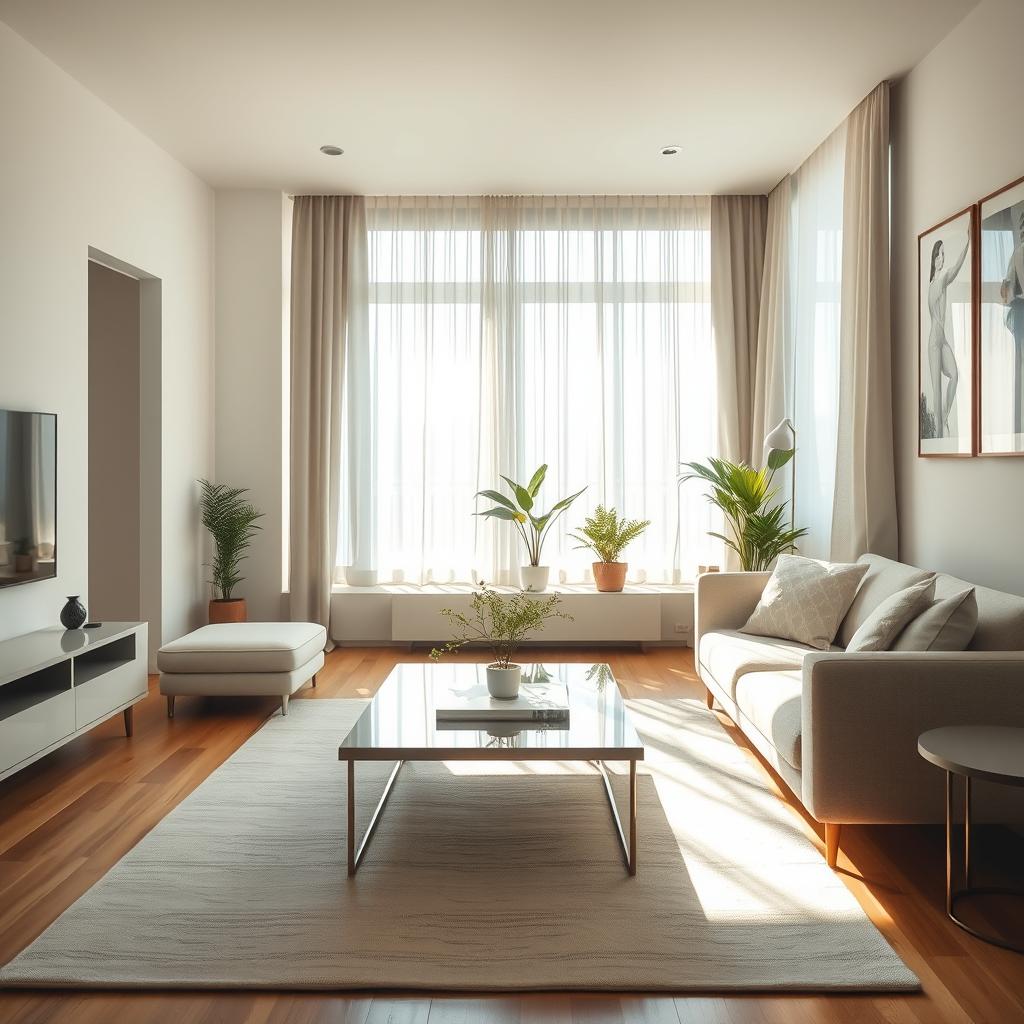
Light doesn’t just come from the ceiling. Surfaces also play a big role. A light colored, high gloss tile backsplash or glossy paint on an accent wall can act as a second light source.
I love using light, glossy paint on a key wall to bounce light around. A rug with a subtle sheen or a light colored, textured rug can also help lift the light in the room. These reflective surfaces catch and scatter natural light, making the room feel brighter and more open.
Mastering natural light is the most cost effective way to change a small living room. By thinking of your windows as your main light source and using mirrors and reflective surfaces, you can make your space feel brighter, bigger, and beautifully lit all day.
Idea 8: Go Smart for Ultimate Control
Smart lighting is key for total control in small living rooms. It’s like having a magic wand for your space. With smart bulbs and plugs, you can change the mood and function of your room easily. This is the best way to get flexible light without adding more lamps.
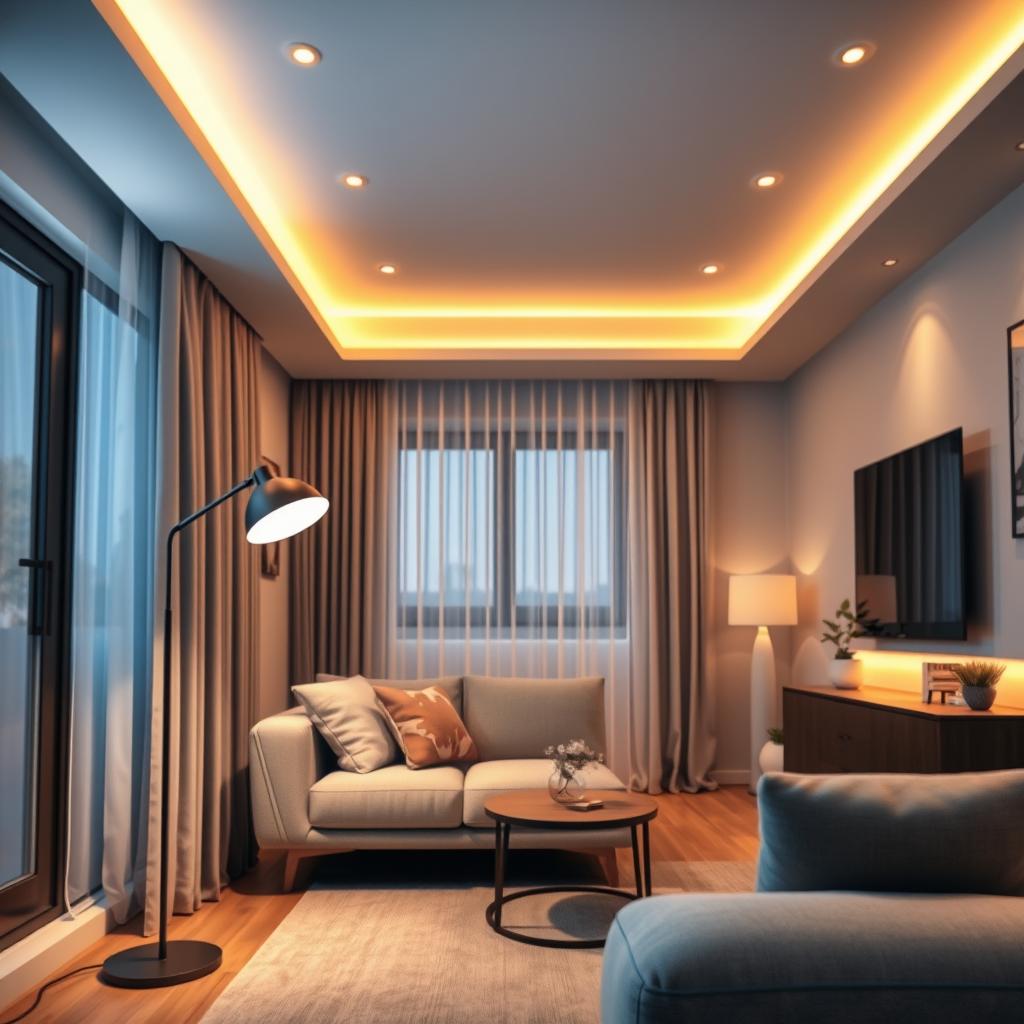
Creating “scenes” is my favorite smart lighting feature. With a tap on my phone, I can change the whole room. For example, I have a “Movie Night” scene that dims the lights for a cozy feel. I also have a “Morning” scene that starts the day gently.
For dinner parties, I use a “Bright & Lively” scene. This makes the room feel open and lively. Smart lighting for small rooms really makes a difference, turning one room into many.
Using Schedules and Sensors for Effortless Ambiance
I set schedules so my living room is never dark. The lights turn on 30 minutes before sunset, making it welcoming. I also use a motion sensor in the hallway. It turns on a soft light when I enter after dark.
This is the effortless ambiance smart lighting offers. You set it once, and it works for you every day. It saves energy and creates the perfect mood without effort.
Philips Hue Starter Kit vs Wyze Bulbs and Plugs
You don’t have to spend a lot to go smart. The Philips Hue Starter Kit offers a premium experience. It’s reliable and works with many smart devices.
For a budget-friendly option, Wyze Bulbs and Plugs are great. They’re affordable and easy to set up. Both work with voice assistants, but Hue has better color accuracy and more options. A few Wyze bulbs and a smart plug for a floor lamp offer great control for under $50.
Integrating with Amazon Alexa or Google Home
Voice commands make controlling your space easy. I use Alexa to control my lights without getting up. It feels like living in the future, making my small living room feel high-tech and intuitive.
Idea 9: The Power of the Humble Table Lamp
Table lamps are a lighting secret for small living rooms. They offer a portable, flexible light source. Unlike harsh overhead lights, table lamps create a soft, inviting glow.
Choosing a Lampshade for the Right Glow
The lampshade is key to your table lamp’s success. It turns a harsh bulb into a soft glow. For a small space, choose a light colored, translucent shade.
This type of shade scatters light, making the room feel larger. It also makes the space more welcoming.
The shade’s shape is important too. A drum shade offers a soft ambient light. A bell or empire shade is better for reading areas.
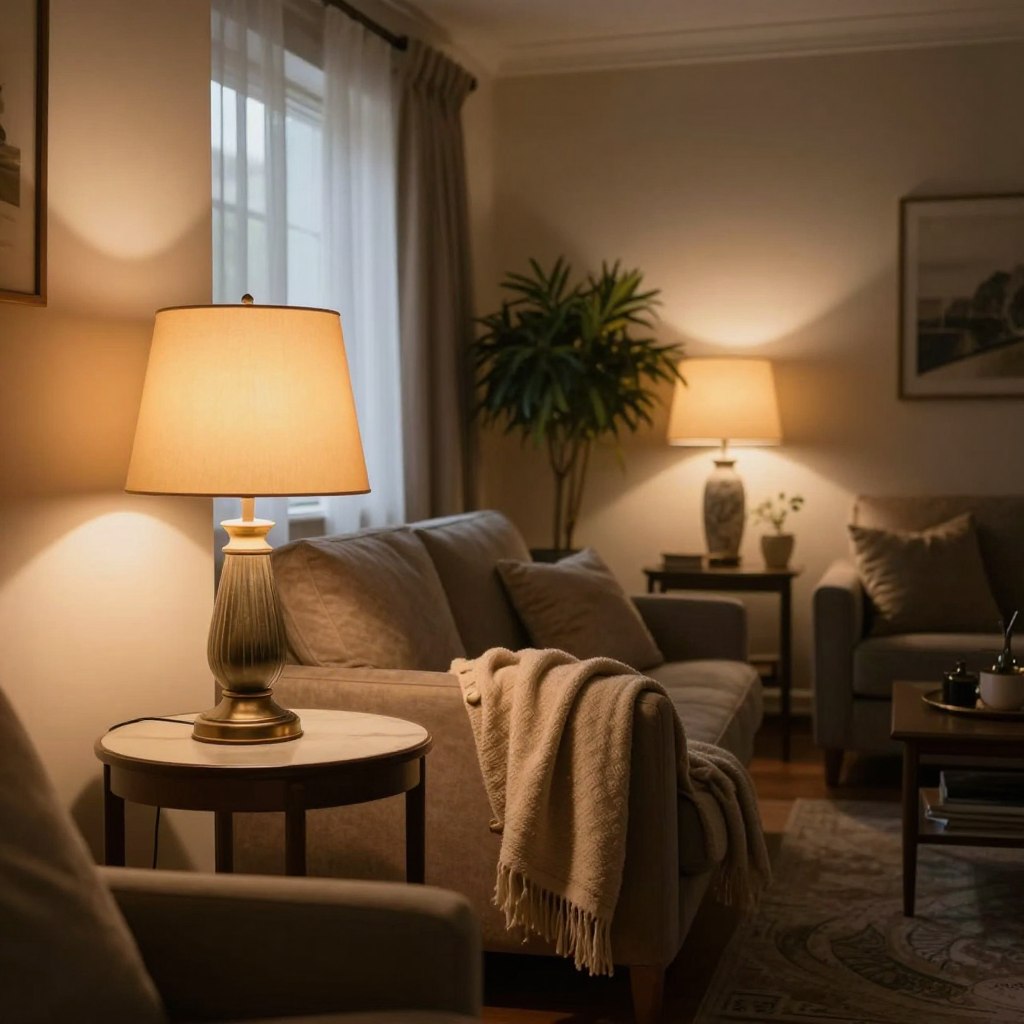
One bright overhead light can make a room feel cramped. Instead, use two or three table lamps. Place them around the room for a more dynamic light.
This method, called “light layering,” lets you control the mood. You can light up just one lamp for a movie or all three for a party. This makes the room feel larger and more inviting.
Side Table Lamps for Sofa Side Lighting
Every sofa needs a table lamp nearby. It’s not just for light; it’s an invitation to relax. Choose a lamp that’s not too tall for the table.
This keeps the light at the right height for reading. It doesn’t overwhelm the table surface.
Console Table Lamps for a Welcoming Entry Glow
A console table lamp is powerful. It creates a warm welcome in an entryway. It’s a beacon that draws the eye and makes the room feel cozy.
It’s a simple way to make a small entry or dark corner feel intentional. It adds a gentle light without competing with other sources.
Before turning on that harsh overhead light, think about a table lamp. It’s a flexible solution that makes a small room feel cozy and larger.
Idea 10: Don’t Forget the Fifth Wall (Your Ceiling!)
When we plan our small space lighting, we often ignore the ceiling. It’s the largest surface in the room. Using the ceiling as a canvas for light and color can change a room’s feel.
In a small living room, a well-designed ceiling strategy doesn’t just illuminate. It elevates, expands, and adds a final, polished layer to your lighting design.
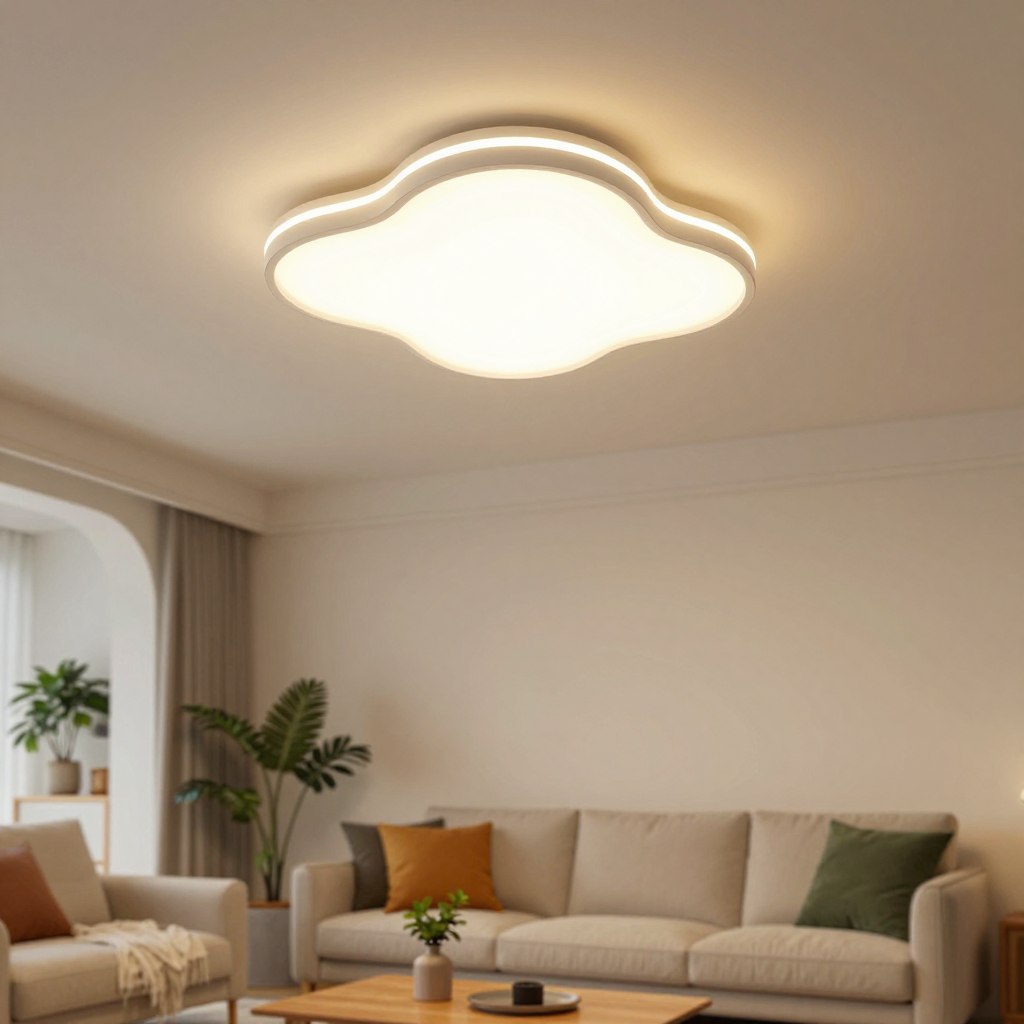
Let’s look up and discover how to turn your ceiling into a key player in your small space lighting solutions.
Painting the Ceiling a Light, Reflective Color
This is a simple and cost effective trick. I always recommend painting the ceiling a light, reflective color. Think of a soft white, a pale gray, or even a very light pastel.
These shades bounce available light around the room. This simple choice makes a room feel instantly brighter and more open.
Choosing a Statement Flush Mount or Semi Flush Fixture
For small living rooms, I’m a huge advocate for a statement flush-mount or semi flush mount fixture. It’s a myth that only chandeliers make a statement.
A beautiful, sculptural flush mount can be a stunning focal point without sacrificing precious headroom. It provides excellent ambient light and acts as a piece of ceiling art, drawing the eye up and creating a sense of vertical space.
Using Recessed Lights to Create a “Starry Sky”
Recessed can lights aren’t just for general illumination. I love using them to create a “starry sky” effect. By spacing recessed lights strategically perhaps in a random, organic pattern rather than a rigid grid you can mimic a night sky.
Using dimmable LED bulbs with a warm color temperature creates a magical, cozy atmosphere. This effect adds depth and a sense of vastness.
Avoiding the “Cave” Feeling with Upward Light
The biggest fear with overhead light is the dreaded “cave” effect, where the floor is bright but the ceiling is a dark void. The solution is to bounce light off the ceiling.
This is where small space lighting solutions get clever. Use a floor lamp with an upward-facing shade, a wall sconce that grazes light up the wall, or a pendant with an open top. This technique, called “uplighting,” washes the ceiling with a soft, ambient glow. It eliminates harsh shadows on your face and makes the entire room feel taller and more expansive.
Your ceiling is a canvas, not an afterthought. By treating it as the fifth wall, you can employ brilliant small space lighting solutions that enhance height, add character, and completely transform the feel of your living room.
How to Layer All Your Lights Like a Pro
Think of your small living room as a canvas, and light as your paint. The secret to a space that feels both spacious and sophisticated isn’t a single, brilliant bulb. The secret is layered lighting. By combining different types of light at various levels, you create a dynamic, flexible, and deeply inviting atmosphere. This is the magic of layered lighting for small rooms: it adds depth, defines zones, and banishes harsh shadows, making your compact living area feel larger and more dynamic.
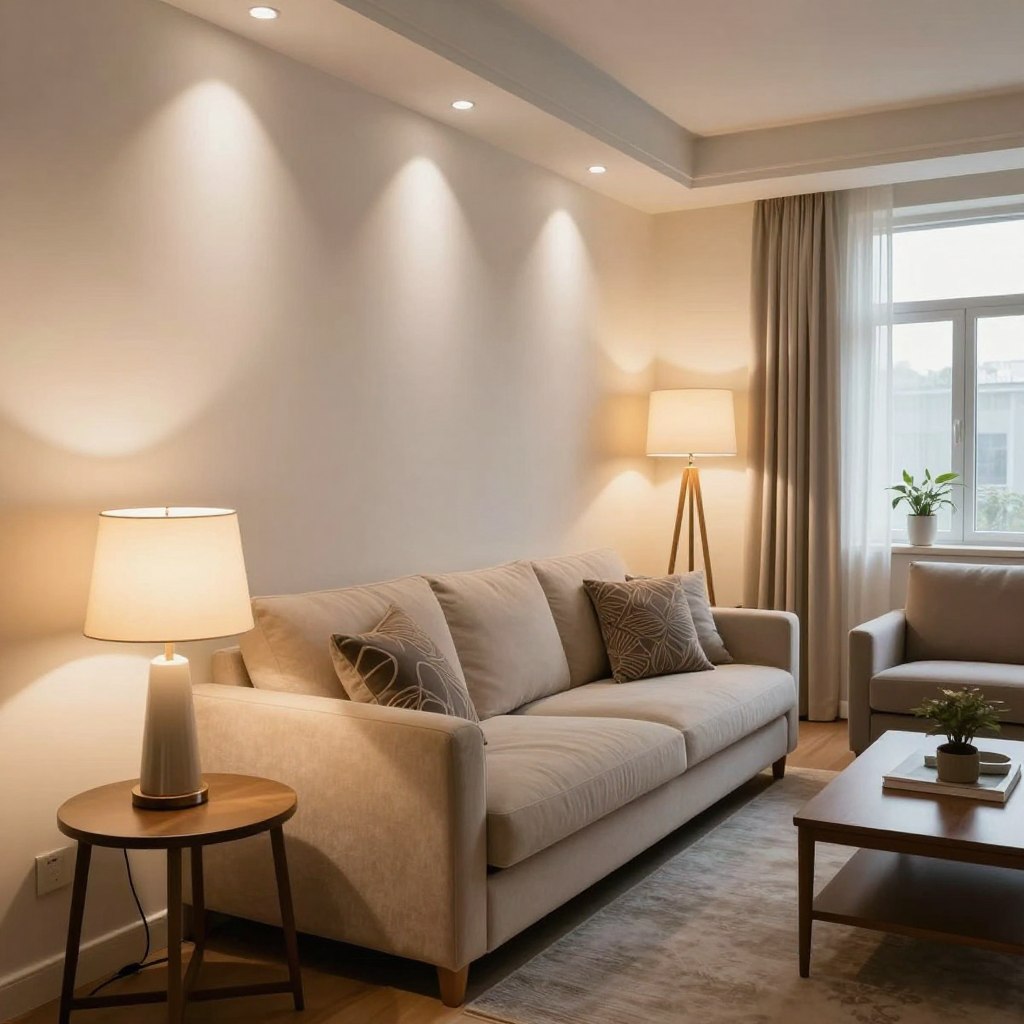
This is your base layer the general, overall illumination that replaces the sun. It should be soft, even, and bounce light off your walls and ceiling. Think of it as the canvas on which you’ll paint with other lights.
Your Tools: Recessed can lights, flush mount ceiling fixtures, and large pendants. The goal is to eliminate harsh shadows and provide a comfortable, uniform level of light. In a small living room, this layer should be soft and diffuse, never blinding.
Tier 2: Task (The Functional Focus)
This is your functional, directed light. It’s for the activities you do: reading, working on a laptop, or working on a puzzle. This layer is about function and precision.
Your Tools: This is where your floor lamps (for a reading nook), desk lamps, and sconces come in. They provide a brighter, more focused beam exactly where you need it, without having to crank up the ambient lights.
Tier 3: Accent (The Drama & Flair)
This is where your room gets its personality and dimension. Accent lighting is for drama, texture, and drawing the eye to specific features.
Your Tools: Picture lights for artwork, discreet LED strips under shelves or cabinets, or a small, focused uplight to graze a textured wall. This layer adds the “wow” factor and creates visual interest, making your small space feel curated and intentional.
Drawing a Simple Floor Plan and Lighting Map
Don’t wing it. Grab some graph paper or use a simple app. Sketch your room layout, marking furniture and focal points. Now, be the lighting director. Mark your Tier 1 (ambient) sources on the ceiling. Then, place Tier 2 (task) lights where you need focused light (like by the sofa or a chair). Finally, mark where Tier 3 (accent) lights will highlight art or a feature wall. This “lighting map” is your blueprint for a perfectly balanced room.
Calculating Lumens and Color Temperature for Harmony
Harmony is key. Mixing a cool, bluish light with a warm, yellow one creates visual chaos. Here’s the simple guide:
Lumens (Brightness): Aim for 20 lumens per square foot for ambient light. So, a 150 sq. ft. room needs about 3,000 lumens total from all sources combined.
Color Temperature: This is the “warmth” of the light, measured in Kelvins (K). For a cozy, inviting living room, stick to a consistent, warm white color temperature (2700K-3000K) for all your bulbs. This uniformity is crucial mixing 2700K and 5000K bulbs in the same sightline will make your space feel disjointed.
Start with your ambient layer, then add task lights where you work, and finish with accent lights for drama. The magic isn’t in a single fixture, but in how you blend these layers to make your small living room feel bright, big, and beautifully yours.
Common Small Living Room Lighting Mistakes (And How to Fix Them)
Lighting a small living room right means avoiding a few big mistakes. These errors can make your space feel dark, cramped, or harsh. But, each mistake has a simple fix. Let’s look at the three main mistakes and how to make your contemporary small space lighting shine.
The “Cave” Effect and How to Fix It
One big mistake is using only one overhead light. This creates a “cave effect” where the center is bright, but the corners are dark. This makes the room feel smaller and the walls cave in.
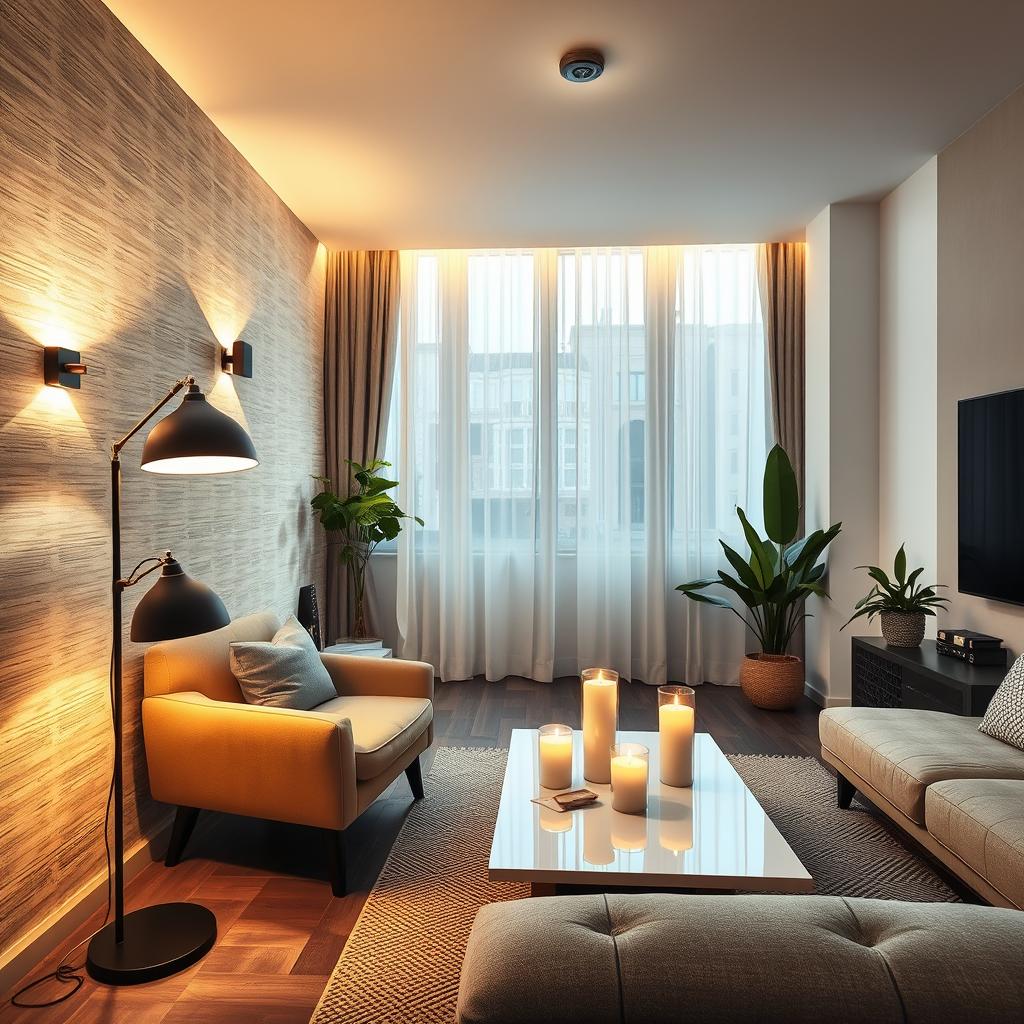
To fix this, use a layered lighting plan. Get rid of the single overhead light. Instead, mix ambient, task, and accent lighting. Add wall sconces, floor lamps, and under-cabinet lighting. This even distribution of light makes the room feel larger and more welcoming.
Why 2700K-3000K is the Sweet Spot for Coziness
Many try to make a room feel bigger with bright, cool white bulbs. But, this is a mistake. Cool, blue toned light can make a room feel cold and sterile, like an office or hospital.
The best light for a cozy room is 2700K to 3000K. This range is warm and inviting, like sunset or candlelight. It makes your room feel cozy and relaxing, perfect for a living space.
Why Every Light Should Be Dimmable
Harsh, fixed lighting is bad for a multi functional room. It forces you to choose between too bright or too dark.
Dimmer switches for your main lights are a game-changer. They let you adjust the light for any occasion. Brighten it for parties or dim it for movie nights. Dimmers are key for contemporary small space lighting because they let one light do many things. They also save energy and bulbs last longer.
Conclusion: Step Into Your Brighter, Bigger Living Room
Lighting is key to making your small living room feel bigger. It can make your space look larger and feel more open. The right lighting turns a small room into a bright, welcoming, and stylish area.
You don’t have to change everything at once. Start with one idea. Try a smart bulb from Philips Hue in your main lamp to change the mood. Or, install a single sconce from Tech Lighting to light up a wall.
Small changes can make a big difference. A new floor lamp or brighter LED bulb can transform your room. Your living room is ready for a makeover. Pick one idea from this guide and begin.
Layer your light and play with different layers. Watch how your space changes. Your living room is about to feel brand new.